On March 20, 2010, Libby’s H*O*P*E*™ made a presentation at the National Ovarian Cancer Coalition’s 6th Annual Women’s Health Expo. The presentation was entitled, A Patient Advocate’s Perspective on the Importance of Ovarian Cancer Awareness and Helpful Online Resources.
On March 20, 2010, Libby’s H*O*P*E*™ made a presentation at the National Ovarian Cancer Coalition’s 6th Annual Women’s Health Expo. The presentation was entitled, A Patient Advocate’s Perspective on the Importance of Ovarian Cancer Awareness and Helpful Online Resources. The topics covered in the presentation include:
Genesis of Libby’s H*O*P*E*™,
Ovarian Cancer Overview,
Helpful Online Resources,
Stories of Hope, and
Making a Difference
The full presentation is provided below in Adobe Reader PDF document format. To view the full presentation, simply click on the image below. If you require free Adobe Reader software, click here.
I want to extend special thanks to Nancy Long and Paula Kozik, co-presidents of the National Ovarian Cancer Coalition’s Central Maryland Chapter, for the invitation to speak at this worthwhile event. Nancy and Paula are two very special ovarian cancer survivors, who put together an informative conference that was well attended and enjoyed by all. It was both an honor and a privilege to meet Nancy, Paula, and many other ovarian cancer survivors during the conference. Many women shared with me their personal stories of struggle, inspiration and hope. These women are my “everyday heroes.” If you have any questions regarding the presentation, please feel free to contact me by clicking on the homepage “Contact” tab.
On March 20, 2010, the National Ovarian Cancer Coalition (Maryland Chapter) will hold its 6th Annual Women’s Health Expo entitled, REJUVENATE Finding Balance (NOCC Rejuvenate), at the Sheraton Annapolis Hotel. … On behalf of Libby’s H*O*P*E*™, I will conduct a seminar as part of Session II entitled, A Patient Advocate’s Perspective on the Importance of Ovarian Cancer Awareness and Related On-line Resources.
NOCC Rejuvenate is designed to appeal to all women who want to rejuvenate their mind, body and spirit. The event is divided into three sessions. Each session offers seven to eight different seminars for attendees. The seminars address a variety of topics including make-up and skin care, going green, photography, plastic surgery, decorating, fashion, finance, retirement solutions, nutrition, fitness, and holistic approaches to wellness. A list of all event seminars is provided below.
Informative seminars about ovarian and breast cancer are offered as part of each session. Knowing the signs and symptoms of ovarian cancer, the screening guidelines for breast cancer, and the basics about hereditary breast and ovarian cancer, could save your life or the life of someone you love. On behalf of Libby’s H*O*P*E*™, I will conduct a seminar as part of Session II entitled, A Patient Advocate’s Perspective on the Importance of Ovarian Cancer Awareness and Related On-line Resources. My presentation will address the genesis of the Libby’s H*O*P*E*™ website; highlight critical ovarian cancer awareness information; summarize available online ovarian cancer and cancer-related resources; describe stories of hope involving ovarian cancer survivors and their families; and explain how each individual can make a difference in the fight against ovarian cancer.
NOCC Rejuvenate also targets cancer survivors. The devastating effects of these diseases can rob women of hope and peace. This event will offer an opportunity for survivors to reinvent their self-image and gain more knowledge, offering a sense of hope and a chance to connect with other survivors.
An exhibitor’s area will be offered at the event. This area will include informational tables as well as vendor tables that have been specifically chosen to meet the overarching vision of the event. At the completion of the three event sessions, a nutritious lunch will be served while information is provided on the signs and symptoms of ovarian and breast cancer.
NOCC 6th Annual Women's Health Expo
What: National Ovarian Cancer Coalition 6th Annual Women’s Health Expo entitled, REJUVENTE Finding Balance (click here to view event brochure, including mail-in registration)
When: Saturday, March 20, 2010 (8:00 A.M. – 3:00 P.M.)
Hereditary Syndromes That Include Ovarian and Breast Cancers
Facial & Body Rejuvenation
A Patient Advocate’s Perspective On the Importance of Ovarian Cancer Awareness & Related On-line Resources (Paul Cacciatore, Founder, Libby’s H*O*P*E*™)
Designing Green Interiors
Creating Better Images with the Camera You Own
Some Expert Fashion Tips
Yoga: A Balanced Life
Relaxation & Healing
Session III Presentations (12:00 P.M. – 1:00 P.M.)
What is My Daughter’s Chance of Getting My Cancer?
Planning for your Retirement Lifestyle: The New Retirement
Super Health Begins with Super-food Nutrition
Around the World to Your Backyard
Balancing Your Life Wheel
Get Fit & Healthy with the Simple Rules of the Big 3
Relaxation & Healing
About the National Ovarian Cancer Coalition
The mission of the NOCC is to raise awareness and increase education about ovarian cancer. NOCC is committed to improving the survival rate and quality of life for women with ovarian cancer. Through national programs and local Chapter initiatives, the NOCC’s goal is to make more people aware of the early symptoms of ovarian cancer. In addition, the NOCC provides information to assist the newly diagnosed patient, to provide hope to survivors, and to support caregivers. NOCC programs are possible only with the help of its volunteers; committed men and women dedicated to the mission of the NOCC in communities across the country. For more information go to http://www.ovarian.org/.
About the National Breast & Ovarian Cancer Connection
The mission of the NBOCC is to raise awareness and educate the general public about the link between breast and ovarian cancer. The organization is dedicated to teaching all women about their inherent risks and how to improve their chances of survival through early detection and research developments. For more information go to http://www.nbocc.org/.
How do you define tragedy? … The loss of Archibald “Moonlight” Graham and Sue-Louise Newmann is certainly tragic, however, their lives exemplify hope and inspiration.
Alabama Crimson Tide 37 — Texas Longhorns 21. That was the final score of the Citi BCS National Championship football game, which was played in the Rose Bowl on January 7, 2010. The Texas team experienced a major setback in that game when quarterback Colt McCoy, a 2008 Heisman Trophy Finalist, was injured during the first quarter of the game. More specifically, the Texas quarterback was injured on the fifth play of the game. At that moment, all football fans understood the significance of the injury in light of the following records held by Colt McCoy at game’s start: highest NCAA single season passing completion percentage (77.6%); highest NCAA career passing completion percentage (70.9%); and most NCAA football game wins by a starting quarterback (44).
I watched that BCS National Championship game with a friend. Immediately after Marcell Dareus –an Alabama defensive lineman — hit McCoy, and it was clear that the Texas starting quarterback would not return to the game due to a shoulder injury, my friend exclaimed: “That’s a tragedy!” He elaborated upon his initial comment by describing how important McCoy was to the Texas football team and how Texas’ chance for victory walked off the field along with its injured quarterback. In total dismay, my friend went on to described how important this game was to Colt McCoy and his future National Football League career and related compensation package.
Shortly after football game ended in a Texas defeat, I began to think about my friend’s comment. It seemed fair in the heat of a sporting moment. A few hours later, it seems outright ridiculous. I began to think about what most people consider “a tragedy” in life, and what, if any, example(s) could be used to appropriately define this term in the context of an individual’s life. Two individuals came to mind as a way to place a human face on the proper meaning of the term: Dr. Archibald “Moonlight” Graham and Sue-Louise Newmann.
Dr. Archibald “Moonlight” Graham
Archibald “Moonlight” Graham was an American professional baseball player who appeared as a right fielder in a single major league game for the New York Giants on June 29, 1905. His story was popularized by Shoeless Joe, a novel by W. P. Kinsella, and the subsequent 1989 Oscar-Nominated “Best Picture” Field of Dreams, starring Kevin Costner, and featuring Burt Lancaster and Frank Whaley as older and younger incarnations of “Moonlight” Graham. On June 29, 1905, the Giants were the visiting team against the Brooklyn Superbas. In the bottom of the eighth inning of that baseball game, Graham was sent in to play right field, replacing George Browne. In the top of the ninth inning, Graham was on deck to bat next when his teammate Claude Elliott flied out resulting in the third and final out. Graham played the bottom of the ninth inning in right field but never came to bat, and that game turned out to be his only appearance in the major leagues.
After playing in the minor baseball leagues through the 1908 season, Graham completed his medical degree from the University of Maryland in 1908. He obtained his medical license the following year and began his practice in Chisholm, Minnesota. According to Veda Ponikvar, founder of The Chisholm Free Press and Tribune, Graham jumped on a train to Minnesota after reading a small ad listing a doctor’s position. Once in Chisholm, Graham never left. He lived in Chisholm until his death 54 years later in 1965. “Doc” Graham, as he became known after his career as a ballplayer, served the people of Chisholm for fifty years. From 1915 to 1959, Graham was the doctor for the Chisholm public schools.
In the movie Field of Dreams, Iowa farmer Ray Kinsella (Kevin Costner) hears a disembodied voice in his cornfield, telling him “If you build it, he will come.” This mysterious occurrence leads Ray into the past, on an unexpected cross-country journey, and in search of an elusive connection with his long deceased father. This is a magical film about the transformative power of baseball, the love of a son for his father, and believing in something that you can’t quite define in words. In the later part of the movie, a mystical clue leads Ray to Chisholm, Minnesota. Once in Chisholm, Ray meets the reincarnated spirit of elderly “Doc” Graham.” Graham tells Ray the story of his life including his single appearance in a major league baseball game — a game in which he never batted. The movie dialogue below provides one example of the proper definition of “tragedy” in the context of an individual’s life:
Dr. Archibald "Moonlight" Graham as portrayed by Burt Lancaster in the 1989 "Best Picture" Oscar-Nominated movie "Field of Dreams."
Dr. Archibald “Moonlight” Graham: Well, you know I… I never got to bat in the major leagues. I would have liked to have had that chance. Just once. To stare down a big league pitcher. To stare him down, and just as he goes into his windup, wink. Make him think you know something he doesn’t. That’s what I wish for. Chance to squint at a sky so blue that it hurts your eyes just to look at it. To feel the tingling in your arm as you connect with the ball. To run the bases – stretch a double into a triple, and flop face-first into third, wrap your arms around the bag. That’s my wish, Ray Kinsella. That’s my wish. And is there enough magic out there in the moonlight to make this dream come true?
Ray Kinsella: Fifty years ago, for five minutes you came within… y-you came this close. It would KILL some men to get so close to their dream and not touch it. God, they’d consider it a tragedy.
Dr. Archibald “Moonlight” Graham: Son, if I’d only gotten to be a doctor for five minutes… now that would have been a tragedy.
Ray, like my friend, defined “tragedy” in the context of a kid’s game that turned professional. “Moonlight” Graham would have been one of fiction’s (and Hollywood’s) great characters, except for the fact that “Moonlight” Graham was a real person. He really did become the beloved town doctor of Chisholm, Minnesota. And, he really did play in just one major league baseball game. That one game was played over 100 years ago, and was the subject of a msnbc feature narrated by Keith Olbermann, entitled Moonlight Graham Remembered.
Shortly after his death in 1965, Veda Ponikvar wrote the following obituary for Dr. Archibald Graham in the local Chisholm newspaper:
As the community grew, Doc became an integral part of the population. There were good years and lean ones. There were times when children could not afford eyeglasses, or milk, or clothing because of the economic upheavals, strikes, and depressions. Yet no child was ever denied these essentials, because in the background, there was a benevolent, understanding Doctor Graham. Without a word, without any fanfare or publicity, the glasses or the milk, or the ticket to the ball game found their way into the child’s pocket.
A person would be fortunate to possess the qualities embodied by “Moonlight Graham;” humility, grace, kindness, hope and inspiration. Dr. Graham is a genuine example of a life well-spent. Archibald “Moonlight” Graham, in life, and as portrayed in the movie, understands the true meaning of the word “tragedy.”
Sue-Louise Newmann
Did you ever sense the inner character an individual without ever meeting that person? I did, and her name is Sue-Louise Newmann. About a week ago, I was updating the Libby’s H*O*P*E* ovarian cancer video library when I came across three YouTube videos posted by Sue-Louise Newmann’s husband. Each video consists of a picture montage set to music. The picture montages reveal the couple’s special life moments such as getting married, having children, celebrating birthdays and anniversaries, and traveling overseas. The background music playing in each video was composed and sung by Sue-Louise.
In terms of “internet presence,” I only discovered a limited amount of information about Sue-Louise Newmann. Sue-Louise was married and a mother to two young daughters. She lived in Australia. Newmann was also the head of human resources for an Australian utility company. As a gifted songwriter and muscian, she played many of the instruments that were used to record her songs.
Sue-Louise was diagnosed with ovarian cancer in 2006, and she died in February 2009 at the age of 46. The three songs that accompany the video picture montages were recorded by Sue-Louise after her doctor informed her that she would likely live for only nine more months. The video titles (and the song titles) are Time of My Life, Waiting For a Miracle, and Don’t You Forget About Me. I extend my highest gratitude to Sue-Louise’s husband for creating and publicly sharing these videos.
Time of My Life
Despite the fact that I never met Sue-Louise, the video picture montages leave no doubt that her life was filled with love, family, and music. Sue-Louise’s inner character shines bright in each picture. I believe that Sue-Louise possessed “ordinary grace,” a term coined by the author Kathleen Brehony in her book bearing the same title. In that book, Brehony explains that ordinary grace does not only live in great cathedrals and holy ashrams, it lives in ordinary people who have found a place in their lives for love, generosity and simple kindness. Sue-Louise’s ordinary grace manifests itself in her pictures, as well as the notes and lyrics of her songs. In proper context, the death of Sue-Louise Newmann, as a wife, a mother, a friend and a talented songwriter, is clearly a tragedy. The loss of any women from ovarian cancer is a tragedy.
From Tragedy Comes Hope & Inspiration
The loss of Archibald “Moonlight” Graham and Sue-Louise Newmann is certainly tragic, however, their lives exemplify hope and inspiration. Dr. Graham turned the loss of a professional baseball career into a life of helping others through medicine and random acts of kindness. Sue-Louise Newmann also lived a full life. When confronted with imminent death from ovarian cancer, Newmann chose to write and sing beautiful songs that will forever touch and inspire us. Each individual, when faced with difficulty or life-threatening circumstances, chose to inspire hope in others. In the end, such inspiration creates an everlasting legacy that transcends death.
So, the next time you experience a bad day, a career disappointment, an angry driver, or a curt salesperson, take a moment to realize that these events do not rise to the level of a tragedy. And, at the end of each day, ask yourself the following question: “How will I be remembered in my eulogy or tribute video?”
______________________________
*”Vox Populi,” a Latin phrase that means “voice of the people,” is a term often used in broadcast journalism to describe an interview of the “man on the street.”
In the spirit of Vox Populi, Libby’s H*O*P*E*™ searches online for original pieces of writing or visual media created by ovarian cancer survivors, survivors’ family members, cancer advocates, journalists, and health care professionals, which address one or more aspects of ovarian cancer within the context of daily life. The written and visual media features that we discover run the gamut; sometimes poignant, sometimes educational, sometimes touching, sometimes comedic, but always honest. The Vox Populi feature may take the form of an essay, editorial, poem, letter, story, song or picture montage.
It is our hope that the Vox Populi feature will allow our readers to obtain, in some small way, a better understanding of how ovarian cancer impacts the life of a woman diagnosed with the disease and her family. We invite all readers to submit, or bring to our attention, original written or visual media pieces suitable for publication as Vox Populi features.
L’Oréal Paris Honors Women of Worth at Special Ceremony in New York City. Ten Women Recognized for Making a Difference in their Communities with Special Guests including Mary J. Blige, Holly Robinson Peete and Erica Hill. Shannon Lambert Named Women of Worth National Honoree by Public Vote
L'Oréal Paris' 2009 Women of Worth Honorees with Mary J. Blige, L'Oréal Paris President Karen T. Fondu and Senior Vice President of Marketing Anne Talley at the CNN Inspire Summit.
L'Oréal Paris President, Karen T. Fondu, with Mary J. Blige at the CNN Inspire Summit in New York City.
L’Oréal Paris’ fourth annual Women of Worth program honored ten women for their exceptional achievements and tireless volunteerism efforts at the CNN Inspire Summit in New York City. The event was held December 8th in celebration of the ten 2009 L’Oréal Paris Women of Worth honorees and featured an awards presentation by Karen T. Fondu, President, L’Oréal Paris Division. Special guests speakers included, Mary J. Blige, Holly Robinson Peete, and Erica Hill. The Women of Worth honorees represent a wide range of causes including education, female and youth empowerment, military support and healing for survivors of cancer and sexual violence. Each of the ten honorees received $5,000 from L’Oréal Paris for their charitable organizations, plus a $5,000 matching donation made in their name to the Ovarian Cancer Research Fund, the twelve-year charitable partner of L’Oréal Paris.
Women of Worth Program
The Women of Worth initiative celebrates women who passionately embody the spirit of volunteerism. The initiative empowers and celebrates women everywhere and brings the L’Oréal Paris “Because I’m Worth It” philosophy to life.
“We are so honored to welcome each of the 2009 Women of Worth honorees to this very special community,” said Karen T. Fondu, President, L’Oréal Paris Division. “Each of these amazing women embodies the L’Oréal Paris philosophy and supports our unwavering belief in every woman’s worth and in her power to make a difference in the world.”
Women of Worth Honorees
The ten 2009 L’Oréal Paris Women of Worth honorees are dedicated to a range of causes and are phenomenal examples of the power of volunteerism. Each honoree is an extraordinary community leader representing and inspiring women all across America.
Lillian Collins – Clinton, OK, founded Eastside Academy to assist African American children who need help in reading and math, providing a positive after-school program.
Anne Ginther – Sammamish, WA, founded RandomKid, which provides staff and services to youth of all backgrounds and abilities for the development, management and accomplishment of their goals to help others.
Maimah Karmo – Aldie, VA, established Tigerlily Foundation, which provides meals, financial assistance, empowerment and inspiration to younger women affected by breast cancer.
Shannon Lambert, Minneapolis, MN, founder of Pandora’s Project, a community where women who have survived rape can connect and support one another.
Brenda Murray – Chevy Chase, MD, has been transforming conditions and providing educational opportunities for thousands of women behind bars for the past 20 years.
Ora Rakestraw – Sacramento, CA, tutors third graders with special needs, helping these young people have a chance to experience success and stay committed to their education.
Carol Reza – Whitter, CA, founded Bridge of Faith to provide families of incarcerated women with mentoring and social service referral services.
Halle Tecco – San Francisco, CA, created Yoga Bear, an organization that provides free yoga classes to cancer patients.
Rhonda Ulmer – Denton, MD, provides local community resources to parents in her school to obtain their GED, housing, food and health assistance, transforming the school into the hub of the community.
The Women of Worth honorees were chosen from nearly 2,500 applicants by an elite group of judges, which includes Jacqueline Hernandez, Chief Operating Officer of Telemundo Communications Group; Soledad O’Brien, CNN Anchor; Dayle Haddon, L’Oréal Paris spokesperson; Elizabeth Howard, former Chief Executive Officer of the Ovarian Cancer Research Fund; Cindy Kerr, Founder and President of ConKerr Cancer and Anne Talley, Senior Vice President of Marketing for L’Oréal Paris.
Women of Worth National Honoree
Shannon Lambert, founder of Pandora’s Project, a community where women who have survived rape can connect and support one another.
The National Honoree, Shannon Lambert, recognized for her work with Pandora’s Project, which provides support, information and resources to sexual violence survivors received an additional $25,000 from L’Oréal Paris as a result of a national online vote at womenofworth.com.
“My own experience inspired me to create an innovative way for survivors of sexual violence to connect with each other and find the resources they need and deserve to heal.” — Shannon Lambert
It is estimated that at least one in six individuals will experience rape or sexual abuse in their lifetime, and for many, the aftermath of sexual violence is isolating and devastating. Pandora’s Project offers an online resource moderated by a team of volunteers that provides peer-to-peer support for male and female victims of sexual violence. The organization also operates a free sexual assault lending library, maintains resource lists for those in need of face-to-face support, and organizes retreat weekends for women ready to take their healing one step farther.
“I am delighted to be honored as a L’Oréal Paris Woman of Worth,” said Lambert. “The support L’Oréal Paris has given to Pandora’s Project will enable us to continue to help victims of sexual violence and to support their recovery.”
For more information about the Women of Worth program and honorees, please visit womenofworth.com.
About L’Oréal Paris
The L’Oréal Paris division of L’Oréal USA, Inc. is a total beauty care company that combines the latest in technology with the highest in quality for the ultimate in luxury beauty at mass. The L’Oréal Paris brand encompasses the four major beauty categories – haircolor, haircare, skincare and cosmetics – and includes such well-known brands as Preference, Excellence and Féria haircolors; EverPure, VIVE Pro, Studio Line and L’Oréal Kids haircare; Revitalift, Age Perfect, Skin Genesis, Collagen, Sublime Bronze and Men’s Expert skincare; and the Colour Riche, True Match, Infallible, Bare Naturale and HIP High Intensity Pigments cosmetics collections, along with a portfolio of mascara including Voluminous, Double Extend and Telescopic among many others.
L’Oréal Paris is dedicated to women around the world and the company has been inspired to give back and make a difference in their lives. In 1997, L’Oréal Paris made a long-term commitment to raising awareness for ovarian cancer, which continues to build. To date, L’Oréal Paris has helped raise over $18 million dollars to further research and build awareness with fundraising efforts such as the L’Oréal Legends Gala and L’Oréal’s annual “Color of Hope” cosmetics collection.
One year ago today, you left us after an extended battle with ovarian cancer. You are missed as a wife, a daughter, a sister, an aunt and a cousin. You were, and continue to be, a very special family member to your loved ones who remain behind. You battled this insidious disease with courage but lost that battle in the prime of your life at age 26.
I wonder why your life was cut short by this disease.
I wonder why an effective screening test has not been discovered by a country that set a lofty goal of landing a man on the moon and accomplished that goal within a decade.
I wonder why there are so many pink ribbons yet so few teal ribbons.
I wonder how the mothers of a major Hollywood celebrity (Angelina Jolie) and the President of the U.S. (Barack Obama) could die from ovarian cancer, yet U.S. women remain generally unaware of the early warning signs and symptoms of the disease.
I have faith that you are in a much better place now. A place that only knows pure love. A place that knows no pain or suffering. A place where there are logical answers to my questions above.
I remember when you rode in my new red convertible sports car at the age of 11 with your blond hair blowing behind you in the wind. At that moment, your life seemed limitless.
I remember when, as a young adult, you helped others who could not help themselves. You chose generosity and kindness while many of your peers sought money and power.
I remember your positive attitude after initial diagnosis, despite the fact that you had every reason to blame life and others for your plight.
I remember your dry sense of humor after a doctor attempted to soften the blow of a disease recurrence diagnosis by telling you that even he could step out into the street tomorrow and get hit by a bus. You suggested that the doctor needed serious help with his “people skills,” but joked that his insensitive statement should appear on an ovarian cancer fundraising T-shirt.
I remember how you continued to seek out medical solutions to your disease in the face of dire odds and statistics.
I remember “hearing” your smile on the telephone, regardless of our 3,000 mile separation.
I will always remember your example of love, faith, hope, courage, persistence, and ultimately, acceptance.
On July 28, 2008, I wrote about two songs that immediately came to mind after I heard about your passing. One year later, two songs again come to mind based upon your inspiration and memory.
The first song is I’ll Be Missing You.
I’ll Be Missing You was written by Terry “Sauce Money” Carroll and performed by Sean “Diddy” Combs (then Puff Daddy), Faith Evans and 112. Terry Carroll received a 1997 Grammy Award for the song that is based in part upon the melody of the 1983 Grammy Award-Winning song Every Breath You Take(written by Sting and performed by The Police). I’ll Be MissingYou was inspired by the memory of Combs’ fellow Bad Boy Records artist Christopher Wallace (aka Notorious B.I.G. ) who died in March 1997. The song lyrics express what our family is feeling today when we think of you:
… Life ain’t always what it seem to be
Words can’t express what you mean to me
Even though you’re gone, we still a team
Through your family, I’ll fulfill your dream
In the future, can’t wait to see
If you open up the gates for me
Reminisce sometime
The night they took my friend
Try to black it out but it plays again
When it’s real feelings’ hard to conceal
Can’t imagine all the pain I feel
Give anything to hear half your breath
I know you still livin’ your life after death
… It’s kinda hard with you not around
Know you in heaven smilin down
Watchin us while we pray for you
Every day we pray for you
Til the day we meet again
In my heart is where I’ll keep you friend
Memories give me the strength I need to proceed
Strength I need to believe …
I still can’t believe you’re gone
Give anything to hear half your breath
I know you still living you’re life, after death …
Eva Cassidy, like you, died in the prime of her life from cancer. Eva was 33 years old when she died in 1996 from melanoma, the deadliest form of skin cancer. During her life, she created and sung beautiful music in relative obscurity. After her death, millions of worldwide fans “discovered” her music and today celebrate her life. The lyrics of this classic ballad celebrate our belief that you are now at peace in a beautiful place “somewhere over the rainbow,” along with the hope that we will one day be reunited with you:
Somewhere over the rainbow
Way up high
There’s a land that I heard of
Once in a lullaby
Some day I’ll wish upon a star
And wake up where the clouds are far behind me
Where troubles melt like lemondrops
Away above the chimney tops
That’s where you’ll find me
Somewhere over the rainbow
Bluebirds fly
Birds fly over the rainbow
Why then, oh why can’t I?
In Mitch Albom’s bestselling memoir Tuesdays With Morrie, Morrie Schwartz, who was suffering from terminal Lou Gehrig’s Disease,taught Albom (his former college student) an important lesson about how death reminds us to live fully each day with love. “As long as we can love each other, and remember the feeling of love we had, we can die without ever really going away,” he told Albom one Tuesday. “All the love you created is still there. All the memories are still there. You live on in the hearts of everyone you have touched and nurtured while you were here. Death ends a life, not a relationship.”
Libby, your memory, love, and inspiration live on in our hearts and minds. Your physical life ended one year ago, but your relationship with us is eternal. We will forever love you.
Libby Remick (1982 - 2008) "Grieve not, nor speak of me with tears, but laugh and talk of me as if I were beside you there." -- Isla Paschal Richardson
I am requesting family members and readers to honor Libby by contributing at least $1.00 to ovarian cancer research via the Ovarian Cancer Research Fund (and PayPal). To make a contribution, click on Kelly Ripa’s picture located on the left homepage sidebar, or simply CLICK HERE.
__________________________
Ovarian cancer causes more deaths than any other cancer of the female reproductive system.
In 2009, the American Cancer Society (ACS) estimates that there will be approximately 21,550 new ovarian cancer cases diagnosed in the U.S. ACS estimates that 14,600 U.S. women will die from the disease, or about 40 women per day.
Ovarian cancer is not a “silent” disease; it is a “subtle” disease. Recent studies indicate that some women may experience persistent, nonspecific symptoms, such as (i) bloating, (ii) pelvic or abdominal pain, (iii) difficulty eating or feeling full quickly, or (iv) urinary urgency or frequency. Women who experience such symptoms daily for more than a few weeks should seek prompt medical evaluation. To learn more about the warning signs and symptoms of ovarian cancer, CLICK HERE.
Ovarian cancer can afflict adolescent, young adult, and mature women, although the risk of disease increases with age and peaks in the late 70s. Pregnancy and the long-term use of oral contraceptives reduce the risk of developing ovarian cancer.
There is no reliable screening test for the detection of early stage ovarian cancer. Pelvic examination only occasionally detects ovarian cancer, generally when the disease is advanced. A Pap smear cannot detect ovarian cancer. However, the combination of a thorough pelvic exam, transvaginal ultrasound, and a blood test for the tumor marker CA125 may be offered to women who are at high risk of ovarian cancer and to women who have persistent, unexplained symptoms like those listed above.
If diagnosed at the localized stage, the 5-year ovarian cancer survival rate is 92%; however, only about 19% of all cases are detected at this stage, usually fortuitously during another medical procedure.
For women with regional and distant metastatic disease, the 5-year ovarian cancer survival rates are 71% and 30%, respectively. The 10-year relative survival rate for all stages combined is 38%.
__________________________
*”Vox Populi,” a Latin phrase that means “voice of the people,” is a term often used in broadcast journalism to describe an interview of a “man on the street.”
In the spirit of Vox Populi, Libby’s H*O*P*E*™ searches online for original pieces of writing created by ovarian cancer survivors, survivors’ family members, cancer advocates, journalists, and health care professionals, which address one or more aspects of ovarian cancer within the context of daily life. The written pieces that we discover run the gamut; sometimes poignant, sometimes educational, sometimes touching, sometimes comedic, but always honest. The written piece may be an essay, editorial, poem, letter, or story about a loved one. In all cases, we have received permission from the writer to publish his or her written piece as a Libby’s H*O*P*E*™ Vox Populi weblog post.
It is our hope that the monthly Vox Populi feature will allow readers to obtain, in some small way, a better understanding of how ovarian cancer impacts the life of a woman diagnosed with the disease and her family. We invite all readers to submit, or bring to our attention, original written pieces suitable for publication as monthly Vox Populi features.
Every so often, you come across a story of hope, courage, and dogged perseverance that renews the spirit and lifts the soul. Gloria Johns’ story is a classic example. Gloria Johns is a 61 year old stage IV ovarian cancer survivor, who has battled the disease for nine years through five cancer recurrences. When Gloria inquired about enrolling in an ovarian cancer support group after her initial diagnosis, she was informed by a local health care professional that “[o]varian cancer patients don’t live long enough … to have support groups.” Gloria Johns proved otherwise by establishing the first ovarian cancer support group in Alachua County, Florida (which encompasses the city of Gainsville). … Recently, Gloria’s inspirational story was featured in an online article (reprinted in full below) written by Jessica Chapman for The High Springs Herald.
Every so often, you come across a story of hope, courage, and dogged perseverance that renews the spirit and lifts the soul. Gloria Johns’ story is a classic example. Gloria Johns is a 61 year old stage IV ovarian cancer survivor, who has battled the disease for nine years through five cancer recurrences. When Gloria inquired about enrolling in an ovarian cancer support group after her initial diagnosis, she was informed by a local health care professional that “[o]varian cancer patients don’t live long enough … to have support groups.” Gloria Johns proved otherwise by establishing the first ovarian cancer support group in Alachua County, Florida (which encompasses the city of Gainsville). Always encouraging, Gloria tells the women in her support group to “never take a day for granted,” while reminding them to ignore statistics because “women with ovarian cancer are not numbers.”
Recently, Gloria’s inspirational story was featured in an online article (reprinted in full below) written by Jessica Chapman for the The High Springs Herald. At the end of the story, Gloria states: “My goal in life now is to help others on this journey and give them hope to overcome. … I believe with all my heart that God has ordained this for my life to make me the person he wants me to be.” Ralph Waldo Emerson, the great American poet and essayist, wrote: “… [T]o leave the world a better place…to know even one life has breathed easier because you have lived. This is to have succeeded.” By any measure, Gloria Johns has succeeded. Gloria’s ongoing support group work represents not only a job well done, but a life well spent.
We want to extend special thanks to The High Springs Herald, Jessica Chapman (author), and Edward Izquierdo (photographer) for allowing us to reprint Gloria Johns’ inspirational story. We also want to thank Gloria Johns for her living example of courage, perseverance, and most importantly, hope.
___________________________________________
Johns’ beats cancer five times, forms support group that no one said could exist
By Jessica Chapman For The High Springs Herald, High Springs, Florida.
ALACHUA — In 2002, at 2 p.m., Gloria Johns’ eyes rolled back in her head, and she was gone. Then she was floating above her body, watching as doctors worked on her.
Her platelet count had just dropped to four. A patient’s platelet count is at a dangerous level when it is below 10.
When she woke up at 10 p.m., the nurse told her someone had sat with her all day. The woman with long, blond hair never said anything. The nurse thought it was Johns’ daughter, but it wasn’t.
She walked into the elevator just as Johns woke up.
Johns believes an angel sat with her until she woke up.
Photo By Edward Izquierdo. When Gloria Johns first attempted to form a support group for ovarian cancer patients, she was told they don't live long enough to join a support group. She proved otherwise and has the photos (above) to show it.
In 2000, Johns, 61, was diagnosed with stage IV ovarian cancer. For nine years, she fought through five recurrences of cancer.
And beat them all.
Throughout all the support from friends and family over the years, one thing Johns didn’t have when she first began treatment was a support group that could relate to what she was going through.
“I went to the patient liaison at North Florida (Regional Medical Center) to get one (a support group when she was first diagnosed), and she [the patient liaison] said, ‘Ovarian cancer patients don’t live long enough for us to have support groups,’” Johns recalled as she sat at the dining table in her kitchen. “That was discouraging.”
Ovarian cancer is the fifth most common cancer-related death among women. That is more deaths than any other cancer of the female reproductive system, according to the American Cancer Society.
After her third recurrence with cancer, which is when her heart stopped, she decided to start her own support group, the first ovarian cancer support group in Alachua County [Florida].
Johns, who has lived in the Alachua area for 13 years, mentioned the support group to her doctor, who thought it was a wonderful idea, and she started the group, Johns elaborated.
Before support groups for ovarian cancer and the success in cancer research began, tips like the ones these women share were few and far between, Johns said.
Ovarian cancer was known as the “silent killer” because by the time it was detected, it usually had spread to other areas of the body, according to the Mayo Clinic.
“Only about 20 percent of ovarian cancers are found before tumor growth has spread beyond the ovaries,” according to the Mayo Clinic.
“It’s overwhelming what cancer is doing to people,” Johns added. “It changes you.”
Along with encouraging the women in her support group to “never take a day for granted,” she reminds them to not look at statistics. Women with ovarian cancer are not numbers, she said.
Statistics include a wide range of people. The women in statistics include the young, old, those with different stages of cancer and those with multiple recurrences, Johns said.
For example, those statistics might not be true for a young woman in stage two of cancer, she elaborated.
Johns does believe that encouraging and supporting people can help prevent future ovarian cancer-related deaths. Johns frequently e-mails and calls other ovarian cancer patients throughout the country in need of support.
Many of the people who contact her have heard of her through oncology offices throughout Gainesville [Florida].
But while much of her time is spent encouraging other cancer patients, she makes sure to take care of herself, too. She has a rule: after one of the women has gone to hospice or home to family, she will not go see them, but she will call.
“I think that would be extremely detrimental,” she said. “I’ve never done that. I’ve been real careful about getting extremely close to people.”
Six women in the group have died. She has called and sent cards to them all, but she prefers not to talk about them.
Despite the hardships and losses, Johns has learned an important lesson in her journey with cancer: everything has a purpose, she said.
She believes that God’s purpose for her was to use her experiences with cancer to help and encourage the women facing the same problems.
Through five recurrences with cancer, five different treatments, five times losing her hair, five times facing the fear of dying, Johns could have used the support from the group she started.
“The first recurrence is worse than the first time in my opinion,” Johns said. “The first recurrence is tough because you were praying you’d beat this thing.”
The first treatment she received was nine months of carboplatin and taxol chemotherapy. After she went through these chemotherapy treatments, she was in remission for 10 months. Then the cancer came back, and she had three more chemotherapy treatments during her first recurrence.
“It never held a whole year,” Johns said. “It seemed to come back every August.
“You’re so weak (after the transplant) you can’t work,” she said. “You can’t be around animals. You can’t be around dirt because your immune system is so shattered there’s just nothing there.”
However, a weak immune system didn’t slow her down. When Johns returned home, she kept up with her regular activities, including teaching the college and career Sunday school class and leading the church choir at Antioch Baptist Church in LaCrosse.
The treatment was supposed to keep cancer from coming back for four years, but despite her hard work at returning to a normal life, the cancer came back two years after the treatment.
She, again, went through six months of chemotherapy, but the cancer came back in less than a year. This is when she went into anaphylactic shock. The anaphylactic shock was a result of too much chemotherapy over the past years.
After recovering, she decided that as long as she was in remission from the one and a half chemotherapy treatments she received, she would give her body a rest and stop treatment.
Almost three years passed before the cancer came back for the last recurrence in 2007, but this time she was prepared, Johns said.
Johns and her doctors knew that if the cancer came back, she would go through CyberKnife radiation, a new treatment previously used on brain tumors. The doctors were unable to use radiation on ovarian cancer patients until the CyberKnife radiation treatments began.
Her energy level went up after the radiation, and as a result, she felt “like myself again,” she said.
Ever since that treatment, she has been in remission. Thanksgiving 2008 marked two years in remission.
“I’ve been trying to get there for eight and a half years,” she said.
Now, Johns said she makes sure to appreciate her time, and she knows that if she loses the fight with cancer, as a result of her support group, something will be left behind “that was worth doing.”
“My goal in life now is to help others on this journey and give them hope to overcome,” Johns said. “I believe with all my heart that God has ordained this for my life to make me the person he wants me to be.”
Stand Up To Cancer (SU2C), the Entertainment Industry Foundation’s charitable initiative supporting groundbreaking research aimed at getting new cancer treatments to patients in an accelerated timeframe, has reached a significant milestone, awarding the first round of three-year grants — that total $73.6 million — to five multi-disciplinary, multi-institutional research Dream Teams. … Each Dream Team’s project, funded for three years pending satisfactory achievement of stated milestones, is “translational” in nature, geared toward moving science from “bench to bedside” where it can benefit patients as quickly as possible. …
A Dream Team of leading cancer researchers will accelerate development of drugs to attack a mutated [PI3K] molecular pathway that fuels endometrial, breast and ovarian cancers, funded by a three-year $15 million grant awarded today by [SU2C] … Genetic aberrations in the network, known as the PI3K pathway, are found in half of all breast cancer patients, 60 percent of all cases of endometrial cancer and 20 percent of ovarian cancer patients. Other cancers that include a mutationally activated PI3K pathway include melanoma, colon and prostate cancers, brain tumors, and leukemia.
On May 15, 2009, Craig Broeder Ph.D., FACSM, FNAASO will embark upon a 100-day bike trek that will take him to 32 U.S. cities as part of a 9,000 mile circumnavigation of the U.S. Since July 2008, Craig has been planning this trip to honor his wife, Kay, in her 20th year of surviving clear cell ovarian cancer — a rare and particularly aggressive/chemoresistant form of the disease. During the trip, Craig plans to raise $1 million dollars for ovarian cancer awareness and cancer prevention projects by inspiring one million individuals to contribute $1.00 dollar each. …
Karen Marquadt is an ovarian cancer survivor. On April 13, 2009, Karen’s oncologist informed her that she had only three weeks to live. Throughout her life, Karen had one dream: To attend a legendary Bruce Springsteen live concert and actually meet “The Boss.” …The Dream Foundation is the first and largest national nonprofit wish-granting organization for adults with life-limiting illness. The Dream Foundation arranged for Karen and her three friends to attend Springsteen’s live Los Angeles performance on Thursday, April 16. What Karen did not not know was that the Dream Foundation also arranged for her to meet Springsteen in person prior to the concert. …On April 9, 2009, NBC’s TODAY Show featured the incredible story of Jill and her only daughter Caitlin, and their journey together down the church isle as part of Caitlin’s wedding ceremony. Jill is not an ordinary mother of the bride; she is an ovarian cancer suvivor who was diagnosed with the disease in 2007. …Because of the charitable actions of the The Society of Memorial Sloan-Kettering Cancer Center’s (MSKCC) “Dream Team,” Jill was able to see her daughter Caitlin get married. …
“The Houston Chronicle recently published a commentary by John Mendelsohn, M.D., president of M. D. Anderson, outlining actions the nation should take to achieve great progress against cancer. … Here are 10 steps we can take to ensure that deaths decrease more rapidly, the ranks of survivors swell, and an even greater number of cancers are prevented in the first place. …”
“Ten Pieces Help Solve Cancer Puzzle
John Mendelsohn, M.D., President, The University of Texas M.D. Anderson Cancer Center
The Houston Chronicle recently published a commentary by John Mendelsohn, M.D., president of M. D. Anderson, outlining actions the nation should take to achieve great progress against cancer.
An American diagnosed with cancer today is very likely to join the growing ranks of survivors, who are estimated to total 12 million and will reach 18 million by 2020. The five-year survival rate for all forms of cancer combined has risen to 66%, more than double what it was 50 years ago.
Along with the improving five-year survival rates, the cancer death rate has been falling by 1% to 2% annually since 1990.
According to the World Health Organization, cancer will be the leading worldwide cause of death in 2010. Over 40% of Americans will develop cancer during their lifetime.
While survival rates improve and death rates fall, cancer still accounts for one in every five deaths in the U.S., and cost this nation $89.0 billion in direct medical costs and another $18.2 billion in lost productivity during the illness in 2007, according to the National Institutes of Health.
Here are 10 steps we can take to ensure that deaths decrease more rapidly, the ranks of survivors swell, and an even greater number of cancers are prevented in the first place.
#1. Therapeutic cancer research should focus on human genetics and the regulation of gene expression.
Cancer is a disease of cells that have either inherited or acquired abnormalities in the activities of critical genes and the proteins for which they code. Most cancers involve several abnormally functioning genes – not just one – which makes understanding and treating cancer terribly complex. The good news is that screening for genes and their products can be done with new techniques that accomplish in days what once took years.
Knowledge of the human genome and mechanisms regulating gene expression, advances in technology, experience from clinical trials, and a greater understanding of the impact of environmental factors have led to exciting new research approaches to cancer treatment, all of which are being pursued at M. D. Anderson:
Targeted therapies. These therapies are designed to counteract the growth and survival of cancer cells by modifying, replacing or correcting abnormally functioning genes or their RNA and protein products, and by attacking abnormal biochemical pathways within these cells.
Molecular markers. Identifying the presence of particular abnormal genes and proteins in a patient’s cancer cells, or in the blood, will enable physicians to select the treatments most likely to be effective for that individual patient.
Molecular imaging. New diagnostic imaging technologies that detect genetic and molecular abnormalities in cancers in individual patients can help select optimal therapy and determine the effectiveness of treatment within hours.
Angiogenesis. Anti-angiogenesis agents and inhibitors of other normal tissues that surround cancers can starve the cancer cells of their blood supply and deprive them of essential growth-promoting factors which must come from the tumor’s environment.
Immunotherapy. Discovering ways to elicit or boost immune responses in cancer patients may target destruction of cancer cells and lead to the development of cancer vaccines.
#2. Better tests to predict cancer risk and enable earlier detection must be developed.
New predictive tests, based on abnormalities in blood, other body fluids or tissue samples, will be able to detect abnormalities in the structure or expression of cancer-related genes and proteins. Such tests may predict the risk of cancer in individuals and could detect early cancer years before any symptoms are present.
The prostate-specific antigen test for prostate cancer currently is the best known marker test to detect the possible presence of early cancer before it has spread. Abnormalities in the BRCA 1 and BRCA 2 genes predict a high risk for breast cancer, which can guide the decisions of physicians and patients on preventive measures. Many more gene-based predictors are needed to further our progress in risk assessment and early detection.
#3. More cancers can and must be prevented.
In an ideal world, cancer “care” would begin with risk assessment and counseling of a person when no malignant disease is present. Risk factors include both inherited or acquired genetic abnormalities and those related to lifestyle and the environment.
The largest risk factor for cancer is tobacco smoking, which accounts for nearly one-third of all cancer deaths. Tobacco use should be discouraged with cost disincentives, and medical management of discontinuing tobacco use must be reimbursed by government and private sector payors.
Cancer risk assessment should be followed by appropriate interventions (either behavioral or medical) at a pre-malignant stage, before a cancer develops. Diagnosis and treatment of a confirmed cancer would occur only when these preventive measures fail.
A full understanding of cancer requires research to identify more completely the genetic, environmental, lifestyle and social factors that contribute to the varying types and rates of cancer in different groups in this country and around the world. A common cancer in Japan or India, for example, often is not a common cancer in the U.S. When prostate cancer occurs in African-Americans it is more severe than in Caucasians. A better understanding of the factors that influence differences in cancer incidence and deaths will provide important clues to preventing cancer in diverse populations worldwide.
#4. The needs of cancer survivors must become a priority.
Surviving cancer means many things: reducing pain, disability and stress related to the cancer or the side effects of therapy; helping patients and their loved ones lead a full life from diagnosis forward; preventing a second primary cancer or recurrence of the original cancer; treating a difficult cancer optimally to ensure achieving the most healthy years possible, and more. Since many more patients are surviving their cancers – or living much longer with cancer – helping them manage all the consequences of their disease and its treatment is critically important. It is an area ripe for innovative research and for improvement in delivery of care.
#5. We must train future researchers and providers of cancer care.
Shortages are predicted in the supply of physicians, nurses and technically trained support staff needed to provide expert care for patients with cancer. On top of this, patient numbers are projected to increase. We are heading toward a “perfect storm” unless we ramp up our training programs for cancer professionals at all levels. The pipeline for academic researchers in cancer also is threatened due to the increasing difficulty in obtaining peer-reviewed research funding. We must designate more funding from the NIH and other sources specifically for promising young investigators, to enable them to initiate their careers.
#6. Federal funding for research should be increased.
After growing by nearly 100% from 1998-2002, the National Cancer Institute budget has been in decline for the past four years. Through budget cuts and the effects of inflation, the NCI budget has lost approximately 12% of its purchasing power. Important programs in tobacco control, cancer survivorship and support for interdisciplinary research have had significant cuts. The average age at which a biomedical researcher receives his or her first R01 grant (the gold standard) now stands at 42, hardly an inducement to pursue this field. This shrinks the pipeline of talented young Americans who are interested in careers in science, but can find easier paths to more promising careers elsewhere. Lack of adequate funding also discourages seasoned scientists with outstanding track records of contributions from undertaking innovative, but risky research projects. The U.S. leadership in biomedical research could be lost.
Biomedical research in academic institutions needs steady funding that at least keeps up with inflation and enables continued growth.
#7. The pace of clinical research must accelerate.
As research ideas move from the laboratory to patients, they must be assessed in clinical trials to test their safety and efficacy. Clinical trials are complicated, lengthy and expensive, and they often require large numbers of patients. Further steps must be taken to ensure that efficient and cost-effective clinical trials are designed to measure, in addition to outcomes, the effects of new agents on the intended molecular targets. Innovative therapies should move forward more rapidly from the laboratory into clinical trials.
The public needs to be better educated about clinical trials, which in many cases may provide them with access to the best care available. Greater participation in trials will speed up drug development, in addition to providing patients with the best options if standard treatments fail. The potential risks and benefits of clinical trials must continue to be fully disclosed to the patients involved, and the trials must continue to be carefully monitored.
The issue of how to pay for clinical trials must be addressed. The non-experimental portion of the costs of care in clinical trials currently are borne in part by Medicare, and should be covered fully by all payors. The experimental portion of costs of care should be covered by the owner of the new drug, who stands to benefit from a new indication for therapeutic use.
#8. New partnerships will encourage drug and device development.
One way to shorten the time for drug and device development is to encourage and reward collaboration among research institutions, and collaboration between academia and industry. Increasingly, partnerships are required to bring together sufficient expertise and resources needed to confront the complex challenges of treating cancer. There is enormous opportunity here, but many challenges, as well.
Academic institutions already do collaborate, but we need new ways to stimulate increased participation in cooperative enterprises.
Traditionally, academic institutions have worked with biotech and pharmaceutical companies by conducting sponsored research and participating in clinical trials. By forming more collaborative alliances during the preclinical and translational phases prior to entering the clinic, industry and academia can build on each other’s strengths to safely speed drug development to the bedside. The challenge is that this must be done with agreements that involve sharing, but also protect the property rights and independence of both parties.
The results of all clinical trials must be reported completely and accurately, without any influence from conflicts of interest and with full disclosure of potential conflicts of interest.
#9. We must provide access to cancer care for everyone who lives in the U.S.
More than 47 million Americans are uninsured, and many others are underinsured for major illnesses like cancer. Others are uninsurable because of a prior illness such as cancer. And many are indigent, so that payment for care is totally impossible.
Depending on where they live and what they can afford, Americans have unequal access to quality cancer care. Treatment options vary significantly nationwide. We must find better ways to disseminate the best standards of high-quality care from leading medical centers to widespread community practice throughout the country.
Cancer incidence and deaths vary tremendously among ethnic and economic groups in this country. We need to address the causes of disparities in health outcomes and move to eliminate them.
We are unique among Western countries in not providing direct access to medical care for all who live here. There is consensus today among most Americans and both political parties that this is unacceptable. Especially for catastrophic illnesses like cancer, we must create an insurance system that guarantees access to care.
A number of proposals involving income tax rebates, vouchers, insurance mandates and expanded government insurance programs address this issue. Whatever system is selected should ensure access and include mechanisms for caring for underserved Americans. The solution will require give-and-take among major stakeholders, many of which benefit from the status quo. However, the social and economic costs have risen to the point that we have no choice.
#10. Greater attention must be paid to enhancing the quality of cancer care and reducing costs.
New therapies and medical instruments are expensive to develop and are a major contributor to the rising cost of medical care in the U.S. The current payment system rewards procedures, tests and treatments rather than outcomes. At the same time, cancer prevention measures and services are not widely covered. A new system of payment must be designed to reward outcomes, as well as the use of prevention services.
Quality of care can be improved and costs can be reduced by increasing our efforts to reduce medical errors and to prescribe diagnostic tests and treatments only on the basis of objective evidence of efficacy.
A standardized electronic medical record, accessible nationwide, is essential to ensuring quality care for patients who see multiple providers at multiple sites, and we are far behind many other nations. Beyond that, a national electronic medical record could provide enormous opportunities for reducing overhead costs, identifying factors contributing to many illnesses (including cancer), determining optimal treatment and detecting uncommon side effects of treatment.
What the future holds in store.
I am optimistic. I see a future in which more cancers are prevented, more are cured and, when not curable, more are managed as effectively as other chronic, life-long diseases. I see a future in which deaths due to cancer continue to decrease.
Achieving that vision will require greater collaboration among academic institutions, government, industry and the public. Barriers to quality care must be removed. Tobacco use must be eradicated. Research must have increased funding. Mindful that our priority focus is on the patient, we must continue to speed the pace of bringing scientific breakthroughs from the laboratory to the bedside.
Primary Source: Ten Pieces Help Solve Cancer Puzzle, by John Mendelsohn, M.D., Feature Article, The University of Texas M.D. Anderson Cancer Center Cancer News, Mar. 2009.
When spoken by a doctor, the medical term “N.E.D.” – No Evidence of Disease – is music to the ears of an ovarian cancer survivor. A band of doctors, called “N.E.D.,” wants to be music to the ears of the general public when it comes to raising awareness about women’s cancers. …During the day, this eclectic group of highly skilled physicians perform under the bright lights of the operating room while caring for women who are battling gynecological cancers. By night, these physicians turn into artists who play a mix of rock and alternative rock music to give a voice to the needs, struggles, and triumphs of their cancer patients. … Victor Hugo, the French author of the classic novels Les Misérables and Notre-Dame de Paris (The Hunchback of Notre Dame), once said, “music expresses that which cannot be said and on which it is impossible to be silent.” The band N.E.D. believes in the same principle when it comes to the promotion of gynecologic cancer awareness and education through music. The N.E.D. band members will save many women’s lives throughout their medical careers; however, they could very well save thousands of lives through the educational cancer awareness message brought to light through their music.
Explanation of the N.E.D. Logo: Pink for Breast Cancer, Yellow is the Symbolic Color for Hope, Teal for Gynecologic Cancer; the Remaining Three Colors are Just Complimentary, But There Are Six Colors Total, One for Each Band Member. (Photo Source: Motema Music)
When spoken by a doctor, the medical term “N.E.D.” – No Evidence of Disease – is music to the ears of an ovarian cancer survivor. A band of doctors, called “N.E.D.,” wants to be music to the ears of the general public when it comes to raising awareness about women’s cancers. Yes, you read that correctly, six gynecologic oncologists want to raise awareness about ovarian cancer and other women’s cancers through their music. During the day, this eclectic group of highly skilled physicians perform under the bright lights of the operating room while caring for women who are battling gynecological cancers. By night, these physicians turn into artists who play a mix of rock and alternative rock music to give a voice to the needs, struggles, and triumphs of their cancer patients.
Most of the N.E.D. band members played in musical groups during their youth. Nimesh Nagarsheth’s interest in music relates back to his college days. As a student at the University of Wisconsin, Nagarsheth focused on musical percussion study, but later, due to pragmatism, he refocused his concentration on medicine. “I saw many really talented peers who worked really hard and were not getting jobs as musicians.” “Music has always been a passion of mine, ever since I was a child,” said Nagarsheth,. “But to be honest with you, I didn’t really develop an interest in medicine until I went to college.”
While in medical school in Oregon, John Boggess played in a band with other medical students in the 1980s to earn rent money, and he developed a small following. But, Boggess gave up musical pursuits to practice medicine. Joanie Hope said that she has been musical since she was a child: “When I was in medical school, I wrote lots of songs with medical themes, because medicine is, after all, about people and their troubles. When I was in residency, I didn’t have time to do much with music, but now that I’ve found this band, I’m able to tap into my creative energy again.” John Soper played in high school and college bands, and as an adult was a member of a local bluegrass group called Piney Mountain Boys, which split up in 1989.
Oddly enough, the creation of N.E.D. arose from an immediate need for entertainment at the 2008 annual meeting of the Society of Gynecologic Oncologists (SGO). In short order, the six gynecologic oncologists met and rehearsed in preparation for the gig. Notably, with the exception of John Soper and John Boggess, the band members never met, much less played together. They rehearsed one night, and performed the next. William Winter, a band member, said he and his colleagues were game to play for their peers, but noted that “[n]one of us are known for our music.” As stated in the vernacular by John Soper, the goal “was to not suck.” Despite the band’s hasty creation and short preparation time, the doctors who attended the SGO meeting loved the band’s music and rocked out on Led Zeppelin and Allman Brothers Band songs. The band played the 30 or so classic covers that they rehearsed, and when the large crowd of doctors asked for more, the band performed the same songs again. “People were sticking around,” Winter said. “We didn’t get booed off the stage. We actually got asked to do some encores. We played everything we know. We had to replay songs.” Marsha Wilson, communications director for the Gynecologic Cancer Foundation (GCF), said ” “Everybody went crazy. They were really good.”
After receiving positive feedback for its performance at the 2008 SGO Annual Meeting, N.E.D. went on to perform at the First National Gynecologic Cancer Symposium and played at Arlington National Cemetery in front of the memorial to military women who died in the line of duty. After several more successful gigs, the seeds were planted for a band that would be devoted entirely to raising gynecologic cancer awareness and funding for disease screening, clinical trials, and patient education.
The Band’s Mission of Gynecologic Cancer Awareness & Education
“Do you ever see the words gynecologic oncology in print?” asked John Boggess. Boggess’ comment carries the underlying message that gynecological cancers are often overlooked, and reveals the overarching charitable mission of N.E.D. In a world where “me first” mentality is commonplace, and rock stars drive ultra-luxury sports cars, run with entourages, and make a habit of attending rehab, these multifaceted doctors simply want to raise the general public’s awareness about women’s cancers. “We think that people need to understand about these diseases and the women who have them,” said John Boggess. “So anything that we can do outside of the surgery we do every day in the operating room and in the clinic, we find to be an incredible privilege.”
In 2008, several band members were asked about the future potential of N.E.D. as a vehicle for cancer awareness. At that time, Joanie Hope stated that she wanted a future for the band that would “speak to people” through music. “I want people to listen to us at home so that our music and lyrics reflect what they are feeling if they have cancer, or someone they love does,” said Hope. Nimesh Nagarsheth responded, “I’d like us to make a CD. We could sell them at concerts as a fundraising tool, and we could put educational inserts about women’s cancer inside the case. Joanie [Hope] and I, as the ‘New York division of N.E.D.,’ have already written ten original songs, some with lyrics about cancer …”
Each original song written by the band was inspired by the doctors’ work with women’s cancers. Joanie Hope wrote a song entitled, “Rhythm Heals,” which is intended to inspire her patients. “It encompasses what we’re all about,” said Hope. “There are many ways to heal beyond what we do as doctors. My patients teach me that all the time.” Nimesh Nagarsheth wrote the song “Third-Person Reality” to address a doctor’s struggle to help patients dealing with cancer diagnoses. “It’s tempting to remove yourself from the situation and be like a third person,” said Nagarsheth, “but we have to overcome that because our patients need us.” The hard-rocking track “False Pretenses,” written by William Winter and sung by John Boggess, urges genuine communication when time is short due to a patient’s dire diagnosis.
Motéma Music & The Gynecologic Cancer Foundation Take Interest
Meet The Band: (Bottom Row) John Boggess; (Center Row, left to right) Nimesh Nagarsheth, Joanie Hope, William Winter, William (Rusty) Robinson; (Top Row) John Soper. (Photo Source: N.E.D. Facebook Page)
The 2008 comments made by Joanie Hope and Nimesh Nagarsheth in regard to N.E.D.’s future were indeed prophetic. Shortly thereafter, the band landed a record deal with Motéma Music, a New York record label that features world music and jazz musicians. Motéma artist K.J. Denhert is currently working with the band as a performance and songwriting coach. Mario McNulty, who has worked with David Bowie, Linkin’ Park and other classic rock bands, will produce the band’s first album.
N.E.D.’s first album is set for release in November 2009 during Gynecologic Cancer Month. Although the band wants to appeal to cancer patients and their families, William Winter said that they also want to reach others who may not be aware of the other types of cancers that afflict women. Winter’s hope is to “market it to anyone and everyone . . . and have them understand what goes on with women’s cancers, and the pain behind these things and what women feel and what cancer patients feel and go through.”
N.E.D. also receives support from the GCF. GCF believes that N.E.D.’s efforts are consistent with its charitable and educational mission. In fact, the band will be featured as part of a GCF national campaign, the Gynecologic Cancer Awareness Movement, which is scheduled to kick off in November 2009 in Washington D.C. Although the band has received support from GCF, additional monies are needed to fund the band’s CD recording and post-production costs. GCF is accepting donations and soliciting funds to support the production of the band’s first CD. Any future proceeds from the sale of the CD and live performances will be donated to the Gynecologic Cancer Foundation (GCF) whose mission is to educate the public about gynecologic cancers and support promising research. You can help by making a donation to the GCF (marked with a designation for “N.E.D.”) through one of the methods provided below.
* * * *
Online Contribution (Through the Network for Good):
Mail your tax deductible contribution to:
The Gynecologic Cancer Foundation
230 W. Monroe, Suite 2528
Chicago, Il. 60606-4703 CLICK HERE for a donation form (Microsoft Word Document) to mail in with your contribution.
By Telephone:
Call GCF at 312-578-1439 and donate with a credit card
* * * *
In addition to landing the Motéma record contract, N.E.D. has been invited to appear on “The Bonnie Hunt Show,” and is in discussions with CBS and ABC with respect to potential appearances on “The Early Show” and “Good Morning America,” respectively. Also, the band hopes to obtain an audience with Oprah Winfrey.
Their Medical Skills Save Many; Their Music Could Save Thousands
The importance of N.E.D. and its mission to raise women’s cancer awareness is best understood through the eyes of a gynecologic cancer patient. Samantha Hill, one of Nimesh Nagarsheth’s patients, was diagnosed with ovarian cancer at a young age. Samantha says that when she learned that her doctor played in a rock band, she was not surprised. Hill emphasized that it is her greatest hope that N.E.D.’s message gets across to the general public. “You’re 35 years old and you hear that you have cancer, and you’re in shock,” she recalls. “I felt that he [Nagarsheth] could relate and I think music is a very important tool. And I think that specifically, ovarian cancer, there’s not much awareness and it’s really a silent killer.”
Victor Hugo, the French author of the classic novels Les Misérables and Notre-Dame de Paris (The Hunchback of Notre Dame), once said, “music expresses that which cannot be said and on which it is impossible to be silent.” The band N.E.D. believes in the same principle when it comes to promotion of gynecologic cancer awareness and education through music. The N.E.D. band members will save many women’s lives throughout their medical careers; however, they could very well save thousands of lives through the educational cancer awareness message brought to light through their music.
N.E.D. Band Rehearsal 1, December 7, 2008 (Motema artist KJ Denhert working with the band)
About Gynecologic Cancers & Gynecologic Oncologists
Gynecologic cancers originate in the female reproductive organs, including the cervix, ovaries, uterus, fallopian tubes, vagina and vulva. Every woman is at risk for developing a gynecologic cancer. It is estimated that there were approximately 78,000 new cases diagnosed, and approximately 28,000 deaths, from gynecologic cancers in the United States during 2008.
Gynecologic oncologists are physicians committed to the comprehensive treatment of women with cancer. After completing four years of medical school and four years of residency in obstetrics and gynecology, these physicians pursue an additional three to four years of training in gynecologic oncology through a rigorous fellowship program overseen by the American Board of Obstetrics and Gynecology. Gynecologic oncologists are not only trained to be skilled surgeons capable of performing wide-ranging cancer operations, but they are also trained in prescribing the appropriate chemotherapy for those conditions and/or radiation therapy when indicated. Frequently, gynecologic oncologists are involved in research studies and clinical trials that are aimed at finding more effective and less toxic treatments to further advance the field and improve cure rates. Studies on outcomes from gynecologic cancers, especially ovarian cancer, demonstrate that women treated by a gynecologic oncologist have a better likelihood of prolonged survival compared to care rendered by non-specialists. Due to their extensive training and expertise, gynecologic oncologists often serve as the “team captain” who coordinates all aspects of a woman’s cancer care and recovery. Gynecologic oncologists understand the impact of cancer and its treatments on all aspects of women’s lives, including future childbearing, sexuality, physical and emotional well-being, and the impact cancer can have on the patient’s whole family. But, there are only about 1,000 board-certified gynecologic oncologists in the United States. Women may need to ask their primary care provider for referral to a gynecologic oncologist if a gynecologic cancer is suspected because not all physicians are aware of the practice scope of modern gynecologic oncologists. Women can find a gynecologic oncologist by going online to www.wcn.org and clicking on the find a doctor button. This simple step may be the first stride forward to long-term survivorship and cure. It’s important to start gynecologic cancer care with the right team and a winning game plan.
About the Gynecologic Cancer Foundation
The Gynecologic Cancer Foundation (GCF) is a 501(c)(3) not-for-profit organization whose mission is to ensure public awareness of gynecologic cancer prevention, early diagnosis and proper treatment. In addition, GCF supports research and training related to gynecologic cancers. GCF advances this mission by increasing public and private funds that aid in the development and implementation of programs to meet these goals. For more information about GCF, its educational materials or research grants, please visit www.thegcf.org or contact GCF Headquarters by phone at 312-578-1439 or by e-mail at info@thegcf.org. For additional information on gynecologic cancers or a referral to a gynecologic oncologist or a related specialist, please call the toll-free GCF Information Hotline at 800-444-4441. For more information about women’s cancers, visit GCF’s Women’s Cancer Network Web site: www.wcn.org. Log on for a confidential risk assessment to learn about your risk for developing gynecologic and breast cancers. Comprehensive information about each gynecologic cancer and breast cancer is available on the site. The site also provides the opportunity to locate a nearby gynecologic oncologist, a step women are urged to take if they suspect or have been diagnosed with a gynecologic cancer.
To call Laurey Masterton an “overachiever” is akin to calling Lance Armstrong a “decent” bike rider. …On March 6, 2009, Laurey dipped her rear bicycle tire into the Pacific Ocean (San Diego, CA), and started a 58-day, 3100-mile trek that will culminate in the dipping of her front bicycle tire into the Atlantic Ocean (St. Augustine, FL) on or about April 30th. … The purpose of her bike trip is to raise awareness about ovarian cancer. …
To call Laurey Masterton an “overachiever” is akin to calling Lance Armstrong a “decent” bike rider. A few of Laurey’s amazing talents and achievements (past & present) include the following:
Laurey Masterton, 20-Year Ovarian Cancer Survivor, Bikes Across America to Raise Awareness About the Early Warning Signs & Symptoms of Ovarian Cancer (Photo Source: Ovarian Cancer National Alliance)
Author of Elsie’s Biscuits:Simple Stories of Me, My Mother, and Food, a “culinary memoir-with recipes” in which she tells about growing up in the golden light of a small inn, losing her parents as a child, and then finding her way back to them through food and stories;
In1999, Laurey was awarded the Small Business Leader of the Year for both Asheville, North Carolina and the state of North Carolina;
In 2001, Laurey was the recipient of The Athena Award, which promotes women’s leadership and honors outstanding leaders;
Participant in local farm-to-table initiatives, with a particular interest in helping children experience gardening, cooking and the eating of “real food;”
Glassblowing student, who collects sea urchins, antique chafing dishes, and old Clementine boxes;
Italian speaking leader of guided culinary tours to the Tuscany region of Italy and the Provence region of France;
Active long-distance bike rider and beekeeper;
Resident of Asheville, North Carolina, where she lives with her partner Chris and her dog Tye;
Follower of the motto “don’t postpone joy;” and
20-year survivor of ovarian cancer, one of the deadliest cancers affecting women today.
Yup, I “buried the lead” as they say in journalism. Laurey is a 20-year ovarian cancer survivor who fully recognizes and appreciates her good fortune. As you probably guessed by now, the appreciation of good fortune is simply not enough for Laurey. On March 6, 2009, Laurey dipped her rear bicycle tire into the Pacific Ocean (San Diego, CA), and started a 58-day, 3100-mile trek that will culminate in the dipping of her front bicycle tire into the Atlantic Ocean (St. Augustine, FL) on or about April 30th. The purpose of her bike trip is to raise awareness about the warning signs and symptoms of ovarian cancer and the dire need for early detection. In an interview with the Ovarian Cancer National Alliance (OCNA), Laurey said, “Being a 20-year ovarian cancer survivor is a special victory because sadly most of its victims don’t reach this milestone. I’m one of the lucky ones because I was able to feel symptoms early on and was diagnosed in Stage I. I was in touch with my body, I knew something was wrong, I was persistent with the doctors and it saved my life. Early detection and awareness of ovarian cancer is the message that I want my bike ride to convey.”
Historically ovarian cancer was called the “silent killer” because symptoms were not thought to develop until the chance of cure was poor. However, recent studies have shown this term is untrue and that the following symptoms are much more likely to occur in women with ovarian cancer than women in the general population. These symptoms include:
Bloating
Pelvic or abdominal pain
Difficulty eating or feeling full quickly
Urinary symptoms (urgency or frequency)
As in Laurey’s case, women with ovarian cancer report that symptoms are persistent and represent a change from normal for their bodies. The frequency and/or number of such symptoms are key factors in the diagnosis of ovarian cancer. Several studies show that early stage ovarian cancer can produce these symptoms. Women who have these symptoms daily for more than a few weeks should see their doctor, preferably a gynecologist. Prompt medical evaluation can lead to detection at the earliest possible stage of the disease which is associated with an improved prognosis. Additional symptoms can include fatigue, indigestion, back pain, pain with intercourse, constipation and menstrual irregularities.
Ovarian cancer can afflict adolescent, young adult, and mature women, although the risk of disease increases with age and peaks in the late 70s. Pregnancy and the long-term use of oral contraceptives reduce the risk of developing ovarian cancer.
There is no reliable screening test for the detection of early stage ovarian cancer. Pelvic examination only occasionally detects ovarian cancer, generally when the disease is advanced. However, the combination of a thorough pelvic exam, transvaginal ultrasound, and a blood test for the tumor markerCA125 can be offered to women who are at high risk of ovarian cancer and to women who have persistent, unexplained symptoms like those listed above.
If diagnosed at the localized stage, the 5-year ovarian cancer survival rate is 92%; however, only about 19% of all cases are detected at this stage, usually fortuitously during another medical procedure.
Women who have had breast cancer, or who have a family history of breast cancer or ovarian cancer may have increased risk. Inherited mutations in BRCA1 or BRCA2 genes increase risk. Women of Ashkenazi (European) Jewish ancestry are at greater risk for inherited BRCA gene mutations. Another genetic syndrome, hereditary nonpolyposis colon cancer (also known as “Lynch syndrome”), has also been associated with endometrial and ovarian cancer.
Ovarian cancer incidence rates are highest in Western industrialized countries.
Ovarian cancer accounts for about 3% of all cancers among women and ranks #2 among gynecologic cancers.
An estimated 21,650 new ovarian cancer cases were diagnosed in the U.S.
An estimated 15,520 ovarian cancer deaths occurred.
Ovarian cancer causes more deaths than any other cancer of the female reproductive system.
Prior to starting her trip, Laurey Masterton raised a portion of her $50,000 goal amount that will be donated to (i) OCNA, in support of its work on research, education, and awareness essential to the fight against ovarian cancer, and (ii) the Women Chefs and Restaurateurs (WCR), an organization that promotes and enhances the education, advancement and connection of women in the culinary industry. In turn, the OCNA and WCR are partnering with Laurey in her efforts to raise ovarian cancer awareness. “Laurey is an inspiration to women everywhere to never give up and always to have hope no matter how big the obstacle,” says Karen Orloff Kaplan, CEO of OCNA. “We are delighted to support Laurey throughout her bike ride and help her reach her goals in bringing more attention to ovarian cancer.”
Laurey is journaling online in “real time” about various aspects of her ongoing bike trip at www.laureybikes.blogspot.com. On Saturday, March 14th, Laurey stopped at Apache Junction, Arizona to chat with several ovarian cancer survivors. In one of Laurey’s most touching journal entries to date, entitled A morning to chat, Laurey writes:
These sweet lovelies came to see me off this morning. FIRST thing! Ovarian cancer survivors (the woman on my left is a 38 year survivor!) and supporters, they arrived, armed with teal feather boas and a video camera and good questions. The sun rose over those fragrant eucalyptus trees and we talked about riding and surviving and persisting in the face of chemotherapy or miles and miles of uphill, bumpy roads.
Before I left Asheville I had a Reiki session with a friend and told her that I was not sure I was doing the right thing by leaving my business and my home and my friends and my life to go gallivanting around on my red Trek. She said I would find signs to tell me I WAS doing the right thing. She said, “Your spirit guides will tell you. They especially like to show themselves in the form of pennies and feathers.”
Ha!
Here they are.
* * *
I encourage everyone to check out Laurey’s Google Map below, which sets forth her anticipated travel route and stops. As of this writing, Laurey was leaving Lordsburg, New Mexico, so please visit Laurey’s blog to learn how you can support her during her cross-country bike ride.
If I were a betting man, I would say that there is no doubt that Laurey will complete her cross country trek, while educating thousands of women about the warning signs and symptoms of ovarian cancer, and the need for early detection. Throughout her entire life, Laurey did not allow difficult life circumstances and past achievements to define her. Nothing has changed. She always moves forward, living by the motto “don’t postpone joy.” Laurey not only represents a strong role model for ovarian cancer survivors, she is an inspiring and passionate role model for anyone with a heartbeat.
Babe Ruth, the legendary baseball player, once said, “It’s hard to beat a person who refuses to give up.” A word to the wise: Never bet against Laurey because the word “quit” is not in her vocabulary!
In the video below, TV Personality and Chef Sara Moulton conducts an intimate interview with Laurey Masterton regarding her cross country bike ride to raise awareness about the early warnings signs and symptoms of ovarian cancer.
TV Personality & Chef Sara Moulton Interviews Laurey Masterton
About the Ovarian Cancer National Alliance
The Ovarian Cancer National Alliance (OCNA) is the nation’s vision and voice for ovarian cancer issues. The OCNA, a 501(c)(3) nonprofit organization, leads the national initiative to conquer ovarian cancer by uniting individuals and local, state and national organizations in a consolidated movement to advance ovarian cancer research, improve health care practice and find an effective screening test and a cure for the disease. To learn more about the OCNA, visit its website at www.ovariancancer.org.
About the Women Chefs and Restaurateurs
The mission of Women Chefs & Restaurateurs is to promote and enhance the education, advancement and connection of women in the culinary industry.Formed in 1993 by eight of the nation’s top women chefs and restaurateurs, WCR has grown to a membership of over 2,000 members, offering a variety of networking, professional and support services.To learn about WCR, visit its website at www.womenchefs.org.
____________________________________
Meghan Redenbach is an 8th grader who is battling a rare form of ovarian cancer. (Source: WGRZ News, Buffalo, NY)
On February 26, 2009, Libby’s H*O*P*E*™ posted a story about Meghan Redenbach. As you may recall, Meghan Redenbach , 13 years old, was diagnosed in December 2008 with a rare form of ovarian cancer known as “fibrosarcoma.” This form of ovarian cancer is so rare that there are only 30 documented cases in the U.S. Meghan is only the second child to be diagnosed with fibrosarcoma.
Today, we were thrilled that WGRZ News, located in Buffalo, New York, also reported on Meghan’s story. If you are interested in watching the 5 minute video news story created by WGRZ’s Matt Pearl, CLICK HERE.
Donations are being accepted to help with Meghan’s mounting medical expenses. Donations can either be mailed to: Meghan’s Fund c/o First Niagara Bank, 5737 South Transit Road, Lockport, New York 14094, or you can make an on-line donation by credit card or through your Pay-Pal account by clicking on the “Make A Donation” tab at www.meghansfund.org.
GASPORT, NY: Strong Show of Support –Rare Cancer Not Getting Girl Down
Meghan Redenbach, 13 yr. old honor student & athlete, has a rare form of ovarian cancer known as "fibrosarcoma." There are only 30 documented cases of this cancer diagnosed in the U.S. It is believed that Meghan is only the second child ever diagnosed. Click on Meghan's picture to contribute to Meghan's Fund.
GASPORT – Meghan Redenbach, 13 [year old], honor student and athlete, has a rare form of ovarian cancer, fibrosarcoma.
There are only 30 documented cases of this cancer diagnosed in the United States, according to the family, and the daughter of Michael and Cathy Redenbach is only the second child ever diagnosed.
The family needs help with mounting expenses, and reaction in the community has been overwhelming. Neighbors and businesses have taken note. Meghan’s Fund was established by the Rainbow of Health, and Royalton neighbors plan a fundraiser March 8 at Terry’s Corner Fire Hall.
Treatment for Meghan’s cancer began after Christmas at Roswell Park [Cancer Institute]. She goes to Roswell every three weeks and stays overnight for therapy Friday, Saturday and Sunday. She will come home Monday, depending on how she feels.
‘I’m doing great, actually,’ she said this week.
A Chinese auction, raffles and children’s activities are planned. Hamburgers, hot dogs and pizza, which were donated, will be served for $1. A donated 2010 Mustang will be raffled through the Matthew Foster Foundation to benefit the family.
‘It is phenomenal. The outpouring in this community is overwhelming,’ said neighbor Melinda Hagie, who is working on the benefit with Carole George and Shelly Ratzell. More than a dozen volunteers meet at the George home to work on the benefit, which has been given a boost from the Rainbow Foundation.
Meghan is a diehard sport fanatic, according to her father, and excels in softball, basketball and volleyball. On the day before she became ill, she tried out to play for Niagara Frontier Volleyball, a traveling team that competes statewide and in Pennsylvania. There were 70 girls who tried out for the 14-under squad and only 30 made it.
The family found out the next day about her cancer.
‘I started feeling an upset stomach on Dec. 6,’ she said. ‘At the worst, I thought is was appendix.’
On Dec. 9, Meghan was suffering from extreme cramping in the abdomen and took a battery of tests at Women and Children’s Hospital in Buffalo. A CAT scan, X-rays and ultrasound revealed a mass on her ovary. She had emergency surgery, and a cancer the size of a cantaloupe was removed.
Ovarian cancer is something usually found in post-menopausal women.
‘They can’t give us any cause,’ Meghan’s father said. ‘There are limited statistics on it.’
Her third treatment was Feb. 6-8, and she returns to Roswell on Friday. Meghan is scheduled for nine treatments.
‘The first three treatments were pretty rough. The third a little smooth,’ Meghan said. ‘I bounce back after a week and hang out with friends. I’ve got a pretty positive outlook on everything.’
Dad said Meghan was scared and upset about losing her hair.
Michael added, ‘Her spirits are great. She is strong-willed and very competitive. Her attitude is fantastic and supportive of us. She’s our little stone. She’s been strong for us. It’s a lot easier with her having a positive attitude. The nurses say that’s half the battle.’
Because the cancer is rare, doctors can’t give a prognosis. Roswell doctors are checking with specialists nationwide for treatment, according to the father.
‘They are optimistic,’ dad said. ‘We’re staying positive. I’m so proud of her.’
Meghan made the junior varsity volleyball team as an eighth-grader and was promoted to the varsity for the sectionals.
A Mediport – a device that delivers medications directly into the blood system – was implanted into a main artery in her chest during a second surgery. Meghan is not allowed to play contact sports, but does travel to games with the Niagara Frontier Volleyball team and cheers on her Roy-Hart basketball team.
‘She’s biting her lips sitting on the bench,’ dad said. ‘The school administration and her teammates are very supportive.’
Her teammates wear pink shirts with her name on it for warm-ups. ‘It’s crazy sitting on the sideline,’ Meghan said. ‘It’s hard, but you gotta do what you gotta do.’
Michael works as a corrections officer at the Albion Correctional Facility, and co-workers have volunteered to do the cooking at the fundraiser. Michael said, ‘Everyone is very supportive. You hear about it all the time, but when it’s happening to you, it’s something else.’
Nancy works as a literacy aide at the Country Parkway School in Williamsville. Dad played football and baseball at Williamsville East, and mom was a track star and softball player at Williamsville North. Brother Nick, 18, is a Niagara University freshman.
Baskets donations are also being accepted and can be dropped of at the Middleport Village Hall or by contacting Carole George at [716-] 772-7834 or caroletup@aol.com, or Shelly Ratzel at [716-]688-8795 or mlr8588@aol.com. Cash donations can be made at any First Niagara Bank or meghansfund.org.
Contact reporter Bill Wolcott at [716-]439-9222, ext. 6246.”
Quoted Source: GASPORT: Strong show of support, by Bill Wolcott, Local Story section, Lockport Union-Sun & Journal, February 21, 2009.
When you think of Kathy Bates, you recall immediately her portrayal of “Annie Wilkes” in the movie Misery. In Misery, Kathy Bates, as Annie, holds her favorite author (played by James Caan) hostage. The role of Annie Wilkes earned Kathy Bates an Oscar for “Best Actress.” Her role as the legendary “Unsinkable Molly Brown” in the movie Titanic is also unforgettable. More recently, she re-teamed with her Titanic co-stars Leonardo DiCaprio and Kate Winslet in the movie Revolutionary Road, which is based upon Richard Yates‘ critically acclaimed novel by the same name. Throughout her lengendary career, Kathy Bates has been a talented actress, television director, singer, producer, and composer. Kathy can now add ovarian cancer spokesperson and advocate to her ongoing list of talented roles.
Bates appeared on the TODAY show on January 9th, 2009, to discuss her role in the film Revolutionary Road and her experience with ovarian cancer. The Kathy Bates interview video is provided below through a hyperlink.
In September 2008, and for the first time publicly, Kathy Bates shared the story of her personal fight with ovarian cancer with the Ovarian Cancer National Alliance (OCNA) . With respect to her OCNA interview, Bates said: “As an ovarian cancer survivor, I have decided to join forces with the Ovarian Cancer National Alliance by sharing my story and helping educate women about one of the deadliest cancers affecting women today.” The interview was very personal and in-depth, and Bates shared insights about how she was diagnosed with the disease. The video of the Kathy Bates interview with OCNA is provided below.
Kathy Bates Interview with OCNA
As an ovarian cancer advocate, Ms. Bates also filmed a 30-second TV Public Service Announcement (PSA) about ovarian cancer and its symptoms. Bates’ ovarian cancer PSA was launched in New York City taxi cabs during September 2008, National Ovarian Cancer Awareness month, and continues to run on TV networks nationwide. In response to Kathy Bates’ willingness to speak out about ovarian cancer, Karen Orloff Kaplan, Chief Executive Officer of OCNA, said: “OCNA recognizes the personal strength it took Kathy to talk publicly about her run-in with cancer. We appreciate her willingness to share her story and be an advocate for the organization in its mission to educate women across the country about ovarian cancer.” The ovarian cancer PSA video featuring Kathy Bates is provided below.

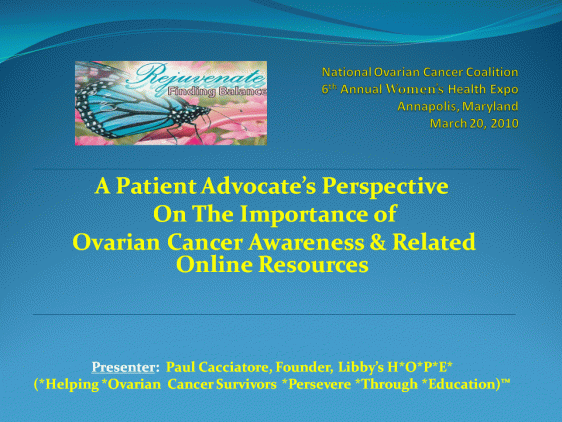




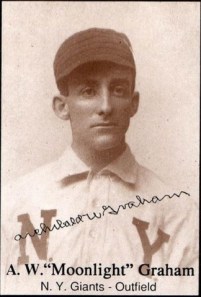
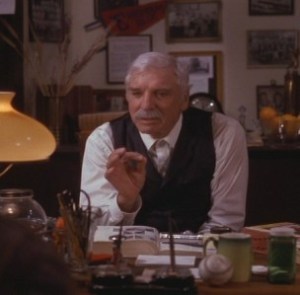



 Dear Libby,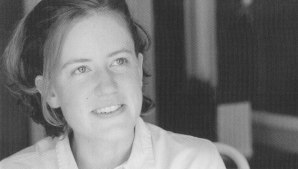
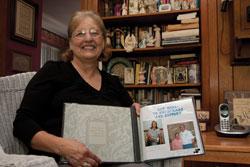


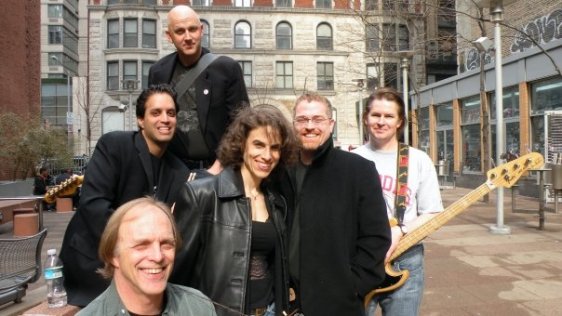
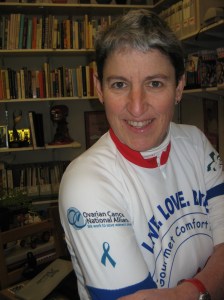


 Libby's H*O*P*E*