Libby’s H*O*P*E*(tm) Adds New Cancer Video Archive Courtesy of Vodpod.com

Yesterday, Libby’s H*O*P*E* added a new cancer video archive to the weblog courtesy of Vodpod.com.  Currently, the archive contains approximately 90 videos that address many general cancer and ovarian cancer issues, as well as the personal voices of those affected by cancer. The new video archive is located on the homepage right sidebar.  All you have to do is “click and play.”

vodpod-logoYesterday, Libby’s H*O*P*E* added a new cancer video archive to the weblog courtesy of Vodpod.com.  Currently, the archive contains approximately 90 videos that address many general cancer and ovarian cancer issues, as well as the personal voices of those affected by cancer. The new video archive is located on the homepage right sidebar.  All you have to do is “click and play.”  The video arrangement is set to “random order” so that new videos appear on the homepage sidebar each time you visit Libby’s H*O*P*E*.

If you are aware of a general cancer/ovarian cancer video that is educational, heartfelt, inspirational, humorous, poignant, or is simply dedicated to the one you love, please provide us with the URL address of the video.  The URL video address can be sent to us by email (click on the “contact” button located at the top of the homepage), or by comment (post a comment under this post).  Upon receipt of the video URL address, we will add the referenced video to the new archive.  We appreciate your participation in adding to our video archive and hope you find the archive helpful.

From Zero to Hero: HMGB1 Protein Found to Promote DNA Repair, Prevents Cancer

“An abundant chromosomal protein [HMGB1] that binds to damaged DNA prevents cancer development by enhancing DNA repair, researchers at The University of Texas M. D. Anderson Cancer Center report online this week in the Proceedings of the National Academies of Science.”

“An abundant chromosomal protein that binds to damaged DNA prevents cancer development by enhancing DNA repair, researchers at The University of Texas M. D. Anderson Cancer Center report online this week in the Proceedings of the National Academies of Science.

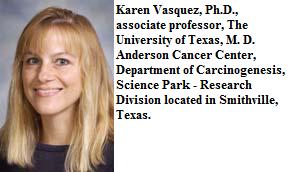
The protein, HMGB1 [High mobility group box 1] , was previously hypothesized to block DNA repair, said senior author Karen Vasquez, Ph.D., associate professor in M. D. Anderson’s Department of Carcinogenesis at the Science Park – Research Division in Smithville, Texas.

Identification and repair of DNA damage is the frontline defense against the birth and reproduction of mutant cells that cause cancer and other illnesses.

Pinpointing HMGB1’s role in repair raises a fundamental question about drugs under development to block the protein, Vasquez said. The protein also plays a role in inflammation, so it’s being targeted in drugs under development for rheumatoid arthritis and sepsis.

‘Arthritis therapy involves long-term treatment,’ Vasquez said. ‘Our findings suggest that depleting this protein may leave patients more vulnerable to developing cancer.’

Long known to attach to sites of damaged DNA, the protein was suspected of preventing repair. ‘That did not make sense to us, because HMGB1 is a chromosomal protein that’s so abundant that it would be hard to imagine cell repair happening at all if that were the case,’ Vasquez said.

In a series of experiments reported in the paper, Vasquez and first author Sabine Lange, a doctoral candidate in the Graduate School of Biomedical Sciences, tracked the protein’s impact on all three steps of DNA restoration: access to damage, repair and repackaging of the original structure, a combination of DNA and histone proteins called chromatin.

First, they knocked out the [HMGB1] gene in mouse embryonic cells [HMGB1 knockout cells] and then exposed cells to two types of DNA-damaging agents. One was UV light, the other a chemotherapy called psoralen that’s activated by exposure to darker, low frequency light known as UVA. In both cases, the cells survived at a steeply lower rate after DNA damage than did normal cells.

Next they exposed HMGB1 knockout cells and normal cells to psoralen and assessed the rate of genetic mutation. The knockout cells had a mutation frequency more than double that of normal cells, however, there was no effect on the types of mutation that occurred.

Knock out and normal cells were then exposed to UV light and suffered the same amount of damage. However, those with HMGB1 had two to three times the repair as those without. Evidence suggests that HMGB1 works by summoning other DNA repair factors to the damaged site, Vasquez said.

The last step in DNA repair is called chromatin remodeling. DNA does not exist in a linear structure in the chromosome, but wraps around specialized histone proteins. This chromatin structure permits access to DNA when it is loose, or opened up, and blocks access when it is more tightly wrapped. Presence of HMGB1 resulted in a much higher rate of chromatin assembly in both undamaged and UVC-damaged cells.

Lange and Vasquez hypothesize that HMGB1 normally binds to the entrance and exit of DNA nucleosomes, so is nearby when DNA damage occurs. It then binds to and bends the damaged site at a 90-degree angle, a distortion that may help DNA repair factors recognize and repair the damage. After repair it facilitates restructuring of the chromatin.

Co-author with Lange and Vasquez is David Mitchell, Ph.D., professor of carcinogenesis.

The research was supported by grants from the National Cancer Institute and the National Institute of Environmental Health Sciences as well as an American Legion Auxiliary fellowship. 07/21/08”

Quoted Source: Once Suspect Protein Found to Promote DNA Repair, Prevent Cancer – M. D. Anderson scientists caution against targeting HMGB1 to treat other disease, M. D. Anderson News Release, July 21, 2008.

TP53 Gene Mutation Found in 80% of High Grade Ovarian Serous Carcinomas; TP53 Not Directly Involved In The Development of Drug Resistance

“… [T]he [Johns Hopkins] research team concluded that the frequency of TP53 gene mutations using purified tumor DNA from ovarian serous carcinomas was 80.3%, which is much higher than previously reported in the medical literature. Furthermore, the research team found that TP53 is not directly involved in the development of drug resistance in high-grade ovarian serous carcinomas.”

The TP53 gene mutation frequency in ovarian serous carcinomas has been reported to range between 50% and 80%. A research team working at the The Sidney Kimmel Comprehensive Cancer Center of The Johns Hopkins Medical Institutions (Johns Hopkins) made several important findings regarding TP53 gene mutations with respect to high grade ovarian serous carcinoma, as reported in the International Journal of Gynecological Cancer. Ovarian serous carcinoma is the most common tumor subtype within the epithelial ovarian cancer histological classification.

According to the Johns Hopkins research team, a stringent analysis of the TP53 gene using purified epithelial tumor samples has not been performed to accurately assess the TP53 gene mutation frequency and its correlation to tumor histologic grade. The research team assessed the TP53 gene mutational profile in a relatively large series of high-grade (53 primary tumors and 18 recurrent tumors) and 13 low-grade ovarian serous tumors. All samples were affinity purified, and the tumor DNA was analyzed for TP53 mutations in exons 4 through 9. In addition, the ovarian serous tumors were subjected to in vitro drug resistance testing. In vitro drug resistance assays were performed on the same tumor samples using carboplatin, cisplatin, paclitaxel, and taxotere, and the results were correlated with the TP53 mutation status.

The reported study findings are as follows:

  • TP53 mutations were detected in 57 (80.3%) of 71 high-grade carcinomas and in one (7.8%) of 13; low-grade serous tumors (an invasive low-grade serous carcinoma);
  • The mutations were predominantly missense mutations (59.6%);
  • TP53 mutations were associated with high-grade serous carcinomas and recurrent disease; and
  • There was no statistically significant correlation between TP53 mutation status and drug resistance assays or clinical stage.

Accordingly, the research team concluded that the frequency of TP53 gene mutations using purified tumor DNA from ovarian serous carcinomas was 80.3%, which is much higher than previously reported in the medical literature. Furthermore, the research team found that TP53 was not directly involved in the development of drug resistance in high-grade ovarian serous carcinomas.

Source: Assessment of TP53 mutation using purified tissue samples of ovarian serous carcinomas reveals a higher mutation rate than previously reported and does not correlate with drug resistance; Salani R, et. al., Int J Gynecol Cancer. 2008 May-Jun;18(3):487-91. Epub 2007 Aug 10.

Let the Sunshine In!

“People with a vitamin D deficiency are as much as twice as likely to die compared to people whose blood contains higher amounts of the so-called sunshine vitamin, Austrian researchers said on Monday. Their study — the latest to suggest a health benefit from the vitamin — showed death rates from any cause as well as from heart-related problems varied greatly depending on vitamin D. ‘This is the first association study that shows vitamin D affects mortality regardless of the reason for death,’ said Harald Dobnig, an internist and endocrinologist at the University of Graz in Austria who led the study. …Many doctors agree that people with low levels of vitamin D cannot make up for it safely by sitting in the sun, but should take supplements. ‘These results should prompt us to perform vitamin D measurements on a more frequent basis especially in populations at risk,’ Dobnig said.”

“People with a vitamin D deficiency are as much as twice as likely to die compared to people whose blood contains higher amounts of the so-called sunshine vitamin, Austrian researchers said on Monday. Their study — the latest to suggest a health benefit from the vitamin — showed death rates from any cause as well as from heart-related problems varied greatly depending on vitamin D. ‘This is the first association study that shows vitamin D affects mortality regardless of the reason for death,’ said Harald Dobnig, an internist and endocrinologist at the University of Graz in Austria who led the study.

The body makes vitamin D when the skin is exposed to sunlight, a reason for its nickname as the ‘sunshine vitamin.’ It is added to milk and fatty fish like salmon but many people do not get enough of it. Vitamin D helps the body absorb calcium and is considered important for bone health. In adults, vitamin D deficiency can lead to osteoporosis, and it can lead to rickets in children. A number of recent studies have also indicated vitamin D may offer a variety of other health benefits, including protecting against cancer, peripheral artery disease and tuberculosis. Last week, U.S. researchers said vitamin D may extend the lives of people with colon and rectal cancer.

Dobnig and colleagues, who reported their findings in the Archives of Internal Medicine, studied more than 3,200 people with an average age of 62 who were scheduled for a heart exam between 1997 and 2000. During an eight-year follow-up the researchers found that the quarter of volunteers with the lowest levels of vitamin D in their blood were at greater risk of dying. ‘Even when accounting for factors such as heart disease, exercise and other conditions, the researchers found that the risk was double for people with between 5 to 10 nanograms per millilitre of vitamin D in their blood,’ Dobnig said. ‘Most doctors believe people should have between 20 to 30 nanograms per millilitre of the vitamin in their blood,’ he added in a telephone interview.

What causes this effect is not clear, but Dobnig pointed to a host of studies suggesting links to high blood pressure, cancer and fractures as places to begin looking. ‘The potential health risk of low levels of vitamin D should also prod physicians to be more aware of the potential problem, especially for the immobile, elderly and others who spend a great amount of time indoors,’ he added. Many doctors agree that people with low levels of vitamin D cannot make up for it safely by sitting in the sun, but should take supplements. ‘These results should prompt us to perform vitamin D measurements on a more frequent basis especially in populations at risk,’ Dobnig said.”

[Quoted Source: Study shows more benefits of sunshine vitamin, by Michael Kahn, Reuters Health On-Line News Release, June 24, 2008 (summarizing the findings of Independent association of low serum 25-hydroxyvitamin d and 1,25-dihydroxyvitamin d levels with all-cause and cardiovascular mortality; Dobnig, H. et. al., Arch Intern Med. 2008 Jun 23;168(12):1340-9.)]

Additional Information:

Updates:

Colectomy “Contributes Significantly” to Ovarian Cancer Maximal Surgical Cytoreduction

“ … Bristow et. al. say: ‘Transverse colectomy can contribute significantly to a maximal ovarian cancer cytoreductive surgical effort and carries acceptable morbidity. Resection of a non-contiguous segment of rectosigmoid colon is frequently necessary, and placement of two separate colonic anastomoses is associated with a low risk of anastomotic breakdown.”

Transverse colectomy can make a valuable contribution to maximal surgical cytoreduction attempts for ovarian cancer, with acceptable morbidity, researchers have found. The study involved 39 ovarian cancer patients, of whom 33 underwent primary surgery for stage IIIC or stage IV disease, Robert Bristow (The Kelly Gynecologic Oncology Service, The Johns Hopkins Medical Institutions, Baltimore, Maryland, USA) and team report.

A third of the patients had no residual gross disease after surgery, while 59.0 percent of patients were left with residual disease of 0.1-1.0 cm, and 7.7 percent with residual disease of >1 cm. Morbidity was “acceptable,” affecting 25.6 percent of patients, with fistulas occurring in 5.1 percent of patients, and the mortality rate was 2.6 percent.

Overall, 33 patients underwent partial and nine underwent total transverse colectomy. Surgery involved rectosigmoid colectomy in 61.5 percent of cases and two separate colonic anastamoses in 48.7 percent.

Bristow et. al. say: ‘Transverse colectomy can contribute significantly to a maximal ovarian cancer cytoreductive surgical effort and carries acceptable morbidity. Resection of a non-contiguous segment of rectosigmoid colon is frequently necessary, and placement of two separate colonic anastomoses is associated with a low risk of anastomotic breakdown.’”

[Quoted Source: Colectomy “contributes significantly” to ovarian cancer cytoreduction, by Cher Thornhill, MedWire News Release, June 25, 2008 (summarizing the findings of Transverse colectomy in ovarian cancer surgical cytoreduction: operative technique and clinical outcome; Bristow, R.E. et. al, Gynecol Oncol. 2008 Jun;109(3):364-9. Epub 2008 Apr 8.)]

Symptom Screening + CA-125 Blood Test = Better Detection of Early Stage Ovarian Cancer

” …Research has found that when used alone, a simple four-question symptom-screening questionnaire and the CA125 ovarian-cancer blood test each detect about 60 percent of women with early-stage ovarian cancer and 80 percent of those with late-stage disease. This study found that when used together, the questionnaire and blood test may boost early-detection rates to more than 80 percent and late-stage detection rates to more than 95 percent. …”

“Women’s reports of persistent, recent-onset symptoms linked to ovarian cancer – abdominal or pelvic pain, difficulty eating or feeling full quickly and abdominal bloating – when combined with the CA125 blood test may improve the early detection of ovarian cancer by 20 percent, according to new findings by researchers at Fred Hutchinson Cancer Research Center published online today in CANCER.

Research has found that when used alone, a simple four-question symptom-screening questionnaire and the CA125 ovarian-cancer blood test each detect about 60 percent of women with early-stage ovarian cancer and 80 percent of those with late-stage disease. This study found that when used together, the questionnaire and blood test may boost early-detection rates to more than 80 percent and late-stage detection rates to more than 95 percent.

‘Of course, it is the increase in the detection of early-stage disease that is the most exciting,’ said lead author M. Robyn Andersen, Ph.D., an associate member of the Public Health Sciences Division at the Hutchinson Center. Cure rates for those diagnosed when the disease is confined to the ovary are approximately 70 percent to 90 percent. However, more than 70 percent of women with ovarian cancer are diagnosed with advanced-stage disease, when the survival rate is only 20 percent to 30 percent.

‘This research suggests that if a woman has one or more symptoms that are new for her, having begun within the past year, and if the symptoms happen nearly daily or at least 12 times a month, that may well be a signal to go in and discuss those symptoms with her doctor,’ Andersen said. ‘It’s probably not going to be ovarian cancer, just as most breast lumps are not breast cancer, but it’s still a sign that it might be worth checking with her doctor to see if a CA125 blood test and transvaginal ultrasound may be appropriate.’

Assessing the symptoms included in the symptom-screening index may already be done by some doctors based on a consensus statement issued last year by the National Institutes of Health. The researchers hope their symptom index will help doctors know which among their patients who complain of symptoms such as abdominal swelling and pelvic pain might have cancer.

The symptom-screening index, developed in 2006 by paper co-author Barbara A. Goff, M.D., professor and director of Gynecologic Oncology at the University of Washington School of Medicine, is not used proactively in clinical general practice, but Andersen and colleagues are conducting a pilot study to assess the value of using it as a screening tool among normal-risk women as part of their routine medical-history assessment.

For the just-published study, the researchers administered the symptom questionnaire to 75 women about to undergo surgery for pelvic masses who were later diagnosed with ovarian cancer (the case group), and 254 healthy women at high risk for ovarian cancer due to a family history of the disease (the control, or comparison, group). The cases were recruited through Pacific Gynecology Specialists at Swedish Medical Center in Seattle, and the controls were recruited through the Ovarian Cancer Early Detection Study, a joint project of the Hutchinson Center and the Marsha Rivkin Center for Ovarian Cancer Research.

The National Institutes of Health/National Cancer Institute, the Marsha Rivkin Center for Ovarian Cancer Research and the Canary Foundation supported this research.”

[Quoted Source: Symptom screening plus a simple blood test equals a 20 percent jump in early detection of ovarian cancer, Fred Hutchinson Cancer Research Center News Release, June 23, 2008.]

Radiofrequency Ablation Effective in Treatment of Primary Lung Cancer & Metastatic Lung Disease

“… Our study shows that percutaneous CT-guided radiofrequency ablation yields high proportions of sustained [complete responses] in properly selected patients with primary or secondary lung malignancies, and is associated with acceptable morbidity,’ write the authors.”

“Treatment options are limited for patients with non-small-cell lung cancer (NSCLC) who are not surgical candidates, and surgery is frequently not feasible for patients with secondary lung malignancies. However, according to new data published online June 17 in the Lancet Oncology, radiofrequency ablation could be an option for patients who are unable to undergo surgery, radiotherapy, or chemotherapy.
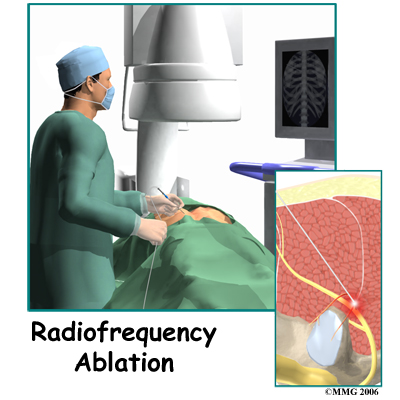
Percutaneous radiofrequency ablation is a relatively new and minimally invasive technique that has been used to treat solid tumors. In particular, it is becoming a viable option for unresectable liver malignancies. Although the use of radiofrequency ablation is at an early stage of clinical application for other types of solid tumors, recent studies have shown that it has potential in the treatment of lung, bone, and renal malignancies. The authors note that several single-institution case series have suggested that radiofrequency ablation is a feasible option for patients with unresectable or medically inoperable pulmonary tumors.

In this study, Riccardo Lencioni, MD, associate professor of radiology in the department of oncology, transplants and advanced technologies in medicine at the University of Pisa, in Italy, and colleagues designed a prospective single-group multicenter clinical trial to evaluate the feasibility, safety, and effectiveness of percutaneous computed tomography (CT)-guided radiofrequency ablation in the treatment of NSCLC. The study also included patients with metastatic disease to the lungs.

A series of 106 patients, with a total 183 lung tumors measuring 3.5 cm or smaller in diameter, were enrolled in the study. Of this group, 33 patients had been diagnosed with NSCLC, 53 had metastasis from colorectal carcinoma, and 20 patients had metastasis from other primary malignancies. All of the patients were deemed unsuitable for surgery, radiotherapy, or chemotherapy.

The primary end points were technical success, safety, and confirmed complete response of tumors. The authors defined technical success as the correct placement of the ablation device in all target tumors with completion of the planned ablation protocol. Secondary end points of the study included overall survival, cancer-specific survival, and quality of life.

Study participants underwent radiofrequency ablation in accordance with standard rules for CT-guided lung biopsy. Follow-up visits were scheduled at 1 and 3 months after the procedure, and then at 3-month intervals for up to 2 years.

A total of 137 procedures were performed, and treatment was successfully completed in 105 of 106 patients (99%). From this group, it was possible to assess the primary end point of a confirmed complete response in 85 patients (80%). The researchers noted a confirmed complete response of all targeted tumors that lasted for at least 1 year after treatment in 75 of 85 patients (88%), with incomplete ablation and evidence of local progression in at least 1 treated tumor in the remaining patients. There was no difference in tumor responses to ablation between patients with NSCLC and those with metastatic lung disease.

Overall and Cancer-Specific Survival

Patient Subgroup Overall Survival at 1 Year Overall Survival at 2 Years Cancer-Specific Survival at 1 Year Cancer-Specific Survival at 2 Years
NSCLC 70% 48% 92% 73%
Stage 1 NSCLC n/a 75% n/a 92%
Colorectal metastases 89% 66% 91% 68%
Metastases from other sites 92% 64% 93% 67%

Although there was no procedure-related mortality, 27 of the procedures were complicated by a large or symptomatic pneumothorax that required drainage. A second major complication was the occurrence of pleural effusion in 4 procedures, which also necessitated drainage.

‘Our study shows that percutaneous CT-guided radiofrequency ablation yields high proportions of sustained [complete responses] in properly selected patients with primary or secondary lung malignancies, and is associated with acceptable morbidity,’ write the authors.

They note that the rate of overall survival was greatly affected by the recruitment of patients with severely impaired pulmonary function, with substantial comorbidities, or both. All participants were deemed unsuitable for surgery, radiotherapy, or chemotherapy, or they had exhausted conventional treatment options. Under these circumstances, it was not possible to reliably compare radiofrequency ablation survival curves and those achieved with other treatments.

‘Additionally, the patient population was heterogeneous and included patients with NSCLC and patients with pulmonary metastases from different primary malignancies, and the study was not designed to provide evidence of survival benefits,’ they write. ‘A randomized controlled trial comparing radiofrequency ablation versus standard treatment options is now warranted to prove the clinical benefit of this approach.’”

[Quoted Source: Radiofrequency Ablation Offers Promise in Treatment of Lung Cancer (access requires free Medscape registration), by Roxanne Nelson, Medscape Medical News, MedscapeToday, June 19, 2008 (summarizing the Lancet Oncology article entitled, Response to radiofrequency ablation of pulmonary tumours: a prospective, intention-to-treat, multicentre clinical trial (the RAPTURE study); Lencioni, R. et. al., Lancet Oncology DOI:10.1016/S1470-2045(08)70155-4 (early publication on-line), June 18, 2008).

Comment: The Lancet study findings indicate that radiofrequency ablation is a fairly safe and very effective treatment for lung metastases up to 3.5 cm in size. Importantly, the Lancet study findings indicate that there was no difference in tumor response to ablation between patients with primary lung cancer and those with secondary metastatic lung disease caused by another form of cancer originating outside of the lungs.  Any women with ovarian cancer metastatic lung disease should show this study to her doctor to determine if she is eligible for radiofrequency ablation. As noted under the “Additional Studies, Clinical Trials & Other Information” section below, a 2007 U.S. study found pulmonary radiofrequency ablation for inoperable lung cancer safe and effective. Moreover, a 2006 U.S. study found radiofrequency ablation safe and effective for the treatment of ovarian cancer metastasis. Accordingly, percutaneous radiofrequency ablation can be effective in the treatment of ovarian cancer metastatic lung and liver disease for select women.

Additional Studies, Clinical Trials & Other Information: