Trojan Horse* For Ovarian Cancer–Nanoparticles Turn Immune System Soldiers Against Tumor Cells

In a feat of trickery, Dartmouth Medical School immunologists have devised a Trojan horse to help overcome ovarian cancer, unleashing a surprise killer in the surroundings of a hard-to-treat tumor. Using nanoparticles–ultra small bits– the team has reprogrammed a protective cell that ovarian cancers have corrupted to feed their growth, turning the cells back from tumor friend to foe. Their research, published online July 13 for the August Journal of Clinical Investigation, offers a promising approach to orchestrate an attack against a cancer whose survival rates have barely budged over the last three decades …

Hanover, N.H.—In a feat of trickery, Dartmouth Medical School immunologists have devised a Trojan horse to help overcome ovarian cancer, unleashing a surprise killer in the surroundings of a hard-to-treat tumor.

Using nanoparticles–ultra small bits– the team has reprogrammed a protective cell that ovarian cancers have corrupted to feed their growth, turning the cells back from tumor friend to foe. Their research, published online July 13 for the August Journal of Clinical Investigation, offers a promising approach to orchestrate an attack against a cancer whose survival rates have barely budged over the last three decades.

Dr. Jose Conejo-Garcia (right) with graduate student Juan Cubillos-Ruiz  (Photo Source:  Dartmouth Medical School News Release,

Dr. Jose Conejo-Garcia (right) with graduate student Juan Cubillos-Ruiz (Photo Source: Dartmouth Medical School News Release, 13 Jul. 09)

“We have modulated elements of the tumor microenvironment that are not cancer cells, reversing their role as accomplices in tumor growth to attackers that boost responses against the tumor,” said Dr. Jose Conejo-Garcia, assistant professor of microbiology and immunology and of medicine, who led the research. “The cooperating cells hit by the particles return to fighters that immediately kill tumor cells.”

The study, in mice with established ovarian tumors, involves a polymer now in clinical trials for other tumors. The polymer interacts with a receptor that senses danger to activate cells that trigger an inflammatory immune response.

The Dartmouth work focuses on dendritic cells–an immune cell particularly abundant in the ovarian cancer environment. It does take direct aim at tumor cells, so it could be an amenable adjunct to other current therapies.

“The cooperating cells hit by the particles return to fighters that immediately kill tumor cells.” —Dr. Jose Conejo-Garcia

“That’s the beautiful part of story–people usually inject these nanoparticles to target tumor cells. But we found that these dendritic cells that are commonly present in ovarian cancer were preferentially and avidly engulfing the nanoparticles. We couldn’t find any tumor cells taking up the nanoparticles, only the dendritic cells residing in the tumor,” explained Juan R. Cubillos-Ruiz, graduate student and first author.

Dendritic cells are phagocytes–the soldiers of the immune system that gobble up bacteria and other pathogens, but ovarian cancer has co-opted them for its own use, he continued. “So we were trying to restore the attributes of these dendritic cells–the good guys; they become Trojan horses.”

Cancer is more than tumor cells; many other circulating cells including the dendritic phagocytes converge to occupy nearby space. The dendritic cells around ovarian cancer scoop up the nanocomplexes, composed of a polymer and small interfering RNA (siRNA) molecules to silence their immunosuppressive activity.

Nanoparticle incorporation transforms them from an immunosuppressive to an immunostimulatory cell type at tumor locations, provoking anti-tumor responses and also directly killing tumor cells. The effect is particularly striking with an siRNA designed to silence the gene responsible for making an immune protein called PD-L.

The new findings also raise a warning flag about the use of gene silencing complexes in cancer treatment. Inflammation is a helpful immune response, but the researchers urge caution when using compounds that can enhance inflammation in a patient already weakened by cancer.

Ovarian cancer, which claims an estimated 15,000 US lives a year, is an accessible disease for nanoparticle delivery, according to the investigators. Instead of systemic administration, complexes can be put directly into the peritoneal cavity where the phagocytes take them up.

Samples of human ovarian cancer cells show similar responses to nanoparticle stimulation, the researchers observed, suggesting feasibility in the clinical setting. It could be part of a “multimodal approach,” against ovarian cancer, said Conejo-Garcia also a member of the Dartmouth’s Norris Cotton Cancer Center. “The prevailing treatment is surgical debulking, followed by chemotherapy. Our findings could complement those because they target not the tumor cells themselves, but different cells present around the tumor.”

Co-authors are Xavier Engle, Uciane K. Scarlett, Diana Martinez, Amorette Barber, Raul Elgueta, Li Wang, Yolanda Nesbeth and Charles Sentman of Dartmouth; Yvon Durant of University of New Hampshire, Andrew T Gewirtz of Emory, and Ross Kedl of University of Colorado.

The work was supported by grants from the National Institutes of Health, including the National Cancer Institute and National Center for Research Resources, a Liz Tilberis Award from the Ovarian Cancer Research Fund, and the Norris Cotton Cancer Center Nanotechnology Group Award.

Read an interview of Jose Conejo – Garcia with the Ovarian Cancer Research Fund.

Source: Trojan Horse for Ovarian Cancer–Nanoparticles Turn Immune System Soldiers against Tumor Cells, News Release, Dartmouth Medical School, July 13, 2009 (summarizing Cubillos-Ruiz JR, Engle X, Scarlett UK, et. al. Polyethylenimine-based siRNA nanocomplexes reprogram tumor-associated dendritic cells via TLR5 to elicit therapeutic antitumor immunity. J Clin Invest. 2009 Aug 3;119(8):2231-2244. doi: 10.1172/JCI37716. Epub 2009 Jul 13).

__________________

* The Trojan Horse was a tale from the Trojan War, as told in Virgil’s Latin epic poem The Aeneid. The events in this story from the Bronze Age took place after Homer’s Iliad, and before Homer’s Odyssey. It was the strategy that allowed the Greeks finally to enter the city of Troy and end the conflict. In the best-known version, after a fruitless 10-year siege of Troy, the Greeks built a huge horse figure and hid a select force of men within it. The Greeks left the Horse at the city gates of Troy and pretended to sail away.  Thereafter, the Trojans pulled the Horse into their city as a victory trophy. That night the Greek force crept out of the Horse and opened the gates for the returning Greek army, which had sailed back to Troy under cover of night. The Greek army entered and destroyed the city, decisively ending the war. A “Trojan Horse” has come to mean any trick that causes a target to invite a foe into a securely protected bastion or place.


M.D. Anderson’s EphA2-Targeted Therapy Delivers Chemo Directly to Ovarian Cancer Cells

With a novel therapeutic delivery system, a research team led by scientists at The University of Texas M. D. Anderson Cancer Center has successfully targeted a protein that is over-expressed in ovarian cancer cells. Using the EphA2 protein as a molecular homing mechanism, chemotherapy was delivered in a highly selective manner in preclinical models of ovarian cancer, the researchers report in the July 29 issue of the Journal of the National Cancer Institute. … In the models, the therapy inhibited tumor growth in treated mice by 85 percent – 98 percent compared to control mice. … [Anil] Sood said, “We are gearing up to bring it to phase I clinical trials. A lot of the safety studies are well under way or nearing completion and we anticipate that this drug will enter clinical trials within the next few months.”

M. D. Anderson-led team finds potent antitumor activity with a monoclonal antibody-chemotherapy combination

With a novel therapeutic delivery system, a research team led by scientists at The University of Texas M. D. Anderson Cancer Center has successfully targeted a protein that is over-expressed in ovarian cancer cells. Using the EphA2 protein as a molecular homing mechanism, chemotherapy was delivered in a highly selective manner in preclinical models of ovarian cancer, the researchers report in the July 29 issue of the Journal of the National Cancer Institute.

EphA2 is attractive for such molecularly targeted therapy because it has increased expression in ovarian and other cancers, including breast, colon, prostate and non-small cell lung cancers and in aggressive melanomas, and its expression has been associated with a poor prognosis.

Anil K. Sood, M.D., professor and in the Departments of Gynecologic Oncology and Cancer Biology at the Univ. of Texas M. D. Anderson Cancer Center

Anil K. Sood, M.D., professor in the Departments of Gynecologic Oncology and Cancer Biology at the Univ. of Texas M. D. Anderson Cancer Center

“One of our goals has been to develop more specific ways to deliver chemotherapeutic drugs,” said senior author Anil K. Sood, M.D., professor and in the Departments of Gynecologic Oncology and Cancer Biology at M. D. Anderson. “Over the last several years we have shown that EphA2 is a target that is present quite frequently in ovarian and other cancers, but is either present in low levels or is virtually absent from most normal adult tissues. EphA2’s preferential presence on tumor cells makes it an attractive therapeutic target.”

The researchers used a carrier system to deliver chemotherapy directly to ovarian cancer cells. The immunoconjugate contains an anti-EphA2 monoclonal antibody linked to the chemotherapy drug monomethyl auristatin phenylalanine (MMAF) through the non-cleavable linker maleimidocaproyl. Research has shown that auristatins induce cell cycle arrest at the G – M border, disrupt microtubules and induce apoptosis (programmed cell death) in cancer cells.

The investigators evaluated the delivery system’s specificity in EphA2-positive HeyA8 and EphA2-negative SKMel28 ovarian cancer cells through antibody-binding and internalization assays. They also assessed viability and apoptosis in ovarian cancer cell lines and tumor models and examined anti-tumor activity in orthotopic mouse models with mice bearing HeyA8-luc and SKOV3ip1 ovarian tumors.

According to Sood, who is also co-director of both the Center for RNA Interference and Non-Coding RNA and the Blanton-Davis Ovarian Cancer Research Program at M. D. Anderson, the immunoconjugate was highly specific in delivering MMAF to the tumor cells that expressed EphA2 while showing minimal uptake in cells that did not express the protein. In the models, the therapy inhibited tumor growth in treated mice by 85 percent – 98 percent compared to control mice.

“Once we optimized the dosing regimen, the drug was highly effective in reducing tumor growth and in prolonging survival in preclinical animal models,” Sood said. “We actually studied bulkier masses because that is what one would see in a clinical setting where there are pre-existent tumors, and even in this setting the drug was able to reduce or shrink the tumors.”

As for future research with the EphA2-silencing therapy, Sood said, “We are gearing up to bring it to phase I clinical trials. A lot of the safety studies are well under way or nearing completion and we anticipate that this drug will enter clinical trials within the next few months.”

He added that his group is simultaneously conducting preclinical testing on other chemotherapy drugs to determine which agents might combine well with the immunoconjugate used in the current study.

“There is growing interest in molecularly targeted therapy so that we are not indiscriminately killing normal cells,” Sood noted. “The goal is to make the delivery of chemotherapy more specific. The immunoconjugate we used is in a class of drugs that is certainly quite attractive from that perspective.”

Research was funded by NCI-DHHS-NIH T32 Training Grant (T32 CA101642 to A.M.N.). This research was funded in part by support from M. D. Anderson’s ovarian cancer SPORE grant (P50 CA083639), the Marcus Foundation, the Gynecologic Cancer Foundation, the Entertainment Industry Foundation, the Blanton-Davis Ovarian Cancer Research Program, and Sood’s Betty Ann Asche Murray Distinguished Professorship.

Co-authors with Sood are Jeong-Won Lee, Hee Dong Han, Mian M. K. Shahzad, Seung Wook Kim, Lingegowda S. Mangala, Alpa M. Nick, Chunhua Lu, Rosemarie Schmandt, Hye-Sun Kim, Charles N. Landen, Robert L. Coleman, all of M. D. Anderson’s Department of Gynecologic Oncology; Robert R. Langley, of M. D. Anderson’s Department of Cancer Biology; Jeong-Won Lee, also of the Department of Obstetrics and Gynecology, Samsung Medical Center, Sungkyunkwan University School of Medicine, Seoul, Korea; Mian M. K. Shahzad, also of the Department of Obstetrics and Gynecology, Baylor College of Medicine, Houston, Texas; Hye-Sun Kim, also of the Department of Pathology, Cheil General Hospital and Women’s Healthcare Center, Kwandong University College of Medicine, Seoul, Korea; and Shenlan Mao, John Gooya, Christine Fazenbaker, Dowdy Jackson, and David Tice , all of MedImmune, Inc., Gaithersburg, Maryland.

Source: EphA2-Targeted Therapy Delivers Chemo Directly to Ovarian Cancer Cells – M. D. Anderson-led team finds potent antitumor activity with a monoclonal antibody-chemotherapy combination, M.D. Anderson News Release, 29 Jul. 09 [summarizing the findings of Lee JW, Han HD, Shahzad MM et. al. EphA2 Immunoconjugate as Molecularly Targeted Chemotherapy for Ovarian Carcinoma. J Natl Cancer Inst. 2009 Jul 29. [Epub ahead of print]].

Preclinical Results Validate Lpathomab As A Potential Future Treatment for Ovarian Cancer

“Lpath, Inc. … , the category leader in bioactive-lipid-targeted therapeutics, reported compelling new in vivo and in vitro results relating to its preclinical drug candidate, Lpathomab, in various ovarian cancer studies …”

“Lpath Presents Compelling New Preclinical Results of Its Anti-Cancer Drug Candidate, Lpathomab(TM), at the AACR 100th Annual Meeting –

New In Vivo and In Vitro Results Provide Further Validation of Lpathomab as Potential Treatment for Cancer

SAN DIEGO, CA, Apr 20, 2009 (MARKET WIRE via COMTEX)Lpath, Inc. (OTCBB: LPTN), the category leader in bioactivelipid-targeted therapeutics, reported compelling new in vivo and in vitro results relating to its preclinical drug candidate, Lpathomab, in various ovarian cancer studies. The results were presented today by Lpath scientists at the 100th Annual Meeting of the American Association for Cancer Research (AACR) in Denver, Colorado.

Lpathomab is a monoclonal antibody that binds to the bioactive lipid lysophosphatidic acid (LPA) and acts as a molecular sponge to absorb LPA, thereby neutralizing LPA-mediated biological effects on tumor growth, angiogenesis, and metastasis. LPA has been associated with a variety of cancer types, but the correlation with ovarian cancer and breast cancer has been particularly strong.

Using the human ovarian cell line called SKOV3, Lpath’s preclinical studies demonstrated Lpathomab significantly reduced IL-8 and IL-6 cytokine release in SKOV3-conditioned media and blocked tumor-cell migration triggered by LPA (both IL-8 and IL-6 promote tumor angiogenesis and metastasis). More important, Lpathomab inhibited the progression of SKOV3 tumor cells when injected into the peritoneal cavity of mice and reduced levels of pro-metastatic factors in these animals.

Lpathomab also reduced neovascularization (new blood-vessel growth) in two classical angiogenic models and showed preliminary anti-metastatic activity when tested in a classical experimental metastasis model.

According to Roger Sabbadini, Ph.D., Lpath’s founder and chief scientific officer, ‘In view of these promising preclinical results, we believe Lpathomab has the potential to augment the efficacy of current ovarian cancer therapy by blocking the growth-promoting, angiogenic, and metastatic effects of LPA.’

About Lpath

San-Diego-based Lpath, Inc. is the category leader in bioactive-lipid-targeted therapeutics, an emerging field of medical science whereby bioactive signaling lipids are targeted for treating important human diseases. ASONEP(TM), an antibody against Sphingosine-1-Phosphate (S1P), is currently in a Phase 1 clinical trial in cancer patients and also holds promise against multiple sclerosis and various other disorders. ASONEP is being developed with the support of partner Merck-Serono as part of a worldwide exclusive license. A second product candidate, iSONEP(TM) (the ocular formulation of the S1P antibody), has demonstrated superior results in various preclinical models of age-related macular degeneration (AMD) and retinopathy and is in a Phase 1 clinical trial in wet-AMD patients. Lpath’s third product candidate, Lpathomab(TM), is an antibody against lysophosphatidic acid (LPA), a key bioactive lipid that has been long recognized as a valid disease target (cancer, neuropathic pain, fibrosis). The company’s unique ability to generate novel antibodies against bioactive lipids is based on its ImmuneY2(TM) drug-discovery engine, which the company is leveraging as a means to expand its pipeline. For more information, visit www.Lpath.com …”

Sources:

Novogen’s NV-128 Targets mTOR Pathway To Block Differentiation and Induce Cell Death in Ovarian Cancer Stem Cells

“Data just presented at the Annual Meeting of the American Association for Cancer Research in Denver has demonstrated that NV-128, a Novogen, Limited (ASX: NRT NASDQ: NVGN) synthetic isoflavonoid compound, not only induces cell death in Ovarian Cancer Stem Cells (OCSCs), but also blocks their differentiation into structures which are required to support tumor growth.  In a poster presentation by Ayesha Alvero, MD, of Yale University School of Medicine, Department of Obstetrics, Gynecology and Reproductive Science, it was revealed that in addition to an inhibitory effect on OCSC growth, NV-128 displays a remarkable ability to inhibit differentiation of OCSCs into formation of new blood vessels. … ‘We have now demonstrated that by inhibiting the mTOR pathway in both the cancer stem cells and the mature cancer cells, we are able to inhibit development of structural elements necessary for tumor development as well as limit the number of cancer cells,’ Professor Mor said. ‘These results open a new avenue for the development of better treatment modalities for ovarian cancer patients.’ …”

“(Sydney Australia and New Canaan, Connecticut – 20 April, 2009) – Data just presented at the Annual Meeting of the American Association for Cancer Research in Denver has demonstrated that NV-128, a Novogen, Limited (ASX: NRT NASDQ: NVGN) synthetic isoflavonoid compound, not only induces cell death in Ovarian Cancer Stem Cells (OCSCs), but also blocks their differentiation into structures which are required to support tumor growth.

alvero

Ayesha Alvero, M.D., Associate Research Fellow, Department of Obstetrics, Gynecology and Reproductive Science, Yale University School of Medicine

In a poster presentation by Ayesha Alvero, MD, of Yale University School of Medicine, Department of Obstetrics, Gynecology and Reproductive Science, it was revealed that in addition to an inhibitory effect on OCSC growth, NV-128 displays a remarkable ability to inhibit differentiation of OCSCs into formation of new blood vessels.

The anti-proliferative effects were demonstrated to be achieved as a result of NV-128 inhibiting phosphorylation of the pro-survival mTOR pathway resulting in mitochondrial depolarisation and cell death. Time lapsed photographic morphometry revealed in graphic detail how NV-128 induces morphological changes in OCSCs after 24 hours, even when dosed as low as 1μg/ml with a progressive “clearing” of cytoplasm and condensation of nuclear material.

The effect of NV-128 on OCSC vessel formation was observed by plating OCSCs in high-density matrigel either without NV-128 (controls) or in the presence of 0.1 mg/ml NV-128 and observing for 48 hours. Whereas the control cultures showed differentiation of the stem cells into endothelial-type cells forming structurally intact blood vessels in the culture plates, cells cultured in the presence of NV-128 showed no differentiation and no structural elements were observed.

OCSCs represent a highly chemo-resistant cell population, allowing them to survive conventional chemotherapy. Thus these cells are considered to be the potential source of tumor induction and post-treatment recurrence.

The team from Yale University, headed by Professor Gil Mor, recently reported the identification and characterisation of OCSCs using the CD44 marker and demonstrated pronounced up-regulation of the mTOR survival pathway in these cells. They previously reported that NV-128 is able to specifically induce mTOR dephosphorylation resulting in inhibition of both mTORC1 and mTORC2 activity in mature ovarian cancer cells derived from established human cancers and cultured in vitro. In mice with human ovarian cancers established by grafting techniques (xenografts) NV-128 caused substantial cancer cell death, reducing tumor growth with no apparent toxic side-effects.

mor

Gil Mor, M.D., Ph.D., Associate Professor, Department of Obstetrics, Gynecology and Reproductive Science, Yale University School of Medicine

‘We have now demonstrated that by inhibiting the mTOR pathway in both the cancer stem cells and the mature cancer cells, we are able to inhibit development of structural elements necessary for tumor development as well as limit the number of cancer cells,’ Professor Mor said. ‘These results open a new avenue for the development of better treatment modalities for ovarian cancer patients.’

‘We are encouraged by these data from animal studies showing a combination of anti-cancer activities of NV-128, coupled with an apparently high safety profile,’ said Professor Alan Husband, Group Director of Research for the Novogen group. ‘This anti-angiogenic effect, coupled with the absolute effects on cell survival, demonstrate the potential for NV-128 to become a powerful new tool in prevention as well as treatment of cancer.’

Novogen has previously reported on the parallel effects of NV-128 in non-small cell lung cancer models and the Company intends to pursue this, as well as ovarian cancer, as target indications.

Novogen is currently in advanced negotiations with its majority owned subsidiary, Marshall Edwards, Inc. (MEI), to out-license NV-128 to MEI for its clinical development as a potential cancer therapeutic. To view an online abstract relating to this study, [CLICK HERE].

About NV-128

NV-128 does not rely on the traditional approach of caspase-mediated apoptosis, a death mechanism which is not effective in cancer cells that have become resistant to chemotherapy. Rather, NV-128 uncouples a signal transduction cascade which has a key role in driving protein translation and uncontrolled cancer cell proliferation. Further, NV-128 induces mitochondrial depolarisation via the novel mTOR pathway. In cancer cells, mTOR signals enhance tumor growth and may be associated with resistance to conventional therapies. Inhibition of the mTOR pathway appears to shut down many of these survival pathways, including proteins that protect the mitochondria of cancer cells. Animal studies have shown that NV-128 not only significantly retards tumor proliferation, inhibiting the progression of ovarian cancers-engrafted into mice, but produces this effect without apparent toxicity. This effect was shown to be due to caspase-independent pathways involving inhibition of the mTOR pathway. Unlike analogues of rapamycin, which target only mTORC1, NV-128’s capacity to inhibit mTOR phosphorylation enables it to inhibit both mTORC1 and mTORC2 activity. This blocks growth factor-driven activation of AKT and the potential for development of chemoresistance.

About Novogen Limited

Novogen Limited (ASX: NRT; NASDAQ: NVGN) is an Australian biotechnology company based in Sydney, Australia, that is developing a range of oncology therapeutics from its proprietary flavonoid synthetic chemistry technology platform. More information on NV-128 and on the Novogen group of companies can be found at www.novogen.com.

Sources:

Additional Information Re Novogen’s NV-128:

Addition of Dasatinib (Sprycel) to Standard Chemo Cocktail May Enhance Effect in Certain Ovarian Cancers

“The addition of a chemotherapeutic drug for leukemia to a standard regimen of two other chemotherapy drugs appears to enhance the response of certain ovarian cancers to treatment, according to a pre-clinical study led by researchers in the Duke Comprehensive Cancer Center.  ‘We know that a pathway called SRC is involved in cell proliferation in certain types of cancers, including some ovarian cancers,’ said Deanna Teoh, MD, a fellow in gynecologic oncology at Duke and lead investigator on this study.  ‘By examining gene expression data, we determined that the combination of the leukemia drug dasatinib (Sprycel) made carboplatin and paclitaxel more effective in cell lines with higher levels of SRC expression and SRC pathway deregulation.’ …”

secord3

Angeles Secord, MD, Gynecologic Oncologist, Duke University Medical Center & Senior Investigator on this study. Deanna Teoh, MD, Gynecologic Oncologist at Duke was the lead investigator.

“The addition of a chemotherapeutic drug for leukemia to a standard regimen of two other chemotherapy drugs appears to enhance the response of certain ovarian cancers to treatment, according to a pre-clinical study led by researchers in the Duke Comprehensive Cancer Center.

‘We know that a pathway called SRC is involved in cell proliferation in certain types of cancers, including some ovarian cancers,’ said Deanna Teoh, MD, a fellow in gynecologic oncology at Duke and lead investigator on this study.

‘By examining gene expression data, we determined that the combination of the leukemia drug dasatinib (Sprycel®) made carboplatin and paclitaxel more effective in cell lines with higher levels of SRC expression and SRC pathway deregulation.’

That synergistic effect, in which drugs used in combination strengthen each other’s efficacy, was absent when low SRC expression and low SRC pathway deregulation were present, Teoh said.

‘These findings indicate that we may be able to direct the use of a targeted therapy like dasatinib based on gene expression pathways in select ovarian cancers,’ she said.

The results of the study are being presented on a poster at the 100th annual American Association for Cancer Research meeting in Denver on April 19, 2009. The study was funded by the Prudent Fund and the National Institutes of Health.

‘Our ultimate goal is to offer personalized therapy for women with ovarian cancer,’ said Angeles Secord, MD, a gynecologic oncologist at Duke and senior investigator on this study.

‘Hopefully in the future we will apply targeted therapies to individual patients and their cancers in order to augment response to treatment while minimizing toxic side effects.’

For this study, researchers examined four ovarian cancer cell lines, known as IGROV1, SKOV3, OVCAR3 and A2780. Three of the cell lines demonstrated high activation of SRC and one demonstrated lower SRC expression.

All were treated in lab dishes with various combinations of the chemotherapeutic agents dasatinib, carboplatin and paclitaxel.

‘We found that the addition of dasatinib to standard therapy in the three cell lines with significant SRC pathway deregulation – IGROV1, OVCAR3 and A2780 – enhanced the response of the cancer cells to therapy,’ Teoh said.

‘Conversely, in SKOV3, which has minimal SRC protein expression and pathway deregulation, we saw the least amount of anti-cancer activity when we added dasatinib.’

It’s possible that by blocking the SRC activity with the dasatinib, we are enhancing the effect of the other chemotherapeutic agents, Teoh said.

The results of this study support the further investigation of targeted biologic therapy using a SRC inhibitor in some ovarian cancers, she said. Currently a phase I trial of a combination of dasatinib, paclitaxel and carboplatin is available for women with advanced or recurrent ovarian, tubal and peritoneal cancers.

Dasatinib is a chemotherapeutic that is currently FDA-approved for use in leukemia. It is manufactured by Bristol-Myers Squibb and is sold under the brand name Sprycel. Bristol-Myers Squibb provided the dasatinib used in this study.

Other researchers involved in this study include Tina Ayeni, Jennifer Rubatt, Regina Whitaker, Holly Dressman and Andrew Berchuck.”

Source: Addition of Dasatinib to Standard Chemo Cocktail May Enhance Effect in Certain Ovarian Cancer, by Duke Medicine News and Communications, News, Health Library, DukeHealth.org, April 13, 2009.

Secondary Sources:

A Potential Treatment For Ovarian Cancer – Claudin-3 Gene Silencing Using Small Interfering RNA

“… Ovarian tumors highly express two proteins, claudin-3 and -4. These proteins are associated with both an increase is cellular motility and survival of ovarian tumor cells.  Claudin-3 is also over expressed in breast and prostate tumors. This new therapy is targeting claudin-3 (CLDN3) using small interfering RNA (siRNA). More specifically, this team has developed a nanoparticulate, lipid-like delivery system for intraperitoneal delivery of siRNA to ovarian tumors. Tests of the therapeutic efficacy of CLDN3 siRNA in three different mouse models showed a significant reduction in tumor growth.  Additionally, these mice showed no ill side effects of the CLDN3 siRNA treatment. …”

“PAPER REVEALS POTENTIAL NEW TREATMENT FOR OVARIAN CANCER

Wynnewood, PA, February 9, 2009 – – – – – Ovarian cancer is the fourth most common cancer in women and has the highest mortality rate for gynecologic cancers because it is often diagnosed at an advanced stage. New effective therapies for the treatment of advanced stage ovarian cancer are urgently needed.

Today, a paper published in the Proceedings of the National Academy of Sciences (PNAS) by Dr. Janet Sawicki, Professor at the Lankenau Institute for Medical Research (LIMR), a team headed by Daniel G. Anderson, Ph.D. and Robert Langer, Sc.D. of the David H. Koch Institute for Integrative Cancer Research at the Massachusetts Institute of Technology (MIT) and David Bumcrot, Director of Research at Alnylam Pharmaceuticals, shows that a new therapy suppresses ovarian tumor growth and metastasis in preclinical studies.

Ovarian tumors highly express two proteins, claudin-3 and -4. These proteins are associated with both an increase is cellular motility and survival of ovarian tumor cells.  Claudin-3 is also over expressed in breast and prostate tumors. This new therapy is targeting claudin-3 (CLDN3) using small interfering RNA (siRNA). More specifically, this team has developed a nanoparticulate, lipid-like delivery system for intraperitoneal delivery of siRNA to ovarian tumors. Tests of the therapeutic efficacy of CLDN3 siRNA in three different mouse models showed a significant reduction in tumor growth.  Additionally, these mice showed no ill side effects of the CLDN3 siRNA treatment.

‘We are excited by the preclinical performance of these formulations, and are hopeful that the lipidoid-siRNA nanoparticulates developed here may enable new genetic therapies for ovarian cancer,’ said Anderson.

‘These findings offer new hope for a therapeutic treatment option for individuals with metastatic ovarian cancer and potentially other types of cancers that over-express CLDN3’, states Dr. Janet Sawicki.  ‘Our next step is to begin Phase I clinical trials to test for safety with hopes to bring this treatment to the patient in the next few years.’

This research was made possible through funding from the National Institutes of Health (NIH), the Sandy Rollman Ovarian Cancer Foundation of Havertown, PA, and Wawa.

Lankenau Institute for Medical Research
Founded in 1927, the Lankenau Institute for Medical Research (LIMR) is an independent, nonprofit biomedical research center located in suburban Philadelphia on the campus of the Lankenau Hospital. As part of the Main Line Health System, LIMR is one of the few freestanding, hospital-associated medical research centers in the nation.  The faculty and staff at the Institute are dedicated to advancing an understanding of the causes of cancer and heart disease. They use this information to help improve diagnosis and treatment of these diseases as well as find ways to prevent them. They are also committed to extending the boundaries of human health and well-being through technology transfer and education directed at the scientific, clinical, business and lay public communities. For more information visit: http://www.limr.org.

David H. Koch Institute for Integrative Cancer Research at MIT
Launched by MIT in 2008, the David H. Koch Institute for Integrative Cancer Research (KI) both transforms and transcends the Center for Cancer Research (CCR). CCR was founded in 1974 by Nobel Laureate and MIT Professor Salvador Luria, CCR has made enormous contributions to the field of cancer research. The Koch is one of only seven National Cancer Institute-designated basic research centers in the US and is comprised of faculty that have earned the most prestigious national and international science honors including the Nobel Prize and the National Medal of Science. For more information visit: web.mit.edu/ki/index.html.

Alnylam Pharmaceuticals, Inc.
Alnylam Pharmaceuticals, a leader in RNAi therapeutics, is a biopharmaceutical company developing novel therapeutics based on a breakthrough in biology known as RNA interference, or RNAi; a discovery that enables the creation of a broad new class of human therapeutics. Using RNAi, Alnylam has built a product engine to develop a deep pipeline of drug products to treat a wide array of important diseases. For more information visit: http://www.alnylam.com

Contact: Tava Shanchuk
Phone: (610) 645-3429
E-mail: shanchukt@mlhs.org”

RNA Interference Primer – Alnylam Pharmaceuticals

Quoted Source Paper Reveals Potential New Treatment for Ovarian Cancer, Press Release, Lankenau Institute for Medical Research, Feb. 9, 2009.

Primary CitationClaudin-3 gene silencing with siRNA suppresses ovarian tumor growth and metastasis; Huang YH, Bao Y, Peng W et. al., Proc Natl Acad Sci U S A. 2009 Feb 10. [Epub ahead of print]

Additional Resources:

Infinity Announces Hedgehog Pathway Ovarian Cancer Preclinical Data; Results Indicate Significant Inhibition of Tumor Growth in Primary Ovarian Cancer

Infinity Pharmaceuticals, Inc. (Nasdaq:INFI), an innovative cancer drug discovery and development company, … announced the presentation of preclinical data from the natural product foundation of IPI-926, Infinity’s orally-available inhibitor of the Hedgehog pathway, demonstrating significant inhibition of tumor growth in a primary ovarian cancer model.

“CAMBRIDGE, Mass., Feb. 9, 2009 (GLOBE NEWSWIRE) — Infinity Pharmaceuticals, Inc. (Nasdaq:INFI), an innovative cancer drug discovery and development company, today announced the presentation of preclinical data from the natural product foundation of IPI-926, Infinity’s orally-available inhibitor of the Hedgehog pathway [see “Hedgehog Structure & Function,’ and ‘Hedgehog Inhibition’ Animations below under ‘Additional Resources’] demonstrating significant inhibition of tumor growth in a primary ovarian cancer model.

Data from the laboratory of Bo Rueda, Ph.D., Associate Professor, Department of Obstetrics, Gynecology and Reproductive Biology, Harvard Medical School and Associate Director, Vincent Center for Reproductive Biology, Massachusetts General Hospital, was introduced in an oral presentation entitled, Hedgehog inhibitor cyclopamine suppresses Gli1expression and inhibits serous ovarian cancer xenograft growth last week at the 40th Annual Meeting on Women’s Cancer of the Society of Gynecologic Oncologists. The data show that treatment with cyclopamine, the natural product foundation of IPI-926, in animals bearing grafts of primary ovarian cancer resulted in significant tumor growth inhibition compared to vehicle treated animals. Dr. Rueda’s models of ovarian cancer are derived from patient specimens that have not undergone prior tissue culture, and are believed to reflect the clinical presentation of ovarian cancer.

Infinity’s novel, oral, Hedgehog pathway inhibitor, IPI-926, is semi-synthetic derivative of the natural product cyclopamine with superior drug-like properties, including being 30 to 50 times more potent. In addition, IPI-926 has demonstrated significant anti-tumor activity and excellent pharmaceutical properties, including oral bioavailability, long plasma half-life and duration of action, and dose-dependent inhibition of tumor growth, in a number of preclinical models including pancreatic cancer, small cell lung cancer, and medulloblastoma.

IPI-926 is currently being evaluated in a Phase 1 trial in patients with advanced and/or metastatic solid tumors. The study is designed to evaluate the safety, tolerability and pharmacokinetics of IPI-926, and to determine a recommended dose and schedule for subsequent studies. Infinity will also evaluate potential anti-tumor activity of IPI-926 and examine pharmacodynamic markers of its biological activity.

Infinity anticipates publishing additional preclinical data with IPI-926 at the 2009 Annual Meeting of the American Association for Cancer Research (AACR) in April 2009.

About IPI-926

IPI-926 is a novel, proprietary inhibitor of the Hedgehog signaling pathway being evaluated in a Phase 1 clinical trial in patients with advanced solid tumors. IPI-926 is a derivative of the natural product cyclopamine that binds to and inhibits a key regulator of this pathway, the Smoothened receptor. The Hedgehog signaling pathway is normally active in regulating tissue and organ formation during embryonic development. However, abnormal activation of the Hedgehog pathway can lead to cancer and is believed to play a central role in allowing the proliferation and survival of several types of cancers, including pancreatic, prostate, lung, breast, and certain brain cancers. In preclinical models, IPI-926 has demonstrated significant anti-tumor activity and excellent pharmaceutical properties, including oral bioavailability, long plasma and tumor half-life, and dose-dependent inhibition of tumor growth, in a number of preclinical models.

About Infinity Pharmaceuticals, Inc.

Infinity is an innovative cancer drug discovery and development company seeking to discover, develop, and deliver to patients best-in-class medicines for the treatment of cancer and related conditions. Infinity combines proven scientific expertise with a passion for developing novel small molecule drugs that target emerging cancer pathways. Infinity’s two most advanced programs in Hsp90 inhibition and Hedgehog signaling pathway inhibition are evidence of its innovative approach to oncology drug discovery and development. For more information on Infinity, please refer to the company’s website at http://www.infi.com.

Forward-Looking Statements

This press release contains forward-looking statements within the meaning of The Private Securities Litigation Reform Act of 1995. These statements involve risks and uncertainties that could cause actual results to be materially different from historical results or from any future results expressed or implied by such forward-looking statements. Such forward-looking statements include statements regarding the utility of Hedgehog inhibitors, including IPI-926, in treating various types of cancer; future clinical trial activity of IPI-926; and the presentation of additional preclinical data on IPI-926. Such statements are subject to numerous factors, risks and uncertainties that may cause actual events or results to differ materially from the company’s current expectations. For example, there can be no guarantee that IPI-926 will successfully complete necessary preclinical and clinical development phases. In particular, management’s expectations could be affected by risks and uncertainties relating to: results of clinical trials and preclinical studies, including subsequent analysis of existing data and new data received from ongoing and future studies; the content and timing of decisions made by the U.S. Food and Drug Administration and other regulatory authorities, investigational review boards at clinical trial sites, and publication review bodies; Infinity’s ability to enroll patients in its clinical trials; decisions made by EORTC and other organizations evaluating data for presentation or publication; Infinity’s ability to obtain additional funding required to conduct its research, development and commercialization activities; unplanned cash requirements and expenditures; and Infinity’s ability to obtain, maintain and enforce patent and other intellectual property protection for any product candidates it is developing. These and other risks which may impact management’s expectations are described in greater detail under the caption “Risk Factors” included in Infinity’s registration statement on Form S-3 filed with the Securities and Exchange Commission on January 9, 2009. Further, any forward-looking statements contained in this press release speak only as of the date hereof, and Infinity expressly disclaims any obligation to update any forward-looking statements, whether as a result of new information, future events or otherwise.

CONTACT: Infinity Pharmaceuticals, Inc.
Monique Allaire
617-453-1105
Monique.Allaire@infi.com
http://www.infi.com”

Quoted Source Infinity Announces Hedgehog Pathway Preclinical Data in Ovarian Cancer – Data Demonstrate Significant Inhibition of Tumor Growth in Primary Ovarian Cancer, Press Release, Infinity Pharmaceuticals, Inc., Feb. 9, 2009.

Additional Resources:

MK-0457 Alone and in Combination With Docetaxel Inhibits Ovarian Cancer Growth In Vivo

…[T]he [M.D. Anderson Cancer Center & Baylor College of Medicine] researchers concluded that [Aurora kinase] AK inhibition [produced by MK-0457] significantly reduces ovarian cancer tumor burden and cell proliferation, and increases tumor cell apoptosis in preclinical ovarian cancer mouse models. The researchers noted that the role of Aurora kinase inhibition in ovarian cancer merits further investigation in clinical trials.

Chemotherapeutic drugs that interfere with the normal progression of cell division are used regularly for anti-cancer treatment. These so-called “antimitotic” drugs work by halting the cell cycle in mitosis, thereby inducing cell death (apoptosis) in tumor cells. Unfortunately, these compounds act not only on proliferating tumor cells, but exhibit significant side effects on non-proliferating or normal cells.

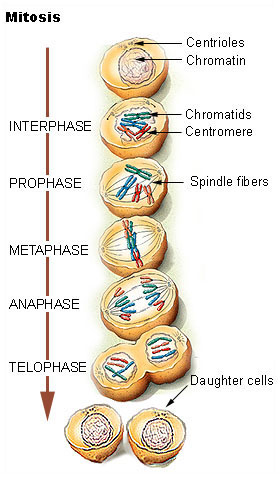
Aurora kinases (AKs), a specific family of protein kinases, are essential for various steps in human cell division. The cell division process is one of the hallmarks of every living organism. Within the complete cell-cycle process, mitosis constitutes one of the most critical steps. The main purpose of mitosis is to segregate sister chromatids into two daughter cells. This process is tightly regulated by several proteins, some of them acting as check points that ultimately ensure the correct coordination of this critical biologic process.

There is evidence linking AK overexpression with various types of malignant human cancer cells. Given the potential selectivity to target tumor cells while leaving normal cells unaffected, several “AK inhibitors” have been developed by various drug companies. Researchers at the University of Texas M.D. Anderson Cancer Center (Departments of Gynecologic Oncology, Surgical Oncology, and Cancer Biology) and the Baylor College of Medicine (Departments of Molecular and Cellular Biology and Obstetrics and Gynecology) tested MK-0457, a small molecule AK inhibitor, alone and in combination with docetaxel against ovarian cancer growth in vitro and in vivo. MK0457, initially developed by Vertex Pharmaceuticals Inc. (Vertex), is now being developed clinically by Merck & Co., Inc (Merck) for use against treatment-resistant forms of advanced leukemias.

The in vitro testing conducted by M.D. Anderson and Baylor researchers compared the use of docetaxel alone with the combination use of docetaxel and MK-0457, against two lines of chemosensitive ovarian cancer cells. Notably, the M.D. Anderson and Baylor researchers determined that the docetaxel and MK-0457 combination produced cytotoxicity that was 10 times greater than that produced by docetaxel alone. The in vivo testing, conducted in mouse models, compared the use of MK-0457 monotherapy against lines of chemosensitive and chemoresistant ovarian cancer cells. The AK inhibitor MK-0457, when used alone, significantly reduced ovarian cancer cell tumor burden. Combination treatment with docetaxel and MK-0457 resulted in significantly improved reduction in tumor growth, as well as a threefold increase in cell death, as compared to docetaxel monotherapy.

Based upon the foregoing results, the researchers concluded that AK inhibition significantly reduces ovarian cancer tumor burden and cell proliferation, and increases tumor cell apoptosis in preclinical ovarian cancer mouse models. The researchers noted that the role of Aurora kinase inhibition in ovarian cancer merits further investigation in clinical trials.

Note: In November 2007, Merck suspended new patient enrollment in two leukemia trials which involve the use of MK-0457. The suspension of new enrollees was attributable to preliminary safety data that indicated a potential cardiovascular effect in one patient. The safety findings from that patient indicated “QTc prolongation” (or “Long QT Syndrome“), a condition that can precede sudden cardiac arrest. Patients already enrolled in the two leukemia trials were permitted to continue treatment with MK-0457, provided that they were monitored for QTc prolongation. To our knowledge, based upon publicly available information, there have been no further reports of QTc prolongation within those two clinical trials.

Primary Reference: Targeting Aurora Kinase with MK-0457 Inhibits Ovarian Cancer Growth; Lin, YG et. al., Clin Cancer Res. 2008 Sep 1;14(17):5437-5446

Secondary References: