Can Iran Solve the Current U.S. Doxil/Caelyx Cancer Drug Shortage?

Iran expects to bring a  cancer nanodrug called “Sinadoxosome” to market next month. Sinadoxosome is apparently similiar to pegylated liposomal doxorubicin which is marketed under the brand name “Doxil” in the U.S. and “Caelyx” in Europe. Doxil/Caelyx has been in extreme short supply in the U.S. and Europe, thereby causing potential detriment to many ovarian cancer patients.

Iran inaugurated the production line of an anti-cancer nanodrug under the name “Sinadoxosome” in the Northern city of Rasht, and the medicine will soon come to market.

In addition to producing the amount of nanodrug required by Iran, the new drug production line makes possible the exportation of the drug to other countries. The drug acquired the necessary certificates from Nanotechnology Committee of the Ministry of Health, Treatment, and Medical Education in November 2011.

Dr. Mahmoud Reza Ja’fari, the Managing Director of Exir Nano Sina Company, told the Iran Nanotechnology Initiative Council’s reporter that the anti-cancer drug Sinadoxosome would be presented to the market next month.

“This product has been produced by the knowledge-based company Exir Nano Sina in association with Iran Nanotechnology Initiative Council. It has acquired the production certificate from the Ministry of Health, Treatment, and Medical Education,” Dr. Ja’fari added.

Pointing to the fact that the production of this medicine had been “monopolized” by European countries (under the “Caelyx” brand name) and by the United States (under the “Doxil” brand name), the Head of Nanotechnology Research Centre of Mashhad University of Medical Sciences said: “The importation of this medicine cost [sic] $5 mln annually. However, this medicine will be presented to the patients at one-third of the price of the foreign drug after the establishment of Sinadoxosome production line.”

Sinadoxosome contains nano liposomes that contain doxorubicin anti-cancer medicine. It targets the tumor tissue and boosts the effect of the medicine but decreases its side effects. The medicine has applications in the treatment of ovarian cancer, breast cancer, leukemia, and Kaposi’s sarcoma (a type of soft tissue cancer).

The production line involving the Sinadoxosome anti-cancer drug was established on February 8, 2012, in the presence of Iran Nanotechnology Initiative Council’s authorities and the managing director and researchers of the Sobhan Oncology Pharmaceutical Company.

*          *          *

In the YouTube video presented below, U.S. Senator Orrin Hatch (R-Utah), Ranking Member of the Senate Finance Committee, delivered the opening statement at a 2011 committee hearing examining the impact of drug shortages in America.

Source: Iran to Present New Anti-Cancer Nanodrug to Market Soon, Iran Nano-Technology Initiative Council, February 15, 2012.

Additional Doxil & Drug Shortage Information:

Small Study Finds Tumor-Freezing Cryoablation Treatment Extends Survival of Select Metastatic Ovarian Cancer Patients

A small study of 21 ovarian cancer patients reported that killing tumors by freezing them through cryoablation can extend the lives of select women with metastatic disease which has spread to the abdomen, liver, lung or bone, and can not be removed surgically. From the time of diagnosis of metastatic disease, the average patient survival time was more than four years and seven months.

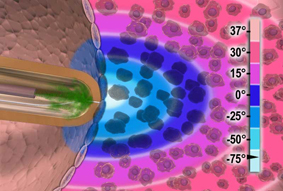
"Cryoablation" is a minimally invasive treatment that uses extreme cold ("cyro") to freeze and destroy diseased tissue ("ablation"), including cancer cells. (Photo: Wikipedia)

Killing tumors by freezing them through cryoablation can extend the lives of women with ovarian cancer that has spread to other parts of the body and is cost-effective, according to research being presented at the 4th annual Symposium on Clinical Interventional Oncology (CIO), in collaboration with the International Symposium on Endovascular Therapy (ISET).

Cryoablation Study Results

The study included 21 patients whose tumors in the abdomen, liver, lung and bone could not be removed surgically. Cryoablation was used to treat 48 tumors, killing 47 of them (98 percent). From the time of diagnosis of metastatic disease, average patient survival time was more than four years and seven months. That’s significant because when tumors are not successfully removed surgically – which occurs in about 60 percent of cases, according to studies – women typically survive from about seven months to 2 ½ years. On average, more than three years had transpired from the time of diagnosis to the first cryoablation treatment, meaning these women had already passed their expected survival time, and yet cryoablation was able to extend their survival even further. Some patients had multiple cryoablation treatments and of 41 procedures, there were three major complications (7 percent). The complications included two deaths that were attributed to the cancer, not to the procedure.

The study also determined the treatment was extremely cost-effective, costing an average of $26,806 per life year saved, well below the current standard of $100,000.

Hyun J. Bang, M.D., Radiologist Resident, Wayne State University/Detroit Medical Center

“This study adds to the evidence that cryoablation is an effective option for patients who can’t have surgery,” said study author Hyun J. Bang, M.D., a radiologist resident at Wayne State University/Detroit Medical Center. “This procedure is often overlooked, but based on the high survival rate, cost effectiveness, consistent local control and safety of the procedure, we should be taking a closer look at cryoablation.”

In cryoablation, a small needle is inserted into the tumor using imaging guidance. High pressure argon flows to the tip of the cryoprobe where it expands in an internal chamber, causing a powerful cooling effect on the outside of the probe. This allows for rapid ice formation which freezes and kills tumor cells.

For more about CIO and ISET, visit www.ISET.org/oncology.

Cryoablation Study Shortcomings — Potential Selection Bias

“While an interesting abstract, it must be stressed that the total number of patients included is extremely limited, and it is not appropriate to make any statement regarding the impact of this strategy on survival,” cautioned Maurie Markman, M.D., the senior vice president of clinical affairs and national director of medical oncology at the Cancer Treatment Centers of America Eastern Regional Medical Center in Philadelphia, Pennsylvania, in an interview with Medscape Medical News.

“Any observed outcome could very easily reflect bias in the selection of patients who have been included in this series. Considerable additional clinical evaluation must be undertaken to include far larger patient populations before any statement can be made regarding the potential of this approach to be a reasonable alternative to the current standard of care in the management of ovarian cancer,” Dr. Markman added.

Sources:

Canadian Researchers Link DICER1 Gene Mutation to Non-Epithelial Ovarian Cancers & Other Rare Tumor Types

Canadian researchers affiliated with the Ovarian Cancer Research Program of British Columbia report that recurrent, lifetime-acquired mutations affecting the DICER1 gene occur in a range of nonepithelial ovarian tumors as well as other rare cancer tumor types, and appear common in Sertoli-Leydig ovarian tumors. The study findings were published online today in the New England Journal of Medicine.
Dr. Gregg Morin, Head of Proteomics, Michael Smith Genome Sciences Centre, BC Cancer Agency; DICER 1 Mutation Ovarian Cancer Study Co-Leader

Dr. David Huntsman, Genetic Pathologist & Director of the Ovarian Cancer Research Program of British Columbia at the BC Cancer Agency & Vancouver Coastal Health Research Institute; DICER 1 Mutation Ovarian Cancer Study Co-Leader

Scientists at the British Columbia (BC) Cancer Agency, Vancouver Coastal Health Research Institute, and the University of British Columbia (UBC) are excited over a discovery made while studying rare tumor types.

Dr. David Huntsman, genetic pathologist and director of the Ovarian Cancer Program of BC (OvCaRe) at the BC Cancer Agency and Vancouver Coastal Health Research Institute, and Dr. Gregg Morin, a lead scientist from the Michael Smith Genome Sciences Centre at the BC Cancer Agency, led a research team who discovered that mutations in rare, seemingly unrelated cancers were all linked to the same gene, known as “DICER1.” The study findings were published online today in the New England Journal of Medicine. [1]

Background: RNA Interference, MicroRNAs, and DICER.

Nucleic acids are molecules that carry genetic information and include DNA (deoxyribonucleic acid) and RNA (ribonucleic acid). The DNA segments that carry genetic information are called “genes.” Together these molecules form the building blocks of life. DNA contains the genetic code or “blueprint” used in the development and functioning of all living organisms, while “messenger RNAs” or mRNAs help to translate that genetic code into proteins by acting as a messenger between the DNA instructions located in the cell nucleus and the protein synthesis which takes place in the cell cytoplasm (i.e., outside the cell nucleus, but inside the outer cell membrane). Accordingly, DNA is first “transcribed” or copied into mRNA, which, in turn, gets “translated” or synthesized into protein.

RNA interference” (RNAi) is a mechanism through which gene expression is inhibited at the translation stage, thereby disrupting the protein production within a cell. RNAi is considered one of the most important discoveries in the field of molecular biology. Andrew Fire, Ph.D., and Craig C. Mello, Ph.D. shared the 2006 Nobel Prize in Physiology or Medicine for work that led to the discovery of the RNAi mechanism. While the mechanism itself is termed “RNA interference,” there are two major types of RNA molecules that play a key role in effectuating that interference. The first type of RNA molecules consists of “microRNAs” or miRNAs, while the second type consists of “small interfering RNAs” or siRNAs.

Current thinking suggests that RNAi evolved as a cellular defense mechanism against invaders such as RNA viruses. When they replicate, RNA viruses temporarily exist in a double-stranded form. This double-stranded intermediate would trigger RNAi and inactivate the virus’ genes, thereby preventing viral infection. RNAi may also have evolved to combat the spread of genetic elements called “transposons” within a cell’s DNA. Transposons can wreak havoc by jumping from spot to spot on a genome, sometimes causing mutations that can lead to cancer or other diseases. Like RNA viruses, transposons can take on a double-stranded RNA form that would trigger RNAi to clamp down on the potentially harmful “jumping gene” activity. Also, as noted above, RNAi is important for regulating gene expression. For example, the turning down of specific genes is critical to proper embryonic development.

Of relevance to the Canadian study findings within the context of RNAi are miRNAs. MiRNAs can bind to mRNAs and either increase or decrease their activity, for example, by preventing a mRNA from producing a protein. [2] In this context, “gene silencing” can occur through mRNA degradation or prevention of mRNA translation.  MiRNAs play an integral role in numerous biological processes, including the immune response, cell-cycle control, metabolism, viral replication, stem cell differentiation and human development. MiRNA expression or function is significantly altered in many disease states, including cancer.

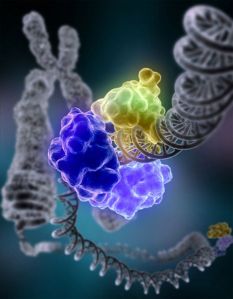
Because of its involvement in miRNA processing, the DICER1 gene plays an important role in maintaining health. It carries out a “factory style” function which involves chopping up miRNAs to activate them. [Ref. 2] These miRNAs, in turn, control hundreds of other genes as noted above. Based upon a study led by investigators from the University of Texas M.D. Anderson Cancer Center, the expression levels of DICER have global effects on the biogenesis of miRNA, and reduced gene expression correlates with a poor outcome in ovarian cancer. [3] In the M.D. Anderson study, two somatic (i.e., lifetime-acquired) missense DICER mutations were discovered in two epithelial ovarian cancer tumors. The M.D. Anderson investigators concluded that the DICER mutations were not associated with the alterations in DICER expression found in mRNAs. It is important to note that the type of somatic missense DICER mutations discovered in the M.D. Anderson study were not the same as those discovered in the Canadian study as discussed below.

Recurrent DICER Mutations Are Predominant In A Rare Form of Non-Epithelial Ovarian Cancer.

At the outset of the Canadian study, the OvCaRe team sequenced ovarian, uterine, and testicular tumors, expecting to find that their genomes would be distinct with specific, differing abnormalities. Much to their amazement, the researchers discovered that the same fundamental mutation in the DICER1 gene represented a common process underlying the different cancers which they examined.

Specifically, the Canadian investigators sequenced the whole transcriptomes or exomes of 14 nonepithelial ovarian tumors, which included two Sertoli–Leydig cell tumors, four juvenile (not adult) granulosa-cell tumors, and eight primitive germ-cell tumors of the yolk-sac type. The researchers identified closely clustered mutations in the region of DICER1 which encode the RNase IIIb domain in four samples. Based on these findings, the OvCaRe team sequenced the same region of DICER1 in additional ovarian tumors, and tested for the effect of the mutations on the enzymatic activity of DICER1.

Recurrent somatic (i.e., lifetime-acquired) DICER1 mutations in the RNase IIIb domain were identified in 30 of 102 nonepithelial ovarian tumors (29%), including 4 tumors which also possessed germline (i.e., inherited) DICER1 mutations. The highest frequency of somatic DICER1 mutations occurred in Sertoli–Leydig cell tumors (26 of 43, or 60%). Notably, the mutant DICER1 proteins identified in the samples possessed reduced RNase IIIb activity, but retained RNase IIIa activity.

The Canadian researchers also performed additional tumor testing and detected the DICER1 mutations in 1 of 14 nonseminomatous testicular germ-cell tumors, 2 of 5 embryonal rhabdomyosarcomas, and in 1 of 266 epithelial ovarian and endometrial carcinomas.

The groundbreaking nature of this discovery is reflected in the fact that the DICER1 “hotspot” mutations are not present in the 1000 Genomes Project data or the public data repository of The Cancer Genome Atlas consortium. To date, no recurrent DICER1 mutations have been reported in the mutation database of the Catalogue of Somatic Mutations in Cancer (COSMIC), in which 4 of 938 reported cancers possess somatic mutations but none in the RNase IIIb domain hot spots or RNase IIIa equivalents. Moreover, the Canadian researchers note that the newly-discovered DICER1 mutations were not observed in any of the more than 1000 cancer sequencing libraries which were studied.

Based upon the foregoing , the researchers concluded that somatic missense mutations affecting the RNase IIIb domain of DICER1 occur in a range of nonepithelial ovarian tumors, and possibly other cancers. Furthermore, the DICER1 mutations appear to be common in Sertoli-Leydig ovarian tumors (which are a subtype of nonepithelial, sex cord-stromal ovarian tumors). The researchers believe that the recurrent DICER1 mutations identified implicate a novel defect in miRNA processing which does not entirely destroy DICER1 functionality, but alters it.

Accordingly, the Canadian researchers suggest that the newly-discovered DICER1 mutations may represent an oncogenic event within the specific context of nonepithelial ovarian tumors, rather than a permissive event in tumor onset (as may be expected for loss of function in a tumor suppressor gene). The researchers note that DICER1 expression in tumors possessing the hotspot DICER1 somatic mutations argues against a role for DICER1 as a classic tumor suppressor gene. They further explain that the localized and focal pattern of the identified DICER1 mutations is typical of dominantly acting oncogenes, like KRAS and BRAF.

In sum, the Canadian researchers believe that the recurrent and focal nature of the DICER1 mutations and their restriction to nonepithelial ovarian tumors suggest a common oncogenic mechanism associated with a specifically altered DICER1 function that is selected during tumor development in specific cell types.

The Canadian study was supported through funding by Canadian Institutes for Health Research, Terry Fox Foundation, BC Cancer Foundation, VGH & UBC Hospital Foundation, Michael Smith Foundation for Health Research, and Genome BC.

Expert Commentary

DICER is of great interest to cancer researchers” said Dr. Huntsman, who also holds the Dr. Chew Wei Memorial Professorship in the departments of Obstetrics and Gynecology and Pathology and Laboratory Medicine at UBC. “There have been nearly 1,300 published studies about it in the last 10 years, but until now, it has not been known how the gene functions in relation to cancer.”

“This discovery shows researchers that these mutations change the function of DICER so that it participates directly in the initiation of cancer, but not in a typical ‘on-off’ fashion,” says Dr. Morin who is also assistant professor in the department of Medical Genetics at UBC. “DICER can be viewed as the conductor for an orchestra of functions critical for the development and behavior of normal cells. The mutations we discovered do not totally destroy the function of DICER rather they warp it—the orchestra is still there but the conductor is drunk.”

This finding is the third of a series of papers published recently in the New England Journal of Medicine (NEJM) in which the OvCaRe team used new genomic technologies to unlock the molecular basis of poorly understood types of ovarian cancer. The first finding, published in the NEJM in 2009, identified mutations in the FOXL2 (forkhead box L2) gene as the molecular basis of adult granulosa cell ovarian cancer tumors. The second finding, published in the NEJM in 2010, determined that approximately one-half of clear-cell ovarian cancers and one-third of endometrioid ovarian cancers possess ARID1A  (AT rich interactive domain 1A) gene mutations.

The DICER gene mutation breakthrough discovery is particularly pivotal because it could lead to solutions for treatment of more common cancers.

“Studying rare tumors not only is important for the patients and families who suffer from them but also provides unique opportunities to make discoveries critical to more common cancers – both in terms of personalized medicine, but also in applying what we learn from how we manage rare diseases to more common and prevalent cancers,” said Dr. Huntsman “The discovery of the DICER mutation in this varied group of rare tumors is the equivalent of finding not the needle in the haystack, but rather the same needle in many haystacks.”

Dr. Phillip A. Sharp, Professor, Koch Institute for Integrative Cancer Research, Massachusetts Institute of Technology; Co-winner of the 1993 Nobel Prize in Physiology and Medicine

“This breakthrough will be of interest to both the clinical and the fundamental science communities,” says Dr. Phillip A. Sharp, Professor, Koch Institute for Integrative Cancer Research at the Massachusetts Institute of Technology, and co-winner of the 1993 Nobel Prize in Physiology or Medicine for the discovery that genes are not contiguous strings but contain introns, and that the splicing of mRNA to delete those introns can occur in different ways, thereby yielding different proteins from the same DNA sequence. “Huntsman, Morin and colleagues’ very exciting discovery of specific mutations in DICER, a factor essential for syntheses of small regulatory RNAs in ovarian and other human tumors, could lead to new approaches to treatment.”

The Canadian OvCaRe research team is now working to determine the frequency and role of DICER mutations in other types of cancers. The research team is also expanding its collaboration to discover whether mutant DICER and the pathways it controls can be modulated to treat the rare cancers in which the mutations were discovered and more common cancers.

The Michael Smith Genome Sciences Centre (Michael Smith GSC), located at the BC Cancer agency, played a key role in this discovery. By way of background, Dr. Michael Smith was a co-winner of the 1993 Nobel Prize in Chemistry for his development of oligonucleotide-based site-directed mutagenesis, a technique which allows the DNA sequence of any gene to be altered in a designated manner. His technique created a groundbreaking method for studying complex protein functions, the basis underlying a protein’s three-dimensional structure, and a protein’s interaction with other molecules inside the cell.

A decision was made more than 10 years ago, championed by Drs. Michael Smith, Victor Ling, and others to create and locate the Michael Smith GSC within the BC Cancer Agency and in close proximity to Vancouver General Hospital (VGH). The chosen location for this critical facility provided the multidisciplinary cancer research teams in Vancouver with access to state-of-the-art technologies.

“We are one of less than five places in the world doing this type of work successfully. This discovery is one of a series of recent landmark findings from Vancouver that are reshaping our understanding of many cancers,” says Dr. Huntsman. “Since my arrival in Vancouver 20 years ago I have never before sensed such a strong feeling of communal pride and excitement within our research community. Our next task is to bring the discoveries into the clinic.”

About the Ovarian Cancer Research Program of British Columbia (OvCaRe)

OvCaRe is a multidisciplinary research program involving clinicians and research scientists in gynecology, pathology, and medical oncology at VGH and BC Cancer Agency. OvCaRe is a unique collaboration between the BC Cancer Agency, Vancouver Coastal Health Research Institute, and UBC. The OvCaRe team is considered a leader in ovarian cancer research which is breaking new ground in better identifying, understanding, and treating this disease. The OvCaRe seminal paper in PLoS (Public Library of Science), which addresses ovarian cancer as a group of distinct diseases, has been embraced by the global research community who has adopted the BC approach to ovarian cancer research. To learn more, visit www.ovcare.ca.

About the Michael Smith Genome Sciences Centre

Canada’s Michael Smith Genome Sciences Centre is an internationally recognized state-of-the-art facility applying genomics and bioinformatics tools and technologies to cancer research. Led by Dr. Marco Marra, the Michael Smith GSC is one of ten leading genomic research centres in the world and the only one of its kind in the world integrated into a cancer facility. With a primary focus on cancer genomics research, its scientists have been involved in many world-class groundbreaking discoveries over the past decade. To learn more, visit www.bcgsc.ca.

About the Vancouver Coastal Health Research Institute

Vancouver Coastal Health Research Institute is the research body of Vancouver Coastal Health Authority, which includes BC’s largest academic and teaching health sciences centres: Vancouver General Hospital, UBC Hospital, and GF Strong Rehabilitation Centre. The institute is academically affiliated with the UBC Faculty of Medicine, and is one of Canada’s top-funded research centres, with $82.4 million in research funding for 2009/2010. To learn more, visit www.vchri.ca.

About the British Columbia Cancer Agency

The BC Cancer Agency, an agency of the Provincial Health Services Authority, is committed to reducing the incidence of cancer, reducing the mortality from cancer, and improving the quality of life of those living with cancer. It provides a comprehensive cancer control program for the people of British Columbia by working with community partners to deliver a range of oncology services, including prevention, early detection, diagnosis and treatment, research, education, supportive care, rehabilitation and palliative care. To learn more, visit www.bccancer.ca.

About the University of British Columbia

The University of British Columbia is one of North America’s largest public research and teaching institutions, and one of only two Canadian institutions consistently ranked among the world’s 40 best universities. Surrounded by the beauty of the Canadian West, it is a place that inspires bold, new ways of thinking that have helped make it a national leader in areas as diverse as community service learning, sustainability, and research commercialization. UBC offers more than 55,000 students a range of innovative programs and attracts $550 million per year in research funding from government, non-profit organizations, and industry through 7,000 grants. To learn more, visit www.ubc.ca.

References

1/Morin G, Hunstman, DG et al.  Recurrent Somatic DICER1 Mutations in Nonepithelial Ovarian CancersNEJM, published online December 21, 2011 (10.1056/NEJMoa1102903).

2/The Canadian investigators describe the operation of the RNAi pathway with respect to miRNA biogenesis as follows:

“MicroRNAs (miRNAs) are a functional class of noncoding RNA molecules that regulate translation and degradation of messenger RNA. MiRNA transcripts are processed from hairpin pre-miRNA precursors into short miRNA:  miRNA* duplexes consisting of the miRNA targeting strand and the imperfectly complementary miRNA* strand (star strand, or inert carrier strand) by Dicer, an endoribonuclease with two RNase III–like domains. The RNase IIIb domain cuts the miRNA strand, whereas the RNase IIIa domain cleaves the miRNA* strand. The resultant RNA duplex is loaded into the RNA-induced silencing complex (RISC) containing an Argonaute protein. The miRNA* strand is then removed, leaving the miRNA strand, which targets messenger RNAs (mRNAs) for degradation or interacts with the translation initiation complex to inhibit and destabilize translation of the targeted messenger RNAs.” [footnote citations omitted]

3/Merritt WM, et al. Dicer, Drosha, and outcomes in patients with ovarian cancer. N Engl J Med. 2008 Dec 18;359(25):2641-50. Erratum in: N Engl J Med. 2010 Nov 4;363(19):1877. PubMed PMID: 19092150; PubMed Central PMCID: PMC2710981.

Sources:

An Attitude of Gratitude On Thanksgiving Day

“Gratitude unlocks the fullness of life. It turns what we have into enough, and more. It turns denial into acceptance, chaos to order, confusion to clarity. It can turn a meal into a feast, a house into a home, a stranger into a friend. Gratitude makes sense of our past, brings peace for today, and creates a vision for tomorrow.” — Melody Beattie

Today, many of us will celebrate a national day of Thanksgiving with family and friends. You know the drill — eating turkey, mash potatoes, stuffing, and pumpkin or apple pie; watching football (your pick of Green Bay Packers vs. Detroit Lions, Miami Dolphins vs. Dallas Cowboys, or San Francisco 49ers vs. Baltimore Ravens); and napping, after which the whole cycle begins anew.

Why Be Grateful?

Within this traditional celebration, it is all too easy for us to lose sight of the real meaning of the holiday; that is, to give thanks for the many blessings bestowed upon us in our daily lives. Yesterday, I overheard two adults speaking about Thanksgiving in a grocery store line. One individual said to the second in a serious tone: “What do I have to be thankful for?” At first blush, it seems like a fair question when you consider the following:

  • The U.S. is currently engaged in two major armed conflicts. As of November 22, the total number of Americans killed in Afghanistan and Iraq is 4,984, and the number of wounded is over 47,000. The conflict in Afghanistan hit the 10-year mark in October. In contrast, the U.S. forced the unconditional surrender of Nazi Germany and the Imperial Empire of Japan in 3 years and 8 months, thereby ending World War II in August 1945.
  • The U.S. is experiencing the worst economic downturn since “The Great Depression” of the 20th century.
  • The bipartisan U.S. Congressional “Super Committee” failed to reach agreement on $1.2 trillion of federal budget spending cuts over the next ten years, as part of Congress’ ongoing theater of the absurd in which its utter and total failure is “spun” as success.
  • The U.S. Congress’ approval rating, based upon a recent New York Times poll, sits at an all-time low of 9 percent. By comparison, former President Richard Nixon’s final approval rating after the Watergate Scandal and upon his resignation was 23%.
  • The U.S. National Cancer Institute (NCI) continues to fight for increased federal funding for cancer research in a time when 50% of men and 33% of women woman will experience cancer at some point during their lifetimes.
  • It is estimated that 15,460 U.S. women will die from ovarian cancer in 2011, which represents the death of one woman every 37 minutes. The annual U.S. ovarian cancer death toll is equal to the number of passenger deaths that would result from 30 Boeing 747 airplane crashes every year.
  • According to a recently published U.K. report, the median survival of women with ovarian cancer only increased from 8 months to 3 years over the past 40 years.

There is little doubt that the current state of U.S. affairs as described above is indeed daunting. The unsettling situation in the U.S., however, pales in comparison to the average life experience of those living in extreme poverty around the world (including the U.S.).

  • In 2005, the World Bank reported that 1.4 billion people in the developing world (one in four) were living on less than US$1.25 per day, of which 162 million live on less than $0.50 per day. The latter category of individuals are referred to as the “ultra poor” by the International Food Policy Research Institute.
  • Number of children in the world: 2.2 billion. Number of children living in poverty: 1 billion.
  • According to the World Health Organization, there are approximately 33 million people living with HIV/AIDS today, with 2 million AIDS-related deaths anticipated each year. It is estimated that 76% of those deaths will occur in sub-Saharan Africa.
  • The United Nations estimates that 34,000 children and 16,000 adults die each day from hunger or preventable diseases with poverty-related causes. The annual death total is 18 million per year, which is nearly two times greater than the total number of deaths that occurred throughout “The Holocaust” between 1933 and 1945.
  • Approximately 1.1 billion people in developing countries have inadequate access to clean water, and 2.6 billion lack basic sanitation. Approximately 12 percent of the world’s population uses 85 percent of its water, and the individuals represented by the 12 percent do not live in the Third World.
  • In 1997, it was estimated that less than 1 percent of annual world weapons expenditures was needed to put every child into school by the year 2000.
  • Nearly one billion people entered the 21st century unable to read a book or sign their names.
  • 1.6 billion people live without electricity.
  • The U.S. has the widest gap between rich and poor of any industrialized nation.
  • In 2008, 7.6 million people died of cancer or 13% of all deaths worldwide. About 70% of all cancer deaths occur in low- and middle-income countries.

In light of the above-mentioned global poverty statistics, it should be possible for even the most pessimistic U.S. citizen to be grateful on Thanksgiving Day. For the women and families who are dealing with ovarian cancer in their lives, we also believe that gratitude and hope is not only possible; it is essential.

  • While cancers (including ovarian) constitute an incredibly diverse and bewilderingly complex set of diseases, we have at hand the methods to identify essentially all of the genetic changes in a cell and to use that knowledge to rework the landscape of cancer research and cancer care, from basic science to prevention, diagnosis, and treatment.
  • With this better understanding of cancer and recent technological advances in many fields, such as genomics, molecular biology, biochemistry, and computational sciences, progress has been made on many fronts, and a portrait is beginning to emerge for several cancers including ovarian.
  • It has been established that there are at least four major subtypes of epithelial ovarian cancer which should be treated as separate and distinct diseases.
  • In The Cancer Genome Atlas (TCGA) study findings recently published with respect to the most common form of epithelial ovarian cancer, the investigators reported that a class of drugs known as “PARP inhibitors” may benefit up to 50% of high-grade, serous ovarian cancer (HGS-OvCa) survivors. In that same study, the investigators identified 22 genomic targets that occur in 10% or more of these cases, along with nearly 100 preclinical, clinical and FDA-approved drugs which are capable of “hitting” those targets.
  • The TCGA study of HGS-OvCa is arguably the world’s largest genomic study of any form of cancer to date.
  • Never before in human history has so much healthcare information been so readily available to the general public, thereby allowing cancer survivors and their families to proactively participate with their doctors in decisions relating to cancer diagnoses, treatments, and survivorship.
  • Given the rapid technological and pharmacological developments described above, it is important to “live to fight another day.”
  • Studies suggest that gratitude may improve overall health by leading to (i) better diet, (ii) increased amounts of exercise, (iii) reduced stress, and (iv) a stronger immune system. In other words, if you want to promote health, try giving thanks.

Thanksgiving In Times of Adversity & Plenty

“… As we gather in our communities and in our homes, around the table or near the hearth, we give thanks to each other and to God for the many kindnesses and comforts that grace our lives. Let us pause to recount the simple gifts that sustain us, and resolve to pay them forward in the year to come. …” — President Barack Obama

On November 16, 2011, U.S. President Barack Obama issued a Presidential Proclamation for Thanksgiving Day 2011. The proclamation is befitting of the true meaning underlying this traditional holiday. Although the origins of the modern U.S. Thanksgiving holiday can be traced back to the early 17th century, it is worth noting that the first Thanksgiving to be celebrated by all U.S. states on the same day (i.e., the final Thursday of November, which was not enacted into law by Congress until December 1941) was first proclaimed by President Abraham Lincoln on October 3, 1863. The year 1863 was arguably one of the darkest time periods in U.S. history because it occurred in the midst of the Civil War; a conflict that pitted brother against brother, and resulted in more American deaths than all subsequent U.S. conflicts combined. Despite that fact, President Lincoln believed strongly that we should give thanks for our daily blessings even in times of great adversity.

The main text of President Obama’s proclamation, which is provided below, echoes the sentiments of Lincoln and reminds all Americans that in good times and bad times, “… we have lifted our hearts by giving humble thanks for the blessings we have received and for those who bring meaning to our lives.”

“One of our Nation’s oldest and most cherished traditions, Thanksgiving Day brings us closer to our loved ones and invites us to reflect on the blessings that enrich our lives. The observance recalls the celebration of an autumn harvest centuries ago, when the Wampanoag tribe joined the Pilgrims at Plymouth Colony to share in the fruits of a bountiful season. The feast honored the Wampanoag for generously extending their knowledge of local game and agriculture to the Pilgrims, and today we renew our gratitude to all American Indians and Alaska Natives. We take this time to remember the ways that the First Americans have enriched our Nation’s heritage, from their generosity centuries ago to the everyday contributions they make to all facets of American life. As we come together with friends, family, and neighbors to celebrate, let us set aside our daily concerns and give thanks for the providence bestowed upon us.

Though our traditions have evolved, the spirit of grace and humility at the heart of Thanksgiving has persisted through every chapter of our story. When President George Washington proclaimed our country’s first Thanksgiving, he praised a generous and knowing God for shepherding our young Republic through its uncertain beginnings. Decades later, President Abraham Lincoln looked to the divine to protect those who had known the worst of civil war, and to restore the Nation “to the full enjoyment of peace, harmony, tranquility, and union.”

In times of adversity and times of plenty, we have lifted our hearts by giving humble thanks for the blessings we have received and for those who bring meaning to our lives. Today, let us offer gratitude to our men and women in uniform for their many sacrifices, and keep in our thoughts the families who save an empty seat at the table for a loved one stationed in harm’s way. And as members of our American family make do with less, let us rededicate ourselves to our friends and fellow citizens in need of a helping hand.

As we gather in our communities and in our homes, around the table or near the hearth, we give thanks to each other and to God for the many kindnesses and comforts that grace our lives. Let us pause to recount the simple gifts that sustain us, and resolve to pay them forward in the year to come. …” — Barack Obama’s Presidential Proclamation — Thanksgiving Day, 2011

If All Else Fails  — Try Humor

If you are still having trouble cultivating an attitude of gratitude on Thanksgiving Day, it is always helpful to enjoy the humor created by a child’s perspective. Thanksgiving is a time for food, family and fun, and we all know that children and grandchildren are a big part of the fun. Save Mart Supermarkets dared to create a video which captures a child’s perspective on the traditional Thanksgiving experience.  We should warn you that a broad smile is a common side effect of watching this video. Enjoy!

What Are We Thankful For?

Our Thanksgiving Day gratitude list includes the following:

  • Ovarian cancer survivors and their families, who teach us every day about the importance of hope, perseverance, courage, compassion, love, and acceptance.
  • The compassion of medical clinicians who treat ovarian cancer patients every day.
  • The intelligence and dedication of U.S. and international medical and scientific researchers, who doggedly pursue methods to control, and ultimately conquer, ovarian cancer.
  • The generous assistance provided to us by the Women’s Oncology Research & Dialogue (WORD) gynecological cancer awareness organization. Dr. Kelly Manahan (WORD Co-Founder), Dr. John Geisler (WORD Co-Founder), Nate Manahan (WORD Executive Director) and Chad Braham (WORD Director of Media Productions) provide Libby’s H*O*P*E* with invaluable substantive and technical assistance throughout the year, including the newest joint collaboration called “WORD of HOPE Ovarian Cancer Podcast.”
  • The ongoing generosity, encouragement and hope provided by Douglas and Diana Gray through the Gray Family Ovarian Clear Cell Carcinoma Research Resource, a multi-year research project dedicated to understanding, and ultimately defeating, one of the most lethal subtypes of epithelial ovarian cancer.  The Talmud says: “And whoever saves a life, it is considered as if he saved an entire world.” Doug and Diana Gray are passionate about pioneering ovarian cancer research aimed at saving women’s lives.
  • Our families who provide seemingly endless support and understanding, while we advocate on behalf of ovarian cancer survivors and their families.
  • The inspiration provided by Libby’s eternal spirit.
  • The ovarian cancer advocacy communities represented on Facebook, Twitter, Inspire.com, etc., who demonstrate on a daily basis that there is patient empowerment, joy, kindness, compassion, and synergy created by a large number of passionate and dedicated survivors and advocates who band together in cyberspace.
  • The dedicated service of our U.S. military personnel (and their families), who allow us to rise and sleep under the blanket of freedom which they provide each day through blood, sweat, and tears.
  • The roofs over our heads, the food on our tables, the clean water from our faucets, the freedom of speech and religious practice upon which our country was founded, the ability to vote in fair elections, and the simple acts of kindness that we are able to provide to and receive from others.

From our family to yours, let us take this opportunity to wish you a safe and enjoyable Thanksgiving holiday.

FDA Revokes Approval of Avastin Use For Metastatic Breast Cancer; Major U.S. Ovarian Cancer Advocacy Organization Concerned

Today, the U.S. Food and Drug Administration (FDA) Commissioner Hamburg revoked approval of Avastin for treatment of metastatic breast cancer in the U.S. The decision does not impact Avastin’s availability for its approved uses for other cancer types in the U.S. A major U.S. ovarian cancer advocacy organization is concerned that the FDA decision will make it more difficult for ovarian cancer patients to gain access to Avastin.

FDA Revocation of Avastin Approval For Metastatic Breast Cancer

FDA Commissioner Margaret A. Hamburg, M.D., said today she is revoking the agency’s approval of the breast cancer indication for Avastin® (bevacizumab) after concluding that the drug has not been shown to be safe and effective for that use.

Avastin will still remain on the market as an approved treatment for certain types of colon, lung, kidney and brain cancer (glioblastoma multiforme).

“This was a difficult decision. FDA recognizes how hard it is for patients and their families to cope with metastatic breast cancer and how great a need there is for more effective treatments. But patients must have confidence that the drugs they take are both safe and effective for their intended use,” Dr. Hamburg said. “After reviewing the available studies it is clear that women who take Avastin for metastatic breast cancer risk potentially life-threatening side effects without proof that the use of Avastin will provide a benefit, in terms of delay in tumor growth, that would justify those risks. Nor is there evidence that use of Avastin will either help them live longer or improve their quality of life.”

Avastin’s risks include severe high blood pressure; bleeding and hemorrhaging; heart attack or heart failure; and the development of perforations in different parts of the body such as the nose, stomach, and intestines.

Today’s decision, outlined in Dr. Hamburg’s 69-page opinion, involves Avastin used in combination with the cancer drug paclitaxel (Taxol) for those patients who have not been treated with chemotherapy for their form of metastatic breast cancer known as “HER-2 negative.” This indication must now be removed from Avastin’s product labeling.

Dr. Hamburg’s decision is based on an extensive record, which includes thousands of pages submitted to a public docket, data from several clinical trials, and the record from a two-day hearing held in June, 2011.

Avastin was approved for metastatic breast cancer in February 2008 under the FDA’s accelerated approval program, which allows a drug to be approved based on data that are not sufficiently complete to permit full approval. The accelerated approval program provides earlier patient access to promising new drugs to treat serious or life-threatening conditions while confirmatory clinical trials are conducted. If the clinical trials do not justify the continued approval of the drug or a specific drug indication, the agency may revoke its approval. In this case, the accelerated approval was based on promising results from one study that suggested that the drug could provide a meaningful increase in the amount of time from when treatment is started until the tumor grows or the death of the patient.

After the accelerated approval of Avastin for breast cancer, the drug’s sponsor, Genentech (a member of the Roche Group) completed two additional clinical trials and submitted the data from those studies to the FDA. These data showed only a small effect on tumor growth without evidence that patients lived any longer or had a better quality of life compared to taking standard chemotherapy alone – not enough to outweigh the risk of taking the drug.

The FDA’s Center for Drug Evaluation and Research (CDER), which is responsible for the approval of this drug, ultimately concluded that the results of these additional studies did not justify continued approval and notified Genentech that it was proposing to withdraw approval of the indication.

Genentech did not agree with CDER’s evaluation of the data and, following the procedures set out in FDA regulations, requested a hearing on CDER’s withdrawal proposal, with a decision to be made by the FDA Commissioner. That two-day hearing, which took place June 28-29, 2011, included recommendations from the FDA’s Oncologic Drugs Advisory Committee (ODAC), voting 6-0 in favor of withdrawing approval of Avastin’s breast cancer indication. After the hearing, the public docket remained open until August 4, 2011. In an earlier meeting of the ODAC, that committee had voted 12-1 in favor of the removal of the breast cancer indication from the Avastin label.

“FDA is committed to working with sponsors to bring promising cancer drugs to market as quickly as possible using tools like accelerated approval,” Dr. Hamburg said. “I encourage Genentech to consider additional studies to identify if there are select subgroups of women suffering from breast cancer who might benefit from this drug.”

Genentech Response

In a press release issued earlier today, Genentech’s Hal Barron, M.D., chief medical officer and head, Global Product Development, stated:

“We are disappointed with the outcome. We remain committed to the many women with this incurable disease and will continue to provide help through our patient support programs to those who may be facing obstacles to receiving their treatment in the United States. Despite today’s action, we will start a new Phase III study of Avastin in combination with paclitaxel in previously untreated metastatic breast cancer and will evaluate a potential biomarker that may help identify which people might derive a more substantial benefit from Avastin.”

Genentech emphasizes the following points in its press release:

  • The FDA Commissioner revoked approval of Avastin for treatment of metastatic breast cancer in the U.S.
  • The FDA’s action concludes its review of Avastin’s use for metastatic breast cancer.
  • The FDA decision does not impact Avastin’s approved uses for other cancer types in the U.S. or other countries.
  • The FDA decision does not impact the approval of Avastin for metastatic breast cancer in more than 80 foreign countries.
  • Roche will initiate a new clinical trial of Avastin plus paclitaxel in metastatic breast cancer.
  • Genentech will issue a letter to healthcare providers and will also provide them with a letter to distribute to their patients. Both letters will be made available on Genentech’s website.
  • Patients with questions or concerns about insurance coverage, or doctors with questions about reimbursement, can call Genentech’s Access Solutions Group at (866)-4- ACCESS.
  • Doctors with questions about Avastin can call Genentech’s Medical Communications group at (800) 821-8590.
  • The FDA’s action does not impact ongoing clinical trials with Avastin in breast cancer. For more information, please call Genentech’s Trial Information Support Line at (888) 662-6728 or visit clinicaltrials.gov.

Major U.S. Ovarian Cancer Advocacy Organization Concerned About Future Impact of FDA Decision

Karen Orloff Kaplan, MSW, MPH, ScD, Chief Executive Officer, Ovarian Cancer National Alliance

Karen Orloff Kaplan, MSW, MPH, ScD, the Chief Executive Officer for the Ovarian Cancer National Alliance (OCNA), expressed concern that the removal of metastatic breast cancer from the Avastin label could negatively affect women with ovarian cancer, for whom the drug is used “off-label.”  OCNA is one of the most influential advocates for women with ovarian cancer in the United States.

Dr. Kaplan stated:

“Results from three Phase III clinical studies show that Avastin is beneficial for some women with ovarian cancer. We are deeply concerned that the Food and Drug Administration’s decision regarding metastatic breast cancer will make it difficult for women with ovarian cancer to access Avastin, and that patients could be denied insurance coverage for this treatment. The Ovarian Cancer National Alliance will continue our work to ensure that drugs that are useful and medically appropriate are available to women with this disease.”

In the FDA report accompanying her decision, Commissioner Hamburg cited a lack of evidence that Avastin improved overall survival for women with metastatic breast cancer in its decision. “Given how difficult it is to measure overall survival in ovarian cancer clinical trials, we are concerned that today’s ruling may set an unfortunate precedent,” said Dr. Kaplan.

Currently, various national cancer treatment guidelines, such as the National Comprehensive Cancer Network (NCCN) Compendium™, include Avastin as a treatment for ovarian cancer. Despite that fact, the FDA’s decision could prompt a reexamination of industry treatment guidelines by various groups, including the NCCN. The NCCN  is a nonprofit alliance which consists of 21 leading U.S. cancer centers.

Specifically, OCNA is concerned that the FDA Avastin label change, mandated by today’s FDA decision, will lead to restrictions by third party payers, including the U.S. Medicare federal insurance program, who generally reimburse for Avastin when a woman’s cancer has returned. OCNA’s concern may be warranted because Reuters reported earlier today that some healthcare insurers have already started pulling back on Avastin reimbursement coverage for breast cancer.

As of now, according to Reuters, Medicare will continue to pay for Avastin used in the treatment of breast cancer, despite  the FDA’s revocation decision. “Medicare will continue to cover Avastin,” said Don McLeod, a spokesman for the Centers for Medicare and Medicaid Services (CMS). “CMS will monitor the issue and evaluate coverage options as a result of action by the FDA but has no immediate plans to change coverage policies.” The CMS statement may mitigate concerns that patients using the drug would lose critical drug reimbursement insurance coverage in the future.

Sources:

Addtional Information:

Ovarian Cancer Tumors Can Grow For Ten Years Or More Before Being Detected By Today’s Blood Tests

A new mathematical model developed by Stanford University School of Medicine scientists finds that ovarian cancer tumors can grow for 10 years or longer before currently available blood tests will detect them.

A new mathematical model developed by Stanford University School of Medicine scientists indicates that tumors can grow for 10 years or longer before currently available blood tests will detect them. The analysis, which was restricted to ovarian cancer tumors but is broadly applicable across all solid tumor types, was published online November 16 in Science Translational Medicine.

“The study’s results can be viewed as both bad and good news,” said Sanjiv “Sam” Gambhir, M.D., Ph.D., professor and chair of radiology and the study’s senior author. Sharon Hori, Ph.D., a postdoctoral scholar in Dr. Gambhir’s laboratory, is the lead study author.

The mathematical model developed by Dr. Sam Gambhir’s lab shows that it would be possible to detect tumors years before they grow big enough to metastasize if researchers can develop the right biomarkers.

The bad news, as explained by Dr. Gambhir, is that by time a tumor reaches a detectable size using today’s available blood tests, it is likely to have metastasized to other areas of the body, making it much more deadly than if it had been caught earlier. “The good news is that we have, potentially, 10 or even 20 years to find the tumor before it reaches this size, if only we can improve our blood-based methods of detecting tumors,” said Dr. Gambhir. “We think our mathematical model will help guide attempts to do that.”

The study advances previous research about the limits of current detection methods. For instance, it is strikingly consistent with a finding reported two years ago by Stanford biochemistry professor Patrick Brown, M.D., Ph.D., that current ovarian cancer tests could not detect tumors early enough to make a significant dent in the mortality rate. There is a push to develop more-sensitive diagnostic tests and find better biomarkers, and Dr. Gambhir’s new model could be an essential tool in this effort. For the first time, the new model connects the size of a tumor with blood biomarker levels being shed by that tumor.

To create their model, Drs. Gambhir and Hori used mathematical models originally developed to predict the concentration of drugs injected into the blood. The investigators linked these to additional models of tumor cell growth.

Tumors do not secrete drugs, but they can shed telltale molecules into surrounding tissue, from which those substances, known as “biomarkers,” diffuse into the blood. Some biomarkers may be made predominantly by tumor cells.  These substances can be measured in the blood as proxies for a tumor.

Some biomarkers are in wide use today. One is the well-known PSA (prostate specific antigen) for prostate cancer. Another example of a biomarker is CA-125 (cancer antigen 125) for ovarian cancer. But these and other currently used blood tests for cancer biomarkers were not specifically developed for early detection, and are generally more effective for relatively noninvasive monitoring of the progress of a late-stage tumor or tumor response to treatment. That is, rising blood levels of the substance may indicate that the tumor is growing, while declining levels may indicate possible tumor shrinkage.

Both CA-125 and PSA are also produced, albeit in smaller amounts, by healthy tissue, complicating efforts to detect cancer at an early stage when the tumor’s output of the biomarker is relatively low.

The new mathematical model employs separate equations, each governing the movement of a biomarker from one compartment into the next. Into these equations, one can plug known values — such as how fast a particular type of tumor grows, how much of the biomarker a tumor cell of this type sheds per hour, and the minimum levels of the biomarker that must be present in the blood for a currently available assay to detect it.

As a test case, Drs. Gambhir and Hori chose CA-125, a well-studied biomarker which is shed into the blood by ovarian cancer tumors. Ovarian cancer is a notorious example of a condition for which early detection would make a significant difference in survival outcomes.

CA-125 is a protein made almost exclusively by ovarian tumor cells. The well-known pharmacokinetics, metabolic fates (typical amounts secreted by an ovarian cell), typical ovarian tumor growth rates, and other properties of CA-125 make the biomarker an excellent candidate for “road testing” with Gambhir and Hori’s model. CA-125 is by no means the ideal biomarker, said Dr. Gambhir, while noting that it can still be used to better understand the ideal properties of biomarkers for early ovarian cancer detection.

Applying their equations to CA-125, Drs. Gambhir and Hori determined that an ovarian cancer tumor would need to reach a size of approximately 1.7 billion cells, or the volume of a cube with a 2-centimeter edge, before the currently available CA-125 blood test could reliably detect it. At typical tumor-growth rates, it would take a single cancer cell approximately 10.1 to 12.6 years of development to become a tumor containing 1.7 billion cells.

The model further calculated that a biomarker otherwise equivalent to CA125 — but shed only by ovarian tumor cells — would allow reliable detection within 7.7 years, while the tumor’s size would be that of a tiny cube about one-sixth of an inch high.

In the last decade, many potential new biomarkers for different forms of cancers have been identified. There’s no shortage of promising candidates — six for lung cancer alone, for example. But validating a biomarker in large clinical trials is a long, expensive process. So it is imperative to determine as efficiently as possible which, among many potential tumor biomarkers, is the best prospective candidate.

“This [mathematical] model could take some of the guesswork out of it,” Gambhir said. He also stated:

“It [the mathematical model] can be applied to all kinds of solid cancers and prospective biomarkers as long as we have enough data on, for instance, how much of it a tumor cell secretes per hour, how long the biomarker can circulate before it’s degraded and how quickly tumor cells divide. We can tweak one or another variable — for instance, whether a biomarker is also made in healthy tissues or just the tumor, or assume we could manage to boost the sensitivity of our blood tests by 10-fold or 100-fold — and see how much it advances our ability to detect the tumor earlier on.”

There are new detection technologies capable of detecting biomarkers at concentrations as low as a few hundred molecules per milliliter (1-cubic centimeter) of blood. In 2009, Dr. Gambhir and his colleagues reported on one such developing technology: “magneto-nanosensors” that can detect biomarkers with a 100-fold greater sensitivity than current methods.

Better biomarker detection alone might allow ovarian cancer tumor detection at the 9-year point, said Gambhir.

A second priority is to come up with new and better biomarkers. “It’s really important for us to find biomarkers that are made exclusively by tumor cells,” Dr. Gambhir said.

Under the right conditions (a highly sensitive assay measuring levels of a biomarker that is shed only by cancer cells), Gambhir stated, the model predicts that a tiny tumor with a volume equivalent to a cube less than one-fifteenth of an inch (or 1.7 millimeters) on a side could be detected.

Dr. Gambhir is also the Virginia and D.K. Ludwig Professor in Cancer Research and director of the Molecular Imaging Program at Stanford, the director of the Canary Center at Stanford for Cancer Early Detection, and a member of the Stanford Cancer Institute.

The study was funded by the Canary Foundation and the National Cancer Institute.

Sources:

U.S. President Barack Obama Proclaims September 2011 As National Ovarian Cancer Awareness Month — What Should You Know?

Today, U.S. President Barack Obama designated September 2010 as National Ovarian Cancer Awareness Month. During National Ovarian Cancer Awareness Month, Libby’s H*O*P*E*™ will honor the women who have lost their lives to the disease, support those who are currently battling the disease, and celebrate with those who have beaten the disease. 

Today, U.S. President Barack Obama designated September 2010 as National Ovarian Cancer Awareness Month. During National Ovarian Cancer Awareness Month, Libby’s H*O*P*E*™ will honor the women who have lost their lives to the disease, support those who are currently battling the disease, and celebrate with those who have beaten the disease. This month, medical doctors, research scientists, and ovarian cancer advocates renew their commitment to develop a reliable early screening test, improve current treatments, discover new groundbreaking therapies, and ultimately, defeat the most lethal gynecologic cancer.

Let us begin this month with several important facts relating to ovarian cancer. Please take time to review these facts — they may save your life or that of a loved one.

Ovarian Cancer Facts

  • Ovarian cancer causes more deaths than any other cancer of the female reproductive system.
  • In 2011, the American Cancer Society (ACS) estimates that there will be approximately 21,990 new ovarian cancer cases diagnosed in the U.S. ACS estimates that 15,460 U.S. women will die from the disease, or about 42 women per day or 1 women every 30 minutes.
  • Ovarian cancer is not a “silent” disease; it is a “subtle” disease. Recent studies indicate that women with ovarian cancer are more like to experience four persistent, nonspecific symptoms as compared with women in the general population, such as (i) bloating, (ii) pelvic or abdominal pain, (iii) difficulty eating or feeling full quickly, or (iv) urinary urgency or frequency. Women who experience such symptoms daily for more than a few weeks should seek prompt medical evaluation.
  • Several other symptoms have been commonly reported by women with ovarian cancer. These symptoms include fatigue, indigestion, back pain, pain with intercourse, constipation and menstrual irregularities. However, these other symptoms are not as useful in identifying ovarian cancer because they are also found in equal frequency in women in the general population who do not have the disease.
  • Pregnancy and the long-term use of oral contraceptives reduce the risk of developing ovarian cancer.
  • Women who have had breast cancer, or who have a family history of breast cancer or ovarian cancer may have increased risk. Inherited mutations in the BRCA1 or BRCA2 gene increase a woman’s lifetime risk of breast and ovarian cancer. Women of Ashkenazi (Eastern European) Jewish ancestry are at higher risk (1 out of 40) for inherited BRCA gene mutations.
  • There is no reliable screening test for the detection of early stage ovarian cancer. Pelvic examination only occasionally detects ovarian cancer, generally when the disease is advanced. A Pap smear cannot detect ovarian cancer. However, the combination of a thorough pelvic exam, transvaginal ultrasound, and a blood test for the tumor marker CA-125 may be offered to women who are at high risk of ovarian cancer and to women who have persistent, unexplained symptoms like those listed above.
  • If diagnosed at the localized stage, the 5-year ovarian cancer survival rate is 92%; however, only about 19% of all cases are detected at this stage, usually fortuitously during another medical procedure.
  • The 10-year relative survival rate for all disease stages combined is only 38%.

Help Spread the Word To “B-E-A-T” Ovarian Cancer 

Please help us “B-E-A-T” ovarian cancer by spreading the word about the early warning signs & symptoms of the disease throughout the month of September.

B = bloating that is persistent and does not come and go

E = eating less and feeling fuller

A =abdominal or pelvic pain

T = trouble with urination (urgency or frequency)

Women who have these symptoms almost daily for more than a few weeks should see their doctor. Prompt medical evaluation may lead to detection at the earliest possible stage of the disease. Early stage diagnosis is associated with an improved prognosis.

Presidential Proclamation–National Ovarian Cancer Awareness Month

The White House

Office of the Press Secretary

For Immediate Release September 01, 2011

Presidential Proclamation–National Ovarian Cancer Awareness Month

NATIONAL OVARIAN CANCER AWARENESS MONTH, 2011

BY THE PRESIDENT OF THE UNITED STATES OF AMERICA

A PROCLAMATION

Ovarian cancer continues to have one of the highest mortality rates of any cancer, and it is a leading cause of cancer deaths among women in the United States. This month, we remember the mothers, sisters, and daughters we have lost to ovarian cancer, and we extend our support to those living with this disease. We also reaffirm our commitment to raising awareness about ovarian cancer, and to advancing our screening and treatment capabilities for the thousands of American women who will be diagnosed this year.

Ovarian cancer touches women of all backgrounds and ages. Because of a lack of early symptoms and effective screening tests, ovarian cancer is often not detected in time for successful interventions. It is crucial that women know how to recognize the warning signs of gynecological cancers and can detect the disease as early as possible. I encourage all women to learn about risk factors, including family history, and to discuss possible symptoms, including abdominal pain, with their doctor. Now, because of the Affordable Care Act, a wide range of preventive screenings are available to women without any copayments, deductibles, or coinsurance.

My Administration is committed to supporting the women, families, and professionals working to end this disease. The Centers for Disease Control and Prevention and the Department of Health and Human Services have started a campaign to educate women on cancers affecting reproductive organs. The National Cancer Institute is researching new ways to detect ovarian cancer, publishing a comprehensive study of the most aggressive types of ovarian cancer, and conducting clinical trials for new combinations of therapy. And this year, agencies across the Federal Government, from the National Institutes of Health to the Department of Defense, have committed to supporting ovarian cancer prevention and treatment research.

So many lives have been touched by ovarian cancer — from the women who fight this disease, to the families who join their loved ones in fighting their battle. In the memory of all the brave women who have lost their lives to ovarian cancer, and in support of generations of women to come, let us recommit to reaching a safer, healthier future for all our citizens.

NOW, THEREFORE, I, BARACK OBAMA, President of the United States of America, by virtue of the authority vested in me by the Constitution and the laws of the United States, do hereby proclaim September 2011 as National Ovarian Cancer Awareness Month. I call upon citizens, government agencies, organizations, health-care providers, and research institutions to raise ovarian cancer awareness and continue helping Americans live longer, healthier lives. And I urge women across the country to talk to their health-care providers and learn more about this disease.

IN WITNESS WHEREOF, I have hereunto set my hand this first day of September, in the year of our Lord two thousand eleven, and of the Independence of the United States of America the two hundred and thirty-sixth.

BARACK OBAMA

Sources:

  • Presidential Proclamation–National Ovarian Cancer Awareness Month 2011, issued September 1, 2011.
  • Ovarian Cancer Symptoms Consensus Statement, Originating Organizations — Gynecologic Cancer Foundation, Society of Gynecologic Oncology & American Cancer Society, January – April, 2007.


NOCC to Host Annual “Walk To Break The Silence On Ovarian Cancer” in the Greater Washington, D.C. Area

The National Ovarian Cancer Coalition (NOCC) Central Maryland Chapter announces its annual “Walk to Break the Silence on Ovarian Cancer” to be held on Sunday, September 18, 2011 at Quiet Waters Park, located in Annapolis, Maryland.

The National Ovarian Cancer Coalition (NOCC) Central Maryland Chapter announces its 2nd Annual “Walk to Break the Silence on Ovarian Cancer” to be held on Sunday, September 18, 2011 at Quiet Waters Park, located in Annapolis, Maryland. This event will be held “rain or shine.”

Registration will open at 7:30 a.m. at the Blue Heron Center located within the park. The 5K Run will begin at 9:30 a.m. The 3K Walk is scheduled to kick off at 9:35 a.m. All participants will receive a T-shirt. The race will be timed and various age awards will be presented.

To view a complete schedule of events, click here. To view the event brochure, click here. To view a video from last year’s event, click here.

September is Ovarian Cancer and Gynecologic Cancer Awareness Month. “We walk and run to raise funds but just as importantly we walk and run to raise awareness”, said Nancy Long, Co-president of the Central Maryland Chapter. “There is no early detection test for ovarian cancer. That is why education and awareness are currently our best defense against this disease.”

Survivors are celebrated at the Run/Walk, so please visit the survivors’ tent for gift bags. In addition, you can commemorate the occasion with a special survivors’ photo. Bring a photo of yourself, a survivor you know, or a lost loved one for the survivor/memory banner.

Quiet Waters Park - South River Overlook, Annapolis, Maryland

Quiet Waters Park - Bridge & Fountain, Annapolis, Maryland

More than 20,000 women are diagnosed with ovarian cancer each year, and approximately 15,000 women die from the disease annually. Unfortunately, most cases are diagnosed in late stages when the prognosis is poor.  However, if diagnosed and treated early, when the cancer is confined to the ovary, the five-year survival rate is over 90 percent.

There is currently no early detection test for ovarian cancer, and Pap tests do not detect the disease.  That is why it is imperative that the early signs and symptoms of the disease are recognized, not only by women, but also by their families and the medical community.

Symptoms of ovarian cancer may include bloating, pelvic or abdominal pain, trouble eating or feeling full quickly, and feeling the need to urinate urgently or often. Other symptoms of ovarian cancer may include fatigue, upset stomach or heartburn, back pain, pain during intercourse, constipation, and menstrual changes. Women who experience these symptoms for longer than two weeks, especially if these symptoms are new to them, are encouraged to visit their health care provider.

Many women attending this NOCC event are anxious and willing to tell their stories of, or related to, diagnosis, misdiagnosis, the hardships of treatment, the potential for inherited genetic mutations, and the fears and joys of being a survivor.

To register for the NOCC Central Maryland Chapter’s “Walk to Break the Silence on Ovarian Cancer,” please call 443-433-2597 or visit www.nocc.kintera.org/mdcentral.

Nancy Long and Paula Kozik are the Co-presidents of the NOCC Central Maryland Chapter. Libby’s H*O*P*E*™ will be featuring the inspirational stories of these two amazing women as part of its Vox Populi (“voice of the people”) feature during National Ovarian Cancer Awareness Month.

About the National Ovarian Cancer Coalition

The mission of the National Ovarian Cancer Coalition, a 501 (c)(3) charitable organization, is to raise awareness and promote education about ovarian cancer. The Coalition carries out its mission through a toll-free Help Line, local NOCC Chapters, a comprehensive website, peer support, written publications, and awareness/educational programs. The Coalition is committed to improving the survival rate and quality of life for women with ovarian cancer. If you would like more information about the “Break the Silence” campaign, or wish to contact one of the local NOCC Chapters, visit www.ovarian.org or call 1-888-OVARIAN (1-888-682-7426).


30-Day Mortality Associated With Primary Cytoreductive Surgery In Elderly Advanced Ovarian Cancer Patients Much Higher Than Previously Reported

Researchers affiliated with the University of Washington have determined that the 30-day mortality rate associated with primary cytoreductive surgery in elderly patients with advanced ovarian cancer is much higher than previously reported.

Researchers affiliated with the University of Washington have determined that the 30-day mortality rate associated with primary cytoreductive surgery in elderly patients with advanced ovarian cancer is much higher than previously reported. There research is based upon the analysis of statistics obtained from the National Cancer Institue (NCI) Surveillance, Epidemiology, and End Results (SEER) database (collectively, the NCI SEER database).

Melissa M. Thrall, M.D., Lead Study Author; Fellow, Department of Obstetrics & Gynecology, University of Washington School of Medicine

The lead author of the study is Melissa M. Thrall, M.D., a Fellow in the Department of Obstetrics & Gynecology, University of Washington School of Medicine.

The researchers used the NCI SEER database to identify a cohort of 5,475 women aged 65 and older, who had primary debulking surgery for stage III or IV epithelial ovarian cancer which was diagnosed from 1995 through 2005. Women were stratified by acuity (i.e., average severity of illness) of hospital admission. Multivariable analysis was performed to identify patient-related and treatment-related variables associated with 30-day mortality.

The overall 30-day mortality rate was 8.2% for the 5,475 women who had surgery for advanced ovarian cancer. Women admitted on an elective basis experienced a 30-day mortality rate of 5.6% (251/4,517), while those patients admitted on an emergency basis experienced a 30-day mortality of 20.1% (168/835).  The researcher determined that 84.4% of patients were admitted on an elective basis, 15.6% of patients were admitted on an emergency basis, and 2.2% of patients had an unknown admission status.

Emergency admission was associated with older age (median of 76.9 vs. 75.1 for elective admission), higher comorbidity scores, and stage IV disease (41.9% vs. 32.9%). Women admitted on an emergency basis had surgery performed more frequently in low-volume hospitals, by low-volume surgeons, and by surgeons other than gynecologic oncologists (p value <0.001). Emergency admission was also associated with significantly less use of neoadjuvant chemotherapy (2.99% vs. 13.39%, p <0.001).

Advancing age, increasing disease stage, and increasing comorbidity score were all associated with an increase in 30-day mortality (p <.05) among elective admissions. The mortality risk was not influenced significantly by race, income, marital status and other demographic and clinical factors.

A group of women at high risk who were admitted on an elective basis included those aged 75 or older with stage IV disease, and women aged 75 or older with stage III disease and a comorbidity score of 1 or more. The high risk group experienced a 30-day mortality rate of 12.7% (95% confidence interval: 10.7%–14.9%), and accounted for 25.7% of the study population and approximately 50% of the deaths.

Low-risk patients were defined by age 65 to 74, stage III or IV disease, and a morbidity score of less than or equal to one. The low-risk patients accounted for 48.7% of the study population and experienced a 30-day mortality rate of 3.64%. The remaining intermediate patients experienced a mortality rate of 6.05%.

Based upon their analyses, the researcher concluded that age, cancer stage, and comorbidity scores may be helpful to stratify patients admitted on an elective basis by predicted postoperative mortality risk. If validated in a prospective cohort study, these factors may help identify women who may benefit from alternative treatment strategies, such as neoadjuvant chemotherapy.

The study was supported by the Marsha Rivkin Center for Ovarian Cancer Research and by the National Cancer Institute.

Sources:

Related WORD of HOPE Ovarian Cancer Podcast

PARP Inhibitor Olaparib Has Activity in High-Grade Serous Ovarian Cancer Without Inherited BRCA1 or BRCA2 Gene Mutations

Researchers affiliated with the British Columbia Cancer Agency reported Phase 2 clinical study results indicating that advanced ovarian cancer, with and without germline (inherited) BRCA 1 or BRCA 2 gene mutations, responded to treatment with the PARP inhibitor olaparib. The Phase 2 study results were published online in the August 21 edition of The Lancet Oncology.

Karen A. Gelmon, M.D., Lead Study Author, Medical Oncologist, and Head of the Investigational Drug Program, Experimental Therapeutics, Department of Medical Oncology, British Columbia Cancer Agency

Researchers affiliated with the British Columbia Cancer Agency reported results from a Phase 2 clinical study indicating that advanced ovarian cancer, with and without germline (inherited) BRCA 1 or BRCA 2 gene mutations, responded to treatment with the PARP (poly(ADP-ribose) polymerase ) inhibitor olaparib (a/k/a AZD2281).[1] The Phase 2 study results were published online in the August 21 edition of the Lancet Oncology.

Preliminary findings from this study were reported at the 2011 American Society of Clinical Oncology annual meeting, which was held in Chicago earlier this year. [2]

The Phase 2 study results indicate that approximately 41% of women with BRCA1 or BRCA 2-mutated ovarian cancer had objective responses to the targeted agent, along with 24% of patients with non-BRCA gene mutated ovarian cancer. The findings suggest that the PARP inhibitor olaparib might have broad applicability in ovarian cancer.

Unfortunately, the drug olaparib failed to produce any objective responses in patients with non-BRCA gene mutated, triple negative breast cancer. Triple negative breast cancer is a difficult to treat subtype of the disease that lacks three of the cellular “receptors” known to fuel most breast cancers: estrogen receptors, progesterone receptors, and human epidermal growth factor receptor 2 (HER2).

Background

Olaparib is a small-molecule, potent oral PARP inhibitor. Olaparib targets PARP, an enzyme essential for repair of single-strand DNA breaks. Preclinical evidence showed that the drug olaparib had activity against tumors with homologous recombination (HR) DNA repair defects, such as those caused by BRCA 1 or BRCA 2 gene mutations.

Germline (inherited) BRCA 1 or BRCA 2 gene mutations confer a high risk of breast and ovarian cancers, and tumors arising from the mutations have aggressive tendencies, such as triple-negative breast cancer. PARP inhibition has already demonstrated activity in cancers with germline mutations. Accordingly, the goal of the Canadian researchers was to assess the safety and tolerability of this drug in patients with advanced triple-negative breast cancer or high-grade serous and/or undifferentiated ovarian cancer, which did not possess BRCA1 or BRCA2 mutations.

Past study reporting associated with olaparib over the past twelve months has been somewhat mixed. Data reported at the 2010 European Society of Medical Oncology annual congress showed no significant effect of olaparib on progression-free survival (PFS) in women with advanced BRCA gene-mutated ovarian cancer. [3] In contrast, data presented at the 2011 American Society of Clinical Oncology meeting showed almost a doubling of PFS with olaparib among women with relapsed, platinum-sensitive ovarian cancer. [4]

Olaparib Phase 2 Study Design

The olaparib Phase 2 study enrolled women into 4 cohorts or trial arms. The two stage trial design included:

  • BRCA 1 or BRCA 2 gene mutation negative (or unknown mutation status) patients with high-grade serous, undifferentiated, fallopian-tube, or primary peritoneal cancer (Arm A) or triple-negative breast cancer (Arm B); and
  • Two reference groups with recurrent ovarian cancer (Arm C) or breast cancer (Arm D) who possessed BRCA 1 or BRCA 2 gene mutations.

All patients had tumor biopsies taken prior to treatment, after 2 cycles of treatment, and at disease progression to assess PARP inhibitor activity, loss of heterozygosity, gene mutational changes, BRCA 1 or BRCA 2 gene expression, and other markers of response. Computed tomography (CT)/magnetic ressonance imaging (MRI) assessments were performed prior to treatment and at every 2 treatment cycles. The patients were treated with single agent olaparib (400 mg twice a day) on a continuous basis in 4 week cycles.

Researchers at six centers in Canada enrolled 91 patients in this Phase 2, open-label, nonrandomized trial (ClinicalTrials.gov ID: NCT00679783). [5] Eligible patients had advanced metastatic or recurrent breast cancer, or advanced ovarian cancer.

The study population consisted of 65 patients with ovarian cancer and 26 patients with breast cancer. All of the breast cancer patients and 64 ovarian cancer patients received at least one dose of olaparib (400 mg twice a day) and were included in the final study analysis.

The ovarian cancer cohort consisted of 17 patients with BRCA gene mutations and 47 patients without BRCA gene mutations. The breast cancer cohort consisted of 10 patients with BRCA gene mutations and 16 patients without BRCA gene mutations.

The researchers reported that 58 patients with ovarian cancer had the serous subtype (13 patients with BRCA gene mutations, 45 patients without BRCA gene mutations). In the breast cancer cohort, 21 patients had triple-negative disease, including five patients with BRCA gene mutations.

The primary endpoint of the Phase 2 study was objective response, as determined by RECIST (Response Evaluation Criteria In Solid Tumors) criteria.

Olaparib Phase 2 Study Results

None of the breast cancer patients had objective responses, and the disease control rate (proportion of patients with complete responsepartial response, or stable disease) at eight weeks was 38% (10 of 26 patients).

In the ovarian cancer cohort, seven of 17 (41%) patients with BRCA gene mutations, and 11 of 46 (24%) patients without BRCA gene mutations, experienced objective responses. The overall disease control rate was 66% (42 of 64), including benefit in 76% (11 of 17) of BRCA-negative patients and 62% (29 of 47) of the BRCA-positive subgroup.

The researchers reported: “Although responses were seen in both platinum-sensitive and platinum-resistant populations, our post hoc analysis reported activity mostly in patients with platinum-sensitive disease.” As a precaution, the researchers noted that their findings should be interpreted conservatively because of the small study sample size.

Among the ovarian cancer patients, there were thirteen premature discontinuations, without confirmed radiological disease progression. Six patients dropped out of the Phase 2 olaparib study. Of those patients, three women dropped out because of worsening disease, and three more women dropped out because of adverse events. One patient in the breast cancer group discontinued early because of an adverse event.

The most common adverse events in ovarian and breast cancer patients were fatigue (58 patients), nausea (58), vomiting (34), and decreased appetite (30).

“To our knowledge, this study is the first to show that olaparib monotherapy has activity in women with pretreated high-grade serous ovarian cancer without germline BRCA1 or BRCA2 mutations,” said Karen A. Gelmon, M.D., lead study author, medical oncologist, and head of the Investigational Drug Program, Experimental Therapeutics, within the department of medical oncology of the British Columbia Cancer Agency, along with her co-authors. Dr. Gelmon is also a professor of  medicine at the University of British Columbia.

“New treatments targeting DNA repair mechanisms seem to provide new hope for treatment of ovarian cancer,” the Canadian researchers added. “Subsequent reports of this study assessing tumor biopsies might identify which patients obtain most clinical benefit from olaparib.”

Expert Commentary

Melinda Telli, M.D., Assistant Professor, Stanford School of Medicine, Stanford University

The study findings by Gelmon et al. were accompanied by a commentary which was written by Melinda L. Telli, M.D., assistant professor, Stanford School of Medicine. [6] In that commentary, Dr. Telli states:

… Their [Gelson et al.] study is noteworthy in that it shows, for the first time, activity of a PARP inhibitor as monotherapy in women with advanced high-grade serous ovarian cancer who do not have a germline BRCA1 or BRCA2 mutation. This finding not only suggests new therapeutic possibilities for women with this aggressive type of ovarian cancer, but also importantly confirms the hypothesis that subpopulations of patients with common sporadic tumors can be targeted effectively with PARP inhibitor therapy. An additional important negative finding of this study was the absence of objective responses to single-agent olaparib in women with sporadic triple-negative breast cancer, although the numbers were small and patients heavily pretreated. With new therapies come new challenges, and the clinical development of PARP inhibitors has certainly encountered many obstacles. Thus, to see the potential of these drugs realized is particularly satisfying. This important finding of activity in high-grade serous ovarian cancer marks a new beginning to what will hopefully be a long and fruitful future for PARP inhibitors as they make their move beyond BRCA.

Another expert expressed excitement about the future potential of olaparib. Stephanie V. Blank, M.D., an assistant professor in clinical gynecologic oncology at NYU School of Medicine, said:

It is extremely exciting that an agent as promising as olaparib can be effective in a broader group of women than had been expected. The next challenge will lie in getting our hands on the drug, which at present is only available for patients on clinical trials.

Study Relationship Disclosures

The study was supported by AstraZeneca. Gelmon and several co-authors disclosed relationships with AstraZeneca. The co-authors included AstraZeneca employees. Dr. Telli reported no relevant disclosures.

Libby’s H*O*P*E* Commentary

We would like to extend our congratulations to Dr. Gelmon, as well as her co-investigators, many of whom are critical team members of  the Ovarian Cancer Research Program of British Columbia (OvCaRe). On September 8, 2010, we reported on the OvCaRe team finding of prevalent ARID1A gene mutations in endometriosis-associated, epithelial ovarian cancers (i.e., clear cell and endometrioid). [7]

The findings reported by Gelmon et al. will take on critical importance if it is eventually proven that PARP inhibitors could benefit up to 50% of high-grade serous ovarian cancer patients who possess germline (inherited) or somatic (lifetime acquired) mutations in the BRCA 1 or BRCA 2 gene, or other alternations in the HR DNA repair pathway, as suggested by past preclinical study findings, [8] including those recently reported by The Cancer Genome Atlas. [9]

References

1/ Gelmon KA, et al. Olaparib in patients with recurrent high-grade serous or poorly differentiated ovarian carcinoma or triple-negative breast cancer: A phase II, multicenter, open-label, nonrandomized study. Lancet Oncol 2011; 12: 852-861. [Abstract]

2/Gelmon KA, et al. Can we define tumors that will respond to PARP inhibitors? A phase II correlative study of olaparib in advanced serous ovarian cancer and triple-negative breast cancer. J Clin Oncol 28:15s, 2010 (suppl; abstr 3002) [2011 American Society of Clinical Oncology Annual Meeting, Abstract 3002]

3/Kaye S, et al Phase II study of the oral PARP inhibitor olaparib (AZD2281) versus liposomal doxorubicin in ovarian cancer patients with BRCA1 and/or BRCA2 mutations. Annals of Oncology 2010 21(8)8): viii304–viii313, 2010 doi:10.1093/annonc/mdq526 [2010 European Society of Medical Oncology Annual Meeting, Abstract 9710, Adobe Reader PDF Document].

4/Ledermann JA, et al. Phase II randomized placebo-controlled study of olaparib (AZD2281) in patients with platinum-sensitive relapsed serous ovarian cancer (PSR SOC). J Clin Oncol 29: 2011 (suppl; abstr 5003) [2011 American Society of Clinical Oncology Annual Meeting, Abstract 5003]

5/Phase II, Open Label, Non-Randomized Study of AZD2281 in the Treatment of Patients With Known BRCA or Recurrent High Grade Serous/ Undifferentiated Tubo-Ovarian Carcinoma and in Known BRCA or Triple Negative Breast Cancer to Determine Response Rate and Correlative Markers of Response, ClinicalTrials.gov ID: NCT00679783.

6/Telli ML. PARP inhibitors in cancer: Moving beyond BRCA. Lancet Oncol 2011; 12: 827-828. [Full Text]

7/British Columbian Researchers Make Groundbreaking Genetic Discovery In Endometriosis-Associated Ovarian Cancers, by Paul Cacciatore, Libby’s H*O*P*E*™, September 8, 2010.

8/New Assay Test Predicts That 50% of Ovarian Cancers Will Respond To In Vitro PARP Inhibition, by Paul Cacciatore, Libby’s H*O*P*E*™, November 11, 2010.

9/In-Depth Review: The Cancer Genome Atlas Reports On Landmark Analysis of High-Grade Serous Ovarian Cancer, by Paul Cacciatore, Libby’s H*O*P*E*™, August 5, 2011.

Additional Sources:

PARP Inhibitor Clinical Trial Information

Related Libby’s H*O*P*E* Posts

  • Inherited Mutations in RAD51D Gene Confer Susceptibility to Ovarian Cancer, August 7, 2011.
  • In-Depth Review: The Cancer Genome Atlas Reports On Landmark Analysis of High-Grade Serous Ovarian Cancer, August 5, 2011.
  • ASCO 2011: Maintenance Therapy With PARP Inhibitors Could Play Important Role in Treatment of Recurrent Ovarian Cancer, May 19, 2011.
  • PARP Inhibitor MK-4827 Shows Anti-Tumor Activity in First Human Clinical Study, November 17, 2010.
  • New Assay Test Predicts That 50% of Ovarian Cancers Will Respond To In Vitro PARP Inhibition, November 11, 2010.
  • PARP Inhibitor Olaparib Benefits Women With Inherited Ovarian Cancer Based Upon Platinum Drug Sensitivity, April 23, 2010.

Related WORD of HOPE Ovarian Cancer Podcast

  • 10 Exciting Ovarian Cancer Research Topics from 2010 — PARP Inhibitors & BRCA Gene-Mutated Ovarian Cancer (Topic #2 of 10), Episode #2, WORD of HOPE Ovarian Cancer Podcast, April 11, 2011.

U.K. Researchers Launch Clinical Trial of Mercaptopurine (6-MP) In Women with Hereditary Breast and Ovarian Cancer

A Cancer Research UK-funded clinical trial of a new drug for patients with advanced breast or ovarian cancer due to inherited BRCA gene mutations has been launched at the Experimental Cancer Medicine Centre at the University of Oxford.

A Cancer Research UK-funded trial of a new drug for patients with advanced breast or ovarian cancer due to inherited BRCA gene faults has been launched at the Experimental Cancer Medicine Centre at the University of Oxford (OxFord ECMC).

Mutations in the BRCA 1 (BReast CAncer-1) and BRCA 2 genes are thought to account for around 2-5 percent of all breast cancer cases. Women carrying the BRCA1 and BRCA2 mutation have a 45-65 percent chance of developing breast cancer, and a 20-45 percent chance of developing ovarian cancer, by the age of 70. Genetic testing for faulty BRCA genes is available for women with a very strong family history.

DNA damage, due to environmental factors and normal metabolic processes inside the cell, occurs at a rate of 1,000 to 1,000,000 molecular lesions per cell per day. A special enzyme (shown above in color), encircles the double helix to repair a broken strand of DNA. Without molecules that can mend DNA single strand and double strand breaks, cells can malfunction, die, or become cancerous. (Photo: Courtesy of Tom Ellenberger, Washington University School of Medicine in St. Louis)

Cells lacking a properly functioning BRCA1 or BRCA2 gene  are less able to repair DNA damage. These defective cells are more sensitive to (i) platinum-based chemotherapy drugs such as cisplatin – which work by causing double-stranded DNA breaks, and (ii) PARP inhibitors, a newer class of drugs which prevent cells lacking a properly functioning BRCA gene from being able to repair damaged DNA. PARP inhibitors have shown promise in clinical trials but, as with most drugs, resistance can develop meaning some women can stop responding.

This trial, led by a team based at the National Institute for Health Research (NIHR) Oxford Biomedical Research Centre, is looking at a drug called “6MP” (a/k/a mercaptopurine; brand name: Purinethol), which is already used to treat leukemia and is often given in combination with another chemotherapy drug called “methotrexate.”

Earlier studies involving cells grown in the laboratory suggest that a class of drugs called “thiopurines,” which includes 6MP, are effective at killing cancer cells lacking BRCA – a gene which significantly increases the risk of breast and ovarian cancer – even after they have developed resistance to treatments like PARP inhibitors and cisplatin.

This trial is one of a growing number looking at matching patients to the most appropriate treatment based on their genetic makeup and that of their cancer – an approach known as “personalized medicine.”

If successful, the results will pave the way for a larger Phase 3 clinical trial, which could lead to an additional treatment option for the 15 out of every 100 women with breast and ovarian cancers, which are caused by faults in the BRCA1 or BRCA2 gene.

Trial leader Dr. Shibani Nicum, a gynecology specialist based at the Oxford ECMC, and a researcher in Oxford University’s Department of Oncology, said: “PARP inhibitors are a powerful new class of drugs developed specifically to target tumors caused by BRCA 1 and BRCA2 faults, but drug resistance remains a problem. We hope that the very encouraging results we have seen in early laboratory studies involving 6MP will lead to increased treatment options for these patients in the future.”

U.K. trial participant Suzanne Cole, 54, from Newbury, has a strong history of ovarian cancer in her family, with her sister, mother and grandmother all having been diagnosed with suspected cases of the disease at a relatively young age. But, it was not until many years later, after she herself was diagnosed with cancer, that doctors were able to trace the cause of this back to a BRCA1 mutation in her family.

Suzanne Cole said: “I was diagnosed in 2009 and initially had surgery then chemotherapy. I was then told about the trial and I went away and studied the information. The doctors were able to answer all my questions and then I agreed to sign up. I’m happy to be a part of this work as it could help others by moving treatments forward.”

Professor Mark Middleton, director of the Oxford ECMC, said: “It’s exciting to see drugs being developed for specific groups of patients who share the same underlying genetic faults in their cancer. Targeted treatments are at the cutting edge of cancer care and we’re proud to be involved in bringing such drugs a step closer to the clinic.”

Dr. Sally Burtles, Cancer Research UK’s director of the ECMC Network, said: “This study helps demonstrate the value of being able to pool subsets of patients who share specific rare faults in their tumor from a UK-wide network of Experimental Cancer Medicine Centres. This will be crucial as we move towards a new era of personalized medicine with treatments targeted according to the individual biological profile of a patient’s cancer.”

For more information on the trial, please visit www.cancerhelp.org.uk, or call the Cancer Research UK cancer information nurses on 0808-800-4040.

Sources:

  • Researchers trial new drug for women with hereditary breast and ovarian cancer, Press Release, Cancer Research UK, August 17, 2011.
  • Issaeva N, et al. 6-thioguanine selectively kills BRCA2-defective tumors and overcomes PARP inhibitor resistance. Cancer Res. 2010 Aug 1;70(15):6268-76. Epub 2010 Jul 14. PubMed PMID: 20631063; PubMed PMCID: PMC2913123.

Mesothelin Antibodies Occur In Some Women With An Epidemiologic Risk For Ovarian Cancer.

Researchers at Rush University Medical Center discover mesothelin antibodies in the bloodstream of infertile women, who possess a higher risk of ovarian cancer.

Using a new approach to developing biomarkers for the very early detection of ovarian cancer, researchers at Rush University Medical Center have identified a molecule in the bloodstream of infertile women, who possess a higher risk of ovarian cancer. This finding may be relevant in the future for screening women at high risk for the disease — or even those with early-stage ovarian cancer.

The molecule — an antibody that the human body manufactures — is an autoimmune response to mesothelin. Mesothelin a well-characterized ovarian cancer antigen and protein which is found in abundance on the surface of ovarian cancer cells, but present only in limited amounts in normal human tissue.

The study is published in the August 16 online version issue of Cancer Epidemiology, Biomarkers & Prevention, published by the American Association for Cancer Research (AACR).

Judith Luborsky, Ph.D., Lead Study Author; Professor, Pharmacology, Obstetrics & Gynecology and Preventive Medicine, Rush Medical College

“The finding is extremely important because at present medical tests are unable to detect ovarian cancer in its early stages, which is why death rates from this disease are so high,” said Judith Luborsky, Ph.D., professor of pharmacology, obstetrics and gynecology and preventive medicine at Rush and the lead author of the study.

“Our approach to discovering cancer biomarkers was unique in this study. Instead of investigating molecules specific to ovarian cancer alone, we asked what molecules women with a risk of ovarian cancer and those with ovarian cancer had in common,” Luborsky said.

The study may have enabled the researchers to explain, in part, the link between infertility and ovarian cancer that has been established in numerous epidemiological surveys.

“More important, with the discovery of the mesothelin antibody, we now have what appears to be a biomarker that can potentially be used in screening tests to help us conquer ovarian cancer,” Luborsky said.

According to the American Cancer Society’s most recent estimates, it is anticipated that 21,900 new cases of ovarian cancer will be diagnosed in the U.S. in 2011, and approximately 15,460 deaths will occur in connection with the disease. Ovarian cancer is the ninth most common cancer in women (not counting skin cancer) and ranks as the fifth highest cause of cancer death in women. It is the most lethal gynecologic cancer. The poor prognosis for women with ovarian cancer is due to the lack of both clinical symptoms when the cancer first develops and the absence of laboratory tests specific to the disease.

In the study at Rush, researchers tested for mesothelin antibodies in the bloodstream of 109 women who were infertile; 28 women diagnosed with ovarian cancer, 24 women with benign ovarian tumors or cysts, and 152 healthy women. Causes of infertility included endometriosis, ovulatory dysfunction, and premature ovarian failure. Some causes of infertility were unexplained.

Significant levels of mesothelin antibodies were found in women with premature ovarian failure, ovulatory dysfunction and unexplained infertility, as well as in women with ovarian cancer. The same results were not found in women with endometriosis, good health, or benign disease. Endometriosis is generally associated with the clear cell and endometrioid subtypes of epithelial ovarian cancer, as compared to other forms of the disease associated with infertility, which may explain why mesothelin antibodies were not found in the endometriosis cases.

It is important to emphasize that the explanation as to why the presence of mesothelin antibodies in the bloodstream should be linked with ovarian cancer is not clear.

“It has been hypothesized that an autoimmune response precedes or somehow contributes to the development and progression of malignant tumors,” Luborsky said. “We think that antibodies may arise in response to very early abnormal changes in ovarian tissue that may or may not progress to malignancy, depending on additional triggering events. Or, alternatively, antibodies may bind to normal cells in the ovary, causing dysfunction and leading to infertility — and, in a subpopulation of women, to the development of ovarian cancer.”

Other researchers involved in the study were Yi Yu, MS, and Seby Edassery, MS, both from Rush, as well as a group led by Ingegerd Hellstrom, M.D., Ph.D., and Karl Eric Hellstrom, M.D., Ph.D., which included Yuan Yee Yip, BS, Jade Jaffar, BS, and Pu Liu, Ph.D. from Harborview Medical Center at the University of Washington.

The study was supported by funding from the National Institutes of Health and Fujirebio Diagnostics, Inc.

About Rush

Rush is a not-for-profit academic medical center comprising Rush University Medical Center, Rush University, Rush Oak Park Hospital and Rush Health.

Rush’s mission is to provide the best possible care for its patients. Educating tomorrow’s health care professional, researching new and more advanced treatment options, transforming its facilities and investing in new technologies—all are undertaken with the drive to improve patient care now, and for the future.

Sources:

  • Luborsky JL, et al. Autoantibodies to Mesothelin in Infertility. Cancer Epidemiol Biomarkers Prev. 2011 Aug 16. PubMed PMID: 21846819 [Epub ahead of print]
  • Researchers at Rush University Medical Center Discover Antibody That May Help Detect Ovarian Cancer in its Earliest Stages, News Release, Rush University Medical Center, August 16, 2010.

Penn’s Genetically Modified T Cells Create Antitumor Effect In Mice With Folate Positive Ovarian Cancer; Clinical Trial Pending

In a recent issue of Cancer Research, researchers from the University of Pennsylvania showed for the first time that engineered human T cells can eradicate deadly human ovarian cancer in immune-deficient mice. A clinical trial involving the modified T cells is expected to be announced within the next few months.

In a recent issue of Cancer Research, Daniel J. Powell, Jr., Ph.D., a research assistant professor of Pathology and Laboratory Medicine at the Perelman School of Medicine at the University of Pennsylvania, showed for the first time that engineered human T cells can eradicate deadly human ovarian cancer in immune-deficient mice. Ovarian cancer is the most lethal reproductive cancer for women, with one-fifth of women diagnosed with advanced disease surviving five years. Nearly all ovarian cancers (90%) are characterized by their expression of a distinct cell-surface protein called alpha-folate receptor, which can be targeted by engineered T cells.

Daniel J. Powell, Jr., Ph.D., Research Assistant Professor of Pathology & Laboratory Medicine, Perelman School of Medicine, University of Pennsylvania.

The alpha-folate receptor is expressed on the surface of ovarian cancer cells and has a high affinity for folic acid, a vitamin which helps “feed” the cancer cells, and represents an “Achilles’ Heel” for cancer researchers to target.

Until now, human T cells engineered to express an antibody fragment specific for the alpha-folate receptor protein have shown anti-tumor activity against epithelial cancers in the lab, but not in the clinic due to their inability to persist and attack tumors in the human body. The modified T cells used in this study express an engineered fusion protein – called a “chimeric antigen receptor” (CAR) — that combines the specificity of an antibody with the T cell signaling portions from two different proteins that stimulate the immune system to recognize ovarian cancer cells. These added signaling protein pieces give the engineered T cells the extra survival signals they need to do their job.

In a past clinical study, first generation engineered T cells did not shrink tumors in women with ovarian cancer because the T cells did not persist in the patients. The new second generation technology developed in the current study overcomes the limitations of the first generation approach. Specifically, the second generation T cells shrank tumors in mice, but the T cells engineered using first generation technology did not. The second generation T cells also caused tumor regression in models of metastatic intraperitoneal, subcutaneous, and lung-involved human ovarian cancer.

“We anticipate the opening of a genetically modified T cell clinical trial in the next few months for women with recurrent ovarian cancer,” said Powell. “Targeting the alpha-folate receptor is an opportunity for widespread clinical application.”

Two Birds, One Stone T Cells

The double-barreled T cells are engineered to multiply, survive, recognize, and kill ovarian tumors. The modified T cells were expanded for two weeks in the lab, and then tested for reactivity by exposing them to human ovarian cancer cells to see if they destroyed the cancer cells. Researchers also tested for effectiveness by measuring cytokine production by the T cells, a sign of inflammation produced by the engineered T cells when killing cancer cells.

The new second generation engineered T cells were successful in many ways. First, they were resistant to cancer-induced cell death; that is, fewer new T cells died when exposed to cancer cells, compared to the older technology. Second, the new T cells also multiplied better and survived; therefore their numbers increased over time in in vitro experiments and in the mouse model.

A clinical trial using these T cells is pending with George Coukos, M.D., Director of the Ovarian Cancer Research Center at Penn and the principal trial investigator. Penn is the only study site identified to date. Investigators aim to recruit up to 21 patients with advanced recurrent ovarian cancer whose tumors express the alpha-folate receptor.

“This technology represents a promising advancement for the treatment of women with ovarian cancer,” said Powell. “But we will continue to work around the clock to improve this approach using other costimulatory portions and antibody-like proteins to make this the most powerful and safe approach for the treatment of the greatest number of women with this horrible disease.”

About Penn Medicine

Penn Medicine is one of the world’s leading academic medical centers, dedicated to the related missions of medical education, biomedical research, and excellence in patient care. Penn Medicine consists of the Raymond and Ruth Perelman School of Medicine at the University of Pennsylvania (founded in 1765 as the nation’s first medical school) and the University of Pennsylvania Health System, which together form a $4 billion enterprise.

Penn Medicine is committed to improving lives and health through a variety of community-based programs and activities. In fiscal year 2010, Penn Medicine provided $788 million to benefit the community.

About Perelman School of Medicine, University of Pennsylvania

Penn’s Perelman School of Medicine is currently ranked #2 in U.S. News & World Report’s survey of research-oriented medical schools and among the top 10 schools for primary care. The School is consistently among the nation’s top recipients of funding from the National Institutes of Health, with $507.6 million awarded in the 2010 fiscal year.

About University of Pennsylvania Health System

The University of Pennsylvania Health System’s patient care facilities include: The Hospital of the University of Pennsylvania — recognized as one of the nation’s top 10 hospitals by U.S. News & World Report; Penn Presbyterian Medical Center; and Pennsylvania Hospital – the nation’s first hospital, founded in 1751. Penn Medicine also includes additional patient care facilities and services throughout the Philadelphia region.

Sources:

Song DG, et al.  In Vivo Persistence,Tumor Localization, and Antitumor Activity of CAR-Engineered T Cells Is Enhanced by Costimulatory Signaling through CD137 (4-1BB). Cancer Res. 2011 Jul 1;71(13):4617-27. Epub 2011 May 5. PubMed PMID: 21546571.

Penn Study Finds More Effective Approach Against “Achilles’ Heel” of Ovarian Cancer, News Brief, Penn Medicine, Perelman School of Medicine, University of Pennsylvania Health System, August 5, 2011.

Advanced MRI Scan May Predict Chemotherapy Benefit In Late Stage Ovarian Cancer Patients After Just One Cycle

Scientists at The Institute of Cancer Research and The Royal Marsden Hospital have developed an advanced type of magnetic resonance imaging (MRI) scan that can detect whether late-stage ovarian cancers are responding to chemotherapy treatment after just one cycle.

Scientists at The Institute of Cancer Research (ICR) and The Royal Marsden Hospital have developed an advanced type of magnetic resonance imaging (MRI) scan that can detect whether late-stage ovarian cancers are responding to chemotherapy treatment after just one cycle, which should help doctors decide whether to continue or alter treatment.

Most ovarian cancers are detected after the tumor has already spread and although patients initially respond well to radical surgery and platinum and taxane-based chemotherapy, most relapse after an average of 18 months. Subsequent treatments generally become less effective as patients build up resistance, so scientists are looking for ways to identify non-responsive patients early in the course of treatment.

Diffusion MRI Diagnostics: Diffusion tensor imaging color map (Photo: Wikipedia)

Nandita deSouza, M.D., Ph.D., Lead Academic Radiologist, The Institute of Cancer Research & The Royal Marsden NHS Foundation Trust.

In a paper published online this week in the journal Radiology, Professor Nandita deSouza and colleagues at the ICR and The Royal Marsden find that a technique called diffusion -weighted MRI can be used to show a change after just one 21- or 28-day treatment cycle.

“This test could allow us to predict after just one month whether a patient will benefit from the full six month course of chemotherapy,” Senior author Professor de Souza from the ICR and The Royal Marsden says. “This would help make decisions on treatment and mean that patients could avoid the unpleasant side-effects of ineffective treatments.”

From November 2008 to September 2010, forty-two women with ovarian cancer had diffusion-weighted MRI scans before and after their first and third cycles of chemotherapy. Each scan was then used to calculate a figure called an Apparent Diffusion Coefficient (ADC), a measurement of water movement within tissue, which is lower in tumor compared to normal tissue. The team found ADCs rose after just one treatment cycle for many women who were later assessed to have benefited from treatment, and did not change for patients who did not respond.

The MRI technique can also help determine the extent of the cancer, as it is able to detect tiny cancer seedlings that have spread from the ovaries into the peritoneum. Importantly, Professor de Souza says that the scans also have the potential to identify individual tumor deposits that are not responding to treatment for which other treatment options including surgical removal can be considered.

First author Dr. Stavroula Kyriazi from the ICR and The Royal Marsden says: “We will be starting a larger trial in four UK hospitals later this year that will assess this technique alongside the current blood tests and scans. We hope to find that it consistently detects the effects of treatment earlier, and that it provides more information about individual tumor sites than standard tests. This test can be done on existing MRI equipment, so if it is found to be effective it could potentially be used to help doctors make treatment decisions for their patients right across the country.”

The research was carried out at the Cancer Research UK and EPSRC (Engineering and Physical Sciences Research Council) Cancer Imaging Centre, Research Data Management and Statistics Unit and Department of Gynecological Oncology at the ICR and The Royal Marsden. The study was funded by Marie Curie Actions, the ICR, Cancer Research UK and EPSRC.

Dr. Julie Sharp, senior science information manager at Cancer Research UK, said: “We hope that this new approach will allow doctors to monitor tumors much more closely in the future and make quicker decisions if treatments aren’t working. Advanced ovarian cancer is difficult to treat and we’re pleased to be funding the next stage of this research that will develop this test further.”

The Institute of Cancer Research (ICR)

  • The ICR is Europe’s leading cancer research center.
  • The ICR has been ranked the UK’s top academic research centre, based on the results of the Higher Education Funding Council’s Research Assessment Exercise.
  • The ICR works closely with partner The Royal Marsden NHS Foundation Trust to ensure patients immediately benefit from new research. Together the two organizations form the largest comprehensive cancer center in Europe.
  • The ICR has charitable status and relies on voluntary income.
  • As a college of the University of London, the ICR also provides postgraduate higher education of international distinction.
  • Over its 100-year history, the ICR’s achievements include identifying the potential link between smoking and lung cancer which was subsequently confirmed, discovering that DNA damage is the basic cause of cancer and isolating more cancer-related genes than any other organization in the world.
  • The ICR is home to the world’s leading academic cancer drug development team. Several important anti-cancer drugs used worldwide were synthezised at the ICR and it has discovered an average of two preclinical candidates each year over the past five years.

For more information visit www.icr.ac.uk.

About the Royal Marsden Hospital

The Royal Marsden opened its doors in 1851 as the world’s first hospital dedicated to cancer diagnosis, treatment, research and education.

Today, together with its academic partner, The Institute of Cancer Research (ICR), it is the largest and most comprehensive cancer center in Europe treating over 44,000 patients every year. It is a center of excellence with an international reputation for groundbreaking research and pioneering the very latest in cancer treatments and technologies. The Royal Marsden also provides community services in the London boroughs of Sutton and Merton and in June 2010, along with the ICR, the Royal Marsden NHS Foundation Trust launched a new academic partnership with Mount Vernon Cancer Centre in Middlesex.

Since 2004, the hospital’s charity, The Royal Marsden Cancer Charity, has helped raise over £50 million to build theatres, diagnostic centres, and drug development units. Prince William became President of The Royal Marsden in 2007, following a long royal connection with the hospital.

For more information, visit www.royalmarsden.nhs.uk.

About Marie Curie Actions

The EU’s Marie Curie Actions provide grants at all career stages from post-graduate level to encourage international mobility among Europe’s best researchers. Every year, through the Marie Curie Actions, the EU gives 8,000 researchers the opportunity to work abroad and stimulates partnerships between research and business. The EU will allocate more than €4.5 billion under the scheme between 2007 and 2013. A total of 50,000 researchers have been supported by the Marie Curie Actions since 1996.

For more information, visit http://ec.europa.eu/research/mariecurieactions/.

About Cancer Research UK

  • Cancer Research UK is the world’s leading cancer charity dedicated to saving lives through research.
  • The charity’s groundbreaking work into the prevention, diagnosis and treatment of cancer has helped save millions of lives. This work is funded entirely by the public.
  • Cancer Research UK has been at the heart of the progress that has already seen survival rates double in the last forty years.
  • Cancer Research UK supports research into all aspects of cancer through the work of over 4,000 scientists, doctors and nurses.
  • Together with its partners and supporters, Cancer Research UK’s vision is to beat cancer.

For further information about Cancer Research UK’s work or to find out how to support the charity, please call 020 7121 6699 or visit www.cancerresearchuk.org.

Sources:

  • Kyriazi S, et. al. Metastatic Ovarian and Primary Peritoneal Cancer: Assessing Chemotherapy Response with Diffusion-weighted MR Imaging–Value of Histogram Analysis of Apparent Diffusion Coefficients. Radiology. 2011 Aug 9. [Epub ahead of print] PubMed PMID: 21828186.
  • Scan Predicts Chemotherapy Benefit After Just One Cycle, Press Release, The Institute of Cancer Research, August 12, 2011.

Ovarian Cancer Awareness Through Social Media Technology — Are You Ready?

The median age of a women at the time of initial ovarian cancer diagnosis is 63.  How important is social media technology to ovarian cancer awareness? Let us know what you think.

When it comes to the use of social media technology to disseminate ovarian cancer awareness information, do you support the approach depicted in the picture above or in the video below. Let us know what you think by clicking on the "Leave a Comment" phrase below?

The median age of a women at the time of initial ovarian cancer diagnosis is 63.

In light of that fact, we are often asked why Libby’s H*O*P*E*™ distributes ovarian cancer information (e.g., early warning signs, significant research developments, new clinical trials, stories of hope, etc.) through so many social media and social network distribution channels — WORD of HOPE Ovarian Cancer Podcast, Twitter, Facebook, Vodpod, SocialVibe, YouTube, and Friendfeed.

When it comes to ovarian cancer advocacy, there are many potential responses to this inquiry.

“Because it’s a matter of life or death; ovarian cancer is the most lethal gynecologic cancer.”

“I lost my 26-year old cousin to ovarian cancer and want to ensure that women of Libby’s generation don’t lose their lives to this disease.”

“Ovarian cancer does not discriminate based on age. The website contains stories of inspirational survivors from age 6 through age 80.”

“It’s the biblical ‘Sower and the Seeds’ parable approach to ovarian cancer advocacy: some seeds falls along the path and the birds eat it right away; some seeds falls on rocky places, where it springs up quickly but dies off when the sun comes out because the roots are shallow; and some seeds falls among thorns, which choke the plants as they sprout. But, some seeds falls on fertile ground where it produces a good crop.”

“The women who chose to visit the Libby’s H*O*P*E*™ website are technology savy and do just fine when it comes to social media networks.”

“Many of the visitors to the website are immediate family members (including grandchildren), relatives and friends of ovarian cancer survivors who are acting as patient advocates on behalf of the survivors.  Virtually all of these individuals are younger than 63, and often much, much younger.”

“Ovarian cancer survivors learn about potentially beneficial therapies, novel or otherwise, through online communications with other survivors.”

“Social networking among ovarian cancer survivors provides invaluable emotional support among a group of women who are experiencing the same difficult cancer journey.”

“Social media and social networks allow an ovarian cancer survivor to tell the world that she is N.E.D. (No Evidence of Disease) and celebrate that fact among virtual and real world friends.”

“Ovarian cancer awareness is a “brand” that must be disseminated to, and recognized by, the general public in order to educate, and therefore, save lives.”

Regardless of the underlying reason, we believe that it is important for the fifty and older generation to become familiar at some level with social media and social networks when it comes to general cancer awareness.

The same can be said for those in charge of cancer advocacy programs carried out by governmental, nonprofit, and commerical organizations. Rather than explain why this true, we thought that the video below would do a much better job of highlighting the local, national and global impact of today’s social media technology. We hope that you enjoy it.

After watching the video, please let us know what you think by clicking on the “Leave a Comment” phrase at the bottom of this post.