Libby’s H*O*P*E*™ Proudly Announces A Strategic Partnership With Women’s Oncology Research & Dialogue

It is our privilege and honor to announce a strategic partnership between Libby’s H*O*P*E*™ and Women’s Oncology Research & Dialogue.

It is our privilege and honor to announce a strategic partnership between Libby’s H*O*P*E*™ (LH) and Women’s Oncology Research & Dialogue (WORD). WORD’s overarching mission is to raise gynecologic cancer awareness and fund related scientific research.

The genesis of this partnership began approximately one year ago, when LH was contacted by Nathan Manahan, WORD’s Executive Director. WORD had performed extensive social media due diligence and determined that LH was a premier source of online ovarian cancer information.  As the LH Founder, I agreed to meet Nate and Chad Braham (WORD’s Director of Media Productions) in Los Angeles to discuss the possibility of both organizations working together.

I felt an immediate connection with Nate and Chad, especially after we discussed the personal reasons underlying our passion for cancer advocacy.  Nate explained that his mother was a breast cancer survivor, who battled the disease successfully due to vigilance, which caught her aggressive cancer at an early stage. It also happens that Nate’s sister is Dr. Kelly J. Manahan, WORD’s Founder and President. Chad discussed how he lost his father to cancer when he was 8 years old, along with the fact that his stepfather is a prostate cancer survivor, and his mother-in-law is a uterine cancer survivor (who was successfully treated by Dr. Manahan).

By the end of that initial meeting, we believed that a strategic partnership between both organizations would be highly synergistic. Although WORD advocates on behalf of women with all gynecologic cancers, it has designated LH as its “go-to” source for detailed ovarian cancer information. In turn, LH obtains a greater audience for its ovarian cancer advocacy by communicating to women interested in learning more about all gynecologic cancers through the new WORD website.

As a kickoff to our partnership, WORD created nine short videos about the genesis of LH, its mission, the credibility & understandability of the LH website, the early warning signs of ovarian cancer, LH assistance to ovarian cancer survivors, survivor success stories, the fast pace of medical research, and a brief discussion of the LH/WORD partnership. The LH/WORD partnership video is provided below. We will post the remaining eight videos over the next two weeks.

In the near future, we anticipate the creation and distribution of an ongoing video podcast series known as WORD of HOPE, which will address important ovarian cancer topics in an easily understandable format.

We are quite excited about the opportunities presented by this partnership, and hope to build upon the LH/WORD alliance for many years to come.

“The challenge of every team is to build a feeling of oneness, of dependence on one another because the question is usually not how well each person performs, but how well they work together.”

— Vince Lombardi (1913 – 1970), former Head Coach of the National Football League (NFL) Green Bay Packers & Winner of 5 NFL Championships, including Super Bowls I & II.

The Genesis of WORD
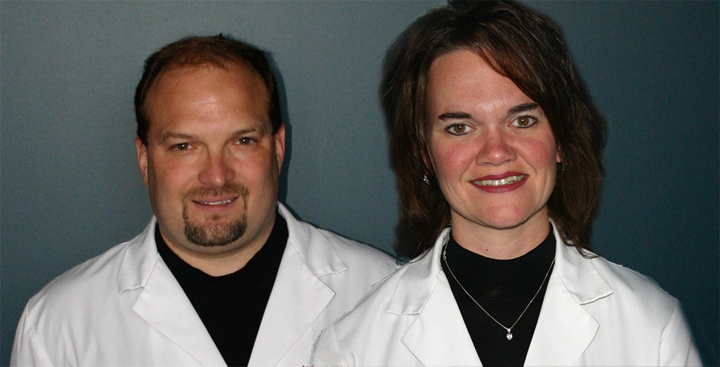
Drs. Kelly J. Manahan & John P. Geisler, Co-Founders, Women's Oncology Research & Dialogue (WORD)

Several years ago, as a gynecologic oncologist in training, Dr. Manahan learned first-hand that cancer is a formidable foe. This experience compelled her to take greater action.  In Fall 2005, Dr. Manahan established WORD, along with her husband Dr. John P. Geisler.  Currently, Dr. Manahan is the Interim Chair of the Department of Obstetrics and Gynecology at the University of Toledo Medical Center (UTMC), while Dr. Geisler is Director of  Gynecologic Oncology and Chief of Clinical Service Obstetrics & Gynecology at UTMC.  Dr. Geisler is also the Chairman of the WORD medical advisory panel.  Drs. Manahan and Geisler are both gynecologic oncologists, and are cited as authors in approximately 85 published medical articles relating to a wide array of gynecologic oncology topics.  Such topics include cutting-edge surgical techniques and novel gynecological cancer treatments.

WORD was founded with the mission of spreading global gynecological cancer awareness.  WORD exists to educate; to inform, to bring awareness, to teach prevention, and assist women who have been diagnosed with a gynecologic cancer. The passion of the WORD team is to provide women and their families with relevant, detailed, and up-to-date information that can save lives. In sum, WORD was formed to help win the fight against gynecologic cancers.

Past and present WORD research projects and initiatives include:

  • a study of hydralazine and megestrol acetate to treat advanced, chemoresistant cancers of the ovary, peritoneum, uterus, fallopian tube, cervix, and vulva;
  • a tissue bank of clinically annotated tissue specimens from patients with gynecologic cancers.

“We are a husband and wife team who have both been helping women battle gynecologic cancers for over two decades,” said Dr. Manahan. “Our passion is helping women have complete understanding when facing the battle of their cancer. We also want women to be empowered to make lifestyle and health decisions that can work to prevent cancer.”

“Our goal is to assure that all women are more aware of these diseases and to find a way to increase prevention, early detection, and optimal treatment,” said Dr. Geisler. “Awareness will lead to more research dollars. More research will hopefully lead to finding the detailed factors that influence the growth of these diseases. We ultimately want a cure. Wordoncancer.org is the integral foundation to many of these dreams.”

“I am a member of a team, and I rely on the team, I defer to it and sacrifice for it, because the team, not the individual, is the ultimate champion.”

— Mia Hamm, who is widely recognized as the world’s best all-around women’s soccer player (2 Olympic Gold Medals & 2 World Championships).

WORD’s New Website Launch

The average woman in the United States has a 1-in-12 risk factor of developing a gynecologic cancer in her lifetime. On November 9, 2010, WORD launched their new website at http://www.wordoncancer.org. WORD’s new website will inform women about preventions, signs, symptoms, diagnosis and treatment of all gynecologic cancers. WORD’s website will inspire women to take actions that can, and will, save their lives, and was designed to expand and grow as new data and relevant information become available.

Today, most people do their research online. Accordingly, WORDoncancer.org was designed to achieve the overarching goals listed below.

  • Provide the best gynecologic cancer web video content, including survivor stories, expert advice provided by various medical professionals, and stories from families who have lost loved ones.
  • Guarantee current information about the prevention, diagnosis and treatment of gynecologic cancers, which is created in a simple and user-friendly interface.
  • Create pathways to dialogue among women and their physicians, so every woman is empowered to make an informed decision about her health care.
  • Utilize the most effective and relevant multimedia tools to accomplish our organizational mission.
  • Connect and create partnerships with grassroots groups throughout the United States, empowering them to create local efforts to conquer gynecologic cancers.

A few of the key highlights of the new site are listed below.

  • Animation – WORD sanctioned the creation of a 4-minute animated short story entitled, WORD on HPV (watch video below).
  • Formal launch of the Let’s Talk Video SeriesLet’s Talk is a personal history campaign aimed at archiving the stories of women who have battled gynecologic cancer. WORD has collected and edited many of these stories and the collection is available on WORD’s YouTube™ channel and throughout the copy on the website.

  • New Expert WORDS of Wisdom Video Series – WORD will work to create video vignettes to help women better understand gynecologic cancer prevention, diagnosis, and treatment. These videos will provide a complimentary explanation to web content and are also housed on WORD’s YouTube™ channel.

  • Targeted Campaign for 18-24 year old women regarding cervical cancer/human papillomavirus (HPV) – WORD is utilizing recently conducted research to create a personalized campaign for 18-24 year old young women to get the HPV vaccine and begin proper cancer prevention.
  • WORD Blog, FacebookTwitter – For readers “on-the-go,” make sure that you monitor significant WORD news and updates through its blog, Facebook page and Twitter account.

Coming together is a beginning; keeping together is progress; working together is success. — Henry Ford, Founder of the Ford Motor Company

WORD Initiates a “Dialogue” During Cervical Health Awarenss Month.

“Those of us who work and volunteer with WORD know that the dialogue we create will often be controversial. The conversations we hope to create are critical, personal and sometimes intimidating. We are dealing with topics that have real and severe consequences. Often what we say may not be received well; our goal is not acceptance but dialogue. We want women to rise up and become advocates for their own health care. We want women to ask questions, the hard questions, to make sure they make the best informed decisions about their health. We want women to be respectful – staying true to their own convictions, but standing united through dialogue in one common purpose – ‘We must conquer cancer!'”

— Nathan Manahan, WORD Executive Director

This year, Over 11,000 American women will learn that they have cervical cancer, and nearly 4,000 will die from the disease. Tens of thousands more women will have precancerous cells treated.  January is designated as Cervical Health Awareness Month, which is intended to aid in the prevention and early detection of cervical cancer.  This month, WORD is committed to raising awareness of this preventable, detectable and treatable disease among all women in the United States.

One of the most controversial and uncomfortable subjects that WORD seeks to start dialogue on is the cause of cervical cancer, namely HPV.  HPV is a sexually transmitted infection that causes cervical cancer among other cancers and health problems.  In 2010, WORD set out to create an effective HPV and cervical cancer women’s health education campaign. In short, WORD wants to make sure that women of all ages can make informed health decisions about the HPV vaccine, annual gynecological exams, Pap tests and the HPV test. Through a series of excellent partners including Purdue University, David Bossert of Madison Beach Productions, Duck Studios and Publicis Group, WORD was able to create a comprehensive health education program.

In 2011, WORD is working toward an extremely ambitious but necessary goal: distribution of life-saving HPV/cervical information to 30 cities located in 15 states. “This campaign is the first of many campaigns to be created by the WORD team,” said Nate Manahan. “WORD hopes to partner with many individuals and organizations to see these new resources used in communities throughout the United States and ultimately the world.”

WORD encourages individuals and organizations to see how they might utilize the WORD on HPV campaign resources throughout the next year. This campaign includes an original four minute animated short story (view below), posters, brochures, magnets, rack cards, 30 and 60 second radio spots, 15 and 30 second television spots, and informative survivor and expert videos. In addition, WORD is participating in the Cervical Cancer Free America initiative (CCFA), which is is a multi-year, multi-state project aimed at preventing the disease through vaccination against HPV and effective screening for early signs of cervical cancer. WORD is proud to announce that the Cervical Cancer Free Indiana initiative is utilizing many of the WORD on HPV resources in 2011, through a collaboration with the Kristen Forbes EVE Foundation.

“WORD on HPV” Animated Short Story

Regular administration of Pap tests is the best means of detecting cervical cancer at an early stage. The addition of the HPV test further advances our ability to detect cervical cancer early. Furthermore, HPV vaccines have the potential to protect women from the disease, by targeting cancer-causing types of the HPV. “With the advancement of the HPV vaccine in women’s health and in cancer prevention, we may have the first opportunity to literally eradicate cervical cancer,” said Dr. Geisler. “We are all hopeful that between the vaccines, Pap tests and the HPV test, we will see the eradication of cervical cancer around the world in our lifetime.”

In further support of WORD’s overarching vision, Dr. Sharmila Makhija, Division Director of Gynecologic Oncology at Emory University said:

“WORD’s vision to offer resources and education to women of all ages to promote dialogue on prevention, diagnosis and treatment of gynecologic cancers (cervical, uterine and ovarian) is important and something I wholeheartedly support and encourage all individuals and organizations to support.”

About Women’s Oncology Research & Dialogue

WORD is an Indianapolis-based nonprofit organization dedicated to helping women conquer gynecologic cancers through coordinating innovative scientific and clinical research, which results in empowering educational resources for women’s organizations and medical personnel regarding proper prevention, diagnosis and treatment. They need your support to help spread awareness and raise money to help conquer gynecologic cancer.

More information can be found online at http://www.wordoncancer.org/media, including WORD’s informative brochures regarding (i) gynecologic cancer, (ii) ovarian cancer, (iii) cervical cancer, and (iv) uterine cancer.

If you are interested in making a donation to WORD, please go to http://wordoncancer.org/cms/word-site/get-involved/donate.

Sources:


PBS Documentary, “The Whisper: The Silent Crisis of Ovarian Cancer.”

To raise ovarian cancer awareness, Long Island’s Public Broadcasting Service (PBS) affiliate WLIW-Channel 21 will present the exclusive New York metro area premiere of a half-hour television documentary entitled, “The Whisper: the silent crisis of ovarian cancer.” The program will debut at 7 P.M. (EDT) on Friday, September 24 in the New York metro area, and will be rolled out to other PBS affiliates across the country over the next 12 months.

More than 13,000 women this year will be struck down by ovarian cancer, which is the most lethal gynecologic cancer. Ovarian cancer statistics are staggering; nearly three out of every four women with this disease will die because of it. Chances of survival can improve if it is detected early and confined to the ovaries. Unfortunately, only about 25 percent of women are diagnosed with early stage disease because there is no reliable early stage screening test available. Victims of ovarian cancer include President Obama’s mother Ann Soetoro, Coretta Scott King and comedienne Gilda Radner.

To raise awareness of this devastating disease, Long Island’s Public Broadcasting Service (PBS) affiliate WLIW-Channel 21 will present the exclusive New York metro area premiere of a half-hour television documentary entitled, The Whisper: The Silent Crisis of Ovarian Cancer.  A preview trailer of the documentary is provided below.

The Whisper:  the silent crisis of ovarian cancer — PBS Documentary

The program will debut at 7 P.M. (EDT) on Friday, September 24, with encore presentations scheduled for 10:30 P.M. on Monday, September 27, and 11:30 P.M. on Friday, October 1. The program will be rolled out to other PBS affiliates across the country over the next 12 months.

The documentary was made possible by a generous grant from the Sonia L. Totino Foundation and the Rocco Totino family. Mr. Totino, a New York resident, lost his wife Sonia to ovarian cancer several years ago, and wished to honor her with an initiative that seeks to raise awareness among women of the warning signs of ovarian cancer, and by doing so, reduce the number of women lost to this devastating disease.

Sharon Blynn is the founder of Bald is Beautiful & the host of “The Whisper: the silent crisis of ovarian cancer” (a PBS documentary)

The host featured in the documentary is Sharon Blynn, who is an ovarian cancer survivor and the founder of the Bald Is Beautiful campaign. Through this campaign, Sharon wants to send a message to women that they can “flip the script” on the many traumatic aspects of the cancer experience, and embrace every part of their journey with self-love, empowerment, and a deep knowing that their beauty and femininity radiate from within and are not diminished in any way by the effects of having cancer.  As an “actorvist,” Sharon communicates the Bald Is Beautiful message through acting, writing, modeling and spokesperson appearances, and she continues to do patient outreach through one-on-one correspondence via her website, hospital visitations, being a chemo buddy and other such activities.

Other Bald Is Beautiful highlights include an international print campaign for the Kenneth Cole “We All Walk in Different Shoes” campaign, an international print and TV campaign for Bristol-Myers Squibb, appearances in “Sex and the City” and a principal role in Seal’s music video “Love’s Divine.” She has been featured in magazine and newspaper articles in Glamour, Vogue, Marie Claire (US & Italia), Organic Style, BUST, the Miami Herald and other publications. Sharon has also performed onstage as part of the “Off the Muff” collective, and she was commissioned to write and perform her one-woman theatrical piece “How Are We Feeling Today?” which saw its world premiere in Los Angeles and was presented in New York City. A QuickTime video compilation of Sharon’s past projects can be viewed here.

Blynn was awarded the prestigious 2010 Lilly Tartikoff/Entertainment Industry Foundation Hope Award at the 2010 National Coalition for Cancer SurvivorshipRays of Hope Gala” held in Washington, D.C. Sharon has also been selected to be part of Lifetime Television Network’s Every Woman Counts “Remarkable Women” campaign, and will appear in a 30-second spot that will run the week of Sept 17–23, 2010.

The nationally-renowned ovarian cancer experts featured in the documentary include:

Barbara A. Goff, M.D., Professor, Gynecologic Oncology, University of Washington School of Medicine. Dr. Goff is the principal investigator responsible for critical ovarian cancer research which revealed that ovarian cancer is generally accompanied by four primary warning signs or symptoms — bloating, pelvic or abdominal pain, difficulty eating or feeling full quickly, and urinary symptoms (urgency or frequency).  Goff’s research became the foundation for the Ovarian Cancer Symptoms Consensus Statement, which was sponsored and co-authored by the American Cancer Society, Gynecologic Cancer Foundation, and Society of Gynecologic Oncologists in July 2007.

Beth Y. Karlan, M.D., Board of Governors Endowed Chair, Director, Women’s Cancer Research Institute and Division of Gynecologic Oncology, Cedars-Sinai Medical Center; Professor, Obstetrics and Gynecology, David Geffen School of Medicine ,University of California, Los Angeles (UCLA). Dr. Karlan is a world-renowned expert in the field of gynecologic oncology, specifically ovarian cancer surgery, early detection, targeted therapies and inherited cancer susceptibility. She is a past-president of the Society of Gynecologic Oncologists, the Editor-in-Chief of Gynecologic Oncology, and has held many international leadership positions.  She is committed to both scientific advancement and enhancing public awareness about gynecologic cancers.

John Lovecchio, M.D., Chief of Gynecologic Oncology, North Shore-Long Island Jewish Health System; Leader of the North Shore-LIJ Cancer Institute; Professor of Obstetrics and Gynecology, the New York University School of Medicine.  Dr. Lovecchio’s major areas of research are in uterine and ovarian cancers, and he holds administrative and leadership positions in regional and national professional organizations and has published extensively in peer-reviewed journals. Lovecchio is widely regarded as a leading physician-surgeon and has received numerous awards in recognition of his academic and professional achievements.  In the documentary, Dr. Lovecchio offers his insight on ways to combat this deadly form of cancer. He is also credited as the technical advisor for the documentary.

Maurie Markman, M.D., Vice President of Patient Oncology Services & National Director of Medical Oncology, Cancer Treatment Centers of America.  For more than 20 years, Dr. Markman has been engaged in clinical research in the area of gynecologic malignancies, with a particular focus on new drug development and exploring novel management strategies in female pelvic cancers.  Dr. Markman’s many accomplishments include serving as Editor-In-Chief for the Current Oncology Reports journal and Oncology (Karger Publishers) journal, and serves as Chairman of the Medical Oncology Committee of the national Gynecologic Oncology Group.  In addition, Dr. Markman has served on numerous editorial boards, including the Journal of Clinical Oncology and Gynecologic Oncology.  Dr. Markman has been the primary author, or co-author, on more than 1,000 published peer-reviewed manuscripts, reviews, book chapters, editorials or abstracts, and he has edited or co-edited 14 books on various topics in the management of malignant disease, including Atlas of Oncology and the most recent edition of Principles and Practice of Gynecologic Oncology.

“Taking part in this program was a labor of love and concern for my patients,” said Dr. Lovecchio, who is based at North Shore University Hospital in Manhasset. “I wanted to make sure that women are getting the right information, and are aware of the signs and symptoms of ovarian cancer. They must be alert to their own bodies and recognize that abdominal bloating, abdominal pain, pelvic pain, urinary symptoms, difficulty in eating, and feeling full quickly may not be the norm.”

“I wanted to make sure that women are getting the right information, and are aware of the signs and symptoms of ovarian cancer. They must be alert to their own bodies and recognize that abdominal bloating, abdominal pain, pelvic pain, urinary symptoms, difficulty in eating, and feeling full quickly may not be the norm.”

— John Lovecchio, M.D., Chief of Gynecologic Oncology, North Shore-Long Island Jewish Health System

“Women should seek the advice of experts trained in this field and not think that they are being alarmists. Other medical experts and patients interviewed in this documentary are all seeking the same outcome — to make every woman aware of her own body and to encourage every woman to seek help if she feels that something is not quite right,” said Dr. Lovecchio, who was interviewed for the documentary along with Drs. Goff, Karlan, and Markman.

Source:  PBS Documentary on Ovarian Cancer, News Release, North Shore-Long Island Jewish Health System, September 9, 2010.

Call To Action! Protect & Expand U.S. Federal Ovarian Cancer Research Funding

Do you live in AL, CA, HI, IL, IA, KS, KY, MD, MI, MO, NH, ND, PA, TX, UT, VT, WA or WI? If so, one of your Senators sits on the U.S. Senate Defense Appropriations subcommittee that determines how much funding is given to the Department of Defense Ovarian Cancer Research Program. Ask your Senator to increase funding for this critical ovarian cancer research program. Click on the hyperlink below to obtain step-by-step instructions provided by the Ovarian Cancer National Alliance. It’s so important, and it’s so easy!

Woody Allen once said that 80% of success in life is just showing up. When it comes to U.S. federal funding of ovarian cancer research on Capitol Hill, decision are definitely made by those who show up.

Do you live in Alabama, California, Hawaii, Illinois, Indiana, Kansas, Kentucky, Maryland, Michigan, Mississippi, Missouri, New Hampshire, North Dakota, Pennsylvania, Texas, Utah, Vermont, Washington, or Wisconsin?

If so, you live in a state represented by a Senator who sits on the U.S. Senate Defense Appropriations subcommittee, the subcommittee that controls spending levels for the Department of Defense Ovarian Cancer Research Program (DoD OCRP). This critical program is the only dedicated federal budget line item that funds ovarian cancer research. Last year, funding for the program was cut. We need your Senator to support this program.

Please call your Senator’s office and request that he or she talk to the Chairman or Vice-Chair of the Defense Appropriations Subcommittee to express their support of a minimum of $30 million for the DoD OCRP in 2011.

The Ovarian Cancer National Alliance makes taking this action simple! CLICK HERE , enter your zip code, and you will receive step-by-step instructions.

If your Senator gets enough calls, he or she will believe that this is an important issue and will be more inclined to have this conversation with the Chairman or Vice Chairman. Both the Chairman and the Vice-Chair play a key role in determining how much money the DoD OCRP receives in order to carry out ovarian cancer research, so it is important that they hear from their Senate colleagues.

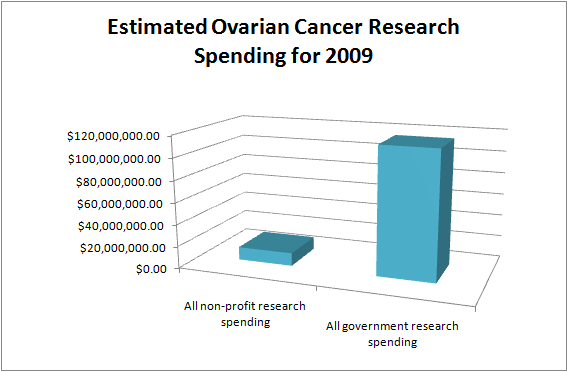
As seen in the chart below, ovarian cancer research funded by the U.S. federal government makes up the majority of all ovarian cancer research conducted in the U.S. We need to protect and expand this funding so we can get an early detection test and more effective treatments.

Source: Ovarian Cancer National Alliance

The more calls we make, the bigger impact we will make. Get your friends and family in your state involved in the mission to get increased U.S. federal funding for ovarian cancer research by asking them to call too!

Please place your calls by September 10th!

Source:  Call to action! Protect and expand ovarian cancer research funding! Action Alert, Ovarian Cancer National Alliance.

U.S. President Barack Obama Proclaims September 2010 As National Ovarian Cancer Awareness Month

Yesterday, U.S. President Barack Obama designated September 2010 as National Ovarian Cancer Awareness Month.  During National Ovarian Cancer Awareness Month, we honor all those lost to and living with ovarian cancer, and we renew our commitment to developing effective screening methods, improving treatments, and ultimately defeating this disease.

The White House

Office of the Press Secretary

For Immediate Release August 31, 2010

Presidential Proclamation–National Ovarian Cancer Awareness Month

While we have made great strides in the battle against ovarian cancer, this disease continues to claim more lives than any other gynecologic cancer. During National Ovarian Cancer Awareness Month, we honor all those lost to and living with ovarian cancer, and we renew our commitment to developing effective screening methods, improving treatments, and ultimately defeating this disease.

Each year, thousands of women are diagnosed with, and go on to battle valiantly against, this disease. Yet, ovarian cancer remains difficult to detect, and women are often not diagnosed until the disease has reached an advanced stage. I encourage all women — especially those with a family history of ovarian cancer or breast cancer, and those over age 55 — to protect their health by understanding risk factors and discussing possible symptoms, including abdominal pain, with their health care provider. Women and their loved ones may also visit Cancer.gov for more information about the symptoms, diagnosis, and treatment of ovarian and other cancers.

Across the Federal Government, we are working to promote awareness of ovarian cancer and advance its diagnosis and treatment. The National Cancer Institute, the Centers for Disease Control and Prevention, and the Department of Defense all play vital roles in reducing the burden of this illness through critical investments in research. Earlier this year, I was proud to sign into law the landmark Affordable Care Act (ACA), which includes provisions to help women living with ovarian cancer. The ACA eliminates annual and lifetime limits on benefits, creates a program for those who have been denied health insurance because of a pre-existing condition, and prohibits insurance companies from canceling coverage after individuals get sick. The ACA also requires that women enrolling in new insurance plans and those covered by Medicare or Medicaid receive free preventive care — including women’s health services and counseling related to certain genetic screenings that identify increased risks for ovarian cancer. In addition, the ACA prohibits new health plans from dropping coverage if an individual chooses to participate in a potentially life-saving clinical trial, or from denying coverage for routine care simply because an individual is enrolled in such a trial.

During National Ovarian Cancer Awareness Month and throughout the year, I commend all the brave women fighting this disease, their families and friends, and the health care providers, researchers, and advocates working to reduce this disease’s impact on our Nation. Together, we can improve the lives of all those affected and create a healthier future for all our citizens.

NOW, THEREFORE, I, BARACK OBAMA, President of the United States of America, by virtue of the authority vested in me by the Constitution and the laws of the United States, do hereby proclaim September 2010 as National Ovarian Cancer Awareness Month. I call upon citizens, government agencies, organizations, health care providers, and research institutions to raise ovarian cancer awareness and continue helping Americans live longer, healthier lives.

IN WITNESS WHEREOF, I have hereunto set my hand this thirty-first day of August, in the year of our Lord two thousand ten, and of the Independence of the United States of America the two hundred and thirty-fifth.

BARACK OBAMA

Source: NATIONAL OVARIAN CANCER AWARENESS MONTH, 2010, By the President of the United States of America, A Proclamation, Office of the Press Secretary For The President of the United States of America, The White House, August 31, 2010.

NOCC To Host 6th Annual “Walk To Break The Silence On Ovarian Cancer” In Washington, D.C. Area

The National Ovarian Cancer Coalition (NOCC) Central Maryland Chapter announces its 6th Annual “Walk to Break the Silence on Ovarian Cancer” to be held on Sunday, September 12, 2010 at Quiet Waters Park, located in Annapolis, Maryland.

Pureology is the Premier Sponsor of the NOCC 6th Annual "Walk To Break The Silence On Ovarian Cancer" Event

The National Ovarian Cancer Coalition (NOCC) Central Maryland Chapter announces its 6th Annual “Walk to Break the Silence on Ovarian Cancer” to be held on Sunday, September 12, 2010 at Quiet Waters Park, located in Annapolis, Maryland.

Registration will open at 8:00 am, and the 5K Run will begin at 9:00 am. The 3K Walk is scheduled to kick off at 9:05 am. To view a complete schedule of events, click here. To view the event brochure, click here.

September is Ovarian Cancer and Gynecologic Cancer Awareness Month. “We walk and run to raise funds but just as importantly, we walk and run to raise awareness,” said Nancy Long, NOCC Central Maryland Chapter’s Co-President. “There is no early detection test for ovarian cancer. That is why education and awareness are currently our best defense against this disease.”

Special events will include a survivor’s area with prizes and gifts available for ovarian cancer survivors. Refreshments will be provided, as well as face painting for the kids, big and small, and a table to make a flag in honor of or in memory of a loved one.

All participants will receive a T-shirt and a Pureology gift pack containing Pureology Hydrate Shampoo and Pureology Hydrate Conditioner. Pureology is the premier sponsor of the NOCC’s “Walk to Break the Silence on Ovarian Cancer.”

Quiet Waters Park - South River Overlook, Annapolis, Maryland

Quiet Waters Park - Bridge & Fountain, Annapolis, Maryland

More than 20,000 women are diagnosed with ovarian cancer each year, and approximately 15,000 women die from the disease annually. Unfortunately, most cases are diagnosed in their later stages when the prognosis is poor.  However, if diagnosed and treated early, when the cancer is confined to the ovary, the five-year survival rate is over 90 percent. There is currently no early detection test for ovarian cancer, and Pap tests do not detect the disease.  That is why it is imperative that the early signs and symptoms of the disease are recognized, not only by women, but also by their families and the medical community.

Symptoms of ovarian cancer may include bloating, pelvic or abdominal pain, trouble eating or feeling full quickly, and feeling the need to urinate urgently or often. Other symptoms of ovarian cancer may include fatigue, upset stomach or heartburn, back pain, pain during intercourse, constipation, and menstrual changes. Women who experience these symptoms for longer than two weeks, especially if these symptoms are new to them, are encouraged to visit their health care provider.

Many women attending this event are anxious and willing to tell their stories of, or related to, diagnosis, misdiagnosis, the hardships of treatment, the potential for inherited genetic mutations, and the fears and joys of being a survivor.

To register for the NOCC Central Maryland Chapter’s “Walk to Break the Silence on Ovarian Cancer,” please call 443-433-2597 or visit www.nocc.kintera.org/mdcentral

About the National Ovarian Cancer Coalition

The mission of the National Ovarian Cancer Coalition, a 501 (c)(3) charitable organization, is to raise awareness and promote education about ovarian cancer. The Coalition carries out its mission through a toll-free Help Line, local NOCC Chapters, a comprehensive website, peer support, written publications, and awareness/educational programs. The Coalition is committed to improving the survival rate and quality of life for women with ovarian cancer. If you would like more information on the “Break the Silence” campaign, or wish to contact one of the local NOCC Chapters, visit www.ovarian.org or call 1-888-OVARIAN (1-888-682-7426).

Source: NOCC Central MD Announces the 6th Annual Walk/Run To Break the Silence on Ovarian Cancer, National Ovarian Cancer Coalition, Central Maryland Chapter, Press Release, July 2, 2010.

Libby’s H*O*P*E*™ National Ovarian Cancer Coalition 6th Annual Women’s Health Expo Presentation

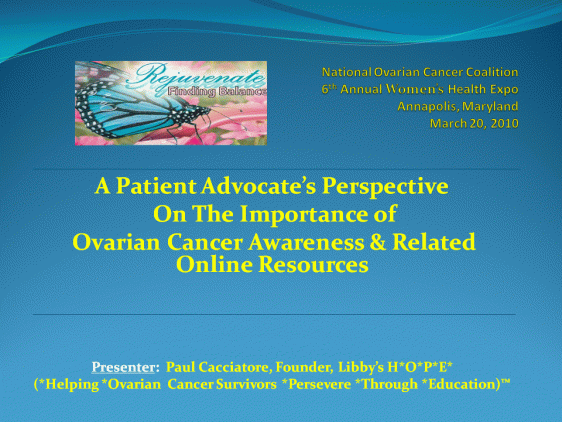
On March 20, 2010, Libby’s H*O*P*E*™ made a presentation at the National Ovarian Cancer Coalition’s 6th Annual Women’s Health Expo.  The presentation was entitled, A Patient Advocate’s Perspective on the Importance of Ovarian Cancer Awareness and Helpful Online Resources.

On March 20, 2010, Libby’s H*O*P*E*™ made a presentation at the National Ovarian Cancer Coalition’s 6th Annual Women’s Health Expo.  The presentation was entitled, A Patient Advocate’s Perspective on the Importance of Ovarian Cancer Awareness and Helpful Online Resources.  The topics covered in the presentation include:

  • Genesis of Libby’s H*O*P*E*™,
  • Ovarian Cancer Overview,
  • Helpful Online Resources,
  • Stories of Hope, and
  • Making a Difference

The full presentation is provided below in Adobe Reader PDF document format. To view the full presentation, simply click on the image below.  If you require free Adobe Reader software, click here.

I want to extend special thanks to Nancy Long and Paula Kozik, co-presidents of the National Ovarian Cancer Coalition’s Central Maryland Chapter, for the invitation to speak at this worthwhile event.  Nancy and Paula are two very special ovarian cancer survivors, who put together an informative conference that was well attended and enjoyed by all.  It was both an honor and a privilege to meet Nancy, Paula, and many other ovarian cancer survivors during the conference.  Many women shared with me their personal stories of struggle, inspiration and hope.  These women are my “everyday heroes.”  If you have any questions regarding the presentation, please feel free to contact me by clicking on the homepage “Contact” tab.

Libby’s H*O*P*E* to Present At NOCC 6th Annual Women’s Health Expo (REJUVENATE Finding Balance)

On March 20, 2010, the National Ovarian Cancer Coalition (Maryland Chapter) will hold its 6th Annual Women’s Health Expo entitled, REJUVENATE Finding Balance (NOCC Rejuvenate), at the Sheraton Annapolis Hotel. … On behalf of Libby’s H*O*P*E*™, I will conduct a seminar as part of Session II entitled, A Patient Advocate’s Perspective on the Importance of Ovarian Cancer Awareness and Related On-line Resources.

On March 20, 2010, the National Ovarian Cancer Coalition (Maryland Chapter) will hold its 6th Annual Women’s Health Expo entitled, REJUVENATE Finding Balance (NOCC Rejuvenate), at the Sheraton Annapolis Hotel. NOCC Rejuvenate is sponsored by the National Breast & Ovarian Cancer Connection and Cancer Treatment Centers of America.  Additional funding was also provided through a grant from the Maryland Attorney General Settlement.

NOCC Rejuvenate is designed to appeal to all women who want to rejuvenate their mind, body and spirit. The event is divided into three sessions. Each session offers seven to eight different seminars for attendees. The seminars address a variety of topics including make-up and skin care, going green, photography, plastic surgery, decorating, fashion, finance, retirement solutions, nutrition, fitness, and holistic approaches to wellness. A list of all event seminars is provided below.

Informative seminars about ovarian and breast cancer are offered as part of each session. Knowing the signs and symptoms of ovarian cancer, the screening guidelines for breast cancer, and the basics about hereditary breast and ovarian cancer, could save your life or the life of someone you love.  On behalf of Libby’s H*O*P*E*™, I will conduct a seminar as part of Session II entitled, A Patient Advocate’s Perspective on the Importance of Ovarian Cancer Awareness and Related On-line Resources.  My presentation will address the genesis of the Libby’s H*O*P*E*™ website; highlight critical ovarian cancer awareness information; summarize available online ovarian cancer and cancer-related resources; describe stories of hope involving ovarian cancer survivors and their families; and explain how each individual can make a difference in the fight against ovarian cancer.

NOCC Rejuvenate also targets cancer survivors. The devastating effects of these diseases can rob women of hope and peace. This event will offer an opportunity for survivors to reinvent their self-image and gain more knowledge, offering a sense of hope and a chance to connect with other survivors.

An exhibitor’s area will be offered at the event. This area will include informational tables as well as vendor tables that have been specifically chosen to meet the overarching vision of the event. At the completion of the three event sessions, a nutritious lunch will be served while information is provided on the signs and symptoms of ovarian and breast cancer.

NOCC 6th Annual Women's Health Expo

What:  National Ovarian Cancer Coalition 6th Annual Women’s Health Expo entitled, REJUVENTE Finding Balance (click here to view event brochure, including mail-in registration)

When: Saturday, March 20, 2010 (8:00 A.M. – 3:00 P.M.)

Where: Sheraton Annapolis Hotel, 173 Jennifer Road, Annapolis, Maryland 21401 (driving instructions).

Register: To register online click here.

Contact: Nancy Long (NOCC Maryland Chapter Co-President) at 443-433-2597, or email (click here).

Keynote Speaker:  Yarrow, The Energy Whisperer

Session I Presentations (9:30 A.M. – 10:30 A.M.)

  • Treating Cancer By Alternative Medicine
  • The Survivors’ Connection
  • The Skinny on Fat – Cancer Prevention Naturally
  • Interior Design in Difficult Times – Cost Saving Design Solutions
  • Relaxation & Healing
  • Identifying & Solving the Challenges of Baby Boomer Women
  • Cancer and The Healing Power of Forgiveness
  • Belly Dancing

Session II Presentations (10:45-11:45)

  • Dr. Zandra Cheng, Breast Surgeon at Anne Arundel Medical Center
  • Hereditary Syndromes That Include Ovarian and Breast Cancers
  • Facial & Body Rejuvenation
  • A Patient Advocate’s Perspective On the Importance of Ovarian Cancer Awareness & Related On-line Resources (Paul Cacciatore, Founder, Libby’s H*O*P*E*™)
  • Designing Green Interiors
  • Creating Better Images with the Camera You Own
  • Some Expert Fashion Tips
  • Yoga:  A Balanced Life
  • Relaxation & Healing

Session III Presentations (12:00 P.M. – 1:00 P.M.)

  • New Advances in Ovarian Cancer (William McGuire, M.D., Medical Director of The Harry & Jeanette Weinberg Cancer Institute at Franklin Square Hospital)
  • What is My Daughter’s Chance of Getting My Cancer?
  • Planning for your Retirement Lifestyle:  The New Retirement
  • Super Health Begins with Super-food Nutrition
  • Around the World to Your Backyard
  • Balancing Your Life Wheel
  • Get Fit & Healthy with the Simple Rules of the Big 3
  • Relaxation & Healing

About the National Ovarian Cancer Coalition

The mission of the NOCC is to raise awareness and increase education about ovarian cancer. NOCC is committed to improving the survival rate and quality of life for women with ovarian cancer. Through national programs and local Chapter initiatives, the NOCC’s goal is to make more people aware of the early symptoms of ovarian cancer. In addition, the NOCC provides information to assist the newly diagnosed patient, to provide hope to survivors, and to support caregivers. NOCC programs are possible only with the help of its volunteers; committed men and women dedicated to the mission of the NOCC in communities across the country.  For more information go to http://www.ovarian.org/.

About the National Breast & Ovarian Cancer Connection

The mission of the NBOCC is to raise awareness and educate the general public about the link between breast and ovarian cancer. The organization is dedicated to teaching all women about their inherent risks and how to improve their chances of survival through early detection and research developments.  For more information go to http://www.nbocc.org/.

Making A Difference: L’Oréal Paris Honors Women of Worth at Special Ceremony in New York City

L’Oréal Paris Honors Women of Worth at Special Ceremony in New York City. Ten Women Recognized for Making a Difference in their Communities with Special Guests including Mary J. Blige, Holly Robinson Peete and Erica Hill.  Shannon Lambert Named Women of Worth National Honoree by Public Vote

L'Oréal Paris' 2009 Women of Worth Honorees with Mary J. Blige, L'Oréal Paris President Karen T. Fondu and Senior Vice President of Marketing Anne Talley at the CNN Inspire Summit.

L'Oréal Paris President, Karen T. Fondu, with Mary J. Blige at the CNN Inspire Summit in New York City.

L’Oréal Paris’ fourth annual Women of Worth program honored ten women for their exceptional achievements and tireless volunteerism efforts at the CNN Inspire Summit in New York City. The event was held December 8th in celebration of the ten 2009 L’Oréal Paris Women of Worth honorees and featured an awards presentation by Karen T. Fondu, President, L’Oréal Paris Division. Special guests speakers included, Mary J. Blige, Holly Robinson Peete, and Erica Hill. The Women of Worth honorees represent a wide range of causes including education, female and youth empowerment, military support and healing for survivors of cancer and sexual violence. Each of the ten honorees received $5,000 from L’Oréal Paris for their charitable organizations, plus a $5,000 matching donation made in their name to the Ovarian Cancer Research Fund, the twelve-year charitable partner of L’Oréal Paris.

Women of Worth Program

The Women of Worth initiative celebrates women who passionately embody the spirit of volunteerism. The initiative empowers and celebrates women everywhere and brings the L’Oréal Paris “Because I’m Worth It” philosophy to life.

“We are so honored to welcome each of the 2009 Women of Worth honorees to this very special community,” said Karen T. Fondu, President, L’Oréal Paris Division. “Each of these amazing women embodies the L’Oréal Paris philosophy and supports our unwavering belief in every woman’s worth and in her power to make a difference in the world.”

Women of Worth Honorees

The ten 2009 L’Oréal Paris Women of Worth honorees are dedicated to a range of causes and are phenomenal examples of the power of volunteerism. Each honoree is an extraordinary community leader representing and inspiring women all across America.

  • Lillian Collins – Clinton, OK, founded Eastside Academy to assist African American children who need help in reading and math, providing a positive after-school program.
  • Anne Ginther – Sammamish, WA, founded RandomKid, which provides staff and services to youth of all backgrounds and abilities for the development, management and accomplishment of their goals to help others.
  • Maimah Karmo – Aldie, VA, established Tigerlily Foundation, which provides meals, financial assistance, empowerment and inspiration to younger women affected by breast cancer.
  • Brenda Murray – Chevy Chase, MD, has been transforming conditions and providing educational opportunities for thousands of women behind bars for the past 20 years.
  • Ora Rakestraw – Sacramento, CA, tutors third graders with special needs, helping these young people have a chance to experience success and stay committed to their education.
  • Carol Reza – Whitter, CA, founded Bridge of Faith to provide families of incarcerated women with mentoring and social service referral services.
  • Halle Tecco – San Francisco, CA, created Yoga Bear, an organization that provides free yoga classes to cancer patients.
  • Rhonda Ulmer – Denton, MD, provides local community resources to parents in her school to obtain their GED, housing, food and health assistance, transforming the school into the hub of the community.

The Women of Worth honorees were chosen from nearly 2,500 applicants by an elite group of judges, which includes Jacqueline Hernandez, Chief Operating Officer of Telemundo Communications Group; Soledad O’Brien, CNN Anchor; Dayle Haddon, L’Oréal Paris spokesperson; Elizabeth Howard, former Chief Executive Officer of the Ovarian Cancer Research Fund; Cindy Kerr, Founder and President of ConKerr Cancer and Anne Talley, Senior Vice President of Marketing for L’Oréal Paris.

Women of Worth National Honoree

Shannon Lambert, founder of Pandora’s Project, a community where women who have survived rape can connect and support one another.

The National Honoree, Shannon Lambert, recognized for her work with Pandora’s Project, which provides support, information and resources to sexual violence survivors received an additional $25,000 from L’Oréal Paris as a result of a national online vote at womenofworth.com.

“My own experience inspired me to create an innovative way for survivors of sexual violence to connect with each other and find the resources they need and deserve to heal.” — Shannon Lambert

It is estimated that at least one in six individuals will experience rape or sexual abuse in their lifetime, and for many, the aftermath of sexual violence is isolating and devastating. Pandora’s Project offers an online resource moderated by a team of volunteers that provides peer-to-peer support for male and female victims of sexual violence. The organization also operates a free sexual assault lending library, maintains resource lists for those in need of face-to-face support, and organizes retreat weekends for women ready to take their healing one step farther.

“I am delighted to be honored as a L’Oréal Paris Woman of Worth,” said Lambert. “The support L’Oréal Paris has given to Pandora’s Project will enable us to continue to help victims of sexual violence and to support their recovery.”

For more information about the Women of Worth program and honorees, please visit womenofworth.com.

About L’Oréal Paris

The L’Oréal Paris division of L’Oréal USA, Inc. is a total beauty care company that combines the latest in technology with the highest in quality for the ultimate in luxury beauty at mass. The L’Oréal Paris brand encompasses the four major beauty categories – haircolor, haircare, skincare and cosmetics – and includes such well-known brands as Preference, Excellence and Féria haircolors; EverPure, VIVE Pro, Studio Line and L’Oréal Kids haircare; Revitalift, Age Perfect, Skin Genesis, Collagen, Sublime Bronze and Men’s Expert skincare; and the Colour Riche, True Match, Infallible, Bare Naturale and HIP High Intensity Pigments cosmetics collections, along with a portfolio of mascara including Voluminous, Double Extend and Telescopic among many others.

L’Oréal Paris is dedicated to women around the world and the company has been inspired to give back and make a difference in their lives. In 1997, L’Oréal Paris made a long-term commitment to raising awareness for ovarian cancer, which continues to build. To date, L’Oréal Paris has helped raise over $18 million dollars to further research and build awareness with fundraising efforts such as the L’Oréal Legends Gala and L’Oréal’s annual “Color of Hope” cosmetics collection.

SourceL’Oréal Paris Honors Women of Worth at Special Ceremony in New York City, Press Release, L’Oréal Paris, December 9, 2009.

“Decisions Are Made By Those Who Show Up”*

Responding to a threat of a funding reduction to the Department of Defense’s Ovarian Cancer Research Program, during the last week of October the Ovarian Cancer National Alliance urged advocates to contact their Members of Congress to appeal to the Appropriations Defense Subcommittee to increase funding for the research program. As a result of the Ovarian Cancer National Alliance’s advocacy efforts, 14 Senators and 77 Representatives showed their opposition to the funding cut by signing a Dear Colleague letter sent to the Subcommittee Tuesday, November 3, 2009. …

Advocates Work To Prevent Slash In Ovarian Cancer Research Funding

Responding to a threat of a funding reduction to the Department of Defense’s Ovarian Cancer Research Program, during the last week of October the Ovarian Cancer National Alliance (OCNA) urged advocates to contact their Members of Congress to appeal to the Appropriations Defense Subcommittee to increase funding for the research program.

OCNAadvocates1

Advocates lobbying on Capitol Hill for increased funds for ovarian cancer research. (Photo: Ovarian Cancer National Alliance)

As a result of OCNA’s advocacy efforts, 14 Senators and 77 Representatives showed their opposition to the funding cut by signing a Dear Colleague letter sent to the Subcommittee Tuesday, November 3, 2009.

The Dear Colleague letter, written by Senator Robert Menendez (D-NJ) and Congresswoman Rosa DeLauro (D-CT), requested that the Subcommittee allocate the $25 million set forth in the U.S. House of Representatives‘ version of the Defense bill, and not the $10 million outlined in the U.S. Senate version of the bill. The Senate funding level represented a 50 percent reduction from the $20 million appropriated in fiscal year (FY) 2009.

The date of the conference subcommittee meeting has yet to be announced.

Established in 1997, the Department of Defense’s Ovarian Cancer Research Program has received $10 million in funding annually from FY 1998 until FY 2008. However, for FY 2009, the program’s funding was doubled to $20 million. The Ovarian Cancer Research Program works to eliminate ovarian cancer by conducting innovative, multidisciplinary research on early detection, screening and treatment of ovarian cancer.

To read the full text of the letter and see if your elected officials signed, please click here.

The Ovarian Cancer Action Network periodically sends out action alerts to notify advocates of pressing issues that need constituent support. To sign up, please click here.

About the Ovarian Cancer National Alliance

OCNA is the advocacy arm of the ovarian cancer movement. OCNA works with federal policy makers, including the  U.S. President, U.S. Congress, and federal agencies like the U.S. Food and Drug Administration (FDA) and the Centers for Medicare and Medicaid Services (CMS). OCNA commits its resources to be a voice for ovarian cancer survivors and significantly reduce the number of deaths from this deadly disease by advocating at the federal level for the following:

• Adequate and sustained funding for ovarian cancer research and awareness programs, and

• Legislation that improves quality of life and access to care for ovarian cancer patients.

Since 1997, when OCNA was founded, death rates from ovarian cancer have not significantly changed. However, OCNA has worked to increase funding for ovarian cancer research, with the goal that this funding will support breakthroughs to help detect ovarian cancer early, treat it more thoroughly, and allow women with ovarian cancer to survive, and thrive.

OCNA has worked to ensure that (i) necessary treatments are covered by Medicare, (ii) drugs and tests on the market are safe and effective, and (iii) federal policy makers are aware of the importance of the ovarian cancer community.

Join OCNA to fight for women with ovarian cancer, and policies that help support them and their families.

Source: Advocates Work To Prevent Slash In Ovarian Cancer Research Funding, News Update, Ovarian Cancer National Alliance, November 11, 2009.

*Title Quote:  Fictional U.S. President Josiah Edward Bartlet, What Kind of Day Has It Been Episode, The West Wing, created by Aaron Sorkin, originally aired May 17, 2000 [Sorkin attributes his teleplay quote to Woody Allen (“80% of success in life is just showing up”)].

U.S. Ovarian Cancer Research Funding Slashed In Half — Take Action & Call Your U.S. Congressman & Senators Today!

As a result of a recent U.S. Senate mark-up, the funding for the Department of Defense Ovarian Cancer Research Program (DOD OCRP) has been slashed in half from $20 million to $10 million. Research conducted under the DOD OCRP program is critical because it is solely dedicated to ovarian cancer. … Please help us make sure that the Dear Colleague letter obtains enough signatures to make an impact. If we act in unison, we can speak with one voice to obtain $25 million in appropriations for the DOD OCRP.

Rosie The riveter

Click the picture above & enter your zip code to obtain U.S. Congress calling instructions from the Ovarian Cancer National Alliance

As a result of a recent U.S. Senate mark-up, the funding for the Department of Defense Ovarian Cancer Research Program (DOD OCRP) has been slashed in half from $20 million to $10 million. Research conducted under the DOD OCRP program is critical because it is solely dedicated to ovarian cancer.

As the U.S. Congress prepares to go into conference, whereby the U.S. House of Representatives (House) and U.S. Senate (Senate) meet to finalize appropriation levels, a “Dear Colleague” letter is being circulated in both the House and the Senate urging the Congressional leadership to follow the original $25 million funding level that was adopted in the House with respect to the DOD OCRP program.

Please help us make sure that the Dear Colleague letter obtains enough signatures to make an impact. If we act in unison, we can speak with one voice to obtain $25 million in appropriations for ovarian cancer research.

The Ovarian Cancer National Alliance provides easy instructions that allow you to request your U.S. Representative and (two) U.S. Senators to sign the Dear Colleague. If you are serious about the fight against ovarian cancer, PLEASE CALL TODAY.

CLICK HERE to be taken to the Ovarian Cancer National Alliance website where you can input your zip code to obtain specific U.S. Congress calling instructions. Your efforts will make a difference.

SourceOvarian Cancer Research Funding slashed in half — call your Congressman and Senators today! Action Alert, Ovarian Cancer National Alliance.

Husband’s Love For Wife Inspires A 9,000 Mile Bike Trek To Raise Money For Ovarian Cancer Awareness & Cancer Prevention

On May 15, 2009, Craig Broeder Ph.D., FACSM, FNAASO will embark upon a 100-day bike trek that will take him to 32 U.S. cities as part of  a 9,000 mile circumnavigation of the U.S.  Since July 2008, Craig has been planning this trip to honor his wife, Kay, in her 20th year of surviving clear cell ovarian cancer — a rare and particularly aggressive/chemoresistant form of the disease.  During the trip, Craig plans to raise $1 million dollars for ovarian cancer awareness and cancer prevention projects by inspiring one million individuals to contribute $1.00 dollar each. …

Continue reading

ACLU Challenges Patents On Genes Responsible For Hereditary Breast and Ovarian Cancers

“The American Civil Liberties Union and the Public Patent Foundation at Benjamin N. Cardozo School of Law (PUBPAT) filed a lawsuit … charging that patents on two human genes associated with breast and ovarian cancer stifle research that could lead to cures and limit women’s options regarding their medical care. Mutations along the genes, known as BRCA1 and BRCA2, are responsible for most cases of hereditary breast and ovarian cancers. The lawsuit argues that the patents on these genes are unconstitutional and invalid. …”

Continue reading

Senator Barbara Boxer Reintroduces Legislation to Better Diagnosis Ovarian Cancer

On March 31, 2009, U.S. Senator Barbara Boxer (D-CA) reintroduced the Ovarian Cancer Biomarker Research Act of 2009 (H.R. 1816) legislation to develop new technologies to detect and fight ovarian cancer.  The Ovarian Cancer Biomarker Research Act bill, if ultimately enacted as law, would authorize $30 million each year for four years to fund research and development of reliable screening techniques for ovarian cancer. The bill would also authorize clinical trials to verify research techniques and bring together a panel of experts to evaluate and direct the progress of the work.

Senator Barbara Boxer of the State of California

Senator Barbara Boxer of the State of California

On March 31, 2009, U.S. Senator Barbara Boxer (D-CA) reintroduced the Ovarian Cancer Biomarker Research Act of 2009 (H.R. 1816) legislation to develop new technologies to detect and fight ovarian cancer.  The Ovarian Cancer Biomarker Research Act bill, if ultimately enacted as law, would authorize $30 million each year for four years to fund research and development of reliable screening techniques for ovarian cancer. The bill would also authorize clinical trials to verify research techniques and bring together a panel of experts to evaluate and direct the progress of the work.

Upon reintroduction of  H.R. 1816, Senator Boxer said, “Early detection is key to helping more women beat this dangerous disease. When ovarian cancer is diagnosed in its early stages, more than 93 percent of women go on to live longer than five years. I am proud to sponsor this bill that makes a commitment to fight ovarian cancer with every possible tool.”

Congressman Howard L. Berman (D-CA) also reintroduced the Ovarian Cancer Biomarker Research Act of 2009 on March 31st in the U.S. House of Representatives.

The complete text of H.R. 1816, the Ovarian Cancer Biomarker Research Act of 2009, is set forth below.  This is the original text of the bill as it was written by its sponsor and submitted to the U.S. House of Representatives for consideration.  For an Adobe Reader PDF copy of H.R. 1816, CLICK HERE.

This bill is in the first step in the U.S. legislative process. Introduced bills and resolutions first go to committees that deliberate, investigate, and revise them before they go to general debate. The majority of bills and resolutions never make it out of committee.  Contact your U.S. Representative and let him or her know that you support this bill.

Source: Boxer Reintroduces Legislation to Better Diagnose Ovarian Cancer, Press Release, Office of Senator Barbara Boxer, April 1, 2009.

_____________________________________________

HR 1816:  Ovarian Cancer Biomarker Research Act of 2009

111th CONGRESS

1st Session

H. R. 1816

To amend the Public Health Service Act to authorize the Director of the National Cancer Institute to make grants for the discovery and validation of biomarkers for use in risk stratification for, and the early detection and screening of, ovarian cancer.

IN THE HOUSE OF REPRESENTATIVES

March 31, 2009

Mr. BERMAN (for himself, Mr. HALL of Texas, Ms. BORDALLO, Ms. LEE of California, Mr. VAN HOLLEN, Mr. MCGOVERN, Mr. MCDERMOTT, Mr. BOUCHER, Mr. KING of New York, Mr. GENE GREEN of Texas, Mr. WOLF, Ms. KILROY, Mr. BURTON of Indiana, Mr. ISRAEL, Mr. HINCHEY, Mr. SESTAK, Ms. DELAURO, Ms. SHEA-PORTER, Mrs. MALONEY, Mr. MCMAHON, Ms. WASSERMAN SCHULTZ, Mrs. CAPPS, Mr. SERRANO, Mr. FARR, and Ms. EDWARDS of Maryland) introduced the following bill; which was referred to the Committee on Energy and Commerce

A BILL

To amend the Public Health Service Act to authorize the Director of the National Cancer Institute to make grants for the discovery and validation of biomarkers for use in risk stratification for, and the early detection and screening of, ovarian cancer.

Be it enacted by the Senate and House of Representatives of the United States of America in Congress assembled,

SECTION 1. SHORT TITLE.

This Act may be cited as the ‘Ovarian Cancer Biomarker Research Act of 2009′.

SEC. 2. GRANTS FOR ESTABLISHMENT AND OPERATION OF RESEARCH CENTERS FOR THE STUDY OF OVARIAN CANCER BIOMARKERS.

Subpart 1 of part C of the Public Health Service Act is amended by adding at the end the following new section:

‘SEC. 417G. GRANTS FOR ESTABLISHMENT AND OPERATION OF RESEARCH CENTERS FOR THE STUDY OF OVARIAN CANCER BIOMARKERS.

‘(a) In General- The Director of the Institute, in consultation with the directors of other relevant institutes and centers of the National Institutes of Health and the Department of Defense Ovarian Cancer Research Program, shall enter into cooperative agreements with, or make grants to, public or nonprofit entities to establish and operate centers to conduct research on biomarkers for use in risk stratification for, and the early detection and screening of, ovarian cancer, including fallopian tube cancer or primary peritoneal cancer. Each center shall be known as an Ovarian Cancer Biomarker Center of Excellence, and shall focus on translational research of ovarian cancer biomarkers.

‘(b) Research Funded- Federal payments made under a cooperative agreement or grant under subsection (a) may be used for research on any of the following:

‘(1) The development and characterization of new biomarkers, and the refinement of existing biomarkers, for ovarian cancer.

‘(2) The clinical and laboratory validation of such biomarkers, including technical development, standardization of assay methods, sample preparation, reagents, reproducibility, portability, and other refinements.

‘(3) The development and implementation of clinical and epidemiological research on the utilization of biomarkers for the early detection and screening of ovarian cancer.

‘(4) The development and implementation of repositories for new tissue, urine, serum, and other biological specimens (such as ascites and pleural fluids).

‘(5) Genetics, proteomics, and pathways of ovarian cancer as they relate to the discovery and development of biomarkers.

‘(c) First Agreement or Grant- Not later than 1 year after the date of the enactment of this section, the Director of the Institute shall enter into the first cooperative agreement or make the first grant under this section.

‘(d) Availability of Banked Specimens- The Director of the Institute shall make available for research conducted under this section banked serum and tissue specimens from clinical research regarding ovarian cancer that was funded by the Department of Health and Human Services.

‘(e) Report- Not later than the end of fiscal year 2010, and annually thereafter, the Director of the Institute shall submit a report to the Congress on the cooperative agreements entered into and the grants made under this section.

‘(f) Authorization of Appropriations- For the purpose of carrying out this section, there are authorized to be appropriated $25,000,000 for each of the fiscal years 2010 through 2013, and such sums as may be necessary for each of the fiscal years 2014 through 2020. Such authorization of appropriations is in addition to any other authorization of appropriations that is available for such purpose.’.

SEC. 3. OVARIAN CANCER BIOMARKER CLINICAL TRIAL COMMITTEE.

Subpart 1 of part C of the Public Health Service Act, as amended by section 2, is further amended by adding at the end the following new section:

SEC. 417H. OVARIAN CANCER BIOMARKER CLINICAL TRIAL COMMITTEE.

‘(a) Ovarian Cancer Biomarker Research Committee Established- The Director of the Institute shall establish an Ovarian Cancer Biomarker Clinical Trial Committee (in this section referred to as the ‘Committee’) to assist the Director to design and implement one or more national clinical trials, in accordance with this section, to determine the utility of using biomarkers validated pursuant to the research conducted under section 417E for risk stratification for, and early detection and screening of, ovarian cancer.

‘(b) Membership-

‘(1) NUMBER- The Committee shall consist of 11 voting members and such number of nonvoting members as the Director of the Institute determines appropriate.

‘(2) APPOINTMENT- The members of the Committee shall be appointed by the Director of the Institute, in consultation with appropriate national medical societies, research societies, and patient advocate organizations, as follows:

‘(A) VOTING MEMBERS- The voting members of the Committee shall be appointed by the Director of the Institute as follows:

‘(i) Two patient advocates.

‘(ii) Two national experts in statistical analysis, clinical trial design, and patient recruitment.

‘(iii) Two representatives from the Gynecologic Oncology Group.

‘(iv) One representative from the Department of Defense Ovarian Cancer Research Program.

‘(v) Four ovarian cancer researchers.

‘(B) NONVOTING MEMBERS- The nonvoting members of the Committee shall include such individuals as the Director of the Institute determines to be appropriate.

‘(3) PAY- Members of the Committee shall serve without pay and those members who are full time officers or employees of the United States shall receive no additional pay by reason of their service on the Committee, except that members of the Committee shall receive travel expenses, including per diem in lieu of subsistence, in accordance with applicable provisions under chapter I of chapter 57 of title 5, United States Code.

‘(c) Chairperson- The voting members of the Committee appointed under subsection (b)(2) shall select a chairperson from among such members.

‘(d) Meetings- The Committee shall meet at the call of the chairperson or upon the request of the Director of the Institute, but at least four times each year.

‘(e) Clinical Trial Specifications- In designing and implementing the clinical trials under this section, the Director of the Institute shall provide for the following:

‘(1) PARTICIPATION IN TRIAL- To the greatest extent possible, all academic centers, community cancer centers, and individual physician investigators (as defined in subsection (f)) shall have the opportunity to participate in the trials under this section and to enroll women at risk for ovarian cancer in the trials.

‘(2) COSTS FOR ENROLLMENTS- Subject to the availability of appropriations, all the costs to the centers and offices described in paragraph (1) for enrolling women in the trials under this section shall be reimbursed by the Institute.

‘(3) NATIONAL DATA CENTER- A national data center shall be established in and supported by the Institute to conduct statistical analyses of the data derived from the trials under this section and to store such analyses and data.

‘(4) GUIDELINES FOR MEDICAL COMMUNITY- Data and statistical analyses of the clinical trials under this section shall be used to establish clinical guidelines to provide the medical community with information regarding the use of biomarkers validated pursuant to the research conducted under section 417E for risk stratification for, and early detection and screening of, ovarian cancer.

‘(f) Individual Physician Investigator Defined- For purposes of subsection (e)(1), the term ‘individual physician investigator’ means a physician–

‘(1) who is a faculty member at an academic institution or who is in a private medical practice; and

‘(2) who provides health care services to women at risk for ovarian cancer.

‘(g) Report- Not later than the end of fiscal year 2010, and annually thereafter, the Director of the Institute shall submit a report to the Congress on the activities conducted under this section.

‘(h) Authorization of Appropriations- For the purpose of carrying out this section, there are authorized to be appropriated $5,000,000 for each of the fiscal years 2010 through 2013, and such sums as may be necessary for each of the fiscal years 2014 through 2020. Such authorization of appropriations is in addition to any other authorization of appropriations that is available for such purpose.’.

PhRMA Report Shows Record Number of Development Drugs to Treat Cancer; 63 Ovarian Cancer & 203 Solid Tumor Drugs Listed

“Responding to President Obama’s call for ‘a cure for cancer in our time,’ the Pharmaceutical Research and Manufacturers of America (PhRMA) delivered a new report today on medicines in the research pipeline for cancer. The report shows that America’s pharmaceutical research and biotechnology companies are testing a record 861 new cancer medicines and vaccines. The medicines listed in the report are being tested in human clinical trials or are awaiting approval by the U.S. Food and Drug Administration. [Libby’s H*O*P*E*™ : 63 Ovarian Cancer Drugs & 203 Solid Tumor Drugs are listed in the 2009 PhRMA report (pp. 51 – 55)]. …”

“New Report Shows Record Number of Medicines In Development to Treat Leading Causes of Cancer

phrmalogoDenver, CO (April 1, 2009) – Responding to President Obama’s call for ‘a cure for cancer in our time,’ the Pharmaceutical Research and Manufacturers of America (PhRMA) delivered a new report today on medicines in the research pipeline for cancer. The report shows that America’s pharmaceutical research and biotechnology companies are testing a record 861 new cancer medicines and vaccines. The medicines listed in the report are being tested in human clinical trials or are awaiting approval by the U.S. Food and Drug Administration. [Libby’s H*O*P*E*™ Note: 63 Ovarian Cancer Drugs & 203 Solid Tumor Drugs are listed in the 2009 PhRMA report (pp. 51-55)].

Nationwide, cancer is the second leading cause of death, affecting more than 10 million Americans, according to the National Cancer Institute. This year, more than half a million Americans are expected to die of cancer-more than 1,500 a day. In Colorado, the lifetime risk of cancer is 1 in 2 for males and 2 in 5 for females. The most commonly diagnosed cancer in the state is breast cancer, followed by prostate and lung cancer.

‘We released this report in Denver because of Colorado’s growing role in developing cancer medicines,’ said PhRMA Senior Vice President Ken Johnson, who unveiled the report at the State Capitol Building.

‘Oncology is one of Colorado’s core research competencies, so the President’s call to cure cancer resonates powerfully in our state,’ said Colorado Lt. Governor Barbara O’Brien. ‘We are proud that the cancer medicines now in the research pipeline in Colorado are contributing substantially to the incredible progress made in the last five years by biopharmaceutical companies in developing new and more effective cancer treatments. The nation must continue its strong commitment to the cutting-edge pharmaceutical research that will enable cancer patients to live longer, healthier, and more productive lives.’

billytauzin

Billy Tauzin, President and Chief Executive Officer, The Pharmaceutical Research and Manufacturers of America (PhRMA). PhRMA's mission is to conduct effective advocacy for public policies that encourage discovery of important new medicines for patients by pharmaceutical & biotechnology research companies.

‘I am one of those patients who was diagnosed with cancer and was given a new treatment that brought me from the brink of death back to life,’ says PhRMA President and CEO Billy Tauzin. ‘The men and women working for America’s pharmaceutical research companies are committed to developing new cancer medicines that, one day, could eradicate cancer all together.’

Cancer medicines being developed include 122 for lung cancer, the leading cause of cancer death in the United States; 107 for breast cancer, which is expected to strike more than 180,000 American women this year; 70 for colorectal cancer, which is the third most common cancer in both men and women; and 103 for prostate cancer, which this year is expected to kill 28,000 American men. Additional medicines target brain cancer, kidney cancer, ovarian cancer, pancreatic cancer, skin cancer, and others.

The medicines represent many cutting-edge approaches, including a drug that delivers a synthetic version of a substance derived from scorpions directly to brain tumor cells; a number of cancer vaccines; medicines that target and kill specific cancer cells; and treatments that activate the patient’s general immune system to destroy cancer.

‘Researchers are making exciting progress in the search for new cures and treatments for cancer. But these efforts are wasted if the medicines we develop aren’t accessible to patients who need them,’ said Johnson.

Help is available to patients in need through the Partnership for Prescription Assistance (PPA), a program sponsored by America’s pharmaceutical research companies. To date, the PPA has helped more than 5.7 million patients nationwide, including more than 72,000 people in Colorado. Since its launch in April 2005, the PPA bus tour has visited all 50 states and more than 2,500 cities to educate people about patient assistance programs.

The “Help is Here Express” is staffed by trained specialists able to quickly help uninsured and financially struggling patients access information on more than 475 patient assistance programs, including nearly 200 programs offered by pharmaceutical companies. When the “Help is Here Express” moves on, patients can visit PPA’s easy-to-use Web site (www.pparx.org) or call the toll-free phone number (1-888-4PPA-NOW).

Click here to read Medicines in Development for Cancer 2009. [Adobe Reader PDF Doc.]

Read the backgrounder fact sheet here.

______________________________________________________

Pharmaceutical Research & Manufacturers of America

The Pharmaceutical Research and Manufacturers of America (PhRMA) represents the country’s leading pharmaceutical research and biotechnology companies, which are devoted to inventing medicines that allow patients to live longer, healthier, and more productive lives. PhRMA companies are leading the way in the search for new cures. PhRMA members alone invested an estimated $50.3 billion in 2008 in discovering and developing new medicines. Industry-wide research and investment reached a record $65.2 billion in 2008.

PhRMA Internet Address: www.phrma.org

For information on stories of hope and survival, visit: http://sharingmiracles.com/

PhRMA en Español: www.nuestraphrma.org

For information on how innovative medicines save lives, visit: www.innovation.org

For information on the Partnership for Prescription Assistance, visit: www.pparx.org

For information on the danger of imported drugs, visit: www.buysafedrugs.info”

SourceNew Report Shows Record Number of Medicines In Development to Treat Leading Causes of Cancer, Press Release, Pharmaceutical Research and Manufacturers of America, April 1, 2009.

President of M.D. Anderson Outlines 10 Steps To Achieve Progress Against Cancer.

“The Houston Chronicle recently published a commentary by John Mendelsohn, M.D., president of M. D. Anderson, outlining actions the nation should take to achieve great progress against cancer. … Here are 10 steps we can take to ensure that deaths decrease more rapidly, the ranks of survivors swell, and an even greater number of cancers are prevented in the first place. …”

“Ten Pieces Help Solve Cancer Puzzle

John Mendelsohn, M.D., President, The University of Texas M.D. Anderson Cancer Center

John Mendelsohn, M.D., President, The University of Texas M.D. Anderson Cancer Center

The Houston Chronicle recently published a commentary by John Mendelsohn, M.D., president of M. D. Anderson, outlining actions the nation should take to achieve great progress against cancer.

An American diagnosed with cancer today is very likely to join the growing ranks of survivors, who are estimated to total 12 million and will reach 18 million by 2020. The five-year survival rate for all forms of cancer combined has risen to 66%, more than double what it was 50 years ago.

Along with the improving five-year survival rates, the cancer death rate has been falling by 1% to 2% annually since 1990.

According to the World Health Organization, cancer will be the leading worldwide cause of death in 2010. Over 40% of Americans will develop cancer during their lifetime.

While survival rates improve and death rates fall, cancer still accounts for one in every five deaths in the U.S., and cost this nation $89.0 billion in direct medical costs and another $18.2 billion in lost productivity during the illness in 2007, according to the National Institutes of Health.

Here are 10 steps we can take to ensure that deaths decrease more rapidly, the ranks of survivors swell, and an even greater number of cancers are prevented in the first place.

#1.  Therapeutic cancer research should focus on human genetics and the regulation of gene expression.

Cancer is a disease of cells that have either inherited or acquired abnormalities in the activities of critical genes and the proteins for which they code. Most cancers involve several abnormally functioning genes – not just one – which makes understanding and treating cancer terribly complex. The good news is that screening for genes and their products can be done with new techniques that accomplish in days what once took years.

Knowledge of the human genome and mechanisms regulating gene expression, advances in technology, experience from clinical trials, and a greater understanding of the impact of environmental factors have led to exciting new research approaches to cancer treatment, all of which are being pursued at M. D. Anderson:

  • Targeted therapies.  These therapies are designed to counteract the growth and survival of cancer cells by modifying, replacing or correcting abnormally functioning genes or their RNA and protein products, and by attacking abnormal biochemical pathways within these cells.
  • Molecular markers.  Identifying the presence of particular abnormal genes and proteins in a patient’s cancer cells, or in the blood, will enable physicians to select the treatments most likely to be effective for that individual patient.
  • Molecular imaging.  New diagnostic imaging technologies that detect genetic and molecular abnormalities in cancers in individual patients can help select optimal therapy and determine the effectiveness of treatment within hours.
  • Angiogenesis.  Anti-angiogenesis agents and inhibitors of other normal tissues that surround cancers can starve the cancer cells of their blood supply and deprive them of essential growth-promoting factors which must come from the tumor’s environment.
  • Immunotherapy. Discovering ways to elicit or boost immune responses in cancer patients may target destruction of cancer cells and lead to the development of cancer vaccines.

#2.  Better tests to predict cancer risk and enable earlier detection must be developed.

New predictive tests, based on abnormalities in blood, other body fluids or tissue samples, will be able to detect abnormalities in the structure or expression of cancer-related genes and proteins. Such tests may predict the risk of cancer in individuals and could detect early cancer years before any symptoms are present.

The prostate-specific antigen test for prostate cancer currently is the best known marker test to detect the possible presence of early cancer before it has spread. Abnormalities in the BRCA 1 and BRCA 2 genes predict a high risk for breast cancer, which can guide the decisions of physicians and patients on preventive measures. Many more gene-based predictors are needed to further our progress in risk assessment and early detection.

#3.  More cancers can and must be prevented.

In an ideal world, cancer “care” would begin with risk assessment and counseling of a person when no malignant disease is present. Risk factors include both inherited or acquired genetic abnormalities and those related to lifestyle and the environment.

The largest risk factor for cancer is tobacco smoking, which accounts for nearly one-third of all cancer deaths. Tobacco use should be discouraged with cost disincentives, and medical management of discontinuing tobacco use must be reimbursed by government and private sector payors.

Cancer risk assessment should be followed by appropriate interventions (either behavioral or medical) at a pre-malignant stage, before a cancer develops. Diagnosis and treatment of a confirmed cancer would occur only when these preventive measures fail.

A full understanding of cancer requires research to identify more completely the genetic, environmental, lifestyle and social factors that contribute to the varying types and rates of cancer in different groups in this country and around the world. A common cancer in Japan or India, for example, often is not a common cancer in the U.S. When prostate cancer occurs in African-Americans it is more severe than in Caucasians. A better understanding of the factors that influence differences in cancer incidence and deaths will provide important clues to preventing cancer in diverse populations worldwide.

#4.  The needs of cancer survivors must become a priority.

Surviving cancer means many things: reducing pain, disability and stress related to the cancer or the side effects of therapy; helping patients and their loved ones lead a full life from diagnosis forward; preventing a second primary cancer or recurrence of the original cancer; treating a difficult cancer optimally to ensure achieving the most healthy years possible, and more.  Since many more patients are surviving their cancers – or living much longer with cancer – helping them manage all the consequences of their disease and its treatment is critically important.  It is an area ripe for innovative research and for improvement in delivery of care.

#5.  We must train future researchers and providers of cancer care.

Shortages are predicted in the supply of physicians, nurses and technically trained support staff needed to provide expert care for patients with cancer.  On top of this, patient numbers are projected to increase.  We are heading toward a “perfect storm” unless we ramp up our training programs for cancer professionals at all levels.   The pipeline for academic researchers in cancer also is threatened due to the increasing difficulty in obtaining peer-reviewed research funding. We must designate more funding from the NIH and other sources specifically for promising young investigators, to enable them to initiate their careers.

#6.  Federal funding for research should be increased.

After growing by nearly 100% from 1998-2002, the National Cancer Institute budget has been in decline for the past four years. Through budget cuts and the effects of inflation, the NCI budget has lost approximately 12% of its purchasing power.  Important programs in tobacco control, cancer survivorship and support for interdisciplinary research have had significant cuts.  The average age at which a biomedical researcher receives his or her first R01 grant (the gold standard) now stands at 42, hardly an inducement to pursue this field. This shrinks the pipeline of talented young Americans who are interested in careers in science, but can find easier paths to more promising careers elsewhere.  Lack of adequate funding also discourages seasoned scientists with outstanding track records of contributions from undertaking innovative, but risky research projects.  The U.S. leadership in biomedical research could be lost.

Biomedical research in academic institutions needs steady funding that at least keeps up with inflation and enables continued growth.

#7.  The pace of clinical research must accelerate.

As research ideas move from the laboratory to patients, they must be assessed in clinical trials to test their safety and efficacy. Clinical trials are complicated, lengthy and expensive, and they often require large numbers of patients.  Further steps must be taken to ensure that efficient and cost-effective clinical trials are designed to measure, in addition to outcomes, the effects of new agents on the intended molecular targets. Innovative therapies should move forward more rapidly from the laboratory into clinical trials.

The public needs to be better educated about clinical trials, which in many cases may provide them with access to the best care available.  Greater participation in trials will speed up drug development, in addition to providing patients with the best options if standard treatments fail.  The potential risks and benefits of clinical trials must continue to be fully disclosed to the patients involved, and the trials must continue to be carefully monitored.

The issue of how to pay for clinical trials must be addressed. The non-experimental portion of the costs of care in clinical trials currently are borne in part by Medicare, and should be covered fully by all payors. The experimental portion of costs of care should be covered by the owner of the new drug, who stands to benefit from a new indication for therapeutic use.

#8.  New partnerships will encourage drug and device development.

One way to shorten the time for drug and device development is to encourage and reward collaboration among research institutions, and collaboration between academia and industry.  Increasingly, partnerships are required to bring together sufficient expertise and resources needed to confront the complex challenges of treating cancer. There is enormous opportunity here, but many challenges, as well.

Academic institutions already do collaborate, but we need new ways to stimulate increased participation in cooperative enterprises.

Traditionally, academic institutions have worked with biotech and pharmaceutical companies by conducting sponsored research and participating in clinical trials.  By forming more collaborative alliances during the preclinical and translational phases prior to entering the clinic, industry and academia can build on each other’s strengths to safely speed drug development to the bedside. The challenge is that this must be done with agreements that involve sharing, but also protect the property rights and independence of both parties.

The results of all clinical trials must be reported completely and accurately, without any influence from conflicts of interest and with full disclosure of potential conflicts of interest.

#9. We must provide access to cancer care for everyone who lives in the U.S.

More than 47 million Americans are uninsured, and many others are underinsured for major illnesses like cancer. Others are uninsurable because of a prior illness such as cancer.  And many are indigent, so that payment for care is totally impossible.

Depending on where they live and what they can afford, Americans have unequal access to quality cancer care. Treatment options vary significantly nationwide. We must find better ways to disseminate the best standards of high-quality care from leading medical centers to widespread community practice throughout the country.

Cancer incidence and deaths vary tremendously among ethnic and economic groups in this country. We need to address the causes of disparities in health outcomes and move to eliminate them.

We are unique among Western countries in not providing direct access to medical care for all who live here. There is consensus today among most Americans and both political parties that this is unacceptable.  Especially for catastrophic illnesses like cancer, we must create an insurance system that guarantees access to care.

A number of proposals involving income tax rebates, vouchers, insurance mandates and expanded government insurance programs address this issue. Whatever system is selected should ensure access and include mechanisms for caring for underserved Americans.  The solution will require give-and-take among major stakeholders, many of which benefit from the status quo.  However, the social and economic costs have risen to the point that we have no choice.

#10.  Greater attention must be paid to enhancing the quality of cancer care and reducing costs.

New therapies and medical instruments are expensive to develop and are a major contributor to the rising cost of medical care in the U.S.  The current payment system rewards procedures, tests and treatments rather than outcomes.  At the same time, cancer prevention measures and services are not widely covered.  A new system of payment must be designed to reward outcomes, as well as the use of prevention services.

Quality of care can be improved and costs can be reduced by increasing our efforts to reduce medical errors and to prescribe diagnostic tests and treatments only on the basis of objective evidence of efficacy.

A standardized electronic medical record, accessible nationwide, is essential to ensuring quality care for patients who see multiple providers at multiple sites, and we are far behind many other nations.  Beyond that, a national electronic medical record could provide enormous opportunities for reducing overhead costs, identifying factors contributing to many illnesses (including cancer), determining optimal treatment and detecting uncommon side effects of treatment.

What the future holds in store.

I am optimistic. I see a future in which more cancers are prevented, more are cured and, when not curable, more are managed as effectively as other chronic, life-long diseases. I see a future in which deaths due to cancer continue to decrease.

Achieving that vision will require greater collaboration among academic institutions, government, industry and the public.  Barriers to quality care must be removed.  Tobacco use must be eradicated.  Research must have increased funding.  Mindful that our priority focus is on the patient, we must continue to speed the pace of bringing scientific breakthroughs from the laboratory to the bedside.

M. D. Anderson resources:

John Mendelsohn, M.D.”

Primary SourceTen Pieces Help Solve Cancer Puzzle, by John Mendelsohn, M.D., Feature Article, The University of Texas M.D. Anderson Cancer Center Cancer News, Mar. 2009.