GOG Says Continuation of Pivotal OPAXIO Maintenance Therapy Trial (GOG-212) Remains High Priority

Gynecologic Oncology Group (GOG) Notifies CTI That Continuation of GOG-212 Pivotal Trial of OPAXIO Maintenance Therapy in Front Line Ovarian Cancer Remains High Priority.  GOG-218 Bevacizumab Results Do Not Influence Importance of GOG-212

Cell Therapeutics, Inc. (“CTI”) announced today that the company received a statement on March 1, 2010 from the Gynecologic Oncology Group (GOG) leadership that the phase III GOG-212 clinical trial of CTI’s OPAXIO™ (formerly known as Xyotax or CT-2103) used as maintenance therapy for ovarian cancer remains a high priority and enrollment will continue. The GOG made the statement to clarify that the recent results of the GOG-218 clinical trial bevacizumab in maintenance therapy for ovarian cancer has not influenced the importance of completing the GOG-212 clinical trial. The Gynecologic Oncology Group (GOG) is one of the National Cancer Institute’s (NCI) funded cooperative cancer research groups. The GOG is a multidisciplinary cooperative clinical trial research group focused on the study of gynecologic malignancies. The GOG is conducting phase III trials in ovarian cancer and other gynecologic cancers and has established standard treatments for these diseases in the U.S.

GOG leadership noted the following:

GOG-218 and GOG-212 differ in the type of patients under study. It is important to note that some of the patients who completed the initial 6 cycles of chemotherapy in GOG-218 had clinical evidence of persistent tumor and were randomized to either placebo (no treatment) or bevacizumab [Avastin®]. Thus a subset of GOG-218 patients received no therapy, despite the presence of persistent tumor. This is not the typical setting of using maintenance or consolidation therapy and it is not the setting for patients enrolled in GOG-212. In GOG-212, only patients who have achieved a complete clinical response are considered candidates for enrollment in the trial.

Reliance upon the data from GOG-218 to establish the “standard of care” must take into consideration the actual treatment effect (i.e., duration of benefit), the cost of the treatment, and the associated toxicity… [in GOG-212] the toxicity of the intervention may have less associated mortality and the incremental cost-effectiveness ratio may be more acceptable to patients and the health care economists. Thus the GOG has no intention to discontinue enrollment in GOG 212 as they feel that the study is addressing a different scientific question and the primary outcome study goal is survival, not progression free survival, an outcome of greater importance to both physicians and patients.

The Data Monitoring Committee is scheduled to conduct an interim analysis of overall survival when 130 events are recorded among patients in the no maintenance treatment arm. The statistical analysis plan utilizes pre-specified boundaries for early stopping for success. Based on current enrollment and study duration, the interim analysis could be conducted as early as 2011. If successful, CTI could utilize those results to form the basis of its New Drug Application for OPAXIO.

About Cell Therapeutics, Inc.

Headquartered in Seattle, CTI is a biopharmaceutical company committed to developing an integrated portfolio of oncology products aimed at making cancer more treatable. For additional information, please visit http://www.celltherapeutics.com/.

Sources:

Genentech Announces Positive Results of Avastin Phase III Study in Women with Advanced Ovarian Cancer

Genentech announces positive results of Avastin Phase III study (GOG 218) in women with advanced ovarian cancer. The study showed that women who continued maintenance use of Avastin alone, after receiving Avastin in combination with chemotherapy, lived longer without the disease worsening compared to those who received chemotherapy alone. This is the first Phase III study of an anti-angiogenic therapy in advanced ovarian cancer to meet its primary endpoint.

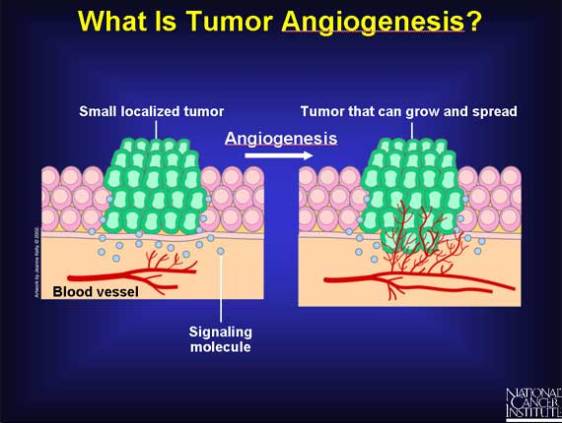
Tumor angiogenesis is the proliferation of a network of blood vessels that penetrates into cancerous growths, supplying nutrients and oxygen and removing waste products. Tumor angiogenesis actually starts with cancerous tumor cells releasing molecules that send signals to surrounding normal host tissue. This signaling activates certain genes in the host tissue that, in turn, make proteins to encourage growth of new blood vessels. Photo credit: NCI

Genentech, Inc., a wholly owned member of the Roche Group , today announced that a Phase III study showed the combination of Avastin® (bevacizumab) and chemotherapy followed by maintenance use of Avastin alone increased the time women with previously untreated advanced ovarian cancer lived without the disease worsening (progression-free survival or PFS), compared to chemotherapy alone. A preliminary assessment of safety noted adverse events previously observed in pivotal trials of Avastin. Data from the study will be submitted for presentation at the American Society of Clinical Oncology (ASCO) annual meeting, June 4 – 8, 2010.

In the three-arm study, known as Gynecologic Oncology Group (GOG) 0218, women with newly diagnosed advanced ovarian cancer who already had surgery to remove as much of the tumor as possible were randomized to receive one of the following:

  • Arm 1: Placebo in combination with carboplatin and paclitaxel chemotherapy followed by placebo alone, for a total of up to 15 months of therapy
  • Arm 2: Avastin in combination with carboplatin and paclitaxel chemotherapy followed by placebo alone, for a total of up to 15 months of therapy
  • Arm 3: Avastin in combination with carboplatin and paclitaxel chemotherapy followed by the maintenance use of Avastin alone, for a total of up to 15 months of therapy.

The study showed that women who continued maintenance use of Avastin alone, after receiving Avastin in combination with chemotherapy (Arm 3), lived longer without the disease worsening compared to those who received chemotherapy alone. Women who received Avastin in combination with chemotherapy, but did not continue maintenance use of Avastin alone (Arm 2), did not live longer without the disease worsening compared to chemotherapy alone.

“Additional medicines are urgently needed for women with newly diagnosed advanced ovarian cancer, as most women’s cancer will worsen after their initial treatment,” said Hal Barron, M.D., F.A.C.C., Executive Vice President, Global Development and Chief Medical Officer. “We are encouraged by the positive findings of this study, which highlight the importance of continuing maintenance Avastin after combining Avastin with chemotherapy in this setting. We will discuss these results with the U.S. Food and Drug Administration.”

Robert Allen Burger, MD, FACOG, FACS, Fox Chase Cancer Center, Philadelphia, Pennsylvania

“This is good news for women with ovarian, primary peritoneal or fallopian tube cancers,” said GOG 0218 study chair Robert Burger, M.D., Fox-Chase Cancer Center in Philadelphia. “This study showed that after initial surgery, the combination of Avastin and chemotherapy followed by extended treatment with Avastin improves progression-free survival in women with newly diagnosed advanced tumors.”

The trial is sponsored by the National Cancer Institute (NCI) under a Cooperative Research and Development Agreement between the NCI and Genentech, and is being conducted by a network of researchers led by the GOG.

Avastin is being studied worldwide in more than 450 clinical trials for multiple types of cancer, including approximately 25 ongoing clinical trials in the United States for women with various stages of ovarian cancer.

About Ovarian Cancer

According to the American Cancer Society, ovarian cancer is the fifth leading cause of cancer death among American women. In 2009 an estimated 21,500 women were diagnosed with ovarian cancer and approximately 14,500 died from the disease in the U.S. The disease causes more deaths than any other gynecologic cancer, and the American Cancer Society estimates that nearly 70 percent of women with advanced disease will die from it within five years.

Ovarian cancer is associated with high levels of vascular endothelial growth factor (VEGF), a protein associated with tumor growth and spread. Studies have shown a correlation between a high level of VEGF and a poorer prognosis in women with ovarian cancer. Currently, treatment options for women with this disease are limited to surgery and chemotherapy.

About the GOG 0218 Study

GOG 0218 is an international, multicenter, randomized, double-blind, placebo-controlled Phase III study in 1,873 women with previously untreated advanced epithelial ovarian, primary peritoneal or fallopian tube carcinoma. The study evaluates Avastin (5 cycles) in combination with carboplatin and paclitaxel chemotherapy (6 cycles) compared to carboplatin and paclitaxel chemotherapy alone (6 cycles). The trial is also designed to assess the maintenance use of Avastin alone following the initial combined regimen of Avastin and chemotherapy (for a total of up to 15 months of therapy), compared to carboplatin and paclitaxel chemotherapy alone (6 cycles).

The primary endpoint of the study is PFS as assessed by trial investigators. Secondary and exploratory endpoints of the study include overall survival, PFS by independent review, objective response rate, safety, quality of life measures and analysis of patient tumor and blood samples.

Detailed safety assessments are ongoing. A preliminary assessment of safety performed by the GOG identified Avastin-related serious adverse events noted in previous pivotal studies, including fatal neutropenic infection and gastrointestinal perforation. The full study results, including safety information, will be presented at a future medical meeting.

About Avastin

Avastin is a solution for intravenous infusion and is a biologic antibody designed to specifically bind to a protein called VEGF. VEGF plays an important role throughout the lifecycle of the tumor to develop and maintain blood vessels, a process known as angiogenesis. Avastin interferes with the tumor blood supply by directly binding to the VEGF protein to prevent interactions with receptors on blood vessel cells. Avastin does not bind to receptors on normal or cancer cells. The tumor blood supply is thought to be critical to a tumor’s ability to grow and spread in the body (metastasize). For more information about angiogenesis, visit http://www.gene.com.

Boxed WARNINGS and Additional Important Safety Information

People treated with Avastin may experience side effects. In clinical trials, some people treated with Avastin experienced serious and sometimes fatal side effects, including:

Gastrointestinal (GI) perforation: Treatment with Avastin can result in the development of a potentially serious side effect called GI perforation, which is the development of a hole in the stomach, small intestine or large intestine. In clinical trials, this side effect occurred in more people who received Avastin than in the comparison group (0.3 percent to 2.4 percent). In some cases, GI perforation resulted in fatality.

Surgery and wound healing problems: Treatment with Avastin can lead to slow or incomplete wound healing (for example, when a surgical incision has trouble healing or staying closed). In some cases, this event resulted in fatality. Surgery and wound healing problems occurred more often in people who received Avastin than in the comparison group. Avastin therapy should not be started for at least 28 days after surgery and until the surgical wound is fully healed. The length of time between stopping Avastin and having voluntary surgery without the risk of having surgery and wound healing problems following surgery has not been determined.

Severe bleeding: Treatment with Avastin can result in serious bleeding, including coughing up blood, bleeding in the stomach, vomiting of blood, bleeding in the brain, nosebleeds and vaginal bleeding. These events occurred up to five times more often in people who received Avastin. Across cancer types, 1.2 percent to 4.6 percent of people who received Avastin experienced severe to fatal bleeding. People who have recently coughed up blood (greater than or equal to a half teaspoon of red blood) or have serious bleeding should not receive Avastin.

In clinical trials for different cancer types, there were additional serious and sometimes fatal side effects that occurred in more people who received Avastin than in those in the comparison group. The formation of an abnormal passage from parts of the body to another part (non-GI fistula formation) was seen in 0.3 percent or less of people. Severe to life-threatening stroke or heart problems were seen in 2.4 percent of people. Too much protein in the urine, which led to kidney problems, was seen in less than 1 percent of people. Additional serious side effects that occurred in more people who received Avastin than those in the comparison group included severe to life-threatening high blood pressure, which was seen in 5 percent to 18 percent of people, and nervous system and vision disturbances (reversible posterior leukoencephalopathy syndrome), which was seen in less than 0.1 percent of people. Infusion reactions with the first dose of Avastin were uncommon and occurred in less than 3 percent of people and severe reactions occurred in 0.2 percent of people.

Common side effects that occurred in more than 10 percent of people who received Avastin for different cancer types, and at least twice the rate of the comparison group, were nosebleeds, headache, high blood pressure, inflammation of the nose, too much protein in the urine, taste change, dry skin, rectal bleeding, tear production disorder, back pain and inflammation of the skin (exfoliative dermatitis). Across all trials, treatment with Avastin was permanently stopped in 8.4 percent to 21 percent of people because of side effects.

Avastin may impair fertility. Patients who are pregnant or thinking of becoming pregnant should talk with their doctor about the potential risk of loss of the pregnancy or the potential risk of Avastin to the fetus during and following Avastin therapy, and the need to continue an effective birth control method for at least six months following the last dose of Avastin.

For full Prescribing Information and Boxed WARNINGS on Avastin please visit http://www.avastin.com.

About Genentech

Founded more than 30 years ago, Genentech is a leading biotechnology company that discovers, develops, manufactures and commercializes medicines to treat patients with serious or life-threatening medical conditions. The company, a wholly owned member of the Roche Group, has headquarters in South San Francisco, California. For additional information about the company, please visit http://www.gene.com.

About The Gynecologic Oncology Group (GOG)

The Gynecologic Oncology Group is a non-profit organization of more than 300 member institutions with the purpose of promoting excellence in the quality and integrity of clinical and basic scientific research in the field of Gynecologic malignancies. The Group is committed to maintaining the highest standards in the clinical trial development, execution, analysis and distribution of results. Continuous evaluation of our processes is utilized in order to constantly improve the quality of patient care.

GOG receives support from the National Cancer Institute (NCI) of the National Institutes for Health (NIH).

Sources:

Identifying & Overcoming Taxane Drug Resistance

Proteomics study reveals a protein that, when suppressed, makes cancers more susceptible to chemotherapy involving taxane drugs.

Taxanes, a group of cancer drugs that includes paclitaxel (Taxol®) and docetaxel (Taxotere®), have become front-line therapy for a variety of metastatic cancers. But as with many chemotherapy agents, resistance can develop, a frequent problem in breast, ovarian, prostate and other cancers. Now, cancer researchers at Children’s Hospital Boston report a protein previously unknown to be involved in taxane resistance and could potentially be targeted with drugs, making a cancer more susceptible to chemotherapy.

The researchers believe that this protein, prohibitin1, could also serve as a biomarker, allowing doctors to predict a patient’s response to chemotherapy with a simple blood test. The study was published online by the Proceedings of the National Academy of Sciences in its online early edition during the week of January 25.

Bruce Zetter, Ph.D., Charles Nowiszewski Professor of Cancer Biology, Vascular Biology Program, Department of General Surgery, Children's Hospital Boston

The study, led by Bruce Zetter, PhD, of Children’s Vascular Biology Program, used proteomics techniques to compare the proteins present in Taxol-susceptible versus Taxol-resistant human tumor cell lines. The researchers found that the resistant cell lines, but not the susceptible cell lines, had prohibitin1 on their surface. When they suppressed prohibitin1 with RNA interference techniques, the tumor cells became more susceptible to Taxol, both in cell culture and in live mice with implanted Taxol-resistant tumors.

Zetter’s lab is still investigating why having prohibitin1 on the cell surface makes a tumor cell resistant to taxanes. But in the meantime, he believes that not only could prohibitin1 be suppressed to overcome taxane resistance, but that it could also be exploited as a means of targeting chemotherapy selectively to resistant cancer cells.

“We are working to target various cancer drugs to taxane-resistant cells by attaching them to compounds that bind to prohibitin,” Zetter explains. One such compound is already known, and works well in animals to target other prohibitin-rich cells, but has yet to be tested in humans.

Suppressing prohibitin1 alone probably isn’t enough to make a cancer fully Taxol-susceptible, but could be combined with other strategies aimed at increasing taxane susceptibility, such as targeting another protein called GST Pi, the researchers say. Other mechanisms of resistance are known, but they so far haven’t been shown to present effective targets for therapy.

Zetter’s lab is also trying to develop prohibitin1 as a biomarker for taxane resistance that physicians could use in the clinic. Since it’s on the surface of the cell, Zetter believes prohibitin1 may circulate in the blood where it could easily be detected. His lab is in talks with several cancer centers to obtain serum samples from patients who did and didn’t respond to Taxol, so that prohibitin1 levels could be measured and compared.

Zetter notes that prohibitin1 could easily have been overlooked, and was found only because the team happened to look specifically at proteins in the cell membrane, rather than simply doing a whole-cell proteomic analysis.

“The interesting finding was that prohibitin was not just another over-expressed protein,” Zetter says. “It was up-regulated primarily on the cell surface. When we looked at the whole cell, the absolute amount of prohibitin wasn’t changed. Instead, prohibitin was moving from the inside of the cell to the cell surface. It had shifted from one location to another, and when it did, the tumor cells became resistant to taxanes. The fact that it moves to the cell surface also makes it easier to direct drugs to it.”

Children’s Hospital Boston has pending and issued international patents on this technology.  Nish Patel, PhD, was the study’s first author. The study was funded by a grant from the National Institutes of Health.

About Children’s Hospital Boston

Founded in 1869 as a 20-bed hospital for children, Children’s Hospital Boston today is one of the nation’s leading pediatric medical centers, the primary pediatric teaching hospital of Harvard Medical School, and the largest provider of health care to Massachusetts children. In addition to 396 pediatric and adolescent inpatient beds and more than 100 outpatient programs, Children’s houses the world’s largest research enterprise based at a pediatric medical center, where its discoveries benefit both children and adults. More than 500 scientists, including eight members of the National Academy of Sciences, 11 members of the Institute of Medicine and 13 members of the Howard Hughes Medical Institute comprise Children’s research community. For more information about the hospital visit: www.childrenshospital.org/newsroom.

Sources:

Two Combination Treatment Regimens Added to Updated NCCN Guidelines for Ovarian Cancer

The National Comprehensive Cancer Network (NCCN) recently updated the NCCN Guidelines for Ovarian Cancer to include two additional combination treatment regimens for women with select types of recurring ovarian cancer.

The National Comprehensive Cancer Network (NCCN) recently updated the NCCN Clinical Practice Guidelines for Oncology™ for Ovarian Cancer to reflect the addition of two preferred combination regimens for a specific cohort of patients based on data from recent clinical research studies.

Key updates to the NCCN Guidelines include the addition of carboplatin (Paraplatin®, Bristol-Myers Squibb)/weekly paclitaxel (Taxol®, Bristol-Myers Squibb) and carboplatin/liposomal doxorubicin (Doxil®, Centocor Ortho Biotech) for cytotoxic therapy for patients with platinum-sensitive epithelial ovarian cancer, fallopian tube cancer, or primary peritoneal cancer that has recurred.

These modifications made to the NCCN Guidelines for ovarian cancer are based on results from recent studies in The Lancet and The Journal of Clinical Oncology demonstrating that both combination regimens improved median progression-free survival in women with specific types of recurring ovarian cancer as compared to conventional regimens. In addition, the carboplatin/weekly paclitaxel regimen improved overall survival.

Robert J. Morgan, Jr., M.D., F.A.C.P., Professor, Medical Oncology & Therapeutics Research, City of Hope Comprehensive Cancer Center

“Ovarian cancer is a challenge to treat because by the time the majority of the women are diagnosed with the disease, it has already progressed to stage III or IV,” says Robert J. Morgan, MD, of City of Hope Comprehensive Cancer Center and the chair of the NCCN Guidelines Panel for Ovarian Cancer. “Although finding effective screening tools remains a priority, new treatment options for women with ovarian cancer such as the ones outlined in the updated NCCN Guidelines, remains imperative to making steady progress against the disease.”

Epithelial ovarian cancer is the leading cause of death from gynecologic cancer in the United States and the country’s fifth most common cause of cancer mortality in women. In the year 2009, there were more than 21,000 new diagnoses and nearly 15,000 deaths from this neoplasm in the United States.

The NCCN Clinical Practice Guidelines in Oncology™ are developed and updated through an evidence-based process with explicit review of the scientific evidence integrated with expert judgment by multidisciplinary panels of physicians from NCCN Member Institutions. The most recent version of this and all the NCCN Guidelines are available free of charge at NCCN.org.

About the National Comprehensive Cancer Network

The National Comprehensive Cancer Network (NCCN), a not-for-profit alliance of 21 of the world’s leading cancer centers, is dedicated to improving the quality and effectiveness of care provided to patients with cancer. Through the leadership and expertise of clinical professionals at NCCN Member Institutions, NCCN develops resources that present valuable information to the numerous stakeholders in the health care delivery system. As the arbiter of high-quality cancer care, NCCN promotes the importance of continuous quality improvement and recognizes the significance of creating clinical practice guidelines appropriate for use by patients, clinicians, and other health care decision-makers. The primary goal of all NCCN initiatives is to improve the quality, effectiveness, and efficiency of oncology practice so patients can live better lives.

Sources:

MIT Develops New Platinum Compound As Powerful As Cisplatin But Better Able To Destroy Tumor Cells

MIT chemists have developed a new platinum compound that is as powerful as the commonly used anticancer drug cisplatin but better able to destroy tumor cells.

A diagram of cisplatin which is a platinum chemotherapy drug.

Massachusetts Institute of Technology chemists have developed a new platinum compound that is as powerful as the commonly

Stephen J. Lippard Ph.D., Arthur Amos Noyes Professor of Chemistry, Massachusetts Institute of Technology

used anticancer drug cisplatin but better able to destroy tumor cells.

The new compound, mitaplatin, combines cisplatin with another compound, dichloroacetate (DCA), which can alter the properties of mitochondria selectively in cancer cells. Cancer cells switch their mitochondrial properties to change the way they metabolize glucose compared to normal cells, and DCA specifically targets the altered mitochondria, leaving normal cells intact.

“This differential effect conveys on mitaplatin the ability to kill cancer cells selectively in a co-culture with normal fibroblast cells, the latter being unaffected at the doses that we apply,” says Stephen Lippard, the Arthur Amos Noyes Professor of Chemistry.

How they did it: The chemists designed mitaplatin so that when it enters a cell, it releases cisplatin and two units of DCA by intracellular reduction. Therefore, mitaplatin can attack nuclear DNA with cisplatin and mitochondria with DCA. DCA promotes the release of cell-death-promoting factors from the mitochondria, enhancing the cancer cell-killing abilities of cisplatin.

Next steps: Lippard’s laboratory has shown that in rodents, mitaplatin can be tolerated at much higher doses than cisplatin, and they have begun studies in mice transplanted with human tissues. If those results are promising, the researchers plan more studies for further demonstration of mitaplatin’s ability in cancer therapy.

Sources:

UCLA Researchers Significantly Inhibit Growth of Ovarian Cancer Cell Lines With FDA-Approved Leukemia Drug Dasatinib (Sprycel®)

The drug dasatinib (Sprycel®), approved for use by the U.S. Food and Drug Administration in patients with specific types of leukemia, significantly inhibited the growth and invasiveness of ovarian cancer cells and also promoted their death, say UCLA researchers in the November 10th issue of the British Journal of Cancer. The drug, when paired with a chemotherapy regimen, was even more effective in fighting ovarian cancer cell lines in which signaling of the Src family kinases — associated with approximately one-third of ovarian cancers– is activated. Clinical trials that involve the testing of dasatinib against ovarian cancer and solid tumors are currently ongoing.

Researchers affiliated with the University of California, Los Angeles (UCLA), Mayo Clinic and Harvard Medical School announced that they have established a biological rationale to support the clinical study of the U.S. Food & Drug Administration (FDA)-approved leukemia drug dasatinib (U.S. brand name: Sprycel®), either alone or in combination with chemotherapy, in patients with ovarian cancer. The study appears in the November 10th edition of the British Journal of Cancer.

Background

Dasatinib is an FDA-approved drug for the treatment of chronic myeloid leukemia (CML) and Philadelphia chromosome positive acute lymphoblastic leukemia (ALL). Dasatinib is a small-molecule inhibitor that targets several tyrosine kinases, including the Src kinase family, Ephrin type-A receptor 2 ( EphA2) , and the focal adhesion kinase (FAK).

Src is the prototypic member of a family of nine non-receptor tyrosine kinases (Src, Lyn, Fyn, Lck, Hck, Fgr, Blk, Yrk, and Yes). The Src family kinase (SFK) proteins regulate four main cellular fuctions that ultimately control the behavior of transformed cancer cells:  cell proliferation, adhesion, invasion, and motility.

Eph receptors and ephrins are integral players in cancer formation and progression, and are associated with advanced ovarian cancer and poor clinical outcome.

FAK is a non-receptor tyrosine kinase involved in the regulation of cell adhesion, survival, and migration.  Preclinical studies indicate that FAK plays a signficant role in ovarian cancer cell migration and invasion.

Dasatinib Study Methodology & Findings

slamon1

One of the dasatinib study authors is Dennis J. Slamon, M.D. Ph.D. Dr. Slamon is the Director of Clinical/Translational Research & Director of the Revlon/UCLA Women's Cancer Research Program, at the UCLA Jonsson Comprehensive Cancer Center. He is also the co-discoverer of Herceptin®, a targeted therapy that revolutionized the treatment of HER-2 positive breast cancer.

The researchers carried out the study by testing the effects of dasatinib on human ovarian cancer cells in vitro, using a panel of 34 established human ovarian cancer cell lines.  The 34 cell lines selected were representative of the major epithelial ovarian cancer subtypes:

On this basis, the researchers examined the effects of dasatinib on ovarian tumor cell proliferation, invasion, apoptosis, and cell-cycle arrest.  To more fully understand the activity of dasatinib, the researchers also studied the efficacy of chemotherapeutic drugs (i.e., carboplatin and paclitaxel) in combination with dasatinib against ovarian cancer cells that were previously determined to be dasatinib-sensitive.

The overarching goals of the study were (i) to provide a rationale to test dasatinib as a single agent or in combination with chemotherapy in patients with ovarian cancer, and (ii) to identify molecular markers that may help define subsets of ovarian cancer patients most likely to benefit from treatment with dasatinib.

Significant findings reported in the dasatinib study are summarized below.

  • Concentration-dependent, anti-proliferative effects of dasatinib were seen in all ovarian cancer cell lines tested.
  • Dasatinib significantly inhibited tumor cell invasion, and induced tumor cell death, but was less effective in causing tumor cell-cycle arrest.
  • At a wide range of clinically achievable drug concentrations, additive and synergistic interactions were observed for dasatinib plus carboplatin or paclitaxel.
  • 24 out of 34 (71%) representative ovarian cancer cell lines were highly sensitive (i.e.,  ≥ 60% growth inhibition) to dasatinib.
  • 6 cells lines were moderately sensitive (i.e., 40% – 59% growth inhibition) to dasatinib.
  • 4 cell lines were resistant (i.e., < 40% growth inhibition) to dasatinib.
  • When comparing dasatinib sensitivity between cell lines based solely upon histological subtype (i.e., serous papillary, clear cell, endometrioid, mucinous, and undifferentiated ovarian cancer cell lines), no single histological subtype was more sensitive than another.
  • Ovarian cancer cell lines with high expression of Yes, Lyn, Eph2A, caveolin-1 and 2, moesin, annexin-1 and 2 and uPA (urokinase-type Plasminogen Activator), as well as those with low expression of IGFBP2 (insulin-like growth factor binding protein 2), were particularly sensitive to dasatinib.
  • Ovarian cancer cell lines with high expression of HER-2 (Human Epidermal growth factor Receptor 2), VEGF (Vascular endothelial growth factor) and STAT3 (Signal Transducer and Activator of Transcription 3) were correlated with in vitro resistance to dasatinib.

Based upon the findings above, the researchers concluded that there is a clear biological rationale to support the clinical study of dasatinib, as a single agent or in combination with chemotherapy, in patients with ovarian cancer.

Konecny

Gottfried E. Konecny, M.D., UCLA Assistant Professor of Hematology/Oncology, UCLA Jonsson Comprehensive Cancer Center Researcher & First Author of the Dasatinib Study

Ovarian cancer, which will strike 21,600 women this year and kill 15,500, causes more deaths than any other cancer of the female reproductive system. Few effective therapies for ovarian cancer exist, so it would be advantageous for patients if a new drug could be found that fights the cancer, said Gottfried E. Konecny, M.D., a UCLA assistant professor of hematology/oncology, a Jonsson Comprehensive Cancer Center researcher, and first author of the study.

“I think Sprycel® could be a potential additional drug for treating patients with Src dependent ovarian cancer,” Konecny said. “It is important to remember that this work is only on cancer cell lines, but it is significant enough that it should be used to justify clinical trials to confirm that women with this type of ovarian cancer could benefit.”

Recent gene expression studies have shown that approximately one-third of women have ovarian cancers with activated Src pathways, so the drug could potentially help 7,000 ovarian cancer patients every year. Notably, a gene expression study published in 2007 reported Src activation in approximately 50% of the ovarian cancer tumors examined.

In the dasatinib study, the UCLA team tested the drug against 34 ovarian cancer cell lines and conducted genetic analysis of those lines. Through these actions, the researchers were able to identify genes that predict response to dasatinib. If the work is confirmed in human studies, it may be possible to test patients for Src activation and select those who would respond prior to treatment, thereby personalizing their care.

“We were able to identify markers in the pre-clinical setting that would allow us to predict response to Sprycel®,” Konecny said. “These may help us in future clinical trials in selecting patients for studies of the drug.”

Dasatinib is referred to as a “dirty” kinase inhibitor, meaning it inhibits more than one cellular pathway. Konecny said it also inhibits the focal adhesion kinase (FAK) and ephrin receptor, also associated with ovarian cancer, in addition to the Src cellular pathway.

The next step, Konecny said, would be to test the drug on women with ovarian cancer in a clinical trial. The tissue of responders would then be analyzed to determine if the Src and other pathways were activated. If that is confirmed, it would further prove that dasatinib could be used to fight ovarian cancer. In studies, women would be screened before entering a trial and only those with Src dependent cancers could be enrolled to provide further evidence, Konecny said, much like the studies of the molecularly targeted breast cancer drug Herceptin® enrolled only women who had HER-2 positive disease.

“Herceptin® is different because we knew in advance that it only worked in women with HER-2 [gene] amplification,” he said. “In this case, we don’t clearly know that yet. The data reassures us that the drug works where the targets are over-expressed but we need more testing to confirm this.”

The tests combining the drug with chemotherapy are significant because chemotherapy, namely carboplatin and paclitaxel, is considered the standard first line treatment for ovarian cancer patients following surgery. Because dasatinib proved to have a synergistic effect when combined with chemotherapy, it may be possible to add this targeted therapy as a first line treatment if its efficacy is confirmed in future studies.

Dasatinib Study Significance

The dasatinib study is potentially significant to the area of ovarian cancer treatment for several reasons.

First, although this study only tested dasatinib in vitro against ovarian cancer cell lines, the drug is already FDA-approved.  Accordingly, the general safety of the drug has already been established by the FDA.

Second, 71% of the ovarian cancer lines were highly sensitive to dasatinib.

Third, dasatinib was additive to, or synergistic with, the standard of care chemotherapy drugs used in first line ovarian cancer treatment, i.e., carboplatin and paclitaxel.

Fourth, the study established molecular markers that may be predictive of dasatinib effectiveness in particular patients.  In theory, a patient’s tumor biopsy could be tested for the presence of those molecular markers to determine whether a patient will benefit from dasatinib.

Fifth, one of the dasatinib study authors is Dennis J. Slamon, M.D. Ph.D. Dr. Slamon is the director of Clinical/Translational Research, and director of the Revlon/UCLA Women’s Cancer Research Program, at the UCLA Jonsson Comprehensive Cancer Center. Dr. Slamon is also the co-discoverer of Herceptin®, a targeted therapy that revolutionized the treatment of HER-2 positive breast cancer.  Herceptin® is a targeted therapy that kills HER-2 positive breast cancer cells while leaving normal cells unaffected.  The potential use of dasatinib to treat select ovarian cancer patients who test “positive” for specific molecular markers (e.g., Src cellular pathway activation) is similar to the extremely successful drug development approach used for Herceptin®.

Open Clinical Trials Testing Dasatinib (Sprycel®) Against Ovarian Cancer & Solid Tumors

As of this writing, there are several open (i.e., recruiting) clinical trials that involve testing dasatinib against ovarian cancer and solid tumors.

For a list of open clinical trials that involve testing dasatinib against ovarian cancer, CLICK HERE.

For a list of open clinical trials that involve testing dasatinib against solid tumors, CLICK HERE.

All potential volunteers must satisfy the clinical trial entrance criteria prior to enrollment.  Depending on the drug combination being tested, one or more of the solid tumor clinical trials may not be appropriate for an ovarian cancer patient.

About the UCLA Jonsson Comprehensive Cancer Center

UCLA’s Jonsson Comprehensive Cancer Center (JCCC) has more than 240 researchers and clinicians engaged in disease research, prevention, detection, control, treatment and education. One of the nation’s largest comprehensive cancer centers, JCCC is dedicated to promoting research and translating basic science into leading-edge clinical studies. In July 2009, JCCC was named among the top 12 cancer centers nationwide by U.S. News & World Report, a ranking it has held for 10 consecutive years. For more information on JCCC, visit the website at http://www.cancer.ucla.edu.

Sources:

Æterna Zentaris’ LHRH-Receptor Targeted Therapy AEZS-108 Produces Positive Preliminary Results in Advanced Stage Ovarian Cancer

Preliminary Phase II clinical study evaluation shows that primary efficacy endpoint has been met for patients with advanced-stage, platinum-resistant, taxane-pretreated ovarian cancer who were treated with the targeted therapy AEZS-108.

Æterna Zentaris Inc. , a global biopharmaceutical company focused on endocrine therapy and oncology, today announced positive efficacy data from a Phase II study with its targeted therapy AEZS-108 (formerly AN-152 or ZEN-008), in patients with platinumresistant, taxane-pretreated ovarian cancer. In a personalized healthcare approach, the study selected patients with tumors expressing luteinizing hormone-releasing hormone (LHRH) receptors, the key element in the targeting mechanism of AEZS-108. Under coordination by Prof. Günter Emons, MD, Chairman of the Department of Obstetrics & Gynaecology at the University of Göttingen, Germany, this open-label, multi-center and multi-national Phase II study (AGO-GYN 5) is being conducted by the German AGO Study Group (Arbeitsgemeinschaft Gynäkologische Onkologie / Gynaecological Oncology Working Group; www.ago-ovar.de), in cooperation with clinical sites in Europe.

Preliminary Phase II Clinical Study Results

Juergen Engel, Ph.D., President & CEO, AEterna Zentaris

Juergen Engel, Ph.D., President & Chief Executive Officer, Æterna Zentaris Inc. (Photo: AEterna Zentaris Inc.)

All 43 patients with LHRH-receptor positive ovarian cancer who entered study AGO-GYN 5 have completed their study treatment. A preliminary evaluation shows that the study met its primary efficacy endpoint of 5 or more responders in 41 evaluable patients.

Responders, as well as patients with stable disease after completion of treatment with AEZS 108, will now be followed to assess the duration of progression-free survival and, ultimately, overall survival. More detailed analyses, which will also include efficacy data from post-treatment follow-up of the ovarian cancer patients, are currently in preparation and will be presented at forthcoming scientific conferences.

Juergen Engel, Ph.D., Æterna Zentaris President and Chief Executive Officer stated, “We are pleased with the progress of this project. The successful completion of the recruitment and treatment phase and the apparent activity in this difficult group of cancer patients is encouraging. This is the basis we were looking for, in order to take the next steps in the further development of AEZS 108 in gynecological cancers and possibly also in prostate cancer.”

About the AEZS-108 Phase II Clinical Study

AEZS-108 represents a new targeting concept in oncology using a cytotoxic peptide conjugate which is a hybrid molecule composed of a synthetic peptide carrier and a well-known cytotoxic agent, doxorubicin. The design of this product allows for the specific binding and selective uptake of the cytotoxic conjugate by LHRH-receptor-positive tumors. The binding of AEZS-108 to cancerous cells that express these receptors results in its accumulation and preferential uptake in the malignant tissue.

In a Phase II study program entitled, “The antitumoral activity and safety of AEZS 108 (AN 152), a LHRH agonist linked doxorubicin in women with LHRH-receptor positive gynecological tumors“, patients with tumors expressing LHRH receptors are administered an intravenous infusion of 267 mg/m2 of AEZS 108 over a period of 2 hours, every Day 1 of a 21-day (3-week) cycle. The proposed duration of the study treatment is 6, 3-week cycles. Study AGO GYN 5 is performed with 14 centers of the German Gynecological Oncology Working Group (AGO; www.ago-ovar.de), in cooperation with 3 clinical sites in Europe.

The program was designed to include up to 82 patients; approximately 41 with a diagnosis of platinum-resistant, taxane-pretreated ovarian cancer, and 41 with disseminated endometrial cancer. For both indications, patient recruitment was planned in 2 stages with 21 and 20 patients, respectively, and the primary efficacy endpoint at the end of stage 2 was defined as 5 or more patients with partial or complete tumor responses according to Response Evaluation Criteria in Solid Tumors (RECIST) and/or Gynecologic Cancer Intergroup (GCIG) guidelines. Secondary endpoints include time to progression, survival, toxicity, as well as adverse effects.

Prior Phase I Clinical Trial Results

On June 3, 2007 positive results of an open, multi-center, sequential group, dose-escalation Phase I study in various gynecological cancers were presented at the American Society of Clinical Oncology’s (ASCO) Annual Meeting in Chicago, Illinois. Seventeen (17) patients with LHRH-receptor positive gynecological cancers were recruited. AEZS-108 was administered by intravenous infusion over two hours at dosages of 10, 20, 40, 80,160 and 267 mg/m2. At 160 mg/m2, six patients had a total of 32 cycles and at 267 mg/m2, seven patients had a total of 27 cycles. Most of the patients had been pretreated with various chemotherapies.

The study showed that AEZS-108 was well tolerated by patients with gynecological tumors. Furthermore, AEZS-108 is the first drug in a clinical study that targets the cytotoxic activity of doxorubicin specifically to LHRH-receptor expressing tumors. Finally, signs of anti-tumor activity were observed in seven out of 13 patients treated with 160 or 267 mg/m2 of AEZS 108, including three patients with complete or partial response

About AEZS-108

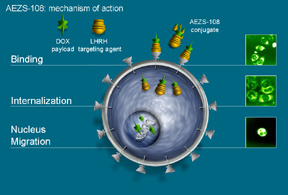
AEZS-108 Mechanism of Action

AEZS-108 Mechanism of Action (Photo: AEterna Zentaris Inc.)

AEZS-108 is a targeted cytotoxic peptide conjugate which is a hybrid molecule composed of a synthetic peptide carrier and a well-known cytotoxic agent, doxorubicin. The design of this product allows for the specific binding and selective uptake of the cytotoxic conjugate by LHRH-receptor-positive tumors. The binding of AEZS-108 to cancerous cells that express these receptors results in its accumulation in the malignant tissue. This binding is followed by internalization and retention of the cytotoxic drug, doxorubicin, in the cells. Therefore, since they target specific cells, cytotoxic conjugates are postulated to be less toxic, have less side-effects and are more effective in vivo than the respective non-conjugated/non-linked cytotoxic agents in inhibiting tumor growth.

About Ovarian and Endometrial Cancer

Ovarian cancer is one of the most common gynecologic malignancies and the fifth most frequent cause of cancer death in women, with most of the cases occurring in women between 50 and 75 years of age. Overall, ovarian cancer accounts for 4% of all cancer diagnoses in women and 5% of all cancer deaths. Approximately 26,000 new cases and 17,000 deaths from this disease are estimated in the European community every year (Source: Gynecologic Oncology, Volume 92, Issue 3, March 2004, Pages 819-826).

Cancer of the endometrium is the most common gynecologic malignancy and accounts for 6% of all cancers in women. The majority of the cases occur in postmenopausal women, with the largest number of women developing their cancers during their sixth decade. Approximately 38,000 new cases and 9,000 deaths from this disease are estimated annually in Europe (Source: Annals of Oncology 15:1149-1150, 2004).

About Æterna Zentaris Inc.

Æterna Zentaris Inc. is a global biopharmaceutical company focused on endocrine therapy and oncology, with proven expertise in drug discovery, development and commercialization. News releases and additional information are available at www.aezsinc.com.

Sources:

Endocyte’s EC145 Produces Significant Anti-Tumor Activity In Advanced Stage Chemoresistant Ovarian Cancer Patients

Endocyte, Inc., … presented data from a Phase 2a clinical trial for EC145, … In 49 women with advanced-stage ovarian cancer, EC145 was shown to have anti-tumor activity in a significant percentage of participants in the trial. …[T]he overall disease control rate, defined as stable disease, partial or complete response to therapy, was 40.8 percent (20 of 49). … In the subgroup of patients who were EC20 “positive” and who had failed four or fewer prior therapies, the disease control rate was 75 percent (9 of 12) and two patients exhibited a RECIST partial response. …

EC20 Imaging Results

Companion diagnostic images of ovarian cancer patients using folate-receptor targeted imaging agent (EC20-Tc99m). Patient on the top shows no targeting to tumor (negative profile). Patient on the bottom shows targeting to tumor (positive profile)(Photo: Endocyte, Inc.)

Endocyte, Inc., a cancer drug discovery and development company, presented data from a Phase 2a clinical trial for EC145, currently in development as a potential treatment for advanced ovarian cancer. Results were presented at the European Society of Gynaecologic Oncology (ESGO) meeting in Belgrade, Serbia last week. In 49 women with advanced-stage ovarian cancer, EC145 was shown to have anti-tumor activity in a significant percentage of participants in the trial.

The study participants had disease that was highly resistant to standard chemotherapy. Subjects had a median of four prior exposures to chemotherapy (with a range of 1 to 14), and 88 percent were diagnosed with “bulky disease,” defined as having a tumor volume of greater than five centimeters in diameter. However, in spite of this, the overall disease control rate, defined as stable disease, partial or complete response to therapy, was 40.8 percent (20 of 49).

Prior to the start of treatment with EC145, the women were scanned with 99mTc-EC20 [EC20], a molecular imaging agent that binds to folate receptors (FR) and is being developed by Endocyte as a companion diagnostic tool to identify patients whose tumors express FR, the molecular target for the EC145 therapy. When scanned with EC20, 76 percent of patients were found to be folate-receptor “positive.” In the subgroup of patients who were EC20 “positive” and who had failed four or fewer prior therapies, the disease control rate was 75 percent (9 of 12) and two patients exhibited a RECIST partial response. Across all patients, the drug was well tolerated with no grade 4 toxicities. The most common grade 3 toxicity was fatigue (8.2 percent).

According to Dr. Richard Messmann, Endocyte’s VP for medical affairs, “These preliminary results provide significant additional support for Endocyte’s technology platform and for the important role that Endocyte’s co-development of targeted therapeutics and companion diagnostics can play in cancer drug discovery. Based upon these promising results, EC145 is now being evaluated in our Phase 2b PRECEDENT study, an international randomized study of EC145 in combination with Doxil®/Caelyx® versus Doxil®/Caelyx® alone in women with platinumresistant ovarian cancer.”

About Endocyte

EC145 PRECEDENT Clinical TrialEndocyte is a privately held biotechnology company with headquarters in the Purdue Research Park of West Lafayette, IN. Based on the applications of Endocyte’s advanced proprietary Drug Guidance System (DGS), the company is working to develop new drugs and diagnostic agents to treat many types of cancer and other serious diseases. The DGS platform makes it possible to use highly potent drugs on extended and frequent dosing schedules and in combination with other drugs to maximize efficacy. The technology improves drug targeting and reduces the risk of side effects by combining drugs with ligands that are able to identify and attach to receptors found on tumor and other disease cells. Endocyte’s clinical development of EC20 and EC145 is progressing with the recent completion of accrual for the Phase 2a trials in advanced ovarian and lung cancer. EC20 and EC145 are now being studied in an international Phase 2b trial of EC145 in combination with Doxil® for the treatment of women with platinum resistant ovarian cancer. Other clinical-stage products in the Endocyte pipeline include EC0225, a targeted combination of two potent anticancer drugs; BMS753493, a potent drug being developed in partnership with Bristol-Myers Squibb; EC0489, a targeted cancer drug; and EC17, a targeted immunotherapy agent. The company also has multiple product candidates in pre-clinical stage of development.

Information about the PRECEDENT study can be found at http://clinicaltrials.gov/ct2/show/NCT00722592.

Sources:

Modified Chemo Regime Increases Survival In Advanced Ovarian Cancer Patients But Adds Toxicity

Women with advanced ovarian cancer lived longer and without their tumors growing after receiving a modified regimen of a standard chemotherapy drug combination, Japanese researchers reported last week. In a large phase III clinical trial, women who received carboplatin every 3 weeks and a reduced dose of paclitaxel (Taxol®) once a week for 3 weeks instead of carboplatin and a higher single dose of paclitaxel every 3 weeks had a 29 percent improvement in progression-free survival and a 25 percent improvement in overall survival after 3 years of follow-up.

Women with advanced ovarian cancer lived longer and without their tumors growing after receiving a modified regimen of a standard chemotherapy drug combination, Japanese researchers reported last week. In a large phase III clinical trial, women who received carboplatin every 3 weeks and a reduced dose of paclitaxel (Taxol®) once a week for 3 weeks instead of carboplatin and a higher single dose of paclitaxel every 3 weeks had a 29 percent improvement in progression-free survival and a 25 percent improvement in overall survival after 3 years of follow-up. The results were published online September 18 in The Lancet.

Although the toxicities of this dose-dense regimen were greater than they were in women who received the standard combination, survival benefits of this magnitude “have been rare in women with advanced ovarian cancer,” wrote Dr. Noriyuki Katsumata and colleagues from the Japanese Gynecologic Oncology Group (JGOG).

trimble

Edward L. Trimble, MD, MPH; Head - Gynecologic Cancer Therapeutics and Quality of Cancer Care Therapeutics, Clinical Investigation Branch, Cancer Therapy Evaluation Program, Division of Cancer Treatment and Diagnosis.

The results, explained Dr. Ted Trimble, from NCI’s Division of Cancer Treatment and Diagnosis, are consistent with what has been seen in breast cancer using a dose-dense chemotherapy regimen. The idea, he continued, is “to balance efficacy and toxicity by using a weekly schedule rather than every 3 weeks.”

Although the findings are important, “they won’t change practice overnight,” Dr. Trimble said. There are still several significant unknowns, including whether a lower dose of paclitaxel might be as effective but less toxic; the optimal timing of surgery; and where intraperitoneal chemotherapy fits into the treatment mix. The JGOG trial results, however, will influence the design of a number of phase III clinical trials, all of which include dose-dense chemotherapy, he added.

More than 630 women at 85 hospitals across Japan enrolled in the trial. Patients were randomly assigned to either of the two treatment groups. After 3 years of follow-up, women who received the dose-dense treatment had a median progression-free survival of 28 months, compared with 17 months for those who received the standard treatment.

bookman

Michael A. Bookman, M.D., Chief, Hematology/Oncology Section, Arizona Cancer Center

Not enough time has passed to determine with statistical confidence whether the overall survival advantage will be maintained. However, in ovarian cancer, improvements in progression-free survival tend to predict overall survival, said Dr. Michael A. Bookman, chief of the Hematology/Oncology Section at the Arizona Cancer Center, in an accompanying editorial in The Lancet.

The dose-dense chemotherapy regimen used in the trial was also dose-intense, meaning the total dose of paclitaxel patients received was actually higher than in those who received standard treatment. This was associated with some toxic side effects that caused treatment delays and modifications and also led to patients receiving less caboplatin than intended. In fact, more than half of the women in the dose-dense group discontinued treatment early, and most of them did so because of the toxicity.

Although it’s possible that the dose intensity was responsible for the survival improvements, Dr. Bookman wrote, the more frequent, lower-dose treatment schedule is the most “plausible explanation.” As a result, “similar results might be achieved” with a lower dose, he concluded, “with improved tolerability.”

As for why the dose-dense approach is more effective than the standard approach, the Japanese researchers suggested that it hampers the formation of blood vessels that feed tumors. In animal model studies, dose-dense chemotherapy, like a similar treatment also under active investigation called metronomic chemotherapy, has been shown to have such an antiangiogenic effect. And in the JGOG trial, the researchers noted, tumor shrinkage following treatment did not differ between those receiving dose-dense chemotherapy and standard chemotherapy. This suggests that the dose-dense treatment “might promote tumor dormancy by maintaining tumor size and preventing outgrowth,” they wrote.

alvarez

Ronald Alvarez, M.D., Director, Division of Gynecologic Oncology, University of Alabama at Birmingham

The U.S.-based Gynecologic Oncology Group is planning to launch a phase III clinical trial in advanced ovarian cancer combining the dose-dense approach with the targeted antiangiogenic drug bevacizumab (Avastin), said Dr. Ronald Alvarez, director of the Division of Gynecologic Oncology at the University of Alabama at Birmingham. This should help to confirm the Japanese trial’s results.

In the meantime, “Given the potential toxicity, clinicians should discuss with their patients the risks versus the benefits of this approach in comparison with other treatment strategies,” Dr. Alvarez said, particularly with those patients who have advanced disease and whose tumors could not be mostly eradicated by surgery.

Source: Modified Chemo Regimen Effective in Advanced Ovarian Cancer, by Carmen Phillips, NCI Cancer Bulletin Volume 6 / Number 18, National Cancer Institute, September 22, 2009.

References:

M.D. Anderson’s EphA2-Targeted Therapy Delivers Chemo Directly to Ovarian Cancer Cells

With a novel therapeutic delivery system, a research team led by scientists at The University of Texas M. D. Anderson Cancer Center has successfully targeted a protein that is over-expressed in ovarian cancer cells. Using the EphA2 protein as a molecular homing mechanism, chemotherapy was delivered in a highly selective manner in preclinical models of ovarian cancer, the researchers report in the July 29 issue of the Journal of the National Cancer Institute. … In the models, the therapy inhibited tumor growth in treated mice by 85 percent – 98 percent compared to control mice. … [Anil] Sood said, “We are gearing up to bring it to phase I clinical trials. A lot of the safety studies are well under way or nearing completion and we anticipate that this drug will enter clinical trials within the next few months.”

M. D. Anderson-led team finds potent antitumor activity with a monoclonal antibody-chemotherapy combination

With a novel therapeutic delivery system, a research team led by scientists at The University of Texas M. D. Anderson Cancer Center has successfully targeted a protein that is over-expressed in ovarian cancer cells. Using the EphA2 protein as a molecular homing mechanism, chemotherapy was delivered in a highly selective manner in preclinical models of ovarian cancer, the researchers report in the July 29 issue of the Journal of the National Cancer Institute.

EphA2 is attractive for such molecularly targeted therapy because it has increased expression in ovarian and other cancers, including breast, colon, prostate and non-small cell lung cancers and in aggressive melanomas, and its expression has been associated with a poor prognosis.

Anil K. Sood, M.D., professor and in the Departments of Gynecologic Oncology and Cancer Biology at the Univ. of Texas M. D. Anderson Cancer Center

Anil K. Sood, M.D., professor in the Departments of Gynecologic Oncology and Cancer Biology at the Univ. of Texas M. D. Anderson Cancer Center

“One of our goals has been to develop more specific ways to deliver chemotherapeutic drugs,” said senior author Anil K. Sood, M.D., professor and in the Departments of Gynecologic Oncology and Cancer Biology at M. D. Anderson. “Over the last several years we have shown that EphA2 is a target that is present quite frequently in ovarian and other cancers, but is either present in low levels or is virtually absent from most normal adult tissues. EphA2’s preferential presence on tumor cells makes it an attractive therapeutic target.”

The researchers used a carrier system to deliver chemotherapy directly to ovarian cancer cells. The immunoconjugate contains an anti-EphA2 monoclonal antibody linked to the chemotherapy drug monomethyl auristatin phenylalanine (MMAF) through the non-cleavable linker maleimidocaproyl. Research has shown that auristatins induce cell cycle arrest at the G – M border, disrupt microtubules and induce apoptosis (programmed cell death) in cancer cells.

The investigators evaluated the delivery system’s specificity in EphA2-positive HeyA8 and EphA2-negative SKMel28 ovarian cancer cells through antibody-binding and internalization assays. They also assessed viability and apoptosis in ovarian cancer cell lines and tumor models and examined anti-tumor activity in orthotopic mouse models with mice bearing HeyA8-luc and SKOV3ip1 ovarian tumors.

According to Sood, who is also co-director of both the Center for RNA Interference and Non-Coding RNA and the Blanton-Davis Ovarian Cancer Research Program at M. D. Anderson, the immunoconjugate was highly specific in delivering MMAF to the tumor cells that expressed EphA2 while showing minimal uptake in cells that did not express the protein. In the models, the therapy inhibited tumor growth in treated mice by 85 percent – 98 percent compared to control mice.

“Once we optimized the dosing regimen, the drug was highly effective in reducing tumor growth and in prolonging survival in preclinical animal models,” Sood said. “We actually studied bulkier masses because that is what one would see in a clinical setting where there are pre-existent tumors, and even in this setting the drug was able to reduce or shrink the tumors.”

As for future research with the EphA2-silencing therapy, Sood said, “We are gearing up to bring it to phase I clinical trials. A lot of the safety studies are well under way or nearing completion and we anticipate that this drug will enter clinical trials within the next few months.”

He added that his group is simultaneously conducting preclinical testing on other chemotherapy drugs to determine which agents might combine well with the immunoconjugate used in the current study.

“There is growing interest in molecularly targeted therapy so that we are not indiscriminately killing normal cells,” Sood noted. “The goal is to make the delivery of chemotherapy more specific. The immunoconjugate we used is in a class of drugs that is certainly quite attractive from that perspective.”

Research was funded by NCI-DHHS-NIH T32 Training Grant (T32 CA101642 to A.M.N.). This research was funded in part by support from M. D. Anderson’s ovarian cancer SPORE grant (P50 CA083639), the Marcus Foundation, the Gynecologic Cancer Foundation, the Entertainment Industry Foundation, the Blanton-Davis Ovarian Cancer Research Program, and Sood’s Betty Ann Asche Murray Distinguished Professorship.

Co-authors with Sood are Jeong-Won Lee, Hee Dong Han, Mian M. K. Shahzad, Seung Wook Kim, Lingegowda S. Mangala, Alpa M. Nick, Chunhua Lu, Rosemarie Schmandt, Hye-Sun Kim, Charles N. Landen, Robert L. Coleman, all of M. D. Anderson’s Department of Gynecologic Oncology; Robert R. Langley, of M. D. Anderson’s Department of Cancer Biology; Jeong-Won Lee, also of the Department of Obstetrics and Gynecology, Samsung Medical Center, Sungkyunkwan University School of Medicine, Seoul, Korea; Mian M. K. Shahzad, also of the Department of Obstetrics and Gynecology, Baylor College of Medicine, Houston, Texas; Hye-Sun Kim, also of the Department of Pathology, Cheil General Hospital and Women’s Healthcare Center, Kwandong University College of Medicine, Seoul, Korea; and Shenlan Mao, John Gooya, Christine Fazenbaker, Dowdy Jackson, and David Tice , all of MedImmune, Inc., Gaithersburg, Maryland.

Source: EphA2-Targeted Therapy Delivers Chemo Directly to Ovarian Cancer Cells – M. D. Anderson-led team finds potent antitumor activity with a monoclonal antibody-chemotherapy combination, M.D. Anderson News Release, 29 Jul. 09 [summarizing the findings of Lee JW, Han HD, Shahzad MM et. al. EphA2 Immunoconjugate as Molecularly Targeted Chemotherapy for Ovarian Carcinoma. J Natl Cancer Inst. 2009 Jul 29. [Epub ahead of print]].

Ginger Quells Cancer Patients’ Chemotherapy-Related Nausea

“People with cancer can reduce post-chemotherapy nausea by 40 percent by using ginger supplements, along with standard anti-vomiting drugs, before undergoing treatment, according to scientists at the University of Rochester Medical Center. …”

Continue reading

Pattern of Genetic Faults Could Predict Whether An Ovarian Cancer Patient Will Respond to Common Chemo Drugs

“… A pattern of genetic defects in tumours could indicate whether ovarian cancer patients will respond to common chemotherapy drugs before treatment starts, reveals a Cancer Research UK study published in the Proceedings of the National Academy of Sciences … The researchers studied patterns of gene expression that indicate high levels of abnormal chromosomes or chromosomal instability (CIN) in cancer. …Patients with high levels of the CIN gene pattern were more resistant to paclitaxel.  Crucially, patients with high levels of CIN responded well to carboplatin – another commonly used ovarian cancer drug.  In contrast, tumours with low levels of CIN were resistant to carboplatin but responded to paclitaxel. …”

Continue reading

A Weekly Combination of Topotecan & Docetaxel Produces Clinical Benefit In Heavily Pretreated Ovarian Cancer Patients

Recurrent and metastatic endometrial and ovarian cancers can be notoriously difficult to treat. … Physicians at the Albert Einstein College of Medicine of Yeshiva University showed that a combination of two chemotherapy drugs not only produced clinical benefit for such patients but were also well tolerated.  The results of this phase II study were published online in Gynecologic Oncology on March 21st. …[T]he researchers concluded that the combination of weekly topotecan and docetaxel has clinical benefit and is well tolerated in this heavily treated epithelial ovarian and uterine cancer patient population.  The researchers also noted that patients with platinum-resistant tumors had clinical benefit and should be considered for further study with this regimen. …

Recurrent and metastatic endometrial and ovarian cancers can be notoriously difficult to treat.  Both diseases are capable of  spreading to other organs and developing resistance to chemotherapy.  Typically, under this scenario, the patients have been heavily treated with chemotherapy and may not be able to endure additional treatment. Physicians at the Albert Einstein College of Medicine of Yeshiva University showed that a combination of two chemotherapy drugs not only produced clinical benefit for such patients but were also well tolerated.  The results of this phase II clinical study were published online in Gynecologic Oncology on March 21st.

Mark H. Einstein, M.D., M.S., Associate Professor of Obstetrics & Gynecology and Women's Health, Albert Einstein College of Medicine of Yeshiva University

Mark H. Einstein, M.D., M.S., Associate Professor of Obstetrics & Gynecology and Women's Health, Albert Einstein College of Medicine of Yeshiva University

“Women with recurrent gynecologic cancers have often had multiple rounds of chemotherapy, which can cause tumor cells to develop resistance to these drugs,” says Mark H. Einstein, M.D., M.S., Associate Professor of Obstetrics & Gynecology and Women’s Health at Einstein, who headed the study. “This resistance can make it difficult for doctors to devise a treatment protocol that will impact the cancers while avoiding the often-severe side effects that certain chemotherapy drugs can cause, particularly when patients have already been heavily pretreated with other anti-cancer drugs.”Under the trial protocol, eligible patients with recurrent epithelial ovarian or uterine cancers were treated with weekly topotecan 3.5 mg/m(2) and docetaxel 30 mg/m(2) for 3 consecutive weeks. Cycles were repeated every 4 weeks for 6 cycles or until evidence of disease progression or unacceptable toxicity. Patient response was assessed under Response Evaluation Criteria In Solid Tumors (RECIST) or, when appropriate, Rustin’s Criteria.  The majority of patients had received 2 prior chemotherapy regimens (9 pts had received 1 previous regimen, 16 pts. had received 2, 1 pt. had received 3, and 1 pt. had received 4).  Of the twenty-seven patients registered, 24 were evaluable for response.  The results of the trial are set forth below.

  • 86 cycles of chemotherapy were administered.
  • There were three grade 4 (all neutropenia) and ten grade 3 toxicities.Six of the grade 3 toxicities were unrelated to treatment.
  • There were 8 dose delays and 4 dose reductions.
  • The overall response rate was 25%  (8% CR, 17% PR).
  • The clinical benefit rate was 38% (8% CR+17% PR+13% SD).
  • The median duration of response was 8.5 months (range 3-19 months).
  • The median overall survival was 18.5 months (range 1.8-50.7 months.

Based upon the foregoing results, the researchers concluded that the combination of weekly topotecan and docetaxel has clinical benefit and is well tolerated in this heavily treated epithelial ovarian and uterine cancer patient population.  The researchers also noted that patients with platinumresistant tumors had clinical benefit and should be considered for further study with this regimen.Compared with previous clinical trials, an unusually high proportion of these women had been heavily pretreated with chemotherapy─yet nearly 40 percent of them experienced clinical benefit. In addition, the overall survival with the drug combination (median survival of 18.5 months) was higher than in previous phase II studies that evaluated the drugs on an individual basis.  Finally, there were few and relatively mild side effects from the drug combination compared with toxicities observed in similar studies.

The effectiveness and safety outcomes of the trial are “promising enough to justify a larger clinical study of this drug combination for women with recurrent gynecologic cancers,” Dr. Einstein said.

Other researchers at Einstein involved in the trial were Divya Gupta, M.D., Ricky L. Owers, M.D., Mimi Kim, Sc.D., Dennis Yi-Shin Kuo, M.D., Gloria S. Huang, M.D., Shohreh Shahabi, M.D., and Gary L. Goldberg, M.D. Dr. Einstein’s research was funded, in part, by investigator-initiated grants from Sanofi-Aventis and GlaxoSmithKline Oncology for research-related trial costs.

Sources:

Synergistic Anti-Tumor Effect of CRM197 & Paclitaxel in Ovarian Cancer

CRM197, an inhibitor of heparin-binding EGF-like growth factor (HB-EGF), produces a synergistic ovarian cancer anti-tumor effect when combined with paclitaxel, according to study results published in the March 15th issue of the International Journal of Cancer.  The investigators, Dr. Shingo Miyamoto and his colleagues, are affiliated with the Fukuoka University in Japan.  “The treatment of CRM197 in conjunction with paclitaxel results in a marked synergistic anti-tumor effect in ovarian cancer cells in vivo, suggesting a novel combination therapy for ovarian cancer patients including those showing chemo-resistance.”  Accordingly, the investigators generally concluded that inhibitory agents against HB-EGF, such as CRM197, represent possible chemotherapeutic and chemosensitizing agents for ovarian cancer. …

CRM197, an inhibitor of heparin-binding EGF-like growth factor (HB-EGF), produces a synergistic ovarian cancer anti-tumor effect when combined with paclitaxel, according to study results published in the March 15th issue of the International Journal of Cancer.  The investigators, Dr. Shingo Miyamoto and his colleagues, are affilitated with the Fukuoka University in Japan.

According to the researchers, HB-EGF plays a pivotal role in tumor growth and clinical outcomes in patients with ovarian cancer, thereby making it a target for future ovarian cancer therapy. CRM197 is a non-toxic variant of the diphtheria toxin.  The investigators conducted studies in which CRM197 and paclitaxel (Taxol®) were tested against ovarian cancer cell cultures (in vitro) and overexpressing HB-EGF ovarian cancer cells which were injected into mice.

The investigators discovered that paclitaxel induced transient ERK activation and sustained activation of JNK and p38 MAPK, effects that were reduced by overexpression of HB-EGF. CRM197 effectively suppressed the paclitaxel-induced anti-apoptotic signals mediated by ERK and Akt and enhanced the pro-apoptotic signals JNK and p38 MAPK.

The investigators also noted that in the mice with ovarian cancer xenografts, paclitaxel and CRM197 completely blocked tumor formation at doses of 10 mg/kg paclitaxel and 5 mg/kg CRM197.

Based on the foregoing, Miyamoto et. al. concluded that “the enhancement of HB-EGF expression abrogates the antitumor effect of paclitaxel by altering the balance of anti-apoptotic and pro-apoptotic signals induced by paclitaxel. The treatment of CRM197 in conjunction with paclitaxel results in a marked synergistic anti-tumor effect in ovarian cancer cells in vivo, suggesting a novel combination therapy for ovarian cancer patients including those showing chemo-resistance.”  Accordingly, the investigators generally concluded that inhibitory agents against HB-EGF, such as CRM197, represent possible chemotherapeutic and chemosensitizing agents for ovarian cancer.

Phase 1 [clinical] study of the use of CRM197 has already started at Fukuoka University for patients with advanced ovarian cancer under the approval of the ethical committee,” the investigators added.

Primary Sources:

Early Detection Remains Key in Updated National Comprehensive Cancer Network (NCCN) Guidelines for Ovarian Cancer

New updates to the NCCN Clinical Practice Guidelines in Oncology™ for Ovarian Cancer were presented at the NCCN 14th Annual Conference on March 14. Notable additions to the NCCN Guidelines are a section on managing allergic reactions to chemotherapy agents and new agents for recurrence therapy. Robert J. Morgan Jr., M.D., F.A.C.P. of  the City of Hope Comprehensive Cancer Center presented the updated NCCN Guidelines that continue to stress early detection of ovarian cancer and the enrollment of patients in clinical trials.

“Early Detection Remains Key in Updated NCCN Guidelines for Ovarian Cancer


New updates to the NCCN Clinical Practice Guidelines in Oncology™ for Ovarian Cancer were presented at the NCCN 14th Annual Conference on March 14. Notable additions to the NCCN Guidelines are a section on managing allergic reactions to chemotherapy agents and new agents for recurrence therapy. Robert J. Morgan, MD, of City of Hope Comprehensive Cancer Center presented the updated NCCN Guidelines that continue to stress early detection of ovarian cancer and the enrollment of patients in clinical trials.


March 16, 2009

morganrobert

Robert J. Morgan Jr., M.D., F.A.C.P., Professor of Medical Oncology, Department of Medical Oncology and Therapeutics Research, City of Hope Comprehensive Cancer Center, Duarte, CA & Chair of the NCCN Guidelines Panel for Ovarian Cancer

HOLLYWOOD, FL — Improvements in screening and early detection remains the key for women with ovarian cancer according to Robert J. Morgan, MD, of City of Hope Comprehensive Cancer Center and chair of the NCCN Guidelines Panel for Ovarian Cancer. Dr. Morgan discussed the future of ovarian cancer and notable changes to the recently updated NCCN Ovarian Cancer Guidelines at the NCCN Annual Conference on Saturday, March 14.

Dr. Morgan began by explaining that the major challenge in treating ovarian cancer is that by the time the majority of patients (70 percent) are diagnosed with the disease, it has already progressed to stage III or IV. ‘We have not yet found a good way to screen the general population or even the high-risk population of women for ovarian cancer,’ he said.

New to the NCCN Guidelines is a section on the management of allergic reactions in patients receiving chemotherapy for ovarian cancer. Dr. Morgan explained the need for this section as ovarian cancer tends to respond to the same treatment repeatedly. Combined with the fact that recurrence rates of ovarian cancer are high, this can result in patients often being retreated with the same chemotherapeutic agent. Given that virtually all chemotherapy drugs have the potential to cause infusion reactions, including agents commonly used in ovarian cancer, the NCCN Guidelines Panel felt it was important to provide information on allergic reactions and recommendations on desensitization regimens.

‘Most patients experiencing allergic reactions are able to be desensitized allowing for continued chemotherapeutic treatment, which is vital to the management of ovarian cancer,’ said Dr. Morgan.

Also new to the updated NCCN Guidelines is the addition of new agents for recurrence therapy, most notably pemetrexed (Alimta®, Eli Lilly and Company) as well as recommendations for therapies based on the timing of recurrence.

‘Seventy-five to 80 percent of patients with stage III or IV ovarian cancer will experience recurrence and this recurrence can occur at any time – during treatment, within 6 months of completing treatment, or more than a year after completing treatment,’ Dr. Morgan noted. ‘In the updated NCCN Guidelines, we differentiated appropriate therapy for recurrence based upon the time frame on which it occurs.’

Additionally, Dr. Morgan referred to a clinical trial suggesting that pemetrexed is active in recurrent ovarian cancer, to support the new recommendation in the updated NCCN Guidelines.

Dr. Morgan described new updates to the Principles of Primary Surgery section in the updated NCCN Guidelines that included the recommendation to consider completion surgery for patients responsive to chemotherapy with initially unresectable residual disease, as well as recommendations relating to special circumstances including minimally-invasive procedures, and fertility sparing procedures.

Dr. Morgan also discussed recent clinical studies conducted abroad that studied the effect of chemotherapy as an up-front therapy in patients with ovarian cancer, and concluded that ‘in the United States, up-front debulking surgery remains the recommendation for the best overall survival.’

Another addition to the updated NCCN Guidelines is a section on the Principles of Chemotherapy. This section emphasizes the encouragement of patients participating in clinical trials during all aspects of their treatment course as well as noting that patients with newly diagnosed tumors should be informed about the different options available, particularly IV [intravenous] vs. IV/IP chemotherapy and the risks and benefits of each regimen.

‘The future of ovarian cancer lies in early detection and improvements in screening,’ Dr. Morgan noted as he discussed potential biomarkers for the detection, prediction and prognostication of ovarian cancer.

He concluded that steady progress is being made in the treatment of ovarian cancer, but further trials are necessary to investigate the role of targeted agents alone and in combination in newly diagnosed and recurrent ovarian cancer. Finally, he again stressed the need for physicians to encourage their patients to participate in clinical trials.

For questions about NCCN or for interview information, please contact Megan Martin 215.690.0576.

About the National Comprehensive Cancer Network

The National Comprehensive Cancer Network (NCCN), a not-for-profit alliance of 21 of the world’s leading cancer centers, is dedicated to improving the quality and effectiveness of care provided to patients with cancer. Through the leadership and expertise of clinical professionals at NCCN Member Institutions, NCCN develops resources that present valuable information to the numerous stakeholders in the health care delivery system. As the arbiter of high-quality cancer care, NCCN promotes the importance of continuous quality improvement and recognizes the significance of creating clinical practice guidelines appropriate for use by patients, clinicians, and other health care decision-makers. The primary goal of all NCCN initiatives is to improve the quality, effectiveness, and efficiency of oncology practice so patients can live better lives. For more information, visit www.nccn.org.

The NCCN Member Institutions are

Cited SourceEarly Detection Remains Key in Updated NCCN Guidelines for Ovarian Cancer, News, National Comprehensive Cancer Network (NCCN), March 16, 2009.