M.D. Anderson Study Predicts Dramatic Growth in Cancer Rates Among U.S. Elderly, Minorities

” … Over the next 20 years, the number of new cancer cases diagnosed annually in the United States will increase by 45 percent, from 1.6 million in 2010 to 2.3 million in 2030, with a dramatic spike in incidence predicted in the elderly and minority populations, according to research from The University of Texas M. D. Anderson Cancer Center. …Given these statistics, the role of screening and prevention strategies becomes all the more vital and should be strongly encouraged, said [Ben] Smith [M.D.]. … These findings also highlight two issues that must be addressed simultaneously: clinical trial participation and the increasing cost of cancer care. Historically, both older adults and minorities have been under-represented in such studies, and, therefore, vulnerable to sub-optimal cancer treatment. Simultaneously, over the past decade in particular, the cost of cancer care is growing at a rate that’s not sustainable. …”

“Research underscores impact on health care system, importance of screenings, prevention strategies, inclusive clinical trials

Cancer Newsline Podcast
M. D. Anderson audio player (click & play)
Dramatic Growth in Cancer Rates Among Elderly, Minorities

Over the next 20 years, the number of new cancer cases diagnosed annually in the United States will increase by 45 percent, from 1.6 million in 2010 to 2.3 million in 2030, with a dramatic spike in incidence predicted in the elderly and minority populations, according to research from The University of Texas M. D. Anderson Cancer Center.

The study, published online today in Journal of Clinical Oncology, is the first to determine such specific long-term cancer incidence projections. It predicts a 67 percent increase in the number of adults age-65-or-older diagnosed with cancer, from 1 million in 2010 to 1.6 million in 2030. In non-white individuals over the same 20-year span, the incidence is expected to increase by 100 percent, from 330,000 to 660,000.

Ben Smith, M.D., Adjunct Assistant Professor, Department of Radiation Oncology, The University of Texas M.D. Anderson Center

Ben Smith, M.D., Adjunct Assistant Professor, Department of Radiation Oncology, The University of Texas M.D. Anderson Cancer Center

According to Ben Smith, M.D., adjunct assistant professor in M. D. Anderson’s Department of Radiation Oncology, the study underscores cancer’s growing stress on the U.S. health care system.

‘In 2030, 70 percent of all cancers will be diagnosed in the elderly and 28 percent in minorities, and the number of older adults diagnosed with cancer will be the same as the total number of Americans diagnosed with cancer in 2010,’ said Smith, the study’s senior author. ‘Also alarming is that a number of the types of cancers that are expected to increase, such as liver, stomach and pancreas, still have tremendously high mortality rates.’

Unless specific prevention and/or treatment strategies are discovered, cancer death rates also will increase dramatically, said Smith, who is currently on active military duty and is stationed at Lackland Air Force Base.

To conduct their research, Smith and his team accessed the United States Census Bureau statistics, updated in 2008 to project population growth through 2050, and the National Cancer Institute’s Surveillance, Epidemiology and End Results (SEER) registry, the premier population-based cancer registry representing 26 percent of the country’s population. Cancer incidence rates were calculated by multiplying the age, sex, race and origin-specific population projections by the age, sex, race and origin-specific cancer incidence rates.

The researchers found that from 2010 to 2030, the population is expected to grow by 19 percent (from 305 to 365 million). The total number of cancer cases will increase by 45 percent (from 1.6 to 2.3 million), with a 67 percent increase in cancer incidence in older Americans (1 to 1.6 million), compared to an 11 percent increase in those under the age of 65 (.63 to .67 million).

With respect to race, a 100 percent increase in cancer is expected for minorities (.33 to .66 million); in contrast, in white Americans, a 31 percent increase is anticipated (1.3 to 1.7 million). The rates of cancer in blacks, American Indian-Alaska Native, multi-racial, Asian-Pacific Islanders and Hispanics will increase by 64 percent, 76 percent, 101 percent, 132 percent and 142 percent, respectively.

Regarding disease-specific findings, Smith and his team found that the leading cancer sites are expected to remain constant – breast, prostate, colon and lung. However, cancer sites with the greatest increase in incidence expected are: stomach (67 percent); liver (59 percent); myeloma (57 percent); pancreas (55 percent); and bladder (54 percent).

Given these statistics, the role of screening and prevention strategies becomes all the more vital and should be strongly encouraged, said Smith. In the study, Smith and his team site [sic]: vaccinations for hepatitis B and HPV; the chemoprevention agents tamoxifen and raloxifene; interventions for tobacco and alcohol; and removal of pre-malignant lesions, such as colon polyps.

These findings also highlight two issues that must be addressed simultaneously: clinical trial participation and the increasing cost of cancer care. Historically, both older adults and minorities have been under-represented in such studies, and, therefore, vulnerable to sub-optimal cancer treatment. Simultaneously, over the past decade in particular, the cost of cancer care is growing at a rate that’s not sustainable.

‘The fact that these two groups have been under-represented in clinical research participation, yet their incidence of cancer is growing so rapidly, reflects the need for therapeutic trials to be more inclusive and address issues that are particularly relevant to both populations,’ said Smith. ‘In addition, as we design clinical trials, we need to seek not only the treatment that will prolong survival, but prolong survival at a reasonable cost to patients. These are two issues that oncologists need to be much more concerned about and attuned to.’

Another issue that needs to be addressed is the shortage of health care professionals predicted. For example, according to a workforce assessment by American Society for Clinical Oncology (ASCO), the shortage of medical oncologists will impact the health care system by 2020. Smith said ASCO and other professional medical organizations beyond oncology are aware of the problem, and are actively engaged in efforts to try and grow the number of physicians, as well as encourage the careers of nurse practitioners and physician assistants who are part of the continuum of care, to best accommodate the increase in demand forecasted.

‘There’s no doubt the increasing incidence of cancer is a very important societal issue. There will not be one solution to this problem, but many different issues that need to be addressed to prepare for these changes,’ said Smith. ‘I’m afraid if we don’t come to grips with this as a society, health care may be the next bubble to burst.’

In addition to Smith, other M. D. Anderson authors on the study include: Thomas Buchholz, M.D., professor and chair of the Department of Radiation Oncology and the study’s senior author; Gabriel Hortobagyi, M.D., professor and chair of the Department of Breast Medical Oncology; and Grace Smith, M.D., Ph.D., assistant professor in the Department of Radiation Oncology. Arti Hurria, M.D., post-doctoral fellow in the Department of Medical Oncology, City of Hope Cancer Center, also is a contributing author on the study.”

Sources:

President of M.D. Anderson Outlines 10 Steps To Achieve Progress Against Cancer.

“The Houston Chronicle recently published a commentary by John Mendelsohn, M.D., president of M. D. Anderson, outlining actions the nation should take to achieve great progress against cancer. … Here are 10 steps we can take to ensure that deaths decrease more rapidly, the ranks of survivors swell, and an even greater number of cancers are prevented in the first place. …”

“Ten Pieces Help Solve Cancer Puzzle

John Mendelsohn, M.D., President, The University of Texas M.D. Anderson Cancer Center

John Mendelsohn, M.D., President, The University of Texas M.D. Anderson Cancer Center

The Houston Chronicle recently published a commentary by John Mendelsohn, M.D., president of M. D. Anderson, outlining actions the nation should take to achieve great progress against cancer.

An American diagnosed with cancer today is very likely to join the growing ranks of survivors, who are estimated to total 12 million and will reach 18 million by 2020. The five-year survival rate for all forms of cancer combined has risen to 66%, more than double what it was 50 years ago.

Along with the improving five-year survival rates, the cancer death rate has been falling by 1% to 2% annually since 1990.

According to the World Health Organization, cancer will be the leading worldwide cause of death in 2010. Over 40% of Americans will develop cancer during their lifetime.

While survival rates improve and death rates fall, cancer still accounts for one in every five deaths in the U.S., and cost this nation $89.0 billion in direct medical costs and another $18.2 billion in lost productivity during the illness in 2007, according to the National Institutes of Health.

Here are 10 steps we can take to ensure that deaths decrease more rapidly, the ranks of survivors swell, and an even greater number of cancers are prevented in the first place.

#1.  Therapeutic cancer research should focus on human genetics and the regulation of gene expression.

Cancer is a disease of cells that have either inherited or acquired abnormalities in the activities of critical genes and the proteins for which they code. Most cancers involve several abnormally functioning genes – not just one – which makes understanding and treating cancer terribly complex. The good news is that screening for genes and their products can be done with new techniques that accomplish in days what once took years.

Knowledge of the human genome and mechanisms regulating gene expression, advances in technology, experience from clinical trials, and a greater understanding of the impact of environmental factors have led to exciting new research approaches to cancer treatment, all of which are being pursued at M. D. Anderson:

  • Targeted therapies.  These therapies are designed to counteract the growth and survival of cancer cells by modifying, replacing or correcting abnormally functioning genes or their RNA and protein products, and by attacking abnormal biochemical pathways within these cells.
  • Molecular markers.  Identifying the presence of particular abnormal genes and proteins in a patient’s cancer cells, or in the blood, will enable physicians to select the treatments most likely to be effective for that individual patient.
  • Molecular imaging.  New diagnostic imaging technologies that detect genetic and molecular abnormalities in cancers in individual patients can help select optimal therapy and determine the effectiveness of treatment within hours.
  • Angiogenesis.  Anti-angiogenesis agents and inhibitors of other normal tissues that surround cancers can starve the cancer cells of their blood supply and deprive them of essential growth-promoting factors which must come from the tumor’s environment.
  • Immunotherapy. Discovering ways to elicit or boost immune responses in cancer patients may target destruction of cancer cells and lead to the development of cancer vaccines.

#2.  Better tests to predict cancer risk and enable earlier detection must be developed.

New predictive tests, based on abnormalities in blood, other body fluids or tissue samples, will be able to detect abnormalities in the structure or expression of cancer-related genes and proteins. Such tests may predict the risk of cancer in individuals and could detect early cancer years before any symptoms are present.

The prostate-specific antigen test for prostate cancer currently is the best known marker test to detect the possible presence of early cancer before it has spread. Abnormalities in the BRCA 1 and BRCA 2 genes predict a high risk for breast cancer, which can guide the decisions of physicians and patients on preventive measures. Many more gene-based predictors are needed to further our progress in risk assessment and early detection.

#3.  More cancers can and must be prevented.

In an ideal world, cancer “care” would begin with risk assessment and counseling of a person when no malignant disease is present. Risk factors include both inherited or acquired genetic abnormalities and those related to lifestyle and the environment.

The largest risk factor for cancer is tobacco smoking, which accounts for nearly one-third of all cancer deaths. Tobacco use should be discouraged with cost disincentives, and medical management of discontinuing tobacco use must be reimbursed by government and private sector payors.

Cancer risk assessment should be followed by appropriate interventions (either behavioral or medical) at a pre-malignant stage, before a cancer develops. Diagnosis and treatment of a confirmed cancer would occur only when these preventive measures fail.

A full understanding of cancer requires research to identify more completely the genetic, environmental, lifestyle and social factors that contribute to the varying types and rates of cancer in different groups in this country and around the world. A common cancer in Japan or India, for example, often is not a common cancer in the U.S. When prostate cancer occurs in African-Americans it is more severe than in Caucasians. A better understanding of the factors that influence differences in cancer incidence and deaths will provide important clues to preventing cancer in diverse populations worldwide.

#4.  The needs of cancer survivors must become a priority.

Surviving cancer means many things: reducing pain, disability and stress related to the cancer or the side effects of therapy; helping patients and their loved ones lead a full life from diagnosis forward; preventing a second primary cancer or recurrence of the original cancer; treating a difficult cancer optimally to ensure achieving the most healthy years possible, and more.  Since many more patients are surviving their cancers – or living much longer with cancer – helping them manage all the consequences of their disease and its treatment is critically important.  It is an area ripe for innovative research and for improvement in delivery of care.

#5.  We must train future researchers and providers of cancer care.

Shortages are predicted in the supply of physicians, nurses and technically trained support staff needed to provide expert care for patients with cancer.  On top of this, patient numbers are projected to increase.  We are heading toward a “perfect storm” unless we ramp up our training programs for cancer professionals at all levels.   The pipeline for academic researchers in cancer also is threatened due to the increasing difficulty in obtaining peer-reviewed research funding. We must designate more funding from the NIH and other sources specifically for promising young investigators, to enable them to initiate their careers.

#6.  Federal funding for research should be increased.

After growing by nearly 100% from 1998-2002, the National Cancer Institute budget has been in decline for the past four years. Through budget cuts and the effects of inflation, the NCI budget has lost approximately 12% of its purchasing power.  Important programs in tobacco control, cancer survivorship and support for interdisciplinary research have had significant cuts.  The average age at which a biomedical researcher receives his or her first R01 grant (the gold standard) now stands at 42, hardly an inducement to pursue this field. This shrinks the pipeline of talented young Americans who are interested in careers in science, but can find easier paths to more promising careers elsewhere.  Lack of adequate funding also discourages seasoned scientists with outstanding track records of contributions from undertaking innovative, but risky research projects.  The U.S. leadership in biomedical research could be lost.

Biomedical research in academic institutions needs steady funding that at least keeps up with inflation and enables continued growth.

#7.  The pace of clinical research must accelerate.

As research ideas move from the laboratory to patients, they must be assessed in clinical trials to test their safety and efficacy. Clinical trials are complicated, lengthy and expensive, and they often require large numbers of patients.  Further steps must be taken to ensure that efficient and cost-effective clinical trials are designed to measure, in addition to outcomes, the effects of new agents on the intended molecular targets. Innovative therapies should move forward more rapidly from the laboratory into clinical trials.

The public needs to be better educated about clinical trials, which in many cases may provide them with access to the best care available.  Greater participation in trials will speed up drug development, in addition to providing patients with the best options if standard treatments fail.  The potential risks and benefits of clinical trials must continue to be fully disclosed to the patients involved, and the trials must continue to be carefully monitored.

The issue of how to pay for clinical trials must be addressed. The non-experimental portion of the costs of care in clinical trials currently are borne in part by Medicare, and should be covered fully by all payors. The experimental portion of costs of care should be covered by the owner of the new drug, who stands to benefit from a new indication for therapeutic use.

#8.  New partnerships will encourage drug and device development.

One way to shorten the time for drug and device development is to encourage and reward collaboration among research institutions, and collaboration between academia and industry.  Increasingly, partnerships are required to bring together sufficient expertise and resources needed to confront the complex challenges of treating cancer. There is enormous opportunity here, but many challenges, as well.

Academic institutions already do collaborate, but we need new ways to stimulate increased participation in cooperative enterprises.

Traditionally, academic institutions have worked with biotech and pharmaceutical companies by conducting sponsored research and participating in clinical trials.  By forming more collaborative alliances during the preclinical and translational phases prior to entering the clinic, industry and academia can build on each other’s strengths to safely speed drug development to the bedside. The challenge is that this must be done with agreements that involve sharing, but also protect the property rights and independence of both parties.

The results of all clinical trials must be reported completely and accurately, without any influence from conflicts of interest and with full disclosure of potential conflicts of interest.

#9. We must provide access to cancer care for everyone who lives in the U.S.

More than 47 million Americans are uninsured, and many others are underinsured for major illnesses like cancer. Others are uninsurable because of a prior illness such as cancer.  And many are indigent, so that payment for care is totally impossible.

Depending on where they live and what they can afford, Americans have unequal access to quality cancer care. Treatment options vary significantly nationwide. We must find better ways to disseminate the best standards of high-quality care from leading medical centers to widespread community practice throughout the country.

Cancer incidence and deaths vary tremendously among ethnic and economic groups in this country. We need to address the causes of disparities in health outcomes and move to eliminate them.

We are unique among Western countries in not providing direct access to medical care for all who live here. There is consensus today among most Americans and both political parties that this is unacceptable.  Especially for catastrophic illnesses like cancer, we must create an insurance system that guarantees access to care.

A number of proposals involving income tax rebates, vouchers, insurance mandates and expanded government insurance programs address this issue. Whatever system is selected should ensure access and include mechanisms for caring for underserved Americans.  The solution will require give-and-take among major stakeholders, many of which benefit from the status quo.  However, the social and economic costs have risen to the point that we have no choice.

#10.  Greater attention must be paid to enhancing the quality of cancer care and reducing costs.

New therapies and medical instruments are expensive to develop and are a major contributor to the rising cost of medical care in the U.S.  The current payment system rewards procedures, tests and treatments rather than outcomes.  At the same time, cancer prevention measures and services are not widely covered.  A new system of payment must be designed to reward outcomes, as well as the use of prevention services.

Quality of care can be improved and costs can be reduced by increasing our efforts to reduce medical errors and to prescribe diagnostic tests and treatments only on the basis of objective evidence of efficacy.

A standardized electronic medical record, accessible nationwide, is essential to ensuring quality care for patients who see multiple providers at multiple sites, and we are far behind many other nations.  Beyond that, a national electronic medical record could provide enormous opportunities for reducing overhead costs, identifying factors contributing to many illnesses (including cancer), determining optimal treatment and detecting uncommon side effects of treatment.

What the future holds in store.

I am optimistic. I see a future in which more cancers are prevented, more are cured and, when not curable, more are managed as effectively as other chronic, life-long diseases. I see a future in which deaths due to cancer continue to decrease.

Achieving that vision will require greater collaboration among academic institutions, government, industry and the public.  Barriers to quality care must be removed.  Tobacco use must be eradicated.  Research must have increased funding.  Mindful that our priority focus is on the patient, we must continue to speed the pace of bringing scientific breakthroughs from the laboratory to the bedside.

M. D. Anderson resources:

John Mendelsohn, M.D.”

Primary SourceTen Pieces Help Solve Cancer Puzzle, by John Mendelsohn, M.D., Feature Article, The University of Texas M.D. Anderson Cancer Center Cancer News, Mar. 2009.

Routine Screening for Hereditary Breast and Ovarian Cancer Recommended By ACOG & SGO

Evaluating a patient’s risk of hereditary breast and ovarian cancer syndrome is an important first step in cancer prevention and early detection and should be a routine part of ob-gyn practice. Those who are likely to have the syndrome should be referred for further assessment to a clinician with expertise in genetics, according to a new Practice Bulletin jointly released today by The American College of Obstetricians and Gynecologists [ACOG] and the Society of Gynecologic Oncologists [SGO]. The new document also provides information on how to counsel patients with hereditary risk in cancer prevention and how to perform surgical removal of the ovaries and fallopian tubes in this population

“Routine Screening for Hereditary Breast and Ovarian Cancer Recommended

Washington, DC — Evaluating a patient’s risk of hereditary breast and ovarian cancer syndrome is an important first step in cancer prevention and early detection and should be a routine part of ob-gyn practice. Those who are likely to have the syndrome should be referred for further assessment to a clinician with expertise in genetics, according to a new Practice Bulletin jointly released today by The American College of Obstetricians and Gynecologists [ACOG] and the Society of Gynecologic Oncologists [SGO]. The new document also provides information on how to counsel patients with hereditary risk in cancer prevention and how to perform surgical removal of the ovaries and fallopian tubes in this population.

Hereditary breast and ovarian cancer syndrome is an inherited cancer-susceptibility syndrome marked by multiple family members with breast cancer, ovarian cancer or both; the presence of both breast and ovarian cancer in a single individual; and early age of breast cancer onset.

lu-karen-pic

Karen Lu, M.D., Professor of Gynecologic Oncology at the University of Texas MD Anderson Cancer Center

‘The vast majority of families who have hereditary breast and ovarian cancer syndrome carry an inherited mutation of the BRCA1 or BRCA2 tumor suppressor genes. Women in these families may have a higher risk of breast, ovarian, peritoneal, and fallopian tube cancers,’ said Karen Lu, MD, professor of gynecologic oncology at the University of Texas MD Anderson Cancer Center, who helped develop the ACOG Practice Bulletin. ‘Though having a BRCA gene mutation does not mean an individual will undoubtedly develop cancer, it is better to know sooner rather than later who may be at risk.’

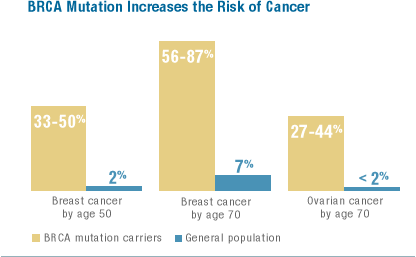
Women with either BRCA mutation have a 65%-74% chance of developing breast cancer in their lifetime. Ovarian cancer risk is increased by 39%-46% in women with a BRCA1 mutation and by 12-20% in women with a BRCA2 mutation. Approximately 1 in 300 to 1 in 800 individuals in the US are BRCA carriers. BRCA mutations may occur more frequently in some populations founded by small ancestral groups, such as Ashkenazi (Eastern European) Jews, French Canadians, and Icelanders. An estimated 1 in 40 Ashkenazi Jews has a BRCA1 or BRCA2 mutation.

The new document addresses the ob-gyn’s role in identifying, managing, and counseling patients with an inherited cancer risk. The initial screening evaluation should include specific questions about personal and family history of breast cancer and ovarian cancer. Because BRCA mutations can be passed down from both the father’s and mother’s side of the family, both sides of a woman’s family should be carefully examined. Obtaining a full family history may be impeded in women who were adopted, those from families that have multiple women who had a hysterectomy and oophorectomy at a young age, or those from families with few female relatives. The results of a general evaluation will help determine whether the patient would benefit from a more in-depth hereditary cancer risk assessment, which should be conducted by a health care provider with expertise in cancer genetics.

Further genetic risk assessment is recommended for women who have more than a 20%-25% chance of having an inherited predisposition to breast or ovarian cancer. These women include:

  • Women with a personal history of both breast cancer and ovarian cancer
  • Women with ovarian cancer and a close relative—defined as mother, sister, daughter, grandmother, granddaughter, aunt—with ovarian cancer, premenopausal breast cancer, or both
  • Women of Ashkenazi Jewish decent with breast cancer who were diagnosed at age 40 or younger or who have ovarian cancer
  • Women with breast cancer at 50 or younger and who have a close relative with ovarian cancer or male breast cancer at any age
  • Women with a close relative with a known BRCA mutation

Genetic risk assessment may also be appropriate for women with a 5%-10% chance of having hereditary risk, including:

  • Women with breast cancer by age 40
  • Women with ovarian cancer, primary peritoneal cancer, or fallopian tube cancer or high grade, serous histology at any age
  • Women with cancer in both breasts (particularly if the first cancer was diagnosed by age 50)
  • Women with breast cancer by age 50 and a close relative with breast cancer by age 50
  • Women with breast cancer at any age and two or more close relatives with breast cancer at any age (particularly if at least one case of breast cancer was diagnosed by age 50)
  • Unaffected women with a close relative that meets one of the previous criteria

Before testing, a genetic counselor can discuss the possible outcomes of testing; options for surveillance, chemoprevention, and risk-reducing surgery; cost and legal and insurance matters surrounding genetic tests and test results; and the psychologic and familial implications that may follow. The counselor can also provide written materials that women can share with family members who may also have an inherited risk.

Screening, Prevention, and Surgical Intervention

Those with hereditary breast and ovarian cancer syndrome can begin a screening and prevention plan based on individual risk factors and family history. Ovarian cancer screening approaches are currently limited. For women with a BRCA mutation, ACOG recommends periodic screening with CA 125 and transvaginal ultrasonography beginning between the ages of 30 and 35 years or 5-10 years earlier than the earliest age of first diagnosis of ovarian cancer in the family.

Risk-reducing salpingo-oophorectomy surgery—which removes both of the ovaries and fallopian tubes—can reduce the risk of ovarian and fallopian tube cancer by about 85% to 90% among BRCA carriers. Women who have BRCA1 or BRCA2 mutations should be offered risk-reducing salpingo-oophorectomy by age 40 or when childbearing is complete. The ideal time for this surgery depends on the type of gene mutation.

‘In this population, risk-reducing salpingo-oophorectomy and pathology review must be extremely comprehensive to check for microscopic cancers in the ovaries, fallopian tubes, and abdominal cavity,’ Dr. Lu said. According to the Practice Bulletin, all tissue from the ovaries and fallopian tubes should be removed, and a complete, serial sectioning that includes microscopic examination for occult cancer should be conducted. A thorough visualization of the peritoneal surfaces with pelvic washings should be performed. Any abnormal areas should undergo biopsy.

Strategies recommended to reduce breast cancer risk in women with a BRCA mutation include semiannual clinical breast examination; an annual mammogram and annual breast magnetic resonance imaging screening beginning at age 25 or sooner based on the earliest age onset in the family; chemoprevention therapy with tamoxifen; and bilateral mastectomy to remove both breasts, which reduces the risk of breast cancer by greater than 90%-95%.

Practice Bulletin #103 “Hereditary Breast and Ovarian Cancer Syndrome” is published in the April 2009 edition of Obstetrics & Gynecology.”

_______________________________________________________

About the American College of Obstetricians & Gynecologists

The American College of Obstetricians and Gynecologists is the national medical organization representing over 53,000 members who provide health care for women.

About the Society of Gynecologic Oncologists

The Society of Gynecologic Oncologists is a national medical specialty organization of physician-surgeons who are trained in the comprehensive management of women with malignancies of the reproductive tract.  The purpose of the SGO is to improve the care of women with gynecologic cancers by encouraging research and disseminating knowledge to raise the standards of practice in the prevention and treatment of gynecologic malignancies, in cooperation with other organizations interested in women’s health care, oncology and related fields. This is reflected in the Society’s Mission statement to “promote and ensure the highest quality
of comprehensive clinical care through excellence in education and research in gynecologic cancers.”

Primary Source:  Routine Screening for Hereditary Breast and Ovarian Cancer Recommended, News Release, American College of Obstetricians & Gynecologists, March 20, 2009.

Two Studies Address Risk Reduction & Screening For BRCA 1/2 Gene Mutation Carriers

“Prophylactic salpingo-oophorectomy – removal of the ovaries and fallopian tubes–reduces the relative risk of breast cancer by approximately 50 percent and the risk of ovarian and fallopian tube cancer by approximately 80 percent in women who carry a mutation in the BRCA1 or BRCA2 gene, researchers report in the January 13 online issue of the Journal of the National Cancer Institute …. Women at high risk of ovarian cancer due to a genetic predisposition may opt for either surveillance or prophylactic bilateral salpingo-oophorectomy (pBSO).  Main objective of our study was to determine the effectiveness of ovarian cancer screening in women with a BRCA1/2 mutation.  At this time,’ Dr. de Bock and colleagues advise, “prophylactic bilateral salpingo-oophorectomy from age 35-40 for BRCA1 carriers and from age 40-45 for BRCA2 carriers is the only effective strategy, as it reduces the risk of ovarian cancer by 96% and may also protect against breast cancer with a risk reduction up to 53% when performed in premenopausal women.’ They add, ‘For women who still want to opt for screening, a more effective screening strategy needs to be designed.'”

Meta-analysis Confirms Value of Risk-Reducing Salpingo-Oophorectomy
for Women with BRCA Mutations

Prophylactic salpingo-oophorectomy – removal of the ovaries and fallopian tubes–reduces the relative risk of breast cancer by approximately 50 percent and the risk of ovarian and fallopian tube cancer by approximately 80 percent in women who carry a mutation in the BRCA1 or BRCA2 gene, researchers report in the January 13 online issue of the Journal of the National Cancer Institute .  Previous studies have shown substantial reduction in the risks of breast and ovarian or fallopian tube cancers in BRCA1/2 mutation carriers following salpingo-oophorectomy. However, the magnitude of the benefit has been unclear.

To establish a more reliable estimate of the magnitude of the benefit, Timothy Rebbeck, Ph.D., of the University of Pennsylvania School of Medicine in Philadelphia, and colleagues analyzed the pooled results of 10 published studies.  They found that risk-reducing salpingo-oophorectomy was associated with a 79 percent relative reduction in ovarian and fallopian tube cancer risk and a 51 percent relative reduction in breast cancer risk in women who carried mutations in BRCA1 or BRCA2 . When the researchers analyzed the effect of the prophylactic surgery on BRCA1 and BRCA2 mutation carriers separately, they found a similar benefit for the two groups in terms of breast cancer risk, with a 53 percent risk reduction for each group. The groups were too small to be examined independently for gynecologic cancer risk. ‘In conclusion, the summary risk reduction estimates presented here confirm that BRCA1/2 mutation carriers who have been treated with [risk-reducing salpingo-oophorectomy] have a substantially reduced risk of both breast and ovarian cancer,’ the authors write. ‘However, residual cancer risk remains after surgery. Therefore, additional cancer risk reduction and screening strategies are required to maximally reduce cancer incidence and mortality in this high-risk population.’

In an accompanying editorial, Mark H. Greene, M.D., and Phuong L. Mai, M.D., of the National Cancer Institute in Bethesda, Md., commend Rebbeck and colleagues ‘ effort and review the steps the study authors took to develop the most precise estimates of risk reduction following prophylactic salpingo-oophorectomy. The results ‘should benefit women who are trying to decide whether or not to undergo [risk-reducing salpingo-oophorectomy],’ the editorialists write. ‘We urge providers of cancer genetics counseling services to adopt the summary risk estimates developed by Rebbeck et al. as those most currently reliable when counseling BRCA mutation carriers.’

Contacts:
Article: Holly Auer, Holly.auer@uphs.upenn.edu ; 215-349-5659
Editorial: NCI Press Officers, ncipressofficers@mail.nih.gov ; 301-496-6641

Citations:
Article: Rebbeck T, et al. Meta-analysis of Risk Reduction Estimates Associated with Risk Reducing Salpingo-
Oophorectomy in BRCA1 or BRCA2 Mutation Carriers
. J Natl Cancer Inst 2009;101: 80 – 87 .
Editorial: Greene M and Mai PL. What Have We Learned from Risk-Reducing Salpingo-oophorectomy? J Natl
Cancer Inst
2009;101: 7 – 71 .”

Quoted SourceMEMO TO THE MEDIA -Meta-analysis Confirms Value of Risk-Reducing Salpingo-oophorectomy for Women with BRCA Mutations, JNCI  2009 101(2):69 (online Jan. 13, 2009).

Time to stop ovarian cancer screening in BRCA1/2 mutation carriers?

“Women at high risk of ovarian cancer due to a genetic predisposition may opt for either surveillance or prophylactic bilateral salpingo-oophorectomy (pBSO).  Main objective of our study was to determine the effectiveness of ovarian cancer screening in women with a BRCA1/2 mutation.

We evaluated 241 consecutive women with a BRCA1 or BRCA2 mutation who were enrolled in the surveillance program for hereditary ovarian cancer from September 1995 until May 2006 at the University Medical Center Groningen (UMCG), The Netherlands. The ovarian cancer screening included annual pelvic examination, transvaginal ultrasound (TVU) and serum CA125 measurement. To evaluate the effectiveness of screening in diagnosing (early stage) ovarian cancer sensitivity, specificity, positive and negative predictive values (PPV and NPV) of pelvic examination, TVU and CA125 were calculated.

Three ovarian cancers were detected during the surveillance period; 1 prevalent cancer, 1 interval cancer and 1 screen-detected cancer, all in an advanced stage (FIGO stage IIIc).  A PPV of 20% was achieved for pelvic examination, 33% for TVU and 6% for CA125 estimation alone. The NPV were 99.4% for pelvic examination, 99.5% for TVU and 99.4% for CA125. All detected ovarian cancers were in an advanced stage, and sensitivities and positive predictive values of the screening modalities are low. Restricting the analyses to incident contacts that contained all 3 screening modalities did not substantially change the outcomes. Annual gynecological screening of women with a BRCA1/2 mutation to prevent advanced stage ovarian cancer is not effective.”

CitationTime to stop ovarian cancer screening in BRCA1/2 mutation carriers?, van der Velde NM, Mourits, MJ,  Arts HJ, et. al.; Int J Cancer 2008;Vol 124: Issue 4: 919-923.

Comment: “At this time,’ Dr. de Bock and colleagues advise, “prophylactic bilateral salpingo-oophorectomy from age 35-40 for BRCA1 carriers and from age 40-45 for BRCA2 carriers is the only effective strategy, as it reduces the risk of ovarian cancer by 96% and may also protect against breast cancer with a risk reduction up to 53% when performed in premenopausal women.’ They add, ‘For women who still want to opt for screening, a more effective screening strategy needs to be designed.'” [SourceAnnual Screening for Ovarian Cancer in BRCA1/2 Carriers Deemed Ineffective, News Article, Cancerpage.com, Feb. 23, 2009.]

Libby’s H*O*P*E*(tm) Adds New Cancer Video Archive Courtesy of Vodpod.com

Yesterday, Libby’s H*O*P*E* added a new cancer video archive to the weblog courtesy of Vodpod.com.  Currently, the archive contains approximately 90 videos that address many general cancer and ovarian cancer issues, as well as the personal voices of those affected by cancer. The new video archive is located on the homepage right sidebar.  All you have to do is “click and play.”

vodpod-logoYesterday, Libby’s H*O*P*E* added a new cancer video archive to the weblog courtesy of Vodpod.com.  Currently, the archive contains approximately 90 videos that address many general cancer and ovarian cancer issues, as well as the personal voices of those affected by cancer. The new video archive is located on the homepage right sidebar.  All you have to do is “click and play.”  The video arrangement is set to “random order” so that new videos appear on the homepage sidebar each time you visit Libby’s H*O*P*E*.

If you are aware of a general cancer/ovarian cancer video that is educational, heartfelt, inspirational, humorous, poignant, or is simply dedicated to the one you love, please provide us with the URL address of the video.  The URL video address can be sent to us by email (click on the “contact” button located at the top of the homepage), or by comment (post a comment under this post).  Upon receipt of the video URL address, we will add the referenced video to the new archive.  We appreciate your participation in adding to our video archive and hope you find the archive helpful.

Let the Sunshine In!

“People with a vitamin D deficiency are as much as twice as likely to die compared to people whose blood contains higher amounts of the so-called sunshine vitamin, Austrian researchers said on Monday. Their study — the latest to suggest a health benefit from the vitamin — showed death rates from any cause as well as from heart-related problems varied greatly depending on vitamin D. ‘This is the first association study that shows vitamin D affects mortality regardless of the reason for death,’ said Harald Dobnig, an internist and endocrinologist at the University of Graz in Austria who led the study. …Many doctors agree that people with low levels of vitamin D cannot make up for it safely by sitting in the sun, but should take supplements. ‘These results should prompt us to perform vitamin D measurements on a more frequent basis especially in populations at risk,’ Dobnig said.”

“People with a vitamin D deficiency are as much as twice as likely to die compared to people whose blood contains higher amounts of the so-called sunshine vitamin, Austrian researchers said on Monday. Their study — the latest to suggest a health benefit from the vitamin — showed death rates from any cause as well as from heart-related problems varied greatly depending on vitamin D. ‘This is the first association study that shows vitamin D affects mortality regardless of the reason for death,’ said Harald Dobnig, an internist and endocrinologist at the University of Graz in Austria who led the study.

The body makes vitamin D when the skin is exposed to sunlight, a reason for its nickname as the ‘sunshine vitamin.’ It is added to milk and fatty fish like salmon but many people do not get enough of it. Vitamin D helps the body absorb calcium and is considered important for bone health. In adults, vitamin D deficiency can lead to osteoporosis, and it can lead to rickets in children. A number of recent studies have also indicated vitamin D may offer a variety of other health benefits, including protecting against cancer, peripheral artery disease and tuberculosis. Last week, U.S. researchers said vitamin D may extend the lives of people with colon and rectal cancer.

Dobnig and colleagues, who reported their findings in the Archives of Internal Medicine, studied more than 3,200 people with an average age of 62 who were scheduled for a heart exam between 1997 and 2000. During an eight-year follow-up the researchers found that the quarter of volunteers with the lowest levels of vitamin D in their blood were at greater risk of dying. ‘Even when accounting for factors such as heart disease, exercise and other conditions, the researchers found that the risk was double for people with between 5 to 10 nanograms per millilitre of vitamin D in their blood,’ Dobnig said. ‘Most doctors believe people should have between 20 to 30 nanograms per millilitre of the vitamin in their blood,’ he added in a telephone interview.

What causes this effect is not clear, but Dobnig pointed to a host of studies suggesting links to high blood pressure, cancer and fractures as places to begin looking. ‘The potential health risk of low levels of vitamin D should also prod physicians to be more aware of the potential problem, especially for the immobile, elderly and others who spend a great amount of time indoors,’ he added. Many doctors agree that people with low levels of vitamin D cannot make up for it safely by sitting in the sun, but should take supplements. ‘These results should prompt us to perform vitamin D measurements on a more frequent basis especially in populations at risk,’ Dobnig said.”

[Quoted Source: Study shows more benefits of sunshine vitamin, by Michael Kahn, Reuters Health On-Line News Release, June 24, 2008 (summarizing the findings of Independent association of low serum 25-hydroxyvitamin d and 1,25-dihydroxyvitamin d levels with all-cause and cardiovascular mortality; Dobnig, H. et. al., Arch Intern Med. 2008 Jun 23;168(12):1340-9.)]

Additional Information:

Updates:

Can Talcum Powder Cause Ovarian Cancer?

“A coalition of public health experts, medical doctors and consumers organizations is petitioning the U.S. Department of Health and Human Services and the Food and Drug Administration for labels on talcum powder products warning that frequent use is linked to ovarian cancer.

The petition addresses Secretary of Health and Human Services Mike Leavitt, and Commissioner of Food and Drugs Andrew C. von Eschenbach, M.D., a former director of the National Cancer Institute.

The group seeks labels with a warning such as, ‘Frequent application of talcum powder in the female genital area substantially increases the risk of ovarian cancer,’ on all cosmetic talcum products. The petition also seeks a public hearing at which evidence can be presented that the genital application of talc can result in its translocation to the ovary.

The Citizen Petition is submitted on behalf of: Samuel S. Epstein, M.D., Chairman, Cancer Prevention Coalition (CPC), and Professor emeritus Occupational and Environmental Medicine, University of Illinois at Chicago School of Public Health; Peter Orris, M.D., Professor and Chief of Service, University of Illinois at Chicago Medical Center; Quentin Young, M.D., Chairman, Health and Medicine Policy Research Group, Chicago; Rosalie Bertell, Ph.D., International Association for Humanitarian Medicine, Scientific Advisor to the International Institute of Concern for Public Health, Toronto, and the International Science Oversight Board of the Organic Consumers Association, Washington, D.C.; and Ronnie Cummins, National Director of the Organic Consumers Association.

This is not the first petition seeking such warning labels. On November 17, 1994, the Cancer Prevention Coalition and the New York Center for Constitutional Right submitted a Citizen Petition to the Commissioner of the FDA, “Seeking Carcinogenic Labeling on all Cosmetic Talc Products.”

The scientific basis of the 1994 Petition was admitted by the industry. In an August 12, 1982, article in the New York Times, Johnson & Johnson, the manufacturer and retailer of talc dusting powder, stated it was aware of a publication which concluded that frequent genital application of talc was responsible for a three-fold increased risk of ovarian cancer.

_______________________________________________________________________________________

PETITION SEEKING A CANCER WARNING ON COSMETIC TALC PRODUCTS

May 13, 2008

Mike Leavitt
Secretary of Health and Human Services
U.S. Department of Health and Human Services

Andrew C. von Eschenbach, M.D.
Commissioner of Food and Drugs

Dockets Management Branch
Food and Drug Administration, Room 1601
5630 Fishers Lane
Rockville, MD 20852

This Petition, submitted under 21 U.S.C. 321 (n), 361, 362, and 371 (a); and 21 CFR 740.1, 740.2 of 21 CFR 10.30 of the Federal Food, Drug and Cosmetic Act, requests the Commissioner of Food and Drugs to require that all cosmetic talc products bear labels with a warning such as, “Frequent application of talcum powder in the female genital area substantially increases the risk of ovarian cancer.”

A. AGENCY ACTION REQUESTED

This Petition requests FDA to take the following action:
(1) Immediately require cosmetic talcum powder products to bear labels with a prominent warning such as: “Frequent talc application in the female genital area is responsible for major risks of ovarian cancer.”

(2) Pursuant to 21 CFR 10.30 (h) (2), a hearing which will be held at which time we can present scientific evidence in support of this Petition.

B. STATEMENT OF GROUNDS
On November 17, 1994, the Cancer Prevention Coalition and the New York Center for Constitutional Rights submitted a Citizen Petition to the Commissioner of the FDA, “Seeking Carcinogenic Labeling on all Cosmetic Talc Products.”

The Petition was endorsed by Quentin Young, M.D., Chairman of The Health and Medicine Policy Research Group, Peter Orris, M.D., Director of Health Hazard Evaluation, Cook County Hospital, and Professor of Medicine, University of Illinois Medical School, Chicago, Nancy Nelson, Chair of the Ovarian Cancer Early Detection and Prevention Foundation, and subsequently by Senator Edward Kennedy. In a 1997 statement to the Senate, he requested the FDA to place a cancer warning on the label of talc products, besides other products containing known carcinogens. However, over a decade later his warning remains ignored.

The 1994 Petition was supported by 15 scientific publications. These included nine, from 1983 to 1992, on the major risks of ovarian cancer from the frequent application of brand or generic talc “baby powder” to the genital area of women without any warning of the risks involved. Two of these publications also reported that the genital application of talc could result in its translocation to the ovary.

The scientific basis of the 1994 Petition was further supported by J. Mande, Acting Associate Commissioner for Legislative Affairs of the Department of Health and Human Services. On August 25, 1993, he admitted that “We are aware that there have been reports in the medical literature between frequent direct female perineal talc dusting over a protracted period of years, and an incremental increase in the statistical odds of subsequent development of certain ovarian cancers … (However) at the present time, the FDA is not considering to ban, restrict or require a warning statement on the label of talc containing products.”

The scientific basis of the 1994 Petition was also admitted by the industry. In an August 12, 1982, article in the New York Times, Johnson & Johnson, the manufacturer and retailer of talc dusting powder, stated it was aware of a publication which concluded that frequent genital application of talc was responsible for a three-fold increased risk of ovarian cancer.

Warnings of these risks were emphasized by the Cancer Prevention Coalition in November 19, 1994, in letters to Mr. Ralph Larsen, CEO of Johnson & Johnson, and Mr. C.R. Walgreen, Chairman and CEO of Walgreens. Johnson & Johnson was urged to substitute cornstarch, a safe organic carbohydrate, for talcum powder products, and also to label its products with a warning on cancer risks.

In spite of the scientific evidence, and admission by Johnson & Johnson, the Petition was denied by Dr. John Bailey, FDA’s Director of the Office of Cosmetics and Colors, on the basis of the “limited availability” (of Agency resources) and on alleged scientific grounds. Dr. Bailey is currently Director of the industry’s Personal Care Products Council.

Evidence for the May 2008 Petition is supported by Edward Kavanaugh, President of the industry’s Cosmetic Toiletry and Fragrance Association. In 2002, he admitted that talc is “toxic,” that it “can reach the human ovaries,” and that prior epidemiological investigations concluded that its genital application increased the risk of ovarian cancer.

Further evidence for this Petition is based on 12 publications since 1995, cited below. These confirm the causal relation between genital application of talc and ovarian cancer, and the protective effect of tubal ligation or hysterectomy, preventing the translocation of talc to the ovary.

As Dr. Andrew C. von Eschenbach, former Director of the National Cancer Institute, is aware, the mortality of ovarian cancer for women over the age of 65, has escalated dramatically since 1975, by 13% for white and 47% for black women (1). There are about 15,300 deaths from ovarian cancer each year. This makes it the fourth most common fatal cancer in women after colon, breast and lung.

A case-control study, the largest to date, confirmed the relation between the perineal use of talc and ovarian cancer (2). This has also been confirmed by other reports (3-7). In view of the strength of this evidence, “formal public health warnings” were urged in 1999 (8).

An analysis of 16 pooled studies confirmed a statistically significant 33% increased risk of ovarian cancer associated with the perineal use of talc (9). A report by 19 scientists in eight nations worldwide, under the auspices of the International Agency for Research on Cancer, concluded that eight publications confirmed a 30-60% increased risk of ovarian cancer following the perineal application of talc (10). This risk has been confirmed in other reports (11, 12).

The protective effects of tubal ligation or hysterectomy, preventing the translocation of talc from the perineum to the ovary, have also been confirmed (2, 3, 4, 7).

C. CLAIM FOR CATEGORICAL EXCLUSION
A claim for categorical exclusion is asserted pursuant to 21 CFR 25.24 (a) (11).

D. CERTIFICATION
The undersigned certifies, that, to his best knowledge and belief, this petition includes all information and views on which the petition relies, and that it includes representative data and information known to the petitioner which are unfavorable to the petition.

This petition is submitted by:
Samuel S. Epstein, M.D.
Chairman, Cancer Prevention Coalition
Professor emeritus Occupational and Environmental Medicine
University of Illinois School of Public Health, Chicago

REFERENCES
1. National Cancer Institute. SEER Cancer Statistics Review, 2005 (posted 2008).

2. Purdie D, et al. Reproductive and other factors and risk of epithelial ovarian cancer: an Australian case-control study. Survey of Women’s Health Study Group. Int J Cancer Sep 15;62(6):678-684, 1995.

3. Kasper CS & Chandler PJ Jr. Possible morbidity in women from talc on condoms [letter]. JAMA March 15;273(11):846-847, 1995.

4. Cramer DW & Xu H. Epidemiologic evidence for uterine growth factors in the pathogenesis of ovarian cancer. Ann Epidemiol July;5(4):310-314, 1995.

5. Chang S & Risch HA. Perineal talc exposure and risk of ovarian carcinoma. Cancer June 15; 79(12):2396-2401, 1997.

6. Daly M & Obrams GI. Epidemiology and risk assessment for ovarian cancer. Semin Oncol June 25(3):255-264, 1998.

7. Green A, et al. Tubal sterilisation, hysterectomy and decreased risk of ovarian cancer. Survey of Women’s Health Study Group. Int J Cancer June 11;71(6):948-951, 1997.

8. Cramer DW, et al. Genital talc exposure and risk of ovarian cancer. Int J Cancer May 5;81(3):351-356, 1999.

9. Huncharek M, et al. Perineal application of cosmetic talc and risk of invasive epithelial ovarian cancer: a meta-analysis of 11,933 subjects from sixteen observational studies. Anticancer Res Mar-Apr;23(2C):1955-1960, 2003.

10. Baan R, et al. Carcinogenicity of carbon black, titanium dioxide, and talc. The Lancet Oncology April vol 7:295-296, 2006.

11. Langseth H, et al. Perineal use of talc and risk of ovarian cancer. J Epidemiol Community Health April 62(4):358-360, 2008.

12. Merritt MA, et al. Talcum powder, chronic pelvic inflammation and NSAIDS in relation to risk of epithelial ovarian cancer. Int J Cancer 122:170-176, 2008.

CONTACT:
Samuel S. Epstein, M.D.
UIC School of Public Health
MC 922 – 2121 W. Taylor St.
Chicago, IL 60612
312-996-2297
epstein@uic.edu
Chairman Cancer Prevention Coalition
http://www.preventcancer.com”

[Quoted Source: Petition Seeks a Cancer Warning on Cosmetic Talc Products, World Wire Press Release dated May 15, 2008.]

Additional Resources (including contrarian views):

Comment: Until additional information is available about the safety of talc use, women who use talcum powder may wish to consider avoiding these products or substituting cornstarch-based powders that contain no talc. There is no evidence at present linking cornstarch powders with any form of cancer.

2008 American Society of Clinical Oncology (ASCO) Annual Meeting Abstracts Available On-Line

The 44th Annual Meeting of the American Society of Clinical Oncology (ASCO) will be held on May 30th through June 3rd, 2008 in Chicago, Illinois. Under a new policy, ASCO publicly released clinical trial brief abstracts two weeks before the start of its 2008 Annual Meeting on May 30th, where full results will be presented before thousands of cancer doctors. The new ASCO policy was intended to avoid stock trading on non-public information that was believed to have occurred under a prior policy in which ASCO mailed out abstracts under embargo weeks before its annual meeting.

I have provided hyperlinks below to a variety of cancer topics that may be of interest to ovarian cancer survivors. Please note that with the exception of the first “ovarian cancer” category listed below, the remaining categories will contain abstracts that address various types of cancer. H*O*P*E*™ will provide one or more posts that address ovarian cancer abstract highlights after the completion of the 2008 ASCO Annual Meeting on June 3rd.

Gynecologic Cancer:

Ovarian Cancer

Developmental Therapeutics: Cytotoxic Chemotherapy:

Cytotoxic Chemotherapy
Drug Resistance
Pharmacology / Pharmacokinetics
Phase I Studies

Developmental Therapeutics: Immunotherapy:

Antibodies
Cell-Based Therapy
Cytokines
Other: developmental therapeutics: immunotherapy
Vaccines

Developmental Therapeutics: Molecular Therapeutics:

Antiangiogenic or Antimetastatic Agents
Cell Cycle Inhibitors
Chemoprevention
Epigenetic Strategies
Functional Imaging
Gene Therapy/Antisense Strategies
Other Novel Agents
Pharmacodynamics
Pharmacogenomics
Pro-Apoptotic Agents
Receptor-Targeted Antibodies/Ligands
Tyrosine Kinase Inhibitors
Vascular Targeting

Tumor Biology and Human Genetics:

Cancer Genetics
Epidemiology / Molecular Epidemiology
Immunobiology
Molecular Diagnostics and Staging
Molecular Targets
Other: Tumor Biology and Human Genetics
Prognostic Factors
Radiation Biology
Tumor and Cell Biology

Cancer Prevention:

Cancer Prevention

Patient Care:

Cancer in Older Patients
Cancer-Related Complications
End-of-Life Care
Other: patient care
Palliative Care
Quality-of-Life Management
Supportive Care

Health Services Research:

Health Services Research
Outcomes Research
Practice Management/Professional Issues

Take The “Check-Up Day Pledge” and Register For the “Woman Challenge” During Women’s National Health Week

” …Women are often the caregivers for their spouses, children and parents and forget to focus on their own health. But research shows that when women take care of themselves, the health of their family improves. …”

National Women’s Health Week empowers women across the country to get healthy by taking action. The nationwide initiative, coordinated by the U.S. Department of Health and Human ServicesOffice on Women’s Health (OWH), encourages women to make their health a top priority and take simple steps for a longer, healthier and happier life. During the week, families, communities, businesses, government, health organizations and other groups work together to educate women about steps they can take to improve their physical and mental health and prevent disease, like:

* Engaging in physical activity most days of the week;

* Eating a nutritious diet;

* Visiting a healthcare provider to receive regular check-ups and preventive screenings; and

* Avoiding risky behaviors, like smoking and not wearing a seatbelt.

It is important to celebrate National Women’s Health Week to remind women that taking care of themselves is essential to living longer, healthier and happier lives. Women are often the caregivers for their spouses, children and parents and forget to focus on their own health. But research shows that when women take care of themselves, the health of their family improves. During National Women’s Health Week it is important to educate our wives, mothers, grandmothers, daughters, sisters, aunts and girlfriends about the steps they can take to improve their health and prevent disease. After all, when women take even the simplest steps to improve their health, the results can be significant and everyone will benefit. The 9th Annual National Women’s Health Week began on Mother’s Day, May 11, 2008 and will be celebrated until May 17, 2008.

National Women’s Check-Up Day is a nationwide effort, coordinated by the U.S. Department of Health and Human Services’ Office on Women’s Health, to:

* Encourage women to visit health care professionals to receive or schedule a check-up; and
* Promote regular check-ups as vital to the early detection of heart disease, diabetes, cancer, mental health illnesses, sexually transmitted diseases, and other conditions.

As part of National Women’s Check-Up Day, the U.S. Department of Health and Human Services, Agency for HealthCare Research and Quality, provides a health checklist entitled, “Women: Stay Healthy At Any Age, Your Health Checklist.” Top health experts from the U.S. Preventive Services Task Force suggest that when you go for your next checkup, you should use the health checklist and talk to your doctor or nurse about how you can stay healthy regardless of age.

The WOMAN Challenge, a free eight week challenge encouraging women and girls (ages 9 and older) to walk 10,000 steps a day or get 30 minutes of moderate exercise daily. Team participation is highly encouraged, so create a team with your friends, family or coworkers. The WOMAN Challenge is a great way to get the exercise you need while having fun and staying motivated. It begins on Mother’s Day, May 11, and ends on July 5, 2008.

Click Here to Take the “Check-Up Day Pledge”

Click Here to Register for the “Women Challenge”

Derivative Vitamin A Compound Prevents Ovarian Cancer In the Lab

…The compound, which still faces several rounds of clinical trials, successfully stopped normal cells from turning into cancer cells and inhibited the ability of tumors to grow and form blood vessels. If successful tests continue, researchers eventually hope to create a daily pill that would be taken as a cancer preventive. …”

“While researching new ways to stop the progression of cancer, researchers at the University of Oklahoma Health Sciences Center, have discovered a compound that has shown to prevent cancer in the laboratory. The compound, which still faces several rounds of clinical trials, successfully stopped normal cells from turning into cancer cells and inhibited the ability of tumors to grow and form blood vessels. If successful tests continue, researchers eventually hope to create a daily pill that would be taken as a cancer preventive. ‘This compound was effective against the 12 types of cancers that it was tested on,’ said Doris Benbrook, Ph.D., principle investigator and researcher at the OU Cancer Institute. ‘Even more promising for health care is that it prevents the transformation of normal cells into cancer cells and is therefore now being developed by the National Cancer Institute as a cancer prevention drug.’

The synthetic compound, SHetA2, a Flex-Het drug, directly targets abnormalities in cancer cell components without damaging normal cells. The disruption causes cancer cells to die and keeps tumors from forming. Flex-Hets or flexible heteroarotinoids are synthetic compounds that can change certain parts of a cell and affect its growth. Among the diseases and conditions being studied for treatment with Flex-Hets are polycystic kidney disease, kidney cancer and ovarian cancer. Benbrook and her research team have patented the Flex-Het discovery and hope to start clinical trials for the compound within 5 years. If the compound is found to be safe, it would be developed into a pill to be taken daily like a multi-vitamin to prevent cancer.

The compound also could be used to prevent cancer from returning after traditional radiation and chemotherapy treatments, especially in cancers that are caught in later stages such as ovarian cancer where life expectancy can be as short as 6 months after treatment. ‘It would be a significant advancement in health care if this pill is effective in preventing cancer, and we could avoid the severe toxicity and suffering that late stage cancer patients have to experience,’ Benbrook said.”

[Quoted Source: “Chemical Compound Prevents Cancer In Lab,” Science News, ScienceDaily, May 14, 2008].

Additional Information: The foundational in vivo study performed by Benbrook et. al. involving use of various retinoids, including SHetA2, against ovarian cancer is entitled, Effects of Retinoids on Cancerous Phenotype and Apoptosis in Organotypic Cultures of Ovarian Carcinoma, Benbrook, D. et. al; Journal of the National Cancer Institute, Vol. 93, No. 7, 516-525, April 4, 2001. Click here for full text Adobe PDF copy.

Testing and Management for Hereditary Breast and Ovarian Cancer

The term “hereditary cancer syndrome” describes an inherited gene mutation that increases the chance to develop one or more types of cancer. For instance, the main hereditary breast cancer syndromes-caused by mutations in the BRCA1 or BRCA2 genes-are also associated with an increased risk for ovarian cancer. Testing is available to identify hereditary breast and ovarian cancer (HBOC) syndrome. Signs of hereditary breast & ovarian cancer syndrome may include, but are not limited to:

  • Breast cancer at age 45 or younger
  • Breast cancer in both breasts in a woman at any age
  • Both breast and ovarian cancer in the same woman
  • Two or more family members with ovarian cancer and/or breast cancer, especially if the breast cancer was diagnosed at or before age 50
  • At least one family member with breast cancer and one with ovarian cancer
  • Breast cancer in men
  • A number of relatives on the same side of the family with breast or ovarian cancer and one of these cancers:

o Prostate cancer
o Pancreatic cancer
o Melanoma

Identifying HBOC is important because there are effective medical options that can reduce the high risk of breast and/or ovarian cancer associated with this syndrome.

The video Making Informed Decisions: Testing & Management for Hereditary Breast and Ovarian Cancer, created by Myriad Genetic Laboratories, Inc., is designed to answer common questions about HBOC syndrome testing and medical management options. In the video, you will meet several women who share their experiences with genetic testing and the use of genetic test results to make decisions regarding their healthcare, including genetic risk management.

Please note that the video is not a substitute for consultation with your doctor. With the information from this video, you should consult with your doctor so as to make the most informed decision possible regarding testing and management of HBOC syndrome.

You can view the 22 minute video by clicking on the hyperlink below. The video viewing screen is located under the “Ovarian Cancer Video Archive” posting dated May 6, 2008.

Making Informed Decisions: Testing & Management for Hereditary Breast and Ovarian Cancer Video

Comment/Additional Resources: For more information regarding HBOC syndrome, genetic testing, genetic counseling & counselors, and genetic risk management, please click the “Genetics” caption tab located at the top of the H*O*P*E* homepage. The BRCA mutation chart above was provided by Myriad Genetics Laboratories, Inc.

Jewish Women Change Their Destinies by Testing for Genetic Mutation

“One in 40 Ashkenazi Jews – compared to one in 500 in the general population – carries a mutation that gives women a 50 percent to 85 percent chance of getting breast cancer by the time they are 80. The genetic mutation, discovered in 1994, also increases the likelihood of melanoma and ovarian, prostate or pancreatic cancer. While within the general population about 5 percent of cancers can be attributed to a hereditary syndrome, in the Jewish community, that number is closer to 30 percent. ”

“Erika Taylor didn’t want to know whether she had the breast cancer gene.

‘My thinking was I would never get a prophylactic mastectomy,’ Taylor, 44, said of the idea of removing her breasts as a preventive measure. ‘I just thought it was horrible thing to do to myself, and if I was unwilling to do that, why bother finding out?’

Her grandmother died of breast cancer at 56, and her mother battled and beat the disease in her 30s. Taylor, who is single and the mother of a 14-year-old boy, always suspected cancer was in her future, but taking steps to confirm that was not something she wanted to do. Until she got her own diagnosis.

A routine mammogram last November revealed early stage noninvasive cancer cells in Taylor’s milk ducts, making information about her genetic status vital for determining her treatment.

All of a sudden, the idea of ‘I would never do such a thing’ goes out the window,’ she said. ‘It’s astonishing how quickly you go, ‘OK, OK, what do I need to do? I’ll do it.” Taylor’s mother tested first, and when she was identified as a carrier of the BRCA 2 genetic mutation common in Ashkenazi Jews, Taylor tested next. In January, she found out she, too, carries the gene that makes it likely that even if she were to rid herself of her diagnosed cancer, it would probably recur.

Like a growing number of women, Taylor faced both the gift and the terror of knowledge.

One in 40 Ashkenazi Jews – compared to one in 500 in the general population – carries a mutation that gives women a 50 percent to 85 percent chance of getting breast cancer by the time they are 80. The genetic mutation, discovered in 1994, also increases the likelihood of melanoma and ovarian, prostate or pancreatic cancer. While within the general population about 5 percent of cancers can be attributed to a hereditary syndrome, in the Jewish community, that number is closer to 30 percent.

The good news is that knowledge about how the mutation causes cancer is opening scientific doors to more effective, targeted treatment for those already diagnosed. And people who have the genetic mutation can take preventative measures to drastically reduce their breast and ovarian cancer risk.

Surgery – removal of the breasts and ovaries – reduces the risk of breast cancer by 90 percent, to well below the 13 percent odds of getting breast cancer in the general population. But less-drastic measures, such as drug therapy, removal of just the ovaries and careful screening to catch and cure the cancer at an early stage, can also save lives. Genetic information also helps women feel empowered to take control of other factors that raise risk, such as smoking, alcohol consumption and obesity.

‘The use of genetic information to understand a person’s risk for diseases like cancer is clearly reaping huge benefits,’ said Dr. William Audeh, a medical oncologist with an emphasis on hereditary risk at Cedars-Sinai Medical Center‘s Samuel Oschin Comprehensive Cancer Institute. ‘It’s gone from being a somewhat frightening piece of information that gave people concerns to a hugely important piece of information that empowers people to either take preventative steps that can save their lives or to accurately target therapy if one develops cancer. There is a general understanding that genetic information for cancer is going to be critical for taking the best care of people.’

Knowing she had the genetic mutation sent Taylor, editor of the trade publication, Pool and Spa magazine, into a tailspin of research and soul-searching. Treatment for DCIS (ductal carcinoma in situ) usually consists of removal of the tumor and perhaps radiation. But Taylor’s genetic status put her in a different risk category, and after hearing from four different doctors that her cancer, even if cured, would return, she opted for a double mastectomy and reconstruction. Her surgery is scheduled for May.

Taking the test

While Taylor confirmed her genetic status after a cancer diagnosis, experts encourage people to test before cancer strikes. For Ashkenazi Jews, having just one relative who has had premenopausal breast cancer warrants getting tested, according to geneticists. (For non-Jews, testing is indicated if there are two relatives.) Any history of male breast cancer or any ovarian cancer in the family also raises a red flag, as do multiple cases of melanoma or pancreatic cancer. And women who themselves have early onset breast cancer should be tested, so they can tailor their treatment and inform other family members.

In the last five years, the number of people testing for the BRCA mutation has increased by 50 percent every year, according to Myriad Genetics, which patented the blood test for BRCA about 12 years ago. About 70,000 people tested last year. Myriad recently launched an East Coast direct-marketing campaign for the test.

Of the estimated 600,000 people who carry the gene in the United States, only about 20,000 have been identified. Of those 600,000 carriers, about 150,000 are Jewish, mostly Ashkenazi. Other ethnic groups, such as French Canadians and Filipinas, also have a genetic predisposition, as do some Latina subpopulations – some of which have been traced back to having Jewish genes.

Only about 15 percent of people who test come out with positive results, though the percentage is somewhat higher among Jews. But even a negative result is not entirely reassuring, since it indicates only that the specific mutations were not found. Other as-yet-undiscovered mutations, or other genes, could also cause a heavy incidence of cancer in a family, according to Dr. Ora Gordon, director of the GenRISK adult genetics program at Cedars.

Gordon encourages anyone being tested to see a genetic counselor to get the results properly interpreted and to understand their options if they find out they are carriers.

‘When learning about this for the first time, very frequently people say to themselves, If I’m not going to have surgery, I shouldn’t get this test.” Gordon said. ‘But that would be a tremendous loss in terms of potential reassurance for people who are not carriers and for identifying people who might have a whole variety of other options that might provide very substantial risk reduction.’

Prophylactic bilateral mastectomy – or having both breasts removed before any sign of cancer – seems to be growing in popularity as an option in the United States, though hard statistics are just now being compiled.

One recent study of women with the BRCA mutation and a cancer diagnosis put the rate of mastectomy at 50 percent in the United States, the highest by far of anywhere in the world. In Israel, that number is 2 percent, Gordon said.

In Los Angeles in particular, the numbers seem to be especially high.

Gordon estimates that 65 percent to 70 percent of BRCA-positive women in Cedars’ cancer programs opt for the surgery, some immediately, some after a few years of surveillance. ‘The quantity and quality of medical options makes the surgery more attractive in big cities, and Los Angeles has a high tolerance for breast surgery,’ Gordon said. She is spearheading a study about decision-making among BRCA-positive women at Cedars’ Gilda Radner early detection program, which screens genetically high-risk women for ovarian cancer.

Gordon understands that a woman’s decision about treatment is intertwined with her relationship status, her self-image and how many family members she saw battle or succumb to cancer.

Surgery or surveillance?

‘The decision to take off your breasts is really hard. It’s a part of your body that is associated with your outward appearance, and it’s a part of who you are. It’s a part of your sex life,’ said Joi Morris, who was 41 when she learned she carried the same genetic mutation that gave her mother and grandmother breast cancer at a young age.

Morris remembers a day, not long after she found out, when she really confronted the issue as her sons, then 7 and 10, played at the beach.

‘My kids were in the water and jumping and playing and having a fabulous time, and I looked down at my breasts in my swimming suit and thought, “Oh my God, what would it be like to not have these?'” ‘It’s a seesaw of emotions,’ she said, because at the same time, ‘you wake up every morning, and you know you are at risk, and you wonder if there is something in there you can’t find.’

Morris initially opted for close surveillance – a regimen of regular mammograms, manual exams, ultrasounds and breast MRIs – the most sensitive, noninvasive screening available, used only for high-risk patients. Her first MRI revealed a lump close to her chest wall.

‘I panicked. There is no other way to put it. That lump turned out to be benign, but the whole process was so stressful for me and hard on my family. I just decided if this lump is not cancer, the next one could be,’ Morris said.

She had a prophylactic bilateral mastectomy, with immediate reconstruction. As it turned out, her surgery wasn’t prophylactic at all – pathology revealed pre-cancerous cells scattered throughout both breasts.

Early in the process, Morris turned for support and information to FORCE: Facing Our Risk for Cancer Empowered, an organization that advocates for people at high genetic risk for breast and ovarian cancer.

Today, she is an outreach coordinator for FORCE, helping link women through face-to-face groups and one-on-one pairings as they face life-altering decisions.

‘It was very hard getting those results,’ said Lisa Stein, a 43-year-old mother of two, who found out she has the gene last year. ‘I was trying to prepare for being positive, but I don’t think you ever can. After I got the results, I really struggled. I was feeling raw for a while, crying easily knowing that it was going to be life-changing.’

Stein’s mother died of breast cancer at 57, and her grandmother died of ovarian cancer, but she didn’t test until her older sister, Lauren Rothman, tested positive.

Rothman opted for a mastectomy, but Stein chose to keep her breasts.

‘I think I knew instinctively that I was not going to have a double mastectomy. That felt too radical to me,’ Stein said. ‘I didn’t feel psychologically prepared or that it was necessary. I don’t feel like cancer is imminent; I feel like I have a few years to take it in and think about it and prepare, so I’ve put that decision on hold.’

She goes in for screening every few months, and she said the anxiety of waiting for those results has been manageable.

Both Rothman and Stein had their ovaries removed, however, which doctors are now recommending for women who test positive and who are finished having children or who are over age 35. Removing ovaries not only reduces the risk of ovarian cancer – which is notoriously hard to catch early and thus has a high mortality rate – but it reduces the risk of breast cancer by 50 percent. Stein also went on Tamoxifen, a drug taken by breast cancer survivors to reduce the risk of recurrence and which reduces risk by 50 percent in BRCA-positive women. The birth control pill, which stops the ovaries from cycling, can also reduce the risk of ovarian cancer but requires more vigilant screening for breast cancer.

Both ovary removal and Tamoxifen push women into menopause, with all its emotional, sexual and physiological ramifications.

‘I think of myself as a healthy person but not like I used to – it’s kind of tainted,’ Stein said. ‘It’s an identity issue. I still think of myself as youthful, but suddenly, I’m dealing with instant menopause, and that doesn’t sit well with me. But I’m dealing with it.’

Stein and Rothman provide support for each other, despite the different routes they’ve taken.

‘I came to reality very quickly – and the reality was I wanted to see my children grow up, and I didn’t want cancer, and I didn’t want chemotherapy. I wanted the rest of my life,’ Rothman said. Her daughters were 3 and 5 years old when she had surgery.

Rothman, a program director for Hadassah of Southern California, traveled to New Orleans for her breast procedure – two surgeries and tatoooing – at a small clinic that specializes in natural-tissue reconstruction, where a solid flap of fat is removed from the belly and inserted into the shell of the breast after tissue has been removed. The surgery offers a more natural result than silicone implants, though it is longer and more involved.

‘This procedure has provided me with a new outlook on life. It has taken a huge weight off my shoulder,’ Rothman said. ‘I no longer go into mammograms thinking, “Is this the year I’m going to get cancer like mom?'”

And she loves her new body – she got not only a breast lift but a bonus tummy tuck, too.

Advances in reconstructive techniques mean that women have several options for maintaining a body they can feel proud of.

Decades ago, radical mastectomies removed all the tissue and muscle of the chest wall. Today, the muscle is not removed, and reconstructive surgery, usually at the time of mastectomy, can leave intact the women’s natural skin, but in most cases the nipples and areola are removed. A silicone implant, or, as in Rothman’s case, fat from the abdomen, fills the pocket from which breast tissue was removed. Nipples and areola are tattooed on, or some surgeons use a new technique that leaves a woman’s own nipple and areola intact. Doctors try to bury scars in the fold beneath the breast, though that is not always possible.

But even the most beautifully done reconstructions leave a woman with scars and no sensation in her breasts.

‘When women come to see me, my approach is to listen to them and find out where they are in life and how they relate to their own breasts,’ said Dr. Kristi Funk, a breast surgeon and director of patient education at Cedars’ Brandman Breast Center. ‘Women have different feelings about sexuality and what roles breasts play, and that makes a big difference.’

Funk also finds out about the woman’s relationship status, and how she has been affected by a family history of cancer.

More information, better treatment

Family histories can be deceptive, however. Some families don’t know their medical histories, because they were lost due to the Holocaust or immigration.

The gene also can hide out in male members of a family.

A BRCA 1 gene mutation raises the risk of male breast cancer to 6 percent, and there is no increased risk for other cancers. BRCA 2 mutation also increases the risk for melanoma, prostate and pancreatic cancer. Still, men who carry the gene are likely never to get any cancer, although they have a 50 percent chance of passing the gene to children. Families with few females may never discern any cancer history.

Dora Cohen (not her real name) suspects it was her father who passed the BRCA 1 gene mutation to her. Last year, she was diagnosed with DCIS, a noninvasive cancer, which was treated with a lumpectomy and radiation. Of the many oncologists she saw, only one recommended that as an Ashkenazi woman in her 40s, she probably should have genetic testing.

In the last six months, Dora has had her ovaries, uterus and breasts removed.

Her daughter, Diane (not her real name), who is 27 and has been married for two years, doesn’t want to get tested yet.

‘I see what my mom is going through,’ Diane said. ‘I want to have kids, and I’m not in a place where I would take those measures [mastectomy and removal of the ovaries]. Knowing I’m positive and having that pressure on me would be something very difficult to live with.’

She and her husband of two years have pushed up their plans for children, and she worries that a positive test could jeopardize her medical insurance, especially because she is self-employed.

Federal and California law provide fairly good protection against genetic discrimination from insurers, stipulating that a genetic predisposition cannot be considered a pre-existing condition. But individual policies are not as well protected as group policies.

Still, genetics experts say much of the fear is overblown. They point out that there has been little litigation involving genetic discrimination, and that the insurance industry is open to the reality that genetic testing can lead to better and more cost-effective treatment. Most insurers cover genetic testing, and some genetic counseling – a rapidly growing field.

‘The genetics community has been struggling to help people understand the importance of talking to someone who knows the nuances of genetic testing,’ said Heather Shappell, a genetic counselor and founder of Informed Medical Decisions, which offers over-the-phone genetic counseling.

‘Genetic tests do not always yield a yes-or-no answer,’ Shappell said, ‘and often doctors aren’t sure how to read the results and guide patients through their decisions.’

In August, Aetna extended full coverage for Shappell’s phone-counseling services to its 14 million policyholders.

What geneticists are looking for is an error in the sequencing of the BRCA gene.

All people carry two genes, BRCA 1 and BRCA 2, which prevent cancer by repairing damaged cells. A mutation damages the genes’ repair function, which leads to uncontrolled growth and causes cells to become cancerous.

About 95 percent of Ashkenazi Jews who have the mutation have one of three errors, which means the mutation is easier to find and the test costs much less – about $400, as compared to $3,000 for a test that analyzes the entire gene.

As researchers learn more about how BRCA mutations cause cancer, they are developing targeted treatments.

A clinical trial with sites at Cedars and City of Hope uses a drug called a PARP-inhibitor to shut down the cell’s backup repair function. Normal cells are not affected, because the primary repair pathway is still functioning. But cancerous cells are left with no functioning repair system, so those cells die. Because normal cells are not affected, there are few major side effects.

‘We have a promising situation where you have a treatment which is completely targeted to cancer and leaves the normal cells alone. And that is very different from treatments like chemotherapy, where there is toxicity to every cell,’ said Audeh of Cedars.

Another study in Israel has found that women with ovarian cancer who are BRCA positive respond better to chemotherapy and have a higher survival rate than women who are not carriers, according to Jeff Weitzel at City of Hope. Weitzel, an investigator in the PARP-inhibitor trial, is also working on a study that manipulates hormones to reduce breast density, which makes surveillance through mammography and ultrasound more effective.

In February, the Jerusalem Post reported that doctors for an Orthodox woman undergoing in-vitro fertilization at Hadassah Hospital were able to identify and screen out embryos that had inherited her BRCA mutation. [Jerusalem Post Feb. 2008 article abstract]

A gift of life?

But while such progressive procedures have been generally well received in Israel, there is still social reluctance to test for the gene, especially in traditional circles, where families fear a genetic flaw could hurt the marriageability of their kids.

Debra Nussbaum Stepen, a Los Angeles therapist who now lives in Israel, is trying to break those perceptions. She works as a therapist at a clinic for hereditary breast and ovarian cancer, and she volunteers for Bracha, a Hebrew-language Web site for BRCA carriers.

The name of the site – bracha means blessing and is a play on BRCA – connotes that knowing one’s genetic makeup is a blessing that can save one’s life.

It is a lesson Stepen learned personally.

Her father had several kinds of cancer, including breast cancer, and before he died at 77, Debra urged him to get genetic testing. She was 51 and had never had cancer when she found out she carried the gene.

‘My doctor told me my breasts were ticking time bombs, and I couldn’t go to bed at night knowing that and thinking today am I going to get cancer?’ said Stepen, who has three stepchildren and a new stepgranddaughter.

She observed her father’s first yahrzeit in New Orleans, where she was undergoing the third and last part of a double mastectomy and reconstruction.

‘I said to my husband, in my father’s death he gave me the gift of life,’ Stepen said.

It takes time to reach this comfort level. As Erika Taylor prepares for her surgery in a few weeks, she worries about the ‘gift’ she may give to her son. She and her mom have talked about how irrational that guilt is.

‘I can say to my mom, “You didn’t know. It’s OK. It’s not your fault,’” she said. ‘But when it comes to me and my son, I think how could I have done this to my son. I am in abject horror that I might have passed this on to him. I know it’s irrational, but the whole idea fills me with grief.’

At the same time, she has hope.

‘My grandmother died from breast cancer at 56. My mother almost died of this disease. And I’m not going to even come close to dying,’ Taylor said. ‘My hope for my son, if he has this, is that he may not have to have any medical intervention at all. Maybe they can repair this mutation. The idea that there is trajectory moving in the right direction gives me some comfort and hope.’”

[Quoted Source: “Jewish women change their destinies by testing for genetic mutation,” by Julie Gruenbaum Fax (Jewish Journal of Greater Los Angeles), Texas Jewish Post, April 24, 2008 (emphasis added)]

Comment: For additional information relating to hereditary breast and ovarian cancer with respect to all women (Jewish and Non-Jewish), refer to the following: (i) FORCE: Facing Our Risk of Cancer Empowered; (ii) National Breast and Ovarian Cancer Coalition; (iii) “Clinical Considerations,” Genetic Risk Assessment and BRCA Mutation Testing for Breast and Ovarian Cancer Susceptibility Recommendation Statement, U.S. Preventive Services Task Force (USPSTF), Agency for Healthcare Research & Quality (AHRQ), U.S. Department of Health & Human Services, September 2005; (iv) “Genetics” hyperlinked materials, H*O*P*E* Blog homepage.


Macmillan Cancer Support Launches On-Line Personalized Assessment For Risk of Inherited Breast or Ovarian Cancer

With so many women concerned about the possibility of inherited breast or ovarian cancer, Macmillan Cancer Support launched “OPERA” (On-line Personal Education and Risk Assessment) – the first United Kingdom on-line interactive software program which gives personalized information regarding a woman’s risk with respect to hereditary breast and ovarian cancer. Macmillan Cancer Support is based in London, England and merged with Cancerbackup in April 2008.

Dr Andrea Pithers, Genetic Information Project Manager at Macmillan Cancer Support, says: “By simply typing in some details of your family medical history, OPERA can provide personalised information and advice on whether there might be an inherited genetic link and where to go for further information and support.”

Upon the OPERA launch, Mike Richards, the United Kingdom Government’s National Cancer Director said: “This is an important resource for all those who have concerns over breast and ovarian cancer in their family. For many it will provide reassurance that the risk is not as high as they feared. For others it will provide the information which prompts them to see their GP [General Practitioner] and get tested for the BRCA gene or to be referred appropriately for further genetic assessment.”

Jan Buckle discovered that she inherited a BRCA gene mutation after her sister died of breast cancer and her mother was diagnosed with the same disease. She had her ovaries removed and a double mastectomy with reconstructive surgery as a preventative measure against developing cancer herself. When asked to comment about OPERA, Jan said: “OPERA will be very useful for families like mine, and those who are worried that inherited breast and ovarian cancer runs in their family. It was really important for me to know the risks and to find out if I had the gene so I could make informed decisions on how to prevent breast and ovarian cancer occurring. Knowing your risk from inherited breast or ovarian cancer and getting good advice on what to do is much better than burying your head in the sand and just hoping that you don’t get breast cancer. I urge anyone who has any concerns to go on-line and try OPERA out for themselves.”

For additional resources regarding hereditary breast and ovarian cancer, click on the “Genetics” caption tab located at the top of the H*O*P*E* homepage.

OPERA Genetic Breast/Ovarian Cancer Risk Assessment Tool

[Source: “Macmillan Cancer Support launch on-line personalised assessment for risk of inherited breast or ovarian cancer,” Macmillian Cancer Support Press Release dated April 23, 2008.]

“I’m Strongs to the Finish, ‘Cause I Eats Me Spinach”* — Popeye May Have It Right When It Comes to Ovarian Cancer Prevention

Brigham and Women’s Study Finds Eating a Flavonoid-Rich Diet Helps Women Decrease Risk of Ovarian Cancer –Findings from the Nurses’ Health Study

Boston, MA – New research out of the Channing Laboratory at Brigham and Women’s Hospital (BWH) reports that frequent consumption of foods containing the flavonoid kaempferol, including non-herbal tea and broccoli, was associated with a reduced risk of ovarian cancer. The researchers also found a decreased risk in women who consumed large amounts of the flavonoid luteolin, which is found in foods such as carrots, peppers and cabbage. These findings appear in the November 15, 2007 issue of the International Journal of Cancer.

‘This is good news because there are few lifestyle factors known to reduce a woman’s risk of ovarian cancer,’ said first author Margaret Gates, ScD, who is a research fellow at BWH. “Although additional research is needed, these findings suggest that consuming a diet rich in flavonoids may be protective.”

The causes of ovarian cancer are not well understood. What is known is the earlier the disease is found and treated, the better the chance for recovery; however, the majority of cases are diagnosed at an advanced (metastasized) stage after the cancer has spread beyond the ovaries. According to the National Cancer Institute, the 5-year relative survival rate for women diagnosed with localized ovarian cancer is 92.4 percent. Unfortunately, this number drops to 29.8 percent if the cancer has already metastasized.

In this first prospective study to look at the association between these flavonoids and ovarian cancer risk, Gates and colleagues calculated intake of the flavonoids myricetin, kaempferol, quercetin, luteolin and apigenin among 66,940 women enrolled in the Nurses’ Health Study. In this population, 347 cases of epithelial ovarian cancer were diagnosed between 1984 and 2002.

Although total intake of these five common dietary flavonoids was not clearly beneficial, the researchers found a 40 percent reduction in ovarian cancer risk among the women with the highest kaempferol intake, compared to women with the lowest intake. They also found a 34 percent reduction in the risk of ovarian cancer among women with the highest intake of luteolin, compared to women with the lowest intake.

‘In this population of women, consumption of non-herbal tea and broccoli provided the best defense against ovarian cancer,’ concluded Gates, who is also a research fellow at the Harvard School of Public Health. ‘Other flavonoid-rich foods, such as onions, beans and kale, may also decrease ovarian cancer risk, but the number of women who frequently consumed these foods was not large enough to clearly evaluate these associations. More research is needed.’

The National Cancer Institute funded this research.”

[Quoted Source: “Brigham and Women’s Study Finds Eating a Flavonoid-Rich Diet Helps Women Decrease Risk of Ovarian Cancer — Findings from the Nurses’ Health Study,” Brigham and Women’s Hospital Press Release, dated November 13, 2007 (citing findings from “A prospective study of dietary flavonoid intake and incidence of epithelial ovarian cancer;” Gates, M.A. et. al.; International Journal of Cancer, Volume 121, Issue 10, Pages 2225 – 2232 (November 15, 2007))].

Comment: In addition to spinach, foods richest in kaempferol include tea (nonherbal), onions, curly kale, leeks, broccoli, and blueberries.

* In 1933, Max and Dave Fleischer’s Fleischer Studios adapted Thimble Theatre characters into a series of Popeye the Sailor theatrical cartoon shorts for Paramount Pictures. These cartoons proved to be among the most popular of the 1930s, and the Fleischers-and later Paramount’s own Famous Studios-continued production through 1957. Since then, Popeye has appeared in comic books, television cartoons, a 1980 live-action film (Popeye, directed by Robert Altman), arcade and video games, and hundreds of advertisements and peripheral products.

Early references to spinach in the Fleischer cartoons and subsequently in further stories of Popeye are attributed to the publication of a study which, because of a misprint, attributed to spinach ten times its actual iron content. The error was discovered in the 1930s but not widely publicized until T.J. Hamblin wrote about it in the British Medical Journal in 1981. Until that time, the popularity of Popeye helped boost sales of the leafy vegetable 33% in the U.S.