
The U.S. Food and Drug Administration approves the clinical protocol for an additional Phase 1 study of TKM-PLK1 in patients with either primary liver cancer or liver metastases associated with select cancers including ovarian.
RNA Interference
Nucleic acids are molecules that carry genetic information and include DNA (deoxyribonucleic acid) and RNA (ribonucleic acid). Together these molecules form the building blocks of life. DNA contains the genetic code or “blueprint” used in the development and functioning of all living organisms, while one type of RNA (i.e., “messenger RNA” or mRNA) helps to translate that genetic code into proteins by acting as a messenger between the DNA instructions located in the cell nucleus and the protein synthesis which takes place in the cell cytoplasm (i.e., outside the cell nucleus, but inside the outer cell membrane). Accordingly, DNA is first copied or transcribed into mRNA, which, in turn, gets translated or synthesized into protein.
The molecular origin of many diseases results from either the absence or over-production of specific proteins. “RNA interference” (RNAi) is a mechanism through which gene expression is inhibited at the translation stage, thereby disrupting the protein production. RNAi is considered one of the most important discoveries in the field of molecular biology. Andrew Fire, Ph.D., and Craig C. Mello, Ph.D. shared the 2006 Nobel Prize in Physiology or Medicine for work that led to the discovery of the RNAi mechanism. Because many diseases – cancer, metabolic, infectious and others – are caused by the inappropriate activity of specific genes, the ability to silence genes selectively through RNAi offers the potential to revolutionize the way we treat disease and illness by creating a new class of drugs aimed at eliminating specific gene-products or proteins from the cell. RNAi has been convincingly demonstrated in preclinical models of oncology, influenza, hepatitis, high cholesterol, diabetes, macular degeneration, Parkinson’s disease, and Huntington’s disease.
Small Interfering RNA
While the mechanism itself is termed “RNAi,” the therapeutic agents that exert the effect are known as “small interfering RNAs” or siRNAs. Sequencing of the human genome has provided the information needed to design siRNA therapeutics directed against a wide range of disease-causing proteins. Based on the mRNA sequence for the target protein, a siRNA therapeutic can be designed relatively quickly compared to the time needed to synthesize and screen conventional small molecule drugs. Moreover, siRNA-based therapeutics are able to bind to a target protein mRNA with great specificity. When siRNA are introduced into the cell cytoplasm they are rapidly incorporated into an “RNA-induced silencing complex” (RISC) and guided to the target protein mRNA, which is then cut and destroyed, preventing the subsequent production of the target protein. The RISC can remain stable inside the cell for weeks, destroying many more copies of the target mRNA and maintaining target protein suppression for long periods of time.
To our knowledge, there are no siRNAs approved yet for medical use outside of a clinical trial, however, a number of R&D initiatives and clinical trials are currently underway, with one of the main areas of research focused on delivery. Because siRNAs are large, unstable molecules, they are unable to access target cells. Delivery technology is required to stabilize these drugs in the human blood stream, allow efficient delivery to the target cells, and facilitate uptake and release into the cell cytoplasm. Tekmira Pharmaceuticals Corporation, a leading developer of RNAi therapeutics has focused its research on identifying lipid nanoparticles (LNPs) that can overcome the challenges of delivering siRNAs.
TKM-PLK1
TKM-PLK1 is being developed as a novel anti-tumor drug in the treatment of cancer. LNPs are particularly well suited for the delivery of siRNA to treat cancer because the lipid nanoparticles preferentially accumulate within tissues and organs having leaky blood vessels, such as cancerous tumors. Once at the target site, LNPs are taken up by tumor cells and the siRNA payload is delivered inside the cell where it reduces expression of the target protein. Through careful selection of the appropriate molecular targets, LNPs are designed to have potent anti-tumor activity yet be well tolerated by healthy tissue adjacent to the tumor.
Tekmira has taken advantage of this passive targeting effect to develop an siRNA directed against PLK1 (polo-like kinase 1), a protein involved in tumor cell proliferation. Inhibition of PLK1 prevents the tumor cell from completing cell division, resulting in cell cycle arrest and cell death.
Because the standard of care for cancer treatment often involves the use of drug combination therapies, Tekmira has selected gene targets for its oncology applications that synergize with conventional drugs that are currently in use. TKM-PLK1 has the potential to provide both direct tumor cell killing and sensitization of tumor cells to the effects of chemotherapy drugs.
Phase 1 Study of TKM-PLK1 in Primary Liver Cancer or Liver Metastases
Tekmira, along with its collaborators at the U.S. National Cancer Institute (NCI), announced that they have received approval from the U.S. Food and Drug Administration (FDA) to proceed with a new Phase 1 clinical trial for Tekmira’s lead oncology product, TKM-PLK1. This trial, run in parallel with the ongoing Phase 1 trial of TKM-PLK1 (for adult patients with solid tumors or lymphomas that are refractory to standard therapy), provides Tekmira with an early opportunity to validate the mechanism of drug action.
“Patients in this new study, who will have either primary liver cancer or liver metastases, will receive TKM-PLK1 delivered directly into the liver via Hepatic Artery Infusion (HAI). The trial design will allow us to measure tumor delivery, polo-like kinase 1 (PLK1) messenger RNA knockdown, and RNA interference (RNAi) activity in tumor biopsies from all of the patients treated,” said Dr. Mark J. Murray, Tekmira’s President and CEO.
“This NCI clinical trial will run in parallel with our multi-center TKM-PLK1 solid tumor Phase 1 trial, currently underway at three centers in the United States. Working together on this clinical trial with our collaborators at the NCI will allow us to develop an even more robust data package to inform subsequent TKM-PLK1 development. We expect to have interim TKM-PLK1 clinical data before the end of 2011,” added Dr. Murray.
The NCI trial is a Phase 1 multiple-dose, dose escalation study testing TKM-PLK1 in patients with unresectable colorectal, pancreatic, gastric, breast, ovarian and esophageal cancers with liver metastases, or primary liver cancers. These patients represent a significant unmet medical need as they are not well served by currently approved treatments.
The primary objectives of the trial include evaluation of the feasibility of administering TKM-PLK1 via HAI, and characterization of the pharmacokinetics and pharmacodynamics of TKM-PLK1. Pharmacodynamic measurements will examine the effect of the drug on the patient’s tumors, specifically aiming to confirm PLK1 knockdown and RNAi activity. Typically reserved for later stage trials, pharmacodynamic measurements are facilitated in this Phase 1 trial in part through the unique capabilities of the NCI Surgery Branch. Secondary objectives of the trial include establishing maximum tolerated dose and to evaluate response rate.
About the National Cancer Institute
The National Cancer Institute (NCI) is one of 27 institutes and centers under the oversight of the U.S. National Institutes of Health (NIH), and is the primary cancer medical research agency in the U.S. The TKM-PLK1 trial will involve investigators at the NCI’s Center for Cancer Research (CCR) on the main NIH campus located in Bethesda, Maryland. The CCR is home to more than 250 scientists and clinicians working in intramural research at the NCI. CCR’s investigators include some of the worlds most experienced basic, clinical, and translational scientists who work together to advance our knowledge of cancer and develop new therapies.
About TKM-PLK1
TKM-PLK1 targets polo-like kinase 1, or PLK1, a cell cycle protein involved in tumor cell proliferation and a validated oncology target. Cancer patients whose tumors express high levels of PLK1 have a relatively poor prognosis. Inhibition of PLK1 prevents tumor cells from completing cell division, resulting in cell cycle arrest and cancer cell death.
About RNAi and Tekmira’s LNP Technology
RNAi therapeutics have the potential to treat a broad number of human diseases by “silencing” disease causing genes. The discoverers of RNAi, a gene silencing mechanism used by all cells, were awarded the 2006 Nobel Prize for Physiology or Medicine. RNAi therapeutics, such as “siRNAs,” require delivery technology to be effective systemically. LNP technology is one of the most widely used siRNA delivery approaches for systemic administration. Tekmira’s LNP technology (formerly referred to as “stable nucleic acid-lipid particles” or SNALP) encapsulates siRNAs with high efficiency in uniform lipid nanoparticles which are effective in delivering RNAi therapeutics to disease sites in numerous preclinical models. Tekmira’s LNP formulations are manufactured by a proprietary method which is robust, scalable and highly reproducible and LNP-based products have been reviewed by multiple FDA divisions for use in clinical trials. LNP formulations comprise several lipid components that can be adjusted to suit the specific application.
About Tekmira Pharmaceuticals Corporation
Tekmira Pharmaceuticals Corporation is a biopharmaceutical company focused on advancing novel RNAi therapeutics and providing its leading lipid nanoparticle delivery technology to pharmaceutical partners. Tekmira has been working in the field of nucleic acid delivery for over a decade and has broad intellectual property covering LNPs. Further information about Tekmira can be found at www.tekmirapharm.com. Tekmira is based in Vancouver, British Columbia, Canada.
Source
- Tekmira Announces Additional Clinical Trial of TKM-PLK1 with the U.S. National Cancer Institute, Press Release, Tekmira Pharmaceuticals Corporation, August 9, 2010.
Clinical Trial Information
- A Phase 1 Dose Escalation Study to Determine the Safety, Pharmacokinetics, and Pharmacodynamics of Intravenous TKM-080301 [a/k/a TKM-PLK1 or PLK1 SNALP] in Patients With Advanced Solid Tumors [or Lymphomas], ClinicalTrials.gov Identifier: NCT01262235. [Note: This clinical trial summary relates to the ongoing Phase 1 TKM-PLK1 solid tumor clinical trial. We will post the second Phase 1 TKM-PLK1 clinical trial summary with respect to primary liver cancer and liver metastases once it becomes publicly available]
- RNA Interference: Advancement in Drug Discoveries and Recently Achieved Milestones, Alnylam Pharmaceuticals (www.alnylam.com).
- Wang J, et al. Delivery of siRNA therapeutics: barriers and carriers. AAPS J. 2010 Dec;12(4):492-503. Epub 2010 Jun 11. Review. PubMed PMID: 20544328; PubMed Central PMCID: PMC2977003.
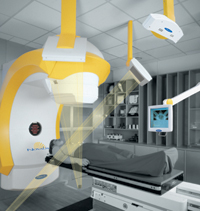 U.S. SBRT Liver Metastases Study
 Libby's H*O*P*E*