FDA Awards $1.6M Orphan Drug Grant for Clinical Phase II Development of EGEN-001 for Treatment of Ovarian Cancer

EGEN, Inc. announced that the Food and Drug Administration (FDA) awarded the company a four-year grant of $1.6 million to assist in the phase II clinical development of EGEN-001, the company’s lead product. EGEN-001 is under clinical development for the treatment of advanced recurrent ovarian cancer.

EGEN, Inc. announced that the Food and Drug Administration (FDA) awarded the company a four-year grant of $1.6 million to assist in the phase II clinical development of EGEN-001, the company’s lead product. EGEN-001 is under clinical development for the treatment of advanced recurrent ovarian cancer.[1]

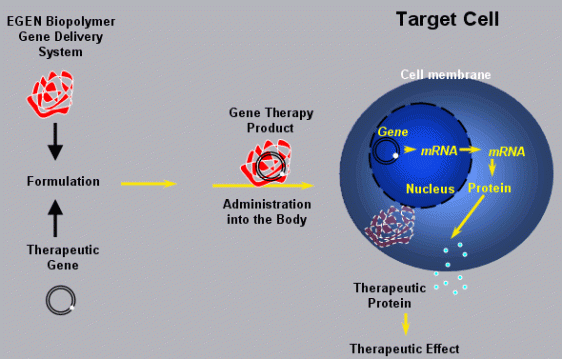
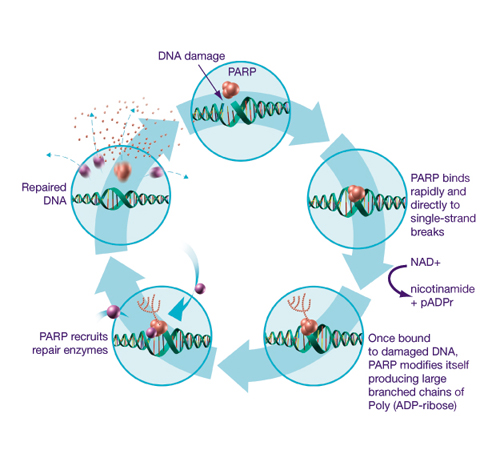
EGEN, Inc. is developing gene-based biopharmaceuticals that rely on proprietary delivery technologies such as TheraPlas™ (illustrated above). In preclinical studies, the application of this approach produced anti-cancer activity in the treatment of disseminated abdominal cancers, solid tumors and metastatic cancers. (Photo: EGEN, Inc.)

EGEN-001 was developed as an interleukin-12 (IL‑12) gene therapy for the treatment of disseminated epithelial ovarian cancer. It is a low concentration formulation composed of a human IL-12 plasmid formulated with a proprietary PPC delivery system. EGEN-001 is designed for intraperitoneal (IP) administration. The subsequent IL-12 protein expression is associated with an increase in immune system activity, including T-lymphocyte and natural killer (NK) cell proliferation, and cytotoxic activation and secretion of interferon gamma (IFN-g), which in turn, leads to tumor inhibition. Additionally, IL-12 inhibits angiogenesis and formation of tumor vascularization.

EGEN has successfully completed two Phase I trials of EGEN-001 in ovarian cancer patients.  In the first study, EGEN-001 was administered as monotherapy in platinum-resistant ovarian cancer patients[2] and in the second study in combination with carboplatin/docetaxel chemotherapy in platinum-sensitive ovarian cancer patients.[3] In both studies, EGEN-001 treatment resulted in good safety, biological activity and encouraging efficacy.[4-5] EGEN-001 received Orphan Drug Status from the FDA in 2005, and its first $1 million FDA orphan grant in 2005.

“This is a significant milestone and accomplishment for the company,” commented Dr. Khursheed Anwer, President and Chief Science Officer of EGEN. “We are pleased to receive this FDA support, which has been very useful in the advancement of our novel EGEN-001 product in the clinic for the treatment of recurrent ovarian cancer. The product utilizes the Company’s proprietary TheraPlas® delivery technology and is composed of interleukin-12 (IL-12) gene formulation with a biocompatible delivery polymer. IL-12 is a potent cytokine which works by enhancing the body’s immune system against cancer and inhibiting tumor blood supply.”

About EGEN, Inc.

EGEN, Inc. (EGEN), with laboratories and headquarters in Huntsville, Alabama, is a privately held biopharmaceutical company focused on developing therapeutics for the treatment of human diseases including cancer. The Company specializes in the delivery of therapeutic nucleic acids (DNA and RNAi) and proteins aimed at specific disease targets. The Company has a significant intellectual property position in synthetic carriers, their combination with DNA, and their therapeutic applications. EGEN’s research pipeline products are aimed at treatment of various cancer indications. In addition, the Company has its TheraSilence® delivery technology aimed at delivery of therapeutic siRNA for the treatment of human diseases. EGEN collaborates with outside investigators, biotech organizations, and universities on various projects in these areas.

References:

1/ A Phase II Evaluation of Intraperitoneal EGEN-001 (IL-12 Plasmid Formulated With PEG-PEI-Cholesterol Lipopolymer) in the Treatment of Persistent or Recurrent Epithelial Ovarian, Fallopian Tube or Primary Peritoneal Cancer, Clinical Trial Summary, ClinicialTrials.gov (Identifier:  NCT01118052).

2/A Phase 1, Open Label, Dose Escalation Study of the Safety, Tolerability and Preliminary Efficacy of Intraperitoneal EGEN-001 in Patients With Recurrent Epithelial Ovarian Cancer, Clinical Trial Summary, ClinicialTrials.gov (Identifier: NCT00137865).

3/A Phase 1, Open-Label, Dose Escalation Study of the Safety and Preliminary Efficacy of EGEN-001 in Combination With Carboplatin and Docetaxel in Women With Recurrent, Platinum-Sensitive, Epithelial Ovarian Cancer, Clinical Trial Summary, ClinicialTrials.gov (Identifier:  NCT00473954).

4/Kendrick JE, Matthews KS, Straughn JM, et. al.  A phase I trial of intraperitoneal EGEN-001, a novel IL-12 gene therapeutic, administered alone or in combination with chemotherapy in patients with recurrent ovarian cancer.  J Clin Oncol 26: 2008 (May 20 suppl; abstr 5572).

5/Anwar K, Barnes MN, Kelly FJ, et. al. Safety and tolerability of a novel IL-12 gene therapeutic administered in combination with carboplatin/docetaxel in patients with recurrent ovarian cancer.  J Clin Oncol 28:15s, 2010 (suppl; abstr 5045).

Source: FDA Awards EGEN, Inc. Orphan -Drug Grant for Clinical Development of EGEN-001 for Treatment of Ovarian Cancer, Press Release, EGEN, Inc., February 2, 2011.

Risk of Death Doubles For Early Stage Ovarian Cancer Patients Who Are Not Checked For Lymph Node Metastases

University of California Davis Cancer Center and California Cancer Registry researchers determined that the risk of death doubles for those women with apparent early stage ovarian cancer who are not checked for lymph node metastases.

Dr. Gary Leiserowitz, Chief of Gynecologic Oncology at the UC Davis Cancer Center & Rosemary Cress, Research Program Director at the California Cancer Registry, reported that early-stage ovarian cancer patients had nearly twice the risk of death if they were not tested for lymph node metastases.

A team of University of California (UC) Davis Cancer Center and California Cancer Registry researchers determined that more than a quarter of women with apparent early ovarian cancer do not receive lymph node biopsies, which have been shown to improve patient survival.

For the study, the researchers identified patients diagnosed with apparent early-stage epithelial ovarian cancer between 1998 and 2000 from cancer registries in New York and California, then collected detailed information from patient medical records on the types of surgical staging procedures performed on 721 of the patients.

The study set forth the critical findings below.

  • Approximately 90 percent of patients had removal of the omentum and evaluation of the bowel serosa and mesentery.  In contrast, only 72 percent of patients with presumed early-stage disease had lymph nodes from the pelvis and abdomen tested for signs of cancer spread, despite the existence of published, professional guidelines for proper staging of the disease.
  • Only lymph node assessment (as well as node assessment combined with washings and omentectomy) had a statistically significant association with improved survival.
  • The five-year survival for women with early-stage disease who had the node biopsies was 84 percent, compared with 69 percent of those who did not have the tests.
  • Patients who did not have lymph node assessment had nearly twice the risk of death as those who did.
  • Stratification of patients based upon receipt of chemotherapy revealed that lack of lymph node sampling had an effect only on patients who also received no chemotherapy.  Thus, only when patients did not have the lymph nodes tested did chemotherapy improve survival, a finding the researchers attribute to the role chemotherapy likely plays in killing cancer cells that have spread beyond the ovaries.
  • Gynecologic oncologists were nearly six-and-a-half times more likely to perform lymph node biopsies than other surgical specialists, and nearly four times more likely to perform all recommended staging biopsies. (See “Additional Information” below for prior medical study findings, regarding the importance of gynecologic oncologists in the evaluation and treatment of ovarian cancer.)

The study results were published online last week in the journal Gynecology Oncology and will be published in the journal’s April print edition.

“Early-stage patients had nearly twice the risk of death if they didn’t have the lymph nodes tested,” said Rosemary Cress, who is an epidemiologist and research program director at the California Cancer Registry, associate adjunct professor in the Department of Public Health Sciences at UC Davis, and the study’s lead author. “Hopefully, this should raise the awareness among physicians that it’s really important to do lymph node biopsies in these patients.”

Why some surgeons don’t remove lymph nodes during ovary surgery for early-stage cancer patients is a matter of speculation, said Gary Leiserowitz, M.D., chief of Gynecologic Oncology at the UC Davis Cancer Center, who is the senior author of the study. But the tests are important, he said, because patients with positive lymph nodes are given a more advanced stage diagnosis and prescribed follow-up chemotherapy treatment.

“Depending on the knowledge and expertise of the surgeon doing the operation, they may not know they need to do all the biopsies,” said Dr. Leiserowitz. “The literature is pretty consistent in showing that the people who have specialized knowledge in this – gynecological oncologists – are much more likely to follow the guidelines.”

Another reason some surgeons may not perform the lymph node biopsies, he said, is that they don’t believe the patient would benefit, either because of advanced age or because they have other serious illnesses, or both.

“If we have a patient who is medically unsuitable because of their age or medical conditions and is not a candidate for chemotherapy, you wouldn’t do all the staging biopsies,” said Dr. Leiserowitz. “But for a woman, say in her 40’s who is otherwise healthy, it turns out to be critical, because chemotherapy could be lifesaving.”

Leiserowitz said he hopes the results of the study will help educate the medical community and patients about the value of appropriate cancer treatment.

“If you are going to treat someone with a cancer, you really have an obligation to understand what the published practice guidelines are, and adhere to them as well as you can, or refer the patient to someone else who will,” he said.

The study was paid for with a grant from the U.S. Centers for Disease Control and Prevention.

About University of California Davis Cancer Center

University of California (UC) Davis Cancer Center is the only National Cancer Institute- designated center serving the Central Valley and inland Northern California, a region of more than 6 million people. Its top specialists provide compassionate, comprehensive care for more than 9,000 adults and children every year, and offer patients access to more than 150 clinical trials at any given time. Its innovative research program includes more than 280 scientists at UC Davis and Lawrence Livermore National Laboratory. The unique partnership, the first between a major cancer center and national laboratory, has resulted in the discovery of new tools to diagnose and treat cancer. Through the Cancer Care Network, UC Davis is collaborating with a number of hospitals and clinical centers throughout the Central Valley and Northern California regions to offer the latest cancer-care services. For more information, visit cancer.ucdavis.edu.

About the California Cancer Registry

The California Cancer Registry (CCR) is a program of the California Department of Public Health’s Cancer Surveillance and Research Branch (CSRB), and works in collaboration with the Public Health Institute, regional cancer registries, health care providers, cancer registrars, and cancer researchers throughout California and the nation. CSRB collects, analyzes, and disseminates information on cancer incidence and mortality. The statewide population-based cancer surveillance system monitors the incidence and mortality of specific cancers over time and analyzes differential cancer risks cancer by geographic region, age, race/ethnicity, sex, and other social characteristics of the population. It gathers cancer incidence data through CCR, and conducts and collaborates with other researchers on special cancer research projects concerning the etiology, treatment, risk factors, and prevention of specific cancers. In addition, the system is designed to monitor patient survival with respect to the type of cancer, extent of disease, therapy, demographics, and other parameters of prognostic importance. In general, data generated from CCR are utilized as set forth below.

  • Monitor the amount of cancer and cancer incidence trends by geographic area and time in order to detect potential cancer problems of public health significance in occupational settings and the environment, and to assist in their investigation.
  • Provide information to stimulate the development and targeting of resources to benefit local communities, cancer patients, and their families.
  • Promote high-quality epidemiologic and clinical research by enabling population-based studies to be performed that can provide better information for cancer control.
  • Inform health professionals and educate citizens regarding specific health risks, early detection, and treatment for cancers known to be elevated in their communities.
  • Respond to public concerns and questions about cancer.

For more information, visit http://www.ccrcal.org/.

Sources:

Additional Information — The Role of Gynecologic Oncologists and Their Impact on Survival:

Novel Cancer-Targeting “Cornell Dot” Nanoparticle Approved for First-In-Human Clinical Trial

“Cornell Dots” — brightly glowing nanoparticles — may soon be used to light up cancer cells to aid in diagnosing and treating cancer. The U.S. Food and Drug Administration (FDA) has approved the first clinical trial in humans of the new technology. It is the first time the FDA has approved using an inorganic material in the same fashion as a drug in humans.

“Cornell Dots” (or “C dots”) — brightly glowing nanoparticles — may soon be used to light up cancer cells to aid in diagnosing and treating cancer. The U.S. Food and Drug Administration (FDA) has approved the first clinical trial in humans of the new technology. It is the first time the FDA has approved using an inorganic material in the same fashion as a drug in humans.

Michelle Bradbury, M.D., Ph.D., Clinician-Scientist, Neuroradiology Service, Memorial Sloan-Kettering Cancer Center; Assistant Professor, Radiology, Weill Cornell Medical College; Lead Study Investigator

Researchers at Memorial Sloan-Kettering Cancer Center’s Nanotechnology Center, along with collaborators at Cornell University and Hybrid Silica Technologies, have received approval for their first Investigational New Drug Application (IND) from the FDA for an ultrasmall silica inorganic nanoparticle platform for targeted molecular imaging of cancer, which may be useful for cancer treatment in the future. Center researchers are about to launch their first-in-human clinical trial in melanoma patients using this first-of-its-kind inorganic nanoparticle to be approved as a drug. “This is a very exciting and important first step for this new particle technology that we hope will ultimately lead to significant improvements in patient outcomes and prognoses for a number of different cancers,” said Michelle Bradbury, M.D., Ph.D., a clinician-scientist on Memorial Sloan-Kettering’s Neuroradiology Service and an assistant professor of radiology at Weill Cornell Medical College, who is the lead investigator of the study, along with Snehal Patel, M.D., a surgeon on Memorial Sloan-Kettering’s Head and Neck Service, who is a co-principal investigator.

“This is a very exciting and important first step for this new particle technology that we hope will ultimately lead to significant improvements in patient outcomes and prognoses for a number of different cancers.”

— Michelle Bradbury, M.D., Ph.D., lead investigator of the study and clinician-scientist on Memorial Sloan-Kettering’s Neuroradiology Service and an assistant professor of radiology at Weill Cornell Medical College

C dots were initially developed as optical probes at Cornell University, Ithaca, by Ulrich Wiesner, Ph.D., a professor of materials science and engineering who, along with Hybrid Silica Technologies, the supplier of C dots, has spent the past eight years precisely engineering these particles. C dots are silica spheres less than 8 nanometers in diameter that enclose several dye molecules. (A nanometer is one-billionth of a meter, about the length of three atoms in a row.) The silica shell, essentially glass, is chemically inert and small enough to pass through the body and out in the urine. For clinical applications, the dots are coated with polyethylene glycol so the body will not recognize them as foreign substances.

C dots were subsequently modified at Memorial Sloan-Kettering for use in PET (positron emission tomography) imaging. C dots are tiny silica spheres that contain dye that glows three times more brightly than simple free dyes when excited by light of a specific wavelength. C dots can “light up” cancer cells, and act as tumor tracers for tracking the movement of cells and assisting in the optical diagnosis of tumors near the skin surface. The attachment of a radioactive label produces a new generation of multimodal (PET-optical) particle probes that additionally enable deeper detection, imaging, and monitoring of drug delivery using three-dimensional PET techniques.

Ulrich Wiesner, Ph.D. (left), a Cornell University Professor of Materials Science & Engineering, works with graduate students Jennifer Drewes & Kai Ma to characterize the size & brightness of C dots in their Bard Hall lab. (Photo: Jason Koski/University Photography)

C dots can be tailored to any particle size. Previous imaging experiments in mice conducted by the Memorial Sloan-Kettering team showed that particles of a very small size (in the 5 to 7 nanometer range) could be retained in the bloodstream and efficiently cleared through the kidneys after applying a neutral surface coat. More recently, the research team molecularly customized C dots to create a new particle platform, or probe, that can target surface receptors or other molecules expressed on tumor surfaces and that can be cleared through the kidneys.

Using PET scans, C dots can be imaged to evaluate various biological properties of the tumors, including tumor accumulation, spread of metastatic disease to lymph nodes and distant organs, and treatment response to therapy. The information gained from imaging tumors targeted with this multimodal platform may also assist physicians in defining tumor borders for surgery, and improving real-time visualization of small vascular beds, anatomic channels, and neural structures during surgery.

The purpose of this trial is to evaluate the distribution, tissue, uptake, and safety of the particles in humans by PET imaging. This study will provide data that will serve as a baseline to guide the design of future surgical and oncologic applications in the clinic. “The use of PET imaging is an ideal imaging technology for sensitively monitoring very small doses of this new particle probe in first-in-human trials,” added Steven Larson, M.D., Chief of Memorial Sloan-Kettering’s Nuclear Medicine Service.

Memorial Sloan-Kettering nanochemist Oula Penate Medina, Ph.D., notes that “this is an important trial in that it will help to answer a number of key questions regarding future potential applications of this multimodal system. Once the door has been opened, new and emerging fields, such as targeted drug delivery, can be investigated. We expect that these particles can be adapted for multiple clinical uses, including the early diagnosis and treatment of various cancers, as well as for sensing changes in the microenvironment.”

“This clinical trial is the culmination of a longstanding collaborative effort with our colleagues at Cornell and Hybrid Silica Technologies, as well as a testament to our own institutional colleagues here at the Center,” Dr. Bradbury said. “With the support of many, in particular the Office of Clinical Research, we’ve pushed to translate the C dots from a laboratory idea to our first FDA IND-approved inorganic nanomedicine drug product to be tested in the clinic,” Dr. Bradbury said.

The work was funded in part by the Clinical and Translational Science Center, Weill Cornell Medical College, the Cornell Nanobiology Center, and the National Institutes of Health (NIH) Small-Animal Imaging Research Program (SAIRP). In addition to Drs. Bradbury, Penante-Medina, Larson, Patel, and Wiesner, the following Memorial Sloan-Kettering investigators contributed to and/or supported this work: Pat Zanzonico, Ph.D.; Heiko Schöder, M.D.; Elisa De Stanchina, Ph.D.; Hedvig Hricak, M.D., Ph.D., Chair of the Department of Radiology; as well as Hooisweng Ow, Ph.D., of Hybrid Silica Technologies, Inc.; Memorial Sloan-Kettering’s Office of Clinical Research; and the Cyclotron Core.

Sources:

Yale University Scientists Synthesize Long-Sought-After Anticancer Agent

A team of Yale University scientists has synthesized for the first time a chemical compound  called “lomaiviticin aglycon, ” which led to the development of a new class of molecules that appear to target and destroy cancer stem cells.

A team of Yale University scientists has synthesized for the first time a chemical compound called “lomaiviticin aglycon,” which led to the development of a new class of molecules that appear to target and destroy cancer stem cells.

Chemists worldwide have been interested in lomaiviticin’s potential anticancer properties since its discovery in 2001. But so far, they have been unable to obtain significant quantities of the compound, which is produced by a rare marine bacterium that cannot be easily coaxed into creating the molecule. For the past decade, different groups around the world have been trying instead to synthesize the natural compound in the lab, but without success.

Dr. Seth Herzon (center), along with team members Christina Woo and Liang Lu, synthesized a naturally occurring anticancer compound that scientists worldwide have been trying to replicate in the lab for nearly a decade.

Now a team at Yale, led by chemist Dr. Seth Herzon, has managed to create lomaiviticin aglycon for the first time, opening up new avenues of exploration into novel chemotherapies that could target cancer stem cells, thought to be the precursors to tumors in a number of different cancers including ovarian, brain, lung, prostate and leukemia. Their discovery appears online today in the Journal of the American Chemical Society.

“About three quarters of anticancer agents are derived from natural products, so there’s been lots of work in this area,” Herzon said. “But this compound is structurally very different from other natural products, which made it extremely difficult to synthesize in the lab.”

In addition to lomaiviticin aglycon, Herzon’s team also created smaller, similar molecules that have proven extremely effective in killing ovarian stem cells, said Gil Mor, M.D., Ph.D., a researcher at the Yale School of Medicine who is collaborating with Herzon to test the new class of molecules’ potential as a cancer therapeutic. This family of compounds are called “kinamycins.” The reactive core of the kinamycins also plays a key role in lomaiviticin aglycon, which is even more toxic and could prove even more effective in destroying cancer cells.

The scientists are particularly excited about lomaiviticin aglycon’s potential to kill ovarian cancer stem cells because the disease is notoriously resistant to paclitaxel (Taxol) and carboplatin, two of the most commonly used ovarian cancer chemotherapy drugs. “Ovarian cancer has a high rate of recurrence, and after using chemotherapy to fight the tumor the first time, you’re left with resistant tumor cells that tend to keep coming back,” Mor explained. “If you can kill the stem cells before they have the chance to form a tumor, the patient will have a much better chance of survival — and there aren’t many potential therapies out there that target cancer stem cells right now.”

Image of one of the kinamycin compounds synthesized by Yale researchers destroying ovarian cancer cells (the spherical objects) in less than 48 hours in lab tests. (Credit: Gil Mor)

Herzon’s team, which managed to synthesize the molecule in just 11 steps starting from basic chemical building blocks, has been working on the problem since 2008 and spent more than a year on just one step of the process involving the creation of a carbon-carbon bond. It was an achievement that many researchers deemed impossible, but while others tried to work around having to create that bond by using other techniques, the team’s persistence paid off.

“A lot of blood, sweat and tears went into creating that bond,” Herzon said. “After that, the rest of the process was relatively easy.”

Next, the team will continue to analyze the compound to better understand what’s happening to the stem cells at the molecular level. The team hopes to begin testing the compounds in animals shortly.

“This is a great example of the synergy between basic chemistry and the applied sciences,” Herzon said. “Our original goal of synthesizing this natural product has led us into entirely new directions that could have broad impacts in human medicine.”

Other authors of the paper include Liang Lu, Christina M. Woo and Shivajirao L. Gholap, all of Yale University.

Sources:

Outside-the-Body Filtration Device May Reduce Ovarian Cancer Cells In Abdominal Fluid

A paper published in the January issue of the journal Nanomedicine could provide the foundation for a new ovarian cancer treatment option — one that would use an outside-the-body filtration device to remove a large portion of the free-floating cancer cells that often create secondary tumors.

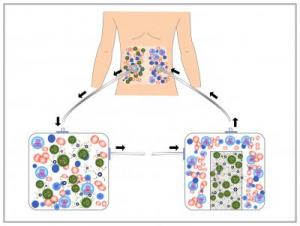
Schematic shows how fluids containing ovarian cancer cells could be removed from the body, treated with magnetic nanoparticles to remove the cells, then returned to the body. (Courtesy of Ken Scarberry)

Magnetic nanoparticles suspended in a liquid are attracted to a magnet. The nanoparticles could be attached to cancer cells and then removed from the body with magnetic filtration. (Credit: Gary Meek)

A paper published in the January issue of the journal Nanomedicine could provide the foundation for a new ovarian cancer treatment option — one that would use an outside-the-body filtration device to remove a large portion of the free-floating cancer cells that often create secondary tumors.

Researchers at the Georgia Institute of Technology have formed a startup company and are working with a medical device firm to design a prototype treatment system that would use magnetic nanoparticles engineered to capture cancer cells. Added to fluids removed from a patient’s abdomen, the magnetic nanoparticles would latch onto the free-floating cancer cells, allowing both the nanoparticles and cancer cells to be removed by magnetic filters before the fluids are returned to the patient’s body.

In mice with free-floating ovarian cancer cells, a single treatment with an early prototype of the nanoparticle-magnetic filtration system captured enough of the cancer cells that the treated mice lived nearly a third longer than untreated ones. The researchers expect multiple treatments to extend the longevity benefit, though additional research will be needed to document that — and determine the best treatment options.

“Almost no one dies from primary ovarian cancer,” said Dr. John McDonald, a professor in Georgia Tech’s School of Biology and chief research scientist of Atlanta’s Ovarian Cancer Institute. “You can remove the primary cancer, but the problem is metastasis. A good deal of the metastasis in ovarian cancer comes from cancer cells sloughing off into the abdominal cavity and spreading the disease that way.”

The removal system being developed by McDonald and postdoctoral fellow Ken Scarberry — who is also CEO of startup company Sub-Micro — should slow tumor progression in humans. It may reduce the number of free-floating cancer cells enough that other treatments, and the body’s own immune system, could keep the disease under control.

Professor John McDonald (standing) and postdoctoral fellow Ken Scarberry examine statistical data from their study of a potential new treatment option for ovarian cancer. (Credit: Gary Meek)

“If you can reduce metastasis, you can improve the lifespan of the person with the disease and get a better chance of treating it effectively,” said McDonald. “One goal is to make cancer a chronic disease that can be effectively treated over an extended period of time. If we can’t cure it, perhaps we can help people to live with it.”

Earlier in vitro studies published by the authors of the Nanomedicine paper showed that the magnetic nanoparticles could selectively remove human ovarian cancer cells from ascites fluid, which builds up in the peritoneal cavities of ovarian cancer patients. The nanoparticles are engineered with ligands that allow them to selectively attach to cancer cells.

The researchers believe that treating fluid removed from the body avoids potential toxicity problems that could result from introducing the nanoparticles into the body, though further studies are needed to confirm that the treatment would have no adverse effects.

The recently reported study in Nanomedicine used three sets of female mice to study the benefit of the nanoparticle-magnetic filtration system. Each mouse was injected with approximately 500,000 murine ovarian cancer cells, which multiply rapidly — each cell doubling within approximately 15 hours.

In the experimental group, the researchers — who included research scientist Roman Mezencev — removed fluid from the abdomens of the mice immediately after injection of the cancer cells. They then added the magnetic nanoparticles to the fluid, allowed them to mix, then magnetically removed the nanoparticles along with the attached cancer cells before returning the fluid. The steps were repeated six times for each mouse.

One control group received no treatment at all, while a second control group underwent the same treatment as the experimental group — but without the magnetic nanoparticles. Mice in the two control groups survived a median of 37 days, while the treated mice lived 12 days longer — a 32 percent increase in longevity.

Though much more research must be done before the technique can be tested in humans, McDonald and Scarberry envision a system very similar to what kidney dialysis patients now use, but with a buffer solution circulated through the peritoneal cavity to pick up the cancer cells.

“What we are developing is akin to hemofiltration or peritoneal dialysis in which the patient could come into a clinic and be hooked up to the device a couple of times a week,” said Scarberry. “The treatment is not heavily invasive, so it could be repeated often.”

The new treatment could be used in conjunction with existing chemotherapy and radiation. Reducing the number of free-floating cancer cells could allow a reduction in chemotherapy, which often has debilitating side effects, Scarberry said. The new treatment system could be used to capture spilled cancer cells immediately after surgery on a primary tumor.

The researchers hope to have a prototype circulation and filtration device ready for testing within three years. After that will come studies into the best treatment regimen, examining such issues as the number of magnetic nanoparticles to use, the number of treatments and treatment spacing. If those are successful, the company will work with the FDA to design human clinical trials.

The researchers also studying how their magnetic nanoparticles could be engineered to capture ovarian cancer stem cells, which are not affected by existing chemotherapy. Removing those cells could help eliminate a potent source of new cancer cells.

The research has been supported by the Georgia Research Alliance (GRA), the Ovarian Cancer Institute, the Robinson Family Foundation and the Deborah Nash Harris Endowment. A member of Georgia Tech’s Advanced Technology Development Center (ATDC) startup accelerator program and a GRA VentureLab company, Sub-Micro has also raised private funding to support its prototype development.

Challenges ahead include ensuring that nanoparticles cannot bypass the filtration system to enter the body, and controlling the risk of infection caused by opening the peritoneal cavity.

Beyond cancer, the researchers believe their approach could be useful for treating other diseases in which a reduction in circulating cancer cells or virus particles could be useful. Using magnetic nanoparticles engineered to capture HIV could help reduce viral content in the bloodstream, for instance.

“A technology like this has many different possibilities,” said Scarberry. “We are currently developing the technology to control the metastatic spread of ovarian cancer, but once we have a device that can efficiently and effectively isolate cancer cells from circulating fluids, including blood, we would have other opportunities.”

Sources:

Additional Information:

Libby’s H*O*P*E*™ Proudly Announces A Strategic Partnership With Women’s Oncology Research & Dialogue

It is our privilege and honor to announce a strategic partnership between Libby’s H*O*P*E*™ and Women’s Oncology Research & Dialogue.

It is our privilege and honor to announce a strategic partnership between Libby’s H*O*P*E*™ (LH) and Women’s Oncology Research & Dialogue (WORD). WORD’s overarching mission is to raise gynecologic cancer awareness and fund related scientific research.

The genesis of this partnership began approximately one year ago, when LH was contacted by Nathan Manahan, WORD’s Executive Director. WORD had performed extensive social media due diligence and determined that LH was a premier source of online ovarian cancer information.  As the LH Founder, I agreed to meet Nate and Chad Braham (WORD’s Director of Media Productions) in Los Angeles to discuss the possibility of both organizations working together.

I felt an immediate connection with Nate and Chad, especially after we discussed the personal reasons underlying our passion for cancer advocacy.  Nate explained that his mother was a breast cancer survivor, who battled the disease successfully due to vigilance, which caught her aggressive cancer at an early stage. It also happens that Nate’s sister is Dr. Kelly J. Manahan, WORD’s Founder and President. Chad discussed how he lost his father to cancer when he was 8 years old, along with the fact that his stepfather is a prostate cancer survivor, and his mother-in-law is a uterine cancer survivor (who was successfully treated by Dr. Manahan).

By the end of that initial meeting, we believed that a strategic partnership between both organizations would be highly synergistic. Although WORD advocates on behalf of women with all gynecologic cancers, it has designated LH as its “go-to” source for detailed ovarian cancer information. In turn, LH obtains a greater audience for its ovarian cancer advocacy by communicating to women interested in learning more about all gynecologic cancers through the new WORD website.

As a kickoff to our partnership, WORD created nine short videos about the genesis of LH, its mission, the credibility & understandability of the LH website, the early warning signs of ovarian cancer, LH assistance to ovarian cancer survivors, survivor success stories, the fast pace of medical research, and a brief discussion of the LH/WORD partnership. The LH/WORD partnership video is provided below. We will post the remaining eight videos over the next two weeks.

In the near future, we anticipate the creation and distribution of an ongoing video podcast series known as WORD of HOPE, which will address important ovarian cancer topics in an easily understandable format.

We are quite excited about the opportunities presented by this partnership, and hope to build upon the LH/WORD alliance for many years to come.

“The challenge of every team is to build a feeling of oneness, of dependence on one another because the question is usually not how well each person performs, but how well they work together.”

— Vince Lombardi (1913 – 1970), former Head Coach of the National Football League (NFL) Green Bay Packers & Winner of 5 NFL Championships, including Super Bowls I & II.

The Genesis of WORD

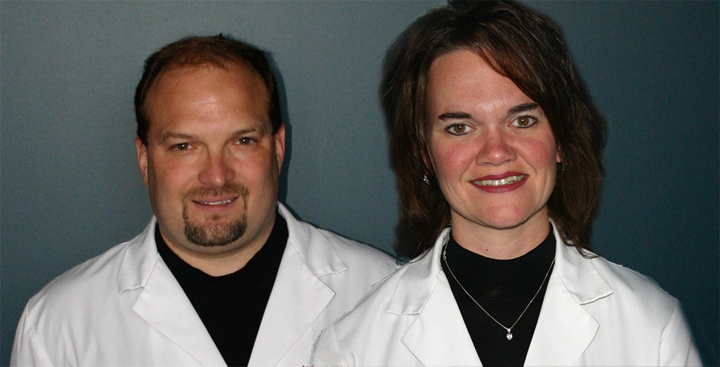
Drs. Kelly J. Manahan & John P. Geisler, Co-Founders, Women's Oncology Research & Dialogue (WORD)

Several years ago, as a gynecologic oncologist in training, Dr. Manahan learned first-hand that cancer is a formidable foe. This experience compelled her to take greater action.  In Fall 2005, Dr. Manahan established WORD, along with her husband Dr. John P. Geisler.  Currently, Dr. Manahan is the Interim Chair of the Department of Obstetrics and Gynecology at the University of Toledo Medical Center (UTMC), while Dr. Geisler is Director of  Gynecologic Oncology and Chief of Clinical Service Obstetrics & Gynecology at UTMC.  Dr. Geisler is also the Chairman of the WORD medical advisory panel.  Drs. Manahan and Geisler are both gynecologic oncologists, and are cited as authors in approximately 85 published medical articles relating to a wide array of gynecologic oncology topics.  Such topics include cutting-edge surgical techniques and novel gynecological cancer treatments.

WORD was founded with the mission of spreading global gynecological cancer awareness.  WORD exists to educate; to inform, to bring awareness, to teach prevention, and assist women who have been diagnosed with a gynecologic cancer. The passion of the WORD team is to provide women and their families with relevant, detailed, and up-to-date information that can save lives. In sum, WORD was formed to help win the fight against gynecologic cancers.

Past and present WORD research projects and initiatives include:

  • a study of hydralazine and megestrol acetate to treat advanced, chemoresistant cancers of the ovary, peritoneum, uterus, fallopian tube, cervix, and vulva;
  • a tissue bank of clinically annotated tissue specimens from patients with gynecologic cancers.

“We are a husband and wife team who have both been helping women battle gynecologic cancers for over two decades,” said Dr. Manahan. “Our passion is helping women have complete understanding when facing the battle of their cancer. We also want women to be empowered to make lifestyle and health decisions that can work to prevent cancer.”

“Our goal is to assure that all women are more aware of these diseases and to find a way to increase prevention, early detection, and optimal treatment,” said Dr. Geisler. “Awareness will lead to more research dollars. More research will hopefully lead to finding the detailed factors that influence the growth of these diseases. We ultimately want a cure. Wordoncancer.org is the integral foundation to many of these dreams.”

“I am a member of a team, and I rely on the team, I defer to it and sacrifice for it, because the team, not the individual, is the ultimate champion.”

— Mia Hamm, who is widely recognized as the world’s best all-around women’s soccer player (2 Olympic Gold Medals & 2 World Championships).

WORD’s New Website Launch

The average woman in the United States has a 1-in-12 risk factor of developing a gynecologic cancer in her lifetime. On November 9, 2010, WORD launched their new website at http://www.wordoncancer.org. WORD’s new website will inform women about preventions, signs, symptoms, diagnosis and treatment of all gynecologic cancers. WORD’s website will inspire women to take actions that can, and will, save their lives, and was designed to expand and grow as new data and relevant information become available.

Today, most people do their research online. Accordingly, WORDoncancer.org was designed to achieve the overarching goals listed below.

  • Provide the best gynecologic cancer web video content, including survivor stories, expert advice provided by various medical professionals, and stories from families who have lost loved ones.
  • Guarantee current information about the prevention, diagnosis and treatment of gynecologic cancers, which is created in a simple and user-friendly interface.
  • Create pathways to dialogue among women and their physicians, so every woman is empowered to make an informed decision about her health care.
  • Utilize the most effective and relevant multimedia tools to accomplish our organizational mission.
  • Connect and create partnerships with grassroots groups throughout the United States, empowering them to create local efforts to conquer gynecologic cancers.

A few of the key highlights of the new site are listed below.

  • Animation – WORD sanctioned the creation of a 4-minute animated short story entitled, WORD on HPV (watch video below).
  • Formal launch of the Let’s Talk Video SeriesLet’s Talk is a personal history campaign aimed at archiving the stories of women who have battled gynecologic cancer. WORD has collected and edited many of these stories and the collection is available on WORD’s YouTube™ channel and throughout the copy on the website.

  • New Expert WORDS of Wisdom Video Series – WORD will work to create video vignettes to help women better understand gynecologic cancer prevention, diagnosis, and treatment. These videos will provide a complimentary explanation to web content and are also housed on WORD’s YouTube™ channel.

  • Targeted Campaign for 18-24 year old women regarding cervical cancer/human papillomavirus (HPV) – WORD is utilizing recently conducted research to create a personalized campaign for 18-24 year old young women to get the HPV vaccine and begin proper cancer prevention.
  • WORD Blog, FacebookTwitter – For readers “on-the-go,” make sure that you monitor significant WORD news and updates through its blog, Facebook page and Twitter account.

Coming together is a beginning; keeping together is progress; working together is success. — Henry Ford, Founder of the Ford Motor Company

WORD Initiates a “Dialogue” During Cervical Health Awarenss Month.

“Those of us who work and volunteer with WORD know that the dialogue we create will often be controversial. The conversations we hope to create are critical, personal and sometimes intimidating. We are dealing with topics that have real and severe consequences. Often what we say may not be received well; our goal is not acceptance but dialogue. We want women to rise up and become advocates for their own health care. We want women to ask questions, the hard questions, to make sure they make the best informed decisions about their health. We want women to be respectful – staying true to their own convictions, but standing united through dialogue in one common purpose – ‘We must conquer cancer!'”

— Nathan Manahan, WORD Executive Director

This year, Over 11,000 American women will learn that they have cervical cancer, and nearly 4,000 will die from the disease. Tens of thousands more women will have precancerous cells treated.  January is designated as Cervical Health Awareness Month, which is intended to aid in the prevention and early detection of cervical cancer.  This month, WORD is committed to raising awareness of this preventable, detectable and treatable disease among all women in the United States.

One of the most controversial and uncomfortable subjects that WORD seeks to start dialogue on is the cause of cervical cancer, namely HPV.  HPV is a sexually transmitted infection that causes cervical cancer among other cancers and health problems.  In 2010, WORD set out to create an effective HPV and cervical cancer women’s health education campaign. In short, WORD wants to make sure that women of all ages can make informed health decisions about the HPV vaccine, annual gynecological exams, Pap tests and the HPV test. Through a series of excellent partners including Purdue University, David Bossert of Madison Beach Productions, Duck Studios and Publicis Group, WORD was able to create a comprehensive health education program.

In 2011, WORD is working toward an extremely ambitious but necessary goal: distribution of life-saving HPV/cervical information to 30 cities located in 15 states. “This campaign is the first of many campaigns to be created by the WORD team,” said Nate Manahan. “WORD hopes to partner with many individuals and organizations to see these new resources used in communities throughout the United States and ultimately the world.”

WORD encourages individuals and organizations to see how they might utilize the WORD on HPV campaign resources throughout the next year. This campaign includes an original four minute animated short story (view below), posters, brochures, magnets, rack cards, 30 and 60 second radio spots, 15 and 30 second television spots, and informative survivor and expert videos. In addition, WORD is participating in the Cervical Cancer Free America initiative (CCFA), which is is a multi-year, multi-state project aimed at preventing the disease through vaccination against HPV and effective screening for early signs of cervical cancer. WORD is proud to announce that the Cervical Cancer Free Indiana initiative is utilizing many of the WORD on HPV resources in 2011, through a collaboration with the Kristen Forbes EVE Foundation.

“WORD on HPV” Animated Short Story

Regular administration of Pap tests is the best means of detecting cervical cancer at an early stage. The addition of the HPV test further advances our ability to detect cervical cancer early. Furthermore, HPV vaccines have the potential to protect women from the disease, by targeting cancer-causing types of the HPV. “With the advancement of the HPV vaccine in women’s health and in cancer prevention, we may have the first opportunity to literally eradicate cervical cancer,” said Dr. Geisler. “We are all hopeful that between the vaccines, Pap tests and the HPV test, we will see the eradication of cervical cancer around the world in our lifetime.”

In further support of WORD’s overarching vision, Dr. Sharmila Makhija, Division Director of Gynecologic Oncology at Emory University said:

“WORD’s vision to offer resources and education to women of all ages to promote dialogue on prevention, diagnosis and treatment of gynecologic cancers (cervical, uterine and ovarian) is important and something I wholeheartedly support and encourage all individuals and organizations to support.”

About Women’s Oncology Research & Dialogue

WORD is an Indianapolis-based nonprofit organization dedicated to helping women conquer gynecologic cancers through coordinating innovative scientific and clinical research, which results in empowering educational resources for women’s organizations and medical personnel regarding proper prevention, diagnosis and treatment. They need your support to help spread awareness and raise money to help conquer gynecologic cancer.

More information can be found online at http://www.wordoncancer.org/media, including WORD’s informative brochures regarding (i) gynecologic cancer, (ii) ovarian cancer, (iii) cervical cancer, and (iv) uterine cancer.

If you are interested in making a donation to WORD, please go to http://wordoncancer.org/cms/word-site/get-involved/donate.

Sources:


Caris Life Sciences Launches Molecular Profiling Service For Ovarian Cancer Patients

Caris Life Sciences announces the launch of a new molecular profiling service for ovarian cancer patients

Caris Life Sciences, Inc. (Caris), a leading biosciences company focused on enabling precise and personalized healthcare through the highest quality anatomic pathology, molecular profiling, and blood-based diagnostic services, announced the launch of a new, Caris Target Now™ molecular profile for ovarian cancer patients. This expansion of the Caris Target Now™ offering provides individualized molecular information to treating physicians, relevant to the selection of therapies to treat this highly-lethal cancer. Ovarian cancer affects more than 20,000 women annually and produces some of the highest five-year mortality rates found among the 200+ types of cancer.

Caris Target Now™ molecular profiling examines the unique genetic and molecular make-up of each patient’s tumor so that treatment options may be matched to each patient individually.  Caris Target Now™ helps patients and their treating physicians create a cancer treatment plan based on the tumor tested. By comparing the tumor’s information with data from published clinical studies by thousands of the world’s leading cancer researchers, Caris can help determine which treatments are likely to be most effective and, just as important, which treatments are likely to be ineffective.

The Caris Target Now™ test is performed after a cancer diagnosis has been established and the patient has exhausted standard of care therapies or if questions in therapeutic management exist. Using tumor samples obtained from a biopsy, the tumor is examined to identify biomarkers that may have an influence on therapy. Using this information, Caris Target Now™ provides valuable information on the drugs that will be more likely to produce a positive response. Caris Target Now™ can be used with any solid cancer such as lung cancer, breast cancer, prostate cancer, and now, ovarian cancer.

Evidence Behind Caris Target Now™

Daniel D. Von Hoff, M.D., F.A.C.P., is the Executive Director of Caris Life Sciences' Clinical Research

A multi-center, prospective, pilot study first published in The Journal of Clinical Oncology (JCO) in October 2010 [1] — along with an accompanying editorial [2] —  determined that personalized cancer treatment tailored to a tumor’s unique genetic make-up identified therapies that increased progression free survival (PFS) over previous therapies in 27% of patients with advanced disease.

The purpose of the study was to compare PFS using a treatment regimen based on the molecular profiling (MP) of a patient’s tumor with the PFS determined for the most recent regimen on which the patient had experienced progression after taking that regimen for 6 weeks.  Unlike a typical control study, each patient was his or her own study control.  Tissue samples from patients with refractory metastatic cancer were submitted for MP in two formats including:

In many of these refractory tumors, targets for conventional therapies were identified, which was “a surprise finding,” according to Dr. Daniel Von Hoff, the Executive Director of Caris’ Clinical Research.  But the profiling also suggested therapies in cases where the treating physician was unsure regarding the next line of treatment. The MP approach was found to have clinical benefit for the individual patient who had a PFS ratio (PFS on MP selected therapy/PFS on prior therapy) of ≥ 1.3.  Among the 86 patient tumors that were profiled with Caris Target Now™:

  • 84 (98%) had a detected molecular target;
  • 66 of the 84 patients were treated with therapies that were linked to their MP results; and
  • 18 (27%) of 66 patients had a PFS ratio of ≥ 1.3 (95% CI, 17% to 38% range; one-sided, one-sample P = .007).

The study investigators concluded that it is possible to identify molecular targets in patients’ tumors. In 27% of the patients, the MP approach resulted in a longer PFS on a MP-based regimen than on the regimen that was based on physician’s choice.  “It was also encouraging to see that the overall survival in these 18 patients was better than that for the whole group of 66 patients (9.7 vs. 5 months),” said Von Hoff.

Of the 66 participants, 27% had breast cancer, 17% had colorectal cancer, and 8% had ovarian cancer; the remainder were classified as miscellaneous.  The improvement in PFS among the various types of cancer patients was as follows: 44% in patients with breast cancer, 36% in those with colorectal cancer, 20% in those with ovarian cancer, and 16% in the miscellaneous group.

The investigators in the study utilized Caris Target Now™ molecular profiling, which is currently available to oncologists and their patients.

“Oncologists commonly expect a 1-in-20 chance of patient response in 3rd- and 4th-line therapies.  This recent study suggests those odds can be improved to 1-in-4 when using therapeutic guidance provided by Caris Target Now™.”

Dr. Jeff Edenfield, a practicing oncologist with US Oncology, and routine user of Caris Target Now™

Since 2008, more than 15,000 cancer patients have received a Caris Target Now™ molecular profile. Caris Target Now™ has been designed to provide treating physicians with therapeutic options, often identifying anti-tumor agents that may not have been considered before. The Caris Target Now™ report is based on the genetic make-up of an individual patient’s tumor cross-referenced with a vast and growing proprietary database of clinical literature, correlating genetic tumor information to therapeutic response. Using biomarker-based therapies has been linked to the likelihood of a positive patient response.

James H. Doroshow, M.D., Director, Division of Cancer Treatment & Diagnosis, National Cancer Institute

In the accompanying JCO editorial, James H. Doroshow, M.D., the Director of the National Cancer Institute (NCI) Division of Cancer Treatment and Diagnosis, commented that the study by Von Hoff et. al. possessed several limitations. [2] The stated limitations of the study include (i) uncertainty surrounding the achievement of the study’s primary end point based upon use of the time-to-disease progression (TTP) index; (ii) limited prior experience with patients as their own controls, and (iii) lack of study randomization.  Despite these limitations, Dr. Doroshow noted that important lessons can be learned from the study conducted by Von Hoff et. al.

“First and foremost, this study vividly reminds us that the need for therapeutic intervention arises one patient at a time. When we sit with an individual who is trying to live with an advanced solid tumor after having already received several different chemotherapy regimens, it is unlikely that any published prognostic index or gene signature, as currently implemented, will be of much help in decision making—for physicians or for patients. [citation omitted]. Thus, a truly urgent need exists to move past the empiric therapeutic paradigm that launched the first half century of systemic oncologic treatment. [citation omitted]. Von Hoff et al have taken a noteworthy, albeit somewhat flawed, first step in this direction in their attempt to imagine a novel paradigm for cancer therapy, using the techniques of molecular tumor characterization on an individual patient basis. Future investigators of new cancer therapies should learn from this initial effort and focus on how these rapidly evolving molecular tools can be used in the development of an entirely new investigative model for the systemic treatment of cancer.”

Caris is currently conducting and initiating additional studies of Caris Target Now™ molecular tumor profiling through collaboration with leading institutions and cancer centers. 

With 300% growth in utilization in 2010, medical oncologists are recognizing the utility and value of this novel approach in providing improved care to patients. Physician adoption is rapidly accelerating, as Caris recently reached the threshold of providing Caris Target Now™ services to more than 1,000 patients per month. This new introduction for ovarian cancer is most relevant for physicians treating women who have progressed on platinum-based therapy and/or who need guidance for third-line treatment options. Caris Target Now™ for ovarian cancer offers the opportunity for these women to benefit from personalized and targeted therapy guidance based upon molecular profiling.

“Ovarian cancer is a highly-lethal cancer that presents distinct diagnostic and therapeutic challenges, often presenting no major symptoms until the cancer has metastasized,” said Dr. Les Paul, Caris’ Senior Vice President for Medical Affairs. “Choosing the optimal therapeutic intervention at the earliest possible stage is critical to extending progression free survival in ovarian cancer patients. With the introduction of the Caris Target Now™ ovarian profile, we are able to support physicians with as much information as possible, including the latest relevant clinical literature citations to aid them in making the best therapeutic decision possible for each patient.”

Examples of the potential use of an existing clinical trial drug to target a specific molecular characteristic possessed by an ovarian cancer include:

Use of Molecular Profiling By Leading Medical Institutions; Sponsorship By A Charitable Foundation

It should be noted that molecular profiling is already being used in clinical practice at several leading cancer institutions.  At Massachusetts General Hospital, (MGH), The MGH Cancer Centre uses a PCR-based mutation-detection assay and state-of-the-art robotic technology, called “SNaPshot,” to look for 130 known gene mutations in tumor tissue. “We are already using molecular profiling for all our lung cancer patients,” said Jeffrey Settleman, Ph.D., scientific director at the MGH Cancer Center, to Medscape Oncology in 2009. [12] “This has already had an impact on treatment decisions, and it appears to be improving treatment. We have seen better response rates and we hope that this will translate into better survival.”  In fact, MGH is engaged currently in the largest study aimed at matching tumor genomes to potential anticancer treatments. [13] It is our understanding that MGH performs molecular profiling currently on melanoma, leukemia, brain and metastatic breast cancer, and metastatic adenocarcinoma that start in the lung, colon or rectum.

Several other institutions are in the process of developing or have developed their own systems, including the University of Texas M.D. Anderson Cancer Center [14], and the Dana-Farber Cancer Institute [15].  All are striving to profile individual tumors so that therapy can be personalized, which means that it has a better chance of working because it targets specific mutations found in a patient’s tumor. The MP approach also prevents patients from being exposed to drugs that have a limited chance of success, eliminating toxicity and improving quality of life.

We should also note the Clearity Foundation sponsors molecular profiling services on behalf of ovarian cancer patients at no cost. The Clearity Foundation is a 501(c)(3) not-for-profit, founded by Laura Shawver, Ph.D., who is an ovarian cancer survivor and research scientist.  The Clearity Foundation seeks to improve treatment outcomes in recurrent and progressive ovarian cancer patients by providing diagnostic services that determine the molecular profile of the individual patient with the belief that a molecular “blueprint” is crucial to finding appropriate treatments.

About Caris Target Now™

Caris Target Now™ is a comprehensive tumor analysis coupled with an exhaustive clinical literature search, which matches appropriate therapies to patient-specific biomarker information to generate an evidence-based treatment approach. Caris Target Now™ testing provides information that may help when considering potential treatment options.

Caris Target Now™ begins with an immunohistochemistry (IHC) analysis. An IHC test measures the level of important proteins in cancer cells providing clues about which therapies are likely to have clinical benefit and then what additional tests should be run.

If there is access to a frozen sample of patient tissue available, Caris may also run a gene expression analysis by microarray. The microarray test looks for genes in the tumor that are associated with specific treatment options.

As deemed appropriate based on each patient, Caris will run additional tests. Fluorescent In-Situ Hybridization (FISH) is used to examine gene copy number variation (i.e., gene amplification) in the tumor. Polymerase Chain Reaction (PCR) or DNA sequencing is used to determine gene mutations in the tumor DNA.

Caris takes the results from each test and applies the published findings from thousands of the world’s leading cancer researchers. Based on this analysis, Caris Target Now™ identifies potential therapies for patients and their treating physicians to discuss.

Caris Target Now™ was developed and its performance characteristics were determined by Caris, a CLIA-certified medical laboratory in compliance with the U.S. Clinical Laboratory Amendment Act of 1988 and all relevant U.S. state regulations. It has not been approved by the United States Food and Drug Administration.

About Caris Life Sciences

Caris Life Sciences, a leading biosciences company, specializes in the development and commercialization of the highest quality anatomic pathology, molecular profiling, and blood-based diagnostic technologies, in the fields of oncology, dermatopathology, hematopathology, gastrointestinal pathology and urologic pathology. The company provides academic-caliber consultations for patients every day, through its industry-leading team of expert, subspecialty pathologists. Caris also offers advanced molecular analyses of patient samples through prognostic testing services and genomic, transcriptomic, and proteomic profiling to assist physicians in their treatment of cancer. Currently, Caris is developing the Carisome™ platform, a proprietary, blood-based technology for diagnosis, prognosis, and theranosis of cancer and other complex diseases. The company is headquartered in the Dallas metroplex, and operates laboratories at the headquarters, as well as in the Phoenix and Boston metro areas.

About Daniel Von Hoff, M.D., FACP, Executive Director, Caris Life Sciences Clinical Research

Daniel D. Von Hoff, M.D., is currently physician-in-chief and director of translational research at Translational Genomics Research Institute (TGen) in Phoenix, Arizona. He is also chief scientific officer for US Oncology and the Scottsdale Healthcare’s Clinical Research Institute.  He holds an appointment as clinical professor of medicine at the University of Arizona College of Medicine.

Dr. Von Hoff’s major interest is in the development of new anticancer agents, both in the clinic and in the laboratory. He and his colleagues were involved in the beginning of the development of many of the agents now in routine use, including: mitoxantrone, fludarabine, paclitaxel, docetaxel, gemcitabine, irinotecan, nelarabine, capecitabine, lapatinib and others.

At present, Von Hoff and his colleagues are concentrating on the development of molecularly targeted therapies particularly for patients with advanced pancreatic cancer. Dr. Von Hoff’s laboratory interests and contributions have been in the area of in vitro drug sensitivity testing to individualize treatment for the patient, mechanisms of gene amplification, particularly of extrachromosomal DNA, and understanding of and targeting telomere maintenance mechanisms. His laboratory work now concentrates on the discovery of new targets in pancreatic cancer.

Dr. Von Hoff has published more than 543 papers, 133 book chapters, and more than 956 abstracts. Dr. Von Hoff  also served on President Bush’s National Cancer Advisory Board from June 2004 through March 2010.

Dr. Von Hoff is the past president of the American Association for Cancer Research(AACR) (the world’s largest cancer research organization), a fellow of the American College of Physicians, and a member and past board member of the American Society of Clinical Oncology (ASCO). He is a founder of ILEX™ Oncology, Inc. (acquired by Genzyme after Ilex had 2 agents, alemtuzumab and clofarabine approved for patients with leukemia). He is founder and the editor emeritus of Investigational New Drugs – The Journal of New Anticancer Agents; and, editor-in-chief of Molecular Cancer Therapeutics. He is also proud to have been a mentor and teacher for multiple medical students, medical oncology fellows, graduate students, and post-doctoral fellows. He is a co-founder of the AACR/ASCO Methods in Clinical Cancer Research Workshop.

References:

1/ Von Hoff DD, Stephenson JJ Jr, Rosen P, et. al. Pilot study using molecular profiling of patients’ tumors to find potential targets and select treatments for their refractory cancers. J Clin Oncol. 2010 Nov 20;28(33):4877-83. Epub 2010 Oct 4. PubMed PMID: 20921468.

2/ Doroshow JH. Selecting systemic cancer therapy one patient at a time: Is there a role for molecular profiling of individual patients with advanced solid tumors? J Clin Oncol. 2010 Nov 20; 28(33):4869-71. Epub 2010 Oct 4. PMID: 20921466.

3/Addition of Dasatinib (Sprycel) to Standard Chemo Cocktail May Enhance Effect in Certain Ovarian Cancers, by Paul Cacciatore, Libby’s H*O*P*E*™, April 19, 2009.

4/UCLA Researchers Significantly Inhibit Growth of Ovarian Cancer Cell Lines With FDA-Approved Leukemia Drug Dasatinib (Sprycel®), by Paul Cacciatore, Libby’s H*O*P*E*™, November 11, 2009.

5/BMS-345541 + Dasatinib Resensitizes Carboplatin-Resistant, Recurrent Ovarian Cancer Cells, by Paul Cacciatore, Libby’s H*O*P*E*™, July 1, 2010.

6/PARP Inhibitor Olaparib Benefits Women With Inherited Ovarian Cancer Based Upon Platinum Drug Sensitivity, by Paul Cacciatore, Libby’s H*O*P*E*™, April 23, 2010.

7/ Fong PC, Boss DS, Yap TA, et al. Inhibition of poly(ADP-ribose) polymerase in tumors from BRCA mutation carriersN Engl J Med. 2009 Jul 9;361(2):123-34. Epub 2009 Jun 24. PMID: 19553641.

8/Audeh MW, Penson RT, Friedlander M, et al. Phase II trial of the oral PARP inhibitor olaparib (AZD2281) in BRCA-deficient advanced ovarian cancer. J Clin Oncol 2009;27(supplement):p. 15S.

9/PARP Inhibitor MK-4827 Shows Anti-Tumor Activity in First Human Clinical Study, by Paul Cacciatore, Libby’s H*O*P*E*™,  November 17, 2010.

10/PI3K Pathway: A Potential Ovarian Cancer Therapeutic Target?, by Paul Cacciatore, Libby’s H*O*P*E*™,  November 20, 2009.

11/Endocyte’s EC145 Produces Significant Anti-Tumor Activity In Advanced Stage Chemoresistant Ovarian Cancer Patients, by Paul Cacciatore, Libby’s H*O*P*E*™, October 21, 2009.

12/Massachusetts General Hospital Cancer Center To Genetically Profile All Patient Tumors, by Paul Cacciatore, Libby’s H*O*P*E*™, March 14, 2009.

13/Largest Study Matching Genomes To Potential Anticancer Treatments Releases Initial Results, by Paul Cacciatore, Libby’s H*O*P*E*™, August 3, 2010.

14/An Initiative for Molecular Profiling in Advanced Cancer Therapy (IMPACT) Trial. A Molecular Profile-Based Study in Patients With Advanced Cancer Treated in the Investigational Cancer Therapeutics Program, University of Texas M.D. Anderson Cancer Center, ClinicalTrials.gov Identifier: NCT00851032.

15/Dana-Farber Researchers “OncoMap” The Way To Personalized Treatment For Ovarian Cancer, by Paul Cacciatore, Libby’s H*O*P*E*™, November 16, 2010.

Sources:

Additional Information:

National Comprehensive Cancer Network® Posts New Guidelines for Treatment of Ovarian Cancer Patients

National Comprehensive Cancer Network® Posts New “Patient Friendly” Guidelines for Treatment of Ovarian Cancer.

Women with ovarian cancer now have a new resource that provides them with the same credible information their physicians use when determining treatment options. The National Comprehensive Cancer Network® (NCCN®) announces three new additions to the library of NCCN Guidelines for Patients™, patient-friendly translations of the NCCN Clinical Practice Guidelines in Oncology (NCCN Guidelines™). NCCN Guidelines for Patients™: Melanoma, Ovarian Cancer, and Prostate Cancer are now available free of charge at NCCN.com.

The NCCN Guidelines for Patients™ are designed to provide people with cancer and their caregivers with state-of-the-art treatment information in easy-to-understand language. Given the prevalence of melanoma and prostate cancer – both among the most frequently diagnosed cancers in men – and the challenges in detecting ovarian cancer in women, it is critical that patients have resources to empower them to take a more active role in their treatment.

The NCCN Guidelines™ are developed by multidisciplinary panels of experts from NCCN Member Institutions and feature algorithms or “decision trees” that address every appropriate treatment option from initial work up throughout the course of the disease. The NCCN Guidelines for Patients™ translate these professional guidelines in a clear, step-by-step manner that patients can use as the basis for making decisions and discussing options with their physicians.

The NCCN Guidelines for Patients™ are available free of charge at NCCN.com, which also features additional informative articles for patients and caregivers.

About the National Comprehensive Cancer Network

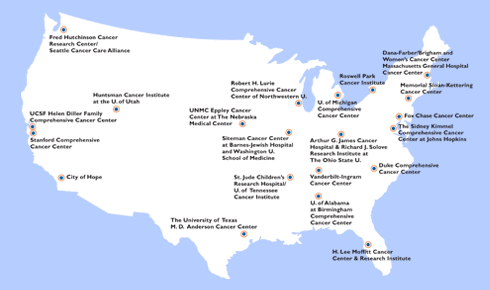
The National Comprehensive Cancer Network (NCCN), a not-for-profit alliance of 21 of the world’s leading cancer centers, is dedicated to improving the quality and effectiveness of care provided to patients with cancer. Through the leadership and expertise of clinical professionals at NCCN Member Institutions, NCCN develops resources that present valuable information to the numerous stakeholders in the health care delivery system. As the arbiter of high-quality cancer care, NCCN promotes the importance of continuous quality improvement and recognizes the significance of creating clinical practice guidelines appropriate for use by patients, clinicians, and other health care decision-makers. The primary goal of all NCCN initiatives is to improve the quality, effectiveness, and efficiency of oncology practice so patients can live better lives.

The NCCN Member Institutions are:

City of Hope Comprehensive Cancer Center, Los Angeles, CA;

Dana-Farber/Brigham and Women’s Cancer Center | Massachusetts General Hospital Cancer Center, Boston, MA;

Duke Comprehensive Cancer Center, Durham, NC;

Fox Chase Cancer Center, Philadelphia, PA;

Huntsman Cancer Institute at the University of Utah, Salt Lake City, UT;

Fred Hutchinson Cancer Research Center/Seattle Cancer Care Alliance, Seattle, WA;

The Sidney Kimmel Comprehensive Cancer Center at Johns Hopkins, Baltimore, MD;

Robert H. Lurie Comprehensive Cancer Center of Northwestern University, Chicago, IL;

Memorial Sloan-Kettering Cancer Center, New York, NY;

H. Lee Moffitt Cancer Center & Research Institute, Tampa, FL;

The Ohio State University Comprehensive Cancer Center – James Cancer Hospital and Solove Research Institute, Columbus, OH;

Roswell Park Cancer Institute, Buffalo, NY;

Siteman Cancer Center at Barnes-Jewish Hospital and Washington University School of Medicine, St. Louis, MO;

St. Jude Children’s Research Hospital/University of Tennessee Cancer Institute, Memphis, TN;

Stanford Comprehensive Cancer Center, Stanford, CA;

University of Alabama at Birmingham Comprehensive Cancer Center, Birmingham, AL;

UCSF Helen Diller Family Comprehensive Cancer Center, San Francisco, CA;

University of Michigan Comprehensive Cancer Center, Ann Arbor, MI;

UNMC Eppley Cancer Center at The Nebraska Medical Center, Omaha, NE;

The University of Texas MD Anderson Cancer Center, Houston, TX; and

Vanderbilt-Ingram Cancer Center, Nashville, TN.

Sources:

Lab-On-A-Chip: Veridex & MGH Collaborate On Next-Generation Circulating Tumor Cell Test

Veridex, LLC announces a collaboration with Massachusetts General Hospital to develop and commercialize a next-generation circulating tumor cell technology for capturing, counting and characterizing tumor cells found in patients’ blood.

Yesterday, Veridex, LLC (Veridex) announced a collaboration with Massachusetts General Hospital (MGH) to develop and commercialize a next-generation circulating tumor cell (CTC) technology for capturing, counting and characterizing tumor cells found in patients’ blood. The collaboration will involve Ortho Biotech Oncology Research & Development (ORD), a unit of Johnson & Johnson Pharmaceutical Research & Development. It focuses on the development of a next-generation system that will enable CTCs to be used both by oncologists as a diagnostic tool for personalizing patient care, as well as by researchers to accelerate and improve the process of drug discovery and development.

The collaboration will rely on the collective scientific, technical, clinical, and commercial expertise between the partners: MGH’s experience in clinical research and novel CTC technologies; the experience of Veridex as the only diagnostics company to have brought CTC technology to the U.S. market as an FDA-cleared in vitro diagnostic (IVD) assay ( “CellSearch® CTC Test”) for capturing and counting the number of tumor cells in the blood to help inform patients and their physicians about prognosis and overall survival in certain types of metastatic cancers; and ORD’s expertise in oncology therapeutics, biomarkers and companion diagnostics.  The platform to be developed will be a bench-top system to specifically isolate and explore the biology of rare cells at the protein, RNA and DNA levels.

“This new technology has the potential to facilitate an easy-to-administer, non-invasive blood test that would allow us to count tumor cells, and to characterize the biology of the cells,” said Robert McCormack, Head of Technology Innovation and Strategy, Veridex. “Harnessing the information contained in these cells in an in vitro clinical setting could enable tools to help select treatment and monitor how patients are responding.”

“The role of CTCs in drug discovery and development is growing as new technologies allow us to use CTCs for the first time as templates for novel DNA, RNA and protein biomarkers,” said Nicholas Dracopoli, Vice President, Biomarkers, ORD. “Given the demand for actionable data to guide personalized medicine for patients with cancer, there is a rapidly growing need for advanced, automated non-invasive technologies that can aid in selection of treatment and monitor response throughout the course of their disease.”

Mehmet Toner, Ph.D., Professor of Surgery, Massachusetts General Hospital (MGH) & Harvard Medical School; Director, MGH BioMicro- ElectroMechanical Systems Resource Center

“The challenging goal of sorting extremely rare circulating tumor cells from blood requires continuous technological, biological and clinical innovation to fully explore the utility of these precious cells in clinical oncology,” said Mehmet Toner, Ph.D., director of the BioMicroElectroMechanical Systems Resource Center in the MGH Center for Engineering in Medicine. “We have developed and continue to develop a broad range of technologies that are evolving what we know about cancer and cancer care. This collaboration is an opportunity to apply our past learning to the advancement of a platform that will ultimately benefit patients with cancer.”

Building on its successful development and evolution of CTC technology, as well as contributions to the body of science in the CTC field, MGH aims to revolutionize how oncologists detect, monitor and potentially treat cancers.  The MGH team has already developed two generations of a microfluidic chip capable of capturing CTCs with a high rate of efficiency. However the third generation technology now being developed with the companies is based on a new technological platform and will aim for even higher sensitivity, as well as suitability for broad applications and ready dissemination.

In the above demonstration of the first generation CTC-Chip, circulating tumor cells (fluorescent labeled, shown in white) mixed with blood (not labeled) are captured on nano-scale posts as they flow through the chip. The chip is the size of a microscope slide with 78,000 posts, which are coated with antibodies to epithelial cell adhesion molecules in tumor cells. (Video courtesy of Dr. Sunitha Nagrath, Massachusetts General Hospital/Harvard Medical School)

“This agreement is quite different from the usual academic-industrial agreement because we will be working together to bring new MGH-invented technology from its current, very early stage, through prototype and scale-up, to our ultimate goals of FDA approval and clinical adoption,” says Dr. Toner. “Our innovation team will be dedicated to developing this technology from its basic scientific principles all the way to initial prototyping within the biological research and clinical environments. Veridex has the knowledge required to translate early-stage technology into a product that can be reliably manufactured and meet regulatory requirements.

“Applying data gathered from CTCs to the care of cancer patients is a complex problem, and our strategy is to diversify technological approaches to find the best solutions for specific applications,” Toner adds. “We may find that different technologies work better for diagnosis, for prognosis and for the long-term goal of early detection; so we don’t want to confine ourselves to a single option.” His team is continuing to develop the microfluidic chip technology, with the support of Stand Up to Cancer.

Daniel A. Haber, M.D., Ph.D., Director, Massachusetts General Hospital Cancer Center

Daniel Haber, MD, PhD, director of the MGH Cancer Center, says, “The ability to establish a dedicated MGH research center focused on the intersection of bioengineering, molecular biology and clinical oncology presents an opportunity to develop a next-generation platform that will help us detect, define and monitor cancer cells more effectively – which should make an enormous difference in the lives of so many patients and their families.”

About Circulating Tumor Cells

Circulating tumor cells are cancer cells that have detached from the tumor and are found at extremely low levels in the bloodstream. The value of capturing and counting CTCs is evolving as more research data is gathered about the utility of these markers in monitoring disease progression and potentially guiding personalized cancer therapy.

About Veridex, LLC

Veridex, LLC, a Johnson & Johnson company, is an organization dedicated to providing physicians with high-value diagnostic oncology products. Veridex’s IVD products may significantly benefit patients by helping physicians make more informed decisions that enable better patient care. Veridex’s Clinical Research Solutions provide tools and services that may be used for the selection, identification and enumeration of targeted rare cells in peripheral blood for the identification of biomarkers, aiding scientists in their search for new, targeted therapies. For more information, visit www.veridex.com.

About Ortho Biotech Oncology Research & Development

Ortho Biotech Oncology Research & Development, a unit of Johnson & Johnson Pharmaceutical Research & Development, is a research and development organization that strives to transform cancer to a preventable, chronic or curable disease by delivering extraordinary and accessible diagnostic and therapeutic solutions that prolong and improve patients’ lives.

About Massachusetts General Hospital

Celebrating the 200th anniversary of its founding in 1811, Massachusetts General Hospital is the original and largest teaching hospital of Harvard Medical School. The MGH conducts the largest hospital-based research program in the United States, with an annual research budget of more than $600 million and major research centers in AIDS, cardiovascular research, cancer, computational and integrative biology, cutaneous biology, human genetics, medical imaging, neurodegenerative disorders, regenerative medicine, systems biology, transplantation biology and photomedicine. For more information visit http://www.mgh.harvard.edu/.

Sources:

UH Biochemist Works To Revolutionize Ovarian Cancer Treatment By Unleashing the Power of MicroRNAs & Nanotechnology

The day when an ovarian cancer patient can treat her tumor with a single, painless pill instead of a toxic drug cocktail is the ultimate goal of the pioneering research of a University of Houston (UH) scientist.  Preethi Gunaratnee, assistant professor in the department of biology and biochemistry, is studying a class of tiny genetic molecules known as microRNAs and pinpointing those that could unleash the body’s natural cancer-fighting agents.

The day when an ovarian cancer patient can treat her tumor with a single, painless pill instead of a toxic drug cocktail is the ultimate goal of the pioneering research of a University of Houston (UH) scientist.

Preethi Gunaratnee, Ph.D., Assistant Professor, Department of Biology & Biochemistry, University of Houston

Preethi Gunaratnee, assistant professor in the department of biology and biochemistry, is studying a class of tiny genetic molecules known as microRNAs and pinpointing those that could unleash the body’s natural cancer-fighting agents. Additionally, she is developing a novel method to effectively deliver this treatment to the targeted cells by using an unusual carrier – nanoparticles of gold – through the work of Lalithya Jayarathne, a postdoctoral researcher in Gunaratne’s lab.

Gunaratne’s potentially groundbreaking work in ovarian cancer has gained exceptional notice and momentum this year with a series of high-profile research grants. In October, her ovarian cancer project was awarded a $200,000 High Impact/High Risk grant from the Cancer Prevention and Research Institute of Texas (CPRIT), which oversees the state’s billion-dollar war on cancer. In November, she was approved for a $250,000 grant from Houston’s Cullen Foundation. Earlier this year, she was chosen a beneficiary of the Baylor College of Medicine Partnership Fund.

Each year, the Baylor partnership undertakes a major fundraising campaign for a specific health project. For 2010-11, the partnership is raising money to fund the collaborative ovarian cancer project of Gunaratne and Baylor researchers Matthew Anderson, M.D., Ph.D. and Martin Matzuk, M.D., Ph.D.

All this promising research has its origins in a revolution in genetic science that began just a few years ago. Attention has long centered on nucleic acids known as DNA, with little consideration given to its cousin RNA or to microRNAs, which were considered “genetic junk” that played no significant role in the human genome, Gunaratne said.

MicroRNA Expression (Rosetta Genomics)

That began to change earlier this decade as scientists discovered that microRNAs might actually be the hidden regulators that control the 30,000 genes in the human body by silencing gene expression. Gunaratne has been at the vanguard of this development. With its 2008 acquisition of a $1 million genome sequencer device – the Illumina Genome Analyzer – UH instantly became a major player in this cutting-edge research. This state-of-the-art machine can rapidly deconstruct and analyze millions of pages worth of genetic data and allowed Gunaratne’s lab to sequence hundreds of normal and diseased tissue samples.

Gunaratne set her sights on a variety of cancers, including ovarian tumors, pediatric neuroblastoma and multiple myeloma. Using the sequencer in collaboration with Baylor, Texas Children’s Cancer Center and the Lurie Cancer Center at Northwestern University, her team created a unique database documenting genome-wide patters of microRNA and gene expression across an array of human tissues and cancers. The ultimate goal is to connect specific microRNAs with the genes they regulate, individualized to attack specific genomes.

From this database, Gunaratne’s team was able to pinpoint a handful of microRNAs in the human body that can significantly or completely suppress the growth of cancer cells. One in particular, miR-31, discovered by Baylor collaborators and Gunaratne, shows promise as a potent tumor suppressor in ovarian cancer, glioblastoma, osteosarcoma and prostate cancer.

They discovered that miR-31 can specifically target and kill cancer cells that are deficient in p53, a crucial gene that guards the integrity of the genome and prevents cancer. More than half of all cancers and 90 percent of papillary serous tumors – the most common type of malignant ovarian cancer – are p53-deficient.

In cell cultures miR-31 suppressed and killed tumor cells deficient in p53, while sparing cells with a normal p53 gene. Since all non-cancerous cells in the body would be resistant to miR-31, it can fight tumors without the side effects associated with chemotherapy.

“Delivering these microRNAs into human patients is a much trickier proposition than working on cell cultures and has never been done,” Gunaratne said. “Other types of gene therapy have been delivered with modified viruses in clinical trials, but ongoing safety concerns will likely prevent its widespread use.”

However, Gunaratne believes gold, which is biocompatible and easily functionalized to carry hundreds of microRNAs on the surface, can act as an effective carrier of genetic molecules. In lab tests, gold nanoparticles containing miR-31 penetrated 90 percent of targeted cells within 20 minutes, killing cancer cells three times faster than microRNAs delivered through lentiviruses, which are traditionally used in carrying gene-based treatments to diseased cells.

The next step is to test these microRNA-conjugated gold particles on tumors in mice to see if they can be delivered orally or through injection to shrink the tumors. If all goes as planned, this potentially revolutionary ovarian cancer treatment could be ready for phase I clinical trials in humans at the end of the two-year CPRIT grant, Gunaratne said.

Ovarian cancer is the fifth deadliest cancer among women, with about 15,000 deaths annually in the United States. Thus far, in cancer treatment generally, genetic markers have been helpful in assessing cancer patients’ risk and channeling them into the most effective treatment options. If scientists like Gunaratne are successful, doctors will go beyond just observing and reacting to a cancer patient’s gene expression to actually changing it, activating the body’s natural tumor suppressants. This could make chemotherapy a thing of the past.

“Although ovarian tumors are the focus of this project, our microRNA research is applicable to other cancers and diseases, too,” Gunaratne said. “Because a single microRNA can regulate hundreds of genes across diverse signaling pathways, they provide an especially promising way to control the patterns of gene expression that cause disease.”

Gunaratne also is a co-investigator with Baylor researchers on two other CPRIT grants announced in October, totaling $2.5 million. In one they will test siRNA-conjugated gold particles as an anti-cancer agent with Baylor’s Dr. Larry Donehower, and in the other they will use next-generation sequencing to look at epigenetic signals in malignant blood-related cancers with Dr. Margaret Goodell.

This most recent round of CPRIT grant awards marks the first time UH has received a research grant from CPRIT. Previous awards were for training graduate students and for raising cancer awareness.

“All these awards, CPRIT included, underscore UH’s growing role in biomedical research and demonstrate we can compete with other research powerhouses both locally and nationally,” Gunaratne said.

About the University of Houston

The University of Houston is a comprehensive national research institution serving the globally competitive Houston and Gulf Coast Region by providing world-class faculty, experiential learning and strategic industry partnerships. UH serves more than 38,500 students in the nation’s fourth-largest city, located in the most ethnically and culturally diverse region of the country.

About the College of Natural Sciences and Mathematics

The UH College of Natural Sciences and Mathematics, with 181 ranked faculty and approximately 4,500 students, offers bachelor’s, master’s and doctoral degrees in the natural sciences, computational sciences and mathematics. Faculty members in the departments of biology and biochemistry, chemistry, computer science, earth and atmospheric sciences, mathematics and physics conduct internationally recognized research in collaboration with industry, Texas Medical Center institutions, NASA and others worldwide.

Source: UH Biochemist Works to Revolutionize Ovarian Cancer Treatment – Preethi Gunaratne Wins Key Grants to Unleash Body’s Natural Cancer-fighting Agents, News Release, University of Houston, December 21, 2010.

Determined Teen Loses Ovarian Cancer Battle, But Her Courage Inspires An Entire Community

On December 24, 2010, fifteen year old Meghan Redenbach lost her ovarian cancer battle. Although her physical presence is no longer, Meghan’s spirit will forever inspire her hometown community, as well as those who have read about and followed her courageous journey since 2008.

On December 24, 2010, fifteen year old Meghan Redenbach lost her ovarian cancer battle.  Libby’s H*O*P*E*™ covered Meghan’s inspirational story on February 26, 2009 and March 5, 2009. When Meghan was thirteen years old, she was diagnosed with a rare form of ovarian cancer known as “fibrosarcoma.” This form of ovarian cancer is so rare that there are only 30 documented cases in the U.S. Meghan was only the second child to be diagnosed with fibrosarcoma.

Meghan was a gifted and avid volleyball player in middle school and during her freshman year in high school.  “She just has incredible courage and determination and the ability to fight through things,” says Bill Holahan, Meghan’s high school volleyball coach. “Anyone who has come into contact with her has fallen in love with her and her courage.”

Meghan Redenbach was a gifted and avid volleyball player. Bill Holahan, Meghan's high school volleyball coach, said: "Anyone who has come into contact with her has fallen in love with her and her courage."

Last year, and after a difficult selection process, Meghan was chosen by Roswell Park Cancer Institute as one of three cancer patients whose stories were told as part of the Institute’s New Era New Hope campaign.  As part of the New Era New Hope campaign, each selected patient was requested to design a customized baseball cap that represented the spirit of his or her cancer journey.  The front of Meghan’s cap emphasized the word “Survivor,” along with a teal ovarian cancer ribbon. In full defiance of her cancer, Meghan placed the words “Man Up” on the back of her cap.

As part of her story for the New Era New Hope campaign, Meghan wrote:

… I will admit that at times I feel like I don’t have anyone, and just want to give up. In reality, I have so many people behind me that bring out the strength I have. I guess the saying “You never know how strong you are until strength is your only option,” is really true. People have said it is amazing how I can do all this and stay so positive. I strongly believe that I am doing what any other person would be doing if they were in my position.

Being diagnosed has opened my eyes to everything in life. I have never really appreciated my friends and family as much as I do now. If it weren’t for them, I am not sure I would have gotten as far as I have. Everyday I tell myself, “Just another day. No matter what, I will make it to tomorrow. Even if I fight all day. I’ll make it.”

I have always wanted to inspire people, and help people get through things they never imagined they could get through. And to tell you the truth, I am still trying to figure out how. One day it will all come together and all my dreams will come true. I hope this happens for everybody. One of my dreams is to speak for those who are, unfortunately, not able to tell their story. Those who have lost their fight. I plan on winning my fight in honor for those who didn’t get a chance to say, “I’m a survivor. …

Meghan’s words above require no additional explanation and reveal the character of a remarkable teenager, who was wise well beyond her fifteen years of life.  Although her physical presence is no longer, Meghan’s spirit will forever inspire her hometown community, as well as those who have read about and followed her courageous journey since 2008.

In tribute, we provide below a five minute video news story about Meghan, which was created in March 2009 by WGRZ’s Matt Pearl.  In addition, we provide a second news story video that reported today on Meghan’s life and extraordinary character, as described by those who gathered to celebrate her life.

We would like Meghan’s family and friends to know that our thoughts and prayers are with them during this extremely difficult time.

Meghan Redenbach – WGRZ News Story – March 5, 2009

Vodpod videos no longer available.

Meghan Redenbach – WIVB News Story – December 28, 2010

Sources:

Exelixis Reports Promising Interim Data From Ovarian Cancer Patients Treated With XL184

Exelixis reports promising interim data from ovarian cancer patients treated with XL184, including:  a  32% confirmed response rate per RECIST in patients with platinum-resistant or platinum-sensitive disease, and a 64% overall week-12 disease control rate.

Ignace Vergote, M.D., Ph.D., Head, Department of Obstetrics & Gynecology and Gynecologic Oncology, Catholic University Hospital, Leuven, Belgium

Exelixis, Inc.  today reported interim data from the cohort of patients with advanced epithelial ovarian cancer, primary peritoneal, or fallopian tube carcinoma treated with XL184 in an ongoing phase 2 adaptive randomized discontinuation trial (RDT) [1]. Ignace Vergote, M.D., Ph.D., Head of the Department of Obstetrics and Gynecology and Gynecologic Oncology at the Catholic University Hospital Leuven, Leuven, Belgium, will present the data in the Molecular-Targeted Therapies-Clinical Trials poster session (Abstract #407) on Thursday, November 18th, at the 22nd EORTC-NCI-AACR [2] Symposium on Molecular Targets and Cancer Therapeutics, being held in Berlin, Germany.

XL184 Activity in Patients with Ovarian Cancer

XL184 is an oral, potent inhibitor of MET, VEGFR2 and RET. MET overexpression has been observed in advanced ovarian cancer, and anti-VEGF pathway agents have shown clinical benefit in ovarian cancer patients. For these reasons, co-targeting of the MET and VEGF signaling pathways using XL184 may represent a promising treatment strategy.

As of the November 1, 2010 cut-off date, a total of 51 patients were enrolled into the ovarian cancer cohort, with 31 evaluable for response, and 41 evaluable for safety. The median number of prior systemic treatments was 2. Tumor shrinkage was observed in 30 of 37 (81%) patients with measurable metastatic lesions. Of 31 patients evaluable for response per RECIST (Response Evaluation Criteria In Solid Tumors), 10 (32%) achieved a confirmed partial response (PR). Stable disease (SD) was reported in 15 patients (48%) including 3 patients who achieved unconfirmed PRs. The overall week-12 disease control rate (DCR)(complete responses + partial responses + stable disease responses = DCR) was 64%.

Upon subset analysis, 5 of 17 platinumrefractory or –resistant patients (29%) evaluable for response per RECIST achieved a confirmed PR. SD was reported in 7 patients (41%) including 2 patients with unconfirmed PRs. The week-12 DCR was 59% in platinum-resistant/refractory patients. Durable responses have been observed, including 2 patients with platinum-refractory or resistant disease who remain on study for 34+ and 36+ weeks, and 3 patients with platinum-sensitive disease on study for 24, 24+, and 28+ weeks. Some patients have experienced reductions in the ovarian cancer blood marker CA125, but in general no clear concordance between CA125 changes and tumor shrinkage has been observed.

Safety data are available for 49 patients who had at least 6 weeks of follow-up. The most common grade greater-than or equal to 3 adverse events, regardless of causality were PPE (Palmar-Plantar Erythrodysesthesia) syndrome (also referred to as “hand-foot syndrome”) (12%), diarrhea (7%), fatigue, vomiting (each 5%), nausea, rash, abdominal pain, hypertension, and hypomagnesemia (each 2%).

“The activity of XL184 in women with both platinum-sensitive and platinum-resistant/refractory disease is unique and encouraging. The response rate and overall disease control rate of this oral agent are impressive especially in the group of patients with platinum refractory/resistant ovarian cancer, and compare favorably to other targeted and systemic agents in development,” said, Dr. Vergote. “I believe these encouraging data warrant further evaluation of XL184 in ovarian cancer.”

Michael M. Morrissey, Ph.D., President & Chief Executive Officer, Exelixis, Inc.

“The high response rate in patients with ovarian cancer is reflective of the broad anti-tumor activity of XL184 observed in multiple tumor types to date,” said Michael M. Morrissey, Ph.D., president and chief executive officer of Exelixis. “The data from the RDT underscore the novel and differentiated clinical activity of XL184 in diverse tumor indications with predominance of either soft tissue or bone involvement.”

To access the clinical data poster mentioned in this press release, please visit www.exelixis.com.

Broad Clinical Activity of XL184 – Randomized Discontinuation Trial

XL184 has demonstrated anti-tumor activity in 9 of 12 indications studied to date. In ongoing trials, compelling activity has been observed in medullary thyroid cancer, glioblastoma, and clear cell renal cancer. In the RDT, XL184 is being evaluated in nine different tumor types, with clear signals of activity in six: prostate, ovarian, hepatocellular, breast, non-small cell lung cancer and melanoma. The adaptive RDT design allowed for rapid simultaneous assessment of the activity of XL184 across nine different tumor indications. As of the November 1, 2010 cut-off date, a total of 397 patients have been enrolled into the nine disease-specific cohorts, with 273 evaluable for response, and 312 evaluable for safety. Of 273 patients evaluable for response per RECIST, 39 achieved a PR (either confirmed or unconfirmed) and 100 had SD at week 12. The week-12 DCR for the overall population was 49%, with the highest rates occurring in hepatocellular cancer (75%), castration-resistant prostate cancer (71%), ovarian cancer (64%), melanoma (45%), non-small cell lung cancer (42%) and breast cancer (42%). Of note, a breast cancer patient with evidence of bone metastasis on bone scan demonstrated evidence of resolution on bone scan accompanied by 29% reduction in tumor size. XL184 has been generally well tolerated with a consistent adverse event profile across the nine different RDT tumor types.

About XL184

XL184, an inhibitor of tumor growth, metastasis and angiogenesis, simultaneously targets MET and VEGFR2, key kinases involved in the development and progression of many cancers, including ovarian cancer. It has recently been shown in preclinical models that treatment with selective inhibitors of VEGF signaling can result in tumors that are more invasive and aggressive compared to control treatment. In preclinical studies, upregulation of MET has been shown to occur in concert with development of invasiveness after selective anti-VEGF therapy, and may constitute a mechanism of acquired or evasive resistance to agents that target VEGF signaling. Accordingly, treatment with XL184 in similar preclinical studies resulted in tumors that were less invasive and aggressive compared to control or selective anti-VEGF treatment. Therefore, XL184 has the potential for improving outcomes in a range of indications, including those where selective anti-VEGF therapy has shown minimal or no activity.

About Exelixis

Exelixis, Inc. is a development-stage biotechnology company dedicated to the discovery and development of novel small molecule therapeutics for the treatment of cancer. The company is leveraging its biological expertise and integrated research and development capabilities to generate a pipeline of development compounds with significant therapeutic and commercial potential for the treatment of cancer. Currently, Exelixis’ broad product pipeline includes investigational compounds in phase 3, phase 2, and phase 1 clinical development. Exelixis has established strategic corporate alliances with major pharmaceutical and biotechnology companies, including Bristol-Myers Squibb Company, sanofi-aventis, GlaxoSmithKline, Genentech (a wholly owned member of the Roche Group), Boehringer Ingelheim, and Daiichi-Sankyo. For more information, please visit the company’s web site at http://www.exelixis.com.

Sources:

Additional Information:
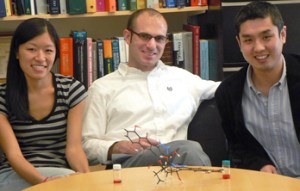
References:

1/Rosner GL, Stadler W, Ratain MJ. et. al.  Randomized discontinuation design: Application to cytostatic antineoplastic agents. J Clin Oncol 20:4478-4484, 2002.  Pursuant to this design, all patients receive the investigational drug for an initial period of time. Patients with standard radiologic tumor shrinkage within that timeframe would continue investigational therapy, while those with radiologic progression or unacceptable toxicity would discontinue therapy. All patients with radiologic stable disease after the initial therapy period are then randomized to continuing or discontinuing therapy in a double-blind placebo-controlled manner. This is an enrichment strategy in which patients with the end point of interest are preferentially enrolled in the randomized portion and in which the heterogeneity of the randomized population is decreased. These two factors result in an increased power for detecting a clinically relevant difference and decrease the number of patients exposed to placebo. Importantly, the enrichment is driven by the properties of the investigational drug as opposed to clinical prognostic factors identified in historical untreated patients or patients treated with a different class of agents. In addition, the statistical behavior of the trial is not highly dependent on investigators’ assumptions regarding the “no dose effect” (i.e., non-receipt of drug = no effect)  for time to progression or stable disease rate, and thus effectively deals with uncertainty in this variable. Finally, patients may find such a trial design more appealing, resulting in brisk accrual.

2/EORTC [European Organisation for Research and Treatment of Cancer, NCI [National Cancer Institute], AACR [American Association for Cancer Research].

PARP Inhibitor MK-4827 Shows Anti-Tumor Activity in First Human Clinical Study

MK-4827, a new drug that targets proteins responsible for helping cancer cells repair their damaged DNA, has shown promising anti-tumor activity in its first human clinical trial.

MK-4827, a new drug that targets proteins responsible for helping cancer cells repair their damaged DNA, has shown promising anti-tumour activity in its first human clinical trial. Some patients with a range of solid tumors, many of whom had been treated unsuccessfully for their cancer with other therapies, have seen their tumors shrink or stabilize for periods of between 46 days to more than a year. The research will be presented today (Thursday) at the 22nd EORTCNCIAACR [1] Symposium on Molecular Targets and Cancer Therapeutics, which is being held in Berlin, Germany.

PARP is a key signaling enzyme involved in triggering the repair of single-strand DNA damage. PARP inhibition has been demonstrated to selectively kill tumor cells lacking components of the homologous recombination (HR) DNA repair pathway while sparing normal cells. Known defects in HR repair include the well-characterized hereditary BRCA1 and BRCA2 mutations in breast and ovarian cancer, as well as nonhereditary BRCA mutations. (Photo Credit: AstraZeneca Oncology)

Laboratory studies of the drug, MK-4827, have shown that it inhibits proteins called PARP1 and PARP2 (poly(ADP)-ribose polymerase). PARP is involved in a number of cellular processes and one of its important functions is to assist in the repair of single-strand breaks in DNA. Notably, if one single-strand DNA break is replicated (replication occurs before cell division), then it results in a double-strand break.  By inhibiting the action of PARP, double-strand breaks occur, which in turn, lead to cell death. Tumors that are caused by a mutation in the BRCA1 or BRCA2 genes are susceptible to cell death through PARP inhibition because correctly functioning BRCA genes assist in repairing double-strand DNA breaks via a process called homologous-recombination-dependent DNA repair, whereas mutated versions are unable to perform this role. Normal cells do not replicate as often as cancer cells and they still have homologous repair operating; this enables them to survive the inhibition of PARP and makes PARP a good target for anti-cancer therapy.

In a Phase I trial [2] conducted at the H. Lee Moffitt Cancer Center (Tampa Florida, USA), University of Wisconsin-Madison (Madison, USA) and the Royal Marsden Hospital (London, UK), MK-4827 was given to 59 patients (46 women, 13 men) with a range of solid tumors such as non-small cell lung cancer (NSCLC), prostate cancer, sarcoma, melanoma and breast and ovarian cancers. Some patients had cancers caused by mutations in the BRCA1/2 genes, such as breast and ovarian cancer, but others had cancers that had arisen sporadically.

Robert M. Wenham, M.D., MS, FACOG, Clinical Director, Gynecologic Oncology, Department of Women's Oncology, H. Lee Moffitt Cancer Center

The drug was given in pill form once a day, and the researchers found that the maximum tolerated dose was 300 mg per day. Dr. Robert Wenham, Clinical Director for Gynecologic Oncology in the Department of Women’s Oncology at the Moffitt Cancer Center, who is presenting data on behalf of the participating investigators, said: “MK-4827 is generally well tolerated, with the main dose-limiting toxicity being thrombocytopenia – an abnormal decrease in the number of platelets in the circulatory blood. The most common side effects are mild nausea, vomiting, anorexia and fatigue.”

The researchers saw anti-tumor responses in both sporadic (non-inherited) and BRCA1/2 mutation-associated cancers [emphasis added]. Ten patients with breast and ovarian cancers had partial responses, with progression-free survival between 51-445 days, and seven of these patients are still responding to treatment. Four patients (two with ovarian cancer and two with NSCLC) had stable disease for between 130-353 days.

Dr. Wenham said: “Most patients in the trial had exhausted standard therapies and those who responded to this drug have benefited. Several patients have been receiving treatment for more than a year. The responses mean that MK-4827 is working as hoped and justify additional studies. Just how well MK-4827 works compared to other treatments is the goal of the next set of studies.”

He gave a possible explanation as to why patients with cancers that were not caused by BRCA1 or BRCA 2 gene mutations also responded to the PARP inhibition. “BRCA is a tumor suppressor gene that assists in repairing double stranded DNA breaks. In BRCA-mutation related cancers, loss of both copies of the gene results in a non-functional protein and thus BRCA deficiency. Because BRCA works with other proteins, BRCA-pathway related deficiency can be seen in the absence of two mutated copies of the BRCA genes. This may explain why responses have been reported for this class of drugs in non-BRCA mutant cancers.”

Dr. Wenham and his colleagues are recruiting more patients for additional studies and an expansion of the existing trial. “We want to understand what types of cancers will respond best to treatment with MK-4827,” he said. “Cohorts are currently open for patients with ovarian cancer, patients without germ-line BRCA mutations, and prostate cancer patients. Cohorts will open soon for patients with T-cell prolymphocytic leukemia, endometrial cancer, breast cancer and colorectal cancer. MK-4827 is also being studied in combination with conventional chemotherapy drugs.”

Sources:

Additional Information:

Related Information:

References:

[1] EORTC [European Organisation for Research and Treatment of Cancer, NCI [National Cancer Institute], AACR [American Association for Cancer Research].

[2] This study was funded by Merck & Co., Inc. MK-4827 is owned by Merck & Co., Inc.

Dana-Farber Researchers “OncoMap” The Way To Personalized Treatment For Ovarian Cancer

Researchers have shown that point mutations – mis-spellings in a single letter of genetic code – that drive the onset and growth of cancer cells can be detected successfully in advanced ovarian cancer using a technique called OncoMap. The finding opens the way for personalized medicine in which every patient could have their tumor screened, specific mutations identified, and the appropriate drug chosen to target the mutation and halt the growth of their cancer.

Researchers have shown that point mutations – mis-spellings in a single letter of genetic code – that drive the onset and growth of cancer cells can be detected successfully in advanced ovarian cancer using a technique called OncoMap. The finding opens the way for personalized medicine in which every patient could have their tumor screened, specific mutations identified, and the appropriate drug chosen to target the mutation and halt the growth of their cancer.

Using mass spectrometry for identifying the genetic make-up of cancer cells, OncoMap can determine the point mutations in tumors by utilizing a large panel of over 100 known cancer-causing genes (referred to as “oncogenes“). In the work to be presented today (Wednesday) at the 22nd EORTCNCIAACR [1] Symposium on Molecular Targets and Cancer Therapeutics in Berlin, researchers will describe how they used OncoMap to identify oncogene mutations in tumor samples obtained from women with advanced high-grade serous ovarian cancer. [2] Earlier in the year 76 mutations in 26 different genes had been found but, since then, further work in more tumor samples has found more.

Ursula A. Matulonis, M.D., Medical Director, Gynecologic Oncology, Dana-Farber Cancer Institute; Associate Professor, Medicine, Harvard Medical School

Dr. Ursula Matulonis, director/program leader in medical gynecologic oncology at the Dana-Farber Cancer Institute located in Boston, Massachusetts (USA) and Associate Professor of Medicine at Harvard Medical School, will tell the meeting:

“Epithelial ovarian cancer is the most lethal of all the gynecologic malignancies, and new treatments are needed for both newly diagnosed patients as well as patients with recurrent cancer. The success of conventional chemotherapy has reached a plateau, and new means of characterizing ovarian cancer so that treatment can be personalized are needed.

We know that many human cancers have point mutations in certain oncogenes, and that these mutations can cause cancer cells to have a dependence on just one overactive gene or signalling pathway for the cancer cell’s growth and survival – a phenomenon known as ‘oncogene addiction’. If the mutation that causes the oncogene addiction can be inhibited, then it seems that this often halts the cancer process. Examples of mutations that are successfully inhibited by targeted drugs are HER2 (for which trastuzumab [Herceptin®] is used in breast cancer), EGFR (erlotinib [Tarceva®] in lung cancer) and c-kit (imatinib [Gleevec®] in chronic myeloid leukemia). So if we know the status of specific genes in a tumor, then this enables us to choose specific treatments that are likely to work successfully against the cancer.”

Dr Matulonis and her colleagues used OncoMap to investigate the mutation status of high-grade serous ovarian tumors that were known not to be caused by inherited mutations in the BRCA 1 and BRCA 2 genes. They found mutations previously identified to be involved in ovarian cancer: KRAS, BRAF, CTNNB1 and PIK3CA. The KRAS and PIK3CA mutations were the most common, while BRAF was more rare. The researchers also identified a low frequency of mutations in many other different oncogenes.

Dr. Matulonis further noted:

“This study shows that it’s feasible to use OncoMap to identify whether a patient’s tumor has a mutation in an oncogene for which a known drug is available to target that specific gene, so as to enable us to place her on a clinical study of that drug; for instance, XL147 or GDC-0941 are inhibitors for the P13kinase mutation that are in clinical trials at present.  In addition, someone’s cancer could harbor a mutation (such as ALK) that is not known to be associated with ovarian cancer or has not yet been studied in ovarian cancer – these patients could be matched with a drug that inhibits that protein too. As new drugs get developed, this information would be used to match future drugs with patients and their cancers.”

The researchers hope that OncoMap will become a clinical test for all cancer patients at the Dana-Farber Cancer Institute before long, so that the genetic information obtained can be used to choose the best treatment for them.

Dr. Matulonis said:

“At present, only a few targeted therapies are being used for newly diagnosed ovarian cancer and most are being used to treat recurrent ovarian cancer, but this will change eventually. I have already referred several of our patients who are either newly diagnosed or have recurrent cancer and who have mutations (one with KRAS and one with PIK3CA) to our phase I program for drugs studies specific to these mutations.  For ovarian cancer, understanding mutational analysis is one piece of the genetic puzzle. Our group will also start looking for chromosomal and gene amplifications and deletions in patients’ tumors, which we know are important for ovarian cancer.”

Matulonis believes that OncoMap and other similar analytical tools will become mainstream practice in all cancer clinics before long. Tools for detecting genes with the incorrect numbers of copies or abnormal expression will also help doctors to choose the best treatment for individual patients.”

Source: Researchers map the way to personalised treatment for ovarian cancer, Abstract no: 35. Oral presentation in plenary session 2.  22nd EORTC-NCI-AACR Symposium on Molecular Targets and Cancer Therapeutics, Berlin, Germany, November 16- 19, 2010.

References:

[1] EORTC [European Organisation for Research and Treatment of Cancer, NCI [National Cancer Institute], AACR [American Association for Cancer Research].

[2] The study was funded by the Madeline Franchi Ovarian Cancer Research Fund, twoAM Fund and the Sally Cooke Ovarian Cancer Research Fund.

Related Information:

Ovarian Cancer Drug AMG 386 Shows Promise With Move To Phase 3 Trials In Australia, Canada & Europe

A new drug (AMG 386) designed to arrest ovarian cancer cell growth by inhibiting blood vessel formation is being readied for a phase 3 trial in Australia, Canada and Europe.

AMG 386, a new drug designed to arrest ovarian cancer cell growth by inhibiting blood vessel formation, is being readied for a phase 3 trial in Australia, Canada and Europe.

The attendees at the Clinical Oncological Society of Australia Annual Scientific Meeting were told on November 10th that AMG 386 offers benefits over existing treatments, extending survival in advanced ovarian cancer patients with fewer side-effects.

AMG 386 is a first-in-class investigational “peptibody” (i.e., a combination of a peptide + an antibody) that is designed to block angiogenesis by inhibiting angiopoietin-1 and -2 (Ang1 & Ang2). Angiopoietins interact with the Tie2 receptor, which mediates vascular remodeling. Ang1 and Ang2 are thought to play opposing roles, and the maturation of blood vessels appears to be controlled by their precise balance.

Gary E. Richardson, M.D., Associate Professor of Medicine, Monash University, Victoria, Australia

Associate Professor of Medicine at Monash University, Gary Richardson, presented updated data from phase 2 clinical trials (first reported in June at the American Society of Clinical Oncology) showing that AMG 386 in combination with paclitaxel not only extends survival, but is well tolerated and reduces the risk of serious complications such as bowel perforation.

“Currently the prognosis for ovarian cancer patients is poor,” Professor Richardson said. “Over 75% of patients diagnosed with ovarian cancer present with advanced disease. Current treatments will cure only about a quarter of these patients.”

“The phase 2 trials show that AMG 386 combined with paclitaxel extends survival of heavily pre-treated patients by almost two thirds (4.6 to 7.2 months). In practical terms, this does not add significantly to survival time for terminal patients, but importantly indicates real potential as a first line treatment immediately following surgery.”

Professor Richardson said the treatment worked by inhibiting angiogenesis, the process by which new blood vessels grow from existing blood vessels. “By starving the cancer cells of blood supply, they will die in greater numbers. This form of therapy is complementary to current chemotherapy treatment as it uses a different mechanism to target the cancer.”

Professor Richardson said the phase 3 trial would commence by the end of this year and involve more than 1,000 patients in Australia, Canada and western Europe.

Bruce Mann, M.D., President, Clinical Oncological Society of Australia

Clinical Oncological Society of Australia President, Professor Bruce Mann, said clinicians had been frustrated by the lack of progress in treatment for ovarian cancer. “We don’t want to get ahead of ourselves, but novel approaches like this have the potential to make a real difference in patient survival from this devastating disease.”

Sources:

Additional Information: