Largest Study Matching Genomes To Potential Anticancer Treatments Releases Initial Results

The largest study to correlate genetics with response to anticancer drugs released its first results on July 15. The researchers behind the study, based at Massachusetts General Hospital Cancer Center and the Wellcome Trust Sanger Institute, describe in this initial dataset the responses of 350 cancer samples (including ovarian cancer) to 18 anticancer therapeutics.

U.K.–U.S. Collaboration Builds a Database For “Personalized” Cancer Treatment

The Genomics of Drug Sensitivity in Cancer project released its first results on July 15th. Researchers released a first dataset from a study that will expose 1,000 cancer cell lines (including ovarian) to 400 anticancer treatments.

The largest study to correlate genetics with response to anticancer drugs released its first results on July 15. The researchers behind the study, based at Massachusetts General Hospital Cancer Center and the Wellcome Trust Sanger Institute, describe in this initial dataset the responses of 350 cancer samples (including ovarian cancer) to 18 anticancer therapeutics.

These first results, made freely available on the Genomics of Drug Sensitivity in Cancer website, will help cancer researchers around the world to obtain a better understanding of cancer genetics and could help to improve treatment regimens.

Dr. Andy Futreal, co-leader of the Cancer Genome Project at the Wellcome Trust Sanger Institute, said:

Today is our first glimpse of this complex interface, where genomes meet cancer medicine. We will, over the course of this work, add to this picture, identifying genetic changes that can inform clinical decisions, with the hope of improving treatment.  By producing a carefully curated set of data to serve the cancer research community, we hope to produce a database for improving patient response during cancer treatment.

How a patient responds to anticancer treatment is determined in large part by the combination of gene mutations in her or his cancer cells. The better this relationship is understood, the better treatment can be targeted to the particular tumor.

The aim of the five-year, international drug-sensitivity study is to find the best combinations of treatments for a wide range of cancer types: roughly 1000 cancer cell lines will be exposed to 400 anticancer treatments, alone or in combination, to determine the most effective drug or combination of drugs in the lab.

The therapies include known anticancer drugs as well as others in preclinical development.

To make the study as comprehensive as possible, the researchers have selected 1000 genetically characterized cell lines that include common cancers such as breast, colorectal and lung. Each cell line has been genetically fingerprinted and this data will also be publicly available on the website. Importantly, the researchers will take promising leads from the cancer samples in the lab to be verified in clinical specimens: the findings will be used to design clinical studies in which treatment will be selected based on a patient’s cancer mutation spectrum.

The new data released today draws on large-scale analyses of cancer genomes to identify genomic markers of sensitivity to anticancer drugs.

The first data release confirms several genes that predict therapeutic response in different cancer types. These include sensitivity of melanoma, a deadly form of skin cancer, with activating mutations in the gene BRAF to molecular therapeutics targeting this protein, a therapeutic strategy that is currently being exploited in the clinical setting. These first results provide a striking example of the power of this approach to identify genetic factors that determine drug response.

Dr. Ultan McDermott, Faculty Investigator at the Wellcome Trust Sanger Institute, said:

It is very encouraging that we are able to clearly identify drug–gene interactions that are known to have clinical impact at an early stage in the study. It suggests that we will discover many novel interactions even before we have the full complement of cancer cell lines and drugs screened. We have already studied more gene mutation-drug interactions than any previous work but, more importantly, we are putting in place a mechanism to ensure rapid dissemination of our results to enable worldwide collaborative research. By ensuring that all the drug sensitivity data and correlative analysis is freely available in an easy-to-use website, we hope to enable and support the important work of the wider community of cancer researchers.

Further results from this study should, over its five-year term, identify interactions between mutations and drug sensitivities most likely to translate into benefit for patients: at the moment we do not have sufficient understanding of the complexity of cancer drug response to optimize treatment based on a person’s genome.

Professor Daniel Haber, Director of the Cancer Center at Massachusetts General Hospital and Harvard Medical School, said:

We need better information linking tumor genotypes to drug sensitivities across the broad spectrum of cancer heterogeneity, and then we need to be in position to apply that research foundation to improve patient care.  The effectiveness of novel targeted cancer agents could be substantially improved by directing treatment towards those patients that genetic study suggests are most likely to benefit, thus “personalizing” cancer treatment.

The comprehensive results include correlating drug sensitivity with measurements of mutations in key cancer genes, structural changes in the cancer cells (copy number information) and differences in gene activity, making this the largest project of its type and a unique resource for cancer researchers around the world.

Professor Michael Stratton, co-leader of the Cancer Genome Project and Director of the Wellcome Trust Sanger Institute, said:

“This is one of the Sanger Institute’s first large-scale explorations into the therapeutics of human disease.  I am delighted to see the early results from our partnership with the team at Massachusetts General Hospital. Collaboration is essential in cancer research: this important project is part of wider efforts to bring international expertise to bear on cancer.”

Ovarian Cancer Sample Gene Mutation Prevalence

As part of the Cancer Genome Project, researchers identified gene mutations found in 20 ovarian cancer cell lines and the associated prevalence of such mutations within the sample population tested. For purposes of this project, a mutation — referred to by researchers as a “genetic event” in the project analyses description — is defined as (i) a coding sequence variant in a cancer gene, or (ii) a gene copy number equal to zero (i.e., a gene deletion) or greater than or equal to 8 (i.e., gene amplification).  The ovarian cancer sample analysis thus far, indicates the presence of mutations in twelve genes. The genes that are mutated and the accompanying mutation prevalence percentage are as follows:  APC (5%), CDKN2A (24%), CTNNB1 (5%), ERBB2/HER-2 (5%), KRAS (10% ), MAP2K4 (5%), MSH2 (5%), NRAS (10%), PIK3CA (10%), PTEN (14%), STK11 (5%), and TP53 (62%). Accordingly, as of date, the top five ovarian cancer gene mutations occurred in TP53, CDKN2A, CDKN2a(p14)(see below), PTEN, and KRAS.

Click here to view the Ovary Tissue Overview.  Click here to download a Microsoft Excel spreadsheet listing the mutations in 52 cancer genes across tissue types. Based upon the Ovary Tissue Overview chart, the Microsoft Excel Chart has not been updated to include the following additional ovarian cancer sample mutations and associated prevalence percentages: CDKN2a(p14)(24%), FAM123B (5%), FBXW7 (5%), MLH1 (10%), MSH6 (5%).

18 AntiCancer Therapies Tested; Next 9 Therapies To Be Tested Identified

As presented in the initial study results, 18 drugs/preclinical compounds were tested against various cancer cell lines, including ovarian. The list of drugs/preclinical compounds that were tested for sensitivity are as follows:  imatinib (brand name: Gleevec),  AZ628 (C-Raf inhibitor)MG132 (proteasome inhibitor), TAE684 (ALK inhibitor), MK-0457 (Aurora kinase inhibitor)sorafenib (C-Raf kinase & angiogenesis inhibitor) (brand name: Nexavar), Go 6976 (protein kinase C (PKC) inhibitor), paclitaxel (brand name: Taxol), rapamycin (mTOR inhibitor)(brand name: Rapamune), erlotinib (EGFR inhibitor)(brand name: Tarceva), HKI-272 (a/k/a neratinib) (HER-2 inhibitor), Geldanamycin (Heat Shock Protein 90 inhibitor), cyclopamine (Hedgehog pathway inhibitor), AZD-0530 (Src and Abl inhibitor), sunitinib (angiogenesis & c-kit inhibitor)(brand name:  Sutent), PHA665752 (c-Met inhibitor), PF-2341066 (c-Met inhibitor), and PD173074 (FGFR1 & angiogenesis inhibitor).

Click here to view the project drug/preclinical compound sensitivity data chart.

The additional drugs/compounds that will be screened by researchers in the near future are metformin (insulin)(brand name:  Glucophage), AICAR (AMP inhibitor), docetaxel (platinum drug)(brand name: Taxotere), cisplatin (platinum drug)(brand name: Platinol), gefitinib (EGFR inhibitor)(brand name:  Iressa), BIBW 2992 (EGFR/HER-2 inhibitor)(brand name:  Tovok), PLX4720 (B-Raf [V600E] inhibitor), axitinib (angiogenesis inhibitor)(a/k/a AG-013736), and CI-1040 (PD184352)(MEK inhibitor).
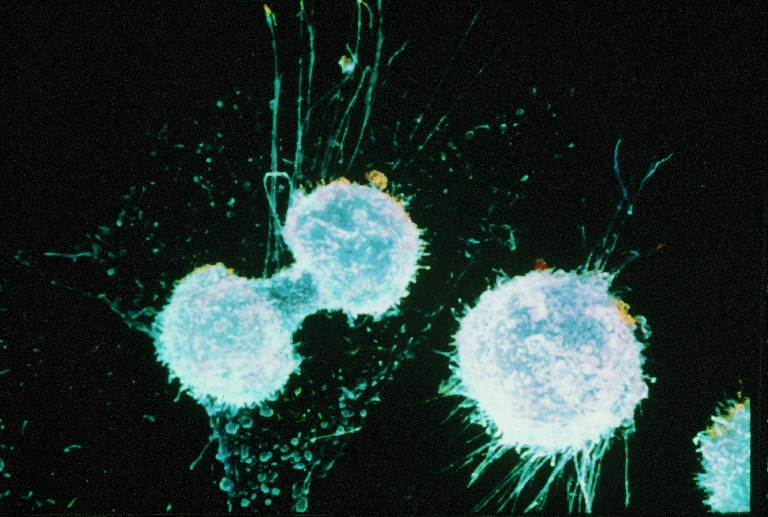
Ovarian cancer cells dividing. (Source: ecancermedia)

Ovarian Cancer Therapy Sensitivity

Targeted molecular therapies that disrupt specific intracellular signaling pathways are increasingly used for the treatment of cancer. The rational for this approach is based on our ever increasing understanding of the genes that are causally implicated in cancer and the clinical observation that the genetic features of a cancer can be predictive of a patient’s response to targeted therapies. As noted above, the goal of the Cancer Genome Project is to discover new cancer biomarkers that define subsets of drug-sensitive patients. Towards this aim, the researchers are (i) screening a wide range of anti-cancer therapeutics against a large number of genetically characterized human cancer cell lines (including ovarian), and (ii) correlating drug sensitivity with extensive genetic data. This information can be used to determine the optimal clinical application of cancer drugs as well as the design of clinical trials involving investigational compounds being developed for the clinic.

When the researchers tested the 18 anticancer therapies against the 20 ovarian cancer cell lines, they determined that the samples were sensitive to many of the drugs/compounds. The initial results of this testing indicate that there are at least six ovarian cancer gene mutations that were sensitive to eight of the anticancer therapies, with such results rising to the level of statistical significance.  We should note that although most (but not all) of the ovarian cancer gene mutations were sensitive to several anticancer therapies, we listed below only those which were sensitive enough to be assigned a green (i.e., sensitive) heatmap code by the researchers.

Click here to download a Microsoft Excel spreadsheet showing the effect of each of the 51 genes on the 18 drugs tested. Statistically significant effects are highlighted in bold and the corresponding p values for each gene/drug interaction are displayed in an adjacent table.  A heatmap overlay for the effect of the gene on drug sensitivity was created, with the color red indicating drug resistance and the color green indicating drug sensitivity.

The mutated genes present within the 20 ovarian cancer cell line sample that were sensitive to anticancer therapies are listed below.  Again, only statistically significant sensitivities are provided.

  • CDKN2A gene mutation was sensitive to TAE684, MK-0457, paclitaxel, and PHA665752.
  • CTNNB1 gene mutation was sensitive to MK-0457.
  • ERBB2/HER-2 gene mutation was sensitive to HKI-272.
  • KRAS gene mutation was sensitive to AZ628.
  • MSH2 gene mutation was sensitive to AZD0530.
  • NRAS gene mutation was sensitive to AZ628.

We will provide you with future updates regarding additional ovarian cancer gene mutation findings, and new anticancer therapies tested, pursuant to the ongoing Cancer Genome Project.

Sources:

_____________________________________________________________

About The Genomics of Drug Sensitivity In Cancer Project

The Genomics of Drug Sensitivity In Cancer Project was launched in December 2008 with funding from a five-year Wellcome Trust strategic award. The U.K.–U.S. collaboration harnesses the experience in experimental molecular therapeutics at Massachusetts General Hospital Cancer Center and the expertise in large scale genomics, sequencing and informatics at the Wellcome Trust Sanger Institute. The scientists will use their skills in high-throughput research to test the sensitivity of 1000 cancer cell samples to hundreds of known and novel molecular anticancer treatments and correlate these responses to the genes known to be driving the cancers. The study makes use of a very large collection of genetically defined cancer cell lines to identify genetic events that predict response to cancer drugs. The results will give a catalogue of the most promising treatments or combinations of treatments for each of the cancer types based on the specific genetic alterations in these cancers. This information will then be used to empower more informative clinical trials thus aiding the use of targeted agents in the clinic and ultimately improvements in patient care.

Project leadership includes Professor Daniel Haber and Dr. Cyril Benes at Massachusetts General Hospital Cancer Center and Professor Mike Stratton and Drs. Andy Futreal and Ultan McDermott at the Wellcome Trust Sanger Institute.

About Massachusetts General Hospital

Massachusetts General Hospital (MGH), established in 1811, is the original and largest teaching hospital of Harvard Medical School. The MGH conducts the largest hospital-based research program in the United States, with an annual research budget of more than $600 million and major research centers in AIDS, cardiovascular research, cancer, computational and integrative biology, cutaneous biology, human genetics, medical imaging, neurodegenerative disorders, regenerative medicine, systems biology, transplantation biology and photomedicine.

About The Wellcome Trust Sanger Institute

The Wellcome Trust Sanger Institute, which receives the majority of its funding from the Wellcome Trust, was founded in 1992 as the focus for U.K. gene sequencing efforts. The Institute is responsible for the completion of the sequence of approximately one-third of the human genome as well as genomes of model organisms such as mouse and zebrafish, and more than 90 pathogen genomes. In October 2005, new funding was awarded by the Wellcome Trust to enable the Institute to build on its world-class scientific achievements and exploit the wealth of genome data now available to answer important questions about health and disease. These programs are built around a Faculty of more than 30 senior researchers. The Wellcome Trust Sanger Institute is based in Hinxton, Cambridge, U.K.

About The Wellcome Trust

The Wellcome Trust is a global charity dedicated to achieving extraordinary improvements in human and animal health. It supports the brightest minds in biomedical research and the medical humanities. The Trust’s breadth of support includes public engagement, education, and the application of research to improve health. It is independent of both political and commercial interests.

Required Cancer Genome Project Disclaimer:

The data above was obtained from the Wellcome Trust Sanger Institute Cancer Genome Project web site, http://www.sanger.ac.uk/genetics/CGP. The data is made available before scientific publication with the understanding that the Wellcom Trust Sanger Institute intends to publish the initial large-scale analysis of the dataset. This publication will include a summary detailing the curated data and its key features.  Any redistribution of the original data should carry this notice: Please ensure that you use the latest available version of the data as it is being continually updated.  If you have any questions regarding the sequence or mutation data or their use in publications, please contact cosmic@sanger.ac.uk so as to obtain any updated or additional data.  The Wellcome Trust Sanger Institute provides this data in good faith, but makes no warranty, express or implied, nor assumes any legal liability or responsibility for any purpose for which the data are used.


Researchers Identify “Missing Link” Underlying DNA Repair & Platinum Drug Resistance

Researchers have discovered an enzyme crucial to a type of DNA repair that also causes resistance to a class of cancer drugs most commonly used against ovarian cancer.

Scientists from The University of Texas MD Anderson Cancer Center and the Life Sciences Institute of Zhejiang University in China report the discovery of the enzyme and its role in repairing DNA damage called “cross-linking” in the Science Express advance online publication of Science.

Junjie Chen, Ph.D., Professor and Chair, Department of Experimental Radiation Oncology, University of Texas M.D. Anderson Cancer Center

“This pathway that repairs cross-linking damage is a common factor in a variety of cancers, including breast cancer and especially in ovarian cancer. If the pathway is active, it undoes the therapeutic effect of cisplatin and similar therapies,” said co-corresponding author Junjie Chen, Ph.D., professor and chair of MD Anderson’s Department of Experimental Radiation Oncology.

The platinum-based chemotherapies such as cisplatin, carboplatin and oxaliplatin work by causing DNA cross-linking in cancer cells, which blocks their ability to divide and leads to cell death. Cross-linking occurs when one of the two strands of DNA in a cell branches out and links to the other strand.

Cisplatin and similar drugs are often initially effective against ovarian cancer, Chen said, but over time the disease becomes resistant and progresses.

Scientists have known that the protein complex known as FANCIFANCD2 responds to DNA damage and repairs cross-linking, but the details of how the complex works have been unknown. “The breakthrough in this research is that we finally found an enzyme involved in the repair process,” Chen said.

The enzyme, which they named FAN1, appears to be a nuclease, which is capable of slicing through strands of DNA.

In a series of experiments, Chen and colleagues demonstrated how the protein complex summons FAN1, connects with the enzyme and moves it to the site of DNA cross-linking. They also showed that FAN1 cleaves branched DNA but leaves the normal, separate double-stranded DNA alone. Mutant versions of FAN1 were unable to slice branched DNA.

Like a lock and key

The researchers also demonstrated that FAN1 cannot get at DNA damage without being taken there by the FANCI-FANCD2 protein complex, which detects and moves to the damaged site. The complex recruits the FAN1 enzyme by acquiring a single ubiquitin molecule. FAN1 connects with the complex by binding to the ubiquitin site.

“It’s like a lock and key system, once they fit, FAN1 is recruited,” Chen said.

Analyzing the activity of this repair pathway could guide treatment for cancer patients, Chen said, with the platinum-based therapies used when the cross-linking repair mechanism is less active.

Scientists had shown previously that DNA repair was much less efficient when FANCI and FANCD2 lack the single ubiquitin. DNA response and damage-repair proteins can be recruited to damage sites by the proteins’ ubiquitin-binding domains. The team first identified a protein that had both a ubiquitin-binding domain and a known nuclease domain. When they treated cells with mitomycin C, which promotes DNA cross-linking, that protein, then known as KIAA1018, gathered at damage sites. This led them to the functional experiments that established its role in DNA repair.

They renamed the protein FAN1, short for Fanconi anemia-associated nuclease 1. The FANCI-FANCD2 complex is ubiquitinated by an Fanconi anemia (FA) core complex containing eight FA proteins. These genes and proteins were discovered during research of FA, a rare disease caused by mutations in 13 fanc genes that is characterized by congenital malformations, bone marrow failure, cancer and hypersensitivity to DNA cross-linking agents.

Chen said the FANCI-FANCD2 pathway also is associated with the BRCA1 and BRCA2 pathways, which are involved in homologous recombination repair. Scientists know that homologous recombination repair is also required for the repair of DNA cross-links, but the exact details remain to be resolved, Chen said. Mutations to BRCA1 and BRCA2 are known to raise a woman’s risk for ovarian and breast cancers and are found in about 5-10 percent of women with either disease.

Co-authors with Chen are co-first author Gargi Ghosal, Ph.D., and Jingsong Yuan, Ph.D., also of Experimental Radiation Oncology at MD Anderson; and co-corresponding author Jun Huang, Ph.D., co-first author Ting Liu, Ph.D., of the Life Sciences Institute of Zhejiang University in Hangzhou, China.

This research was funded by a grant from the U.S. National Institutes of Health and the Startup Fund at Zhejiang University.

Sources:

Yale Identifies KRAS Gene Variant in Ovarian Cancer Patients With “Non-BRCA” Family History of Breast/Ovarian Cancer

A team of Yale researchers have identified a genetic marker that can help predict the risk of developing ovarian cancer, a hard to detect and often deadly form of cancer.

A team of Yale researchers have identified a genetic marker that can help predict the risk of developing ovarian cancer, a hard to detect and often deadly form of cancer.

Reporting online in the July 20 edition of the journal Cancer Research, the team showed that a variant of the KRAS oncogene [KRAS variant allele at rs61764370] was present in 25 percent of all ovarian cancer patients. In addition, this variant was found in 61 percent of ovarian cancer patients with a family history of breast and ovarian cancer, suggesting that this marker may be a new marker of ovarian cancer risk for these families, said the researchers.

Joanne B. Weidhaas, M.D., Associate Professor of Therapeutic Radiology & Researcher, Yale Cancer Center

Frank Slack, Ph.D., Professor of Molecular, Cellular & Developmental Biology, Yale University

“For many women out there with a strong family history of ovarian cancer who previously have had no identified genetic cause for their family’s disease; this might be it for them,” said Joanne B. Weidhaas, M.D., associate professor of therapeutic radiology, researcher for the Yale Cancer Center and co-senior author of the study. “Our findings support that the KRAS-variant is an new genetic marker of ovarian cancer risk.”

Weidhaas and co-senior author Frank Slack, also of Yale, first searched for the KRAS-variant among ovarian cancer patients and found that one in four had the gene variant, compared to 6 percent of the general population. To confirm that the KRAS-variant was a genetic marker of ovarian cancer risk, they studied women with ovarian cancer who also had evidence of a hereditary breast and ovarian cancer syndrome. All these women had strong family history of cancer, but only half in their study had known genetic markers of ovarian cancer risk, namely BRCA1 or BRCA2 mutations.

Six out of 10 women without other known genetic markers of ovarian cancer risk had the KRAS-variant. Unlike women with BRCA mutations who develop ovarian cancer at a younger age, women with the KRAS-variant tend to develop cancer after menopause. Because ovarian cancer is difficult to diagnose and thus usually found at advanced stages, finding new markers of increased ovarian cancer risk is critical, note the researchers.

Genetic tests for the KRAS-variant [PreOvar™] are currently being offered to ovarian cancer patients and to women with a family history of ovarian cancer by MiraDx, a New Haven-based biotechnology company that has licensed the Yale discoveries.

The study was funded by the National Institutes of Health. Weidhaas and Slack have a financial interest in MiraDX.

Other Yale authors of the paper include: Elena Ratner, Lingeng Lu, Marta Boeke, Rachel Barnett, Sunitha Nallur, Lena J. Chin, Cory Pelletier, Rachel Blitzblau, Renata Tassi, Trupti Paranjape, Herbert Yu, Harvey Risch, Thomas Rutherford, Peter Schwartz, Alessandro Santin, Ellen Matloff, Daniel Zelterman.

Sources:

Challenges Of “Enriched Environment” Significantly Curb Cancer Growth In Mice

Living in an environment rich with physical, mental and social stimulation – a setting that causes mild stress – appears by itself to curb cancer growth in mice, according to a new study led by researchers at The Ohio State University Comprehensive Cancer Center – Arthur G. James Cancer Hospital and Richard J. Solove Research Institute.

Matthew During, M.D., Ph.D., Professor, Neuroscience, Neurological Surgery & Molecular Virology, Immunology & Medical Genetics, College of Medicine, Ohio State Univ. Medical Center

Living in an environment rich with physical, mental and social stimulation – a setting that causes mild stress – appears by itself to curb cancer growth in mice, according to a new study led by researchers at The Ohio State University Comprehensive Cancer Center – Arthur G. James Cancer Hospital and Richard J. Solove Research Institute.

The animal study, published as the lead cover story of the July 9 issue of the journal Cell, also shows how this effect happens and that it might have therapeutic use.

The researchers discovered that an enriched environment activates a nervous-system pathway used by the brain to talk to fat tissue. That pathway, called the hypothalamicsympathoneuraladipocyte (HSA) axis tells fat cells to stop releasing a hormone called leptin into the bloodstream. Leptin normally helps restrain appetite, but this study discovered that it also accelerates cancer growth.

The enriched environment had the same cancer-curbing influence in models of melanoma and colon cancer.

“People tend to think that cancer survivors should avoid stress, but our data suggests that this is not completely true,” says study leader Dr. Matthew J. During, professor of neuroscience, of neurological surgery and of molecular virology, immunology and medical genetics.

“The anti-cancer effect we observed in this study was not due simply to increased activity by the animals, but rather it was induced by social and physical challenges that cause mild stress, as measured by the release of hormones from the adrenal.

“But the most dramatic hormonal change we observed was the drop in leptin from fat after enhanced housing conditions activated the HSA pathway. That pathway is also present in humans, where it is likely to be activated by a more complex and challenging life,” he adds.

The enriched environment created for this study housed 20 mice in large containers equipped with toys, hiding places and running wheels, along with unlimited food and water. Control mice were housed in groups of five in smaller, standard laboratory containers with no toys but with unlimited food and water.

The researchers injected human melanoma cells under the skin in both sets of animals. After three weeks of enriched housing, mice had tumors that were about half the size of those in control mice. After six weeks of enrichment, the tumors dropped to approximately one-fifth the size of those in control animals, and almost 20 percent of enriched-group animals had no visible tumors. In contrast, all of the control animals had visible tumors.

Investigating this effect further, During and his colleagues looked for changes in several metabolic hormones in the blood. Notably, the hormone leptin showed a dramatic drop in the enriched group.

A series of experiments demonstrated that leptin and the nervous system pathway really did influence tumor growth.

Looking closely at the region of the brain called the hypothalamus, the researchers found that a gene called BDNF, which plays an important role in controlling food intake and energy balance, was much more active in the enriched group.

Transplanting extra copies of this gene into the hypothalamus of mice in standard housing mimicked the effects of the enriched environment and reduced the size of the tumors in these animals by 75 percent. Such an intervention is also possible clinically and could potentially be developed into a human therapeutic. Blocking the gene, on the other hand, cancelled this effect and caused even enriched animals to develop large tumors.

“This is the first time anyone has shown that putting a single gene into the brain could have a dramatic impact on cancer,” During says.

Next, they studied a strain of mice that was unable to make leptin and so lacked the hormone altogether. When they infused these animals with leptin, they developed melanoma tumors that were 40 percent larger than those in similar animals infused with a saline solution.

An enriched environment also produced a similar cancer-controlling effect in two colon-cancer models. In one of these, tumors develop spontaneously in the intestine; in the other, visible tumors develop after cancer cells are injected under the skin.

Using the second model, researchers discovered that the anti-cancer effect occurred when animals were placed in the enriched environment six days after visible tumors were well established.

“This finding suggests that such an enriched environment might have therapeutic importance,” During says.

During notes that increased physical activity – running in a wheel – alone did not produce the anti-cancer effect or activate the HSA axis. Increased activity did reduce levels of the stress hormone corticosterone in control animals, whereas levels of this hormone rose in animals in enriched housing, an outcome likely due to the challenges and social conflicts associated with larger and more complex group housing.

“Overall, our study suggests that an environmental or genetic activation of this nervous system pathway leads to a marked drop in serum leptin levels, and that this inhibits tumor growth.”

Funding from the National Institute for Neurological Disorders and Stroke supported this research.

Other researchers involved in this study were first and co-corresponding author Lei Cao, as well as Xianglan Liu, En-Ju D Lin, Chuansong Wang, Eugene Choi and Veronique Riban with The Ohio State University; and Benjamin Lin with Weill Medical College of Cornell University.

About the Ohio State University Comprehensive Cancer Center

The Ohio State University Comprehensive Cancer Center- Arthur G. James Cancer Hospital and Richard J. Solove Research Institute (http://cancer.osu.edu) is one of only 40 Comprehensive Cancer Centers in the United States designated by the National Cancer Institute. Ranked by U.S. News & World Report among the top 20 cancer hospitals in the nation, The James is the 180-bed adult patient-care component of the cancer program at The Ohio State University. The OSUCCC-James is one of only seven funded programs in the country approved by the NCI to conduct both Phase I and Phase II clinical trials.

Sources:


UCL Scientists Discover How To Switch On Critical Ovarian Cancer “Protector” Gene & Arrest Tumor Growth

A new University College London study reveals that a gene [EPB41L3] which normally protects against ovarian cancer is switched off in 66% of ovarian cancer cases and switching it back on arrests tumor growth.

A new University College London study reveals that a gene which normally protects against ovarian cancer is switched off in 66% of ovarian cancer cases and switching it back on arrests tumor growth.

The researchers found that the “protector gene,” known as EPB41L3, is inactivated in 65 per cent of ovarian cancers and reactivating the gene halted tumor growth and triggered large numbers of ovarian cancer cells to commit suicide.

The research, co-funded by Cancer Research UK and the gynecological cancer research charity The Eve Appeal, raises the prospect for developing therapies that mimic or restore the function of the gene to kill ovarian cancer cells in a targeted way.

UCL’s Dr. Simon Gayther, who led the study, said:

“Previous studies have found similar ‘protector genes’ but ours is the first to uncover EPB41L3 as a gene specific to ovarian cancer. We also discovered that the gene is completely lost in about two-thirds of the ovarian tumours we looked at. When we switched it back on in these tumours, it had a positive effect in killing cancer cells. This is a very exciting result because it means therapies that mimic or reactivate this gene could be a way to kill many ovarian cancers.”

The scientists, based at UCL’s Institute of Women’s Health, used a cutting-edge approach which involves transferring whole chromosomes into ovarian cancer cells. They found that introducing an additional copy of chromosome 18 boosted the activity of 14 key genes, triggering large numbers of the cancer cells to die.

The scientists examined more than 800 ovarian tumors and found that one of the 14 genes – EPB41L3 – was inactivated in around 66% of malignant ovarian tumors, compared to 24% of benign tumors and 0% of normal ovarian cells.

Reactivating the gene had the same deadly effect on the cancer cells, suggesting that it was the trigger that was causing the cells to self-destruct.

Jane Lyons, CEO of The Eve Appeal, said:

“This research is an exciting step forward – a gene has been identified that can help halt the growth and spread of ovarian cancers. The challenge now is for the researchers and clinicians to find a way to use this new information to increase survival from the disease.”

Dr. Lesley Walker, director of cancer information at Cancer Research UK, said:

“We know that there is a class of genes that protect us from developing cancer. This is an exciting new one specific to ovarian cancer. Advanced ovarian cancer is very difficult to cure, which makes this type of research even more important.”

Sources:

BMS-345541 + Dasatinib Resensitizes Carboplatin-Resistant, Recurrent Ovarian Cancer Cells

Johns Hopkins medical researchers discovered through proteomic analysis that RELA and STAT5 are upregulated in carboplatin resistant ovarian cancer cells, according to a published study appearing in the June 18 edition of PLoS One. Moreover, the researchers also demonstrated that BMS-345541 (a NF-kappaB inhibitor) and dasatinib (a STAT5 inhibitor) could resensitize carboplatin-resistant, recurrent ovarian cancer cells.

Although most ovarian cancer patients are initially responsive to platinum-based chemotherapy, almost all develop recurrent chemoresistant tumors. For this reason, Johns Hopkins researchers set out to determine the scientific underpinnings of carboplatin drug resistance in ovarian cancer cells. The researchers compared the proteomes of paired primary and recurrent post-chemotherapy, high grade serous ovarian carcinomas from nine ovarian cancer patients.

As compared to the primary tumors, more than one-half of the recurrent tumors expressed higher levels of several proteins including:  CP, FN1, SYK, CD97, AIF1, WNK1, SERPINA3, APOD, URP2, STAT5B and RELA (NF-kappaB p65).  A short hairpin RNA (shRNA) is a sequence of RNA that makes a tight hairpin turn which can be used to silence gene expression through so-called “RNA interference.” Based on shRNA screening for the upregulated genes in in vitro carboplatin-resistant ovarian cancer cells, the researchers determined that simultaneous silencing of RELA and STAT5B was the most effective way to resensitize tumor cells for carboplatin treatment.

In an attempt to recreate the same results achieved with gene silencing through therapeutic drug use, the researchers used BMS-345541 (a NF-kappaB inhibitor) and dasatinib (Sprycel®)(a STAT5 inhibitor)  to significantly enhance cell sensitivity to carboplatin. The researchers also discovered that expression of RELA and STAT5B enhanced Bcl-xL promoter activity; however, treatment with BMS-345541 and dasatinib decreased such activity.

Accordingly, the researchers concluded that proteomic analysis identified RELA and STAT5 as two major proteins associated with carboplatin resistance in recurrent ovarian cancer tumors. Furthermore, the study results reveal that NF-kappaB and STAT5 inhibitors could resensitize carboplatin-resistant, recurrent ovarian cancer cells, thereby suggesting that these inhibitor drugs can be used to benefit select ovarian cancer patients.

Source: Jinawath N, Vasoontara C, Jinawath A, et. al.  Oncoproteomic analysis reveals co-upregulation of RELA and STAT5 in carboplatin resistant ovarian carcinoma. PLoS One. 2010 Jun 18;5(6):e11198.

“Shielded” Ovarian Cancer Cells May Survive Chemotherapy

Cancer Research UK scientists have discovered certain ovarian tumor cells that are resistant to chemotherapy can survive a first round of treatment and go on to “re-grow” the cancer.

Cancer Research UK scientists have discovered certain ovarian tumor cells that are resistant to chemotherapy can survive a first round of treatment and go on to “re-grow” the cancer. This could help explain why the disease can be difficult to treat, according to new research published in Oncogene on June 28.

The study, funded by Cancer Research UK, aimed to find out whether it is the chemotherapy itself that causes anti-cancer drug resistance to build in the body – similar to resistance to antibiotics – or if cells that are shielded against cancer treatment grow as part of the initial tumor and are already lying dormant before chemotherapy begins.

Often ovarian cancer can be hard to treat with treatment failing after women initially responded well. The number of women surviving beyond five years is less than 35 per cent.

The researchers compared the characteristics of cell lines from the tumor at the time of diagnosis to cell lines from the same patients once the disease had been treated and become resistant.

Dr. James Brenton, Researcher, Functional Genomics of Ovarian Cancer, Cambridge Research Institute

Dr. James Brenton, study author from the Cancer Research UK’s Cambridge Research Institute, said:

“Ovarian cancer is notoriously hard to treat. Women usually respond well to their first round of chemotherapy with the disease apparently completely removed.  But unfortunately many go on to relapse within six to 24 months. Until now we haven’t known whether they are becoming resistant to the treatment or whether the cells that don’t respond to treatment re-grow the tumour.

By examining the characteristics of ovarian tumours we now think that cells resistant to chemotherapy grow as part of the tumor. This means that when patients have treatment, cells that respond to chemotherapy are destroyed but this leaves behind resistant cells which then form another tumor of completely resistant cells. This seems to explain why successful treatment for relapsed patients is difficult. What needs to be developed now is a therapy designed to target the resistant cells.”

Dr. Lesley Walker, director of science information at Cancer Research UK, said:

“Discoveries like this help to tell us why chemotherapy stops working for some ovarian cancer patients. We hope it will lead to new ways to tackle the disease and increase the number of women that survive this cancer that can be so hard to cure. The next step will be to develop treatment tailored to fight the resistant cells.”

Sources:

ASCO Releases Studies From Upcoming 2010 Annual Meeting

Yesterday, the American Society of Clinical Oncology (ASCO) made available more than 4,000 medical abstracts which are publicly posted online at http://www.abstract.asco.org. A hyperlink to the 2010 ASCO Annual Meeting ovarian cancer abstracts is provided below.  The ASCO Annual Meeting will be held June 4-8, 2010 at McCormick Place in Chicago, Illinois.

The 2010 ASCO Annual Meeting will be held June 4-8, 2010 at McCormick Place in Chicago, Illinois.

Yesterday, the American Society of Clinical Oncology (ASCO) highlighted six studies in a press briefing from among more than 4,000 abstracts publicly posted online at www.abstract.asco.org in advance of ASCO’s 46th Annual Meeting.  An additional 14 plenary, late-breaking and other major studies will be released at the Annual Meeting and highlighted in on-site press conferences.

The meeting, which is expected to draw approximately 30,000 cancer specialists, will be held June 4-June 8, 2010, at McCormick Place in Chicago, Illinois. The theme of this year’s meeting is “Advancing Quality Through Innovation.”

“Our growing understanding of cancer’s complex behavior is being translated into better, more targeted drugs against a variety of tumors,” said Douglas W. Blayney, MD, President of ASCO, professor of internal medicine at the University of Michigan Medical School and medical director of the Comprehensive Cancer Center at the University of Michigan. “These studies show that investment in cancer research pays off. We’re developing more personalized approaches to treating patients of all ages and across all cancer types, we’re learning how to use current treatments more effectively, and we’re identifying new ways to help patients live long, healthy lives following treatment.”

“Clinical trials are essential to continued progress against cancer. Yet, the nation’s federally funded clinical trial system is at a breaking point,” said George W. Sledge Jr, MD, ASCO President-Elect, Ballve-Lantero Professor of Oncology and professor of pathology and laboratory medicine at the Indiana University School of Medicine. “ASCO has called for a doubling of support for federally funded clinical cancer research within the next five years. We’ve made impressive strides against this disease, and it’s vital that the nation put more resources into these programs to continue the momentum.

Relevant studies highlighted in the May 20th press briefing include:

  • Promising New Ovarian Cancer Screening Strategy Developed for Post-Menopausal Women at Average Risk: A promising new screening approach for post-menopausal women at average risk of ovarian cancer is feasible and produces very few false-positive results. The method uses a mathematical model combining trends in CA-125 blood test results and a patient’s age, followed by transvaginal ultrasound and referral to a gynecologic oncologist, if necessary.
  • Yoga Improves Sleep and Quality of Life, Lessens Fatigue for Cancer Survivors: Sleep problems and fatigue are among the most common side effects experienced by cancer survivors. A four-week yoga program involving breathing, meditation, postures and other techniques helped cancer survivors sleep better, reduced fatigue and the use of sleep aids, and improved their quality of life.

If you are interested in reviewing the medical abstract subject listing, CLICK HERE.

If you are interested in reviewing the ovarian cancer medical abstracts, CLICK HERE.

Source: ASCO Releases Studies From Upcoming Annual Meeting — – Important Advances in Targeted Therapies, Screening, and Quality of Life, News Release, American Society of Clinical Oncology, May 20, 2010. For a complete PDF copy of the ASCO May 20, 2010 press release, CLICK HERE.

On the Path to Early Detection: Fox Chase & Sloan-Kettering Researchers Identify Early Ovarian Cancers

Researchers at the Fox Chase Cancer Center and the Memorial Sloan-Kettering Cancer Center discover early tumors and precancerous lesions in cysts that fold into the ovary from its surface, called inclusion cysts. “This is the first study giving very strong evidence that a substantial number of ovarian cancers arise in inclusion cysts and that there is indeed a precursor lesion that you can see, put your hands on, and give a name to,” says Jeff Boyd, PhD, Chief Scientific Officer at Fox Chase and lead author on the study …

Ovarian cancer kills nearly 15,000 women in the United States each year, and fewer than half of the women diagnosed with the disease survive five years. A screening test that detects ovarian cancer early, when it is still treatable, would likely reduce the high mortality, yet scientists have not known where the tumors originate or what they look like. Now, researchers at Fox Chase Cancer Center think they have answered both questions. The study, published on April 26th in PLoS ONE, reports that they have uncovered early tumors and precancerous lesions in cysts that fold into the ovary from its surface, called inclusion cysts.

Jeff Boyd, Ph.D., Professor, Chief Scientific Officer & Senior Vice President, The Robert C. Young, MD, Chair in Cancer Research, Fox Chase Cancer Center

“This is the first study giving very strong evidence that a substantial number of ovarian cancers arise in inclusion cysts and that there is indeed a precursor lesion that you can see, put your hands on, and give a name to,” says Jeff Boyd, PhD, Chief Scientific Officer at Fox Chase and lead author on the study, which also involved colleagues at the Memorial Sloan-Kettering Cancer Center. “Ovarian cancer most of the time seems to arise in simple inclusion cysts of the ovary, as opposed to the surface epithelium.”

Clinicians and researchers have been looking for early ovarian tumors and the precancerous lesions from which they develop for years without success. In this study, Boyd and colleagues used a combination of traditional microscopy and molecular approaches to reveal the early cancers.

“Previous studies only looked at this at the morphologic level, looking at a piece of tissue under a microscope,” Boyd says. “We did that but we also dissected away cells from normal ovaries and early stage cancers, and did genetic analyses. We showed that you could follow progression from normal cells to the precursor lesion, which we call dysplasia, to the actual cancer, and see them adjacent to one another within an inclusion cyst.”

To learn where and how the tumors arise, the team examined ovaries removed from women with BRCA mutations, who have a 40% lifetime risk of developing ovarian cancer, and from women without known genetic risk factors. In both groups, they found that gene expression patterns were dramatically different in cells in the inclusion cysts compared to the normal surface epithelium cells, including increased expression of genes that control cell division and chromosome movement.

Moreover, when they used a technique called FISH (fluorescence in situ hybridization), which can be used to identify individual chromosomes in cells, they saw that cells from very early tumors and precursor lesions frequently carried extra chromosomes. In fact, the team found that 9% of the normal cells isolated from the cysts had extra chromosomes, even though the tissue appeared completely benign under the microscope. By contrast, virtually none of the cells isolated from the surface of the ovary, which was previously thought to be the site of early ovarian cancers, carried extra chromosomes.

With these new data on the origin of ovarian cancer in hand, Boyd and others can now start to develop screening tests, perhaps based on molecular imaging, that could be used to detect early ovarian cancers in asymptomatic women.

Co-authors on the study include Bhavana Pothuri, Mario M. Leitao, Douglas A. Levine, Agnès Viale, Adam B. Olshen, Crispinita Arroyo, Faina Bogomolniy, Narciso Olvera, Oscar Lin, Robert A. Soslow, Mark E. Robson, Kenneth Offit, and Richard R. Barakat of Memorial Sloan-Kettering Cancer Center.

About the Fox Chase Cancer Center

Fox Chase Cancer Center is one of the leading cancer research and treatments centers in the United States. Founded in 1904 in Philadelphia as one of the nation’s first cancer hospitals, Fox Chase was also among the first institutions to be designated a National Cancer Institute Comprehensive Cancer Center in 1974. Fox Chase researchers have won the highest awards in their fields, including two Nobel Prizes. Fox Chase physicians are also routinely recognized in national rankings, and the Center’s nursing program has received the Magnet status for excellence three consecutive times. Today, Fox Chase conducts a broad array of nationally competitive basic, translational, and clinical research, with special programs in cancer prevention, detection, survivorship, and community outreach. For more information, call 1-888-FOX-CHASE or 1-888-369-2427.

Sources:

Increased Ovarian Cancer Metastases Identified In Women With BRCA Gene Mutations; May Shed Light on New Treatment Approach

U.K. researchers have found that patients with hereditary ovarian cancer – whose tumors are caused by faulty BRCA1 or BRCA2 genes – are more likely to experience metastases of the liver, lung, spleen, and viscera. … [T]he researchers suggest that ovarian cancer patients whose tumors spread to the solid organs … should be tested for the faulty genes – BRCA1 and BRCA2 – to ensure they are given the most appropriate treatment.

Dr. Charlie Gourley, Acting Head, Medical Oncology, University of Edinburgh Cancer Research Centre

U.K. researchers have found that patients with hereditary ovarian cancer – whose tumors are caused by faulty BRCA1 or BRCA2 genes – are more likely to experience metastases of the liver, lungs, spleen, and viscera. This is despite the fact that their overall prognosis is better than other ovarian cancer patients.  The research is published in the April 20th online edition of the Journal of Clinical Oncology.

In the study, researchers discovered that the percentage of women with BRCA1 or BRCA2 gene mutations who experienced visceral, liver, lung, and splenic metastases were 58%, 42%, 16%, and 32% , respectively, as compared with 5%, 0%, 0%, and 3%, respectively, in non-BRCA gene deficient women.  The researchers note that sporadic (i.e., non-hereditary) ovarian tumors tend to remain within the lining of the abdomen and pelvis.

Based upon the study findings, the researchers suggest that ovarian cancer patients whose tumors spread to the solid organs such as the liver, lungs, and spleen should be tested for the faulty genes – BRCA1 and BRCA2 – to ensure they are given the most appropriate treatment.  For example, patients with hereditary tumors, which account for 10 per cent of ovarian cancers, may be suitable for trials of a new drug called olaparib [AZD2281], which has fewer side-effects than normal cancer treatments. Olaparib belongs to a class of drugs known as “PARP” (Poly (ADP-ribose) polymerase) inhibitors.

Researchers say the study findings will improve the detection of faulty BRCA genes, as current criteria for genetic testing may miss as many as two-thirds of ovarian cancer patients carrying the mutated genes.  Improving the identification of BRCA mutations will help relatives of ovarian cancer patients, who may themselves be at increased risk of developing hereditary ovarian cancer.

Dr. Charlie Gourley, who led the research at the University of Edinburgh, said:

“We are beginning to understand the importance of tailoring cancer treatments according to the specifics of each patient’s tumor. These findings demonstrate that tumors which arise because of defects in the BRCA1 or BRCA2 genes behave differently to other ovarian cancers. This information should also help us to identify the patients carrying these genetic mutations, give them the most effective treatment for their cancer and offer their relatives genetic counselling.”

Sources:

Researchers Identify A New Breast & Ovarian Cancer Susceptibility Gene

German researchers identify a new breast and ovarian cancer susceptibility gene known as “RAD51C.”  The risk for breast cancer in women with the RAD51C mutation is 60 to 80 percent, while the risk for ovarian cancer is 20 to 40 percent.

The discovery 15 years ago that the genes BRCA1 and BRCA2 confer high risks for breast and ovarian cancer was a breakthrough for cancer prediction and therapy, especially for familial cases.  Now the research group of Prof. Alfons Meindl (Klinikum rechts der Isar of the Technische Universitaet Muenchen), in collaboration with other groups from Germany, the U.K., and the U.S., can identify another gene that increases susceptibility to breast and ovarian cancer. Their results have been published online in Nature Genetics. The identification of such high risk-conferring genes is a prerequisite for offering women tailored early recognition programs and more individualized therapies.

The gene newly identified as causing breast and ovarian cancer in familial cases is designated RAD51C. It is, like BRCA1 and BRCA2, essential for DNA repair within cells. Mutations in the gene can therefore cause either breast or ovarian cancer. In index cases from 1,100 German families with gynecological malignancies, six mutations within the RAD51C gene were found exclusively in 480 pedigrees [i.e., family trees] with occurrence of breast and ovarian cancer. The six RAD51C mutations were not found in 620 pedigrees with breast cancer only, or in 2,912 healthy German controls.  The risk for breast cancer in women with mutation of RAD51C is 60 to 80 percent, while the risk for ovarian cancer is 20 to 40 percent. As the cancers in such families were diagnosed significantly earlier than in women who developed sporadic breast or ovarian cancer, experts might also call the newly identified gene BRCA3.

“These results reinforce our assumption that various rare gene mutations contribute to hereditary breast and ovarian cancer. The now known genes that predispose women to breast and/or ovarian cancer only explain 60 percent of the high-risk families,” says TUM Professor Alfons Meindl, Klinikum rechts der Isar, but novel technologies allow the rapid identification of other such rarely mutated disease-causing genes.

“We are also optimistic that in the future the individual breast cancer risks for the majority of women can be determined. These risk predictions will allow the offering of tailored prevention and small meshed early recognition programs. Risk-aligned prevention will become a new clinical area,” explains Prof. Dr. Rita Schmutzler of the University Hospital of Cologne, one of the other main authors of the article.

About Technische Universitaet Muenchen

Technische Universitaet Muenchen (TUM) is one of Germany’s leading universities. It has roughly 420 professors, 7,500 academic and non-academic staff (including those at the university hospital “Rechts der Isar”), and 24,000 students. It focuses on the engineering sciences, natural sciences, life sciences, medicine, and economic sciences. After winning numerous awards, it was selected as an “Elite University” in 2006 by the Science Council (Wissenschaftsrat) and the German Research Foundation (DFG). The university’s global network includes an outpost in Singapore. TUM is dedicated to the ideal of a top-level research based entrepreneurial university. http://www.tum.de

About Klinikum rechts der Isar, Munich, Germany

The Klinikum rechts der Isar (on the right hand side of the river Isar) serves its patients with a highly skilled team of dedicated doctors, nurses, research scientists, and technical assistants. The Klinikum rechts der Isar is a university hospital of the Technische Universitaet Muenchen.  With a workforce of over 4,000 personnel, the university hospital is a renowned center for the care of the sick, for medical research, and for the teaching of medicine. The Klinikum rechts der Isar is composed of more than 30 separate clinics and departments treating some 45,000 in-house patients and 170,000 out-patients yearly. With more than 1,000 beds, the hospital covers the entire spectrum of modern medicine with state-of-the-art efficiency. Through the close cooperation between health care and research, the latest advances in medical techniques can be quickly integrated into patient treatment procedures.

Sources:

Expression of Proteins Linked to Poor Outcome in Women with Ovarian Cancer

Scientists have established the presence of certain proteins in ovarian cancer tissues and have linked these proteins to poor survival rates in women with advanced stages of the disease.

Christina M. Annunziata, M.D., Ph.D., Assistant Clinical Investigator, Medical Oncology Branch & Affiliates, Molecular Signaling Section, National Cancer Institute

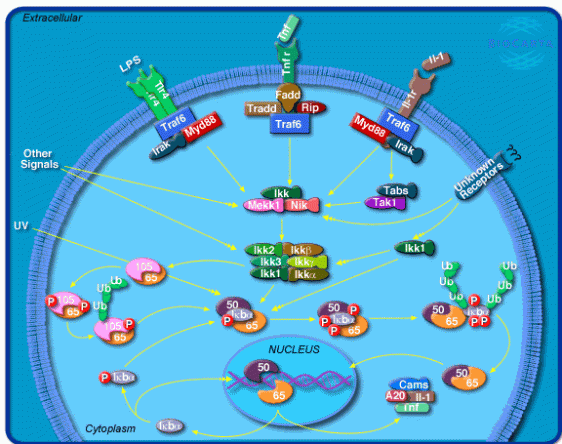
NF-kB Signaling Pathway

Scientists have established the presence of certain proteins in ovarian cancer tissues and have linked these proteins to poor survival rates in women with advanced stages of the disease. The study, led by scientists at the National Cancer Institute (NCI), part of the National Institutes of Health, appears in Cancer online, April 19, 2010.

The proteins in question belong to the nuclear factor kappa Beta (NF-kB) family. NF-kB controls many processes within the cell including cell survival and proliferation, inflammation, immune responses, and cellular responses to stress.

“This study sheds light on the distinctive genetic features of the NF-kB pathway and may provide targets for the development of novel therapies for ovarian cancer,” said lead investigator, Christina M. Annunziata, M.D., Ph.D., associate clinical investigator, Medical Oncology Branch.

Abnormalities in NF-kB signaling have been found in several types of cancer, including ovarian cancer, but the mechanism and importance of such alterations in ovarian cancer was not defined. To address these knowledge gaps, the research team investigated the expression of NF-kB-related proteins in the cells of tumor tissue obtained at surgery from 33 previously untreated women who were newly diagnosed with advanced epithelial ovarian cancer. The patients had similar stage (all late stage), grade, and type of disease. All patients were treated with a three-drug regimen of standard chemotherapy agents in an NCI clinical trial that was conducted at the NIH Clinical Research Center.

To assess NF-kB family members and associated proteins in ovarian tumor cells, the scientists used immunohistochemistry, a method that uses antibodies — a type of protein that the body’s immune system produces when it detects harmful substances — to identify specific molecules in tissue specimens. Subsequently, they looked for associations between the percentage of tumor cells in individual proteins and patient outcomes.

“This study sheds light on the distinctive genetic features of the NF-kB pathway and may provide targets for the development of novel therapies for ovarian cancer,” said lead investigator, Christina M. Annunziata, M.D., Ph.D.

The data revealed that the presence of one NF-kB family member—p50—in more than one-quarter of the cells was associated with poor survival. Low-frequency or nonexpression of a target gene, matrix metallopeptidase 9 (MMP9), was also associated with poor prognosis. Further, the team identified two NF-kB family members—p65 and RelB—and a protein called IKKa that plays a role in promoting inflammation, that were frequently expressed in the same cells, providing more evidence that NF-kB is active in some ovarian cancers. It is possible that the NF-kB activity in these cancers could increase their growth and/or resistance to treatment.

“This work continues to define and characterize the biological relevance of NF-kB activity in ovarian cancer by translating research findings with ovarian cancer cells in the laboratory to ovarian cancer in women at the time of initial diagnosis,” said Annunziata.

About the National Cancer Institute

NCI leads the National Cancer Program and the NIH effort to dramatically reduce the burden of cancer and improve the lives of cancer patients and their families, through research into prevention and cancer biology, the development of new interventions, and the training and mentoring of new researchers. For more information about cancer, please visit the NCI Web site at http://www.cancer.gov or call NCI’s Cancer Information Service at 1-800-4-CANCER (1-800-422-6237).

About the National Institutes of Health

The National Institutes of Health (NIH) — The Nation’s Medical Research Agency — includes 27 Institutes and Centers and is a component of the U.S. Department of Health and Human Services. It is the primary federal agency for conducting and supporting basic, clinical and translational medical research, and it investigates the causes, treatments, and cures for both common and rare diseases. For more information about NIH and its programs, visit www.nih.gov.

Comment

If NF-kB activity is ultimately determined by Dr. Annunciata et. al. to be biologically significant to ovarian cancer cell growth and/or treatment resistance, there are NF-kB inhibitor drugs (e.g., bortezomib (Velcade) or denosumab (Prolia)) in existence that theoretically could be tested in ovarian cancer clinical trials. In addition genistein, a soy isoflavone, and BAY11-7082, a preclinical compound, could be tested through preclinical/clinical testing as potential NF-kB inhibitors.  See Miller SC et. al. study below for a complete list of known NF-kB pathway inhibiting drugs and compounds.

Sources:

Lifestyle Matters: Dietary Factors Influence Ovarian Cancer Survival Rates

University of Illinois at Chicago researchers identify relationship between healthy eating and prolonged ovarian cancer survival

UIC researchers find that consumption of cruciferous & yellow vegetables provide an ovarian cancer survival advantage

Therese A. Dolecek, Ph.D., M.S., R.D., Research Associate Professor of Epidemiology, Division of Epidemiology & Biostatistics, Institute for Health Research & Policy, School of Public Health, University of Illinois at Chicago

A study published in the March 2010 issue of the Journal of the American Dietetic Association (JADA), is among the first to evaluate possible diet associations with ovarian cancer survival. Researchers from the University of Illinois at Chicago (UIC) determined that there is a strong relationship between healthy eating and prolonged survival.

The subjects included 351 women diagnosed with epithelial ovarian cancer between 1994 to 1998, who participated in a previous case-control study. The original study collected demographic, clinico-pathologic, and lifestyle-related variables including diet. Each subject completed a food frequency questionnaire (FFQ) in which they were asked to report their usual dietary intake during the three to five year period prior to their diagnosis.

To translate the diet estimates in a meaningful way, the FFQ items were assigned to the major food groups reflected in the Dietary Guidelines for Americans 2005 (DGA), including fruits, vegetables, grains, meats, dairy, fats and oils, sweets, and alcohol. Grains, meats, and dairy were further subdivided into “suggested” and “other” groups. The “suggested” subdivisions included healthier food choices, whereas the “other” subdivisions contained less desirable selections.

The researchers found that higher total fruit and vegetable consumption, and higher vegetable consumption alone led to a survival advantage. A subgroup analyses revealed that only yellow and cruciferous vegetables (e.g., broccoli, kale, cauliflower, bok choy) significantly increased survival advantage. At five years, 75% of the women who ate less than one serving a week of yellow vegetables were alive, compared to about 82% of those who had three or more servings of yellow vegetables a week.  Likewise, a statistically significant improvement in survival was observed for the healthier grains.

Higher intakes of less-healthy meats — specifically the red and cured/processed meats subgroups — were associated with a survival disadvantage. Notably, the researchers found a 3-fold increased risk of dying for those women who ate four or more servings of red meat a week compared to those who ate less than one serving per week over the 11-year study period.

A survival disadvantage was also observed in connection with consumption of the milk (dairy – all types) subgroup. Women who had seven or more servings of milk of any type per week were two times as likely to die during the study period as those who had none.  The researchers stress that the milk finding should be interpreted cautiously, because it may have something to do with the fact that some women are genetically predisposed.

Therese A. Dolecek, Ph.D., M.S., R.D., Research Associate Professor of Epidemiology, Division of Epidemiology and Biostatistics, Institute for Health Research and Policy, School of Public Health, UIC, and a member of the Cancer Control and Population Science Research Program at the UIC Cancer Center, and her colleagues state the following in the article:

The study findings suggest that food patterns three to five years prior to a diagnosis of epithelial ovarian cancer have the potential to influence survival time. The pre-diagnosis food patterns observed to afford a survival advantage after an epithelial ovarian cancer diagnosis reflect characteristics commonly found in plant-based or low fat diets. These diets generally contain high levels of constituents that would be expected to protect against cancer and minimize ingestion of known carcinogens found in foods.

In an interview with WebMD.com, Dr. Dolecek said:  “To pinpoint exactly how much survival [was lengthened] is not possible. It varies from person to person.”  Many factors affect survival, such as the stage of the cancer at diagnosis and the woman’s age.

Cynthia A. Thomson, Ph.D., M.S., R.D., Associate Professor, Nutritional Sciences, Univ. of Arizona, Tucson

David S. Alberts, M.D., Director, Arizona Cancer Center, Tucson, Arizona

In an editorial commentary in the same JADA issue, Cynthia A. Thomson, Ph.D., M.S., R.D., Associate Professor, Nutritional Sciences, University of Arizona, Tucson, and David S. Alberts, M.D., Director, Arizona Cancer Center, Tucson, write the following:

The authors provide new evidence that dietary factors, particularly total fruit and vegetable, red and processed meat and milk intakes, may influence ovarian cancer survival. These findings corroborate earlier work by Nagle et. al. and are among only a select few studies of dietary associations with ovarian cancer recurrence and/or prognosis despite a significant and growing body of literature suggesting diet may influence ovarian cancer risk.

About The Journal of the American Dietetic Association

As the official journal of the American Dietetic Association (www.eatright.org), the Journal of the American Dietetic Association (JADA) (www.adajournal.org) is the premier source for the practice and science of food, nutrition and dietetics. The monthly, peer-reviewed journal presents original articles prepared by scholars and practitioners and is the most widely read professional publication in the field. JADA focuses on advancing professional knowledge across the range of research and practice issues such as: nutritional science, medical nutrition therapy, public health nutrition, food science and biotechnology, food service systems, leadership and management and dietetics education.

About The American Dietetic Association

The American Dietetic Association (ADA) (www.eatright.org) is the world’s largest organization of food and nutrition professionals. ADA is committed to improving the nation’s health and advancing the profession of dietetics through research, education and advocacy.

Sources:

Disarming Specialized Stem Cells Might Combat Ovarian Cancer

Eliminating cancer stem cells (CSCs) within a tumor could hold the key to successful treatments for ovarian cancer, which has been notoriously difficult to detect and treat, according to new findings published this week in the journal Oncogene by Yale School of Medicine researchers.

Eliminating cancer stem cells (CSCs) within a tumor could hold the key to successful treatments for ovarian cancer, which has been notoriously difficult to detect and treat, according to new findings published this week in the journal Oncogene by Yale School of Medicine researchers.

“We found that stopping the expression of two genesLin28 and Oct4—reduces ovarian cancer cell growth and survival,” said Yingqun Huang, M.D., Ph.D., assistant professor in the Department of Obstetrics, Gynecology & Reproductive Sciences at Yale School of Medicine.

Ovarian cancer is challenging to treat because it tends to recur frequently and develop resistance to treatment. The poor outcome for women with ovarian cancer is associated with subtle and nonspecific symptoms—earning it the moniker the “disease that whispers.”

“This recurrence and drug resistance may be due to the presence of CSCs within the tumors that have the capacity to reproduce and to differentiate into non-CSC tumor cells that repopulate the tumor mass,” said Huang, who is a member of Yale Stem Cell Center and Yale Cancer Center. “Eliminating these CSCs may be key to successful treatments.”

While in the process of studying the functions of stem cell proteins in human embryonic stem cells, Huang and her colleagues unexpectedly discovered that a sub-population of ovarian cancer cells express stem cell proteins Lin28 and Oct4. They also found that the two proteins appear to act together in ovarian cancer tissue cells to produce more advanced tumors. Inhibiting their combined expression led to a significant decrease in the growth and survival of cancer cells. A larger-scale ovarian cancer study is currently underway to confirm the significance of the findings.

Genetic researchers prevent genes from functioning — a process commonly referred to as “knocking down” the gene — by inserting small interfering RNA (siRNA) molecules into the cells. Next, the research team will examine the effect of siRNA in ovarian cancer cells in the lab, and test the technique on mice. If successful, human clinical trials would follow. Treatment on cancer patients could occur within 10 years, Huang said.

“We hope we will soon be able to apply this new information to improve outcomes, perhaps by developing better diagnostic markers and treatment strategies that may be useful in customizing treatment for ovarian cancer patients,” said Huang.

The study was supported by Connecticut Innovations, the Fannie E. Rippel Foundation and the National Cancer Institute.

Other Yale authors on the study included Nita Maihle, Ph.D., and Shuping Peng.

Sources:

Elevated Proteins May Warn of Ovarian Cancer, But Sufficient Lead Time & Predictive Value Still Lacking

Fred Hutchinson Cancer Center researchers discovered that concentrations of the serum biomarkers CA125, human epididymis protein 4 (HE4), and mesothelin began to rise 3 years before clinical diagnosis of ovarian cancer, according to a new study published online December 30 in the Journal of the National Cancer Institute. However, the biomarkers became substantially elevated only in the last year prior to diagnosis. … In an accompanying editorial to the study results reported by Anderson et. al., Patricia Hartge, ScD, of the Division of Cancer Epidemiology and Genetics at the National Cancer Institute, applauds the researchers for taking the field one step closer to successful screening study designs by showing that the levels of certain biomarkers do not increase early enough to be used for screening.

Fred Hutchinson Cancer Center researchers discovered that concentrations of the serum biomarkers CA125, human epididymis protein 4 (HE4), and mesothelin began to rise 3 years before clinical diagnosis of ovarian cancer, according to a new study published online December 30 in the Journal of the National Cancer Institute (JNCI). [1] However, the biomarkers became substantially elevated only in the last year prior to diagnosis.

Garnet L. Anderson, Ph.D., Division of Public Health Sciences, Fred Hutchinson Cancer Research Center, Seattle, WA.

CA125, HE4, mesothelin, B7-H4, decoy receptor 3, and spondin-2 have been identified as potential ovarian cancer serum biomarkers, but their behavior in the prediagnostic period, with the exception of CA125, has not been evaluated.  In the JNCI study, Garnet L. Anderson, Ph.D., of the Division of Public Health Sciences at the Fred Hutchinson Cancer Research Center in Seattle, and colleagues analyzed prediagnostic serum samples and patient data from the Carotene and Retinol Efficacy Trial (CARET), a randomized, double-blind, placebo-controlled chemoprevention trial testing the effects of beta-carotene and retinol on lung cancer incidence among individuals at high risk for lung cancer. Prediagnostic serum samples (taken up to 18 years prior to diagnosis) were obtained for 34 CARET patients with ovarian cancer and 70 matched control CARET subjects. Changes in the levels of these biomarkers prior to ovarian cancer diagnosis were analyzed.

Anderson et. al. discovered that concentrations of CA125, HE4, and mesothelin (but not B7-H4, decoy receptor 3, and spondin-2) began to increase slightly in cancer patients relative to control subjects approximately 3 years before diagnosis, but became substantially elevated within one year prior to diagnosis. Thus, the diagnostic value of these biomarkers is limited because accuracy only increased shortly before diagnosis. “Although these markers are not accurate enough to prompt early intervention in existing screening protocols, the multivariable regression analyses identified modest but statistically significant increases in risk associated with CA125, HE4, and mesothelin, which are consistent with many of the established epidemiological risk factors for ovarian cancer,” say the authors of the study.

“I still think biomarkers may play a role in a cost-effective screening program, although none of these seem accurate enough either alone or together to justify their use in average-risk women,” Anderson told Medscape Oncology. “I do not know of any other currently identified biomarkers that hold more promise than these, but there has been a massive effort over the last few years to identify candidates and not all have been thoroughly vetted,” said Dr. Anderson.

One problem, cites Dr. Anderson, may lie in the approach used in identifying potential ovarian cancer biomarkers. “Most of the discovery work done so far has been conducted in women with advanced-stage disease and compared them to healthy women,” she explained. “If discovery work were done in samples like the ones we used here, representing specimens collected months to years prior to the advanced stage diagnosis, we might have a better chance of finding earlier signals of aggressive disease.”

Another opportunity for improving screening and early diagnosis lies in imaging, she adds. “Currently the most common and only affordable imaging option that could be considered for routine screening is transvaginal ultrasound, but it performs poorly in terms of accurately determining those women [who] have ovarian cancer from those who do not,” said Dr. Anderson. “A substantial improvement in this area would be very exciting.”

Study Limitations Cited By JNCI Editors

The JNCI editors state three limitations that they believe are associated with the study by Anderson et. al. First, the study sample size was small.  Second, all women who participated in CARET had a history of heavy smoking, and therefore, the JNCI editors believe that the blood serum testing results obtained by Anderson et. al. may not apply to other non-smoking groups. Third, the blood collected from women participating in CARET was collected at different times, but only a few samples were collected during the last 2–3 years before ovarian cancer diagnosis.

Designing Ovarian Cancer Early Detection Programs — Accompanying JNCI Editorial

Patricia Hartge, Sc.D. Deputy Director, Epidemiology and Biostatistics Program, Division of Cancer Epidemiology & Genetic, National Cancer Institute

In an accompanying editorial to the study results reported by Anderson et. al., Patricia Hartge, ScD, of the Division of Cancer Epidemiology and Genetics at the National Cancer Institute, applauds the researchers for taking the field one step closer to successful screening study designs by showing that the levels of certain biomarkers do not increase early enough to be used for screening. [2]

Dr. Hartge notes that despite the discovery that CA125 and other serum markers increase before the clinical onset of ovarian cancer, it has been exceedingly difficult to devise a successful ovarian cancer early screening program for asymptomatic women. Nevertheless, Hartge believes that Anderson et al. take a valuable step toward the design of such a successful screening program by demonstrating why screening regimens that are based on markers, or panels of markers, can fail. Specifically, the researchers discovered that blood levels of CA125, HE4, mesothelin, and three other promising markers did not increase early enough in the course of the disease to allow detection in early stages. Dr. Hartge emphasizes that the markers typically rose within one year of the disease symptoms that led to an accurate diagnosis, and therefore, many of the ovarian cancer patients were diagnosed with advanced stage disease.

Hartge further states “[t]hat the results of Anderson et al. are not the last word in serum markers or in combinations of markers.” “Serum markers likely will form a key element in any screening regimen, with the lead time and other parameters of each marker or combination of markers being taken into account. The careful evaluation technique applied in the current study fits into a staged approach necessary for testing performance of early markers of disease.” Hartge adds that “[o]nly the time-consuming, expensive, and demanding randomized clinical trial can reveal whether an early detection program that includes the biomarkers can save lives.”

In support of her position, Dr. Hartge observes that current randomized trials are testing the value of different screening programs that are built on combinations of CA125, ultrasound, and risk factor data (e.g., family history and age). After four rounds of screening 34,261 postmenopausal women for ovarian cancer with both CA125 and ultrasound, University of Alabama at Birmingham School of Medicine investigators of the large U.S. screening trial observed that the predictive value of a positive screen was quite low — approximately 1%. Of the 60 screen-detected cancers, 72% had already advanced to at least stage III. [3] In addition, of every 20 women who underwent surgery after a positive screen, only one women was diagnosed with cancer. Furthermore, in a recent UK trial with a slightly different design, positive predictive values from the first round of screening were higher; 35% in the 50,078 women whose risk was assessed with CA125 and risk factor data, followed by ultrasound only if indicated, and 3% in the 50,639 women screened first with ultrasound. [4] The effects on mortality in both trials remain to be determined.

Confronting The “Daunting Arithmetic” Required To Detect Early Stage Ovarian Cancer

Based upon the foregoing, Dr. Hartge highlights the “daunting arithmetic” required to detect early stage ovarian cancer. In the U.S., Surveillance, Epidemiology and End Results (SEER) data indicates that incidence amounts to 13 cases of ovarian cancer per 100,000 woman per year, referred to by Dr. Hartge as the “proverbial needles in the haystack.” [5] So as not to present a problem without a potential solution, Hartge provides a roadmap to additional factors that may help future researchers develop early screening methods to identify those rare cases of ovarian cancer in the general population.  Notably, SEER data also indicates that incidence of ovarian cancer steadily increases with age from 21 cases per 100,000 women per year within the 50-54 age range to 57 cases per 100,000 women per year within the 80-84 age range. [6] Furthermore, family history, low parity, and more ovulations over a woman’s lifetime predict additional risk, with the strongest but least common predictor being a mutation in the BRCA1 or BRCA2 gene. Thus, the general approach suggested by Hartge focuses on women with higher baseline risks, for whom the predictive value of a positive serum test tends to increase. Dr. Hartge believes that the performance of an overall screening program will improve by targeting higher-risk subgroups of women for screening by combining personal history, genetic abnormality status, and levels of serum markers in one prediction model. With ongoing advances in understanding the origin and causes of ovarian cancer, Hartge states that the risk models that are useful for screening programs should also improve.

Further technology advancements may also improve future ovarian cancer early detection screening models, says Hartege. For example, a screening program that is based on a panel of biomarkers can be improved by developing new medical imaging technology that is more specific than current ultrasound technology.  If better imaging existed, fewer women would undergo surgery following a suspicious biomarker finding.  Similarly, development of less invasive surgery could further reduce harmful side effects.  Although Hartge observes that a highly accurate biomarker(s) or an overall screening program does not yet exist, she also explains that the current study by Anderson et. al., with its sobering implications, brings future researchers closer to understanding the crucial elements in designing an effective early detection program for ovarian cancer.

References:

1/Anderson GL , McIntosh M, Wu L, et. al. Assessing Lead Time of Selected Ovarian Cancer Biomarkers: A Nested Case–Control Study. Journal of the National Cancer Institute Advance Access published on January 6, 2010, DOI 10.1093/jnci/djp438. J. Natl. Cancer Inst. 102: 26-38.

2/Hartge P. Designing Early Detection Programs for Ovarian Cancer. Journal of the National Cancer Institute Advance Access published on January 6, 2010, DOI 10.1093/jnci/djp450. J. Natl. Cancer Inst. 102: 3-4.

3/Partridge E, Kreimer AR, Greenlee RT, et al. Results from four rounds of ovarian cancer screening in a randomized trial. Obstet Gynecol (2009) 113(4):775–782. [PMCID: PMC2728067; PMID: 19305319].

4/Menon U, Gentry-Maharaj A, Hallett R, et al. Sensitivity and specificity of multimodal and ultrasound screening for ovarian cancer, and stage distribution of detected cancers: results of the prevalence screen of the UK Collaborative Trial of Ovarian Cancer Screening (UKCTOCS). Lancet Oncol (2009) 10(4):327–340. [PMID: 19282241]

5/ Horner MJ, Ries LAG, Krapcho M, et al, eds. SEER Cancer Stat Fact Sheets (2009) Bethesda, MD: National Cancer Institute. http://seer.cancer.gov/statfacts/html/ovary.html. Accessed December 2, 2009.

6/Horner MJ, Ries LAG, Krapcho M, et. al., eds. SEER Cancer Statistics Review, 1975-2006, National Cancer Institute. Bethesda, MD, http://seer.cancer.gov/csr/1975_2006, based on November 2008 SEER data submission, posted to the SEER web site, 2009 [See Table 21.6: Incidence & Mortality Rates By Age].

Sources: