2011 ASCO: Matching Targeted Therapies To Specific Tumor Gene Mutations Key to Personalized Cancer Treatment

Customizing targeted therapies to each tumor’s molecular characteristics, instead of a “one-size-fits-all” approach by tumor type, may be more effective for some types of cancer, according to research presented today at the American Society of Clinical Oncology annual meeting by the M.D. Anderson Cancer Center. In patients with end-stage disease, matched patients achieved a 27% response rate, versus 5% in those unmatched.

Customizing targeted therapies to each tumor’s molecular characteristics, instead of a “one-size-fits-all approach” by tumor type, may be more effective for some types of cancer, according to research conducted by The University of Texas M.D. Anderson Cancer Center.

Apostolia M. Tsimberidou, M.D., Ph.D., Associate Professor, Department of Investigational Cancer Therapeutics, Division of Cancer Medicine, The University of Texas M.D. Anderson Cancer Center, Houston, Texas

M.D. Anderson’s phase I clinical study findings were presented today on the opening press program of the 47th Annual Meeting of the American Society of Clinical Oncology. Apostolia-Maria Tsimberidou, M.D., Ph.D., associate professor in the M.D. Anderson Department of Investigational Cancer Therapeutics, and the principal investigator of the study, presented the data.

Marking the largest scale on which this approach has been examined to date, the study analyzed the results of matching targeted therapies with specific gene mutations in patients. The data indicated that this strategy was associated with higher rates of response, survival and failure-free survival than observed in non-matched patients.

Pairing Patient and Treatment

“This preliminary study strongly suggests that molecular analysis is needed to use the right drug for the right patient. Up to this point, we have treated tumor types, but this study shows we cannot treat all patients with a tumor type the same way. We need to take into consideration a number of factors, and this study suggests that a personalized approach is needed to improve clinical outcomes for patients with cancer,” said Tsimberidou.

The identification of pathways involved in carcinogenesis, metastasis and drug resistance; new technologies enabling tumor molecular analysis; and the discovery of targeted therapies have stimulated research focusing on the use of targeted agents as part of a personalized medicine approach, she said.

“Over the past decades, a personalized medicine approach using Gleevec has changed the way we treat chronic myeloid leukemia, as well as survival rates,” said Razelle Kurzrock, M.D., professor and chair of the M.D. Anderson Department of Investigational Cancer Therapeutics. “We wanted to apply a similar approach to solid tumors.”

“Ultimately, to best match treatments to patients and offer the most therapeutic benefit, assessing a patient’s molecular markers has to become the standard at diagnosis. … 

This study affirms what we in the cancer community have been talking about for a decade – matching drugs to patients. The time is now. The drugs are here. The technology is here, and with our program at M.D. Anderson we can bring the two together in hopes to offer the most personalized care for our patients. …”

–Razelle Kurzrock, M.D., Professor & Chair, Department of Investigational Cancer Therapeutics, University of Texas M.D. Anderson Cancer Center

Research Methods and Results

In the initial analysis, Tsimberidou analyzed 1,144 patients with metastatic or inoperable cancer who underwent testing for molecular aberrations at M.D. Anderson. Their median age was 58, and the median number of prior treatments was four. Of these patients, 460 had one or more gene aberrations, including:

  • 10 percent with a PIK3CA mutation;
  • 18 percent with a KRAS mutation;
  • 8 percent with a NRAS mutation;
  • 17 percent with a BRAF mutation;
  • 3 percent with an EGFR mutation;
  • 2 percent with a CKIT mutation;
  • 21 percent with a PTEN loss; and
  • 37 percent with a p53 mutation

Patients with gene aberrations were treated on clinical trials with matched targeted agents, when available. Regimens included one or more therapies targeting PIK3CA, mTOR, BRAF, MEK, multikinases, KIT or EGFR. Outcomes of patients with gene aberrations treated with matched therapy were compared with those patients with gene aberrations who were not treated with matched therapy because of issues such as eligibility, study availability; insurance coverage and/or logistical problems with the study calendar.

For the 175 patients with one aberration, the response rate was 27 percent with matched targeted therapy. The response rate was 5 percent in 116 patients when treated with non-matched therapy.

Patients who received matched targeted therapy had median survival of 13.4 months, while median survival for patients treated with unmatched targeted therapy was nine months. Median failure-free survival in patients who received matched targeted therapy was 5.2 months, compared to 2.2 months for patients who received unmatched targeted therapy.

Further Research Needed

These preliminary results merit further investigation and confirmatory, prospective studies are needed, especially because the study was not a randomized study and therefore biases could influence the results.

“M.D. Anderson’s goal is to better understand the biology involved in each patient’s carcinogenesis by testing each tumor for genetic abnormalities driving tumor growth to guide treatment selection. This strategy will lead to the optimization of personalized therapy,” Tsimberidou said.

Another goal is to match targeted therapies to patients earlier in treatment.

“When Gleevec was first introduced, it was tested in patients in blast crisis and the response rate was about 15 percent. In contrast, when tested in the front line setting, and with the introduction of similar but increasingly potent second- and third-generation drugs, patients’ response rate was close to 100 percent, and now their expected survival is 25 years and counting,” said Kurzrock. “Ultimately, to best match treatments to patients and offer the most therapeutic benefit, assessing a patient’s molecular markers has to become the standard at diagnosis.”

About the Phase I Program – The Time is Now

The M.D. Anderson’s Phase I program is the largest of its kind and accounts for the majority – but not all – of the institution’s earliest clinical studies. In 2010, of the 11,000 patients who participated in M.D. Anderson clinical trials, more than 1,150 were enrolled in one of the 120 Phase I trials in the program.

Currently, tumors are tested for up to 12 molecular aberrations, but at the rate technology is rapidly advancing, Kurzrock expects that number to climb to more than 100 in the near future.

Patients treated in the Phase I Program are typically very ill and all other approved therapies have failed them. Yet they are “fighters” who are willing to try anything, including studies not specific to their diagnosis to test the effectiveness of a new drug, drug combination or delivery method, said Kurzrock.

“This study affirms what we in the cancer community have been talking about for a decade – matching drugs to patients,” said Kurzrock. “The time is now. The drugs are here. The technology is here, and with our program at M.D. Anderson we can bring the two together in hopes to offer the most personalized care for our patients.”

In addition to Tsimberidou and Kurzrock, other authors on the all-M.D. Anderson study included N. G. Iskander, David S. Hong, M.D., Jennifer J. Wheler, M.D., Siqing Fu, M.D., Ph.D., Sarina A. Piha-Paul, M.D., Aung Naing, M.D., Gerald Falchook, Filip Janku, M.D., Ph.D., all assistant professors of the Department of Investigational Cancer Therapeutics; Raja Luthra, Ph.D., professor, Department of Hematopathology, Research and Sijin Wen, Ph.D., Division of Quantitative Sciences.

Libby’s H*O*P*E*™ Commentary — Use of Molecular Profiling and Chemosensitivity Testing To Determine Individualized Ovarian Cancer Treatment

It is wonderful that various medical research institutions, including M.D. Anderson, are beginning to match targeted therapies to a patient’s specific molecular tumor characteristics. This approach is generally referred to as “molecular profiling,” and it represents one promising method of matching an individual cancer patient to an effective therapy. As noted in the related Libby’s H*O*P*E*™ postings set forth below, there are several medical and scientific institutions which are pursuing development of molecular profiling for clinical study use. In the most recent related posting listed below, we discuss the molecular profile testing that is commercially available through The Clearity Foundation and Caris Life Sciences.

In the future, it may be helpful to use a form of chemosensitivity testing (e.g., the type of testing provided by Precision Therapeutics, Rational Therapeutics, and the Weisenthal Cancer Group), which is based upon the measurement of actual cancer cell death, as a second method to match a cancer patient to a potential drug or drug combination within the context of a clinical study. In fact, we would like to see a future prospective, randomized ovarian cancer clinical trial in which enrolled women are provided with treatment after assignment to one of three clinical trial arms:  (i) treatment based upon the standard of care (e.g., paclitaxel and carboplatin), (ii) treatment based upon molecular profiling, or (iii) treatment based upon chemosensitivity testing.  This type of study may uncover additional ovarian cancer treatment insights (both molecular and functional) with respect to the most lethal gynecologic cancer, while ultimately helping women with forms of the disease that may not possess a known molecular characteristic that is potentially “targetable” by an existing clinical trial drug or compound.

This combination of “bottom-up” scientific research (i.e., molecular profiling) performed side-by-side with “top-down” research (i.e., chemosensitivity testing) may represent an effective and efficient approach — albeit provocative — for evaluation of optimal personalized ovarian cancer treatment.

It is important to note that Libby’s H*O*P*E*™ and its founder Paul Cacciatore do not receive financial renumeration or benefit of any kind from the companies referred to in the paragraphs above.

About the University of Texas M.D. Anderson Cancer Center

The University of Texas M.D. Anderson Cancer Center in Houston ranks as one of the world’s most respected centers focused on cancer patient care, research, education and prevention. MD Anderson is one of only 40 comprehensive cancer centers designated by the National Cancer Institute. For seven of the past nine years, including 2010, M.D. Anderson has ranked No. 1 in cancer care in “America’s Best Hospitals,” a survey published annually in U.S. News & World Report.

Primary Sources:

Secondary Sources:
Related Libby’s H*O*P*E* Postings:

ASCO 2011: Novel Multi-targeted Agent Cabozantinib (XL184) Has Significant Effect on Several Advanced Solid Tumors

Cabozantinib (XL184) demonstrated high rates of disease control in patients with prostate, ovarian and liver cancers. The investigators concluded that cabozantinib exhibits clinical activity in ovarian cancer patients with advanced disease, regardless of prior platinum drug status, as reflected by the high rates of response. 

ASCO Releases Studies From Upcoming Annual Meeting – Important Advances in Targeted Therapies, Screening, and Personalized Medicine

The American Society of Clinical Oncology (ASCO) today highlighted several studies in a press briefing from among more than 4,000 abstracts publicly posted online at http://www.asco.org in advance of ASCO’s 47th Annual Meeting. An additional 17 plenary, late-breaking and other major studies will be released in on-site press conferences at the Annual Meeting.

The meeting, which is expected to draw approximately 30,000 cancer specialists, will be held June 3-7, 2011, at McCormick Place in Chicago, Illinois. The theme of this year’s meeting is “Patients. Pathways. Progress.”

“This year marks the 40th anniversary of the signing of the National Cancer Act, a law that led to major new investments in cancer research. Every day in our offices, and every year at the ASCO meeting, we see the results of those investments. People with cancer are living longer, with a better quality of life, than ever before,” said George W. Sledge Jr., M.D., President of ASCO, Ballve-Lantero Professor of Oncology and professor of pathology and laboratory medicine at the Indiana University School of Medicine.

“With our growing understanding of the nature of cancer development and behavior, cancer is becoming a chronic disease that a growing number of patients can live with for many years,” said Dr. Sledge. “The studies released today are the latest examples of progress against the disease, from new personalized treatments, to new approaches to screening and prevention.”

The study results from a phase II clinical trial involving cabozantinib (XL184) were highlighted today in the ASCO press briefing, as summarized below.

Novel Multi-targeted Agent Cabozantinib (XL184) Has Significant Effect on Several Advanced Solid Tumors, and Can Shrink or Eliminate Bone Metastases 

Cabozantinib (XL184) – an oral inhibitor of MET and VEGFR2 kinases involved in the development and progression of many cancers – showed strong responses in patients with various advanced cancers in a phase II trial. The drug demonstrated particularly high rates of disease control for advanced prostate, ovarian and liver cancers, which are historically resistant to available therapies. The drug also fully or partially eliminated bone metastases in patients with breast and prostate cancers and melanoma.

Michael S. Gordon, M.D., President & Chief Executive Officer, Pinnacle Oncology Hematology.

“Cabozantinib appears to have significant effects on several treatment-resistant tumors, as well as impressive effects on bone metastases. In addition, these effects are associated with rapid improvement in pain, a reduction in opiate narcotic requirements and improvement in anemia,” said lead author Michael S. Gordon, M.D., a medical oncologist at Pinnacle Oncology Hematology located in Scottsdale, Arizona. “The implications of these results are very exciting—it is unusual to find a targeted therapy, absent of a molecular mutation in tumors, that works in bony disease and has this activity.”

To be eligible for the study, patients had to have advanced, progressive solid tumors, with or without bone metastases. Of 398 evaluable patients (of 483 enrolled in the trial), 39 percent had bone metastases at baseline. Patients received cabozantinib over 12 weeks. The trial was designed as a “discontinuation” trial, in which those who had partial responses stayed on the drug; those with stable disease were randomized to cabozantinib or placebo; and patients with progressive disease were removed from the trial. This novel type of clinical trial design more quickly evaluates the disease-stabilizing activity of growth-inhibitory agents like cabozantinib, compared to the traditional model of randomizing all patients to either the experimental arm or placebo.

Among 398 patients evaluable with all types of cancer included in the trial, the collective overall response rate was 9 percent (34 of 398). The highest disease control rates (partial response and stable disease) at week 12 were 76 percent for liver cancer (22 of 29 patients), 71 percent for prostate cancer (71 of 100 patients), and 58 percent for ovarian cancer (32 of 51 patients). [emphasis added].

Of the 51 evaluable ovarian cancer patients noted above, 28 are platinum drug resistant, 17 are platinum drug sensitive, and 6 have unknown status. The median number of systemic treatments prior to trial enrollment was 2. The overall response rate (complete response and partial response based on modified RECIST criteria) for ovarian cancer was 12/51 (24%).  Upon breakdown, the response rate was 5/28 (18%) for platinum drug resistant patients, and 5/17 (29%) for platinum drug sensitive patients. Five additional partial responses await confirmation. After a median follow-up of 4 months (range: 1 to 11 months), the median duration of response and median progression free survival have not been reached. The most common related adverse events ( ≥grade 3) among ovarian cancer patients were hand-foot syndrome (10%), diarrhea (8%) and fatigue (4%). Drug dose reductions and permanent discontinuations for adverse events occurred in 43% and 10% of the ovarian cancer patients, respectively. Based on these findings, the investigators concluded that cabozantinib exhibits clinical activity in ovarian cancer patients with advanced disease, regardless of prior platinum drug status, as reflected by the high rates of response. [emphasis added] Accordingly, randomization in the ovarian cancer cohort was halted & patients unblinded due to the observed high efficacy.

Fifty-nine of 68 patients with bone metastases (including patients with breast and prostate cancers and melanoma) experienced either partial or complete disappearance of the cancer on bone scans, often with significant pain relief and other improved cancer-related symptoms.

The reduction of bone metastases and pain relief was an unexpected finding in this study, Dr. Gordon said. Independent review by radiologists confirmed that bone metastases disappeared in the majority of patients who had bone metastases when they entered the study. The majority of these patients had castration-resistant prostate cancer (CRPC), but patients with breast cancer and melanoma also had disappearance of bone metastases. Bone metastases greatly contribute to morbidity and mortality in patients with these types of cancer, which typically spread to the bone.

Due to these results, the study has been expanded to include more CRPC patients. Similarly, the high rate of lasting responses in ovarian cancer patients led researchers to also expand the study to evaluate the drug’s effect on patients with a particularly resistant form of the disease known as platinum drug resistant/refractory ovarian cancer. [emphasis added]

This study expansion results will help determine the design of future phase III trials, which will assess whether the drug extends patients lives or has other longer-term benefits among patients with specific cancer types. At present, cabozantinib is being investigated for use as a single agent. Additional studies will evaluate the efficacy and tolerability of appropriate combinations with other agents for future indications.

For the solid tumor patients collectively, the most common grade three or above adverse events were fatigue (9 percent) and hand-foot syndrome (8 percent). Dose reductions were required in 41 percent of patients due to side effects; 12 percent were removed from the trial for adverse events.

Sources:

Resources:

Cabozantinib (XL184) Clinical Trials:

Related Libby’s H*O*P*E*™ Postings:

ASCO 2011: Maintenance Therapy With PARP Inhibitors Could Play Important Role in Treatment of Recurrent Ovarian Cancer

A randomized phase II clinical trial showed that the oral PARP inhibitor drug olaparib (AZD2281), given after chemotherapy, improved progression-free survival in women with the most common type of recurrent ovarian cancer.

ASCO Releases Studies From Upcoming Annual Meeting – Important Advances in Targeted Therapies, Screening, and Personalized Medicine

The American Society of Clinical Oncology (ASCO) today highlighted several studies in a press briefing from among more than 4,000 abstracts publicly posted online at http://www.asco.org in advance of ASCO’s 47th Annual Meeting. An additional 17 plenary, late-breaking and other major studies will be released in on-site press conferences at the Annual Meeting.

The meeting, which is expected to draw approximately 30,000 cancer specialists, will be held June 3-7, 2011, at McCormick Place in Chicago, Illinois. The theme of this year’s meeting is “Patients. Pathways. Progress.”

“This year marks the 40th anniversary of the signing of the National Cancer Act, a law that led to major new investments in cancer research. Every day in our offices, and every year at the ASCO meeting, we see the results of those investments. People with cancer are living longer, with a better quality of life, than ever before,” said George W. Sledge Jr., M.D., President of ASCO, Ballve-Lantero Professor of Oncology and professor of pathology and laboratory medicine at the Indiana University School of Medicine.

“With our growing understanding of the nature of cancer development and behavior, cancer is becoming a chronic disease that a growing number of patients can live with for many years,” said Dr. Sledge. “The studies released today are the latest examples of progress against the disease, from new personalized treatments, to new approaches to screening and prevention.”

The study results from a phase II clinical trial involving maintenance therapy with the PARP (poly (ADP-ribose) polymerase) inhibitor olaparib were highlighted today in the ASCO press briefing, as summarized below.

Randomized Study Shows that Maintenance Therapy With PARP Inhibitors Could Play Important Role in Treatment of Recurrent Ovarian Cancer

A phase II randomized trial showed that maintenance treatment with the oral PARP inhibitor drug olaparib (AZD2281) improved progression-free survival by about four months in women with the most common type of relapsed ovarian cancer. This is the first randomized trial to demonstrate a benefit for maintenance therapy for recurrent ovarian cancer, and the first randomized trial in ovarian cancer of a PARP inhibitor– a novel class of molecularly targeted drugs.

The results of this study, if confirmed in larger trials, could lead to a new treatment approach for recurrent ovarian cancer in which drugs like olaparib are given over a long period of time to prevent recurrences or prolong remissions. This somewhat novel approach, called maintenance therapy, has already proven useful in lung cancer. Standard treatment for ovarian cancer includes platinum-based chemotherapy. After this regimen, patients are observed until recurrence, and then treated with another course of chemotherapy. While some tumors respond well to chemotherapy, the regimens are too toxic for patients to take continuously, and clinical trials have not shown any benefit for extended courses of chemotherapy.

Jonathan A. Ledermann, M.D., Lead Author & Principal Investigator of PARP Maintenance Study; Professor, Medical Oncology, UCL Cancer Institute, University College London

“A well-tolerated antitumor agent that could be used for months or perhaps years as maintenance therapy after standard chemotherapy could be a big step forward and ultimately extend survival,” said lead author Jonathan A. Ledermann, M.D., principal investigator of the study and Professor of Medical Oncology at UCL Cancer Institute, University College London. “This study demonstrates proof of principle for the concept of maintenance therapy in ovarian cancer using a PARP inhibitor. Our progression-free survival difference was very impressive and better than we anticipated.”

The multicenter, international study randomized 265 women with high-grade serous ovarian cancer to either olaparib or placebo. Patients were enrolled in the trial within 8 weeks of having achieved either a complete or partial response to platinum-based treatment. PARP inhibitors have been shown to work better in patients whose tumors have responded to platinum.

In the study, the progression-free survival (PFS) – the amount of time during and after treatment in which the cancer does not return – was significantly longer in the group receiving olaparib than the placebo group, with a median of 8.4 months versus 4.8 months. At the time of data analysis, half the patients randomized to olaparib (68 patients) had not relapsed and were still receiving the drug, while only 16 percent (21 patients) remained on placebo – so overall survival data were not yet available for analysis.

Adverse events were more commonly reported in the group receiving olaparib than placebo, including nausea, fatigue, vomiting, and anemia, but the majority of these were not severe. Dose reductions to manage side effects were allowed in the study and were more prevalent in the olaparib group (23 percent) compared to the placebo group (7 percent).

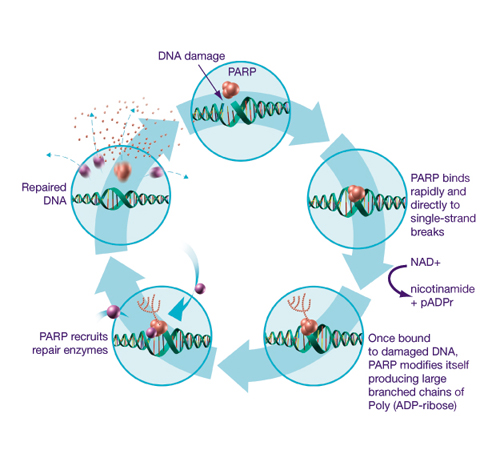
Olaparib inhibits the enzyme poly (ADP-ribose) polymerase — abbreviated “PARP” — which is involved in DNA (deoxyribonucleic acid) repair. Up to half of women with high-grade serous ovarian cancer – the most common type of ovarian cancer – may have a DNA repair deficiency that makes them more susceptible to treatment with PARP inhibitors.

A number of PARP inhibitors are being studied in phase II and phase III clinical trials, as single agents and in combination with standard chemotherapies and radiation, in some types of breast and ovarian cancers believed to have DNA repair defects.

Sources:

PARP Clinical Trials:
Resources:
Related WORD of HOPE™ Ovarian Cancer Podcasts:
Related Libby’s H*O*P*E*™ Postings:
Related Libby’s H*O*P*E*™ Videos Re PARP Inhibitors


2011 Pharmaceutical Research & Manufacturers of America Report Lists 58 Drugs in Development For Ovarian Cancer

Currently, 851 medicines are in development for diseases that exclusively or disproportionately affect women, according to a report unveiled today by the Pharmaceutical Research and Manufacturers of America (PhRMA).

Currently, 851 medicines are in development for diseases that exclusively or disproportionately affect women, according to a report unveiled today by the Pharmaceutical Research and Manufacturers of America (PhRMA).  The medicines in the pipeline for women (either in human clinical trials or awaiting review by the Food and Drug Administration) include:

• 139 for cancers affecting women, including 91 for breast cancer, 49 for ovarian cancer,[1] and 9 for cervical cancer.

• 114 for arthritis/musculoskeletal disorders. Approximately 46 million Americans have some type of arthritis or related condition, and 60 percent of them are female.

• 64 for obstetric/gynecologic conditions.

• 110 for autoimmune diseases, which strike women three times more than men.

• 72 for depression and anxiety. Almost twice as many women as men suffer from these disorders.

• 83 for Alzheimer’s disease. Two-thirds (3.4 million) of the 5.4 million Americans living with Alzheimer’s today are women.

The Drug Discovery Process

Ovarian cancer affected an estimated 21,880 U.S. women in 2010 and caused an estimated 13,850 deaths.  The PhRMA report highlighted a potential first-in-class ovarian cancer drug (volasertib/BI 6727) in development which works by selectively inhibiting the polo-like kinase-1 (PLK-1), an enzyme crucial for cell division. PLK-1 is expressed in proliferating cells and most tumors. Inhibiting its activity disrupts cell division, which induces cell death and reduces cancer growth.

The ovarian cancer drugs listed in the PhRMA report are listed below by name (brand name, if available, and generic name), manufacturer, and phase of clinical testing. The ovarian cancer drugs listed in the “Cancer” section of the PhRMA report are set forth below:[2]

A6, Angstrom Pharmaceuticals, Phase II.

Abagovomab (anti-idiotype ovarian cancer vaccine)(Orphan Drug), Menarini, Phase I/II.

Abraxane®/albumin-bound paclitaxel, Celgene, Phase II.

ABT-888/veliparib, Abbott Laboratories, Phase II.

AE-37, Antigen Express, Phase I.

Afinitor®/everolimus, Novartis Pharmaceuticals, Phase I/II.

AMG 386, Amgen, Phase III.

AMG 479, Amgen, Phase II.

Avastin®, bevacizumab, Genentech, Phase III.

BC-819, BioCancell Therapeutics, Phase I/II.

Catumaxomab, Fresenius Biotech, Phase II.

CVac™/MUC-2 cancer vaccine, Prima BioMed, Phase II.

DCVax®-L/ovarian cancer vaccine, Northwest Biotherapeutics, Phase I.

DPX-0907, Immunovaccine, Phase I.

EC-145, Endocyte, Phase II.

EGEN-001 (Orphan Drug), EGEN, Phase I/II.

ENMD-2076, EntreMed, Phase II.

Estybon™/ON-01910.Na, Onconova Therapeutics, Phase II.

Evizon™/squalamine, OHR Pharmaceuticals, Phase II.

farletuzumab/MORAb-003, Eisai, Phase III.

iboctadekin, GlaxoSmithKline, Phase I.

IMT-1012/immunotherapeutic vaccine, Immunotope, Phase I.

iniparib/BSI-201, BiPar Sciences/sanofi-aventis, Phase II.

Karenitecin®/cositecan, BioNumerik Pharmaceuticals, Phase III.

KHK-2866, Kyowa Hakko Kirin Pharma, Phase I.

lenvatinib/E7080, Eisai, Phase II.

MK-2206, Merck, Phase I.

Nexavar®/sorafenib, Bayer HealthCare Pharmaceuticals/Onyx Pharmaceuticals, Phase II.

NKTR-102, Nektar Therapeutics, Phase II.

NOV-002, Novelos Therapeutics, Phase II.

OGX-427, Oncogenex Pharmaceuticals, Phase I.

olaparib/AZD2281, AstraZeneca, Phase II.

Opaxio™/paclitaxel poliglumex, Cell Therapeutics/Novartis Pharmaceuticals, Phase III.

Optisome™/topetecan liposomal, Talon Therapeutics, Phase I.

Oregovomab, Quest Pharmatech, Phase I/II.

OSI-906/linsitinib, OSI Pharmaceuticals, Phase II.

OVax®/ovarian cancer vaccine (Orphan Drug), AVAX Technologies, Phase I/II.

Perifosine/KRX-0401, AEterna Zentaris/Keryx Biopharmaceuticals, Phase I.

PF-01367338, Pfizer, Phase II.

Phenoxodiol (next generation drug will be NV-143), Marshall Edwards, Phase III.

Picoplatin intravenous, Poniard Pharmaceuticals, Phase II.

Quinamed®/amonafide, ChemGenex Pharmaceuticals, Phase II.

Ramucirumab/IMC-1121-B, Eli Lilly/ImClone, Phase I.

Ridaforolimus, Merck/Ariad Pharmaceuticals, Phase I.

Sagopilone, Bayer HealthCare Pharmaceuticals, Phase II.

SAR256212/MM-121, Merrimack Pharmaceuticals/sanofi-aventis, Phase I.

SG2000, Spirogen, Phase II.

Sprycel®/dasatinib, Bristol-Myers Squibb, Phase

Tarceva®/erlotinib, Genentech, Phase II.

Telcyta®/canfosfimide, Telik, Phase III.

Tigatuzumab, Daiichi Sankyo, Phase II.

Tykerb®/lapatinib, GlaxoSmithKline, Phase I/II.

Volasertib, Boehringer Ingelheim Pharmaceuticals, Phase II.

Volociximab, Bigen Idec/Facet Biotech, Phase II.

Vosaroxin™/SNS-595, Sunesis Pharmaceuticals, Phase II.

Votrient®/pazopanib, GlaxoSmithKline, Phase III.

Zolinza®/vorinostat, Merck, Phase II.

Zybrestat™/fosbretabulin, OXiGENE, Phase II.

References:

1/The 2011 PhRMA report lists 49 ovarian cancer drugs in development.  After comparing the entire “Cancer” drug list set forth on pages 16 – 24 of the PhRMA report to the ovarian cancer clinical trials provided at http://www.clinicaltrials.gov, we determined that an additional nine drugs appearing on the PhRMA cancer drug list are being tested in ovarian cancer clinical trials.

2/Please note that the PhRMA cancer drug list does not set forth all ovarian cancer drugs in development.  For a list of all open ovarian cancer clinical trials listed at www.clinicaltrials.gov, click here.

Sources:

Resources:

Experimental Drug NVP-BEZ235 Slows Ovarian Cancer Growth in Mice; Solid Tumor Clinical Trials Ongoing

A study conducted recently at UCLA’s Jonsson Comprehensive Cancer Center found that experimental drug NVP-BEZ235, which blocks two points of a crucial cancer cell signaling pathway, inhibits the growth of ovarian cancer cells and significantly increases survival in an ovarian cancer mouse model.

A study conducted recently at  UCLA’s Jonsson Comprehensive Cancer Center (JCCC) found that an experimental drug, which blocks two points of a crucial cancer cell signaling pathway, inhibits the growth of ovarian cancer cells and significantly increases survival in an ovarian cancer mouse model.

Oliver Dorigo, M.D., Ph.D., Assistant Professor, Department of Gynecologic Oncology, Division Gynecologic Oncology, UCLA Jonnson Comprehensive Cancer Center; Member, JCCC Cancer Molecular Imaging Program Area

The Novartis Oncology drug, called NVP-BEZ235, also inhibits growth of ovarian cancer cells that have become resistant to the conventional treatment with platinum chemotherapy and helps to resensitize the cancer cells to the therapy. In addition, it enhances the effect of platinum chemotherapy on ovarian cancer cells that are still responding to the therapy, said the study’s senior author, Dr. Oliver Dorigo, an assistant professor of obstetrics and gynecology and a JCCC researcher.

“Platinum-based chemotherapy drugs are effective in treating ovarian cancers as long as the cancer cells remain sensitive to platinum,” Dorigo said. “But once the tumor becomes resistant, treating the cancer becomes very challenging. This is a significant clinical problem, since the majority of ovarian cancer patients develop resistance at some point during treatment. Breaking chemotherapy resistance is a difficult challenge, but crucial if we want to improve long-term survival for our patients.”

The study, performed on cells lines and mouse models, appears in the April 15 issue of the journal Clinical Cancer Research.

Over the last several years, Dorigo has been working in his laboratory to develop new therapies for ovarian cancer. About 22,000 American women are diagnosed each year with ovarian cancer, and more than 14,000 deaths are attributed to the disease annually. Dorigo has focused his research efforts on a pathway called PI3Kinase/Akt/mTOR, which, once activated, promotes ovarian cancer growth. The activated pathway also makes the cancer more aggressive and more likely to spread to other organs, Dorigo said, so targeting it offers great promise for more effective therapies for the disease.

In this two-year study, Dorigo and postdoctoral fellow Chintda Santiskulvong found that inhibiting two checkpoints of the pathway — PI3Kinase and mTOR — with NVP-BEZ235 decreased cancer growth, both in cell culture dishes and in mice with ovarian cancer. It also significantly increased survival in the mice, he said. More importantly, NVP-BEZ235 slowed growth of the ovarian cancer cells that had become resistant to platinum and helped to break that resistance.

“We were very encouraged to find that NPV-BEZ235 could resensitize the ovarian cancer cells to standard platinum treatment,” Dorigo said. “In addition, we found this drug to be more effective in inhibiting ovarian cancer cell growth than other drugs that target only one checkpoint, mTOR, in this pathway. We believe that NVP-BEZ235 has superior efficacy because of the dual effect on PI3Kinase and mTOR.”

The experimental drug is being tested as a single agent at the Jonsson Cancer Center in human clinical trials against other solid tumors. Researchers involved with those studies have said early results are encouraging.

John Glaspy, M.D., M.P.H., Co-Chief, Department of Medicine, Hematology/Oncology, UCLA Jonnson Comprehensive Cancer Center; JCCC Director, JCCC Clinical Research Unit; Member, Stand Up To Cancer Mangement Committee

“This is clearly a promising agent with activity in humans,” said Dr. John Glaspy, a professor of hematology–oncology and a Jonsson Cancer Center scientist involved with the studies. “We are still assessing its tolerability in patients.”

Dorigo said he hopes to initiate a clinical trial for women with ovarian cancer that tests the combination of NVP-BEZ235 with platinum chemotherapy, as he believes that the combination might be more effective than each drug alone.

The study was funded by the Ovarian Cancer Research Foundation/Liz Tilberis Scholarship, the Gynecologic Cancer Foundation/Florence and Marshall Schwid Ovarian Cancer Award, a STOP Cancer Career Development Award and the National Institutes of Health’s Women’s Reproductive Health Research Program.

About the UCLA Jonnson Comprehensive Cancer Center

UCLA’s Jonsson Comprehensive Cancer Center has more than 240 researchers and clinicians engaged in disease research, prevention, detection, control, treatment and education. One of the nation’s largest comprehensive cancer centers, the Jonsson Center is dedicated to promoting research and translating basic science into leading-edge clinical studies. In July 2010, the center was named among the top 10 cancer centers nationwide by U.S. News & World Report, a ranking it has held for 10 of the last 11 years.

Sources:

Clinical Trial Information:

2011 AACR Annual Meeting: Select Ovarian Cancer Presentations & Abstracts Available Online

The 102nd American Association For Cancer Research (AACR) Annual Meeting will be held from Saturday, April 2 through Wednesday, April 6, 2011, at the Orange County Convention Center located in Orlando, Florida.  Select ovarian cancer presentations and abstracts are available online.

The 102nd American Association For Cancer Research (AACR) Annual Meeting will be held from Saturday, April 2 through Wednesday, April 6, 2011, at the Orange County Convention Center located in Orlando, Florida.  Select ovarian cancer meeting presentations and abstracts are now available online.

Once again, the AACR will host and organize an exciting program on the best and latest in cancer research, in which a large cross section of the cancer research community will participate, to advance the cause of treating and preventing cancer. The meeting program not only reflects the AACR’s strengths in basic, translational, and clinical research, but also emphasizes the productive interfaces emerging between these once-separated disciplines. The program also captures the advances on all of these fronts, with a range of speakers and participants who are leaders in research: cancer mechanisms, systems approaches to cancer biology, diagnostics and therapeutics, translation of advances to the clinic, and cutting-edge science in the prevention and early interception of cancer.

In advance of the actual meeting, you can review select ovarian cancer meeting and poster presentations that relate to basic, clinical, epidemiological, and translational research.

To view all available ovarian cancer meeting and poster presentations, CLICK HERE, and then click the “advanced search button,” and under “Abstract Organ Site,” choose “gynecological cancer:  ovarian cancer,” then click “search” at the top or bottom of the page .

To view a list of all available AACR program ovarian cancer-related webcasts available during and/or after the meeting, CLICK HERE and (i) type in “ovarian cancer” in the search box; (ii) choose “sessions (with details)” under the “Browse By” menu at the top of the page; and (iii) choose only2011” within the  search filter (i.e., uncheck conference years 2004 – 2010), then click “Update Filter.” (note: you can also search for free and/or paid webcasts by using the search filter on this page).

Libby’s H*O*P*E*™ will post newsworthy ovarian cancer information that is disclosed during the course of the AACR Annual Meeting.

About the American Association For Cancer Research

The mission of the American Association for Cancer Research is to prevent and cure cancer. AACR was founded in 1907 by a group of 11 physicians and scientists interested in research “to further the investigation and spread the knowledge of cancer.” The AACR is the world’s oldest and largest professional organization dedicated to advancing cancer research. The membership includes 33,000 basic, translational and clinical researchers; health care professionals; and cancer survivors and advocates in the United States and more than 90 other countries.

The AACR marshals the full spectrum of expertise from the cancer community to accelerate progress in the prevention, diagnosis and treatment of cancer through high-quality scientific and educational programs. It funds innovative, meritorious research grants, research fellowships and career development awards. The AACR Annual Meeting attracts more than 18,000 participants who share the latest discoveries and developments in the field. Special conferences throughout the year present novel data across a wide variety of topics in cancer research, treatment and patient care. Including Cancer Discovery, the AACR publishes seven major peer-reviewed journals: Cancer Research; Clinical Cancer Research; Molecular Cancer Therapeutics; Molecular Cancer Research; Cancer Epidemiology, Biomarkers & Prevention; and Cancer Prevention Research. AACR journals represented 20 percent of the market share of total citations in 2009. The AACR also publishes CR, a magazine for cancer survivors and their families, patient advocates, physicians and scientists.

Phenoxodiol Used In Combination With Platinum or Taxane-Based Chemotherapy Is Active In Platinum & Taxane-Resistant Ovarian Cancer

Phase II clinical study results suggests phenoxodiol is active in platinum and taxane drug-resistant ovarian cancer patients when administered intravenously in combination with platinum or taxane-based chemotherapy

Marshall Edwards, Inc., an oncology company focused on the clinical development of novel therapeutics targeting cancer metabolism, recently announced the publication of results from a phase II clinical trial of intravenous phenoxodiol in combination with cisplatin or paclitaxel in women with platinumrefractory/resistant ovarian cancer. The publication is now available on the International Journal of Gynecological Cancer website, and the print edition will appear the May issue of the journal.

The study, conducted at Yale-New Haven Hospital, showed that the combination of intravenous phenoxodiol, a novel NADH oxidase inhibitor, with cisplatin (a platinum-based chemotherapy) or paclitaxel (a taxane-based chemotherapy), was well tolerated.

Robert D. Mass, M.D., Acting Chief Medical Officer, Marshall Edwards.

In the study, 32 patients were randomized to one of two treatment arms according to their previous treatment responses: (1) platinum refractory/resistant patients received weekly cisplatin (40 mg/m intravenous), combined with weekly phenoxodiol (3 mg/kg); and (2) taxane refractory/resistant patients received weekly paclitaxel (80 mg/m intravenous), combined with weekly phenoxodiol (3 mg/kg). The study patients continued on treatment until complete response, disease progression, unacceptable toxicity, or voluntary withdrawal.

In the cisplatin study arm, there were 3 partial responses, 9 patients (56%) achieved stable disease, 4 patients (25%) progressed, and the overall best response rate was 19%. In the paclitaxel study arm, there was one complete response and 2 partial responses, 8 patients (53%) achieved stable disease, 4 patients (27%) progressed, and the overall best response rate was 20%. Response rate in this study was defined as the percentage of patients whose tumor demonstrated a radiologically confirmed reduction or disappearance after treatment.

There were no treatment-related deaths in the study, and there was only one treatment-related hospitalization and two grade 4 (i.e., life-threatening or disabling) adverse events.

Based upon the foregoing results, the researchers concluded that the combination of intravenous phenoxodiol with cisplatin or paclitaxel was well tolerated.  Moreover, the researchers stated that the cisplatin-phenoxodiol combination was particularly active and warrants further study in patients with platinum-resistant ovarian cancer.

“These results suggest that the combination of intravenous phenoxodiol with cisplatin has a good safety profile and may be capable of reversing resistance to platinum-based chemotherapy,” said lead author Michael G. Kelly, M.D., a gynecologic oncologist at Tufts Medical Center and former fellow at Yale University School of Medicine.” This study provides early clinical proof-of-concept for the combination of NADH oxidase inhibitors with standard-of-care chemotherapy and lays the groundwork for the development of more potent next-generation compounds.”

To date, phenoxodiol, an investigational drug, has been introduced into more than 400 patients in multiple clinical trials via oral or intravenous routes and has been well tolerated. Marshall Edwards has identified a next-generation compound called “NV-143,” which has demonstrated significantly more activity than phenoxodiol against a broad range of tumor cell lines. In addition to being more active as a single agent, NV-143 appears to be superior in its ability to synergize with platinum-based chemotherapy in pre-clinical studies. As a result, Marshall Edwards plans to initiate a phase I clinical trial of intravenous NV-143 later this year, followed immediately thereafter by randomized phase II trials in combination with chemotherapy.

“These published results combined with data from previous studies reinforce our conclusion that intravenous administration is the optimal route of delivery for this class of drugs and give us added confidence moving forward as we develop our next-generation compound NV-143 for the clinic,” said Robert D. Mass, M.D., Acting Chief Medical Officer of Marshall Edwards.

About Marshall Edwards

Marshall Edwards, Inc. is a San Diego-based oncology company focused on the clinical development of novel anti-cancer therapeutics. The Company’s lead programs focus on two families of small molecules that result in the inhibition of tumor cell metabolism. The first and most advanced is a NADH oxidase inhibitor program that includes lead drug candidate NV-143. The second is a mitochondrial inhibitor program that includes NV-128 and its next-generation candidate NV-344. Both programs are expected to advance into the clinic in 2011. For more information, visit www.marshalledwardsinc.com.

About Novogen Limited

Novogen Limited is an Australian biotechnology company based in Sydney, Australia. Novogen has a consumer healthcare business, and conducts research and development on oncology therapeutics through its 71.3% owned subsidiary, Marshall Edwards, Inc.

Sources:

Therapeutic Response To The Angiogenesis Inhibitor Sunitinib In Ovarian Clear Cell Cancer

A group of international researchers reported sustained responses in two ovarian clear cell cancer (OCCC) patients with chemotherapy-resistant disease, who were treated with the anti-angiogenesis inhibitor sunitinib (Sutent®). The researchers emphasize the growing realization that OCCC is molecularly and clinically distinct as compared to other forms of ovarian cancer, and note significant common scientific characteristics possessed by both OCCC and renal clear cell cancer.

Clear Cell Carcinoma of the Ovary

Ovarian clear cell cancer (OCCC) is a rare form or subtype of epithelial ovarian cancer that is generally refractory to platinum-based chemotherapy. A group of international researchers from the United Kingdom, Australia, Japan, Canada and the United States recently reported results from comprehensive OCCC tumor gene expression and copy number testing, which was designed to identify potential therapeutic targets of OCCC.

Gene expression and DNA copy number testing was performed using primary human OCCC tumor samples, and the test findings were confirmed by immunohistochemistry (IHC) on tissue microarrays. Based on this testing, the researchers identified specific over-expression of the IL6 (interleukin-6)-STAT3 (signal transducer and activator of transcription 3)-HIF (hypoxia-inducible factors) cellular pathway in OCCC tumors, as compared with high-grade serous ovarian cancers. Expression of PTHLH (parathyroid hormone-like hormone) and high levels of circulating IL6 were also found in OCCC patients, and the researchers believe that this finding may explain the frequent occurrence of hypercalcemia and thromboembolic events in OCCC. Notably, the study results set forth a description of amplification of several RTKs (receptor tyrosine kinases), most notably MET (met proto-oncogene [hepatocyte growth factor receptor]), which certainly suggests other potential therapeutic targets for this hard-to-treat subtype of ovarian cancer.

Circulating IL6 levels were measured in the blood serum from patients with OCCC or high-grade serous ovarian cancers and corresponded to progression-free and overall survival. Two OCCC patients were treated with sunitinib and their therapeutic responses were measured clinically and by positron emission tomography (PET). The researchers reported sustained clinical and functional imaging responses in two OCCC patients with chemotherapy-resistant disease who were treated with sunitinib, thereby showing  significant scientific parallels with renal clear cell cancer.

Based upon the findings above, the researchers highlighted the importance of specific therapeutic targets in the treatment of OCCC, and suggested that more extensive clinical trials with sunitinib in OCCC patients are warranted.  The overarching findings of this study provide significant impetus to the growing realization that OCCC is molecularly and clinically distinct as compared to other forms of ovarian cancer.

Source: Anglesio MS, George J, Kulbe H, et. al. IL6-STAT3-HIF Signalling and Therapeutic Response To The Angiogenesis Inhibitor, Sunitinib, In Ovarian Clear Cell Cancer. Clin Cancer Res. 2011 Feb 22. [Epub ahead of print] PubMed PMID: 21343371.

Additional Information:

  • Dedicated Ovarian Clear Cell Cancer Clinical Trials (currently recruiting as of 3/25/11).

A Phase II Evaluation of SU11248 (Sunitinib Malate) (IND #74019, NSC #736511) in the Treatment of Persistent or Recurrent Clear Cell Ovarian Carcinoma, Clinical Trial Summary, NCT00979992, ClinicalTrials.gov.

A Phase II Evaluation of Temsirolimus (CCI-779) [Torisel®] (NCI Supplied Agent: NSC# 683864, IND# 61010) in Combination With Carboplatin and Paclitaxel Followed by Temsirolimus (CCI-779) Consolidation as First-Line Therapy in the Treatment of Stage III-IV Clear Cell Carcinoma of the Ovary, Clinical Trial Summary, NCT01196429, ClinicalTrials.gov.

  • Open Ovarian Cancer and Solid Tumor Clinical Trials Testing MET Inhibitors (as of 3/25/11)

We provide below a list of MET inhibitors that are currently available through open ovarian cancer and solid tumor clinical trials.  A few caveats are noteworthy.

First, the association between MET inhibiton and ovarian clear cell cancer inhibition has NOT been established as a form of treatment in large randomized, prospective clinical trials.

Second, most of the clinical trials listed below are phase I studies designed to test the biological activity and safety of the drug — not the effectiveness.  Patients enrolled in a phase I trial are generally the first humans to receive the study drug.

Third, all patients should seek advice from their doctor in advance of deciding to enroll in a clinical trial. Many of the clinical drugs listed below inhibit one or more cellular functions in addition to MET.

List of open solid tumor clinical trials testing AMG 208.

List of open solid tumor clinical trials testing MGCD-265.

List of open solid tumor clinical trials testing PF-2341066 (crizotinib)(NCT01121588NCT00585195).

List of open ovarian cancer clinical trials testing sunitinib (SU11274)/Sutent®.

List of open solid tumor clinical trials testing sunitinib (SU11274)/Sutent®.

List of open solid tumor clinical trials testing cabozantinib (a/k/a XL184 or BMS-907351).

List of open solid tumor clinical trials testing ARQ197.

List of open solid tumor clinical trials testing INCB28060.

List of open solid tumor clinical trials testing E7050.

List of open solid tumor clinical trials testing MGCD265.

  • Genetic Similarity Between Ovarian Clear Cell Cancer & Renal Clear Cell Cancer

Yoshida S, Furukawa N, Haruta S, et. al. Theoretical model of treatment strategies for clear cell carcinoma of the ovary: focus on perspectives. Cancer Treat Rev. 2009 Nov;35(7):608-15. Epub 2009 Aug 8. Review. PubMed PMID: 19665848.

Rauh-Hain JA, Penson RT. Potential benefit of Sunitinib in recurrent and refractory ovarian clear cell adenocarcinoma. Int J Gynecol Cancer. 2008 Sep-Oct;18(5):934-6. Epub 2007 Dec 13. PubMed PMID: 18081793.

Zorn KK, Bonome T, Gangi L, et. al. Gene expression profiles of serous, endometrioid, and clear cell subtypes of ovarian and endometrial cancer. Clin Cancer Res. 2005 Sep 15;11(18):6422-30. PubMed PMID: 16166416.

FDA Awards $1.6M Orphan Drug Grant for Clinical Phase II Development of EGEN-001 for Treatment of Ovarian Cancer

EGEN, Inc. announced that the Food and Drug Administration (FDA) awarded the company a four-year grant of $1.6 million to assist in the phase II clinical development of EGEN-001, the company’s lead product. EGEN-001 is under clinical development for the treatment of advanced recurrent ovarian cancer.

EGEN, Inc. announced that the Food and Drug Administration (FDA) awarded the company a four-year grant of $1.6 million to assist in the phase II clinical development of EGEN-001, the company’s lead product. EGEN-001 is under clinical development for the treatment of advanced recurrent ovarian cancer.[1]

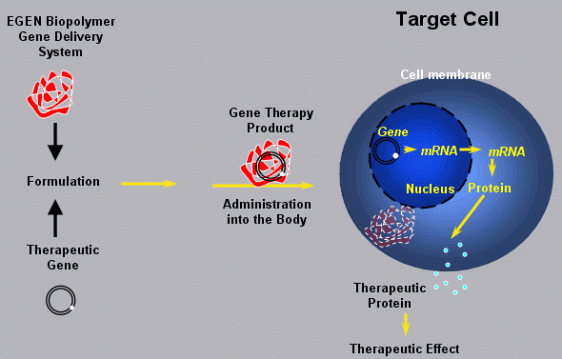
EGEN, Inc. is developing gene-based biopharmaceuticals that rely on proprietary delivery technologies such as TheraPlas™ (illustrated above). In preclinical studies, the application of this approach produced anti-cancer activity in the treatment of disseminated abdominal cancers, solid tumors and metastatic cancers. (Photo: EGEN, Inc.)

EGEN-001 was developed as an interleukin-12 (IL‑12) gene therapy for the treatment of disseminated epithelial ovarian cancer. It is a low concentration formulation composed of a human IL-12 plasmid formulated with a proprietary PPC delivery system. EGEN-001 is designed for intraperitoneal (IP) administration. The subsequent IL-12 protein expression is associated with an increase in immune system activity, including T-lymphocyte and natural killer (NK) cell proliferation, and cytotoxic activation and secretion of interferon gamma (IFN-g), which in turn, leads to tumor inhibition. Additionally, IL-12 inhibits angiogenesis and formation of tumor vascularization.

EGEN has successfully completed two Phase I trials of EGEN-001 in ovarian cancer patients.  In the first study, EGEN-001 was administered as monotherapy in platinum-resistant ovarian cancer patients[2] and in the second study in combination with carboplatin/docetaxel chemotherapy in platinum-sensitive ovarian cancer patients.[3] In both studies, EGEN-001 treatment resulted in good safety, biological activity and encouraging efficacy.[4-5] EGEN-001 received Orphan Drug Status from the FDA in 2005, and its first $1 million FDA orphan grant in 2005.

“This is a significant milestone and accomplishment for the company,” commented Dr. Khursheed Anwer, President and Chief Science Officer of EGEN. “We are pleased to receive this FDA support, which has been very useful in the advancement of our novel EGEN-001 product in the clinic for the treatment of recurrent ovarian cancer. The product utilizes the Company’s proprietary TheraPlas® delivery technology and is composed of interleukin-12 (IL-12) gene formulation with a biocompatible delivery polymer. IL-12 is a potent cytokine which works by enhancing the body’s immune system against cancer and inhibiting tumor blood supply.”

About EGEN, Inc.

EGEN, Inc. (EGEN), with laboratories and headquarters in Huntsville, Alabama, is a privately held biopharmaceutical company focused on developing therapeutics for the treatment of human diseases including cancer. The Company specializes in the delivery of therapeutic nucleic acids (DNA and RNAi) and proteins aimed at specific disease targets. The Company has a significant intellectual property position in synthetic carriers, their combination with DNA, and their therapeutic applications. EGEN’s research pipeline products are aimed at treatment of various cancer indications. In addition, the Company has its TheraSilence® delivery technology aimed at delivery of therapeutic siRNA for the treatment of human diseases. EGEN collaborates with outside investigators, biotech organizations, and universities on various projects in these areas.

References:

1/ A Phase II Evaluation of Intraperitoneal EGEN-001 (IL-12 Plasmid Formulated With PEG-PEI-Cholesterol Lipopolymer) in the Treatment of Persistent or Recurrent Epithelial Ovarian, Fallopian Tube or Primary Peritoneal Cancer, Clinical Trial Summary, ClinicialTrials.gov (Identifier:  NCT01118052).

2/A Phase 1, Open Label, Dose Escalation Study of the Safety, Tolerability and Preliminary Efficacy of Intraperitoneal EGEN-001 in Patients With Recurrent Epithelial Ovarian Cancer, Clinical Trial Summary, ClinicialTrials.gov (Identifier: NCT00137865).

3/A Phase 1, Open-Label, Dose Escalation Study of the Safety and Preliminary Efficacy of EGEN-001 in Combination With Carboplatin and Docetaxel in Women With Recurrent, Platinum-Sensitive, Epithelial Ovarian Cancer, Clinical Trial Summary, ClinicialTrials.gov (Identifier:  NCT00473954).

4/Kendrick JE, Matthews KS, Straughn JM, et. al.  A phase I trial of intraperitoneal EGEN-001, a novel IL-12 gene therapeutic, administered alone or in combination with chemotherapy in patients with recurrent ovarian cancer.  J Clin Oncol 26: 2008 (May 20 suppl; abstr 5572).

5/Anwar K, Barnes MN, Kelly FJ, et. al. Safety and tolerability of a novel IL-12 gene therapeutic administered in combination with carboplatin/docetaxel in patients with recurrent ovarian cancer.  J Clin Oncol 28:15s, 2010 (suppl; abstr 5045).

Source: FDA Awards EGEN, Inc. Orphan -Drug Grant for Clinical Development of EGEN-001 for Treatment of Ovarian Cancer, Press Release, EGEN, Inc., February 2, 2011.

Outside-the-Body Filtration Device May Reduce Ovarian Cancer Cells In Abdominal Fluid

A paper published in the January issue of the journal Nanomedicine could provide the foundation for a new ovarian cancer treatment option — one that would use an outside-the-body filtration device to remove a large portion of the free-floating cancer cells that often create secondary tumors.

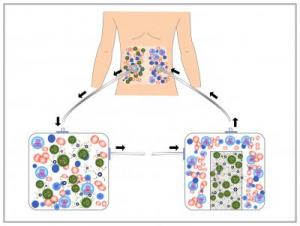
Schematic shows how fluids containing ovarian cancer cells could be removed from the body, treated with magnetic nanoparticles to remove the cells, then returned to the body. (Courtesy of Ken Scarberry)

Magnetic nanoparticles suspended in a liquid are attracted to a magnet. The nanoparticles could be attached to cancer cells and then removed from the body with magnetic filtration. (Credit: Gary Meek)

A paper published in the January issue of the journal Nanomedicine could provide the foundation for a new ovarian cancer treatment option — one that would use an outside-the-body filtration device to remove a large portion of the free-floating cancer cells that often create secondary tumors.

Researchers at the Georgia Institute of Technology have formed a startup company and are working with a medical device firm to design a prototype treatment system that would use magnetic nanoparticles engineered to capture cancer cells. Added to fluids removed from a patient’s abdomen, the magnetic nanoparticles would latch onto the free-floating cancer cells, allowing both the nanoparticles and cancer cells to be removed by magnetic filters before the fluids are returned to the patient’s body.

In mice with free-floating ovarian cancer cells, a single treatment with an early prototype of the nanoparticle-magnetic filtration system captured enough of the cancer cells that the treated mice lived nearly a third longer than untreated ones. The researchers expect multiple treatments to extend the longevity benefit, though additional research will be needed to document that — and determine the best treatment options.

“Almost no one dies from primary ovarian cancer,” said Dr. John McDonald, a professor in Georgia Tech’s School of Biology and chief research scientist of Atlanta’s Ovarian Cancer Institute. “You can remove the primary cancer, but the problem is metastasis. A good deal of the metastasis in ovarian cancer comes from cancer cells sloughing off into the abdominal cavity and spreading the disease that way.”

The removal system being developed by McDonald and postdoctoral fellow Ken Scarberry — who is also CEO of startup company Sub-Micro — should slow tumor progression in humans. It may reduce the number of free-floating cancer cells enough that other treatments, and the body’s own immune system, could keep the disease under control.

Professor John McDonald (standing) and postdoctoral fellow Ken Scarberry examine statistical data from their study of a potential new treatment option for ovarian cancer. (Credit: Gary Meek)

“If you can reduce metastasis, you can improve the lifespan of the person with the disease and get a better chance of treating it effectively,” said McDonald. “One goal is to make cancer a chronic disease that can be effectively treated over an extended period of time. If we can’t cure it, perhaps we can help people to live with it.”

Earlier in vitro studies published by the authors of the Nanomedicine paper showed that the magnetic nanoparticles could selectively remove human ovarian cancer cells from ascites fluid, which builds up in the peritoneal cavities of ovarian cancer patients. The nanoparticles are engineered with ligands that allow them to selectively attach to cancer cells.

The researchers believe that treating fluid removed from the body avoids potential toxicity problems that could result from introducing the nanoparticles into the body, though further studies are needed to confirm that the treatment would have no adverse effects.

The recently reported study in Nanomedicine used three sets of female mice to study the benefit of the nanoparticle-magnetic filtration system. Each mouse was injected with approximately 500,000 murine ovarian cancer cells, which multiply rapidly — each cell doubling within approximately 15 hours.

In the experimental group, the researchers — who included research scientist Roman Mezencev — removed fluid from the abdomens of the mice immediately after injection of the cancer cells. They then added the magnetic nanoparticles to the fluid, allowed them to mix, then magnetically removed the nanoparticles along with the attached cancer cells before returning the fluid. The steps were repeated six times for each mouse.

One control group received no treatment at all, while a second control group underwent the same treatment as the experimental group — but without the magnetic nanoparticles. Mice in the two control groups survived a median of 37 days, while the treated mice lived 12 days longer — a 32 percent increase in longevity.

Though much more research must be done before the technique can be tested in humans, McDonald and Scarberry envision a system very similar to what kidney dialysis patients now use, but with a buffer solution circulated through the peritoneal cavity to pick up the cancer cells.

“What we are developing is akin to hemofiltration or peritoneal dialysis in which the patient could come into a clinic and be hooked up to the device a couple of times a week,” said Scarberry. “The treatment is not heavily invasive, so it could be repeated often.”

The new treatment could be used in conjunction with existing chemotherapy and radiation. Reducing the number of free-floating cancer cells could allow a reduction in chemotherapy, which often has debilitating side effects, Scarberry said. The new treatment system could be used to capture spilled cancer cells immediately after surgery on a primary tumor.

The researchers hope to have a prototype circulation and filtration device ready for testing within three years. After that will come studies into the best treatment regimen, examining such issues as the number of magnetic nanoparticles to use, the number of treatments and treatment spacing. If those are successful, the company will work with the FDA to design human clinical trials.

The researchers also studying how their magnetic nanoparticles could be engineered to capture ovarian cancer stem cells, which are not affected by existing chemotherapy. Removing those cells could help eliminate a potent source of new cancer cells.

The research has been supported by the Georgia Research Alliance (GRA), the Ovarian Cancer Institute, the Robinson Family Foundation and the Deborah Nash Harris Endowment. A member of Georgia Tech’s Advanced Technology Development Center (ATDC) startup accelerator program and a GRA VentureLab company, Sub-Micro has also raised private funding to support its prototype development.

Challenges ahead include ensuring that nanoparticles cannot bypass the filtration system to enter the body, and controlling the risk of infection caused by opening the peritoneal cavity.

Beyond cancer, the researchers believe their approach could be useful for treating other diseases in which a reduction in circulating cancer cells or virus particles could be useful. Using magnetic nanoparticles engineered to capture HIV could help reduce viral content in the bloodstream, for instance.

“A technology like this has many different possibilities,” said Scarberry. “We are currently developing the technology to control the metastatic spread of ovarian cancer, but once we have a device that can efficiently and effectively isolate cancer cells from circulating fluids, including blood, we would have other opportunities.”

Sources:

Additional Information:

Outside-the-Box: The Rogosin Institute Is Fighting Cancer With Cancer Cells In Clinical Trials

Researchers at the Rogosin Institute are using cancer “macrobeads” to fight cancer.  Cancer cells in the beads secrete proteins which researchers believe could signal a patient’s cancer to stop growing, shrink or even die. The treatment is currently being tested in human clinical trials.

Two groundbreaking preclinical studies demonstrate for the first time that encapsulated mouse kidney cancer cells inhibit the growth of freely-growing cancer cells of the same or different type in a laboratory dish and in tumor-bearing animals. These findings support the hypothesis that cancer cells entrapped in seaweed-based gel, called “macrobeads,” send biological feedback or signals to freely-growing tumors outside the macrobead to slow or stop their growth. Both studies (cited below) are published in the on-line January 24, 2011 issue of Cancer Research, a publication of the American Association For Cancer Research.

Barry H. Smith, M.D., Ph.D., Director, The Rogosin Institute; Professor, Clinical Surgery, Weill Cornell Medical College

The Rogosin Institute, an independent not-for-profit treatment and research center associated with New York-Presbyterian Hospital and Weill Cornell Medical College, developed the cell encapsulation technology that facilitated production of the macrobead and applied this technology in conducting preclinical studies. The research team was headed by Barry H. Smith, M.D., Ph.D.,  the Director of The Rogosin Institute, Professor of Clinical Surgery at the Weill Cornell Medical College, and lead author of the studies. Findings in the studies to date are consistent with the hypothesis that when macrobeads are implanted in a host, the encapsulated cells are isolated from the host’s immune system but continue to maintain their functionality.

In addition to the standard preclinical in vivo and in vitro experiments, a clinical veterinary study was conducted in cats and dogs suffering from various spontaneous (non-induced) cancers. More than 40 animals were treated with the macrobead technology. Consistent results, measured both in terms of tumor response and animal well-being, occurred with prostate, liver and breast cancer, as well as lymphoma. Additional research revealed that regardless of the animal specie or type of cancer cell that was encapsulated, the macrobead technology inhibited cancer growth across all species and cancer types tested.  The results have included slowed tumor growth or, in some cases, necrosis and elimination of tumors and the restoration of a normal animal lifespan.

Cancer macrobead therapy has proceeded to human clinical testing. A Phase 1 trial in more than 30 patients evaluated the safety of macrobeads implanted in the abdominal cavity as a biological treatment of end-stage, treatment-resistant, epithelial-derived cancer. Based on the safety profile data, Phase 2 efficacy trials are in progress in patients with colorectal cancer, pancreatic cancer and prostate cancer. The Phase 1 trial remains open to a range of epithelial-derived cancers, including ovarian.  To date, the Rogosin Institute research team has not found evidence to indicate that placing mouse tumors in humans or other animal species causes harm or side-effects.

Scientists are testing whether macrobeads containing cancer cells can be implanted into patients and communicate with the patient’s tumor to stop growing, shrink or die.

Step 1:  Small beads are made from a seaweed-derived sugar called agarose and mixed with 150,000 mouse kidney cancer cells, and a second layer of agarose is added, encapsulating the cancer cells.

Step 2:  Within 3-to-10 days, 99% of the kidney cancer cells die.  The remaining cells have traits similar to cancer stem cells.

Step 3:  The stem cells begin to recolonize the bead.  The colonies increase in sufficient numbers within a few weeks to reach a stable state.

Step 4:  The beads begin to release proteins —  chemical signals reflecting that the beads have sufficient numbers of cells for growth regulators to kick in.

Step 5: Several hundred beads (depending on patient’s weight) are implanted in the abdominal cavity in a laparoscopic surgical procedure.  The cancer cells are trapped in the beads; preventing their circulation elsewhere in the body and protecting them from attack by the body’s immune system.

Step 6: In animal studies, researchers believe some proteins released from the beads reached tumors elsewhere in the body and tricked them into sensing that other tumor cells are nearby.

Step 7:  As a result, researchers believe tumors in some animals stopped growing, shrank or died.  The hypothesis is being tested in people with cancer.

Howard Parnes, M.D., Chief, Prostate & Urologic Cancer Research Group, Division of Cancer Prevention, National Cancer Institute

“This is a completely novel way of thinking about cancer biology,” says Howard L. Parnes, a researcher in the Division of  Cancer Prevention at the National Cancer Institute who is familiar with the work but was not involved with it. “We talk about thinking outside the box. It’s hard to think of a better example.” “They demonstrate a remarkable proof of principle that tumor cells from one animal can be manipulated to produce factors that can inhibit the growth of cancers in other animals,” Dr. Parnes says. “This suggests that these cancer inhibitory factors have been conserved over millions of years of evolution.”

“Macrobead therapy holds promise as a new option in cancer treatment because it makes use of normal biological mechanisms and avoids the toxicities associated with traditional chemotherapy,” said Dr. Barry Smith. “The results of our research show that this approach is not specific to tumor type or species so that, for example, mouse cells can be used to treat several different human tumors and human cells can be used to treat several different animal tumors.”

“Because cancer and other diseases are their own biological systems, we believe that the future of effective disease treatment must likewise be biological and system-based,” said Stuart Subotnick, CEO of Metromedia Bio-Science LLC. “Many of the existing therapies are narrow, targeted approaches that fail to treat diseases comprehensively. In contrast, our unique macrobead technology delivers an integrated cell system that alters disease processes and utilizes the body’s natural defense mechanisms. The goal is to repair the body and not merely treat the symptoms.”

It is well-known that proof of anti-tumor activity in treating animals does not represent guaranteed effectiveness in humans. But, assuming the macrobead therapy proves ultimately effective in humans, it would represent a novel approach to treating cancer and challenge existing scientific dogmas.

The cancer macrobead therapy described above is backed by Metromedia Company, a privately held telecommunications company which was run by billionaire John Kluge until his recent death. The Metromedia Biosciences unit has invested $50 million into the research.  If the treatment proves successful in humans, a large part of the revenue generated will be contributed to Mr. Kluge’s charitable foundation.

About Metromedia Bio-Science LLC

Metromedia Bio-Science LLC, in conjunction with The Rogosin Institute, utilizes the novel cell encapsulation technology to conduct research into the treatment of various diseases, including cancer and diabetes, and the evaluation of disease therapies. Metromedia Bio-Science LLC is an affiliate of Metromedia Company, a diversified partnership founded by the late John W. Kluge and Stuart Subotnick.

About The Rogosin Institute

The Rogosin Institute is an independent not-for-profit treatment and research center associated with New York-Presbyterian Hospital (NYPH) and Weill Cornell Medical College. It is one of the nation’s leading research and treatment centers for kidney disease, providing services from early stage disease to those requiring dialysis and transplantation. It also has programs in diabetes, hypertension and lipid disorders. The Institute’s cancer research program, featuring the macrobeads, began in 1995. The Rogosin Institute is unique in its combination of the best in clinical care with research into new and better ways to prevent and treat disease.

References:

Clinical Trials:

Exelixis Reports Promising Interim Data From Ovarian Cancer Patients Treated With XL184

Exelixis reports promising interim data from ovarian cancer patients treated with XL184, including:  a  32% confirmed response rate per RECIST in patients with platinum-resistant or platinum-sensitive disease, and a 64% overall week-12 disease control rate.

Ignace Vergote, M.D., Ph.D., Head, Department of Obstetrics & Gynecology and Gynecologic Oncology, Catholic University Hospital, Leuven, Belgium

Exelixis, Inc.  today reported interim data from the cohort of patients with advanced epithelial ovarian cancer, primary peritoneal, or fallopian tube carcinoma treated with XL184 in an ongoing phase 2 adaptive randomized discontinuation trial (RDT) [1]. Ignace Vergote, M.D., Ph.D., Head of the Department of Obstetrics and Gynecology and Gynecologic Oncology at the Catholic University Hospital Leuven, Leuven, Belgium, will present the data in the Molecular-Targeted Therapies-Clinical Trials poster session (Abstract #407) on Thursday, November 18th, at the 22nd EORTC-NCI-AACR [2] Symposium on Molecular Targets and Cancer Therapeutics, being held in Berlin, Germany.

XL184 Activity in Patients with Ovarian Cancer

XL184 is an oral, potent inhibitor of MET, VEGFR2 and RET. MET overexpression has been observed in advanced ovarian cancer, and anti-VEGF pathway agents have shown clinical benefit in ovarian cancer patients. For these reasons, co-targeting of the MET and VEGF signaling pathways using XL184 may represent a promising treatment strategy.

As of the November 1, 2010 cut-off date, a total of 51 patients were enrolled into the ovarian cancer cohort, with 31 evaluable for response, and 41 evaluable for safety. The median number of prior systemic treatments was 2. Tumor shrinkage was observed in 30 of 37 (81%) patients with measurable metastatic lesions. Of 31 patients evaluable for response per RECIST (Response Evaluation Criteria In Solid Tumors), 10 (32%) achieved a confirmed partial response (PR). Stable disease (SD) was reported in 15 patients (48%) including 3 patients who achieved unconfirmed PRs. The overall week-12 disease control rate (DCR)(complete responses + partial responses + stable disease responses = DCR) was 64%.

Upon subset analysis, 5 of 17 platinumrefractory or –resistant patients (29%) evaluable for response per RECIST achieved a confirmed PR. SD was reported in 7 patients (41%) including 2 patients with unconfirmed PRs. The week-12 DCR was 59% in platinum-resistant/refractory patients. Durable responses have been observed, including 2 patients with platinum-refractory or resistant disease who remain on study for 34+ and 36+ weeks, and 3 patients with platinum-sensitive disease on study for 24, 24+, and 28+ weeks. Some patients have experienced reductions in the ovarian cancer blood marker CA125, but in general no clear concordance between CA125 changes and tumor shrinkage has been observed.

Safety data are available for 49 patients who had at least 6 weeks of follow-up. The most common grade greater-than or equal to 3 adverse events, regardless of causality were PPE (Palmar-Plantar Erythrodysesthesia) syndrome (also referred to as “hand-foot syndrome”) (12%), diarrhea (7%), fatigue, vomiting (each 5%), nausea, rash, abdominal pain, hypertension, and hypomagnesemia (each 2%).

“The activity of XL184 in women with both platinum-sensitive and platinum-resistant/refractory disease is unique and encouraging. The response rate and overall disease control rate of this oral agent are impressive especially in the group of patients with platinum refractory/resistant ovarian cancer, and compare favorably to other targeted and systemic agents in development,” said, Dr. Vergote. “I believe these encouraging data warrant further evaluation of XL184 in ovarian cancer.”

Michael M. Morrissey, Ph.D., President & Chief Executive Officer, Exelixis, Inc.

“The high response rate in patients with ovarian cancer is reflective of the broad anti-tumor activity of XL184 observed in multiple tumor types to date,” said Michael M. Morrissey, Ph.D., president and chief executive officer of Exelixis. “The data from the RDT underscore the novel and differentiated clinical activity of XL184 in diverse tumor indications with predominance of either soft tissue or bone involvement.”

To access the clinical data poster mentioned in this press release, please visit www.exelixis.com.

Broad Clinical Activity of XL184 – Randomized Discontinuation Trial

XL184 has demonstrated anti-tumor activity in 9 of 12 indications studied to date. In ongoing trials, compelling activity has been observed in medullary thyroid cancer, glioblastoma, and clear cell renal cancer. In the RDT, XL184 is being evaluated in nine different tumor types, with clear signals of activity in six: prostate, ovarian, hepatocellular, breast, non-small cell lung cancer and melanoma. The adaptive RDT design allowed for rapid simultaneous assessment of the activity of XL184 across nine different tumor indications. As of the November 1, 2010 cut-off date, a total of 397 patients have been enrolled into the nine disease-specific cohorts, with 273 evaluable for response, and 312 evaluable for safety. Of 273 patients evaluable for response per RECIST, 39 achieved a PR (either confirmed or unconfirmed) and 100 had SD at week 12. The week-12 DCR for the overall population was 49%, with the highest rates occurring in hepatocellular cancer (75%), castration-resistant prostate cancer (71%), ovarian cancer (64%), melanoma (45%), non-small cell lung cancer (42%) and breast cancer (42%). Of note, a breast cancer patient with evidence of bone metastasis on bone scan demonstrated evidence of resolution on bone scan accompanied by 29% reduction in tumor size. XL184 has been generally well tolerated with a consistent adverse event profile across the nine different RDT tumor types.

About XL184

XL184, an inhibitor of tumor growth, metastasis and angiogenesis, simultaneously targets MET and VEGFR2, key kinases involved in the development and progression of many cancers, including ovarian cancer. It has recently been shown in preclinical models that treatment with selective inhibitors of VEGF signaling can result in tumors that are more invasive and aggressive compared to control treatment. In preclinical studies, upregulation of MET has been shown to occur in concert with development of invasiveness after selective anti-VEGF therapy, and may constitute a mechanism of acquired or evasive resistance to agents that target VEGF signaling. Accordingly, treatment with XL184 in similar preclinical studies resulted in tumors that were less invasive and aggressive compared to control or selective anti-VEGF treatment. Therefore, XL184 has the potential for improving outcomes in a range of indications, including those where selective anti-VEGF therapy has shown minimal or no activity.

About Exelixis

Exelixis, Inc. is a development-stage biotechnology company dedicated to the discovery and development of novel small molecule therapeutics for the treatment of cancer. The company is leveraging its biological expertise and integrated research and development capabilities to generate a pipeline of development compounds with significant therapeutic and commercial potential for the treatment of cancer. Currently, Exelixis’ broad product pipeline includes investigational compounds in phase 3, phase 2, and phase 1 clinical development. Exelixis has established strategic corporate alliances with major pharmaceutical and biotechnology companies, including Bristol-Myers Squibb Company, sanofi-aventis, GlaxoSmithKline, Genentech (a wholly owned member of the Roche Group), Boehringer Ingelheim, and Daiichi-Sankyo. For more information, please visit the company’s web site at http://www.exelixis.com.

Sources:

Additional Information:

References:

1/Rosner GL, Stadler W, Ratain MJ. et. al.  Randomized discontinuation design: Application to cytostatic antineoplastic agents. J Clin Oncol 20:4478-4484, 2002.  Pursuant to this design, all patients receive the investigational drug for an initial period of time. Patients with standard radiologic tumor shrinkage within that timeframe would continue investigational therapy, while those with radiologic progression or unacceptable toxicity would discontinue therapy. All patients with radiologic stable disease after the initial therapy period are then randomized to continuing or discontinuing therapy in a double-blind placebo-controlled manner. This is an enrichment strategy in which patients with the end point of interest are preferentially enrolled in the randomized portion and in which the heterogeneity of the randomized population is decreased. These two factors result in an increased power for detecting a clinically relevant difference and decrease the number of patients exposed to placebo. Importantly, the enrichment is driven by the properties of the investigational drug as opposed to clinical prognostic factors identified in historical untreated patients or patients treated with a different class of agents. In addition, the statistical behavior of the trial is not highly dependent on investigators’ assumptions regarding the “no dose effect” (i.e., non-receipt of drug = no effect)  for time to progression or stable disease rate, and thus effectively deals with uncertainty in this variable. Finally, patients may find such a trial design more appealing, resulting in brisk accrual.

2/EORTC [European Organisation for Research and Treatment of Cancer, NCI [National Cancer Institute], AACR [American Association for Cancer Research].

PARP Inhibitor MK-4827 Shows Anti-Tumor Activity in First Human Clinical Study

MK-4827, a new drug that targets proteins responsible for helping cancer cells repair their damaged DNA, has shown promising anti-tumor activity in its first human clinical trial.

MK-4827, a new drug that targets proteins responsible for helping cancer cells repair their damaged DNA, has shown promising anti-tumour activity in its first human clinical trial. Some patients with a range of solid tumors, many of whom had been treated unsuccessfully for their cancer with other therapies, have seen their tumors shrink or stabilize for periods of between 46 days to more than a year. The research will be presented today (Thursday) at the 22nd EORTCNCIAACR [1] Symposium on Molecular Targets and Cancer Therapeutics, which is being held in Berlin, Germany.

PARP is a key signaling enzyme involved in triggering the repair of single-strand DNA damage. PARP inhibition has been demonstrated to selectively kill tumor cells lacking components of the homologous recombination (HR) DNA repair pathway while sparing normal cells. Known defects in HR repair include the well-characterized hereditary BRCA1 and BRCA2 mutations in breast and ovarian cancer, as well as nonhereditary BRCA mutations. (Photo Credit: AstraZeneca Oncology)

Laboratory studies of the drug, MK-4827, have shown that it inhibits proteins called PARP1 and PARP2 (poly(ADP)-ribose polymerase). PARP is involved in a number of cellular processes and one of its important functions is to assist in the repair of single-strand breaks in DNA. Notably, if one single-strand DNA break is replicated (replication occurs before cell division), then it results in a double-strand break.  By inhibiting the action of PARP, double-strand breaks occur, which in turn, lead to cell death. Tumors that are caused by a mutation in the BRCA1 or BRCA2 genes are susceptible to cell death through PARP inhibition because correctly functioning BRCA genes assist in repairing double-strand DNA breaks via a process called homologous-recombination-dependent DNA repair, whereas mutated versions are unable to perform this role. Normal cells do not replicate as often as cancer cells and they still have homologous repair operating; this enables them to survive the inhibition of PARP and makes PARP a good target for anti-cancer therapy.

In a Phase I trial [2] conducted at the H. Lee Moffitt Cancer Center (Tampa Florida, USA), University of Wisconsin-Madison (Madison, USA) and the Royal Marsden Hospital (London, UK), MK-4827 was given to 59 patients (46 women, 13 men) with a range of solid tumors such as non-small cell lung cancer (NSCLC), prostate cancer, sarcoma, melanoma and breast and ovarian cancers. Some patients had cancers caused by mutations in the BRCA1/2 genes, such as breast and ovarian cancer, but others had cancers that had arisen sporadically.

Robert M. Wenham, M.D., MS, FACOG, Clinical Director, Gynecologic Oncology, Department of Women's Oncology, H. Lee Moffitt Cancer Center

The drug was given in pill form once a day, and the researchers found that the maximum tolerated dose was 300 mg per day. Dr. Robert Wenham, Clinical Director for Gynecologic Oncology in the Department of Women’s Oncology at the Moffitt Cancer Center, who is presenting data on behalf of the participating investigators, said: “MK-4827 is generally well tolerated, with the main dose-limiting toxicity being thrombocytopenia – an abnormal decrease in the number of platelets in the circulatory blood. The most common side effects are mild nausea, vomiting, anorexia and fatigue.”

The researchers saw anti-tumor responses in both sporadic (non-inherited) and BRCA1/2 mutation-associated cancers [emphasis added]. Ten patients with breast and ovarian cancers had partial responses, with progression-free survival between 51-445 days, and seven of these patients are still responding to treatment. Four patients (two with ovarian cancer and two with NSCLC) had stable disease for between 130-353 days.

Dr. Wenham said: “Most patients in the trial had exhausted standard therapies and those who responded to this drug have benefited. Several patients have been receiving treatment for more than a year. The responses mean that MK-4827 is working as hoped and justify additional studies. Just how well MK-4827 works compared to other treatments is the goal of the next set of studies.”

He gave a possible explanation as to why patients with cancers that were not caused by BRCA1 or BRCA 2 gene mutations also responded to the PARP inhibition. “BRCA is a tumor suppressor gene that assists in repairing double stranded DNA breaks. In BRCA-mutation related cancers, loss of both copies of the gene results in a non-functional protein and thus BRCA deficiency. Because BRCA works with other proteins, BRCA-pathway related deficiency can be seen in the absence of two mutated copies of the BRCA genes. This may explain why responses have been reported for this class of drugs in non-BRCA mutant cancers.”

Dr. Wenham and his colleagues are recruiting more patients for additional studies and an expansion of the existing trial. “We want to understand what types of cancers will respond best to treatment with MK-4827,” he said. “Cohorts are currently open for patients with ovarian cancer, patients without germ-line BRCA mutations, and prostate cancer patients. Cohorts will open soon for patients with T-cell prolymphocytic leukemia, endometrial cancer, breast cancer and colorectal cancer. MK-4827 is also being studied in combination with conventional chemotherapy drugs.”

Sources:

Additional Information:

Related Information:

References:

[1] EORTC [European Organisation for Research and Treatment of Cancer, NCI [National Cancer Institute], AACR [American Association for Cancer Research].

[2] This study was funded by Merck & Co., Inc. MK-4827 is owned by Merck & Co., Inc.

Ovarian Cancer Drug AMG 386 Shows Promise With Move To Phase 3 Trials In Australia, Canada & Europe

A new drug (AMG 386) designed to arrest ovarian cancer cell growth by inhibiting blood vessel formation is being readied for a phase 3 trial in Australia, Canada and Europe.

AMG 386, a new drug designed to arrest ovarian cancer cell growth by inhibiting blood vessel formation, is being readied for a phase 3 trial in Australia, Canada and Europe.

The attendees at the Clinical Oncological Society of Australia Annual Scientific Meeting were told on November 10th that AMG 386 offers benefits over existing treatments, extending survival in advanced ovarian cancer patients with fewer side-effects.

AMG 386 is a first-in-class investigational “peptibody” (i.e., a combination of a peptide + an antibody) that is designed to block angiogenesis by inhibiting angiopoietin-1 and -2 (Ang1 & Ang2). Angiopoietins interact with the Tie2 receptor, which mediates vascular remodeling. Ang1 and Ang2 are thought to play opposing roles, and the maturation of blood vessels appears to be controlled by their precise balance.

Gary E. Richardson, M.D., Associate Professor of Medicine, Monash University, Victoria, Australia

Associate Professor of Medicine at Monash University, Gary Richardson, presented updated data from phase 2 clinical trials (first reported in June at the American Society of Clinical Oncology) showing that AMG 386 in combination with paclitaxel not only extends survival, but is well tolerated and reduces the risk of serious complications such as bowel perforation.

“Currently the prognosis for ovarian cancer patients is poor,” Professor Richardson said. “Over 75% of patients diagnosed with ovarian cancer present with advanced disease. Current treatments will cure only about a quarter of these patients.”

“The phase 2 trials show that AMG 386 combined with paclitaxel extends survival of heavily pre-treated patients by almost two thirds (4.6 to 7.2 months). In practical terms, this does not add significantly to survival time for terminal patients, but importantly indicates real potential as a first line treatment immediately following surgery.”

Professor Richardson said the treatment worked by inhibiting angiogenesis, the process by which new blood vessels grow from existing blood vessels. “By starving the cancer cells of blood supply, they will die in greater numbers. This form of therapy is complementary to current chemotherapy treatment as it uses a different mechanism to target the cancer.”

Professor Richardson said the phase 3 trial would commence by the end of this year and involve more than 1,000 patients in Australia, Canada and western Europe.

Bruce Mann, M.D., President, Clinical Oncological Society of Australia

Clinical Oncological Society of Australia President, Professor Bruce Mann, said clinicians had been frustrated by the lack of progress in treatment for ovarian cancer. “We don’t want to get ahead of ourselves, but novel approaches like this have the potential to make a real difference in patient survival from this devastating disease.”

Sources:

Additional Information:

New Assay Test Predicts That 50% of Ovarian Cancers Will Respond To In Vitro PARP Inhibition

U.K. researchers develop a new test that could be used to select ovarian cancer patients who will benefit from a new class of drugs called “PARP inhibitors.”

U.K. researchers have developed a new test that could be used to select which patients with ovarian cancer will benefit from a new class of drugs called “PARP (poly (ADP-ribose) polymerase) inhibitors,” according to preclinical research presented at the National Cancer Research Institute (NCRI) Cancer Conference held in Liverpool on November 8th.  According to the test results, approximately 50 percent of all patients with ovarian cancer may benefit from PARP inhibitors.

Dr. Asima Mukhopadhyay Discusses Her Research Into A More Tailored Treatment For Ovarian Cancer

PARP Inhibition & BRCA Gene Mutations: Exploiting Ovarian Cancer’s Inherent Defects

  • Genetics 101

DNA (deoxyribonucleic acid) is the genetic material that contains the instructions used in the development and functioning of our cells. DNA is generally stored in the nucleus of our cells. The primary purpose of DNA molecules is the long-term storage of information. Often compared to a recipe or a code, DNA is a set of blueprints that contains the instructions our cells require to construct other cell components, such as proteins and RNA (ribonucleic acid) molecules. The DNA segments that carry this genetic information are called “genes.”

A gene is essentially a sentence made up of the bases A (adenine), T (thymine), G (guanine), and C (cytosine) that describes how to make a protein. Any change in the sequence of bases — and therefore in the protein instructions — is a mutation. Just like changing a letter in a sentence can change the sentence’s meaning, a mutation can change the instruction contained in the gene. Any changes to those instructions can alter the gene’s meaning and change the protein that is made, or how or when a cell makes that protein.

Gene mutations can (i) result in a protein that cannot carry out its normal function in the cell, (ii) prevent the protein from being made at all, or (iii) cause too much or too little of a normal protein to be made.

  • Targeting DNA Repair Through PARP Inhibition

Targeting DNA repair through PARP inhibition in BRCA gene-mutated cancer cells. "DSB" stands for DNA "Double Stand Break." (Photo Credit: AstraZeneca Oncology)

Normally functioning BRCA1 and BRCA2 genes are necessary for DNA repair through a process known as “homologous recombination” (HR).  HR is a form of genetic recombination in which two similar DNA strands exchange genetic material. This process is critical to a cell’s ability to repair its DNA in the event that it becomes damaged, so the cell can continue to function.

A cell’s DNA structure can be damaged by a wide variety of intentional (i.e., select cancer treatments) or unintentional (ultraviolet light, ionizing radiation, man-made chemicals, etc.) factors.  For example, chemotherapy regimens used in the treatment of cancer, including alkylating agents, topoisomerase inhibitors, and platinum drugs, are designed to damage DNA and prevent cancer cells from reproducing.

In approximately 10 percent of inherited ovarian cancers, the BRCA 1 or BRCA2 gene is damaged or mutated.  When the BRCA1 or BRCA2 gene is mutated, a backup type of DNA repair mechanism called “base-excision repair” usually compensates for the lack of DNA repair by HR.  Base-excision repair represents a DNA “emergency repair kit.” DNA repair enzymes such as PARP, whose activity and expression are upregulated in tumor cells, are believed to dampen the intended effect of chemotherapy and generate drug resistance.

When the PARP1 protein – which is necessary for base-excision repair – is inhibited in ovarian cancer cells possessing a BRCA gene mutation, DNA repair is drastically reduced, and the cancer cell dies through so-called “synthetic lethality.”  In sum, PARP inhibitors enhance the potential of chemotherapy (and radiation therapy) to induce cell death.  Healthy cells are unaffected if PARP is blocked because they either contain one or two working BRCA1 or BRCA2 genes which do an effective DNA repair job through use of HR.

  • PARP Inhibitors: A New Class of Targeted Therapy

PARP inhibitors represent a new, targeted approach to treating certain types of cancers. PARP inhibition has the potential to overwhelm cancer cells with lethal DNA damage by exploiting impaired DNA repair function inherent in some cancers, including breast and ovarian cancers with defects in the BRCA1 gene or BRCA 2 gene, and other DNA repair molecules. Inhibition of PARP leads to the cell’s failure to repair single strand DNA breaks, which, in turn, causes double strand DNA breaks. These effects are particularly detrimental to cancer cells that are deficient in repairing double strand DNA breaks and ultimately lead to cancer cell death.

PARP inhibitors are the first targeted treatment to be developed for women with inherited forms of breast and ovarian cancer carrying faults or mutations in a BRCA gene. Early results from clinical trials are showing promise for patients with the rare inherited forms of these cancers.

Study Hypothesis: PARP Inhibitors May Be Effective Against a Large Proportion of Non-Inherited Ovarian Cancers

As noted above, PARP inhibitors selectively target HR–defective cells and have shown good clinical activity in hereditary breast and ovarian cancers associated with BRCA1 or BRCA2 mutations. The U.K. researchers hypothesized that a high proportion (up to 50%) of sporadic (non-inherited) epithelial ovarian cancers could be deficient in HR due to genetic or epigenetic inactivation of the BRCA1, BRCA2, or other HR-related genes, which occur during a woman’s lifetime. Therefore, PARP inhibitors could prove beneficial to a larger group of ovarian cancer patients, assuming a patient’s HR status can be properly identified.

To test this hypothesis, the U.K. researchers developed a functional assay to test the HR status of primary ovarian cancer cultures derived from patients’ ascitic fluid. The test, referred to as the “RAD51 assay,” scans the cancer cells and identifies which tumor samples contain defective DNA repair ability (i.e., HR-deficient) which can be targeted by the PARP inhibitor. The researchers tested the HR status of each culture, and then subjected each one to in vitro cytotoxicity testing using the potent PARP inhibitor PF-01367338 (formerly known as AG-14699).

Study Results: 90% of HR-Deficient Ovarian Cancer Cultures Respond to PARP Inhibition

Upon testing completion, the U.K. researchers discovered that out of 50 primary cultures evaluated for HR status and cytotoxicity to the PARP inhibitor, approximately 40% of the cultures evidenced normal HR activity, while 60 percent of the cultures evidenced deficient HR activity. Cytotoxicity to PARP inhibitors was observed in approximately 90 percent of the HR deficient cultures, while no cytotoxicity was seen in the cultures that evidenced normal HR activity. Specifically, the PARP inhibitor PF-01367338 was found to selectively block the spread of ovarian tumor cells with low RAD51 expression.

Conclusion

Based upon the findings above, the U.K. researchers concluded that HR-deficient status can be determined in primary ovarian cancer, and that such status correlates with in vitro response to PARP inhibition.  Accordingly, the researchers concluded that potentially 50 to 60 percent of ovarian cancers could benefit from PARP inhibitors, but they note that use of the RAD51 assay as a biomarker requires additional clinical trial testing.  Although the RAD51 assay test that was used by the U.K. researchers to examine tumor samples in the laboratory is not yet suitable for routine clinical practice, the U.K. research team hopes to refine it for use in patients.

Upon presentation of the testing results, Dr. Asima Mukhopadhyay said:

“Our results show that this new test is almost 100 percent effective in identifying which ovarian cancer patients could benefit from these promising new drugs.  We have only been able to carry out this work because of the great team we have here which includes both doctors and scientists.”

The team based at Queen Elizabeth Hospital, Gateshead and the Newcastle Cancer Centre at the NICR, Newcastle University collaborated with Pfizer to develop the new assay to test tumor samples taken from ovarian cancer patients when they had surgery.

Dr. Mukhopadhyay added:

“Now we hope to hone the test to be used directly with patients and then carry out clinical trials. If the trials are successful we hope it will help doctors treat patients in a personalised and targeted way based on their individual tumour. It is also now hoped that PARP inhibitors will be useful for a broad range of cancers and we hope this test can be extended to other cancer types.”

Dr. Lesley Walker, Cancer Research UK’s director of cancer information, said:

“It’s exciting to see the development of promising new ‘smart’ drugs such as PARP inhibitors. But equally important is the need to identify exactly which sub-groups of patients will benefit from these new treatments. Tests like this will become invaluable in helping doctors get the most effective treatments quickly to patients, sparing them from unnecessary treatments and side effects.”

Sources:

Additional Information:

________________________________________

About The Researchers

Dr. Asima Mukhopadhyay is a doctor and clinical research fellow working at the Queen Elizabeth Hospital, Gateshead and the Northern Institute for Cancer Research at Newcastle University. Queen Elizabeth Hospital is run by Gateshead Health NHS Foundation Trust and is the home for gynecological oncology for the North East of England and Cumbria. She received a bursary to attend the conference, which was awarded on the merit of her work.

Key researchers on the study included Dr. Richard Edmondson, who was funded by the NHS, and Professor Nicola Curtin, who was funded by the Higher Education Funding Council. Dr Asima Mukhopadhyay is funded by the NHS.

Dr Richard Edmondson is a consultant gynecological oncologist at the Northern Gynaecological Oncology Centre, Gateshead and a Senior Lecturer at the Newcastle Cancer Centre at the Northern Institute for Cancer Research, Newcastle University, and is a member of the research team.

Nicola Curtin is Professor of Experimental Cancer Therapeutics at Newcastle University and is the principal investigator of this project.

Current and future work involves working closely with Pfizer. Pfizer developed one of the PARP inhibitors and supported this project.

About The Newcastle Cancer Centre

The Newcastle Cancer Centre at the Northern Institute for Cancer Research is jointly funded by three charities: Cancer Research UK, Leukaemia and Lymphoma Research, and the North of England Children’s Cancer Research Fund.  Launched in July 2009, the Centre is based at the Northern Institute for Cancer Research at Newcastle University.  The Centre brings together some of the world’s leading figures in cancer research and drug development. They play a crucial role in delivering the new generation of cancer treatments for children and adults by identifying new drug targets, developing new drugs and verifying the effectiveness and safety of new treatments. This collaborative approach makes it easier for researchers to work alongside doctors treating patients, allowing promising new treatments to reach patients quickly.

About the NCRI Cancer Conference

The National Cancer Research Institute (NCRI) Cancer Conference is the UK’s major forum for showcasing the best British and international cancer research. The Conference offers unique opportunities for networking and sharing knowledge by bringing together world leading experts from all cancer research disciplines. The sixth annual NCRI Cancer Conference was held from November 7-10, 2010 at the BT Convention Centre in Liverpool. For more information visit www.ncri.org.uk/ncriconference.

About the NCRI

The National Cancer Research Institute (NCRI) was established in April 2001. It is a UK-wide partnership between the government, charity and industry which promotes cooperation in cancer research among the 21 member organizations for the benefit of patients, the public and the scientific community. For more information visit www.ncri.org.uk.

NCRI members include: the Association of the British Pharmaceutical Industry (ABPI); Association for International Cancer Research; Biotechnology and Biological Sciences Research Council; Breakthrough Breast Cancer; Breast Cancer Campaign; CancerResearch UK; CHILDREN with LEUKAEMIA, Department of Health; Economic and Social Research Council; Leukaemia & Lymphoma Research; Ludwig Institute for Cancer Research; Macmillan Cancer Support; Marie Curie Cancer Care; Medical Research Council; Northern Ireland Health and Social Care (Research & Development Office); Roy Castle Lung Cancer Foundation; Scottish Government Health Directorates (Chief Scientist Office);Tenovus; Welsh Assembly Government (Wales Office of Research and Development for Health & Social Care); The Wellcome Trust; and Yorkshire Cancer Research.