Largest Study Matching Genomes To Potential Anticancer Treatments Releases Initial Results

The largest study to correlate genetics with response to anticancer drugs released its first results on July 15. The researchers behind the study, based at Massachusetts General Hospital Cancer Center and the Wellcome Trust Sanger Institute, describe in this initial dataset the responses of 350 cancer samples (including ovarian cancer) to 18 anticancer therapeutics.

U.K.–U.S. Collaboration Builds a Database For “Personalized” Cancer Treatment

The Genomics of Drug Sensitivity in Cancer project released its first results on July 15th. Researchers released a first dataset from a study that will expose 1,000 cancer cell lines (including ovarian) to 400 anticancer treatments.

The largest study to correlate genetics with response to anticancer drugs released its first results on July 15. The researchers behind the study, based at Massachusetts General Hospital Cancer Center and the Wellcome Trust Sanger Institute, describe in this initial dataset the responses of 350 cancer samples (including ovarian cancer) to 18 anticancer therapeutics.

These first results, made freely available on the Genomics of Drug Sensitivity in Cancer website, will help cancer researchers around the world to obtain a better understanding of cancer genetics and could help to improve treatment regimens.

Dr. Andy Futreal, co-leader of the Cancer Genome Project at the Wellcome Trust Sanger Institute, said:

Today is our first glimpse of this complex interface, where genomes meet cancer medicine. We will, over the course of this work, add to this picture, identifying genetic changes that can inform clinical decisions, with the hope of improving treatment.  By producing a carefully curated set of data to serve the cancer research community, we hope to produce a database for improving patient response during cancer treatment.

How a patient responds to anticancer treatment is determined in large part by the combination of gene mutations in her or his cancer cells. The better this relationship is understood, the better treatment can be targeted to the particular tumor.

The aim of the five-year, international drug-sensitivity study is to find the best combinations of treatments for a wide range of cancer types: roughly 1000 cancer cell lines will be exposed to 400 anticancer treatments, alone or in combination, to determine the most effective drug or combination of drugs in the lab.

The therapies include known anticancer drugs as well as others in preclinical development.

To make the study as comprehensive as possible, the researchers have selected 1000 genetically characterized cell lines that include common cancers such as breast, colorectal and lung. Each cell line has been genetically fingerprinted and this data will also be publicly available on the website. Importantly, the researchers will take promising leads from the cancer samples in the lab to be verified in clinical specimens: the findings will be used to design clinical studies in which treatment will be selected based on a patient’s cancer mutation spectrum.

The new data released today draws on large-scale analyses of cancer genomes to identify genomic markers of sensitivity to anticancer drugs.

The first data release confirms several genes that predict therapeutic response in different cancer types. These include sensitivity of melanoma, a deadly form of skin cancer, with activating mutations in the gene BRAF to molecular therapeutics targeting this protein, a therapeutic strategy that is currently being exploited in the clinical setting. These first results provide a striking example of the power of this approach to identify genetic factors that determine drug response.

Dr. Ultan McDermott, Faculty Investigator at the Wellcome Trust Sanger Institute, said:

It is very encouraging that we are able to clearly identify drug–gene interactions that are known to have clinical impact at an early stage in the study. It suggests that we will discover many novel interactions even before we have the full complement of cancer cell lines and drugs screened. We have already studied more gene mutation-drug interactions than any previous work but, more importantly, we are putting in place a mechanism to ensure rapid dissemination of our results to enable worldwide collaborative research. By ensuring that all the drug sensitivity data and correlative analysis is freely available in an easy-to-use website, we hope to enable and support the important work of the wider community of cancer researchers.

Further results from this study should, over its five-year term, identify interactions between mutations and drug sensitivities most likely to translate into benefit for patients: at the moment we do not have sufficient understanding of the complexity of cancer drug response to optimize treatment based on a person’s genome.

Professor Daniel Haber, Director of the Cancer Center at Massachusetts General Hospital and Harvard Medical School, said:

We need better information linking tumor genotypes to drug sensitivities across the broad spectrum of cancer heterogeneity, and then we need to be in position to apply that research foundation to improve patient care.  The effectiveness of novel targeted cancer agents could be substantially improved by directing treatment towards those patients that genetic study suggests are most likely to benefit, thus “personalizing” cancer treatment.

The comprehensive results include correlating drug sensitivity with measurements of mutations in key cancer genes, structural changes in the cancer cells (copy number information) and differences in gene activity, making this the largest project of its type and a unique resource for cancer researchers around the world.

Professor Michael Stratton, co-leader of the Cancer Genome Project and Director of the Wellcome Trust Sanger Institute, said:

“This is one of the Sanger Institute’s first large-scale explorations into the therapeutics of human disease.  I am delighted to see the early results from our partnership with the team at Massachusetts General Hospital. Collaboration is essential in cancer research: this important project is part of wider efforts to bring international expertise to bear on cancer.”

Ovarian Cancer Sample Gene Mutation Prevalence

As part of the Cancer Genome Project, researchers identified gene mutations found in 20 ovarian cancer cell lines and the associated prevalence of such mutations within the sample population tested. For purposes of this project, a mutation — referred to by researchers as a “genetic event” in the project analyses description — is defined as (i) a coding sequence variant in a cancer gene, or (ii) a gene copy number equal to zero (i.e., a gene deletion) or greater than or equal to 8 (i.e., gene amplification).  The ovarian cancer sample analysis thus far, indicates the presence of mutations in twelve genes. The genes that are mutated and the accompanying mutation prevalence percentage are as follows:  APC (5%), CDKN2A (24%), CTNNB1 (5%), ERBB2/HER-2 (5%), KRAS (10% ), MAP2K4 (5%), MSH2 (5%), NRAS (10%), PIK3CA (10%), PTEN (14%), STK11 (5%), and TP53 (62%). Accordingly, as of date, the top five ovarian cancer gene mutations occurred in TP53, CDKN2A, CDKN2a(p14)(see below), PTEN, and KRAS.

Click here to view the Ovary Tissue Overview.  Click here to download a Microsoft Excel spreadsheet listing the mutations in 52 cancer genes across tissue types. Based upon the Ovary Tissue Overview chart, the Microsoft Excel Chart has not been updated to include the following additional ovarian cancer sample mutations and associated prevalence percentages: CDKN2a(p14)(24%), FAM123B (5%), FBXW7 (5%), MLH1 (10%), MSH6 (5%).

18 AntiCancer Therapies Tested; Next 9 Therapies To Be Tested Identified

As presented in the initial study results, 18 drugs/preclinical compounds were tested against various cancer cell lines, including ovarian. The list of drugs/preclinical compounds that were tested for sensitivity are as follows:  imatinib (brand name: Gleevec),  AZ628 (C-Raf inhibitor)MG132 (proteasome inhibitor), TAE684 (ALK inhibitor), MK-0457 (Aurora kinase inhibitor)sorafenib (C-Raf kinase & angiogenesis inhibitor) (brand name: Nexavar), Go 6976 (protein kinase C (PKC) inhibitor), paclitaxel (brand name: Taxol), rapamycin (mTOR inhibitor)(brand name: Rapamune), erlotinib (EGFR inhibitor)(brand name: Tarceva), HKI-272 (a/k/a neratinib) (HER-2 inhibitor), Geldanamycin (Heat Shock Protein 90 inhibitor), cyclopamine (Hedgehog pathway inhibitor), AZD-0530 (Src and Abl inhibitor), sunitinib (angiogenesis & c-kit inhibitor)(brand name:  Sutent), PHA665752 (c-Met inhibitor), PF-2341066 (c-Met inhibitor), and PD173074 (FGFR1 & angiogenesis inhibitor).

Click here to view the project drug/preclinical compound sensitivity data chart.

The additional drugs/compounds that will be screened by researchers in the near future are metformin (insulin)(brand name:  Glucophage), AICAR (AMP inhibitor), docetaxel (platinum drug)(brand name: Taxotere), cisplatin (platinum drug)(brand name: Platinol), gefitinib (EGFR inhibitor)(brand name:  Iressa), BIBW 2992 (EGFR/HER-2 inhibitor)(brand name:  Tovok), PLX4720 (B-Raf [V600E] inhibitor), axitinib (angiogenesis inhibitor)(a/k/a AG-013736), and CI-1040 (PD184352)(MEK inhibitor).

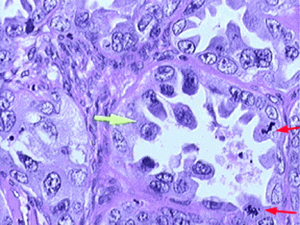
Ovarian cancer cells dividing. (Source: ecancermedia)

Ovarian Cancer Therapy Sensitivity

Targeted molecular therapies that disrupt specific intracellular signaling pathways are increasingly used for the treatment of cancer. The rational for this approach is based on our ever increasing understanding of the genes that are causally implicated in cancer and the clinical observation that the genetic features of a cancer can be predictive of a patient’s response to targeted therapies. As noted above, the goal of the Cancer Genome Project is to discover new cancer biomarkers that define subsets of drug-sensitive patients. Towards this aim, the researchers are (i) screening a wide range of anti-cancer therapeutics against a large number of genetically characterized human cancer cell lines (including ovarian), and (ii) correlating drug sensitivity with extensive genetic data. This information can be used to determine the optimal clinical application of cancer drugs as well as the design of clinical trials involving investigational compounds being developed for the clinic.

When the researchers tested the 18 anticancer therapies against the 20 ovarian cancer cell lines, they determined that the samples were sensitive to many of the drugs/compounds. The initial results of this testing indicate that there are at least six ovarian cancer gene mutations that were sensitive to eight of the anticancer therapies, with such results rising to the level of statistical significance.  We should note that although most (but not all) of the ovarian cancer gene mutations were sensitive to several anticancer therapies, we listed below only those which were sensitive enough to be assigned a green (i.e., sensitive) heatmap code by the researchers.

Click here to download a Microsoft Excel spreadsheet showing the effect of each of the 51 genes on the 18 drugs tested. Statistically significant effects are highlighted in bold and the corresponding p values for each gene/drug interaction are displayed in an adjacent table.  A heatmap overlay for the effect of the gene on drug sensitivity was created, with the color red indicating drug resistance and the color green indicating drug sensitivity.

The mutated genes present within the 20 ovarian cancer cell line sample that were sensitive to anticancer therapies are listed below.  Again, only statistically significant sensitivities are provided.

  • CDKN2A gene mutation was sensitive to TAE684, MK-0457, paclitaxel, and PHA665752.
  • CTNNB1 gene mutation was sensitive to MK-0457.
  • ERBB2/HER-2 gene mutation was sensitive to HKI-272.
  • KRAS gene mutation was sensitive to AZ628.
  • MSH2 gene mutation was sensitive to AZD0530.
  • NRAS gene mutation was sensitive to AZ628.

We will provide you with future updates regarding additional ovarian cancer gene mutation findings, and new anticancer therapies tested, pursuant to the ongoing Cancer Genome Project.

Sources:

_____________________________________________________________

About The Genomics of Drug Sensitivity In Cancer Project

The Genomics of Drug Sensitivity In Cancer Project was launched in December 2008 with funding from a five-year Wellcome Trust strategic award. The U.K.–U.S. collaboration harnesses the experience in experimental molecular therapeutics at Massachusetts General Hospital Cancer Center and the expertise in large scale genomics, sequencing and informatics at the Wellcome Trust Sanger Institute. The scientists will use their skills in high-throughput research to test the sensitivity of 1000 cancer cell samples to hundreds of known and novel molecular anticancer treatments and correlate these responses to the genes known to be driving the cancers. The study makes use of a very large collection of genetically defined cancer cell lines to identify genetic events that predict response to cancer drugs. The results will give a catalogue of the most promising treatments or combinations of treatments for each of the cancer types based on the specific genetic alterations in these cancers. This information will then be used to empower more informative clinical trials thus aiding the use of targeted agents in the clinic and ultimately improvements in patient care.

Project leadership includes Professor Daniel Haber and Dr. Cyril Benes at Massachusetts General Hospital Cancer Center and Professor Mike Stratton and Drs. Andy Futreal and Ultan McDermott at the Wellcome Trust Sanger Institute.

About Massachusetts General Hospital

Massachusetts General Hospital (MGH), established in 1811, is the original and largest teaching hospital of Harvard Medical School. The MGH conducts the largest hospital-based research program in the United States, with an annual research budget of more than $600 million and major research centers in AIDS, cardiovascular research, cancer, computational and integrative biology, cutaneous biology, human genetics, medical imaging, neurodegenerative disorders, regenerative medicine, systems biology, transplantation biology and photomedicine.

About The Wellcome Trust Sanger Institute

The Wellcome Trust Sanger Institute, which receives the majority of its funding from the Wellcome Trust, was founded in 1992 as the focus for U.K. gene sequencing efforts. The Institute is responsible for the completion of the sequence of approximately one-third of the human genome as well as genomes of model organisms such as mouse and zebrafish, and more than 90 pathogen genomes. In October 2005, new funding was awarded by the Wellcome Trust to enable the Institute to build on its world-class scientific achievements and exploit the wealth of genome data now available to answer important questions about health and disease. These programs are built around a Faculty of more than 30 senior researchers. The Wellcome Trust Sanger Institute is based in Hinxton, Cambridge, U.K.

About The Wellcome Trust

The Wellcome Trust is a global charity dedicated to achieving extraordinary improvements in human and animal health. It supports the brightest minds in biomedical research and the medical humanities. The Trust’s breadth of support includes public engagement, education, and the application of research to improve health. It is independent of both political and commercial interests.

Required Cancer Genome Project Disclaimer:

The data above was obtained from the Wellcome Trust Sanger Institute Cancer Genome Project web site, http://www.sanger.ac.uk/genetics/CGP. The data is made available before scientific publication with the understanding that the Wellcom Trust Sanger Institute intends to publish the initial large-scale analysis of the dataset. This publication will include a summary detailing the curated data and its key features.  Any redistribution of the original data should carry this notice: Please ensure that you use the latest available version of the data as it is being continually updated.  If you have any questions regarding the sequence or mutation data or their use in publications, please contact cosmic@sanger.ac.uk so as to obtain any updated or additional data.  The Wellcome Trust Sanger Institute provides this data in good faith, but makes no warranty, express or implied, nor assumes any legal liability or responsibility for any purpose for which the data are used.


BMS-345541 + Dasatinib Resensitizes Carboplatin-Resistant, Recurrent Ovarian Cancer Cells

Johns Hopkins medical researchers discovered through proteomic analysis that RELA and STAT5 are upregulated in carboplatin resistant ovarian cancer cells, according to a published study appearing in the June 18 edition of PLoS One. Moreover, the researchers also demonstrated that BMS-345541 (a NF-kappaB inhibitor) and dasatinib (a STAT5 inhibitor) could resensitize carboplatin-resistant, recurrent ovarian cancer cells.

Although most ovarian cancer patients are initially responsive to platinum-based chemotherapy, almost all develop recurrent chemoresistant tumors. For this reason, Johns Hopkins researchers set out to determine the scientific underpinnings of carboplatin drug resistance in ovarian cancer cells. The researchers compared the proteomes of paired primary and recurrent post-chemotherapy, high grade serous ovarian carcinomas from nine ovarian cancer patients.

As compared to the primary tumors, more than one-half of the recurrent tumors expressed higher levels of several proteins including:  CP, FN1, SYK, CD97, AIF1, WNK1, SERPINA3, APOD, URP2, STAT5B and RELA (NF-kappaB p65).  A short hairpin RNA (shRNA) is a sequence of RNA that makes a tight hairpin turn which can be used to silence gene expression through so-called “RNA interference.” Based on shRNA screening for the upregulated genes in in vitro carboplatin-resistant ovarian cancer cells, the researchers determined that simultaneous silencing of RELA and STAT5B was the most effective way to resensitize tumor cells for carboplatin treatment.

In an attempt to recreate the same results achieved with gene silencing through therapeutic drug use, the researchers used BMS-345541 (a NF-kappaB inhibitor) and dasatinib (Sprycel®)(a STAT5 inhibitor)  to significantly enhance cell sensitivity to carboplatin. The researchers also discovered that expression of RELA and STAT5B enhanced Bcl-xL promoter activity; however, treatment with BMS-345541 and dasatinib decreased such activity.

Accordingly, the researchers concluded that proteomic analysis identified RELA and STAT5 as two major proteins associated with carboplatin resistance in recurrent ovarian cancer tumors. Furthermore, the study results reveal that NF-kappaB and STAT5 inhibitors could resensitize carboplatin-resistant, recurrent ovarian cancer cells, thereby suggesting that these inhibitor drugs can be used to benefit select ovarian cancer patients.

Source: Jinawath N, Vasoontara C, Jinawath A, et. al.  Oncoproteomic analysis reveals co-upregulation of RELA and STAT5 in carboplatin resistant ovarian carcinoma. PLoS One. 2010 Jun 18;5(6):e11198.

ASCO Releases Studies From Upcoming 2010 Annual Meeting

Yesterday, the American Society of Clinical Oncology (ASCO) made available more than 4,000 medical abstracts which are publicly posted online at http://www.abstract.asco.org. A hyperlink to the 2010 ASCO Annual Meeting ovarian cancer abstracts is provided below.  The ASCO Annual Meeting will be held June 4-8, 2010 at McCormick Place in Chicago, Illinois.

The 2010 ASCO Annual Meeting will be held June 4-8, 2010 at McCormick Place in Chicago, Illinois.

Yesterday, the American Society of Clinical Oncology (ASCO) highlighted six studies in a press briefing from among more than 4,000 abstracts publicly posted online at www.abstract.asco.org in advance of ASCO’s 46th Annual Meeting.  An additional 14 plenary, late-breaking and other major studies will be released at the Annual Meeting and highlighted in on-site press conferences.

The meeting, which is expected to draw approximately 30,000 cancer specialists, will be held June 4-June 8, 2010, at McCormick Place in Chicago, Illinois. The theme of this year’s meeting is “Advancing Quality Through Innovation.”

“Our growing understanding of cancer’s complex behavior is being translated into better, more targeted drugs against a variety of tumors,” said Douglas W. Blayney, MD, President of ASCO, professor of internal medicine at the University of Michigan Medical School and medical director of the Comprehensive Cancer Center at the University of Michigan. “These studies show that investment in cancer research pays off. We’re developing more personalized approaches to treating patients of all ages and across all cancer types, we’re learning how to use current treatments more effectively, and we’re identifying new ways to help patients live long, healthy lives following treatment.”

“Clinical trials are essential to continued progress against cancer. Yet, the nation’s federally funded clinical trial system is at a breaking point,” said George W. Sledge Jr, MD, ASCO President-Elect, Ballve-Lantero Professor of Oncology and professor of pathology and laboratory medicine at the Indiana University School of Medicine. “ASCO has called for a doubling of support for federally funded clinical cancer research within the next five years. We’ve made impressive strides against this disease, and it’s vital that the nation put more resources into these programs to continue the momentum.

Relevant studies highlighted in the May 20th press briefing include:

  • Promising New Ovarian Cancer Screening Strategy Developed for Post-Menopausal Women at Average Risk: A promising new screening approach for post-menopausal women at average risk of ovarian cancer is feasible and produces very few false-positive results. The method uses a mathematical model combining trends in CA-125 blood test results and a patient’s age, followed by transvaginal ultrasound and referral to a gynecologic oncologist, if necessary.
  • Yoga Improves Sleep and Quality of Life, Lessens Fatigue for Cancer Survivors: Sleep problems and fatigue are among the most common side effects experienced by cancer survivors. A four-week yoga program involving breathing, meditation, postures and other techniques helped cancer survivors sleep better, reduced fatigue and the use of sleep aids, and improved their quality of life.

If you are interested in reviewing the medical abstract subject listing, CLICK HERE.

If you are interested in reviewing the ovarian cancer medical abstracts, CLICK HERE.

Source: ASCO Releases Studies From Upcoming Annual Meeting — – Important Advances in Targeted Therapies, Screening, and Quality of Life, News Release, American Society of Clinical Oncology, May 20, 2010. For a complete PDF copy of the ASCO May 20, 2010 press release, CLICK HERE.

PARP Inhibitor Olaparib Benefits Women With Inherited Ovarian Cancer Based Upon Platinum Drug Sensitivity

Olaparib (AZD2281), a new type of cancer drug known as a “PARP inhibitor,” produced promising results in patients with platinum-refractory, platinum-resistant, and platinum-sensitive ovarian cancer linked to an inherited BRCA1 or BRCA2 gene mutation.

A new type of cancer drug — known as a “PARP inhibitor” — produced promising results in patients with ovarian cancer linked to an inherited BRCA1 or BRCA2 gene mutation. The trial results were published online in the Journal of Clinical Oncology on April 19th.

Scientists at The Institute of Cancer Research (ICR) and The Royal Marsden Hospital, working with pharmaceutical company KuDOS Pharmaceuticals, now a subsidiary of AstraZeneca, found the experimental drug olaparib shrank or stabilized tumors in approximately half of ovarian cancer patients possessing BRCA1 or BRCA2 mutations.

The five-year survival rate for ovarian cancer is just 40 per cent as the majority of patients are diagnosed with an advanced form of the disease. Most patients initially respond well to radical surgery and platinum and taxane-based chemotherapy, but relapse after an average of 18 months. Subsequent treatments generally become less effective as patients build up resistance.

Professor Stan Kaye, Head of Section of Medicine, Institute of Cancer Research; Head of Drug Development Unit, The Royal Marsden Hospital; and Cancer Research UK-funded scientist

“There is an urgent need to find new drugs for women diagnosed with ovarian cancer,” says Professor Stan Kaye, Head of the Section of Medicine at the ICR and Head of the Drug Development Unit at The Royal Marsden Hospital and a Cancer Research UK-funded scientist. “Olaparib is still in early-stage testing but the results so far are very encouraging. These findings raise the possibility that carefully selected patients in future may well be offered olaparib as an alternative to chemotherapy during the course of their treatment.”

Between 2005 and 2008, about 50 women with confirmed or suspected BRCA1 or BRCA2 mutations began treatment with olaparib in a dose escalation and single-stage expansion of a Phase I trial. Twenty patients responded with their tumors shrinking or with significant falls in their ovarian cancer marker CA125, or both. The disease also stabilized in three patients. The drug was effective for an average of seven months. Notably, several patients are still taking olaparib (for nearly two years). Drug side-effects were generally mild, especially when compared to current chemotherapy treatments.

Olaparib is a new type of drug known as a PARP inhibitor that works by turning a tumor’s specific genetic defect against itself. In susceptible cells, olaparib prevents the repair of naturally occurring breaks in DNA, which healthy cells are able to repair. Susceptible cancer cells – those with an existing defect in a DNA repair pathway caused by a mutation in the BRCA1 or BRCA2 genes – are unable to repair themselves, and therefore, die.

Platinum-based chemotherapy, particularly carboplatin, is one of the main treatments used for ovarian cancer. When this treatment ceases to be effective, theoretically, olaparib might be less effective too, so the ICR scientists examined whether olaparib would still benefit patients whose response to previous platinum-based drugs was limited. Finding new drugs to treat these “platinum-resistant” ovarian cancer patients (those who relapsed within six months of previous platinum therapy) is a particularly high priority as they have a lower chance of benefiting from re-treatment with chemotherapy and a poorer prognosis.

The research team found that the clinical benefit rate with olaparib was indeed higher — 70% — among patients with “platinum-sensitive disease” (disease recurrence more than six months after previous platinum therapy). Crucially, however, the clinical benefit rate was still 46% in platinum resistant patients.

ICR Study Findings:

  • 50 patients participated in the study (13 had platinum-sensitive disease, 24 had platinum-resistant disease, and 13 had platinum-refractory disease (according to platinum-free interval).
  • 20 patients (40%) achieved complete or partial responses under RECIST (Response Evaluation Criteria in Solid Tumors) criteria and/or tumor marker (CA125) responses.
  • Overall clinical benefit rate (complete response + partial response + stable disease) = 46%.
  • Median response duration was 28 weeks.
  • There was a significant association between the clinical benefit rate and platinum-free interval across the platinum-sensitive, resistant, and refractory patient subgroups (69%, 45%, and 23%, respectively).
  • Analyses indicated associations between platinum sensitivity and extent of olaparib response.
  • CONCLUSION: Olaparib has antitumor activity in BRCA1/2 mutation ovarian cancer, which is associated with platinum sensitivity.

Up to 15 per cent of breast and ovarian cancers have known BRCA1 or BRCA2 mutations on blood testing and, importantly, laboratory data strongly suggests that olaparib may also be effective in cancers linked to DNA repair defects not caused by BRCA1 and BRCA2 mutations. This could apply in about half the cases of the most common histological type of ovarian cancer.

“We have good reason for thinking that the benefit seen with olaparib in BRCA mutation-linked ovarian cancer may well extend to a broader population of patients with this disease,” says Professor Kaye.

Randomised trials of olaparib – in which some patients receive the drug and others a placebo – are underway and results will be available later this year.

KuDOS Pharmaceuticals (a wholly owned subsidiary of AstraZeneca) was the major funder of the trial, along with Cancer Research UK and the National Institute for Health Research. Olaparib was identified and developed at KuDOS Pharmaceuticals and subsequently at AstraZeneca.

PARP Inhibitor Clinical Trials:

To view a list of open ovarian cancer clinical trials that are testing olaparib (AZD2281), click here.

To view a list of open solid tumor clinical trials that are testing olaparib (AZD2281), click here.

To view a list of open ovarian cancer clinical trials that are testing various PARP inhibitors, click here.

To view a list of open solid tumor clinical trials that are testing various PARP inhibitors, click here.

About The Institute of Cancer Research (ICR)

* The ICR is Europe’s leading cancer research centre.

* The ICR has been ranked the UK’s top academic research centre, based on the results of the Higher Education Funding Council’s Research Assessment Exercise.

* The ICR works closely with partner The Royal Marsden NHS Foundation Trust to ensure patients immediately benefit from new research. Together the two organisations form the largest comprehensive cancer centre in Europe.

* The ICR has charitable status and relies on voluntary income, spending 95 pence in every pound of total income directly on research.

* As a college of the University of London, the ICR also provides postgraduate higher education of international distinction.

* Over its 100-year history, the ICR’s achievements include identifying the potential link between smoking and lung cancer which was subsequently confirmed, discovering that DNA damage is the basic cause of cancer and isolating more cancer-related genes than any other organization in the world.

* The ICR is home to the world’s leading academic drug development team. Several important anti-cancer drugs used worldwide were synthesised at the ICR and it has discovered an average of two preclinical candidates each year over the past five years.

For more information visit www.icr.ac.uk.

About The Royal Marsden Hospital

The Royal Marsden opened its doors in 1851 as the world’s first hospital dedicated to cancer treatment, research and education. Today, together with its academic partner, The Institute of Cancer Research, it is the largest and most comprehensive cancer centre in Europe treating over 40,000 patients every year. It is a centre of excellence, and the only NHS Trust to achieve the highest possible ranking in the Healthcare Commission’s Annual Health Check for the third year in a row. Since 2004, the hospital’s charity, The Royal Marsden Cancer Campaign, has helped raise over £43 million to build theatres, diagnostic centres, and drug development units. Prince William became President of The Royal Marsden in 2007, following a long royal connection with the hospital.

For more information, visit www.royalmarsden.nhs.uk

About Cancer Research UK

* Cancer Research UK is the world’s leading charity dedicated to beating cancer through research.

* The charity’s groundbreaking work into the prevention, diagnosis and treatment of cancer has helped save millions of lives. This work is funded entirely by the public.

* Cancer Research UK has been at the heart of the progress that has already seen survival rates double in the last thirty years.

* Cancer Research UK supports research into all aspects of cancer through the work of more than 4,800 scientists, doctors and nurses.

* Together with its partners and supporters, Cancer Research UK’s vision is to beat cancer.

For further information about Cancer Research UK’s work or to find out how to support the charity, please call 020 7121 6699 or visit www.cancerresearchuk.org

About Experimental Cancer Medicine Centre (ECMC)

Experimental Cancer Medicine Centre (ECMC) status has been awarded to 19 centres in the UK that are specialist centres conducting research into new cancer treatments. The aim is to bring together cancer doctors, research nurses and lab scientists to make clinical trials of new treatments quicker and easier. The ECMC initiative is funded by Cancer Research UK and the Departments of Health of England, Scotland, Wales and Northern Ireland. Together they are giving a total of £35 million pounds over five years to the 19 centres. The centres will use this money to run trials of new and experimental treatments. They will also analyse thousands of blood and tissue samples (biopsies) to help find out more about how treatments work and what happens to cancer cells.

Sources:


Increased Ovarian Cancer Metastases Identified In Women With BRCA Gene Mutations; May Shed Light on New Treatment Approach

U.K. researchers have found that patients with hereditary ovarian cancer – whose tumors are caused by faulty BRCA1 or BRCA2 genes – are more likely to experience metastases of the liver, lung, spleen, and viscera. … [T]he researchers suggest that ovarian cancer patients whose tumors spread to the solid organs … should be tested for the faulty genes – BRCA1 and BRCA2 – to ensure they are given the most appropriate treatment.

Dr. Charlie Gourley, Acting Head, Medical Oncology, University of Edinburgh Cancer Research Centre

U.K. researchers have found that patients with hereditary ovarian cancer – whose tumors are caused by faulty BRCA1 or BRCA2 genes – are more likely to experience metastases of the liver, lungs, spleen, and viscera. This is despite the fact that their overall prognosis is better than other ovarian cancer patients.  The research is published in the April 20th online edition of the Journal of Clinical Oncology.

In the study, researchers discovered that the percentage of women with BRCA1 or BRCA2 gene mutations who experienced visceral, liver, lung, and splenic metastases were 58%, 42%, 16%, and 32% , respectively, as compared with 5%, 0%, 0%, and 3%, respectively, in non-BRCA gene deficient women.  The researchers note that sporadic (i.e., non-hereditary) ovarian tumors tend to remain within the lining of the abdomen and pelvis.

Based upon the study findings, the researchers suggest that ovarian cancer patients whose tumors spread to the solid organs such as the liver, lungs, and spleen should be tested for the faulty genes – BRCA1 and BRCA2 – to ensure they are given the most appropriate treatment.  For example, patients with hereditary tumors, which account for 10 per cent of ovarian cancers, may be suitable for trials of a new drug called olaparib [AZD2281], which has fewer side-effects than normal cancer treatments. Olaparib belongs to a class of drugs known as “PARP” (Poly (ADP-ribose) polymerase) inhibitors.

Researchers say the study findings will improve the detection of faulty BRCA genes, as current criteria for genetic testing may miss as many as two-thirds of ovarian cancer patients carrying the mutated genes.  Improving the identification of BRCA mutations will help relatives of ovarian cancer patients, who may themselves be at increased risk of developing hereditary ovarian cancer.

Dr. Charlie Gourley, who led the research at the University of Edinburgh, said:

“We are beginning to understand the importance of tailoring cancer treatments according to the specifics of each patient’s tumor. These findings demonstrate that tumors which arise because of defects in the BRCA1 or BRCA2 genes behave differently to other ovarian cancers. This information should also help us to identify the patients carrying these genetic mutations, give them the most effective treatment for their cancer and offer their relatives genetic counselling.”

Sources:

Libby’s H*O*P*E*™ National Ovarian Cancer Coalition 6th Annual Women’s Health Expo Presentation

On March 20, 2010, Libby’s H*O*P*E*™ made a presentation at the National Ovarian Cancer Coalition’s 6th Annual Women’s Health Expo.  The presentation was entitled, A Patient Advocate’s Perspective on the Importance of Ovarian Cancer Awareness and Helpful Online Resources.

On March 20, 2010, Libby’s H*O*P*E*™ made a presentation at the National Ovarian Cancer Coalition’s 6th Annual Women’s Health Expo.  The presentation was entitled, A Patient Advocate’s Perspective on the Importance of Ovarian Cancer Awareness and Helpful Online Resources.  The topics covered in the presentation include:

  • Genesis of Libby’s H*O*P*E*™,
  • Ovarian Cancer Overview,
  • Helpful Online Resources,
  • Stories of Hope, and
  • Making a Difference

The full presentation is provided below in Adobe Reader PDF document format. To view the full presentation, simply click on the image below.  If you require free Adobe Reader software, click here.

I want to extend special thanks to Nancy Long and Paula Kozik, co-presidents of the National Ovarian Cancer Coalition’s Central Maryland Chapter, for the invitation to speak at this worthwhile event.  Nancy and Paula are two very special ovarian cancer survivors, who put together an informative conference that was well attended and enjoyed by all.  It was both an honor and a privilege to meet Nancy, Paula, and many other ovarian cancer survivors during the conference.  Many women shared with me their personal stories of struggle, inspiration and hope.  These women are my “everyday heroes.”  If you have any questions regarding the presentation, please feel free to contact me by clicking on the homepage “Contact” tab.

Genentech Announces Positive Results of Avastin Phase III Study in Women with Advanced Ovarian Cancer

Genentech announces positive results of Avastin Phase III study (GOG 218) in women with advanced ovarian cancer. The study showed that women who continued maintenance use of Avastin alone, after receiving Avastin in combination with chemotherapy, lived longer without the disease worsening compared to those who received chemotherapy alone. This is the first Phase III study of an anti-angiogenic therapy in advanced ovarian cancer to meet its primary endpoint.

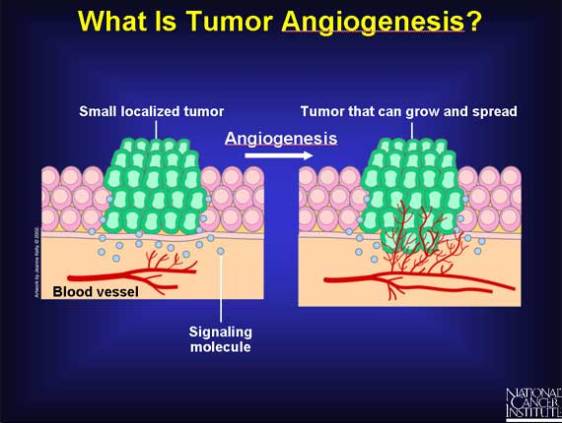
Tumor angiogenesis is the proliferation of a network of blood vessels that penetrates into cancerous growths, supplying nutrients and oxygen and removing waste products. Tumor angiogenesis actually starts with cancerous tumor cells releasing molecules that send signals to surrounding normal host tissue. This signaling activates certain genes in the host tissue that, in turn, make proteins to encourage growth of new blood vessels. Photo credit: NCI

Genentech, Inc., a wholly owned member of the Roche Group , today announced that a Phase III study showed the combination of Avastin® (bevacizumab) and chemotherapy followed by maintenance use of Avastin alone increased the time women with previously untreated advanced ovarian cancer lived without the disease worsening (progression-free survival or PFS), compared to chemotherapy alone. A preliminary assessment of safety noted adverse events previously observed in pivotal trials of Avastin. Data from the study will be submitted for presentation at the American Society of Clinical Oncology (ASCO) annual meeting, June 4 – 8, 2010.

In the three-arm study, known as Gynecologic Oncology Group (GOG) 0218, women with newly diagnosed advanced ovarian cancer who already had surgery to remove as much of the tumor as possible were randomized to receive one of the following:

  • Arm 1: Placebo in combination with carboplatin and paclitaxel chemotherapy followed by placebo alone, for a total of up to 15 months of therapy
  • Arm 2: Avastin in combination with carboplatin and paclitaxel chemotherapy followed by placebo alone, for a total of up to 15 months of therapy
  • Arm 3: Avastin in combination with carboplatin and paclitaxel chemotherapy followed by the maintenance use of Avastin alone, for a total of up to 15 months of therapy.

The study showed that women who continued maintenance use of Avastin alone, after receiving Avastin in combination with chemotherapy (Arm 3), lived longer without the disease worsening compared to those who received chemotherapy alone. Women who received Avastin in combination with chemotherapy, but did not continue maintenance use of Avastin alone (Arm 2), did not live longer without the disease worsening compared to chemotherapy alone.

“Additional medicines are urgently needed for women with newly diagnosed advanced ovarian cancer, as most women’s cancer will worsen after their initial treatment,” said Hal Barron, M.D., F.A.C.C., Executive Vice President, Global Development and Chief Medical Officer. “We are encouraged by the positive findings of this study, which highlight the importance of continuing maintenance Avastin after combining Avastin with chemotherapy in this setting. We will discuss these results with the U.S. Food and Drug Administration.”

Robert Allen Burger, MD, FACOG, FACS, Fox Chase Cancer Center, Philadelphia, Pennsylvania

“This is good news for women with ovarian, primary peritoneal or fallopian tube cancers,” said GOG 0218 study chair Robert Burger, M.D., Fox-Chase Cancer Center in Philadelphia. “This study showed that after initial surgery, the combination of Avastin and chemotherapy followed by extended treatment with Avastin improves progression-free survival in women with newly diagnosed advanced tumors.”

The trial is sponsored by the National Cancer Institute (NCI) under a Cooperative Research and Development Agreement between the NCI and Genentech, and is being conducted by a network of researchers led by the GOG.

Avastin is being studied worldwide in more than 450 clinical trials for multiple types of cancer, including approximately 25 ongoing clinical trials in the United States for women with various stages of ovarian cancer.

About Ovarian Cancer

According to the American Cancer Society, ovarian cancer is the fifth leading cause of cancer death among American women. In 2009 an estimated 21,500 women were diagnosed with ovarian cancer and approximately 14,500 died from the disease in the U.S. The disease causes more deaths than any other gynecologic cancer, and the American Cancer Society estimates that nearly 70 percent of women with advanced disease will die from it within five years.

Ovarian cancer is associated with high levels of vascular endothelial growth factor (VEGF), a protein associated with tumor growth and spread. Studies have shown a correlation between a high level of VEGF and a poorer prognosis in women with ovarian cancer. Currently, treatment options for women with this disease are limited to surgery and chemotherapy.

About the GOG 0218 Study

GOG 0218 is an international, multicenter, randomized, double-blind, placebo-controlled Phase III study in 1,873 women with previously untreated advanced epithelial ovarian, primary peritoneal or fallopian tube carcinoma. The study evaluates Avastin (5 cycles) in combination with carboplatin and paclitaxel chemotherapy (6 cycles) compared to carboplatin and paclitaxel chemotherapy alone (6 cycles). The trial is also designed to assess the maintenance use of Avastin alone following the initial combined regimen of Avastin and chemotherapy (for a total of up to 15 months of therapy), compared to carboplatin and paclitaxel chemotherapy alone (6 cycles).

The primary endpoint of the study is PFS as assessed by trial investigators. Secondary and exploratory endpoints of the study include overall survival, PFS by independent review, objective response rate, safety, quality of life measures and analysis of patient tumor and blood samples.

Detailed safety assessments are ongoing. A preliminary assessment of safety performed by the GOG identified Avastin-related serious adverse events noted in previous pivotal studies, including fatal neutropenic infection and gastrointestinal perforation. The full study results, including safety information, will be presented at a future medical meeting.

About Avastin

Avastin is a solution for intravenous infusion and is a biologic antibody designed to specifically bind to a protein called VEGF. VEGF plays an important role throughout the lifecycle of the tumor to develop and maintain blood vessels, a process known as angiogenesis. Avastin interferes with the tumor blood supply by directly binding to the VEGF protein to prevent interactions with receptors on blood vessel cells. Avastin does not bind to receptors on normal or cancer cells. The tumor blood supply is thought to be critical to a tumor’s ability to grow and spread in the body (metastasize). For more information about angiogenesis, visit http://www.gene.com.

Boxed WARNINGS and Additional Important Safety Information

People treated with Avastin may experience side effects. In clinical trials, some people treated with Avastin experienced serious and sometimes fatal side effects, including:

Gastrointestinal (GI) perforation: Treatment with Avastin can result in the development of a potentially serious side effect called GI perforation, which is the development of a hole in the stomach, small intestine or large intestine. In clinical trials, this side effect occurred in more people who received Avastin than in the comparison group (0.3 percent to 2.4 percent). In some cases, GI perforation resulted in fatality.

Surgery and wound healing problems: Treatment with Avastin can lead to slow or incomplete wound healing (for example, when a surgical incision has trouble healing or staying closed). In some cases, this event resulted in fatality. Surgery and wound healing problems occurred more often in people who received Avastin than in the comparison group. Avastin therapy should not be started for at least 28 days after surgery and until the surgical wound is fully healed. The length of time between stopping Avastin and having voluntary surgery without the risk of having surgery and wound healing problems following surgery has not been determined.

Severe bleeding: Treatment with Avastin can result in serious bleeding, including coughing up blood, bleeding in the stomach, vomiting of blood, bleeding in the brain, nosebleeds and vaginal bleeding. These events occurred up to five times more often in people who received Avastin. Across cancer types, 1.2 percent to 4.6 percent of people who received Avastin experienced severe to fatal bleeding. People who have recently coughed up blood (greater than or equal to a half teaspoon of red blood) or have serious bleeding should not receive Avastin.

In clinical trials for different cancer types, there were additional serious and sometimes fatal side effects that occurred in more people who received Avastin than in those in the comparison group. The formation of an abnormal passage from parts of the body to another part (non-GI fistula formation) was seen in 0.3 percent or less of people. Severe to life-threatening stroke or heart problems were seen in 2.4 percent of people. Too much protein in the urine, which led to kidney problems, was seen in less than 1 percent of people. Additional serious side effects that occurred in more people who received Avastin than those in the comparison group included severe to life-threatening high blood pressure, which was seen in 5 percent to 18 percent of people, and nervous system and vision disturbances (reversible posterior leukoencephalopathy syndrome), which was seen in less than 0.1 percent of people. Infusion reactions with the first dose of Avastin were uncommon and occurred in less than 3 percent of people and severe reactions occurred in 0.2 percent of people.

Common side effects that occurred in more than 10 percent of people who received Avastin for different cancer types, and at least twice the rate of the comparison group, were nosebleeds, headache, high blood pressure, inflammation of the nose, too much protein in the urine, taste change, dry skin, rectal bleeding, tear production disorder, back pain and inflammation of the skin (exfoliative dermatitis). Across all trials, treatment with Avastin was permanently stopped in 8.4 percent to 21 percent of people because of side effects.

Avastin may impair fertility. Patients who are pregnant or thinking of becoming pregnant should talk with their doctor about the potential risk of loss of the pregnancy or the potential risk of Avastin to the fetus during and following Avastin therapy, and the need to continue an effective birth control method for at least six months following the last dose of Avastin.

For full Prescribing Information and Boxed WARNINGS on Avastin please visit http://www.avastin.com.

About Genentech

Founded more than 30 years ago, Genentech is a leading biotechnology company that discovers, develops, manufactures and commercializes medicines to treat patients with serious or life-threatening medical conditions. The company, a wholly owned member of the Roche Group, has headquarters in South San Francisco, California. For additional information about the company, please visit http://www.gene.com.

About The Gynecologic Oncology Group (GOG)

The Gynecologic Oncology Group is a non-profit organization of more than 300 member institutions with the purpose of promoting excellence in the quality and integrity of clinical and basic scientific research in the field of Gynecologic malignancies. The Group is committed to maintaining the highest standards in the clinical trial development, execution, analysis and distribution of results. Continuous evaluation of our processes is utilized in order to constantly improve the quality of patient care.

GOG receives support from the National Cancer Institute (NCI) of the National Institutes for Health (NIH).

Sources:

OU’s Non-Toxic Drug Makes Ovarian Cancer Cells Respond To New Treatment & Undergo Cell Suicide

“Cancer researchers at the University of Oklahoma Health Sciences Center have found a way to turn ineffective new cancer drugs into cancer-fighters. By using their patented chemical compound, SHetA2, researchers tricked cancer cells into responding to new treatments and undergoing cell suicide. … [T]he compound will work with several cancers, including lung, kidney, ovarian, colon and pancreatic cancer. … [The] research team … patented the SHetA2 Flex-Het and hope[s] to start clinical trials for the compound within a year. …

Cancer researchers at the University of Oklahoma Health Sciences Center have found a way to turn ineffective new cancer drugs into cancer-fighters. By using their patented chemical compound, SHetA2, researchers tricked cancer cells into responding to new treatments and undergoing cell suicide. The research appears in the journal Gynecologic Oncology.

Doris Mangiaracina Benbrook, Ph.D., is in her lab at the University of Oklahoma Health Sciences Center in Oklahoma City. (Photo: Univ. of Oklahoma Health Sciences Center)

“This discovery means that we can use our non-toxic cancer prevention pill to improve treatment for people who already have cancer,” said Doris Mangiaracina Benbrook, Ph.D., principal investigator on the project. “All studies to date have not found any side effects of taking our drug, giving hope that we can prevent cancer in healthy people, and improve treatment for cancer patients, without increasing toxicity.”

The latest study looked at an upcoming class of cancer treatment drugs that worked well in experimental models, but proved ineffective against many human tumors. Dr. Benbrook and her team decided to test their compound’s ability to “fix” the problem. It worked.

“The new chemotherapy drugs are antibodies that bind to cell surface receptors called ‘Death Receptors.’ The binding of the antibodies activates the death receptors in cancer cells and causes cell suicide with little harm to normal cells. Many cancers, however, are resistant to the antibodies,” Benbrook said. “We’ve shown that SHetA2 treatment can make ovarian and kidney cancer cells sensitive to the death receptor antibodies and kill the cancer.”

Benbrook said the compound will work with several cancers, including lung, kidney, ovarian, colon and pancreatic cancer.

“It would be a significant advancement in health care if we could avoid the severe toxicity and suffering that late stage cancer patients have to experience,” Benbrook said.

The synthetic compound, SHetA2, a Flex-Het drug, was created by Benbrook with the help of chemist Darrell Berlin at Oklahoma State University. The compound directly targets abnormalities in cancer cell components without damaging normal cells. The disruption causes cancer cells to die and keeps tumors from forming.

Flex-Hets or flexible heteroarotinoids are synthetic compounds that can change certain parts of a cell and affect its growth. Benbrook and her research team have patented the SHetA2 Flex-Het and hope to start clinical trials for the compound within a year. If the compound continues to be found safe, it would be developed into a pill to be taken daily like a multi-vitamin to prevent cancer. This new discovery means that the pill also could be used to make patients, who already have cancer, better respond to treatment.

Vodpod videos no longer available.

Sources:

PI3K Pathway: A Potential Ovarian Cancer Therapeutic Target?

…[T]here are several PI3K signaling pathway targeting drugs in clinical development for use against ovarian cancer and solid tumors, including GDC-0941, BEZ235, SF1126, XL-147, XL-765, BGT226, and PX-866.  The results of two recent medical studies suggest that the use of PI3K-targeted therapies may offer an effective therapeutic approach for patients with advanced-stage and recurrent ovarian cancer, including a generally chemotherapy-resistant histological subtype of epithelial ovarian cancer known as “ovarian clear cell cancer” (OCCC).  The targeting of the PI3K pathway in endometrial, ovarian, and breast cancer is also being investigated by a Stand Up To Cancer “Dream Team.” …

PI3K Cellular Signaling Pathway — An Overview

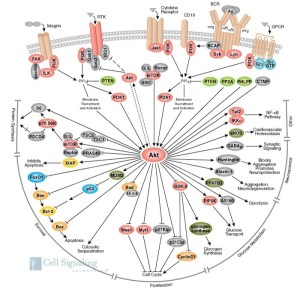
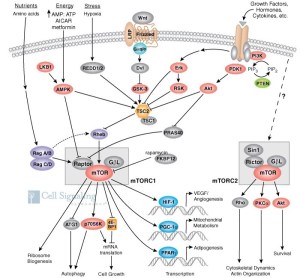
PI3K/AKT cellular signaling pathway (Photo: Cell Signaling Technology(R))

In 2004 and 2005, multiple researchers identified mutations in the PIK3CA  gene with respect to multiple cancers.[1]  The PIK3CA gene encodes the PI3K catalytic subunit p110α. PI3K (phosphoinositide 3- kinase) proteins have been identified in crucial signaling pathways of ovarian cancer cells. PI3Ks are also part of the PI3K-AKT-mTOR signaling pathway which promotes cellular glucose metabolism, proliferation, growth, survival, and invasion and metastasis in many cancers. PIK3CA gene mutations can increase PI3K signaling, thereby activating the PI3K-AKT-mTOR pathway within cancer cells.

As of this writing, there are several PI3K signaling pathway targeting drugs in clinical development for use against ovarian cancer and solid tumors, including GDC-0941, BEZ235, SF1126, XL-147, XL-765, BGT226, and PX-866. [2]  The results of two recent medical studies suggest that the use of PI3K-targeted therapies may offer an effective therapeutic approach for patients with advanced-stage and recurrent ovarian cancer, including a generally chemotherapy-resistant histological subtype of epithelial ovarian cancer known as “ovarian clear cell cancer” (OCCC).  The targeting of the PI3K pathway in endometrial, ovarian, and breast cancer is also being investigated by a Stand Up To CancerDream Team.”

Frequent Mutation of PIK3CA Gene In Recurrent & Advanced Clear Cell Ovarian Cancer

OCCC is one of the five major subtypes of epithelial ovarian cancer. OCCC accounts for only 4% to 12% of epithelial ovarian cancer in Western countries and, for unknown reasons, it comprises more than 20% of such cancers in Japan [3,4,5]. OCCC possesses unique clinical features such as a high incidence of stage I disease, a large pelvic mass, an increased incidence of venous thromboembolic complications, and hypercalcemia. It is frequently associated with endometriosis.  Compared to serous ovarian cancer, OCCC is relatively resistant to conventional platinum and taxane-based chemotherapy. For these reasons, new effective therapies are desperately needed for OCCC.

Researchers from Johns Hopkins and the University of California, Los Angeles (UCLA) analyzed 97 OCCC tumors for genetic sequence mutations in KRAS (v-Ki-ras2 Kirsten rat sarcoma viral oncogene homolog), BRAF (v-raf murine sarcoma viral oncogene homolog B1), PIK3CA (phosphoinositide-3-kinase, catalytic, alpha polypeptide), TP53 (tumor protein p53), PTEN (phosphatase and tensin homolog), and CTNNB1 (Catenin, Beta-1) as these mutations frequently occur in other major types of ovarian cancers.[6] The samples tested included the following:

  • 18 OCCCs for which affinity-purified tumor cells from fresh specimens were available;
  • 10 OCCC tumor cell lines.

Upon test completion, the researchers discovered that sequence mutations of PIK3CA, TP53, KRAS, PTEN, CTNNB1, and BRAF occurred in 33%, 15%, 7%, 5%, 3%, and 1% of OCCC cases, respectively.

Clear cell carcinoma of the ovary (Photo: Geneva Foundation For Medical Education & Research)

The sequence analysis of the 18 affinity purified OCCC tumors and the 10 OCCC cell lines showed a PIK3CA mutation frequency of 46%. Based upon these findings the researchers concluded that the use of PIK3CA-targeting drugs may offer a more effective therapeutic approach compared with current chemotherapeutic agents for patients with advanced-stage and recurrent OCCC. As noted above, there are several PI3K-targeting drugs in clinical development for use against ovarian cancer and solid tumors.[2]

Notably, one of the researchers involved with this OCCC study is Dennis J. Slamon, M.D., Ph.D. Dr. Slamon serves as the Director of Clinical/Translational Research, and as Director of the Revlon/UCLA Women’s Cancer Research Program at the Jonsson Comprehensive Cancer Center. Dr. Slamon is also a professor of medicine, chief of the Division of Hematology/Oncology and Executive Vice Chair of Research for UCLA’s Department of Medicine. Dr. Slamon is a co-discoverer of the breast cancer drug Herceptin®. Herceptin is a monoclonal antibody targeted therapy used against HER-2 breast cancer, an aggressive breast cancer subtype that affects 20% to 30% of women with the disease. Herceptin’s development was based, in part, upon the unique genetic profile of HER-2 breast cancer as compared to other forms of breast cancer. Herceptin® revolutionized the treatment of HER-2 postive breast cancer and is recognized worldwide as the standard of care for that subtype of breast cancer.  The approach taken by Johns Hopkins and UCLA researchers in this study — the identification of  a subtype within a specific form of cancer that may be susceptible to a targeted therapy —  bears a striking similarity to the overarching approach taken in the development of Herceptin®.

Ovarian Cancer & Other Solid Tumors With PIK3CA Gene Mutations Respond To PI3K-AKT-mTOR Pathway Inhibitors In Phase I Clinical Testing.

Testing patients with cancer for PIK3CA gene mutations is feasible and may allow targeted treatment of the PI3K-AKT-mTOR cellular signaling pathway, according to the results of a University of  Texas, M.D. Anderson Cancer Center study presented on November 17, 2009 at the 2009 AACR (American Association for Cancer Research)-NCI (National Cancer Institute)-EORTC (European Organization For Research & Treatment of Cancer) International Conference on Molecular Targets and Cancer Therapeutics.[7]

mTOR cellular signaling pathway (Photo: Cell Signaling Technology(R))

Filip Janku, M.D., Ph.D, a clinical research fellow with the M.D. Anderson Cancer Center’s department of investigational cancer therapeutics, and colleagues conducted a mutational analysis of exon 9 and exon 20 of the PI3KCA gene using DNA from the tumors of patients referred to targeted therapy clinical trials. Patients with PIK3CA mutations were preferably treated whenever possible with regimens utilizing PI3K-AKT-mTOR signaling pathway inhibitors.

As part of this study 117 tumor samples were analyzed. PIK3CA mutations were detected in 14 (12%) patients.  In tumor types with more than 5 patients tested, PIK3CA mutations were identified in endometrial cancer (43%, 3 out of 7 patients), ovarian cancer (22%, 5 out of 23 patients), squamous head and neck cancer (14%, 1 out of 7 patients), breast cancer (18%, 2 out of 11 patients), and colon cancer (15%, 2 out of 13 patients). No mutations were identified in patients with melanoma or cervical cancer.

Of the 14 patients found to possess PIK3CA mutations, 10 were treated based upon a clinical trial protocol that included a drug targeting the PI3K-AKT-mTOR pathway.  A partial response to treatment was experienced by 4 (40%) patients. Although the total number of patients is small, there were 2 (67%) patient responses in 3 endometrial cancer cases, 1 (25%) patient response in 4 ovarian cancer cases, 1 (100%) patient response in 1 breast cancer, and no patient response in 1 colorectal cancer case.  Although the total number of study patients is small, the researchers conclude that the response rate appears high (40%) in tumors with PIK3CA mutations treated with PI3K-AKT-mTOR pathway inhibitors.

“The implications of this study are twofold,” said Dr. Janku.  “We demonstrated that PIK3CA testing is feasible and may contribute to the decision-making process when offering a patient a clinical trial. Although this study suffers from low numbers, the response rate observed in patients treated with inhibitors of PI3K/AKT/mTOR pathway based on their mutational status was well above what we usually see in phase-1 clinical trials.”  “These results are intriguing but at this point should be interpreted with caution,” said Janku. “The promising response rate needs to be confirmed in larger groups of patients. We expect to learn more as this project continues to offer PIK3CA screening to patients considering a phase-1 clinical trial.”

Stand Up 2 Cancer Dream Team: Targeting the PI3K Pathway in Women’s Cancers

The potential importance of the PI3K pathway in the treatment of ovarian cancer is emphasized by the two medical studies above.  This issue is also receiving considerable attention from one of the Stand Up 2 Cancer (SU2C) “Dream Teams,” which is going to evalute  the potential for targeting the PI3K pathway in women’s cancer.  SU2C assigned $15 million of cancer research funding to this critical issue.  The scientists involved in this SU2C Dream Team are the pioneers who discovered the PI3K pathway and validated its role in human cancers, and they will focus on breast, ovarian and endometrial cancers, all of which possess the PI3K mutation.

The leader and co-leaders of the PI3K pathway SU2C team are set forth below.

Leader:

Lewis C. Cantley, Ph.D., Director, Cancer Center at Beth Israel Deaconess Medical Center.

Co-Leaders:

Charles L. Sawyers, M.D., Director, Human Oncology and Pathogenesis Program, Memorial Sloan-Kettering Cancer Center.

Gordon B. Mills, M.D., Ph.D., Chair, Department of Systems Biology, University of Texas, M.D. Anderson Cancer Center.

The specific SU2C Dream Team research goal with respect to targeting the PI3K pathway in women’s cancers is stated as follows:

The PI3K pathway is mutated in more cancer patients than any other, and these mutations are the most frequent events in women’s cancers, making it an attractive molecular target for agents that inhibit these genetic aberrations. If successful, this project will allow clinicians to use biomarkers and imaging techniques to predict which patients will benefit from PI3K pathway inhibitors and lead to the development of therapeutic combinations that will hit multiple targets in the complex pathways that contribute to cancer cell growth.  This work will help assure that these therapies are given to patients who will benefit from them, and it will also increase the overall pace of clinical trials targeting PI3K inhibitors.

Based upon the two studies discussed, and the creation and funding of the SU2C Dream Team for the purpose of targeting the PI3K pathway in women’s cancer, the future holds great promise in the battle against ovarian cancer (including OCCC).  It is our hope that more clinical study investigators will offer PI3K pathway mutation screening to all ovarian cancer patient volunteers.  Libby’s H*O*P*E*™ will continue to monitor the clinical development of PI3K pathway inhibitors, and make our readers aware of all future developments.

________________________________

References:

1/Yuan TL, Cantley LC. PI3K pathway alterations in cancer: variations on a theme. Oncogene. 2008 Sep 18;27(41):5497-510. PubMed PMID: 18794884
Samuels Y, Ericson K. Oncogenic PI3K and its role in cancer. Curr Opin Oncol. 2006 Jan;18(1):77-82. PubMed PMID: 16357568.
Levine DA, Bogomolniy F, Yee CJ, et. al. Frequent mutation of the PIK3CA gene in ovarian and breast cancers. Clin Cancer Res. 2005 Apr 15;11(8):2875-8. PubMed PMID: 15837735.
Samuels Y, Wang Z, Bardelli A, et. al. High frequency of mutations of the PIK3CA gene in human cancers. Science. 2004 Apr 23;304(5670):554. Epub 2004 Mar 11. PubMed PMID: 15016963.

2/For open ovarian cancer clinical trials using a PI3K-targeted therapy; CLICK HERE; For open solid tumor clinical trials using a PI3K-targeted therapy, CLICK HERE.

3/ Itamochi H, Kigawa J & Terakawa N.  Mechanisms of chemoresistance and poor prognosis in ovarian clear cell carcinoma. Can Sci 2008 Apr;99(4):653-658. [PDF Document]

4/Schwartz DR, Kardia SL, Shedden KA, et. alGene Expression in Ovarian Cancer Reflects Both Morphology and Biological Behavior, Distinguishing Clear Cell from Other Poor-Prognosis Ovarian CarcinomasCan Res 2002 Aug; 62, 4722-4729.

5/Sugiyama T & Fujiwara K.  Clear Cell Tumors of the Ovary – Rare Subtype of Ovarian Cancer, Gynecologic Cancer, American Society of Clinical Oncology (ASCO) Educational Book, 2007 ASCO Annual Meeting, June 2, 2007 (Microsoft Powerpoint presentation).

6/Kuo KT, Mao TL, Jones S, et. al. Frequent Activating Mutations of PIK3CA in Ovarian Clear Cell Carcinoma. Am J Pathol. 2009 Apr 6. [Epub ahead of print]

7/Janku F, Garrido-Laguna I, Hong D.S.  PIK3CA mutations in patients with advanced cancers treated in phase I clinical trials, Abstract #B134, Molecular Classification of Tumors, Poster Session B, 2009 AACR-NCI-EORTC Molecular Targets and Cancer Therapeutics Conference. [PDF Document].

UCLA Researchers Significantly Inhibit Growth of Ovarian Cancer Cell Lines With FDA-Approved Leukemia Drug Dasatinib (Sprycel®)

The drug dasatinib (Sprycel®), approved for use by the U.S. Food and Drug Administration in patients with specific types of leukemia, significantly inhibited the growth and invasiveness of ovarian cancer cells and also promoted their death, say UCLA researchers in the November 10th issue of the British Journal of Cancer. The drug, when paired with a chemotherapy regimen, was even more effective in fighting ovarian cancer cell lines in which signaling of the Src family kinases — associated with approximately one-third of ovarian cancers– is activated. Clinical trials that involve the testing of dasatinib against ovarian cancer and solid tumors are currently ongoing.

Researchers affiliated with the University of California, Los Angeles (UCLA), Mayo Clinic and Harvard Medical School announced that they have established a biological rationale to support the clinical study of the U.S. Food & Drug Administration (FDA)-approved leukemia drug dasatinib (U.S. brand name: Sprycel®), either alone or in combination with chemotherapy, in patients with ovarian cancer. The study appears in the November 10th edition of the British Journal of Cancer.

Background

Dasatinib is an FDA-approved drug for the treatment of chronic myeloid leukemia (CML) and Philadelphia chromosome positive acute lymphoblastic leukemia (ALL). Dasatinib is a small-molecule inhibitor that targets several tyrosine kinases, including the Src kinase family, Ephrin type-A receptor 2 ( EphA2) , and the focal adhesion kinase (FAK).

Src is the prototypic member of a family of nine non-receptor tyrosine kinases (Src, Lyn, Fyn, Lck, Hck, Fgr, Blk, Yrk, and Yes). The Src family kinase (SFK) proteins regulate four main cellular fuctions that ultimately control the behavior of transformed cancer cells:  cell proliferation, adhesion, invasion, and motility.

Eph receptors and ephrins are integral players in cancer formation and progression, and are associated with advanced ovarian cancer and poor clinical outcome.

FAK is a non-receptor tyrosine kinase involved in the regulation of cell adhesion, survival, and migration.  Preclinical studies indicate that FAK plays a signficant role in ovarian cancer cell migration and invasion.

Dasatinib Study Methodology & Findings

slamon1

One of the dasatinib study authors is Dennis J. Slamon, M.D. Ph.D. Dr. Slamon is the Director of Clinical/Translational Research & Director of the Revlon/UCLA Women's Cancer Research Program, at the UCLA Jonsson Comprehensive Cancer Center. He is also the co-discoverer of Herceptin®, a targeted therapy that revolutionized the treatment of HER-2 positive breast cancer.

The researchers carried out the study by testing the effects of dasatinib on human ovarian cancer cells in vitro, using a panel of 34 established human ovarian cancer cell lines.  The 34 cell lines selected were representative of the major epithelial ovarian cancer subtypes:

On this basis, the researchers examined the effects of dasatinib on ovarian tumor cell proliferation, invasion, apoptosis, and cell-cycle arrest.  To more fully understand the activity of dasatinib, the researchers also studied the efficacy of chemotherapeutic drugs (i.e., carboplatin and paclitaxel) in combination with dasatinib against ovarian cancer cells that were previously determined to be dasatinib-sensitive.

The overarching goals of the study were (i) to provide a rationale to test dasatinib as a single agent or in combination with chemotherapy in patients with ovarian cancer, and (ii) to identify molecular markers that may help define subsets of ovarian cancer patients most likely to benefit from treatment with dasatinib.

Significant findings reported in the dasatinib study are summarized below.

  • Concentration-dependent, anti-proliferative effects of dasatinib were seen in all ovarian cancer cell lines tested.
  • Dasatinib significantly inhibited tumor cell invasion, and induced tumor cell death, but was less effective in causing tumor cell-cycle arrest.
  • At a wide range of clinically achievable drug concentrations, additive and synergistic interactions were observed for dasatinib plus carboplatin or paclitaxel.
  • 24 out of 34 (71%) representative ovarian cancer cell lines were highly sensitive (i.e.,  ≥ 60% growth inhibition) to dasatinib.
  • 6 cells lines were moderately sensitive (i.e., 40% – 59% growth inhibition) to dasatinib.
  • 4 cell lines were resistant (i.e., < 40% growth inhibition) to dasatinib.
  • When comparing dasatinib sensitivity between cell lines based solely upon histological subtype (i.e., serous papillary, clear cell, endometrioid, mucinous, and undifferentiated ovarian cancer cell lines), no single histological subtype was more sensitive than another.
  • Ovarian cancer cell lines with high expression of Yes, Lyn, Eph2A, caveolin-1 and 2, moesin, annexin-1 and 2 and uPA (urokinase-type Plasminogen Activator), as well as those with low expression of IGFBP2 (insulin-like growth factor binding protein 2), were particularly sensitive to dasatinib.
  • Ovarian cancer cell lines with high expression of HER-2 (Human Epidermal growth factor Receptor 2), VEGF (Vascular endothelial growth factor) and STAT3 (Signal Transducer and Activator of Transcription 3) were correlated with in vitro resistance to dasatinib.

Based upon the findings above, the researchers concluded that there is a clear biological rationale to support the clinical study of dasatinib, as a single agent or in combination with chemotherapy, in patients with ovarian cancer.

Konecny

Gottfried E. Konecny, M.D., UCLA Assistant Professor of Hematology/Oncology, UCLA Jonsson Comprehensive Cancer Center Researcher & First Author of the Dasatinib Study

Ovarian cancer, which will strike 21,600 women this year and kill 15,500, causes more deaths than any other cancer of the female reproductive system. Few effective therapies for ovarian cancer exist, so it would be advantageous for patients if a new drug could be found that fights the cancer, said Gottfried E. Konecny, M.D., a UCLA assistant professor of hematology/oncology, a Jonsson Comprehensive Cancer Center researcher, and first author of the study.

“I think Sprycel® could be a potential additional drug for treating patients with Src dependent ovarian cancer,” Konecny said. “It is important to remember that this work is only on cancer cell lines, but it is significant enough that it should be used to justify clinical trials to confirm that women with this type of ovarian cancer could benefit.”

Recent gene expression studies have shown that approximately one-third of women have ovarian cancers with activated Src pathways, so the drug could potentially help 7,000 ovarian cancer patients every year. Notably, a gene expression study published in 2007 reported Src activation in approximately 50% of the ovarian cancer tumors examined.

In the dasatinib study, the UCLA team tested the drug against 34 ovarian cancer cell lines and conducted genetic analysis of those lines. Through these actions, the researchers were able to identify genes that predict response to dasatinib. If the work is confirmed in human studies, it may be possible to test patients for Src activation and select those who would respond prior to treatment, thereby personalizing their care.

“We were able to identify markers in the pre-clinical setting that would allow us to predict response to Sprycel®,” Konecny said. “These may help us in future clinical trials in selecting patients for studies of the drug.”

Dasatinib is referred to as a “dirty” kinase inhibitor, meaning it inhibits more than one cellular pathway. Konecny said it also inhibits the focal adhesion kinase (FAK) and ephrin receptor, also associated with ovarian cancer, in addition to the Src cellular pathway.

The next step, Konecny said, would be to test the drug on women with ovarian cancer in a clinical trial. The tissue of responders would then be analyzed to determine if the Src and other pathways were activated. If that is confirmed, it would further prove that dasatinib could be used to fight ovarian cancer. In studies, women would be screened before entering a trial and only those with Src dependent cancers could be enrolled to provide further evidence, Konecny said, much like the studies of the molecularly targeted breast cancer drug Herceptin® enrolled only women who had HER-2 positive disease.

“Herceptin® is different because we knew in advance that it only worked in women with HER-2 [gene] amplification,” he said. “In this case, we don’t clearly know that yet. The data reassures us that the drug works where the targets are over-expressed but we need more testing to confirm this.”

The tests combining the drug with chemotherapy are significant because chemotherapy, namely carboplatin and paclitaxel, is considered the standard first line treatment for ovarian cancer patients following surgery. Because dasatinib proved to have a synergistic effect when combined with chemotherapy, it may be possible to add this targeted therapy as a first line treatment if its efficacy is confirmed in future studies.

Dasatinib Study Significance

The dasatinib study is potentially significant to the area of ovarian cancer treatment for several reasons.

First, although this study only tested dasatinib in vitro against ovarian cancer cell lines, the drug is already FDA-approved.  Accordingly, the general safety of the drug has already been established by the FDA.

Second, 71% of the ovarian cancer lines were highly sensitive to dasatinib.

Third, dasatinib was additive to, or synergistic with, the standard of care chemotherapy drugs used in first line ovarian cancer treatment, i.e., carboplatin and paclitaxel.

Fourth, the study established molecular markers that may be predictive of dasatinib effectiveness in particular patients.  In theory, a patient’s tumor biopsy could be tested for the presence of those molecular markers to determine whether a patient will benefit from dasatinib.

Fifth, one of the dasatinib study authors is Dennis J. Slamon, M.D. Ph.D. Dr. Slamon is the director of Clinical/Translational Research, and director of the Revlon/UCLA Women’s Cancer Research Program, at the UCLA Jonsson Comprehensive Cancer Center. Dr. Slamon is also the co-discoverer of Herceptin®, a targeted therapy that revolutionized the treatment of HER-2 positive breast cancer.  Herceptin® is a targeted therapy that kills HER-2 positive breast cancer cells while leaving normal cells unaffected.  The potential use of dasatinib to treat select ovarian cancer patients who test “positive” for specific molecular markers (e.g., Src cellular pathway activation) is similar to the extremely successful drug development approach used for Herceptin®.

Open Clinical Trials Testing Dasatinib (Sprycel®) Against Ovarian Cancer & Solid Tumors

As of this writing, there are several open (i.e., recruiting) clinical trials that involve testing dasatinib against ovarian cancer and solid tumors.

For a list of open clinical trials that involve testing dasatinib against ovarian cancer, CLICK HERE.

For a list of open clinical trials that involve testing dasatinib against solid tumors, CLICK HERE.

All potential volunteers must satisfy the clinical trial entrance criteria prior to enrollment.  Depending on the drug combination being tested, one or more of the solid tumor clinical trials may not be appropriate for an ovarian cancer patient.

About the UCLA Jonsson Comprehensive Cancer Center

UCLA’s Jonsson Comprehensive Cancer Center (JCCC) has more than 240 researchers and clinicians engaged in disease research, prevention, detection, control, treatment and education. One of the nation’s largest comprehensive cancer centers, JCCC is dedicated to promoting research and translating basic science into leading-edge clinical studies. In July 2009, JCCC was named among the top 12 cancer centers nationwide by U.S. News & World Report, a ranking it has held for 10 consecutive years. For more information on JCCC, visit the website at http://www.cancer.ucla.edu.

Sources:

Æterna Zentaris’ LHRH-Receptor Targeted Therapy AEZS-108 Produces Positive Preliminary Results in Advanced Stage Ovarian Cancer

Preliminary Phase II clinical study evaluation shows that primary efficacy endpoint has been met for patients with advanced-stage, platinum-resistant, taxane-pretreated ovarian cancer who were treated with the targeted therapy AEZS-108.

Æterna Zentaris Inc. , a global biopharmaceutical company focused on endocrine therapy and oncology, today announced positive efficacy data from a Phase II study with its targeted therapy AEZS-108 (formerly AN-152 or ZEN-008), in patients with platinumresistant, taxane-pretreated ovarian cancer. In a personalized healthcare approach, the study selected patients with tumors expressing luteinizing hormone-releasing hormone (LHRH) receptors, the key element in the targeting mechanism of AEZS-108. Under coordination by Prof. Günter Emons, MD, Chairman of the Department of Obstetrics & Gynaecology at the University of Göttingen, Germany, this open-label, multi-center and multi-national Phase II study (AGO-GYN 5) is being conducted by the German AGO Study Group (Arbeitsgemeinschaft Gynäkologische Onkologie / Gynaecological Oncology Working Group; www.ago-ovar.de), in cooperation with clinical sites in Europe.

Preliminary Phase II Clinical Study Results

Juergen Engel, Ph.D., President & CEO, AEterna Zentaris

Juergen Engel, Ph.D., President & Chief Executive Officer, Æterna Zentaris Inc. (Photo: AEterna Zentaris Inc.)

All 43 patients with LHRH-receptor positive ovarian cancer who entered study AGO-GYN 5 have completed their study treatment. A preliminary evaluation shows that the study met its primary efficacy endpoint of 5 or more responders in 41 evaluable patients.

Responders, as well as patients with stable disease after completion of treatment with AEZS 108, will now be followed to assess the duration of progression-free survival and, ultimately, overall survival. More detailed analyses, which will also include efficacy data from post-treatment follow-up of the ovarian cancer patients, are currently in preparation and will be presented at forthcoming scientific conferences.

Juergen Engel, Ph.D., Æterna Zentaris President and Chief Executive Officer stated, “We are pleased with the progress of this project. The successful completion of the recruitment and treatment phase and the apparent activity in this difficult group of cancer patients is encouraging. This is the basis we were looking for, in order to take the next steps in the further development of AEZS 108 in gynecological cancers and possibly also in prostate cancer.”

About the AEZS-108 Phase II Clinical Study

AEZS-108 represents a new targeting concept in oncology using a cytotoxic peptide conjugate which is a hybrid molecule composed of a synthetic peptide carrier and a well-known cytotoxic agent, doxorubicin. The design of this product allows for the specific binding and selective uptake of the cytotoxic conjugate by LHRH-receptor-positive tumors. The binding of AEZS-108 to cancerous cells that express these receptors results in its accumulation and preferential uptake in the malignant tissue.

In a Phase II study program entitled, “The antitumoral activity and safety of AEZS 108 (AN 152), a LHRH agonist linked doxorubicin in women with LHRH-receptor positive gynecological tumors“, patients with tumors expressing LHRH receptors are administered an intravenous infusion of 267 mg/m2 of AEZS 108 over a period of 2 hours, every Day 1 of a 21-day (3-week) cycle. The proposed duration of the study treatment is 6, 3-week cycles. Study AGO GYN 5 is performed with 14 centers of the German Gynecological Oncology Working Group (AGO; www.ago-ovar.de), in cooperation with 3 clinical sites in Europe.

The program was designed to include up to 82 patients; approximately 41 with a diagnosis of platinum-resistant, taxane-pretreated ovarian cancer, and 41 with disseminated endometrial cancer. For both indications, patient recruitment was planned in 2 stages with 21 and 20 patients, respectively, and the primary efficacy endpoint at the end of stage 2 was defined as 5 or more patients with partial or complete tumor responses according to Response Evaluation Criteria in Solid Tumors (RECIST) and/or Gynecologic Cancer Intergroup (GCIG) guidelines. Secondary endpoints include time to progression, survival, toxicity, as well as adverse effects.

Prior Phase I Clinical Trial Results

On June 3, 2007 positive results of an open, multi-center, sequential group, dose-escalation Phase I study in various gynecological cancers were presented at the American Society of Clinical Oncology’s (ASCO) Annual Meeting in Chicago, Illinois. Seventeen (17) patients with LHRH-receptor positive gynecological cancers were recruited. AEZS-108 was administered by intravenous infusion over two hours at dosages of 10, 20, 40, 80,160 and 267 mg/m2. At 160 mg/m2, six patients had a total of 32 cycles and at 267 mg/m2, seven patients had a total of 27 cycles. Most of the patients had been pretreated with various chemotherapies.

The study showed that AEZS-108 was well tolerated by patients with gynecological tumors. Furthermore, AEZS-108 is the first drug in a clinical study that targets the cytotoxic activity of doxorubicin specifically to LHRH-receptor expressing tumors. Finally, signs of anti-tumor activity were observed in seven out of 13 patients treated with 160 or 267 mg/m2 of AEZS 108, including three patients with complete or partial response

About AEZS-108

AEZS-108 Mechanism of Action

AEZS-108 Mechanism of Action (Photo: AEterna Zentaris Inc.)

AEZS-108 is a targeted cytotoxic peptide conjugate which is a hybrid molecule composed of a synthetic peptide carrier and a well-known cytotoxic agent, doxorubicin. The design of this product allows for the specific binding and selective uptake of the cytotoxic conjugate by LHRH-receptor-positive tumors. The binding of AEZS-108 to cancerous cells that express these receptors results in its accumulation in the malignant tissue. This binding is followed by internalization and retention of the cytotoxic drug, doxorubicin, in the cells. Therefore, since they target specific cells, cytotoxic conjugates are postulated to be less toxic, have less side-effects and are more effective in vivo than the respective non-conjugated/non-linked cytotoxic agents in inhibiting tumor growth.

About Ovarian and Endometrial Cancer

Ovarian cancer is one of the most common gynecologic malignancies and the fifth most frequent cause of cancer death in women, with most of the cases occurring in women between 50 and 75 years of age. Overall, ovarian cancer accounts for 4% of all cancer diagnoses in women and 5% of all cancer deaths. Approximately 26,000 new cases and 17,000 deaths from this disease are estimated in the European community every year (Source: Gynecologic Oncology, Volume 92, Issue 3, March 2004, Pages 819-826).

Cancer of the endometrium is the most common gynecologic malignancy and accounts for 6% of all cancers in women. The majority of the cases occur in postmenopausal women, with the largest number of women developing their cancers during their sixth decade. Approximately 38,000 new cases and 9,000 deaths from this disease are estimated annually in Europe (Source: Annals of Oncology 15:1149-1150, 2004).

About Æterna Zentaris Inc.

Æterna Zentaris Inc. is a global biopharmaceutical company focused on endocrine therapy and oncology, with proven expertise in drug discovery, development and commercialization. News releases and additional information are available at www.aezsinc.com.

Sources:

Unusual Metals May Forge New Ovarian & Colon Cancer Drugs

Drugs made using unusual metals could form an effective treatment against colon and ovarian cancer, including cancerous cells that have developed immunity to other drugs, according to research at the University of Warwick and the University of Leeds.

Drugs made using unusual metals could form an effective treatment against colon and ovarian cancer, including cancerous cells that have developed immunity to other drugs, according to research at the University of Warwick and the University of Leeds.

Dr. Peter Sadler

Professor Peter Sadler of the University of Warwick. (Photo: University of Warwick)

The study, published in the Journal of Medicinal Chemistry, showed that a range of compounds containing the two transition metals Ruthenium and Osmium, which are found in the same part of the periodic table as precious metals like platinum and gold, cause significant cell death in ovarian and colon cancer cells.

The compounds were also effective against ovarian cancer cells which are resistant to the drug Cisplatin, the most successful transition metal drug, which contains the metal platinum.

Dr Patrick McGowan, one of the lead authors of the research from the School of Chemistry at the University of Leeds, explains: “Ruthenium and Osmium compounds are showing very high levels of activity against ovarian cancer, which is a significant step forward in the field of medicinal chemistry.

Sabine H. van Rijt, lead researcher in the laboratory of Professor Peter Sadler in the Department of Chemistry at the University of Warwick, said:  “Most interestingly, cancerous cells that have shown resistance to the most successful transition metal drug, Cisplatin, show a high death rate with these new compounds.”

Professor Sadler, at the University of Warwick, commented that he is “excited by the novel design features in these compounds which might enable activity to be switched on and off”.

Cisplatin was discovered in the 1970s and is one of the most effective cancer drugs on the market, with a 95% cure rate against testicular cancer.  Since the success of Cisplatin, chemists all over the world have been trying to discover whether other transition metal compounds can be used to treat cancer.

In this type of anti-cancer drug transition metal atoms bind to DNA molecules which trigger apoptosis, or programmed cell death, in the cancerous cells.

The study is a collaboration between the universities of Warwick and Leeds and was funded by the Engineering and Physical Sciences Research Council (EPSRC).

Sources:

Endocyte’s EC145 Produces Significant Anti-Tumor Activity In Advanced Stage Chemoresistant Ovarian Cancer Patients

Endocyte, Inc., … presented data from a Phase 2a clinical trial for EC145, … In 49 women with advanced-stage ovarian cancer, EC145 was shown to have anti-tumor activity in a significant percentage of participants in the trial. …[T]he overall disease control rate, defined as stable disease, partial or complete response to therapy, was 40.8 percent (20 of 49). … In the subgroup of patients who were EC20 “positive” and who had failed four or fewer prior therapies, the disease control rate was 75 percent (9 of 12) and two patients exhibited a RECIST partial response. …

EC20 Imaging Results

Companion diagnostic images of ovarian cancer patients using folate-receptor targeted imaging agent (EC20-Tc99m). Patient on the top shows no targeting to tumor (negative profile). Patient on the bottom shows targeting to tumor (positive profile)(Photo: Endocyte, Inc.)

Endocyte, Inc., a cancer drug discovery and development company, presented data from a Phase 2a clinical trial for EC145, currently in development as a potential treatment for advanced ovarian cancer. Results were presented at the European Society of Gynaecologic Oncology (ESGO) meeting in Belgrade, Serbia last week. In 49 women with advanced-stage ovarian cancer, EC145 was shown to have anti-tumor activity in a significant percentage of participants in the trial.

The study participants had disease that was highly resistant to standard chemotherapy. Subjects had a median of four prior exposures to chemotherapy (with a range of 1 to 14), and 88 percent were diagnosed with “bulky disease,” defined as having a tumor volume of greater than five centimeters in diameter. However, in spite of this, the overall disease control rate, defined as stable disease, partial or complete response to therapy, was 40.8 percent (20 of 49).

Prior to the start of treatment with EC145, the women were scanned with 99mTc-EC20 [EC20], a molecular imaging agent that binds to folate receptors (FR) and is being developed by Endocyte as a companion diagnostic tool to identify patients whose tumors express FR, the molecular target for the EC145 therapy. When scanned with EC20, 76 percent of patients were found to be folate-receptor “positive.” In the subgroup of patients who were EC20 “positive” and who had failed four or fewer prior therapies, the disease control rate was 75 percent (9 of 12) and two patients exhibited a RECIST partial response. Across all patients, the drug was well tolerated with no grade 4 toxicities. The most common grade 3 toxicity was fatigue (8.2 percent).

According to Dr. Richard Messmann, Endocyte’s VP for medical affairs, “These preliminary results provide significant additional support for Endocyte’s technology platform and for the important role that Endocyte’s co-development of targeted therapeutics and companion diagnostics can play in cancer drug discovery. Based upon these promising results, EC145 is now being evaluated in our Phase 2b PRECEDENT study, an international randomized study of EC145 in combination with Doxil®/Caelyx® versus Doxil®/Caelyx® alone in women with platinumresistant ovarian cancer.”

About Endocyte

EC145 PRECEDENT Clinical TrialEndocyte is a privately held biotechnology company with headquarters in the Purdue Research Park of West Lafayette, IN. Based on the applications of Endocyte’s advanced proprietary Drug Guidance System (DGS), the company is working to develop new drugs and diagnostic agents to treat many types of cancer and other serious diseases. The DGS platform makes it possible to use highly potent drugs on extended and frequent dosing schedules and in combination with other drugs to maximize efficacy. The technology improves drug targeting and reduces the risk of side effects by combining drugs with ligands that are able to identify and attach to receptors found on tumor and other disease cells. Endocyte’s clinical development of EC20 and EC145 is progressing with the recent completion of accrual for the Phase 2a trials in advanced ovarian and lung cancer. EC20 and EC145 are now being studied in an international Phase 2b trial of EC145 in combination with Doxil® for the treatment of women with platinum resistant ovarian cancer. Other clinical-stage products in the Endocyte pipeline include EC0225, a targeted combination of two potent anticancer drugs; BMS753493, a potent drug being developed in partnership with Bristol-Myers Squibb; EC0489, a targeted cancer drug; and EC17, a targeted immunotherapy agent. The company also has multiple product candidates in pre-clinical stage of development.

Information about the PRECEDENT study can be found at http://clinicaltrials.gov/ct2/show/NCT00722592.

Sources:

Modified Chemo Regime Increases Survival In Advanced Ovarian Cancer Patients But Adds Toxicity

Women with advanced ovarian cancer lived longer and without their tumors growing after receiving a modified regimen of a standard chemotherapy drug combination, Japanese researchers reported last week. In a large phase III clinical trial, women who received carboplatin every 3 weeks and a reduced dose of paclitaxel (Taxol®) once a week for 3 weeks instead of carboplatin and a higher single dose of paclitaxel every 3 weeks had a 29 percent improvement in progression-free survival and a 25 percent improvement in overall survival after 3 years of follow-up.

Women with advanced ovarian cancer lived longer and without their tumors growing after receiving a modified regimen of a standard chemotherapy drug combination, Japanese researchers reported last week. In a large phase III clinical trial, women who received carboplatin every 3 weeks and a reduced dose of paclitaxel (Taxol®) once a week for 3 weeks instead of carboplatin and a higher single dose of paclitaxel every 3 weeks had a 29 percent improvement in progression-free survival and a 25 percent improvement in overall survival after 3 years of follow-up. The results were published online September 18 in The Lancet.

Although the toxicities of this dose-dense regimen were greater than they were in women who received the standard combination, survival benefits of this magnitude “have been rare in women with advanced ovarian cancer,” wrote Dr. Noriyuki Katsumata and colleagues from the Japanese Gynecologic Oncology Group (JGOG).

trimble

Edward L. Trimble, MD, MPH; Head - Gynecologic Cancer Therapeutics and Quality of Cancer Care Therapeutics, Clinical Investigation Branch, Cancer Therapy Evaluation Program, Division of Cancer Treatment and Diagnosis.

The results, explained Dr. Ted Trimble, from NCI’s Division of Cancer Treatment and Diagnosis, are consistent with what has been seen in breast cancer using a dose-dense chemotherapy regimen. The idea, he continued, is “to balance efficacy and toxicity by using a weekly schedule rather than every 3 weeks.”

Although the findings are important, “they won’t change practice overnight,” Dr. Trimble said. There are still several significant unknowns, including whether a lower dose of paclitaxel might be as effective but less toxic; the optimal timing of surgery; and where intraperitoneal chemotherapy fits into the treatment mix. The JGOG trial results, however, will influence the design of a number of phase III clinical trials, all of which include dose-dense chemotherapy, he added.

More than 630 women at 85 hospitals across Japan enrolled in the trial. Patients were randomly assigned to either of the two treatment groups. After 3 years of follow-up, women who received the dose-dense treatment had a median progression-free survival of 28 months, compared with 17 months for those who received the standard treatment.

bookman

Michael A. Bookman, M.D., Chief, Hematology/Oncology Section, Arizona Cancer Center

Not enough time has passed to determine with statistical confidence whether the overall survival advantage will be maintained. However, in ovarian cancer, improvements in progression-free survival tend to predict overall survival, said Dr. Michael A. Bookman, chief of the Hematology/Oncology Section at the Arizona Cancer Center, in an accompanying editorial in The Lancet.

The dose-dense chemotherapy regimen used in the trial was also dose-intense, meaning the total dose of paclitaxel patients received was actually higher than in those who received standard treatment. This was associated with some toxic side effects that caused treatment delays and modifications and also led to patients receiving less caboplatin than intended. In fact, more than half of the women in the dose-dense group discontinued treatment early, and most of them did so because of the toxicity.

Although it’s possible that the dose intensity was responsible for the survival improvements, Dr. Bookman wrote, the more frequent, lower-dose treatment schedule is the most “plausible explanation.” As a result, “similar results might be achieved” with a lower dose, he concluded, “with improved tolerability.”

As for why the dose-dense approach is more effective than the standard approach, the Japanese researchers suggested that it hampers the formation of blood vessels that feed tumors. In animal model studies, dose-dense chemotherapy, like a similar treatment also under active investigation called metronomic chemotherapy, has been shown to have such an antiangiogenic effect. And in the JGOG trial, the researchers noted, tumor shrinkage following treatment did not differ between those receiving dose-dense chemotherapy and standard chemotherapy. This suggests that the dose-dense treatment “might promote tumor dormancy by maintaining tumor size and preventing outgrowth,” they wrote.

alvarez

Ronald Alvarez, M.D., Director, Division of Gynecologic Oncology, University of Alabama at Birmingham

The U.S.-based Gynecologic Oncology Group is planning to launch a phase III clinical trial in advanced ovarian cancer combining the dose-dense approach with the targeted antiangiogenic drug bevacizumab (Avastin), said Dr. Ronald Alvarez, director of the Division of Gynecologic Oncology at the University of Alabama at Birmingham. This should help to confirm the Japanese trial’s results.

In the meantime, “Given the potential toxicity, clinicians should discuss with their patients the risks versus the benefits of this approach in comparison with other treatment strategies,” Dr. Alvarez said, particularly with those patients who have advanced disease and whose tumors could not be mostly eradicated by surgery.

Source: Modified Chemo Regimen Effective in Advanced Ovarian Cancer, by Carmen Phillips, NCI Cancer Bulletin Volume 6 / Number 18, National Cancer Institute, September 22, 2009.

References:

Novel Targeted Gene Therapies Use Diphtheria Toxin To Fight Ovarian Cancer; One Clinical Trial Underway

Two separate research teams reported promising results last week based upon preclinical studies involving the use of diphtheria toxin to fight ovarian cancer. … A targeted gene therapy was utilized in both studies, wherein a gene fragment capable of producing diptheria toxin was combined with a nanoparticle which was targeted against a unique or overexpressed genetic characteristic of the ovarian cancer tumor cells. Both research teams reported significant reduction in ovarian cancer tumor mass and extended survival for the treated mice. Based upon these findings, one research team already announced the opening of a Phase I/II clinical trial which will test the novel therapy on patients with advanced stage ovarian cancer.

Targeted Gene Therapy In the Fight Against Ovarian Cancer

The peritoneal cavity is a common site of ovarian cancer and accompanying ascites caused by the disease. Ascites is an abnormal buildup of fluid in the peritoneal cavity that causes swelling.  Malignant tumor cells may be found in the ascites fluid in connection with late stage ovarian cancer.  Massive ascites and the related abdominal distention can cause anorexia, nausea, vomiting and respiratory difficulties, and negatively impact the patient’s quality of life. Ovarian cancer patients frequently experience disease involvement of the pelvic and retroperitoneal lymph nodes as well. The standard primary treatment of patients with advanced stage ovarian cancer is cytoreductive surgery followed by platinum drug and taxane drug doublet chemotherapy. Despite this aggressive approach, there is a high rate of disease recurrence. Although discovery of several other active nonplatinum cytotoxic agents has improved outcome, long-term survival rates are low. Success of traditional chemotherapy has been limited by drug resistance and lack of specificity with respect to disease formation and progression. Thus, novel “targeted” ovarian cancer therapies that achieve improved long-term disease control with lower toxicity are desperately needed.

A so-called “targeted therapy” utilizes drugs or other medically manufactured substances (e.g., small molecule drugs or monoclonal antibodies) to block the growth and spread of cancer by interfering with specific molecules involved in cancer tumor growth and progression.  By identifying and selectively focusing upon molecular and cellular changes or unique genetic characteristics that are specific to cancer, targeted cancer therapies may be more effective than other types of treatment, including chemotherapy, and less harmful to normal cells.

It is possible for a targeted therapy to incorporate a gene therapy. Gene therapy is an experimental treatment that involves the introduction of genetic material (DNA or RNA) into a human cell to fight a disease such as cancer.  When both therapeutic approaches are combined by researchers, a “targeted gene therapy” is the result.  A targeted gene therapy is an attractive approach to controlling or killing human cancer cells only if the therapy can selectively identify and exploit the genetic and epigenetic alterations in cancer cells, without harming normal cells that do not possess such alternations.

Two separate research groups reported promising results last week based upon preclinical studies involving the use of diphtheria toxin to fight ovarian cancer.  The toxin is produced by a deadly bacterium (Corynebacterium diphtheriae).  A targeted gene therapy was utilized in both studies, wherein a gene fragment capable of producing diptheria toxin was combined with a nanoparticle which was targeted against a unique or overexpressed genetic characteristic of the ovarian cancer tumor cells.  Both research teams reported significant reduction in ovarian cancer tumor mass and extended survival for the treated mice. Based upon these findings, one research team already announced the opening of a Phase I/II clinical trial which will test the novel therapy on patients with advanced stage ovarian cancer.

MIT-Lankenau Institute Researchers Use Diphtheria Toxin Gene Therapy To Target Overexpression Of The MSLN & HE4 Ovarian Cancer Genes.

anderson

Daniel Anderson, Ph.D., Research Associate, David H. Koch Institute for Integrative Cancer Research, Massachusetts Institute of Technology

The first study, which appears in the August 1 issue of the journal Cancer Research, was conducted by a team of researchers from the Massachusetts Institute of Technology (MIT) and the Lankenau Institute of Medical Research (Lankenau Institute). In this study, the researchers used a nanoparticle as a delivery vehicle (or vector) for DNA that encodes a diphtheria toxin suicide protein (DT-A).  The novel nanoparticles are made with positively charged, biodegradable polymers known as poly(beta-amino esters). When mixed together, these polymers can spontaneously assemble with DNA to form nanoparticles. The polymer-DNA nanoparticle can deliver functional DNA when injected into or near the targeted tissue.

The nanoparticle carrying the DT-A is designed to target overexpression of two genes (mesothelin (MSLN) and HE4 (or WFDC2)) that are highly active in ovarian tumor cells, but not in normal cells. Once inside an ovarian cancer tumor cell, the DT-A disrupts the tumor cell’s ability to manufacture critical life sustaining proteins, thereby causing cell death.  Accordingly, the choice of the DT-A fragment of a diptheria toxin gene ensures high ovarian cancer cell killing activity.  It also avoids unintended toxicity to normal cells because the DT-A released from destroyed ovarian cancer cells is not able to enter normal neighboring tissue cells in the absence of the DT-B fragment which was excluded from the original nanoparticle delivery system or vector.

As part of this study, researchers administered DT-A nanoparticles directly into the peritoneal cavity – which encases abdominal organs such as the stomach, liver, spleen, ovaries and uterus – of mice xenografted with primary and metastatic ovarian tumors.  Ovarian cancer is known to initially spread throughout the peritoneal cavity, and current therapeutic approaches in humans include direct injection into the peritoneal space, thereby targeting the therapy to the ovaries and nearby tissues where tumors may have spread.

“… [The researchers] discovered that the intraperitoneal (IP) administration of DT-A nanoparticles resulted in a significant reduction in ovarian tumor mass and extended survival for the treated mice.  The researchers also found that the targeted gene-therapy treatment was as effective, and in some cases more effective, than the traditional chemotherapy combination of cisplatin and paclitaxel. …”

langerrobert

Robert S. Langer is the David H. Koch Institute for Integrative Cancer Research Professor (there are 14 Institute Professors at MIT; being an Institute Professor is the highest honor that can be awarded to a faculty member). Dr. Langer has written approximately 1,050 articles. He also has approximately 750 issued and pending patents worldwide. Dr. Langer’s patents have been licensed or sublicensed to over 220 pharmaceutical, chemical, biotechnology and medical device companies. He is the most cited engineer in history.

Sawicki

Janet Sawicki, Ph.D., Professor, Lankenau Institute of Medical Research. Dr. Sawicki also serves as an Associate Professor at the Kimmel Cancer Center of Thomas Jefferson University. Her ovarian cancer research is funded by the National Institutes of Health, the U.S. Department of Defense, the Sandy Rollman Foundation, the Teal Ribbon Ovarian Cancer Foundation, and the Kaleidoscope of Hope Foundation.

Daniel Anderson, Ph.D., research associate in the David H. Koch Institute for Integrative Cancer Research at MIT and a senior author of the paper, and others from MIT, including Institute Professor Robert Langer, along with researchers from the Lankenau Institute, led by Professor Janet Sawicki, discovered that the intraperitoneal (IP) administration of DT-A nanoparticles resulted in a significant reduction in ovarian tumor mass and extended survival for the treated mice.  The researchers also found that the targeted gene-therapy treatment was as effective, and in some cases more effective, than the traditional chemotherapy combination of cisplatin and paclitaxel. Furthermore, the novel therapy did not have the toxic side effects of chemotherapy because the diptheria toxin gene is engineered to function in ovarian cells but is inactive in normal cell types.

Based upon these finding, the MIT and Lankenau Institute researchers concluded that IP administration of DT-A nanoparticles, combined with designed targeting of those nanoparticles against ovarian tumor cell gene (MSLN & HE4) expression, holds promise as an effective therapy for advanced-stage ovarian cancer. According to Anderson, human clinical trials could start, after some additional preclinical studies, in about 1 to 2 years.  Currently ovarian cancer patients undergo surgery followed by chemotherapy. In many cases, the cancer returns after treatment.  Disease recurrence is problematic because there are no curative therapies for advanced-stage tumors.

For several years, the MIT-Lankenau Institute team worked to develop the DT-A nanoparticles as an alternative to viruses, which are associated with safety risks. In addition to ovarian cancer, these nanoparticles have demonstrated treatment potential for a variety of diseases, including prostate cancer and viral infection. “I’m so pleased that our research on drug delivery and novel materials can potentially contribute to the treatment of ovarian cancer,” Langer said. In future studies, the team plans to examine the effectiveness of nanoparticle-delivered diphtheria toxin genes in other types of cancer, including brain, lung and liver cancers.

Other MIT authors of the paper are recent MIT Ph.D. recipients Gregory Zugates and Jordan Green (now a professor at John’s Hopkins University), and technician Naushad Hossain. The research was funded by the Department of Defense and the National Institutes of Health.

Israeli Researchers Use Diphtheria Toxin Gene Therapy To Target Overexpression Of The H19 Ovarian Cancer Gene.

The second study was conducted by Israeli researchers and was published August 6 online ahead of print in the Journal of Translational Medicine.

In the provisional study report, the researchers note that based upon earlier studies from their team and others, the H19 gene has emerged as a candidate for cancer gene therapy. The H19 gene is expressed at substantial levels in ovarian cancer tumor cells, but is nearly undetectable in surrounding normal tissue cells.  Although the Israeli research team acknowledges that the exact function of H19 is the subject of past debate, it notes that recent data suggests a role for H19 in promoting cancer progression, angiogenesis and metastasis.

As a first step, Israeli researchers tested H19 gene expression in ovarian cancer cells obtained from the ascites fluid of 24 patients, and established that H19 expression levels were detected in 90% of the tested patients. Of those patients with positive H19 expression, 76% showed a moderate or high level of expression, while 24% showed a low level of expression.

Next, the researchers created a DT-A nanoparticle similar to the one created by the MIT/Lankenau research team as described above, except the Israeli nanoparticle was designed to target H19 overexpression within ovarian cancer cells.  The therapeutic effect of the DT-A/H19 nanoparticles was first tested in vitro against various ovarian cancer cell lines and cells obtained from patient ascites fluid.  The researchers determined that the DT-A/H19 nanoparticle therapy caused ovarian cancer cell death.  The therapeutic effect of the DT-A nanoparticles was tested in vivo by injecting the DT-A nanoparticles into mice xenografted with ovarian cancer tumors. The researchers estimate that the DT-A nanoparticle therapy reduced ovarian cancer tumor growth in the treated mice by 40%.

Based upon these finding, the researchers note that although the study report issued is provisonal, it is their working hypothesis that intraperitoneal administration of DT-A/H19 nanoparticles holds the potential to (1) reach ascites tumor cells, (2) deliver its intracellular toxin without targeting normal tissue cells, and (3) reduce tumor burden & fluid accumulation; and therefore, improve the patient’s quality of life, and hopefully, prolong her survival.

  • DT-A/H19 Nanoparticle Therapy Administered To An Israeli Patient On A Compassionate Use Trial Basis

In the provisional study report, the researchers state that the targeted gene therapy was administered to an Israeli patient with advanced, recurrent ovarian cancer, who qualified for compassionate use treatment under Israeli regulatory rules.  Specifically, the patient’s intraperitoneal ovarian cancer metastases and ascites were treated with the DT-A/H19 nanoparticle therapy after the failure of conventional chemotherapy. The results of the single patient compassionate use trial suggest that the drug caused no serious adverse events at any drug dosage level.  Moreover, the patient experienced (1) a 50% decrease in serum cancer marker protein CA-125, (2) a significant decrease in the number of cancerous cells in the ascites, and (3) a clinical improvement as reported by her doctors.  It is reported that the patient’s quality of life increased during the course of treatment and her condition continues to be stable, with no new cancerous growths.

  • Phase I/II Clinical Trial To Test DT-A/H19 Nanoparticle Therapy (BC-819) In the U.S. & Israel

The DT-A/H19 nanoparticle therapy is being developed commercially by BioCancell Therapeutics, Inc (BioCancell) Recently, BioCancell announced the opening of a clinical trial to test the DT-A/H19 nanoparticle therapy (also referred to as BC-819) in patients with advanced stage ovarian cancer.  The clinical trial is entitled, Phase 1/2a, Dose-Escalation, Safety, Pharmacokinetic, and Preliminary Efficacy Study of Intraperitoneal Administration of DTA-H19 in Subjects With Advanced Stage Ovarian Cancer, and the trial investigators are recruiting patients in the U.S. and Israel as indicated below.

University of Pennsylvania Medical Center [Abramson Cancer Center] (Recruiting)
Philadelphia, Pennsylvania, United States, 19104-6142
Contact: Lana E. Kandalaft, Pharm.D, PhD – 215-537-4782 (lknd@mail.med.upenn.edu)
Principal Investigator: George Coukos, M.D., Ph.D.

Massey Cancer Center (Not yet recruiting)
Richmond, Virginia, United States, 23298-0037
Contact: Jane W. Baggett, RN 804-628-2360 (jbaggett@mcvh-vcu.edu)
Principal Investigator: Cecelia H. Boardman, M.D.

The Edith Wolfson Medical Center (Recruiting)
Holon, Israel
Contact: Pnina Nir (972)-52-8445143 (pninanir@wolfson.health.gov.il)
Principal Investigator: Tally Levy, M.D.

Hadassah University Hospital (Recruiting)
Jerusalem, Israel
Contact: Zoya Bezalel (972)-2-6776725 (zoyab@hadassah.org.il)
Principal Investigator: David Edelman, MD

Meir Hospital (Recruiting)
Kfar Saba, Israel
Contact: Tal Naderi 09-7472213 (Ta.INadiri@clalit.org.il)
Principal Investigator: Ami Fishman, MD

In the provisional study report, the Israeli researchers discuss the importance of collecting data regarding the correlation between the level of ovarian cancer cell H19 expression and the efficacy of the treatment as part of the clinical trial discussed above.  Based upon accrued future clinical trial data, the researchers believe that they will be able to identify in advance patients that will respond to this novel therapy, as well as non-responders who are resistant to all known therapies, thereby avoiding treatment failure and unnecessary suffering and cost.

References: