Small Phase II Study Tests the Use of Fulvestrant in the Treatment of Recurrent Epithelial Ovarian Cancer

… University of Minnesota researchers evaluated the use of fulvestrant [Faslodex®] in women with recurrent ovarian or primary peritoneal cancer. …Using modified-RECIST criteria 13 patients (50%) achieved SD …[T]he University of Minnesota researchers concluded that fulvestrant is well-tolerated and efficacious. The researchers also noted that objective response rates are low, but disease stabilization was common.

It is well-known that the goal of treating recurrent ovarian cancer is disease control while minimizing toxicity. Previously, Fulvestrant (Faslodex®), a novel estrogen receptor (ER) antagonist, was proven clinically beneficial and well-tolerated in treating recurrent breast cancer. If a pathologist determines that a women’s ovarian cancer biopsy is estrogen receptor positive (ER+), there is a possibility that she may respond to anti-estrogen therapy.

On this basis, University of Minnesota researchers evaluated the use of fulvestrant in women with recurrent ovarian or primary peritoneal cancer. Patients with ER+, multiply recurrent ovarian or primary peritoneal carcinoma were eligible for trial enrollment if (i) they had measurable disease according to RECIST (Response Evaluation Criteria in Solid Tumors) criteria, or (ii) an abnormal and rising CA-125 blood test measurement. Treatment consisted of single agent fulvestrant, 500 mg IM (intramuscular) on Day 1, 250 mg IM on Day 15, and 250 mg IM on Day 29 and every 28 days thereafter until the patient experienced intolerance or disease progression. Disease response was assessed by monthly physical exams and CA-125 levels as well as bimonthly CT scans. The clinical trial primary endpoint was “clinical benefit” (CB) (i.e., CB=complete response (CR) + partial response (PR) + stable disease (SD)) at 90 days).

Pursuant to the phase II fulvestrant clinical trial, the study researchers reported the following:

  • Thirty-one women were enrolled and 26 women (median age of 61) met inclusion criteria and received at least one dose;
  • Patients received a median of 5 prior chemotherapeutic regimens (range: 2-13) prior to enrollment;
  • One patient experienced CR (4%), one patient experienced PR (4%), and 9 patients experienced SD (35%) using modified-Rustin criteria (CA-125 level);
  • Using modified-RECIST criteria 13 patients (50%) achieved SD;
  • The median time to disease progression was 62 days (mean 86 days); and
  • Grade 1 toxicity included headache (1 patient) and bromidrosis (2 patients).

Based upon the foregoing results, the University of Minnesota researchers concluded that fulvestrant is well-tolerated and efficacious. The researchers also noted that objective response rates are low, but disease stabilization was common.

Primary SourceA phase II study of fulvestrant in the treatment of multiply-recurrent epithelial ovarian cancer; Argenta PA, Thomas SG, Judson PL et. al., Gynecol Oncol. 2009 Feb 22. [Epub ahead of print]

A Potential Treatment For Ovarian Cancer – Claudin-3 Gene Silencing Using Small Interfering RNA

“… Ovarian tumors highly express two proteins, claudin-3 and -4. These proteins are associated with both an increase is cellular motility and survival of ovarian tumor cells.  Claudin-3 is also over expressed in breast and prostate tumors. This new therapy is targeting claudin-3 (CLDN3) using small interfering RNA (siRNA). More specifically, this team has developed a nanoparticulate, lipid-like delivery system for intraperitoneal delivery of siRNA to ovarian tumors. Tests of the therapeutic efficacy of CLDN3 siRNA in three different mouse models showed a significant reduction in tumor growth.  Additionally, these mice showed no ill side effects of the CLDN3 siRNA treatment. …”

“PAPER REVEALS POTENTIAL NEW TREATMENT FOR OVARIAN CANCER

Wynnewood, PA, February 9, 2009 – – – – – Ovarian cancer is the fourth most common cancer in women and has the highest mortality rate for gynecologic cancers because it is often diagnosed at an advanced stage. New effective therapies for the treatment of advanced stage ovarian cancer are urgently needed.

Today, a paper published in the Proceedings of the National Academy of Sciences (PNAS) by Dr. Janet Sawicki, Professor at the Lankenau Institute for Medical Research (LIMR), a team headed by Daniel G. Anderson, Ph.D. and Robert Langer, Sc.D. of the David H. Koch Institute for Integrative Cancer Research at the Massachusetts Institute of Technology (MIT) and David Bumcrot, Director of Research at Alnylam Pharmaceuticals, shows that a new therapy suppresses ovarian tumor growth and metastasis in preclinical studies.

Ovarian tumors highly express two proteins, claudin-3 and -4. These proteins are associated with both an increase is cellular motility and survival of ovarian tumor cells.  Claudin-3 is also over expressed in breast and prostate tumors. This new therapy is targeting claudin-3 (CLDN3) using small interfering RNA (siRNA). More specifically, this team has developed a nanoparticulate, lipid-like delivery system for intraperitoneal delivery of siRNA to ovarian tumors. Tests of the therapeutic efficacy of CLDN3 siRNA in three different mouse models showed a significant reduction in tumor growth.  Additionally, these mice showed no ill side effects of the CLDN3 siRNA treatment.

‘We are excited by the preclinical performance of these formulations, and are hopeful that the lipidoid-siRNA nanoparticulates developed here may enable new genetic therapies for ovarian cancer,’ said Anderson.

‘These findings offer new hope for a therapeutic treatment option for individuals with metastatic ovarian cancer and potentially other types of cancers that over-express CLDN3’, states Dr. Janet Sawicki.  ‘Our next step is to begin Phase I clinical trials to test for safety with hopes to bring this treatment to the patient in the next few years.’

This research was made possible through funding from the National Institutes of Health (NIH), the Sandy Rollman Ovarian Cancer Foundation of Havertown, PA, and Wawa.

Lankenau Institute for Medical Research
Founded in 1927, the Lankenau Institute for Medical Research (LIMR) is an independent, nonprofit biomedical research center located in suburban Philadelphia on the campus of the Lankenau Hospital. As part of the Main Line Health System, LIMR is one of the few freestanding, hospital-associated medical research centers in the nation.  The faculty and staff at the Institute are dedicated to advancing an understanding of the causes of cancer and heart disease. They use this information to help improve diagnosis and treatment of these diseases as well as find ways to prevent them. They are also committed to extending the boundaries of human health and well-being through technology transfer and education directed at the scientific, clinical, business and lay public communities. For more information visit: http://www.limr.org.

David H. Koch Institute for Integrative Cancer Research at MIT
Launched by MIT in 2008, the David H. Koch Institute for Integrative Cancer Research (KI) both transforms and transcends the Center for Cancer Research (CCR). CCR was founded in 1974 by Nobel Laureate and MIT Professor Salvador Luria, CCR has made enormous contributions to the field of cancer research. The Koch is one of only seven National Cancer Institute-designated basic research centers in the US and is comprised of faculty that have earned the most prestigious national and international science honors including the Nobel Prize and the National Medal of Science. For more information visit: web.mit.edu/ki/index.html.

Alnylam Pharmaceuticals, Inc.
Alnylam Pharmaceuticals, a leader in RNAi therapeutics, is a biopharmaceutical company developing novel therapeutics based on a breakthrough in biology known as RNA interference, or RNAi; a discovery that enables the creation of a broad new class of human therapeutics. Using RNAi, Alnylam has built a product engine to develop a deep pipeline of drug products to treat a wide array of important diseases. For more information visit: http://www.alnylam.com

Contact: Tava Shanchuk
Phone: (610) 645-3429
E-mail: shanchukt@mlhs.org”

RNA Interference Primer – Alnylam Pharmaceuticals

Quoted Source Paper Reveals Potential New Treatment for Ovarian Cancer, Press Release, Lankenau Institute for Medical Research, Feb. 9, 2009.

Primary CitationClaudin-3 gene silencing with siRNA suppresses ovarian tumor growth and metastasis; Huang YH, Bao Y, Peng W et. al., Proc Natl Acad Sci U S A. 2009 Feb 10. [Epub ahead of print]

Additional Resources:

Infinity Announces Hedgehog Pathway Ovarian Cancer Preclinical Data; Results Indicate Significant Inhibition of Tumor Growth in Primary Ovarian Cancer

Infinity Pharmaceuticals, Inc. (Nasdaq:INFI), an innovative cancer drug discovery and development company, … announced the presentation of preclinical data from the natural product foundation of IPI-926, Infinity’s orally-available inhibitor of the Hedgehog pathway, demonstrating significant inhibition of tumor growth in a primary ovarian cancer model.

“CAMBRIDGE, Mass., Feb. 9, 2009 (GLOBE NEWSWIRE) — Infinity Pharmaceuticals, Inc. (Nasdaq:INFI), an innovative cancer drug discovery and development company, today announced the presentation of preclinical data from the natural product foundation of IPI-926, Infinity’s orally-available inhibitor of the Hedgehog pathway [see “Hedgehog Structure & Function,’ and ‘Hedgehog Inhibition’ Animations below under ‘Additional Resources’] demonstrating significant inhibition of tumor growth in a primary ovarian cancer model.

Data from the laboratory of Bo Rueda, Ph.D., Associate Professor, Department of Obstetrics, Gynecology and Reproductive Biology, Harvard Medical School and Associate Director, Vincent Center for Reproductive Biology, Massachusetts General Hospital, was introduced in an oral presentation entitled, Hedgehog inhibitor cyclopamine suppresses Gli1expression and inhibits serous ovarian cancer xenograft growth last week at the 40th Annual Meeting on Women’s Cancer of the Society of Gynecologic Oncologists. The data show that treatment with cyclopamine, the natural product foundation of IPI-926, in animals bearing grafts of primary ovarian cancer resulted in significant tumor growth inhibition compared to vehicle treated animals. Dr. Rueda’s models of ovarian cancer are derived from patient specimens that have not undergone prior tissue culture, and are believed to reflect the clinical presentation of ovarian cancer.

Infinity’s novel, oral, Hedgehog pathway inhibitor, IPI-926, is semi-synthetic derivative of the natural product cyclopamine with superior drug-like properties, including being 30 to 50 times more potent. In addition, IPI-926 has demonstrated significant anti-tumor activity and excellent pharmaceutical properties, including oral bioavailability, long plasma half-life and duration of action, and dose-dependent inhibition of tumor growth, in a number of preclinical models including pancreatic cancer, small cell lung cancer, and medulloblastoma.

IPI-926 is currently being evaluated in a Phase 1 trial in patients with advanced and/or metastatic solid tumors. The study is designed to evaluate the safety, tolerability and pharmacokinetics of IPI-926, and to determine a recommended dose and schedule for subsequent studies. Infinity will also evaluate potential anti-tumor activity of IPI-926 and examine pharmacodynamic markers of its biological activity.

Infinity anticipates publishing additional preclinical data with IPI-926 at the 2009 Annual Meeting of the American Association for Cancer Research (AACR) in April 2009.

About IPI-926

IPI-926 is a novel, proprietary inhibitor of the Hedgehog signaling pathway being evaluated in a Phase 1 clinical trial in patients with advanced solid tumors. IPI-926 is a derivative of the natural product cyclopamine that binds to and inhibits a key regulator of this pathway, the Smoothened receptor. The Hedgehog signaling pathway is normally active in regulating tissue and organ formation during embryonic development. However, abnormal activation of the Hedgehog pathway can lead to cancer and is believed to play a central role in allowing the proliferation and survival of several types of cancers, including pancreatic, prostate, lung, breast, and certain brain cancers. In preclinical models, IPI-926 has demonstrated significant anti-tumor activity and excellent pharmaceutical properties, including oral bioavailability, long plasma and tumor half-life, and dose-dependent inhibition of tumor growth, in a number of preclinical models.

About Infinity Pharmaceuticals, Inc.

Infinity is an innovative cancer drug discovery and development company seeking to discover, develop, and deliver to patients best-in-class medicines for the treatment of cancer and related conditions. Infinity combines proven scientific expertise with a passion for developing novel small molecule drugs that target emerging cancer pathways. Infinity’s two most advanced programs in Hsp90 inhibition and Hedgehog signaling pathway inhibition are evidence of its innovative approach to oncology drug discovery and development. For more information on Infinity, please refer to the company’s website at http://www.infi.com.

Forward-Looking Statements

This press release contains forward-looking statements within the meaning of The Private Securities Litigation Reform Act of 1995. These statements involve risks and uncertainties that could cause actual results to be materially different from historical results or from any future results expressed or implied by such forward-looking statements. Such forward-looking statements include statements regarding the utility of Hedgehog inhibitors, including IPI-926, in treating various types of cancer; future clinical trial activity of IPI-926; and the presentation of additional preclinical data on IPI-926. Such statements are subject to numerous factors, risks and uncertainties that may cause actual events or results to differ materially from the company’s current expectations. For example, there can be no guarantee that IPI-926 will successfully complete necessary preclinical and clinical development phases. In particular, management’s expectations could be affected by risks and uncertainties relating to: results of clinical trials and preclinical studies, including subsequent analysis of existing data and new data received from ongoing and future studies; the content and timing of decisions made by the U.S. Food and Drug Administration and other regulatory authorities, investigational review boards at clinical trial sites, and publication review bodies; Infinity’s ability to enroll patients in its clinical trials; decisions made by EORTC and other organizations evaluating data for presentation or publication; Infinity’s ability to obtain additional funding required to conduct its research, development and commercialization activities; unplanned cash requirements and expenditures; and Infinity’s ability to obtain, maintain and enforce patent and other intellectual property protection for any product candidates it is developing. These and other risks which may impact management’s expectations are described in greater detail under the caption “Risk Factors” included in Infinity’s registration statement on Form S-3 filed with the Securities and Exchange Commission on January 9, 2009. Further, any forward-looking statements contained in this press release speak only as of the date hereof, and Infinity expressly disclaims any obligation to update any forward-looking statements, whether as a result of new information, future events or otherwise.

CONTACT: Infinity Pharmaceuticals, Inc.
Monique Allaire
617-453-1105
Monique.Allaire@infi.com
http://www.infi.com”

Quoted Source Infinity Announces Hedgehog Pathway Preclinical Data in Ovarian Cancer – Data Demonstrate Significant Inhibition of Tumor Growth in Primary Ovarian Cancer, Press Release, Infinity Pharmaceuticals, Inc., Feb. 9, 2009.

Additional Resources:

Libby’s H*O*P*E*(tm) Adds New Cancer Video Archive Courtesy of Vodpod.com

Yesterday, Libby’s H*O*P*E* added a new cancer video archive to the weblog courtesy of Vodpod.com.  Currently, the archive contains approximately 90 videos that address many general cancer and ovarian cancer issues, as well as the personal voices of those affected by cancer. The new video archive is located on the homepage right sidebar.  All you have to do is “click and play.”

vodpod-logoYesterday, Libby’s H*O*P*E* added a new cancer video archive to the weblog courtesy of Vodpod.com.  Currently, the archive contains approximately 90 videos that address many general cancer and ovarian cancer issues, as well as the personal voices of those affected by cancer. The new video archive is located on the homepage right sidebar.  All you have to do is “click and play.”  The video arrangement is set to “random order” so that new videos appear on the homepage sidebar each time you visit Libby’s H*O*P*E*.

If you are aware of a general cancer/ovarian cancer video that is educational, heartfelt, inspirational, humorous, poignant, or is simply dedicated to the one you love, please provide us with the URL address of the video.  The URL video address can be sent to us by email (click on the “contact” button located at the top of the homepage), or by comment (post a comment under this post).  Upon receipt of the video URL address, we will add the referenced video to the new archive.  We appreciate your participation in adding to our video archive and hope you find the archive helpful.

Endocyte Begins Phase II Clinical Trial of EC145 for Treatment of Women with Platinum Resistant Ovarian Cancer

Endocyte Inc. has announced the initiation of a randomized Phase II clinical study of the company’s investigational drug EC145 in women with platinum-resistant ovarian cancer. The phase II trial, also called the “PRECEDENT study,” will evaluate the efficacy and safety of EC145 when administered in combination with pegylated liposomal doxorubicin (PLD). …The PRECEDENT study will enroll 122 subjects and involve more than 50 clinical centers in the U.S., Canada, and Europe. … EC145 links a very potent anticancer drug to the vitamin folate, which is required for cell division. Rapidly dividing cancer cells over-express folate receptors to capture enough folate to support cell division. By combining a chemotherapy drug with folate, EC145 targets cancer cells while avoiding normal cells. This targeted approach is designed to provide treatment with more potent drugs with lower toxicity.”

″WEST LAFAYETTE, IN. – February 19, 2009 – Endocyte Inc. has announced the initiation of a randomized Phase II clinical study of the company’s investigational drug EC145 in women with platinumresistant ovarian cancer. The phase II trial, also called the “PRECEDENT study,” will evaluate the efficacy and safety of EC145 when administered in combination with pegylated liposomal doxorubicin (PLD).  PLD is widely used as a standard therapy for women with platinum-resistant ovarian cancer. The efficacy and safety of the combination of EC145/PLD  will be compared to treatment with PLD without EC145. Ovarian cancer is the fifth most common cancer among women in the United States and the leading cause of death due to cancer of the female reproductive system. The PRECEDENT study will enroll 122 subjects and involve more than 50 clinical centers in the U.S., Canada, and Europe. Trial details can be found at www.endocyte.com and http://www.clinicaltrials.gov.  EC145 links a very potent anticancer drug to the vitamin folate, which is required for cell division. Rapidly dividing cancer cells over-express folate receptors to capture enough folate to support cell division. By combining a chemotherapy drug with folate, EC145 targets cancer cells while avoiding normal cells. This targeted approach is designed to provide treatment with more potent drugs with lower toxicity.

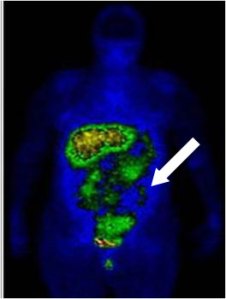
  Advanced Ovarian Cancer - Imaging folate-receptors cancer cells using EC20 (folate-Tc99m). Source:  Endocyte

Advanced Ovarian Cancer - Imaging folate-receptors cancer cells using EC20 (folate-Tc99m). Source: Endocyte

In addition to EC145, patients in the PRECEDENT trial will also be treated with a new molecular imaging agent called EC20 developed by Endocyte. By targeting folate receptors, EC20 imaging agent allows clinicians to identify tumors that overexpress the folate receptor. Using EC20, doctors may be able to identify, in advance, those patients who will benefit from EC145 therapy. According to Dr. Wendel Naumann of the Blumenthal Cancer Center, Carolinas Medical Center and principal investigator for the PRECEDENT study, ‘Patients with advanced, platinum resistant, ovarian cancer are in need of therapy that does not result in significant toxicity. The earlier clinical studies of EC145 were encouraging because they indicated that clinicians could use EC20 to identify women whose tumors expressed the molecular target of EC145. Therapy with EC145 might benefit these patients without causing significant additional toxicity.’ ‘The start of the PRECEDENT study is another important validation of Endocyte’s promising DGS [Drug Guidance System] technology platform,” said Dr. Richard Messmann, Endocyte’s vice president for medical affairs. ‘This also represents an important milestone in Endocyte’s efforts to develop a range of new drugs and predictive medicine tools to treat cancer and other serious diseases in the years ahead. ‘

About Endocyte
Endocyte is a privately-held biotechnology company with headquarters in the Purdue Research Park of West Lafayette, IN. Based on the applications of Endocyte’s advanced proprietary Drug Guidance System (DGS), the Company is working to develop new drugs and diagnostic agents to treat many types of cancer and other serious diseases. The DGS platform makes it possible to use highly-potent drugs on extended and frequent dosing schedules and in combination with other drugs to maximize efficacy. The technology improves drug targeting and reduces the risk of side effects by combining drugs with ligands that are able to identify and attach to receptors found on tumor and other disease cells. Endocyte is currently conducting three separate Phase 2 clinical trials for its lead compound, EC145, together with EC20, a companion molecular imaging agent, for the treatment of ovarian cancer and non-small cell lung cancer. Other clinical-stage products in the Endocyte pipeline include: EC0225, a combination of two potent anticancer drugs; BMS493, a potent drug being developed in partnership with Bristol-Myers Squibb; EC17, a targeted immunotherapy agent; and EC0489, a targeted cancer drug. The Company also has multiple product candidates in pre-clinical stage development.  This press release contains “forward-looking statements” as that term is defined in the Private Securities Litigation Reform Act of 1995. These statements are based on management’s current expectations and involve significant risks and uncertainties that may cause results to differ materially from those set forth in the statements. We undertake no obligation to publicly update any forwardlooking statement, whether as a result of new information, future events, or otherwise.

Contacts:
Vickey Buskirk, media relations, Endocyte Inc., (765) 463-7175 ext. 1117, vbuskirk@endocyte.com”

Quoted Source: ENDOCYTE BEGINS PHASE II CLINICAL TRIAL OF EC145 FOR TREATMENT OF WOMEN WITH OVARIAN CANCER, News Release, February 19, 2009 (PDF Document).

Other Sources:

Additional Resources:


MK-0457 Alone and in Combination With Docetaxel Inhibits Ovarian Cancer Growth In Vivo

…[T]he [M.D. Anderson Cancer Center & Baylor College of Medicine] researchers concluded that [Aurora kinase] AK inhibition [produced by MK-0457] significantly reduces ovarian cancer tumor burden and cell proliferation, and increases tumor cell apoptosis in preclinical ovarian cancer mouse models. The researchers noted that the role of Aurora kinase inhibition in ovarian cancer merits further investigation in clinical trials.

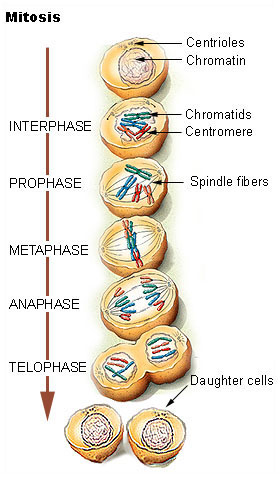
Chemotherapeutic drugs that interfere with the normal progression of cell division are used regularly for anti-cancer treatment. These so-called “antimitotic” drugs work by halting the cell cycle in mitosis, thereby inducing cell death (apoptosis) in tumor cells. Unfortunately, these compounds act not only on proliferating tumor cells, but exhibit significant side effects on non-proliferating or normal cells.

Aurora kinases (AKs), a specific family of protein kinases, are essential for various steps in human cell division. The cell division process is one of the hallmarks of every living organism. Within the complete cell-cycle process, mitosis constitutes one of the most critical steps. The main purpose of mitosis is to segregate sister chromatids into two daughter cells. This process is tightly regulated by several proteins, some of them acting as check points that ultimately ensure the correct coordination of this critical biologic process.

There is evidence linking AK overexpression with various types of malignant human cancer cells. Given the potential selectivity to target tumor cells while leaving normal cells unaffected, several “AK inhibitors” have been developed by various drug companies. Researchers at the University of Texas M.D. Anderson Cancer Center (Departments of Gynecologic Oncology, Surgical Oncology, and Cancer Biology) and the Baylor College of Medicine (Departments of Molecular and Cellular Biology and Obstetrics and Gynecology) tested MK-0457, a small molecule AK inhibitor, alone and in combination with docetaxel against ovarian cancer growth in vitro and in vivo. MK0457, initially developed by Vertex Pharmaceuticals Inc. (Vertex), is now being developed clinically by Merck & Co., Inc (Merck) for use against treatment-resistant forms of advanced leukemias.

The in vitro testing conducted by M.D. Anderson and Baylor researchers compared the use of docetaxel alone with the combination use of docetaxel and MK-0457, against two lines of chemosensitive ovarian cancer cells. Notably, the M.D. Anderson and Baylor researchers determined that the docetaxel and MK-0457 combination produced cytotoxicity that was 10 times greater than that produced by docetaxel alone. The in vivo testing, conducted in mouse models, compared the use of MK-0457 monotherapy against lines of chemosensitive and chemoresistant ovarian cancer cells. The AK inhibitor MK-0457, when used alone, significantly reduced ovarian cancer cell tumor burden. Combination treatment with docetaxel and MK-0457 resulted in significantly improved reduction in tumor growth, as well as a threefold increase in cell death, as compared to docetaxel monotherapy.

Based upon the foregoing results, the researchers concluded that AK inhibition significantly reduces ovarian cancer tumor burden and cell proliferation, and increases tumor cell apoptosis in preclinical ovarian cancer mouse models. The researchers noted that the role of Aurora kinase inhibition in ovarian cancer merits further investigation in clinical trials.

Note: In November 2007, Merck suspended new patient enrollment in two leukemia trials which involve the use of MK-0457. The suspension of new enrollees was attributable to preliminary safety data that indicated a potential cardiovascular effect in one patient. The safety findings from that patient indicated “QTc prolongation” (or “Long QT Syndrome“), a condition that can precede sudden cardiac arrest. Patients already enrolled in the two leukemia trials were permitted to continue treatment with MK-0457, provided that they were monitored for QTc prolongation. To our knowledge, based upon publicly available information, there have been no further reports of QTc prolongation within those two clinical trials.

Primary Reference: Targeting Aurora Kinase with MK-0457 Inhibits Ovarian Cancer Growth; Lin, YG et. al., Clin Cancer Res. 2008 Sep 1;14(17):5437-5446

Secondary References:

Cancer Survivors With Low Volume Metastases May Benefit From Radiotherapy

“Precisely targeted radiation therapy can eradicate all evidence of disease in selected patients with cancer that has spread to only a few sites, suggests the first published report from an ongoing clinical trial. … Six of the 29 [21%] initial patients had lasting tumor control, with no detectable evidence of disease 15 months after treatment. Many patients had a complete response in at least one tumor. Thirty-one of the 56 treated tumors (55%) completely disappeared. Two tumors (4%) had a partial response, defined as reduction in tumor volume of more than 30 percent. Only three of the 56 tumors progressed (5%), growing in size by 20 percent or more during the treatment phase … Crucial to this approach is careful patient selection, distinguishing between patients who have a treatable number of tumors and those who have widespread metastasis, including multiple tumors too small to detect. Currently, there are no known genetic “signatures” to differentiate between widespread cancer versus oligometastasis, the authors point out.”
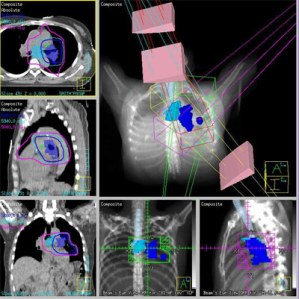
Image-Guided Radiation Therapy Used To Treat "Oligometastasis"

Image-Guided Radiation Therapy (IGRT) Used To Treat "Oligometastasis"

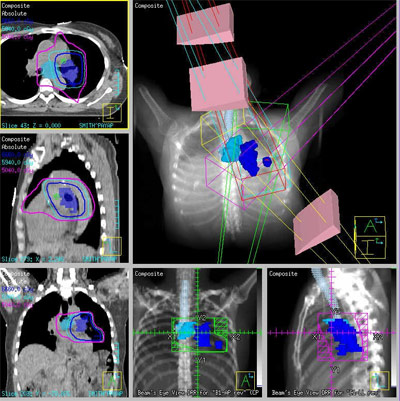
“Precisely targeted radiation therapy can eradicate all evidence of disease in selected patients with cancer that has spread to only a few sites, suggests the first published report from an ongoing clinical trial.

In the August 15, 2008, issue of Clinical Cancer Research, (published online August 12) researchers from the University of Chicago Medical Center report that targeted radiation therapy had completely controlled all signs of cancer in 21 percent of patients who had five or fewer sites of metastatic disease.

‘This was proof of principle in patients who had failed the standard therapies and had few, if any, remaining options,’ said the study’s senior author, Ralph Weichselbaum, MD, professor and chairman of radiation and cellular oncology at the University of Chicago Medical Center. “We had encouraging results, including several long-term survivors, in patients with stage-IV cancers that had spread to distant sites.’

In 1994, Weichselbaum and colleague Samuel Hellman proposed that there was an intermediate state between cancer that had not spread at all and cancer that had spread extensively. They named this phenomenon “oligometastases,” meaning cancer that had spread to a few distant sites.

In some cases, surgeons have successfully treated such limited cancer spread, producing long-term survival by removing the primary cancer and one or two distant tumors, off-shoots of the original cancer–usually in the lung or liver. However, some patients are not fit for surgery or have cancer that is inoperable.

Recent improvements in tumor detection and precise image-guided radiation therapy, however, have made simultaneous treatment of multiple tumor sites with radiation feasible. So in 2004, Weichselbaum organized a clinical trial to test the ability of local radiation therapy to control a limited number of related tumors which colleague Joseph Salama, MD, assistant professor of radiation oncology at the University of Chicago has directed since 2005.

Patients with stage-IV cancer with one to five distant metastases and no tumors bigger than 10 centimeters (about four inches) in diameter were eligible to participate in the study either before or after chemotherapy treatment.

Each patient received three doses, separated by at least two days, of precisely targeted radiation therapy focused on each metastatic tumor. Treatment was usually completed within one week. The first patients in the study received lower doses. As few side effects were seen, radiation doses were gradually increased in subsequent groups of patients.

‘Previous studies determined the maximal radiotherapy doses for single organs,’ said Salama, lead author of the study, ‘but this technique has not been tested for simultaneous use on multiple organs. So we designed a dose-escalation trial to determine the optimal dose, starting with fairly low levels and increasing the dose in later groups of patients.’

From November 2004 through February 2008, 29 patients, with a total of 56 cancerous lesions, enrolled in the trial. Of the 29 patients, 24 had progressed after at least one round of systemic chemotherapy. For the other five, there was no promising choice of therapy.

Six of the 29 initial patients had lasting tumor control, with no detectable evidence of disease 15 months after treatment.

Many patients had a complete response in at least one tumor. Thirty-one of the 56 treated tumors (55%) completely disappeared. Two tumors (4%) had a partial response, defined as reduction in tumor volume of more than 30 percent. Only three of the 56 tumors progressed (5%), growing in size by 20 percent or more during the treatment phase.

Tumor control improved as the radiation dose increased. Thirty-nine percent of the 31 tumors treated with 24 gray of radiation met the criteria for tumor control–a complete or partial response. That increased to 79 percent for the 19 tumors treated with 30 gray, and to 83 percent for the six tumors treated with 36 gray.

‘This suggests that the initial doses were too low,’ said Salama. ‘We have seen improved response rates with higher radiation doses without an increase in side effects yet.’

Typical treatment doses for a patient with breast cancer, for example, are in the range of 50 to 60 gray, spread over 20-30 sessions. The trend however, is toward delivering higher doses in fewer sessions.

Patients tolerated the treatment, the authors write, with ‘limited difficulty.’ All had some fatigue but few had serious side effects. The most severe included one patient being treated for abdominal tumors who developed vomiting that required hospitalization. One lung cancer patient developed a severe cough. One patient had gastrointenstinal [sic] bleeding three months after treatment that required blood transfusion and laser treatment.

Crucial to this approach is careful patient selection, distinguishing between patients who have a treatable number of tumors and those who have widespread metastasis, including multiple tumors too small to detect. Currently, there are no known genetic “signatures” to differentiate between widespread cancer versus oligometastasis, the authors point out. This is one area of active research. Only five of the 29 patients treated so far, however, had tumor progression in more than five sites.

The technique could also be applied after chemotherapy, the authors suggest, in cases where the drugs had eliminated most the smaller cancer, leaving only a few larger tumors behind.

The trial is still underway. ‘We now have about 50 patients,’ said Weichselbaum, ‘and several of them remain disease-free, one of them three years after treatment.’

The Ludwig Center for Metastasis Research and the University of Chicago Cancer Research Center funded this study. Additional authors include Steven Chmura, Neil Mehta, Kamil Yenice, Walter Stadler, Everett Vokes, Daniel Haraf and Samuel Hellman, of the University of Chicago Medical Center.”

Quoted Source: Targeted Radiation Therapy Can Control Limited Cancer Spread, Press Release, The University of Chicago Medical Center, August 15, 2008 (summarizing the findings of An initial report of a radiation dose-escalation trial in patients with one to five sites of metastatic disease; Salama JK et. al., Clin Cancer Res. 2008 Aug 15;14(16):5255-9. (” … RESULTS: Twenty-nine patients with 56 metastatic lesions were enrolled from November 2004 to March 2007, with a median follow-up of 14.9 months. Two patients experienced acute (radiation pneumonitis and nausea) and one experienced chronic (gastrointestinal hemorrhage) grade >/=3 toxicity. Fifty-nine percent of patients responded to protocol therapy. Twenty-one percent of patients have not progressed following protocol treatment. Fifty-seven percent of treated lesions have not progressed at last follow-up. Progression was amenable to further local therapy in 48% of patients. CONCLUSIONS: Patients with low-volume metastatic cancer can be identified, safely treated, and may benefit from radiotherapy.”))

Additional Information:

M.D. Anderson Identifies TG2 As a Potential Target in Chemo-Resistant Ovarian Cancer

“Scientists from The University of Texas M. D. Anderson Cancer Center have found overexpression of tissue type transglutaminase (TG2) in ovarian cancer is associated with increased tumor cell growth and adhesion, resistance to chemotherapy and lower overall survival rates. When researchers targeted and silenced TG2 in animal models, cancer progression was reversed, suggesting the protein may also provide a novel therapeutic approach for late-stage ovarian cancer.”

“Scientists from The University of Texas M. D. Anderson Cancer Center have found overexpression of tissue type transglutaminase (TG2) in ovarian cancer is associated with increased tumor cell growth and adhesion, resistance to chemotherapy and lower overall survival rates. When researchers targeted and silenced TG2 in animal models, cancer progression was reversed, suggesting the protein may also provide a novel therapeutic approach for late-stage ovarian cancer.

These findings in the July 15th issue of Cancer Research by a team of researchers led by Anil K. Sood, M.D., professor in the Departments of Gynecologic Oncology and Cancer Biology, and Kapil Mehta, Ph.D., professor in the Department of Experimental Therapeutics at M. D. Anderson, are among the first to explore TG2’s functionality in ovarian cancer.

‘TG2 appears to fuel different types of cancer through multiple molecular pathways, making it an important therapeutic target,’ said Mehta, whose lab also has connected TG2 overexpression to drug-resistant and metastatic melanoma, breast cancer and pancreatic cancer.

‘Drug resistance and metastasis are major impediments to the successful treatment of ovarian cancer and until now we had little information about the role TG2 played in ovarian cancer,’ Sood said. ‘We began to see its story unfold as we translated this data from tissue samples to cell lines to animal models.’

The American Cancer Society estimates 15,000 U.S. women will die from ovarian cancer this year. Most patients present with advanced stage disease that has spread beyond the primary tumor site. More than 70 percent of ovarian cancer patients will suffer a recurrence and eventually succumb to the disease.

Higher TG2, lower survival

The study, which examined 93 ovarian cancer samples of ranging stages, found that high levels of TG2 corresponded with significantly lower patient survival than those with low levels of TG2. Sixty-nine percent of high-stage ovarian cancers overexpressed TG2 compared with 30 percent of low-stage cancers. In-depth analysis demonstrated that tumors which overexpressed the protein tended to have an increased ability to invade healthy tissue and to survive or avoid the affects of chemotherapy.

‘From this investigation it became clear that TG2 activates the survival pathway p13K/Akt in these tumors, explaining the adverse, resistant behavior we observed on a molecular level,’ said Sood. ‘We then focused on whether silencing TG2 would block these effects.’

Researchers shut off TG2 with a small interfering RNA strand (TG2 siRNA) targeted to the protein, reducing the ability of the tumor cells to invade and killing them through programmed cell death, or apoptosis. ‘When exposed to this potent targeted therapy, ovarian cancer cells greatly reduced cancer cell proliferation and blood vessel development, while increasing apoptosis,’ said Sood.

Mouse model studies of chemotherapy-sensitive and chemotherapy-resistant models showed considerable antitumor activity both with TG2 siRNA alone and in combination with docetaxel chemotherapy. The combination therapy of TG2 siRNA with docetaxel reduced tumor weight by 86 percent, proving to have the greatest efficacy compared to control groups or those without chemotherapy.

‘While it remains to be seen if these results will translate in humans, looking ahead long term, it will be an attractive option against advanced ovarian cancer,’ said co-author Gabriel Lopez-Berestein, M.D. professor in the Department of Experimental Therapeutics at M. D. Anderson.

TG2 fuels pancreatic cancer differently

Sood and Lopez-Berestein, have developed siRNA therapy by packaging the gene-silencing strips of RNA in a fatty nanoparticle called a liposome and delivering it intravenously. TG2 is the third protein they have targeted in preclinical research. Sood and Mehta are moving TG2 siRNA toward Phase I clinical trials for ovarian and pancreatic cancers.

TG2 acts through different pathways in other types of cancer, Mehta noted. For example, TG2 overexpression causes the degradation of the tumor-suppressing protein PTEN in pancreatic cancer, Mehta and colleagues reported in Clinical Cancer Research in April. With PTEN out of the picture, pancreatic cancer is protected from a separate type of cell death called autophagy. In a separate paper, they showed that silencing TG2 with the siRNA liposome reduced tumor size, slowed metastasis and enhanced the effect of gemcitabine chemotherapy.

‘This aberrant protein is doing so many different things, you would have to develop a small-molecule drug to block each function,’ Mehta said. ‘Liposomal siRNA is exciting because it takes out TG2 completely, blocking everything that it does.’

Research was funded by grants from the National Cancer Institute, including M. D. Anderson’s Specialized Program in Research Excellence in Ovarian Cancer grant, a program project development grant from the Ovarian Cancer Research Fund, Inc., and the Zarrow Foundation.

In addition to Sood, Mehta and Lopez-Berestein, authors include Jee Young Hwang, M.D., Lingegowda S. Mangala, Ph.D., co-first authors, and Yvonne G. Lin, M.D., William M. Merritt, M.D., Whitney A. Spannuth, M.D., Alpa M. Nick, M.D., Derek J. Fiterman, M.D., and Robert L. Coleman, M.D., all of M. D. Anderson’s Department of Gynecologic Oncology; Jansina Y. Fok, also a co-first author, and Pablo E. Vivas-Mejia, Ph.D., both of the Department of Experimental Therapeutics; and Michael T. Deavers, M.D., of M. D. Anderson’s Department of Pathology. Hwang is also with the Department of Obstetrics and Gynecology, Dongguk University of College of Medicine, Kyung-ju, Korea. 07/15/08”

Quoted Source: TG2 Identified as Potential Target in Chemo-Resistant Ovarian Cancer – M. D. Anderson team silences protein with siRNA, implicates TG2 in fourth cancer, The University of Texas, M.D. Anderson Cancer Center News Release, July 15, 2008 (summarizing the findings of Clinical and biological significance of tissue transglutaminase in ovarian carcinoma; Sood, AK et. al,  Cancer Res. 2008 Jul 15;68(14):5849-58.)

Additional Information:

Webcast: Recognizing and Overcoming Challenges in the Treatment of Recurrent Ovarian Cancer

Maurie Markman, M.D. is the Vice President for Clinical Research at the University of Texas M.D. Anderson Cancer Center located in Houston, Texas. On June 6, 2008, Dr. Markman moderated an expert panel discussion entitled, “Recognizing and Overcoming Challenges in the Treatment of Recurrent Ovarian Cancer.” The panel discussion was recorded as a Continuing Medical Education (CME) webcast. The two doctors participating in the panel discussion with Dr. Markman are (i) William P. McGuire, MD, the Medical Director of the Harry and Jeanette Weinberg Cancer Institute at the Franklin Square Hospital Center, located in Baltimore, Maryland, and (ii) Robert L. Coleman, MD, professor of gynecological oncology at the University of Texas M. D. Anderson Cancer Center.

The expert panel discussion was divided into the two sessions listed below. Click here if you are interested in watching the webcast version of each session. A transcript of each session is also provided below.

Novel Cytotoxic Agents: Epothilones

The epothilones are effective antitumor medications for patients with cancer, including patients who have been previously treated with or are resistant to anthracyclines or the taxanes.

The epothilones are a novel class of antitumor medications, similar to the taxanes in some respects, but that also possess several advantages. Like taxanes, epothilones are believed to produce antitumor effects by binding to and stabilizing intracellular microtubules, which are essential in DNA replication and cell division. Several in vitro and animal studies have shown that the epothilones are more potent microtubule stabilizers than the taxanes, they are effective against cancer cell lines with high levels of drug resistance, and they induce the regression of taxane-resistant human tumors. Preclinical studies also have demonstrated synergistic increases in tumor cell killing when the epothilones are combined with other antitumor medications.

Epothilone B (patupilone/EPO906) has been evaluated in a series of phase I and II clinical trials, which demonstrated disease stabilization or objective responses in patients with a variety of cancers, including ovarian, prostate, breast, colon, stomach, and kidney cancers. This agent is currently being evaluated in phase III clinical trials. A second epothilone, ixabepilone (Ixempra™), was recently approved by the U.S. Food and Drug Administration (FDA) for the treatment of metastatic breast cancer. Ixabepilone was evaluated as a monotherapy for the treatment of breast cancer in phase II clinical trials of previously untreated patients and in taxane-experienced and taxane-resistant disease. A phase III clinical trial demonstrated that the combination of ixabepilone and capecitabine was superior to capecitabine alone in heavily pretreated, taxane-resistant patients. Ongoing clinical trials will continue to define the role of the epothilones in cancer therapy.

For a list of open clinical trials testing epothilones against ovarian cancer, click here.

[Source: Novel cytotoxic agents: epothilones; Goodin S., Am. J. Health Syst. Pharm. 2008 May 15;65(10 Suppl 3):S10-5.]

New Vascular Disrupting Agent In Combination With Avastin Produces a 64% Disease Stabilization Rate in a Small Phase I Solid Tumor Clinical Trial

In solid tumors, [vascular disrupting agents] VDA’s, such as ZYBRESTAT™, rapidly disrupt the vasculature within the tumor, reduce blood-flow, and deprive the tumor of oxygen and nutrients, resulting in tumor cell death. This disruption of the newly formed blood vessels contrasts with the action of anti-angiogenic therapies (e.g., bevacizumab/Avastin™), which are designed to prevent new blood vessel formation. … Specifically, Zybrestat™ was tested on advanced solid malignancies in Phase I clinical trial involving 14 patients. … Nine of fourteen patients experienced disease stabilization for greater than 12 weeks. Three patients experienced disease stabilization for greater than 24 weeks, with two of these patients continuing with stable disease at 47 and 29 weeks, respectively.

Based upon an abstract presentation made at the 2008 American Society of Clinical Oncology (ASCO) Annual Meeting recently held in Chicago on May 30th through June 3rd, the new vascular disrupting agent (VDA) Zybrestat™ (fosbretabulin) produced an advanced solid tumor disease stabilization rate of 64 percent.

Vascular disruption represents a new approach to a validated therapeutic strategy: depriving tumors of blood supply. In solid tumors, VDA’s, such as ZYBRESTAT™, rapidly disrupt the vasculature within the tumor, reduce blood-flow, and deprive the tumor of oxygen and nutrients, resulting in tumor cell death. This disruption of the newly formed blood vessels contrasts with the action of anti-angiogenic therapies (e.g., bevacizumab/Avastin™), which are designed to prevent new blood vessel formation. OXiGENE Inc. (OXiGENE) believes its VDA product candidates may offer advantages over current anti-angiogenic drugs, including superior efficacy and reduced side-effects.

In addition, there is a strong scientific rationale for combining VDA and anti-angiogenesis therapies. OXiGENE and its scientific collaborators have published preclinical research results showing that the combination of OXiGENE VDAs and certain anti-angiogenic drugs (i.e., monoclonal antibodies targeting vascular endothelial growth factor, or VEGF) have synergistic anti-tumor effects. Building upon these results, OXiGENE has undertaken the first-ever human clinical trial of a VDA (ZYBRESTAT) in combination with an anti-angiogenic agent (bevacizumab / AVASTIN.) The additional benefits of vascular disrupting agents include:

  • This method of treatment is designed to target newly formed abnormal blood vessels, rather than the established blood vessels found in healthy tissue, resulting in fewer side effects in the oncology setting than conventional disease treatments such as radiation and chemotherapy. VDAs are designed to address the complete spectrum of solid tumors, whereas other approaches, which directly target tumor cells, require the development of different drugs for different types of solid tumors.
  • VDAs are designed to target endothelial cells associated with new blood vessel formation, so drug resistant mutations are unlikely to occur.
  • Damaging one or two blood vessels can cause thousands of tumor cells to die.
  • The ability of VDAs to selectively target newly formed or abnormal blood vessels makes them well-suited for certain ocular diseases, such as age-related macular degeneration, in which the formation of new, abnormal blood vessels in the eye plays a key role in disease.

Specifically, Zybrestat™ was tested on advanced solid malignancies in Phase I clinical trial involving 14 patients. The patients were divided into three separate dosage cohorts, representing 45mg/m2 (cohort 1), 54mg/m2 (cohort 2) or 63mg/m2 (cohort 3) of Zybrestat™ every 14 days followed by bevacizumab (Avastin™) at a dosage of 10mg/kg four hours later. The study results indicated two grade 3/4 drug dosage limiting toxicities. Nine of fourteen patients experienced disease stabilization for greater than 12 weeks. Three patients experienced disease stabilization for greater than 24 weeks, with two of these patients continuing with stable disease at 47 and 29 weeks, respectively. Dynamic contrast-enhanced magnetic resonance imaging (DCE-MRI) showed statistically significant reductions in tumor perfusion/vascular permeability which reversed when Zybrestat™ was used as a monotherapy, but were sustained following the use of bevacizumab (Avastin™). The clinical trial investigators concluded that Zybrestat™ was safe and tolerable at the three dosage levels used, and noted that Zybrestat™ induced profound vascular changes in the solid tumor which were maintained by the presence of bevacizumab (Avastin™).

Sources:

Comment: ZYBRESTAT™ has broad potential therapeutic utility across a wide range of different solid tumor types, and can potentially be combined with mainstay oncology treatment modalities: chemotherapy, radiation therapy and newer, “molecularly-targeted therapies,” such as tumor angiogenesis inhibitors. Preclinical studies have demonstrated that ZYBRESTAT™ has synergistic or additive effects when incorporated in various combination regimens with all of these treatment modalities. There is a strong scientific rationale for combining ZYBRESTAT™ and tumor angiogenesis inhibiting drugs, and ZYBRESTAT™ is the first VDA to be tested in humans in combination with a tumor-angiogenesis-inhibiting drug (bevacizumab / AVASTIN®).

Clinical Trial Investigators Aim to Make Ovarian Cancer Cells “Terminally Ill” By Giving Advanced Ovarian Cancer Patients a Common Virus

Oncolytics Biotech Inc. (“Oncolytics”) announced today that patient enrolment has started in a Phase 1/2 clinical trial for patients with metastatic ovarian, peritoneal and fallopian tube cancers using concurrent intravenous (IV) and intraperitoneal (IP)REOLYSIN®, Oncolytics’ proprietary formulation of the human reovirus. … A cell with an activated Ras Pathway, which has lost its ability to “turn off,” leads to uncontrolled cell growth. These mutations along the Ras pathway are found in approximately two-thirds of all human cancers. The virus in REOLYSIN® will invade Ras-activated cancer cells, where the virus is able to replicate until it kills the host tumor cell.  When the cancer cell dies, thousands of progeny virus particles are released, which then proceed to infect and kill adjacent cancer cells.

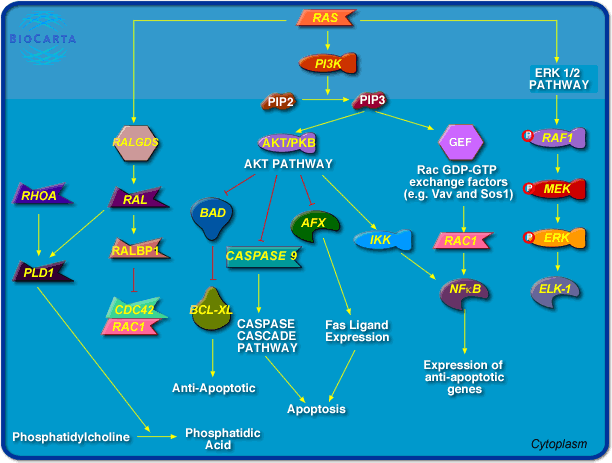
Oncolytics Biotech Inc. (“Oncolytics”) announced today that patient enrolment has started in a Phase 1/2 clinical trial for patients with metastatic ovarian, peritoneal and fallopian tube cancers using concurrent intravenous (IV) and intraperitoneal (IP) administration of REOLYSIN®, Oncolytics’ proprietary formulation of the human reovirus. Reovirus, an acronym for Respiratory Enteric Orphan virus, is generally believed to inhabit the respiratory and bowel systems in humans. Reovirus is found naturally in sewage and water supplies. By age 12, half of all children show evidence of reovirus exposure and by adulthood, most people have been exposed. However, the disease is non-pathogenic, meaning there are typically no symptoms from infections. The link to its cancer-killing ability was established after the reovirus was discovered to reproduce well in various cancer cell lines. Reoviruses are able to replicate only in cancer cells with an activated Ras pathway, without harming healthy cells. The Ras pathway is instrumental in transferring growth signals to the nucleus of a cell, telling the cell when and how to grow-much like an “on-off” switch.

A cell with an activated Ras Pathway, which has lost its ability to “turn off,” leads to uncontrolled cell growth. These mutations along the Ras pathway are found in approximately two-thirds of all human cancers. The virus in REOLYSIN® will invade Ras-activated cancer cells, where the virus is able to replicate until it kills the host tumor cell.  When the cancer cell dies, thousands of progeny virus particles are released, which then proceed to infect and kill adjacent cancer cells. The process is believed to continue until all infected cancer cells with activated Ras pathways have been infected and killed by the reovirus – all without causing the nausea, hair loss and other side effects associated with radiation and chemotherapy. More recently, Oncolytics discovered that tumor antigens generated by this virus may educate the immune system to recognize and kill tumor cells.

The National Cancer Institute (NCI), part of the National Institutes of Health, is sponsoring the trial under its Clinical Trials Agreement with Oncolytics, while Oncolytics will provide clinical supplies of REOLYSIN®. The Principal Investigator is Dr. David E. Cohn, Associate Professor, Division of Gynecologic Oncology at The Ohio State University College of Medicine in Columbus, Ohio.

“REOLYSIN® is an exciting agent to investigate in patients with ovarian cancer,” said Dr. Cohn. “Targeting a specific alteration commonly present in these tumors will hopefully lead to efficacy with minimal toxicity.”

“We are looking forward to working closely with the NCI to examine the effects of using REOLYSIN® with two concurrent methods of administration,” said Dr. Brad Thompson, President and CEO of Oncolytics. “Our REOLYSIN® clinical program has now expanded to include ten Phase 1/2 or Phase 2 trials in the U.S. and the U.K. using REOLYSIN® as a monotherapy or in combination with radiation or chemotherapy.”

In the Phase 1 portion of the trial, patients will receive a constant dose of IV REOLYSIN® on days 1-5 every 28 days, as well as an escalating dose of IP REOLYSIN® on days 1-2 every 28 days. In the Phase 2 portion of the study, patients will receive a constant dose of IV REOLYSIN® on days 1-5 every 28 days as well as the Maximum Tolerated Dose (MTD) of IP REOLYSIN® from the Phase 1 portion.

The primary objectives of the Phase 1 trial are to determine the safety and tolerability of IV and IP administration of REOLYSIN®, and the MTD of IP REOLYSIN® when used with a fixed dose of IV REOLYSIN®. The primary objective of the Phase 2 trial is to determine the objective response rate of treatment with IV and IP REOLYSIN® in patients with recurrent, platinum-refractory ovarian, peritoneal and fallopian tubal carcinomas. The Phase 1/2 trial is expected to enroll up to 70 patients.

[Source: Oncolytics Biotech Inc. Announces Start of Enrolment in Phase 1/2 Ovarian Cancer Clinical Trial with REOLYSIN®, Oncolytics Biotech Inc. News Release, June 10, 2008.]

Additional Information:

Voreloxin (SNS-595) Produces 48% Disease Stabilization in Treatment Resistant Ovarian Cancer Patients

Voreloxin (at a 48 mg/m² dosage) demonstrates single agent activity in advanced platinum-resistant ovarian cancer patients (24 patients with stable disease (SD) ≥90 days, 1 patent with complete response (CR), 5 patients with partial response (PR)) as evidenced by a 48% overall disease control rate (i.e., SD + PR + CR). The results are impressive because the disease control response population includes patients with primary and secondary platinum drug resistance who have failed prior treatment with pegylated liposomal doxorubicin (Doxil®, Caelyx®, Myocet®), gemcitabine (Gemzar®), topotecan (Hycamtin®), etoposide (Eposin®, Etopophos®, Vepesid®), bevacizumab (Avastin®), and/or other various experimental agents.

The H*O*P*E*™ weblog reported the early interim success of Voreloxin (formerly known as SNS-595) in Phase II clinical trial testing on March 15, 2008. Based upon an abstract presentation that will be made by Sunesis Pharmaceuticals today at the 2008 American Society of Clinical Oncology (ASCO) Annual Meeting, the success of Voreloxin continues, despite the fact that many of the ovarian cancer patients participating in the trial experienced significant drug/treatment resistance prior to enrollment.

Specifically, Voreloxin (at a 48 mg/m² dosage) demonstrates single agent activity in advanced platinum-resistant ovarian cancer patients (24 patients with stable disease (SD) ≥90 days, 1 patent with complete response (CR), 5 patients with partial response (PR)) as evidenced by a 48% overall disease control rate (i.e., SD + PR + CR). The results are impressive because the disease control response population includes patients with primary and secondary platinum drug resistance who have failed prior treatment with pegylated liposomal doxorubicin (Doxil®, Caelyx®, Myocet®), gemcitabine (Gemzar®), topotecan (Hycamtin®), etoposide (Eposin®, Etopophos®, Vepesid®), bevacizumab (Avastin®), and/or other various experimental agents. Approximately 79% of the patient population that experienced disease control with Voreloxin at a 48mg/m² dosage received between two to four prior lines of treatment. In addition, one patient who experienced a partial response to Voreloxin at the 48 mg/m² dosage had a tumor histology identified as clear cell ovarian cancer — an aggressive form of ovarian cancer that is generally resistant to traditional therapies. It appears that there are 11 clear cell ovarian cancer patients participating in the Voreloxin Phase II trial (i.e., 7 patients in the 48 mg/m² dosage arm, and 4 patients in the 60 mg/m² dosage arm); however, there are no specific results reported for these patients (other than the one partial responder) in the 2008 ASCO Annual Meeting abstract presentation data.

Due to the earlier success of Voreloxin prior to March 15th, the trial investigators enrolled 21 new patients into the Phase II trial for purposes of testing Voreloxin at a 60 mg/m² dosage. Because these newer patients only received two cycles of Voreloxin at the higher dosage to date, they were not evaluated officially for purposes of the 2008 ASCO Annual Meeting abstract presentation data. The grade 3/4 adverse effects of Voreloxin at both dosages are reported as relatively low, therefore, trial investigators incorporated a 75 mg/m² dosage escalation into the current Phase II trial. The investigators do not indicate how many patients (currently enrolled or newly recruited) will participate in the 75 mg/m² dosage arm. Currently, a total of 86 ovarian cancer patients are enrolled in the Voreloxin Phase II trial (65 patients in the 48 mg/m² dosage arm; 21 patients in the 60 mg/m² dosage arm).

[Sources: “A Phase 2 Trial of Voreloxin (Formerly SNS-595) in Women with Platinum-Resistant Epithelial Ovarian Cancer,” 2008 American Society of Clinical Oncology Annual Meeting Presentation, May 31, 2008 (Adobe Reader PDF Document). See also, “A phase II trial of SNS-595 in women with platinum resistant epithelial ovarian cancer,” W. P. McGuire et. al., J Clin Oncol 26: 2008 (May 20 suppl; abstr 5582) (2008 ASCO Annual Mtg. Abstract); “A Phase 2 Open-Label, Multicenter Study of SNS-595 Injection in Patients With Platinum-Resistant Ovarian Cancer, National Cancer Institute ID# NCT00408603 (sets forth original Voreloxin (SNS-595) Phase II clinical trial protocol).

Updates:

New Monoclonal Antibody Offers Hope In the Fight Against Ovarian Cancer

“Kellogg, an associate professor of pathology and laboratory medicine at the Brody School of Medicine at [East Carolina University] ECU, created the antibody, called DS-6, that attaches to cancer cells in her laboratory at ECU. DS-6 will serve as a delivery vehicle for a highly potent cell-killing agent developed by ImmunoGen specifically for delivery to cancer cells by antibodies. The antibody latches on to tumor cells and enables the whole compound – the antibody and the attached cell-killing agent – to enter the cancer cell. Once inside, the cell-killing agent becomes activated and kills the tumor cell as it divides.”

“A discovery by an East Carolina University pathologist might be a breakthrough in an evolving class of drugs used to fight cancer.

Dr. Anne Kellogg has developed a monoclonal antibody that could play a vital role in treating the most common form of ovarian cancer, breast cancer and other cancers. She is working with two major drug firms, ImmunoGen Inc. and sanofi-aventis, that have expertise in formulating antibodies into cancer therapies and taking them to clinical trials in humans.

Kellogg, an associate professor of pathology and laboratory medicine at the Brody School of Medicine at ECU, created the antibody, called DS-6, that attaches to cancer cells in her laboratory at ECU. DS-6 will serve as a delivery vehicle for a highly potent cell-killing agent developed by ImmunoGen specifically for delivery to cancer cells by antibodies. The antibody latches on to tumor cells and enables the whole compound – the antibody and the attached cell-killing agent – to enter the cancer cell. Once inside, the cell-killing agent becomes activated and kills the tumor cell as it divides.

‘We can’t give such a potent chemotherapy agent on its own because it would be too toxic, but if we can link it to an antibody, it goes inside the tumor cell and is released inside the tumor cell, which is really an amazing feat,’ Kellogg said.

The antibody with the cell-killing agent linked to it circulates in the body in an inactive state. The cell-killing agent becomes active only when it reaches the tumor cell, so ImmunoGen refers to its technology as Tumor-Activated Prodrug, or TAP, technology. Sanofi-aventis has rights to develop specific anticancer agents using ImmunoGen’s TAP technology and is in charge of advancing the TAP compound containing the DS-6 antibody licensed from ECU into human clinical testing.

Monoclonal antibodies are manufactured proteins, produced from a single parent cell, that bind to a specific substance. They can be used to detect or purify that substance and are widely used in hospital and pathology laboratories as components of diagnostic tests. Monoclonal antibodies gained attention as a possible way to treat cancer in the 1980s. In the 1990s, scientists refined techniques to expand their usefulness as therapeutics by making subtle changes to the antibodies so the human body would not reject them as foreign tissue. One of the best-known monoclonal antibodies is trastuzumab, sold under the brand name Herceptin and used to treat breast cancer.

Kellogg began working with monoclonal antibodies in the early 1990s looking for ones pathologists could use to diagnose cancer. A few years later, working with Dr. Diane Semer, a gynecologic oncologist formerly with ECU, Kellogg turned her attention to identifying an antibody that could not only recognize tumors but also be useful in treating them. She isolated DS-6 in the late 1990s and then began characterizing the antibody for its ability to recognize various types of cancer with the help of Dr. Nancy Smith, a former ECU pathologist.

‘Drugs that are developed from monoclonal antibodies are potentially more specific for tumors and risk less in the way of toxicity to the patient,’ said Dr. Adam Asch, associate director of the Leo W. Jenkins Cancer Center at ECU. Kellogg added that the treatment could have benefits even if it falls short of curing cancer. ‘You may be able to convert cancer to a very chronic disease you can treat if we can provide oncologists with a wider array of treatment options,’ she said.

‘This has been an amazing education for me and personally very rewarding to get a ringside seat in seeing the complex process of drug discovery and development take place. It has also demonstrated how well academia, biotechnology and pharmaceutical companies can work together in this process,’ Kellogg said.

Kellogg’s research has been funded in part by ECU and the Department of Pathology and Laboratory Medicine. ‘We feel we made a wise investment that will help advance the treatment of cancer by providing funds for Dr. Kellogg’s research,’ said Dr. Peter Kragel, chair of the department. Future grants from ImmunoGen and sanofi-aventis are under discussion.”

[Quoted Source: New Antibody Offers Hope for Treating Ovarian, Breast Cancer, NewsWise Medical News Release dated May 22, 2008.]

2008 American Society of Clinical Oncology (ASCO) Annual Meeting Abstracts Available On-Line

The 44th Annual Meeting of the American Society of Clinical Oncology (ASCO) will be held on May 30th through June 3rd, 2008 in Chicago, Illinois. Under a new policy, ASCO publicly released clinical trial brief abstracts two weeks before the start of its 2008 Annual Meeting on May 30th, where full results will be presented before thousands of cancer doctors. The new ASCO policy was intended to avoid stock trading on non-public information that was believed to have occurred under a prior policy in which ASCO mailed out abstracts under embargo weeks before its annual meeting.

I have provided hyperlinks below to a variety of cancer topics that may be of interest to ovarian cancer survivors. Please note that with the exception of the first “ovarian cancer” category listed below, the remaining categories will contain abstracts that address various types of cancer. H*O*P*E*™ will provide one or more posts that address ovarian cancer abstract highlights after the completion of the 2008 ASCO Annual Meeting on June 3rd.

Gynecologic Cancer:

Ovarian Cancer

Developmental Therapeutics: Cytotoxic Chemotherapy:

Cytotoxic Chemotherapy
Drug Resistance
Pharmacology / Pharmacokinetics
Phase I Studies

Developmental Therapeutics: Immunotherapy:

Antibodies
Cell-Based Therapy
Cytokines
Other: developmental therapeutics: immunotherapy
Vaccines

Developmental Therapeutics: Molecular Therapeutics:

Antiangiogenic or Antimetastatic Agents
Cell Cycle Inhibitors
Chemoprevention
Epigenetic Strategies
Functional Imaging
Gene Therapy/Antisense Strategies
Other Novel Agents
Pharmacodynamics
Pharmacogenomics
Pro-Apoptotic Agents
Receptor-Targeted Antibodies/Ligands
Tyrosine Kinase Inhibitors
Vascular Targeting

Tumor Biology and Human Genetics:

Cancer Genetics
Epidemiology / Molecular Epidemiology
Immunobiology
Molecular Diagnostics and Staging
Molecular Targets
Other: Tumor Biology and Human Genetics
Prognostic Factors
Radiation Biology
Tumor and Cell Biology

Cancer Prevention:

Cancer Prevention

Patient Care:

Cancer in Older Patients
Cancer-Related Complications
End-of-Life Care
Other: patient care
Palliative Care
Quality-of-Life Management
Supportive Care

Health Services Research:

Health Services Research
Outcomes Research
Practice Management/Professional Issues