Clinical Conundrums: Choosing the Best Management Approaches in Patients With Ovarian Cancer

On June 16, 2010, Clinical Care Options Oncology released a Microsoft Powerpoint Presentation entitled, “Clinical Conundrums:  Choosing the Best Management Approaches in Patients With Ovarian Cancer.” The presentation provides the most recent data on managing patients with ovarian cancer in the frontline and recurrent setting and in specific clinical scenarios.

Thomas J. Herzog, M.D., Director, Division of Gynecologic Oncology, Columbia University College of Physicians and Surgeons, New York, NY

On June 16, 2010, Clinical Care Options Oncology released a Microsoft Powerpoint Presentation entitled, Clinical Conundrums:  Choosing the Best Management Approaches in Patients With Ovarian Cancer. The presentation provides the most recent data on managing patients with ovarian cancer in the frontline and recurrent setting and in specific clinical scenarios.

The presentation was created by Thomas J. Herzog, MD, Director, Division of Gynecologic Oncology Columbia University College of Physicians and Surgeons. The topics covered in the presentation include the following:

–Controversies in the Treatment of Newly Diagnosed Ovarian Cancer

–What About Alternative Taxane Therapy?

–Will Adding a Third Drug Help?

–What About Intraperitoneal (IP) Therapy?

–Will Adding a Targeted Therapy Help?

–Prognostic Factors in Ovarian Cancer.

–Does Having a BRCA Mutation Affect Ovarian Cancer Prognosis?

–Ongoing and Recently Completed Clinical Trials in Ovarian Cancer.

–Relevance of CA-125 Levels: Placing Novel Data Into Clinical Context.

–Best Management Approaches for Patients With Platinum-Sensitive Recurrent Disease.

–Who Are the Best Candidates?

–Management of Patients in Challenging Clinical Situations: Platinum Resistance and Other Clinical Scenarios.

  • PARPi Trials: Ongoing/Planned
  • Investigational Agents
  • NKTR-102: Peg-Irinotecan
  • EC145: Novel Folate Receptor Targeted Therapeutic
  • Developmental Strategies

Source: Clinical Conundrums: Choosing the Best Management Approaches in Patients With Ovarian Cancer, by Thomas J. Herzog, MD, Director, Division of Gynecologic Oncology Columbia University College of Physicians and Surgeons, Treatment Updates, Ovarian 2010, Clinical Options Oncology, June 16, 2010.

BMS-345541 + Dasatinib Resensitizes Carboplatin-Resistant, Recurrent Ovarian Cancer Cells

Johns Hopkins medical researchers discovered through proteomic analysis that RELA and STAT5 are upregulated in carboplatin resistant ovarian cancer cells, according to a published study appearing in the June 18 edition of PLoS One. Moreover, the researchers also demonstrated that BMS-345541 (a NF-kappaB inhibitor) and dasatinib (a STAT5 inhibitor) could resensitize carboplatin-resistant, recurrent ovarian cancer cells.

Although most ovarian cancer patients are initially responsive to platinum-based chemotherapy, almost all develop recurrent chemoresistant tumors. For this reason, Johns Hopkins researchers set out to determine the scientific underpinnings of carboplatin drug resistance in ovarian cancer cells. The researchers compared the proteomes of paired primary and recurrent post-chemotherapy, high grade serous ovarian carcinomas from nine ovarian cancer patients.

As compared to the primary tumors, more than one-half of the recurrent tumors expressed higher levels of several proteins including:  CP, FN1, SYK, CD97, AIF1, WNK1, SERPINA3, APOD, URP2, STAT5B and RELA (NF-kappaB p65).  A short hairpin RNA (shRNA) is a sequence of RNA that makes a tight hairpin turn which can be used to silence gene expression through so-called “RNA interference.” Based on shRNA screening for the upregulated genes in in vitro carboplatin-resistant ovarian cancer cells, the researchers determined that simultaneous silencing of RELA and STAT5B was the most effective way to resensitize tumor cells for carboplatin treatment.

In an attempt to recreate the same results achieved with gene silencing through therapeutic drug use, the researchers used BMS-345541 (a NF-kappaB inhibitor) and dasatinib (Sprycel®)(a STAT5 inhibitor)  to significantly enhance cell sensitivity to carboplatin. The researchers also discovered that expression of RELA and STAT5B enhanced Bcl-xL promoter activity; however, treatment with BMS-345541 and dasatinib decreased such activity.

Accordingly, the researchers concluded that proteomic analysis identified RELA and STAT5 as two major proteins associated with carboplatin resistance in recurrent ovarian cancer tumors. Furthermore, the study results reveal that NF-kappaB and STAT5 inhibitors could resensitize carboplatin-resistant, recurrent ovarian cancer cells, thereby suggesting that these inhibitor drugs can be used to benefit select ovarian cancer patients.

Source: Jinawath N, Vasoontara C, Jinawath A, et. al.  Oncoproteomic analysis reveals co-upregulation of RELA and STAT5 in carboplatin resistant ovarian carcinoma. PLoS One. 2010 Jun 18;5(6):e11198.

ASCO Releases Studies From Upcoming 2010 Annual Meeting

Yesterday, the American Society of Clinical Oncology (ASCO) made available more than 4,000 medical abstracts which are publicly posted online at http://www.abstract.asco.org. A hyperlink to the 2010 ASCO Annual Meeting ovarian cancer abstracts is provided below.  The ASCO Annual Meeting will be held June 4-8, 2010 at McCormick Place in Chicago, Illinois.

The 2010 ASCO Annual Meeting will be held June 4-8, 2010 at McCormick Place in Chicago, Illinois.

Yesterday, the American Society of Clinical Oncology (ASCO) highlighted six studies in a press briefing from among more than 4,000 abstracts publicly posted online at www.abstract.asco.org in advance of ASCO’s 46th Annual Meeting.  An additional 14 plenary, late-breaking and other major studies will be released at the Annual Meeting and highlighted in on-site press conferences.

The meeting, which is expected to draw approximately 30,000 cancer specialists, will be held June 4-June 8, 2010, at McCormick Place in Chicago, Illinois. The theme of this year’s meeting is “Advancing Quality Through Innovation.”

“Our growing understanding of cancer’s complex behavior is being translated into better, more targeted drugs against a variety of tumors,” said Douglas W. Blayney, MD, President of ASCO, professor of internal medicine at the University of Michigan Medical School and medical director of the Comprehensive Cancer Center at the University of Michigan. “These studies show that investment in cancer research pays off. We’re developing more personalized approaches to treating patients of all ages and across all cancer types, we’re learning how to use current treatments more effectively, and we’re identifying new ways to help patients live long, healthy lives following treatment.”

“Clinical trials are essential to continued progress against cancer. Yet, the nation’s federally funded clinical trial system is at a breaking point,” said George W. Sledge Jr, MD, ASCO President-Elect, Ballve-Lantero Professor of Oncology and professor of pathology and laboratory medicine at the Indiana University School of Medicine. “ASCO has called for a doubling of support for federally funded clinical cancer research within the next five years. We’ve made impressive strides against this disease, and it’s vital that the nation put more resources into these programs to continue the momentum.

Relevant studies highlighted in the May 20th press briefing include:

  • Promising New Ovarian Cancer Screening Strategy Developed for Post-Menopausal Women at Average Risk: A promising new screening approach for post-menopausal women at average risk of ovarian cancer is feasible and produces very few false-positive results. The method uses a mathematical model combining trends in CA-125 blood test results and a patient’s age, followed by transvaginal ultrasound and referral to a gynecologic oncologist, if necessary.
  • Yoga Improves Sleep and Quality of Life, Lessens Fatigue for Cancer Survivors: Sleep problems and fatigue are among the most common side effects experienced by cancer survivors. A four-week yoga program involving breathing, meditation, postures and other techniques helped cancer survivors sleep better, reduced fatigue and the use of sleep aids, and improved their quality of life.

If you are interested in reviewing the medical abstract subject listing, CLICK HERE.

If you are interested in reviewing the ovarian cancer medical abstracts, CLICK HERE.

Source: ASCO Releases Studies From Upcoming Annual Meeting — – Important Advances in Targeted Therapies, Screening, and Quality of Life, News Release, American Society of Clinical Oncology, May 20, 2010. For a complete PDF copy of the ASCO May 20, 2010 press release, CLICK HERE.

GOG Says Continuation of Pivotal OPAXIO Maintenance Therapy Trial (GOG-212) Remains High Priority

Gynecologic Oncology Group (GOG) Notifies CTI That Continuation of GOG-212 Pivotal Trial of OPAXIO Maintenance Therapy in Front Line Ovarian Cancer Remains High Priority.  GOG-218 Bevacizumab Results Do Not Influence Importance of GOG-212

Cell Therapeutics, Inc. (“CTI”) announced today that the company received a statement on March 1, 2010 from the Gynecologic Oncology Group (GOG) leadership that the phase III GOG-212 clinical trial of CTI’s OPAXIO™ (formerly known as Xyotax or CT-2103) used as maintenance therapy for ovarian cancer remains a high priority and enrollment will continue. The GOG made the statement to clarify that the recent results of the GOG-218 clinical trial bevacizumab in maintenance therapy for ovarian cancer has not influenced the importance of completing the GOG-212 clinical trial. The Gynecologic Oncology Group (GOG) is one of the National Cancer Institute’s (NCI) funded cooperative cancer research groups. The GOG is a multidisciplinary cooperative clinical trial research group focused on the study of gynecologic malignancies. The GOG is conducting phase III trials in ovarian cancer and other gynecologic cancers and has established standard treatments for these diseases in the U.S.

GOG leadership noted the following:

GOG-218 and GOG-212 differ in the type of patients under study. It is important to note that some of the patients who completed the initial 6 cycles of chemotherapy in GOG-218 had clinical evidence of persistent tumor and were randomized to either placebo (no treatment) or bevacizumab [Avastin®]. Thus a subset of GOG-218 patients received no therapy, despite the presence of persistent tumor. This is not the typical setting of using maintenance or consolidation therapy and it is not the setting for patients enrolled in GOG-212. In GOG-212, only patients who have achieved a complete clinical response are considered candidates for enrollment in the trial.

Reliance upon the data from GOG-218 to establish the “standard of care” must take into consideration the actual treatment effect (i.e., duration of benefit), the cost of the treatment, and the associated toxicity… [in GOG-212] the toxicity of the intervention may have less associated mortality and the incremental cost-effectiveness ratio may be more acceptable to patients and the health care economists. Thus the GOG has no intention to discontinue enrollment in GOG 212 as they feel that the study is addressing a different scientific question and the primary outcome study goal is survival, not progression free survival, an outcome of greater importance to both physicians and patients.

The Data Monitoring Committee is scheduled to conduct an interim analysis of overall survival when 130 events are recorded among patients in the no maintenance treatment arm. The statistical analysis plan utilizes pre-specified boundaries for early stopping for success. Based on current enrollment and study duration, the interim analysis could be conducted as early as 2011. If successful, CTI could utilize those results to form the basis of its New Drug Application for OPAXIO.

About Cell Therapeutics, Inc.

Headquartered in Seattle, CTI is a biopharmaceutical company committed to developing an integrated portfolio of oncology products aimed at making cancer more treatable. For additional information, please visit http://www.celltherapeutics.com/.

Sources:

Libby’s H*O*P*E* to Present At NOCC 6th Annual Women’s Health Expo (REJUVENATE Finding Balance)

On March 20, 2010, the National Ovarian Cancer Coalition (Maryland Chapter) will hold its 6th Annual Women’s Health Expo entitled, REJUVENATE Finding Balance (NOCC Rejuvenate), at the Sheraton Annapolis Hotel. … On behalf of Libby’s H*O*P*E*™, I will conduct a seminar as part of Session II entitled, A Patient Advocate’s Perspective on the Importance of Ovarian Cancer Awareness and Related On-line Resources.

On March 20, 2010, the National Ovarian Cancer Coalition (Maryland Chapter) will hold its 6th Annual Women’s Health Expo entitled, REJUVENATE Finding Balance (NOCC Rejuvenate), at the Sheraton Annapolis Hotel. NOCC Rejuvenate is sponsored by the National Breast & Ovarian Cancer Connection and Cancer Treatment Centers of America.  Additional funding was also provided through a grant from the Maryland Attorney General Settlement.

NOCC Rejuvenate is designed to appeal to all women who want to rejuvenate their mind, body and spirit. The event is divided into three sessions. Each session offers seven to eight different seminars for attendees. The seminars address a variety of topics including make-up and skin care, going green, photography, plastic surgery, decorating, fashion, finance, retirement solutions, nutrition, fitness, and holistic approaches to wellness. A list of all event seminars is provided below.

Informative seminars about ovarian and breast cancer are offered as part of each session. Knowing the signs and symptoms of ovarian cancer, the screening guidelines for breast cancer, and the basics about hereditary breast and ovarian cancer, could save your life or the life of someone you love.  On behalf of Libby’s H*O*P*E*™, I will conduct a seminar as part of Session II entitled, A Patient Advocate’s Perspective on the Importance of Ovarian Cancer Awareness and Related On-line Resources.  My presentation will address the genesis of the Libby’s H*O*P*E*™ website; highlight critical ovarian cancer awareness information; summarize available online ovarian cancer and cancer-related resources; describe stories of hope involving ovarian cancer survivors and their families; and explain how each individual can make a difference in the fight against ovarian cancer.

NOCC Rejuvenate also targets cancer survivors. The devastating effects of these diseases can rob women of hope and peace. This event will offer an opportunity for survivors to reinvent their self-image and gain more knowledge, offering a sense of hope and a chance to connect with other survivors.

An exhibitor’s area will be offered at the event. This area will include informational tables as well as vendor tables that have been specifically chosen to meet the overarching vision of the event. At the completion of the three event sessions, a nutritious lunch will be served while information is provided on the signs and symptoms of ovarian and breast cancer.

NOCC 6th Annual Women's Health Expo

What:  National Ovarian Cancer Coalition 6th Annual Women’s Health Expo entitled, REJUVENTE Finding Balance (click here to view event brochure, including mail-in registration)

When: Saturday, March 20, 2010 (8:00 A.M. – 3:00 P.M.)

Where: Sheraton Annapolis Hotel, 173 Jennifer Road, Annapolis, Maryland 21401 (driving instructions).

Register: To register online click here.

Contact: Nancy Long (NOCC Maryland Chapter Co-President) at 443-433-2597, or email (click here).

Keynote Speaker:  Yarrow, The Energy Whisperer

Session I Presentations (9:30 A.M. – 10:30 A.M.)

  • Treating Cancer By Alternative Medicine
  • The Survivors’ Connection
  • The Skinny on Fat – Cancer Prevention Naturally
  • Interior Design in Difficult Times – Cost Saving Design Solutions
  • Relaxation & Healing
  • Identifying & Solving the Challenges of Baby Boomer Women
  • Cancer and The Healing Power of Forgiveness
  • Belly Dancing

Session II Presentations (10:45-11:45)

  • Dr. Zandra Cheng, Breast Surgeon at Anne Arundel Medical Center
  • Hereditary Syndromes That Include Ovarian and Breast Cancers
  • Facial & Body Rejuvenation
  • A Patient Advocate’s Perspective On the Importance of Ovarian Cancer Awareness & Related On-line Resources (Paul Cacciatore, Founder, Libby’s H*O*P*E*™)
  • Designing Green Interiors
  • Creating Better Images with the Camera You Own
  • Some Expert Fashion Tips
  • Yoga:  A Balanced Life
  • Relaxation & Healing

Session III Presentations (12:00 P.M. – 1:00 P.M.)

  • New Advances in Ovarian Cancer (William McGuire, M.D., Medical Director of The Harry & Jeanette Weinberg Cancer Institute at Franklin Square Hospital)
  • What is My Daughter’s Chance of Getting My Cancer?
  • Planning for your Retirement Lifestyle:  The New Retirement
  • Super Health Begins with Super-food Nutrition
  • Around the World to Your Backyard
  • Balancing Your Life Wheel
  • Get Fit & Healthy with the Simple Rules of the Big 3
  • Relaxation & Healing

About the National Ovarian Cancer Coalition

The mission of the NOCC is to raise awareness and increase education about ovarian cancer. NOCC is committed to improving the survival rate and quality of life for women with ovarian cancer. Through national programs and local Chapter initiatives, the NOCC’s goal is to make more people aware of the early symptoms of ovarian cancer. In addition, the NOCC provides information to assist the newly diagnosed patient, to provide hope to survivors, and to support caregivers. NOCC programs are possible only with the help of its volunteers; committed men and women dedicated to the mission of the NOCC in communities across the country.  For more information go to http://www.ovarian.org/.

About the National Breast & Ovarian Cancer Connection

The mission of the NBOCC is to raise awareness and educate the general public about the link between breast and ovarian cancer. The organization is dedicated to teaching all women about their inherent risks and how to improve their chances of survival through early detection and research developments.  For more information go to http://www.nbocc.org/.

PI3K Pathway: A Potential Ovarian Cancer Therapeutic Target?

…[T]here are several PI3K signaling pathway targeting drugs in clinical development for use against ovarian cancer and solid tumors, including GDC-0941, BEZ235, SF1126, XL-147, XL-765, BGT226, and PX-866.  The results of two recent medical studies suggest that the use of PI3K-targeted therapies may offer an effective therapeutic approach for patients with advanced-stage and recurrent ovarian cancer, including a generally chemotherapy-resistant histological subtype of epithelial ovarian cancer known as “ovarian clear cell cancer” (OCCC).  The targeting of the PI3K pathway in endometrial, ovarian, and breast cancer is also being investigated by a Stand Up To Cancer “Dream Team.” …

PI3K Cellular Signaling Pathway — An Overview
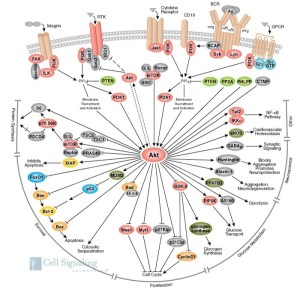
PI3K/AKT cellular signaling pathway (Photo: Cell Signaling Technology(R))

In 2004 and 2005, multiple researchers identified mutations in the PIK3CA  gene with respect to multiple cancers.[1]  The PIK3CA gene encodes the PI3K catalytic subunit p110α. PI3K (phosphoinositide 3- kinase) proteins have been identified in crucial signaling pathways of ovarian cancer cells. PI3Ks are also part of the PI3K-AKT-mTOR signaling pathway which promotes cellular glucose metabolism, proliferation, growth, survival, and invasion and metastasis in many cancers. PIK3CA gene mutations can increase PI3K signaling, thereby activating the PI3K-AKT-mTOR pathway within cancer cells.

As of this writing, there are several PI3K signaling pathway targeting drugs in clinical development for use against ovarian cancer and solid tumors, including GDC-0941, BEZ235, SF1126, XL-147, XL-765, BGT226, and PX-866. [2]  The results of two recent medical studies suggest that the use of PI3K-targeted therapies may offer an effective therapeutic approach for patients with advanced-stage and recurrent ovarian cancer, including a generally chemotherapy-resistant histological subtype of epithelial ovarian cancer known as “ovarian clear cell cancer” (OCCC).  The targeting of the PI3K pathway in endometrial, ovarian, and breast cancer is also being investigated by a Stand Up To CancerDream Team.”

Frequent Mutation of PIK3CA Gene In Recurrent & Advanced Clear Cell Ovarian Cancer

OCCC is one of the five major subtypes of epithelial ovarian cancer. OCCC accounts for only 4% to 12% of epithelial ovarian cancer in Western countries and, for unknown reasons, it comprises more than 20% of such cancers in Japan [3,4,5]. OCCC possesses unique clinical features such as a high incidence of stage I disease, a large pelvic mass, an increased incidence of venous thromboembolic complications, and hypercalcemia. It is frequently associated with endometriosis.  Compared to serous ovarian cancer, OCCC is relatively resistant to conventional platinum and taxane-based chemotherapy. For these reasons, new effective therapies are desperately needed for OCCC.

Researchers from Johns Hopkins and the University of California, Los Angeles (UCLA) analyzed 97 OCCC tumors for genetic sequence mutations in KRAS (v-Ki-ras2 Kirsten rat sarcoma viral oncogene homolog), BRAF (v-raf murine sarcoma viral oncogene homolog B1), PIK3CA (phosphoinositide-3-kinase, catalytic, alpha polypeptide), TP53 (tumor protein p53), PTEN (phosphatase and tensin homolog), and CTNNB1 (Catenin, Beta-1) as these mutations frequently occur in other major types of ovarian cancers.[6] The samples tested included the following:

  • 18 OCCCs for which affinity-purified tumor cells from fresh specimens were available;
  • 10 OCCC tumor cell lines.

Upon test completion, the researchers discovered that sequence mutations of PIK3CA, TP53, KRAS, PTEN, CTNNB1, and BRAF occurred in 33%, 15%, 7%, 5%, 3%, and 1% of OCCC cases, respectively.
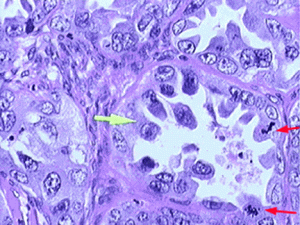
Clear cell carcinoma of the ovary (Photo: Geneva Foundation For Medical Education & Research)

The sequence analysis of the 18 affinity purified OCCC tumors and the 10 OCCC cell lines showed a PIK3CA mutation frequency of 46%. Based upon these findings the researchers concluded that the use of PIK3CA-targeting drugs may offer a more effective therapeutic approach compared with current chemotherapeutic agents for patients with advanced-stage and recurrent OCCC. As noted above, there are several PI3K-targeting drugs in clinical development for use against ovarian cancer and solid tumors.[2]

Notably, one of the researchers involved with this OCCC study is Dennis J. Slamon, M.D., Ph.D. Dr. Slamon serves as the Director of Clinical/Translational Research, and as Director of the Revlon/UCLA Women’s Cancer Research Program at the Jonsson Comprehensive Cancer Center. Dr. Slamon is also a professor of medicine, chief of the Division of Hematology/Oncology and Executive Vice Chair of Research for UCLA’s Department of Medicine. Dr. Slamon is a co-discoverer of the breast cancer drug Herceptin®. Herceptin is a monoclonal antibody targeted therapy used against HER-2 breast cancer, an aggressive breast cancer subtype that affects 20% to 30% of women with the disease. Herceptin’s development was based, in part, upon the unique genetic profile of HER-2 breast cancer as compared to other forms of breast cancer. Herceptin® revolutionized the treatment of HER-2 postive breast cancer and is recognized worldwide as the standard of care for that subtype of breast cancer.  The approach taken by Johns Hopkins and UCLA researchers in this study — the identification of  a subtype within a specific form of cancer that may be susceptible to a targeted therapy —  bears a striking similarity to the overarching approach taken in the development of Herceptin®.

Ovarian Cancer & Other Solid Tumors With PIK3CA Gene Mutations Respond To PI3K-AKT-mTOR Pathway Inhibitors In Phase I Clinical Testing.

Testing patients with cancer for PIK3CA gene mutations is feasible and may allow targeted treatment of the PI3K-AKT-mTOR cellular signaling pathway, according to the results of a University of  Texas, M.D. Anderson Cancer Center study presented on November 17, 2009 at the 2009 AACR (American Association for Cancer Research)-NCI (National Cancer Institute)-EORTC (European Organization For Research & Treatment of Cancer) International Conference on Molecular Targets and Cancer Therapeutics.[7]
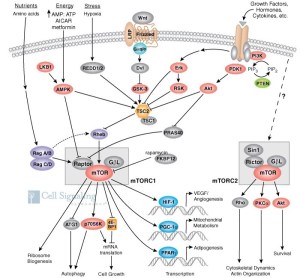
mTOR cellular signaling pathway (Photo: Cell Signaling Technology(R))

Filip Janku, M.D., Ph.D, a clinical research fellow with the M.D. Anderson Cancer Center’s department of investigational cancer therapeutics, and colleagues conducted a mutational analysis of exon 9 and exon 20 of the PI3KCA gene using DNA from the tumors of patients referred to targeted therapy clinical trials. Patients with PIK3CA mutations were preferably treated whenever possible with regimens utilizing PI3K-AKT-mTOR signaling pathway inhibitors.

As part of this study 117 tumor samples were analyzed. PIK3CA mutations were detected in 14 (12%) patients.  In tumor types with more than 5 patients tested, PIK3CA mutations were identified in endometrial cancer (43%, 3 out of 7 patients), ovarian cancer (22%, 5 out of 23 patients), squamous head and neck cancer (14%, 1 out of 7 patients), breast cancer (18%, 2 out of 11 patients), and colon cancer (15%, 2 out of 13 patients). No mutations were identified in patients with melanoma or cervical cancer.

Of the 14 patients found to possess PIK3CA mutations, 10 were treated based upon a clinical trial protocol that included a drug targeting the PI3K-AKT-mTOR pathway.  A partial response to treatment was experienced by 4 (40%) patients. Although the total number of patients is small, there were 2 (67%) patient responses in 3 endometrial cancer cases, 1 (25%) patient response in 4 ovarian cancer cases, 1 (100%) patient response in 1 breast cancer, and no patient response in 1 colorectal cancer case.  Although the total number of study patients is small, the researchers conclude that the response rate appears high (40%) in tumors with PIK3CA mutations treated with PI3K-AKT-mTOR pathway inhibitors.

“The implications of this study are twofold,” said Dr. Janku.  “We demonstrated that PIK3CA testing is feasible and may contribute to the decision-making process when offering a patient a clinical trial. Although this study suffers from low numbers, the response rate observed in patients treated with inhibitors of PI3K/AKT/mTOR pathway based on their mutational status was well above what we usually see in phase-1 clinical trials.”  “These results are intriguing but at this point should be interpreted with caution,” said Janku. “The promising response rate needs to be confirmed in larger groups of patients. We expect to learn more as this project continues to offer PIK3CA screening to patients considering a phase-1 clinical trial.”

Stand Up 2 Cancer Dream Team: Targeting the PI3K Pathway in Women’s Cancers

The potential importance of the PI3K pathway in the treatment of ovarian cancer is emphasized by the two medical studies above.  This issue is also receiving considerable attention from one of the Stand Up 2 Cancer (SU2C) “Dream Teams,” which is going to evalute  the potential for targeting the PI3K pathway in women’s cancer.  SU2C assigned $15 million of cancer research funding to this critical issue.  The scientists involved in this SU2C Dream Team are the pioneers who discovered the PI3K pathway and validated its role in human cancers, and they will focus on breast, ovarian and endometrial cancers, all of which possess the PI3K mutation.

The leader and co-leaders of the PI3K pathway SU2C team are set forth below.

Leader:

Lewis C. Cantley, Ph.D., Director, Cancer Center at Beth Israel Deaconess Medical Center.

Co-Leaders:

Charles L. Sawyers, M.D., Director, Human Oncology and Pathogenesis Program, Memorial Sloan-Kettering Cancer Center.

Gordon B. Mills, M.D., Ph.D., Chair, Department of Systems Biology, University of Texas, M.D. Anderson Cancer Center.

The specific SU2C Dream Team research goal with respect to targeting the PI3K pathway in women’s cancers is stated as follows:

The PI3K pathway is mutated in more cancer patients than any other, and these mutations are the most frequent events in women’s cancers, making it an attractive molecular target for agents that inhibit these genetic aberrations. If successful, this project will allow clinicians to use biomarkers and imaging techniques to predict which patients will benefit from PI3K pathway inhibitors and lead to the development of therapeutic combinations that will hit multiple targets in the complex pathways that contribute to cancer cell growth.  This work will help assure that these therapies are given to patients who will benefit from them, and it will also increase the overall pace of clinical trials targeting PI3K inhibitors.

Based upon the two studies discussed, and the creation and funding of the SU2C Dream Team for the purpose of targeting the PI3K pathway in women’s cancer, the future holds great promise in the battle against ovarian cancer (including OCCC).  It is our hope that more clinical study investigators will offer PI3K pathway mutation screening to all ovarian cancer patient volunteers.  Libby’s H*O*P*E*™ will continue to monitor the clinical development of PI3K pathway inhibitors, and make our readers aware of all future developments.

________________________________

References:

1/Yuan TL, Cantley LC. PI3K pathway alterations in cancer: variations on a theme. Oncogene. 2008 Sep 18;27(41):5497-510. PubMed PMID: 18794884
Samuels Y, Ericson K. Oncogenic PI3K and its role in cancer. Curr Opin Oncol. 2006 Jan;18(1):77-82. PubMed PMID: 16357568.
Levine DA, Bogomolniy F, Yee CJ, et. al. Frequent mutation of the PIK3CA gene in ovarian and breast cancers. Clin Cancer Res. 2005 Apr 15;11(8):2875-8. PubMed PMID: 15837735.
Samuels Y, Wang Z, Bardelli A, et. al. High frequency of mutations of the PIK3CA gene in human cancers. Science. 2004 Apr 23;304(5670):554. Epub 2004 Mar 11. PubMed PMID: 15016963.

2/For open ovarian cancer clinical trials using a PI3K-targeted therapy; CLICK HERE; For open solid tumor clinical trials using a PI3K-targeted therapy, CLICK HERE.

3/ Itamochi H, Kigawa J & Terakawa N.  Mechanisms of chemoresistance and poor prognosis in ovarian clear cell carcinoma. Can Sci 2008 Apr;99(4):653-658. [PDF Document]

4/Schwartz DR, Kardia SL, Shedden KA, et. alGene Expression in Ovarian Cancer Reflects Both Morphology and Biological Behavior, Distinguishing Clear Cell from Other Poor-Prognosis Ovarian CarcinomasCan Res 2002 Aug; 62, 4722-4729.

5/Sugiyama T & Fujiwara K.  Clear Cell Tumors of the Ovary – Rare Subtype of Ovarian Cancer, Gynecologic Cancer, American Society of Clinical Oncology (ASCO) Educational Book, 2007 ASCO Annual Meeting, June 2, 2007 (Microsoft Powerpoint presentation).

6/Kuo KT, Mao TL, Jones S, et. al. Frequent Activating Mutations of PIK3CA in Ovarian Clear Cell Carcinoma. Am J Pathol. 2009 Apr 6. [Epub ahead of print]

7/Janku F, Garrido-Laguna I, Hong D.S.  PIK3CA mutations in patients with advanced cancers treated in phase I clinical trials, Abstract #B134, Molecular Classification of Tumors, Poster Session B, 2009 AACR-NCI-EORTC Molecular Targets and Cancer Therapeutics Conference. [PDF Document].


Æterna Zentaris’ LHRH-Receptor Targeted Therapy AEZS-108 Produces Positive Preliminary Results in Advanced Stage Ovarian Cancer

Preliminary Phase II clinical study evaluation shows that primary efficacy endpoint has been met for patients with advanced-stage, platinum-resistant, taxane-pretreated ovarian cancer who were treated with the targeted therapy AEZS-108.

Æterna Zentaris Inc. , a global biopharmaceutical company focused on endocrine therapy and oncology, today announced positive efficacy data from a Phase II study with its targeted therapy AEZS-108 (formerly AN-152 or ZEN-008), in patients with platinumresistant, taxane-pretreated ovarian cancer. In a personalized healthcare approach, the study selected patients with tumors expressing luteinizing hormone-releasing hormone (LHRH) receptors, the key element in the targeting mechanism of AEZS-108. Under coordination by Prof. Günter Emons, MD, Chairman of the Department of Obstetrics & Gynaecology at the University of Göttingen, Germany, this open-label, multi-center and multi-national Phase II study (AGO-GYN 5) is being conducted by the German AGO Study Group (Arbeitsgemeinschaft Gynäkologische Onkologie / Gynaecological Oncology Working Group; www.ago-ovar.de), in cooperation with clinical sites in Europe.

Preliminary Phase II Clinical Study Results

Juergen Engel, Ph.D., President & CEO, AEterna Zentaris

Juergen Engel, Ph.D., President & Chief Executive Officer, Æterna Zentaris Inc. (Photo: AEterna Zentaris Inc.)

All 43 patients with LHRH-receptor positive ovarian cancer who entered study AGO-GYN 5 have completed their study treatment. A preliminary evaluation shows that the study met its primary efficacy endpoint of 5 or more responders in 41 evaluable patients.

Responders, as well as patients with stable disease after completion of treatment with AEZS 108, will now be followed to assess the duration of progression-free survival and, ultimately, overall survival. More detailed analyses, which will also include efficacy data from post-treatment follow-up of the ovarian cancer patients, are currently in preparation and will be presented at forthcoming scientific conferences.

Juergen Engel, Ph.D., Æterna Zentaris President and Chief Executive Officer stated, “We are pleased with the progress of this project. The successful completion of the recruitment and treatment phase and the apparent activity in this difficult group of cancer patients is encouraging. This is the basis we were looking for, in order to take the next steps in the further development of AEZS 108 in gynecological cancers and possibly also in prostate cancer.”

About the AEZS-108 Phase II Clinical Study

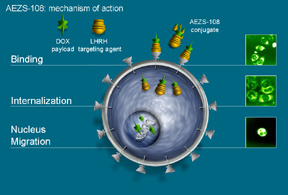
AEZS-108 represents a new targeting concept in oncology using a cytotoxic peptide conjugate which is a hybrid molecule composed of a synthetic peptide carrier and a well-known cytotoxic agent, doxorubicin. The design of this product allows for the specific binding and selective uptake of the cytotoxic conjugate by LHRH-receptor-positive tumors. The binding of AEZS-108 to cancerous cells that express these receptors results in its accumulation and preferential uptake in the malignant tissue.

In a Phase II study program entitled, “The antitumoral activity and safety of AEZS 108 (AN 152), a LHRH agonist linked doxorubicin in women with LHRH-receptor positive gynecological tumors“, patients with tumors expressing LHRH receptors are administered an intravenous infusion of 267 mg/m2 of AEZS 108 over a period of 2 hours, every Day 1 of a 21-day (3-week) cycle. The proposed duration of the study treatment is 6, 3-week cycles. Study AGO GYN 5 is performed with 14 centers of the German Gynecological Oncology Working Group (AGO; www.ago-ovar.de), in cooperation with 3 clinical sites in Europe.

The program was designed to include up to 82 patients; approximately 41 with a diagnosis of platinum-resistant, taxane-pretreated ovarian cancer, and 41 with disseminated endometrial cancer. For both indications, patient recruitment was planned in 2 stages with 21 and 20 patients, respectively, and the primary efficacy endpoint at the end of stage 2 was defined as 5 or more patients with partial or complete tumor responses according to Response Evaluation Criteria in Solid Tumors (RECIST) and/or Gynecologic Cancer Intergroup (GCIG) guidelines. Secondary endpoints include time to progression, survival, toxicity, as well as adverse effects.

Prior Phase I Clinical Trial Results

On June 3, 2007 positive results of an open, multi-center, sequential group, dose-escalation Phase I study in various gynecological cancers were presented at the American Society of Clinical Oncology’s (ASCO) Annual Meeting in Chicago, Illinois. Seventeen (17) patients with LHRH-receptor positive gynecological cancers were recruited. AEZS-108 was administered by intravenous infusion over two hours at dosages of 10, 20, 40, 80,160 and 267 mg/m2. At 160 mg/m2, six patients had a total of 32 cycles and at 267 mg/m2, seven patients had a total of 27 cycles. Most of the patients had been pretreated with various chemotherapies.

The study showed that AEZS-108 was well tolerated by patients with gynecological tumors. Furthermore, AEZS-108 is the first drug in a clinical study that targets the cytotoxic activity of doxorubicin specifically to LHRH-receptor expressing tumors. Finally, signs of anti-tumor activity were observed in seven out of 13 patients treated with 160 or 267 mg/m2 of AEZS 108, including three patients with complete or partial response

About AEZS-108

AEZS-108 Mechanism of Action

AEZS-108 Mechanism of Action (Photo: AEterna Zentaris Inc.)

AEZS-108 is a targeted cytotoxic peptide conjugate which is a hybrid molecule composed of a synthetic peptide carrier and a well-known cytotoxic agent, doxorubicin. The design of this product allows for the specific binding and selective uptake of the cytotoxic conjugate by LHRH-receptor-positive tumors. The binding of AEZS-108 to cancerous cells that express these receptors results in its accumulation in the malignant tissue. This binding is followed by internalization and retention of the cytotoxic drug, doxorubicin, in the cells. Therefore, since they target specific cells, cytotoxic conjugates are postulated to be less toxic, have less side-effects and are more effective in vivo than the respective non-conjugated/non-linked cytotoxic agents in inhibiting tumor growth.

About Ovarian and Endometrial Cancer

Ovarian cancer is one of the most common gynecologic malignancies and the fifth most frequent cause of cancer death in women, with most of the cases occurring in women between 50 and 75 years of age. Overall, ovarian cancer accounts for 4% of all cancer diagnoses in women and 5% of all cancer deaths. Approximately 26,000 new cases and 17,000 deaths from this disease are estimated in the European community every year (Source: Gynecologic Oncology, Volume 92, Issue 3, March 2004, Pages 819-826).

Cancer of the endometrium is the most common gynecologic malignancy and accounts for 6% of all cancers in women. The majority of the cases occur in postmenopausal women, with the largest number of women developing their cancers during their sixth decade. Approximately 38,000 new cases and 9,000 deaths from this disease are estimated annually in Europe (Source: Annals of Oncology 15:1149-1150, 2004).

About Æterna Zentaris Inc.

Æterna Zentaris Inc. is a global biopharmaceutical company focused on endocrine therapy and oncology, with proven expertise in drug discovery, development and commercialization. News releases and additional information are available at www.aezsinc.com.

Sources:

Endocyte’s EC145 Produces Significant Anti-Tumor Activity In Advanced Stage Chemoresistant Ovarian Cancer Patients

Endocyte, Inc., … presented data from a Phase 2a clinical trial for EC145, … In 49 women with advanced-stage ovarian cancer, EC145 was shown to have anti-tumor activity in a significant percentage of participants in the trial. …[T]he overall disease control rate, defined as stable disease, partial or complete response to therapy, was 40.8 percent (20 of 49). … In the subgroup of patients who were EC20 “positive” and who had failed four or fewer prior therapies, the disease control rate was 75 percent (9 of 12) and two patients exhibited a RECIST partial response. …

EC20 Imaging Results

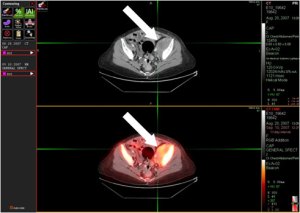
Companion diagnostic images of ovarian cancer patients using folate-receptor targeted imaging agent (EC20-Tc99m). Patient on the top shows no targeting to tumor (negative profile). Patient on the bottom shows targeting to tumor (positive profile)(Photo: Endocyte, Inc.)

Endocyte, Inc., a cancer drug discovery and development company, presented data from a Phase 2a clinical trial for EC145, currently in development as a potential treatment for advanced ovarian cancer. Results were presented at the European Society of Gynaecologic Oncology (ESGO) meeting in Belgrade, Serbia last week. In 49 women with advanced-stage ovarian cancer, EC145 was shown to have anti-tumor activity in a significant percentage of participants in the trial.

The study participants had disease that was highly resistant to standard chemotherapy. Subjects had a median of four prior exposures to chemotherapy (with a range of 1 to 14), and 88 percent were diagnosed with “bulky disease,” defined as having a tumor volume of greater than five centimeters in diameter. However, in spite of this, the overall disease control rate, defined as stable disease, partial or complete response to therapy, was 40.8 percent (20 of 49).

Prior to the start of treatment with EC145, the women were scanned with 99mTc-EC20 [EC20], a molecular imaging agent that binds to folate receptors (FR) and is being developed by Endocyte as a companion diagnostic tool to identify patients whose tumors express FR, the molecular target for the EC145 therapy. When scanned with EC20, 76 percent of patients were found to be folate-receptor “positive.” In the subgroup of patients who were EC20 “positive” and who had failed four or fewer prior therapies, the disease control rate was 75 percent (9 of 12) and two patients exhibited a RECIST partial response. Across all patients, the drug was well tolerated with no grade 4 toxicities. The most common grade 3 toxicity was fatigue (8.2 percent).

According to Dr. Richard Messmann, Endocyte’s VP for medical affairs, “These preliminary results provide significant additional support for Endocyte’s technology platform and for the important role that Endocyte’s co-development of targeted therapeutics and companion diagnostics can play in cancer drug discovery. Based upon these promising results, EC145 is now being evaluated in our Phase 2b PRECEDENT study, an international randomized study of EC145 in combination with Doxil®/Caelyx® versus Doxil®/Caelyx® alone in women with platinumresistant ovarian cancer.”

About Endocyte

EC145 PRECEDENT Clinical TrialEndocyte is a privately held biotechnology company with headquarters in the Purdue Research Park of West Lafayette, IN. Based on the applications of Endocyte’s advanced proprietary Drug Guidance System (DGS), the company is working to develop new drugs and diagnostic agents to treat many types of cancer and other serious diseases. The DGS platform makes it possible to use highly potent drugs on extended and frequent dosing schedules and in combination with other drugs to maximize efficacy. The technology improves drug targeting and reduces the risk of side effects by combining drugs with ligands that are able to identify and attach to receptors found on tumor and other disease cells. Endocyte’s clinical development of EC20 and EC145 is progressing with the recent completion of accrual for the Phase 2a trials in advanced ovarian and lung cancer. EC20 and EC145 are now being studied in an international Phase 2b trial of EC145 in combination with Doxil® for the treatment of women with platinum resistant ovarian cancer. Other clinical-stage products in the Endocyte pipeline include EC0225, a targeted combination of two potent anticancer drugs; BMS753493, a potent drug being developed in partnership with Bristol-Myers Squibb; EC0489, a targeted cancer drug; and EC17, a targeted immunotherapy agent. The company also has multiple product candidates in pre-clinical stage of development.

Information about the PRECEDENT study can be found at http://clinicaltrials.gov/ct2/show/NCT00722592.

Sources:

FDA Issues Final Rules to Help Patients Gain Access to Investigational Drugs

The U.S. Food and Drug Administration (FDA) published two rules [on August 12, 2009] …that seek to clarify the methods available to seriously ill patients interested in gaining access to investigational drugs and biologics when they are not eligible to participate in a clinical trial and don’t have other satisfactory treatment options.

U.S. Food & Drug Administration

U.S. Food & Drug Administration

The U.S. Food and Drug Administration (FDA) published two rules [on August 12, 2009] …that seek to clarify the methods available to seriously ill

Margaret Hamburg, M.D., Comissioner of Food & Drugs, U.S. Food & Drug Administration

Margaret A. Hamburg, M.D., Commissioner of Food & Drugs, U.S. Food & Drug Administration

patients interested in gaining access to investigational drugs and biologics when they are not eligible to participate in a clinical trial and don’t have other satisfactory treatment options.

To support the effort to help these patients, the agency also is launching a new Web site where patients and their health care professionals can learn about options for investigational drugs. In general, these options include being treated with a drug that has been approved by FDA, being given an investigational drug as part of a clinical trial, or obtaining access to an investigational drug outside of a clinical trial.

The new rule, “Expanded Access to Investigational Drugs for Treatment Use,” makes investigational drugs more widely available to patients by clarifying procedures and standards. The other rule, “Charging for Investigational Drugs Under an Investigational New Drug Application,” clarifies the specific circumstances and the types of costs for which a manufacturer can charge patients for an investigational drug when used as part of a clinical trial or when used outside the scope of a clinical trial.

“With these initiatives, patients will have the information they need to help them decide whether to seek investigational products,” said Margaret A. Hamburg, M.D., Commissioner of Food and Drugs. “For patients seeking expanded access to investigational drugs and biologics, the new rules make the process easier to understand.”

Clinical trials are studies of drugs and biologics that are still in development and have not yet been approved by the FDA. Many patients enroll in clinical trials to gain access to investigational therapies and contribute to finding out how well an investigational therapy works, and how safe it is for patients. Obtaining a drug or biologic under an expanded access program may be an option for some patients who are not able to enroll in clinical trials.

The FDA has allowed expanded access to experimental drugs and biologics since the 1970s. That access has allowed tens of thousands of patients with HIV/AIDS, cancer, and other conditions to receive promising therapies when no approved alternative is available.

“The final rules balance access to promising new therapies against the need to protect patient safety and seek to ensure that expanded access does not discourage participation in clinical trials or otherwise interfere with the drug development process,” said Janet Woodcock, M.D., director of the FDA’s Center for Drug Evaluation and Research. “Clinical trials are the most important part of the drug development process in determining whether new drugs are safe and effective, and how to best use them.”

Source: FDA Issues Final Rules to Help Patients Gain Access to Investigational Drugs, FDA News Release, News & Events, U.S. Food & Drug Administration, 12 Aug. 09.

Additional Information:

UPCI Launches Clinical Trial for Patients with Hereditary Breast and Ovarian Cancers

“The University of Pittsburgh Cancer Institute (UPCI) will be the primary site for a clinical trial of ABT-888, a drug previously proven in combination treatments to improve chemotherapy’s effectiveness by lowering cancer cells’ resistance to treatment. This trial will, for the first time, examine ABT-888 as a single agent for patients with cancers related to BRCA 1 or 2 genetic mutations, which predispose patients to breast and ovarian cancers. …”

Continue reading

FDA Grants Paclical “Orphan Drug” Designation

“Oasmia Pharmaceutical, Uppsala, Sweden, has been granted Orphan Drug designation by the USA FDA of Paclical® for the treatment of ovarian cancer. Orphan Drug designation can entail additional assistance from FDA to expedite and optimize drug development and upon approval a seven year market exclusivity is granted. …”

“Oasmia: FDA grants Paclical® Orphan Drug Designation for ovarian cancer in the USA

Julian Aleksov, CEO, Oasmia Pharmaceutical AB

Julian Aleksov, CEO, Oasmia Pharmaceutical AB

Oasmia Pharmaceutical, Uppsala, Sweden, has been granted Orphan Drug designation by the USA FDA of Paclical® for the treatment of ovarian cancer. Orphan Drug designation can entail additional assistance from FDA to expedite and optimize drug development and upon approval a seven year market exclusivity is granted.

Orphan drug designation is intended to support the clinical development of new drugs in diseases affecting less than 200,000 people. This provides Oasmia with seven year market exclusivity on the indication when the pharmaceutical is approved. There is no direct generic competition during the period and FDA often provides technical and financial assistance to expedite and optimize drug development.

The designation is based on the hypothesis that Paclitaxel is safer than Taxol®. Oasmia Pharmaceutical is conducting a Phase III study comparing the use of Paclical to Taxol® in patients with ovarian cancer. A safety objective is to show the superiority of hypersensitivity reactions.

This designation shows that the FDA has a great confidence in the company and our product. The United States is one of the most important markets for Paclical®. This decision improves the possibilities for the product, says Julian Aleksov, CEO of Oasmia in a comment.

About Ovarian Cancer
Ovarian cancer is a disease with few and unspecific symptoms at its early stages, and is difficult to detect. The numbers of patients that are diagnosed are increasing on a yearly basis. Ovarian cancer is most often diagnosed in women over 50 years of age, but younger women are also affected. The annual incidence of new diagnosed cases is approximately 125,000 women in EU [European Union] alone. In the USA ovarian cancer accounts for 3 % of all cancer cases and is the fifth leading cause of cancer related deaths in the US.

About Paclical®
With the retinoid based unique platform XR-17, Oasmia has managed to produce a water soluble formulation of Paclitaxel (Paclical®), that does not require premedication and without the severe Cremophor® EL related side effects. The main indication is ovarian cancer. Other planned indications are malignant melanoma and lung cancer (NSCLC).

About Oasmia
Oasmia Pharmaceutical AB develops second and third generation cancer drugs based on nanotechnology for human and veterinary use. The broad portfolio is focused on oncology and contains several promising products in clinical and pre-clinical phase. Oasmia cooperates with leading universities and other biotech companies to discover and optimize substances with a favourable safety profile and better efficacy. The company was founded in 1998 and is based in Uppsala, Sweden. …”

Source: Oasmia: FDA grants Paclical® Orphan Drug Designation for ovarian cancer in the USA, Oasmia Pharmaceutical AB, April 14, 2009.

CNTO 328 Shows Promise For Ovarian Cancer In Small Clinical Trial, Say U.K. Scientists.

British scientists have developed and clinically tested a drug that could prolong the lives of ovarian cancer patients. A clinical trial of the drug, codenamed CNTO328, has been carried out at the Centre for Experimental Cancer Medicine, which is part of Barts and the London School of Medicine and Dentistry. … The drug is an antibody which works by targeting a molecule called Interleukin 6, which is made by cancer cells and is vital to help them multiply, spread and develop their own blood supply. … “At the end of the trial, eight of the women were either stable or getting better. Their cancer had stopped growing. That doesn’t sound great, but in ovarian cancer that’s pretty good because [without the drug] the disease would have progressed in all of them,” said McNeish.

British scientists have developed and clinically tested a drug that could prolong the lives of ovarian cancer patients.  A clinical trial of the drug, codenamed CNTO328, has been carried out at the Centre for Experimental Cancer Medicine, which is part of Barts and the London School of Medicine and Dentistry.

Eight of the 18 women enrolled in the trial experienced tumor stabilization or shrinkage.  The investigators noted that the percentage of women who received clinical benefit from CNTO328 is an unusually high proportion for an experimental cancer drug study. Typically only between 5%  and 20% of participants secure any benefit from taking untried treatments, according to the investigators.

Iain McNeish, MA, Ph.D., MRCP, Professor of Gynecological Oncology, Honorary Consultant in Medical Oncology,  Deputy Director Centre for Experimental Cancer Medicine Centre for Molecular Oncology & Imaging, Barts and the London School of Medicine & Denistry

Iain McNeish, MA, Ph.D., MRCP, Professor of Gynecological Oncology, Honorary Consultant in Medical Oncology, Deputy Director Centre for Experimental Cancer Medicine Centre for Molecular Oncology & Imaging, Barts and the London School of Medicine & Denistry, London, United Kingdom

Professor Iain McNeish, a professor of gynaecological oncology at Barts hospital in London and chief investigator of the trial, said: “We have taken the drug from the laboratory into patients and the results are promising.  The hope with this group of patients was to slow down the progress of their ovarian cancer, improve the quality of their life and possibly make them live longer. We have been quite successful in doing that. If this becomes a treatment, this is a whole new approach to treating ovarian cancer.”

The drug is an antibody which works by targeting a molecule called Interleukin 6, which is made by cancer cells and is vital to help them multiply, spread and develop their own blood supply.  Interleukin 6 is found in many cancers but plays a key role in ovarian cancer’s movement into the abdomen. The antibody binds to the Interleukin 6, blocks its progress by ensuring that it cannot bind itself to the cancer cells to assist their growth and thus renders it harmless.

McNeish hopes that, if further trials confirm the drug’s potential, it could prove as effective in tackling ovarian cancer as Herceptin has been in breast cancer. CNTO328 works in a similar way to Herceptin, which has revolutionized breast cancer treatment in recent years. “The dream scenario is that a combination of the existing chemotherapy drugs and this type of antibody will be a big breakthrough and open up a new avenue for the treatment of ovarian cancer”, said McNeish.

The new drug is the result of a collaboration between Professor Fran Balkwill, an expert in cancer and inflammation at the Institute of Cancer, Barts and the London School of Medicine and Denistry, and a Dutch biotech company called Centocor, which is now owned by Johnson & Johnson.

Eighteen women with the disease from north-east London and Essex joined the trial which began in late 2007.  All 18 were expected to live for less than a year when they began receiving the drug because their cancer had returned after undergoing several courses of chemotherapy.  Ten women died but the health of eight women improved. Seven of those eight women are still alive.  “At the end of the trial, eight of the women were either stable or getting better. Their cancer had stopped growing. That doesn’t sound great, but in ovarian cancer that’s pretty good because [without the drug] the disease would have progressed in all of them,” said McNeish.

Annwen Jones, chief executive of the UK charity Target Ovarian Cancer, said there were too few drugs available to treat ovarian cancer because of a lack of research. “This early stage trial certainly shows promise, because it appears that the growth of tumors has been slowed down in a good proportion of the patients who took part in the study,” said Jones. “Women being treated for ovarian cancer could be forgiven for despair, particularly when they grow resistant to chemotherapy and there are no drugs that can get them over this hurdle. Research projects like this are vital if we are to develop desperately needed new treatments,” she said.

Primary Sources:

Additional Resources:

PhRMA Report Shows Record Number of Development Drugs to Treat Cancer; 63 Ovarian Cancer & 203 Solid Tumor Drugs Listed

“Responding to President Obama’s call for ‘a cure for cancer in our time,’ the Pharmaceutical Research and Manufacturers of America (PhRMA) delivered a new report today on medicines in the research pipeline for cancer. The report shows that America’s pharmaceutical research and biotechnology companies are testing a record 861 new cancer medicines and vaccines. The medicines listed in the report are being tested in human clinical trials or are awaiting approval by the U.S. Food and Drug Administration. [Libby’s H*O*P*E*™ : 63 Ovarian Cancer Drugs & 203 Solid Tumor Drugs are listed in the 2009 PhRMA report (pp. 51 – 55)]. …”

“New Report Shows Record Number of Medicines In Development to Treat Leading Causes of Cancer

phrmalogoDenver, CO (April 1, 2009) – Responding to President Obama’s call for ‘a cure for cancer in our time,’ the Pharmaceutical Research and Manufacturers of America (PhRMA) delivered a new report today on medicines in the research pipeline for cancer. The report shows that America’s pharmaceutical research and biotechnology companies are testing a record 861 new cancer medicines and vaccines. The medicines listed in the report are being tested in human clinical trials or are awaiting approval by the U.S. Food and Drug Administration. [Libby’s H*O*P*E*™ Note: 63 Ovarian Cancer Drugs & 203 Solid Tumor Drugs are listed in the 2009 PhRMA report (pp. 51-55)].

Nationwide, cancer is the second leading cause of death, affecting more than 10 million Americans, according to the National Cancer Institute. This year, more than half a million Americans are expected to die of cancer-more than 1,500 a day. In Colorado, the lifetime risk of cancer is 1 in 2 for males and 2 in 5 for females. The most commonly diagnosed cancer in the state is breast cancer, followed by prostate and lung cancer.

‘We released this report in Denver because of Colorado’s growing role in developing cancer medicines,’ said PhRMA Senior Vice President Ken Johnson, who unveiled the report at the State Capitol Building.

‘Oncology is one of Colorado’s core research competencies, so the President’s call to cure cancer resonates powerfully in our state,’ said Colorado Lt. Governor Barbara O’Brien. ‘We are proud that the cancer medicines now in the research pipeline in Colorado are contributing substantially to the incredible progress made in the last five years by biopharmaceutical companies in developing new and more effective cancer treatments. The nation must continue its strong commitment to the cutting-edge pharmaceutical research that will enable cancer patients to live longer, healthier, and more productive lives.’

billytauzin

Billy Tauzin, President and Chief Executive Officer, The Pharmaceutical Research and Manufacturers of America (PhRMA). PhRMA's mission is to conduct effective advocacy for public policies that encourage discovery of important new medicines for patients by pharmaceutical & biotechnology research companies.

‘I am one of those patients who was diagnosed with cancer and was given a new treatment that brought me from the brink of death back to life,’ says PhRMA President and CEO Billy Tauzin. ‘The men and women working for America’s pharmaceutical research companies are committed to developing new cancer medicines that, one day, could eradicate cancer all together.’

Cancer medicines being developed include 122 for lung cancer, the leading cause of cancer death in the United States; 107 for breast cancer, which is expected to strike more than 180,000 American women this year; 70 for colorectal cancer, which is the third most common cancer in both men and women; and 103 for prostate cancer, which this year is expected to kill 28,000 American men. Additional medicines target brain cancer, kidney cancer, ovarian cancer, pancreatic cancer, skin cancer, and others.

The medicines represent many cutting-edge approaches, including a drug that delivers a synthetic version of a substance derived from scorpions directly to brain tumor cells; a number of cancer vaccines; medicines that target and kill specific cancer cells; and treatments that activate the patient’s general immune system to destroy cancer.

‘Researchers are making exciting progress in the search for new cures and treatments for cancer. But these efforts are wasted if the medicines we develop aren’t accessible to patients who need them,’ said Johnson.

Help is available to patients in need through the Partnership for Prescription Assistance (PPA), a program sponsored by America’s pharmaceutical research companies. To date, the PPA has helped more than 5.7 million patients nationwide, including more than 72,000 people in Colorado. Since its launch in April 2005, the PPA bus tour has visited all 50 states and more than 2,500 cities to educate people about patient assistance programs.

The “Help is Here Express” is staffed by trained specialists able to quickly help uninsured and financially struggling patients access information on more than 475 patient assistance programs, including nearly 200 programs offered by pharmaceutical companies. When the “Help is Here Express” moves on, patients can visit PPA’s easy-to-use Web site (www.pparx.org) or call the toll-free phone number (1-888-4PPA-NOW).

Click here to read Medicines in Development for Cancer 2009. [Adobe Reader PDF Doc.]

Read the backgrounder fact sheet here.

______________________________________________________

Pharmaceutical Research & Manufacturers of America

The Pharmaceutical Research and Manufacturers of America (PhRMA) represents the country’s leading pharmaceutical research and biotechnology companies, which are devoted to inventing medicines that allow patients to live longer, healthier, and more productive lives. PhRMA companies are leading the way in the search for new cures. PhRMA members alone invested an estimated $50.3 billion in 2008 in discovering and developing new medicines. Industry-wide research and investment reached a record $65.2 billion in 2008.

PhRMA Internet Address: www.phrma.org

For information on stories of hope and survival, visit: http://sharingmiracles.com/

PhRMA en Español: www.nuestraphrma.org

For information on how innovative medicines save lives, visit: www.innovation.org

For information on the Partnership for Prescription Assistance, visit: www.pparx.org

For information on the danger of imported drugs, visit: www.buysafedrugs.info”

SourceNew Report Shows Record Number of Medicines In Development to Treat Leading Causes of Cancer, Press Release, Pharmaceutical Research and Manufacturers of America, April 1, 2009.

ProLindac Produces 66% Disease Stabilization In Heavily-Pretreated Patients Within Phase II Study High Dose Groups

“… ACCESS PHARMACEUTICALS, INC. … , announced today positive safety and efficacy results from its Phase 2 monotherapy clinical study of ProLindac(TM) in late-stage, heavily pretreated ovarian cancer patients. In this monotherapy study 66% of patients who received the highest dose achieved clinically meaningful disease stabilization according to RECIST [Response Evaluation Criteria in Solid Tumors] criteria. No patient in any dose group exhibited any signs of acute neurotoxicity, which is a major adverse side-effect of the approved DACH platinum, Eloxatin, and ProLindac was well tolerated overall. The maximum tolerated dose of ProLindac was established as well as the recommended dose levels for future combination studies. …”

66% of evaluable heavily-pretreated patients in the high dose groups achieved disease stabilization. ProLindac was well tolerated overall.

DALLAS, March 5 /PRNewswire-FirstCall/ — ACCESS PHARMACEUTICALS, INC. (OTCBB: ACCP), announced today positive safety and efficacy results from its Phase 2 monotherapy clinical study of ProLindac(TM) in late-stage, heavily pretreated ovarian cancer patients. In this monotherapy study 66% of patients who received the highest dose achieved clinically meaningful disease stabilization according to RECIST [Response Evaluation Criteria in Solid Tumors] criteria. No patient in any dose group exhibited any signs of acute neurotoxicity, which is a major adverse side-effect of the approved DACH platinum, Eloxatin, and ProLindac was well tolerated overall. The maximum tolerated dose of ProLindac was established as well as the recommended dose levels for future combination studies.

‘We are very pleased with these results. ProLindac was well tolerated in an absolute sense and relative to commercially-available platinum therapies. We saw significant DACH platinum activity and efficacy in patients at the highest dose levels which is very encouraging given that this study involved monotherapy in a heavily pretreated patient population that typically only respond to an aggressive drug combination,’ commented Dr. David Nowotnik, Access’ Senior Vice President R&D. ‘The DACH platinum activity level seen benchmarked favorably with published studies of monotherapy oxaliplatin in similar but less heavily pre-treated patient populations. Having achieved the recommended dose for future combination studies, we look forward to moving ahead in the clinic ourselves and with our regional partners.’

This 26 patient Phase 2 study explored 3 different dose levels and 2 dosing regimens of ProLindac as a monotherapy treatment for advanced ovarian cancer, to provide data on the monotherapy anticancer activity and safety of ProLindac. Of patients eligible for evaluation according to standard RECIST criteria, clinically-meaningful disease stabilization was achieved in 42% of all patients, and 66% of all patients in the higher dose groups. Sustained and significant reductions in Ca-125, the established specific serum marker for ovarian cancer, were also observed in several patients.

‘We are delighted that the results from this study support our belief that ProLindac is an active platinum agent with a favorable side effect profile,’ stated Jeffrey B. Davis, Access’ President & CEO. ‘These data provide us with a strong incentive to continue the clinical development of ProLindac. As previously announced, we are currently planning a number of combination trials, looking at combining ProLindac with other cancer agents, such as taxol and gemcitabine, in multiple solid tumor indications including colorectal and ovarian.’

Access has previously announced that it has licensed ProLindac to Jiangsu Aosaikang Pharmaceutical Co., Ltd. (“ASK”) for the Greater China Region and to JCOM, Ltd for South Korea. Under these agreements both of these partners will be conducting Phase 2 combination studies with ProLindac in specific tumor types at their expense based on these results. Access is currently in discussion with potential partners for development and commercialization of ProLindac in additional territories.

About ProLindac(TM):

ProLindac is a novel DACH platinum prodrug which has been shown to be active in a wide variety of solid tumors in both preclinical models and in human trials. Access believes that ProLindac’s unique molecular design potentially could eliminate some of the toxic side effects seen in the currently marketed DACH platinum, Eloxatin, which has sales in excess of $2 billion.

About Access:

Access Pharmaceuticals, Inc. is an emerging biopharmaceutical company that develops and commercializes propriety products for the treatment and supportive care of cancer patients. Access’ products include ProLindac(TM), currently in Phase 2 clinical testing of patients with ovarian cancer, and MuGard(TM) for the management of patients with mucositis. The company also has other advanced drug delivery technologies including Cobalamin(TM)-mediated targeted delivery and oral drug delivery, its proprietary nanopolymer delivery technology based on the natural vitamin B12 uptake mechanism; Angiolix(R), a humanized monoclonal antibody which acts as an anti-angiogenesis factor and is targeted to breast cancer; Prodrax(R), a non-toxic prodrug which is activated in the hypoxic zones of solid tumors to kill cancer cells; Alchemix, a chemotherapeutic agent that combines multiple modes of action to overcome drug resistance. Access is also developing Phenylbutyrate (“PB”), an HDAC inhibitor and differentiating agent currently a Phase 2 clinical candidate. Access recently announced the acquisition of MacroChem Corporation. This acquisition provides Access with three additional late-stage product candidates. Pexiganan, a novel topical anti-infective for the treatment of diabetic foot infection, has already completed two Phase 3 trials. EcoNail is a topically applied econazole lacquer based on Access’ proprietary SEPA polymer technology, for the treatment of onychomycosis, a condition commonly known as nail fungus. Thiarabine is a new generation nucleoside analog which has demonstrated both pre-clinical and clinical activity in certain cancers. For additional information on Access Pharmaceuticals, please visit our website at www.accesspharma.com.

This press release contains certain statements that are forward-looking within the meaning of Section 27a of the Securities Act of 1933, as amended, and that involve risks and uncertainties. These statements include those relating to: clinical trial plans and timelines and clinical results for ProLindac and product candidates acquired in the MacroChem transaction, our ability to execute licensing agreements in the future, Access’ plans to continue and initiate clinical trials, the value of its products in the market, its ability to achieve clinical and commercial success and its ability to successfully develop marketed products. These statements are subject to numerous risks, including but not limited Access’ need to obtain additional financing in order to continue the clinical trial and operations and to the risks detailed in Access’ Annual Reports on Form 10-K and other reports filed by Access with the Securities and Exchange Commission.”

Quoted Source66% of evaluable heavily-pretreated patients in the high dose groups achieved disease stabilization. ProLindac was well tolerated, Press Release, lAccess Pharmaceuticals, Inc., March 5, 2009.

New Vascular Disrupting Agent In Combination With Avastin Produces a 64% Disease Stabilization Rate in a Small Phase I Solid Tumor Clinical Trial

In solid tumors, [vascular disrupting agents] VDA’s, such as ZYBRESTAT™, rapidly disrupt the vasculature within the tumor, reduce blood-flow, and deprive the tumor of oxygen and nutrients, resulting in tumor cell death. This disruption of the newly formed blood vessels contrasts with the action of anti-angiogenic therapies (e.g., bevacizumab/Avastin™), which are designed to prevent new blood vessel formation. … Specifically, Zybrestat™ was tested on advanced solid malignancies in Phase I clinical trial involving 14 patients. … Nine of fourteen patients experienced disease stabilization for greater than 12 weeks. Three patients experienced disease stabilization for greater than 24 weeks, with two of these patients continuing with stable disease at 47 and 29 weeks, respectively.

Based upon an abstract presentation made at the 2008 American Society of Clinical Oncology (ASCO) Annual Meeting recently held in Chicago on May 30th through June 3rd, the new vascular disrupting agent (VDA) Zybrestat™ (fosbretabulin) produced an advanced solid tumor disease stabilization rate of 64 percent.

Vascular disruption represents a new approach to a validated therapeutic strategy: depriving tumors of blood supply. In solid tumors, VDA’s, such as ZYBRESTAT™, rapidly disrupt the vasculature within the tumor, reduce blood-flow, and deprive the tumor of oxygen and nutrients, resulting in tumor cell death. This disruption of the newly formed blood vessels contrasts with the action of anti-angiogenic therapies (e.g., bevacizumab/Avastin™), which are designed to prevent new blood vessel formation. OXiGENE Inc. (OXiGENE) believes its VDA product candidates may offer advantages over current anti-angiogenic drugs, including superior efficacy and reduced side-effects.

In addition, there is a strong scientific rationale for combining VDA and anti-angiogenesis therapies. OXiGENE and its scientific collaborators have published preclinical research results showing that the combination of OXiGENE VDAs and certain anti-angiogenic drugs (i.e., monoclonal antibodies targeting vascular endothelial growth factor, or VEGF) have synergistic anti-tumor effects. Building upon these results, OXiGENE has undertaken the first-ever human clinical trial of a VDA (ZYBRESTAT) in combination with an anti-angiogenic agent (bevacizumab / AVASTIN.) The additional benefits of vascular disrupting agents include:

  • This method of treatment is designed to target newly formed abnormal blood vessels, rather than the established blood vessels found in healthy tissue, resulting in fewer side effects in the oncology setting than conventional disease treatments such as radiation and chemotherapy. VDAs are designed to address the complete spectrum of solid tumors, whereas other approaches, which directly target tumor cells, require the development of different drugs for different types of solid tumors.
  • VDAs are designed to target endothelial cells associated with new blood vessel formation, so drug resistant mutations are unlikely to occur.
  • Damaging one or two blood vessels can cause thousands of tumor cells to die.
  • The ability of VDAs to selectively target newly formed or abnormal blood vessels makes them well-suited for certain ocular diseases, such as age-related macular degeneration, in which the formation of new, abnormal blood vessels in the eye plays a key role in disease.

Specifically, Zybrestat™ was tested on advanced solid malignancies in Phase I clinical trial involving 14 patients. The patients were divided into three separate dosage cohorts, representing 45mg/m2 (cohort 1), 54mg/m2 (cohort 2) or 63mg/m2 (cohort 3) of Zybrestat™ every 14 days followed by bevacizumab (Avastin™) at a dosage of 10mg/kg four hours later. The study results indicated two grade 3/4 drug dosage limiting toxicities. Nine of fourteen patients experienced disease stabilization for greater than 12 weeks. Three patients experienced disease stabilization for greater than 24 weeks, with two of these patients continuing with stable disease at 47 and 29 weeks, respectively. Dynamic contrast-enhanced magnetic resonance imaging (DCE-MRI) showed statistically significant reductions in tumor perfusion/vascular permeability which reversed when Zybrestat™ was used as a monotherapy, but were sustained following the use of bevacizumab (Avastin™). The clinical trial investigators concluded that Zybrestat™ was safe and tolerable at the three dosage levels used, and noted that Zybrestat™ induced profound vascular changes in the solid tumor which were maintained by the presence of bevacizumab (Avastin™).

Sources:

Comment: ZYBRESTAT™ has broad potential therapeutic utility across a wide range of different solid tumor types, and can potentially be combined with mainstay oncology treatment modalities: chemotherapy, radiation therapy and newer, “molecularly-targeted therapies,” such as tumor angiogenesis inhibitors. Preclinical studies have demonstrated that ZYBRESTAT™ has synergistic or additive effects when incorporated in various combination regimens with all of these treatment modalities. There is a strong scientific rationale for combining ZYBRESTAT™ and tumor angiogenesis inhibiting drugs, and ZYBRESTAT™ is the first VDA to be tested in humans in combination with a tumor-angiogenesis-inhibiting drug (bevacizumab / AVASTIN®).