On the Path to Early Detection: Fox Chase & Sloan-Kettering Researchers Identify Early Ovarian Cancers

Researchers at the Fox Chase Cancer Center and the Memorial Sloan-Kettering Cancer Center discover early tumors and precancerous lesions in cysts that fold into the ovary from its surface, called inclusion cysts. “This is the first study giving very strong evidence that a substantial number of ovarian cancers arise in inclusion cysts and that there is indeed a precursor lesion that you can see, put your hands on, and give a name to,” says Jeff Boyd, PhD, Chief Scientific Officer at Fox Chase and lead author on the study …

Ovarian cancer kills nearly 15,000 women in the United States each year, and fewer than half of the women diagnosed with the disease survive five years. A screening test that detects ovarian cancer early, when it is still treatable, would likely reduce the high mortality, yet scientists have not known where the tumors originate or what they look like. Now, researchers at Fox Chase Cancer Center think they have answered both questions. The study, published on April 26th in PLoS ONE, reports that they have uncovered early tumors and precancerous lesions in cysts that fold into the ovary from its surface, called inclusion cysts.

Jeff Boyd, Ph.D., Professor, Chief Scientific Officer & Senior Vice President, The Robert C. Young, MD, Chair in Cancer Research, Fox Chase Cancer Center

“This is the first study giving very strong evidence that a substantial number of ovarian cancers arise in inclusion cysts and that there is indeed a precursor lesion that you can see, put your hands on, and give a name to,” says Jeff Boyd, PhD, Chief Scientific Officer at Fox Chase and lead author on the study, which also involved colleagues at the Memorial Sloan-Kettering Cancer Center. “Ovarian cancer most of the time seems to arise in simple inclusion cysts of the ovary, as opposed to the surface epithelium.”

Clinicians and researchers have been looking for early ovarian tumors and the precancerous lesions from which they develop for years without success. In this study, Boyd and colleagues used a combination of traditional microscopy and molecular approaches to reveal the early cancers.

“Previous studies only looked at this at the morphologic level, looking at a piece of tissue under a microscope,” Boyd says. “We did that but we also dissected away cells from normal ovaries and early stage cancers, and did genetic analyses. We showed that you could follow progression from normal cells to the precursor lesion, which we call dysplasia, to the actual cancer, and see them adjacent to one another within an inclusion cyst.”

To learn where and how the tumors arise, the team examined ovaries removed from women with BRCA mutations, who have a 40% lifetime risk of developing ovarian cancer, and from women without known genetic risk factors. In both groups, they found that gene expression patterns were dramatically different in cells in the inclusion cysts compared to the normal surface epithelium cells, including increased expression of genes that control cell division and chromosome movement.

Moreover, when they used a technique called FISH (fluorescence in situ hybridization), which can be used to identify individual chromosomes in cells, they saw that cells from very early tumors and precursor lesions frequently carried extra chromosomes. In fact, the team found that 9% of the normal cells isolated from the cysts had extra chromosomes, even though the tissue appeared completely benign under the microscope. By contrast, virtually none of the cells isolated from the surface of the ovary, which was previously thought to be the site of early ovarian cancers, carried extra chromosomes.

With these new data on the origin of ovarian cancer in hand, Boyd and others can now start to develop screening tests, perhaps based on molecular imaging, that could be used to detect early ovarian cancers in asymptomatic women.

Co-authors on the study include Bhavana Pothuri, Mario M. Leitao, Douglas A. Levine, Agnès Viale, Adam B. Olshen, Crispinita Arroyo, Faina Bogomolniy, Narciso Olvera, Oscar Lin, Robert A. Soslow, Mark E. Robson, Kenneth Offit, and Richard R. Barakat of Memorial Sloan-Kettering Cancer Center.

About the Fox Chase Cancer Center

Fox Chase Cancer Center is one of the leading cancer research and treatments centers in the United States. Founded in 1904 in Philadelphia as one of the nation’s first cancer hospitals, Fox Chase was also among the first institutions to be designated a National Cancer Institute Comprehensive Cancer Center in 1974. Fox Chase researchers have won the highest awards in their fields, including two Nobel Prizes. Fox Chase physicians are also routinely recognized in national rankings, and the Center’s nursing program has received the Magnet status for excellence three consecutive times. Today, Fox Chase conducts a broad array of nationally competitive basic, translational, and clinical research, with special programs in cancer prevention, detection, survivorship, and community outreach. For more information, call 1-888-FOX-CHASE or 1-888-369-2427.

Sources:

PARP Inhibitor Olaparib Benefits Women With Inherited Ovarian Cancer Based Upon Platinum Drug Sensitivity

Olaparib (AZD2281), a new type of cancer drug known as a “PARP inhibitor,” produced promising results in patients with platinum-refractory, platinum-resistant, and platinum-sensitive ovarian cancer linked to an inherited BRCA1 or BRCA2 gene mutation.

A new type of cancer drug — known as a “PARP inhibitor” — produced promising results in patients with ovarian cancer linked to an inherited BRCA1 or BRCA2 gene mutation. The trial results were published online in the Journal of Clinical Oncology on April 19th.

Scientists at The Institute of Cancer Research (ICR) and The Royal Marsden Hospital, working with pharmaceutical company KuDOS Pharmaceuticals, now a subsidiary of AstraZeneca, found the experimental drug olaparib shrank or stabilized tumors in approximately half of ovarian cancer patients possessing BRCA1 or BRCA2 mutations.

The five-year survival rate for ovarian cancer is just 40 per cent as the majority of patients are diagnosed with an advanced form of the disease. Most patients initially respond well to radical surgery and platinum and taxane-based chemotherapy, but relapse after an average of 18 months. Subsequent treatments generally become less effective as patients build up resistance.

Professor Stan Kaye, Head of Section of Medicine, Institute of Cancer Research; Head of Drug Development Unit, The Royal Marsden Hospital; and Cancer Research UK-funded scientist

“There is an urgent need to find new drugs for women diagnosed with ovarian cancer,” says Professor Stan Kaye, Head of the Section of Medicine at the ICR and Head of the Drug Development Unit at The Royal Marsden Hospital and a Cancer Research UK-funded scientist. “Olaparib is still in early-stage testing but the results so far are very encouraging. These findings raise the possibility that carefully selected patients in future may well be offered olaparib as an alternative to chemotherapy during the course of their treatment.”

Between 2005 and 2008, about 50 women with confirmed or suspected BRCA1 or BRCA2 mutations began treatment with olaparib in a dose escalation and single-stage expansion of a Phase I trial. Twenty patients responded with their tumors shrinking or with significant falls in their ovarian cancer marker CA125, or both. The disease also stabilized in three patients. The drug was effective for an average of seven months. Notably, several patients are still taking olaparib (for nearly two years). Drug side-effects were generally mild, especially when compared to current chemotherapy treatments.

Olaparib is a new type of drug known as a PARP inhibitor that works by turning a tumor’s specific genetic defect against itself. In susceptible cells, olaparib prevents the repair of naturally occurring breaks in DNA, which healthy cells are able to repair. Susceptible cancer cells – those with an existing defect in a DNA repair pathway caused by a mutation in the BRCA1 or BRCA2 genes – are unable to repair themselves, and therefore, die.

Platinum-based chemotherapy, particularly carboplatin, is one of the main treatments used for ovarian cancer. When this treatment ceases to be effective, theoretically, olaparib might be less effective too, so the ICR scientists examined whether olaparib would still benefit patients whose response to previous platinum-based drugs was limited. Finding new drugs to treat these “platinum-resistant” ovarian cancer patients (those who relapsed within six months of previous platinum therapy) is a particularly high priority as they have a lower chance of benefiting from re-treatment with chemotherapy and a poorer prognosis.

The research team found that the clinical benefit rate with olaparib was indeed higher — 70% — among patients with “platinum-sensitive disease” (disease recurrence more than six months after previous platinum therapy). Crucially, however, the clinical benefit rate was still 46% in platinum resistant patients.

ICR Study Findings:

  • 50 patients participated in the study (13 had platinum-sensitive disease, 24 had platinum-resistant disease, and 13 had platinum-refractory disease (according to platinum-free interval).
  • 20 patients (40%) achieved complete or partial responses under RECIST (Response Evaluation Criteria in Solid Tumors) criteria and/or tumor marker (CA125) responses.
  • Overall clinical benefit rate (complete response + partial response + stable disease) = 46%.
  • Median response duration was 28 weeks.
  • There was a significant association between the clinical benefit rate and platinum-free interval across the platinum-sensitive, resistant, and refractory patient subgroups (69%, 45%, and 23%, respectively).
  • Analyses indicated associations between platinum sensitivity and extent of olaparib response.
  • CONCLUSION: Olaparib has antitumor activity in BRCA1/2 mutation ovarian cancer, which is associated with platinum sensitivity.

Up to 15 per cent of breast and ovarian cancers have known BRCA1 or BRCA2 mutations on blood testing and, importantly, laboratory data strongly suggests that olaparib may also be effective in cancers linked to DNA repair defects not caused by BRCA1 and BRCA2 mutations. This could apply in about half the cases of the most common histological type of ovarian cancer.

“We have good reason for thinking that the benefit seen with olaparib in BRCA mutation-linked ovarian cancer may well extend to a broader population of patients with this disease,” says Professor Kaye.

Randomised trials of olaparib – in which some patients receive the drug and others a placebo – are underway and results will be available later this year.

KuDOS Pharmaceuticals (a wholly owned subsidiary of AstraZeneca) was the major funder of the trial, along with Cancer Research UK and the National Institute for Health Research. Olaparib was identified and developed at KuDOS Pharmaceuticals and subsequently at AstraZeneca.

PARP Inhibitor Clinical Trials:

To view a list of open ovarian cancer clinical trials that are testing olaparib (AZD2281), click here.

To view a list of open solid tumor clinical trials that are testing olaparib (AZD2281), click here.

To view a list of open ovarian cancer clinical trials that are testing various PARP inhibitors, click here.

To view a list of open solid tumor clinical trials that are testing various PARP inhibitors, click here.

About The Institute of Cancer Research (ICR)

* The ICR is Europe’s leading cancer research centre.

* The ICR has been ranked the UK’s top academic research centre, based on the results of the Higher Education Funding Council’s Research Assessment Exercise.

* The ICR works closely with partner The Royal Marsden NHS Foundation Trust to ensure patients immediately benefit from new research. Together the two organisations form the largest comprehensive cancer centre in Europe.

* The ICR has charitable status and relies on voluntary income, spending 95 pence in every pound of total income directly on research.

* As a college of the University of London, the ICR also provides postgraduate higher education of international distinction.

* Over its 100-year history, the ICR’s achievements include identifying the potential link between smoking and lung cancer which was subsequently confirmed, discovering that DNA damage is the basic cause of cancer and isolating more cancer-related genes than any other organization in the world.

* The ICR is home to the world’s leading academic drug development team. Several important anti-cancer drugs used worldwide were synthesised at the ICR and it has discovered an average of two preclinical candidates each year over the past five years.

For more information visit www.icr.ac.uk.

About The Royal Marsden Hospital

The Royal Marsden opened its doors in 1851 as the world’s first hospital dedicated to cancer treatment, research and education. Today, together with its academic partner, The Institute of Cancer Research, it is the largest and most comprehensive cancer centre in Europe treating over 40,000 patients every year. It is a centre of excellence, and the only NHS Trust to achieve the highest possible ranking in the Healthcare Commission’s Annual Health Check for the third year in a row. Since 2004, the hospital’s charity, The Royal Marsden Cancer Campaign, has helped raise over £43 million to build theatres, diagnostic centres, and drug development units. Prince William became President of The Royal Marsden in 2007, following a long royal connection with the hospital.

For more information, visit www.royalmarsden.nhs.uk

About Cancer Research UK

* Cancer Research UK is the world’s leading charity dedicated to beating cancer through research.

* The charity’s groundbreaking work into the prevention, diagnosis and treatment of cancer has helped save millions of lives. This work is funded entirely by the public.

* Cancer Research UK has been at the heart of the progress that has already seen survival rates double in the last thirty years.

* Cancer Research UK supports research into all aspects of cancer through the work of more than 4,800 scientists, doctors and nurses.

* Together with its partners and supporters, Cancer Research UK’s vision is to beat cancer.

For further information about Cancer Research UK’s work or to find out how to support the charity, please call 020 7121 6699 or visit www.cancerresearchuk.org

About Experimental Cancer Medicine Centre (ECMC)

Experimental Cancer Medicine Centre (ECMC) status has been awarded to 19 centres in the UK that are specialist centres conducting research into new cancer treatments. The aim is to bring together cancer doctors, research nurses and lab scientists to make clinical trials of new treatments quicker and easier. The ECMC initiative is funded by Cancer Research UK and the Departments of Health of England, Scotland, Wales and Northern Ireland. Together they are giving a total of £35 million pounds over five years to the 19 centres. The centres will use this money to run trials of new and experimental treatments. They will also analyse thousands of blood and tissue samples (biopsies) to help find out more about how treatments work and what happens to cancer cells.

Sources:


Increased Ovarian Cancer Metastases Identified In Women With BRCA Gene Mutations; May Shed Light on New Treatment Approach

U.K. researchers have found that patients with hereditary ovarian cancer – whose tumors are caused by faulty BRCA1 or BRCA2 genes – are more likely to experience metastases of the liver, lung, spleen, and viscera. … [T]he researchers suggest that ovarian cancer patients whose tumors spread to the solid organs … should be tested for the faulty genes – BRCA1 and BRCA2 – to ensure they are given the most appropriate treatment.

Dr. Charlie Gourley, Acting Head, Medical Oncology, University of Edinburgh Cancer Research Centre

U.K. researchers have found that patients with hereditary ovarian cancer – whose tumors are caused by faulty BRCA1 or BRCA2 genes – are more likely to experience metastases of the liver, lungs, spleen, and viscera. This is despite the fact that their overall prognosis is better than other ovarian cancer patients.  The research is published in the April 20th online edition of the Journal of Clinical Oncology.

In the study, researchers discovered that the percentage of women with BRCA1 or BRCA2 gene mutations who experienced visceral, liver, lung, and splenic metastases were 58%, 42%, 16%, and 32% , respectively, as compared with 5%, 0%, 0%, and 3%, respectively, in non-BRCA gene deficient women.  The researchers note that sporadic (i.e., non-hereditary) ovarian tumors tend to remain within the lining of the abdomen and pelvis.

Based upon the study findings, the researchers suggest that ovarian cancer patients whose tumors spread to the solid organs such as the liver, lungs, and spleen should be tested for the faulty genes – BRCA1 and BRCA2 – to ensure they are given the most appropriate treatment.  For example, patients with hereditary tumors, which account for 10 per cent of ovarian cancers, may be suitable for trials of a new drug called olaparib [AZD2281], which has fewer side-effects than normal cancer treatments. Olaparib belongs to a class of drugs known as “PARP” (Poly (ADP-ribose) polymerase) inhibitors.

Researchers say the study findings will improve the detection of faulty BRCA genes, as current criteria for genetic testing may miss as many as two-thirds of ovarian cancer patients carrying the mutated genes.  Improving the identification of BRCA mutations will help relatives of ovarian cancer patients, who may themselves be at increased risk of developing hereditary ovarian cancer.

Dr. Charlie Gourley, who led the research at the University of Edinburgh, said:

“We are beginning to understand the importance of tailoring cancer treatments according to the specifics of each patient’s tumor. These findings demonstrate that tumors which arise because of defects in the BRCA1 or BRCA2 genes behave differently to other ovarian cancers. This information should also help us to identify the patients carrying these genetic mutations, give them the most effective treatment for their cancer and offer their relatives genetic counselling.”

Sources:

Researchers Identify A New Breast & Ovarian Cancer Susceptibility Gene

German researchers identify a new breast and ovarian cancer susceptibility gene known as “RAD51C.”  The risk for breast cancer in women with the RAD51C mutation is 60 to 80 percent, while the risk for ovarian cancer is 20 to 40 percent.

The discovery 15 years ago that the genes BRCA1 and BRCA2 confer high risks for breast and ovarian cancer was a breakthrough for cancer prediction and therapy, especially for familial cases.  Now the research group of Prof. Alfons Meindl (Klinikum rechts der Isar of the Technische Universitaet Muenchen), in collaboration with other groups from Germany, the U.K., and the U.S., can identify another gene that increases susceptibility to breast and ovarian cancer. Their results have been published online in Nature Genetics. The identification of such high risk-conferring genes is a prerequisite for offering women tailored early recognition programs and more individualized therapies.

The gene newly identified as causing breast and ovarian cancer in familial cases is designated RAD51C. It is, like BRCA1 and BRCA2, essential for DNA repair within cells. Mutations in the gene can therefore cause either breast or ovarian cancer. In index cases from 1,100 German families with gynecological malignancies, six mutations within the RAD51C gene were found exclusively in 480 pedigrees [i.e., family trees] with occurrence of breast and ovarian cancer. The six RAD51C mutations were not found in 620 pedigrees with breast cancer only, or in 2,912 healthy German controls.  The risk for breast cancer in women with mutation of RAD51C is 60 to 80 percent, while the risk for ovarian cancer is 20 to 40 percent. As the cancers in such families were diagnosed significantly earlier than in women who developed sporadic breast or ovarian cancer, experts might also call the newly identified gene BRCA3.

“These results reinforce our assumption that various rare gene mutations contribute to hereditary breast and ovarian cancer. The now known genes that predispose women to breast and/or ovarian cancer only explain 60 percent of the high-risk families,” says TUM Professor Alfons Meindl, Klinikum rechts der Isar, but novel technologies allow the rapid identification of other such rarely mutated disease-causing genes.

“We are also optimistic that in the future the individual breast cancer risks for the majority of women can be determined. These risk predictions will allow the offering of tailored prevention and small meshed early recognition programs. Risk-aligned prevention will become a new clinical area,” explains Prof. Dr. Rita Schmutzler of the University Hospital of Cologne, one of the other main authors of the article.

About Technische Universitaet Muenchen

Technische Universitaet Muenchen (TUM) is one of Germany’s leading universities. It has roughly 420 professors, 7,500 academic and non-academic staff (including those at the university hospital “Rechts der Isar”), and 24,000 students. It focuses on the engineering sciences, natural sciences, life sciences, medicine, and economic sciences. After winning numerous awards, it was selected as an “Elite University” in 2006 by the Science Council (Wissenschaftsrat) and the German Research Foundation (DFG). The university’s global network includes an outpost in Singapore. TUM is dedicated to the ideal of a top-level research based entrepreneurial university. http://www.tum.de

About Klinikum rechts der Isar, Munich, Germany

The Klinikum rechts der Isar (on the right hand side of the river Isar) serves its patients with a highly skilled team of dedicated doctors, nurses, research scientists, and technical assistants. The Klinikum rechts der Isar is a university hospital of the Technische Universitaet Muenchen.  With a workforce of over 4,000 personnel, the university hospital is a renowned center for the care of the sick, for medical research, and for the teaching of medicine. The Klinikum rechts der Isar is composed of more than 30 separate clinics and departments treating some 45,000 in-house patients and 170,000 out-patients yearly. With more than 1,000 beds, the hospital covers the entire spectrum of modern medicine with state-of-the-art efficiency. Through the close cooperation between health care and research, the latest advances in medical techniques can be quickly integrated into patient treatment procedures.

Sources:

Expression of Proteins Linked to Poor Outcome in Women with Ovarian Cancer

Scientists have established the presence of certain proteins in ovarian cancer tissues and have linked these proteins to poor survival rates in women with advanced stages of the disease.

Christina M. Annunziata, M.D., Ph.D., Assistant Clinical Investigator, Medical Oncology Branch & Affiliates, Molecular Signaling Section, National Cancer Institute

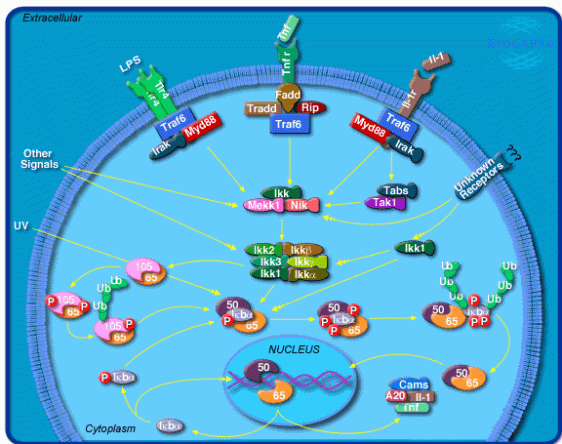
NF-kB Signaling Pathway

Scientists have established the presence of certain proteins in ovarian cancer tissues and have linked these proteins to poor survival rates in women with advanced stages of the disease. The study, led by scientists at the National Cancer Institute (NCI), part of the National Institutes of Health, appears in Cancer online, April 19, 2010.

The proteins in question belong to the nuclear factor kappa Beta (NF-kB) family. NF-kB controls many processes within the cell including cell survival and proliferation, inflammation, immune responses, and cellular responses to stress.

“This study sheds light on the distinctive genetic features of the NF-kB pathway and may provide targets for the development of novel therapies for ovarian cancer,” said lead investigator, Christina M. Annunziata, M.D., Ph.D., associate clinical investigator, Medical Oncology Branch.

Abnormalities in NF-kB signaling have been found in several types of cancer, including ovarian cancer, but the mechanism and importance of such alterations in ovarian cancer was not defined. To address these knowledge gaps, the research team investigated the expression of NF-kB-related proteins in the cells of tumor tissue obtained at surgery from 33 previously untreated women who were newly diagnosed with advanced epithelial ovarian cancer. The patients had similar stage (all late stage), grade, and type of disease. All patients were treated with a three-drug regimen of standard chemotherapy agents in an NCI clinical trial that was conducted at the NIH Clinical Research Center.

To assess NF-kB family members and associated proteins in ovarian tumor cells, the scientists used immunohistochemistry, a method that uses antibodies — a type of protein that the body’s immune system produces when it detects harmful substances — to identify specific molecules in tissue specimens. Subsequently, they looked for associations between the percentage of tumor cells in individual proteins and patient outcomes.

“This study sheds light on the distinctive genetic features of the NF-kB pathway and may provide targets for the development of novel therapies for ovarian cancer,” said lead investigator, Christina M. Annunziata, M.D., Ph.D.

The data revealed that the presence of one NF-kB family member—p50—in more than one-quarter of the cells was associated with poor survival. Low-frequency or nonexpression of a target gene, matrix metallopeptidase 9 (MMP9), was also associated with poor prognosis. Further, the team identified two NF-kB family members—p65 and RelB—and a protein called IKKa that plays a role in promoting inflammation, that were frequently expressed in the same cells, providing more evidence that NF-kB is active in some ovarian cancers. It is possible that the NF-kB activity in these cancers could increase their growth and/or resistance to treatment.

“This work continues to define and characterize the biological relevance of NF-kB activity in ovarian cancer by translating research findings with ovarian cancer cells in the laboratory to ovarian cancer in women at the time of initial diagnosis,” said Annunziata.

About the National Cancer Institute

NCI leads the National Cancer Program and the NIH effort to dramatically reduce the burden of cancer and improve the lives of cancer patients and their families, through research into prevention and cancer biology, the development of new interventions, and the training and mentoring of new researchers. For more information about cancer, please visit the NCI Web site at http://www.cancer.gov or call NCI’s Cancer Information Service at 1-800-4-CANCER (1-800-422-6237).

About the National Institutes of Health

The National Institutes of Health (NIH) — The Nation’s Medical Research Agency — includes 27 Institutes and Centers and is a component of the U.S. Department of Health and Human Services. It is the primary federal agency for conducting and supporting basic, clinical and translational medical research, and it investigates the causes, treatments, and cures for both common and rare diseases. For more information about NIH and its programs, visit www.nih.gov.

Comment

If NF-kB activity is ultimately determined by Dr. Annunciata et. al. to be biologically significant to ovarian cancer cell growth and/or treatment resistance, there are NF-kB inhibitor drugs (e.g., bortezomib (Velcade) or denosumab (Prolia)) in existence that theoretically could be tested in ovarian cancer clinical trials. In addition genistein, a soy isoflavone, and BAY11-7082, a preclinical compound, could be tested through preclinical/clinical testing as potential NF-kB inhibitors.  See Miller SC et. al. study below for a complete list of known NF-kB pathway inhibiting drugs and compounds.

Sources:

Libby’s H*O*P*E*™ National Ovarian Cancer Coalition 6th Annual Women’s Health Expo Presentation

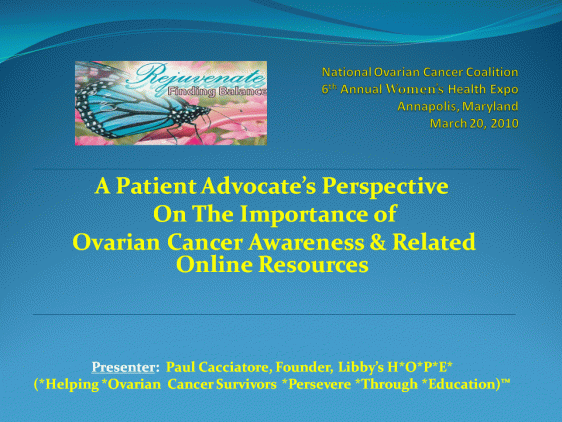
On March 20, 2010, Libby’s H*O*P*E*™ made a presentation at the National Ovarian Cancer Coalition’s 6th Annual Women’s Health Expo.  The presentation was entitled, A Patient Advocate’s Perspective on the Importance of Ovarian Cancer Awareness and Helpful Online Resources.

On March 20, 2010, Libby’s H*O*P*E*™ made a presentation at the National Ovarian Cancer Coalition’s 6th Annual Women’s Health Expo.  The presentation was entitled, A Patient Advocate’s Perspective on the Importance of Ovarian Cancer Awareness and Helpful Online Resources.  The topics covered in the presentation include:

  • Genesis of Libby’s H*O*P*E*™,
  • Ovarian Cancer Overview,
  • Helpful Online Resources,
  • Stories of Hope, and
  • Making a Difference

The full presentation is provided below in Adobe Reader PDF document format. To view the full presentation, simply click on the image below.  If you require free Adobe Reader software, click here.

I want to extend special thanks to Nancy Long and Paula Kozik, co-presidents of the National Ovarian Cancer Coalition’s Central Maryland Chapter, for the invitation to speak at this worthwhile event.  Nancy and Paula are two very special ovarian cancer survivors, who put together an informative conference that was well attended and enjoyed by all.  It was both an honor and a privilege to meet Nancy, Paula, and many other ovarian cancer survivors during the conference.  Many women shared with me their personal stories of struggle, inspiration and hope.  These women are my “everyday heroes.”  If you have any questions regarding the presentation, please feel free to contact me by clicking on the homepage “Contact” tab.

Lifestyle Matters: Dietary Factors Influence Ovarian Cancer Survival Rates

University of Illinois at Chicago researchers identify relationship between healthy eating and prolonged ovarian cancer survival

UIC researchers find that consumption of cruciferous & yellow vegetables provide an ovarian cancer survival advantage

Therese A. Dolecek, Ph.D., M.S., R.D., Research Associate Professor of Epidemiology, Division of Epidemiology & Biostatistics, Institute for Health Research & Policy, School of Public Health, University of Illinois at Chicago

A study published in the March 2010 issue of the Journal of the American Dietetic Association (JADA), is among the first to evaluate possible diet associations with ovarian cancer survival. Researchers from the University of Illinois at Chicago (UIC) determined that there is a strong relationship between healthy eating and prolonged survival.

The subjects included 351 women diagnosed with epithelial ovarian cancer between 1994 to 1998, who participated in a previous case-control study. The original study collected demographic, clinico-pathologic, and lifestyle-related variables including diet. Each subject completed a food frequency questionnaire (FFQ) in which they were asked to report their usual dietary intake during the three to five year period prior to their diagnosis.

To translate the diet estimates in a meaningful way, the FFQ items were assigned to the major food groups reflected in the Dietary Guidelines for Americans 2005 (DGA), including fruits, vegetables, grains, meats, dairy, fats and oils, sweets, and alcohol. Grains, meats, and dairy were further subdivided into “suggested” and “other” groups. The “suggested” subdivisions included healthier food choices, whereas the “other” subdivisions contained less desirable selections.

The researchers found that higher total fruit and vegetable consumption, and higher vegetable consumption alone led to a survival advantage. A subgroup analyses revealed that only yellow and cruciferous vegetables (e.g., broccoli, kale, cauliflower, bok choy) significantly increased survival advantage. At five years, 75% of the women who ate less than one serving a week of yellow vegetables were alive, compared to about 82% of those who had three or more servings of yellow vegetables a week.  Likewise, a statistically significant improvement in survival was observed for the healthier grains.

Higher intakes of less-healthy meats — specifically the red and cured/processed meats subgroups — were associated with a survival disadvantage. Notably, the researchers found a 3-fold increased risk of dying for those women who ate four or more servings of red meat a week compared to those who ate less than one serving per week over the 11-year study period.

A survival disadvantage was also observed in connection with consumption of the milk (dairy – all types) subgroup. Women who had seven or more servings of milk of any type per week were two times as likely to die during the study period as those who had none.  The researchers stress that the milk finding should be interpreted cautiously, because it may have something to do with the fact that some women are genetically predisposed.

Therese A. Dolecek, Ph.D., M.S., R.D., Research Associate Professor of Epidemiology, Division of Epidemiology and Biostatistics, Institute for Health Research and Policy, School of Public Health, UIC, and a member of the Cancer Control and Population Science Research Program at the UIC Cancer Center, and her colleagues state the following in the article:

The study findings suggest that food patterns three to five years prior to a diagnosis of epithelial ovarian cancer have the potential to influence survival time. The pre-diagnosis food patterns observed to afford a survival advantage after an epithelial ovarian cancer diagnosis reflect characteristics commonly found in plant-based or low fat diets. These diets generally contain high levels of constituents that would be expected to protect against cancer and minimize ingestion of known carcinogens found in foods.

In an interview with WebMD.com, Dr. Dolecek said:  “To pinpoint exactly how much survival [was lengthened] is not possible. It varies from person to person.”  Many factors affect survival, such as the stage of the cancer at diagnosis and the woman’s age.

Cynthia A. Thomson, Ph.D., M.S., R.D., Associate Professor, Nutritional Sciences, Univ. of Arizona, Tucson

David S. Alberts, M.D., Director, Arizona Cancer Center, Tucson, Arizona

In an editorial commentary in the same JADA issue, Cynthia A. Thomson, Ph.D., M.S., R.D., Associate Professor, Nutritional Sciences, University of Arizona, Tucson, and David S. Alberts, M.D., Director, Arizona Cancer Center, Tucson, write the following:

The authors provide new evidence that dietary factors, particularly total fruit and vegetable, red and processed meat and milk intakes, may influence ovarian cancer survival. These findings corroborate earlier work by Nagle et. al. and are among only a select few studies of dietary associations with ovarian cancer recurrence and/or prognosis despite a significant and growing body of literature suggesting diet may influence ovarian cancer risk.

About The Journal of the American Dietetic Association

As the official journal of the American Dietetic Association (www.eatright.org), the Journal of the American Dietetic Association (JADA) (www.adajournal.org) is the premier source for the practice and science of food, nutrition and dietetics. The monthly, peer-reviewed journal presents original articles prepared by scholars and practitioners and is the most widely read professional publication in the field. JADA focuses on advancing professional knowledge across the range of research and practice issues such as: nutritional science, medical nutrition therapy, public health nutrition, food science and biotechnology, food service systems, leadership and management and dietetics education.

About The American Dietetic Association

The American Dietetic Association (ADA) (www.eatright.org) is the world’s largest organization of food and nutrition professionals. ADA is committed to improving the nation’s health and advancing the profession of dietetics through research, education and advocacy.

Sources:

GOG Says Continuation of Pivotal OPAXIO Maintenance Therapy Trial (GOG-212) Remains High Priority

Gynecologic Oncology Group (GOG) Notifies CTI That Continuation of GOG-212 Pivotal Trial of OPAXIO Maintenance Therapy in Front Line Ovarian Cancer Remains High Priority.  GOG-218 Bevacizumab Results Do Not Influence Importance of GOG-212

Cell Therapeutics, Inc. (“CTI”) announced today that the company received a statement on March 1, 2010 from the Gynecologic Oncology Group (GOG) leadership that the phase III GOG-212 clinical trial of CTI’s OPAXIO™ (formerly known as Xyotax or CT-2103) used as maintenance therapy for ovarian cancer remains a high priority and enrollment will continue. The GOG made the statement to clarify that the recent results of the GOG-218 clinical trial bevacizumab in maintenance therapy for ovarian cancer has not influenced the importance of completing the GOG-212 clinical trial. The Gynecologic Oncology Group (GOG) is one of the National Cancer Institute’s (NCI) funded cooperative cancer research groups. The GOG is a multidisciplinary cooperative clinical trial research group focused on the study of gynecologic malignancies. The GOG is conducting phase III trials in ovarian cancer and other gynecologic cancers and has established standard treatments for these diseases in the U.S.

GOG leadership noted the following:

GOG-218 and GOG-212 differ in the type of patients under study. It is important to note that some of the patients who completed the initial 6 cycles of chemotherapy in GOG-218 had clinical evidence of persistent tumor and were randomized to either placebo (no treatment) or bevacizumab [Avastin®]. Thus a subset of GOG-218 patients received no therapy, despite the presence of persistent tumor. This is not the typical setting of using maintenance or consolidation therapy and it is not the setting for patients enrolled in GOG-212. In GOG-212, only patients who have achieved a complete clinical response are considered candidates for enrollment in the trial.

Reliance upon the data from GOG-218 to establish the “standard of care” must take into consideration the actual treatment effect (i.e., duration of benefit), the cost of the treatment, and the associated toxicity… [in GOG-212] the toxicity of the intervention may have less associated mortality and the incremental cost-effectiveness ratio may be more acceptable to patients and the health care economists. Thus the GOG has no intention to discontinue enrollment in GOG 212 as they feel that the study is addressing a different scientific question and the primary outcome study goal is survival, not progression free survival, an outcome of greater importance to both physicians and patients.

The Data Monitoring Committee is scheduled to conduct an interim analysis of overall survival when 130 events are recorded among patients in the no maintenance treatment arm. The statistical analysis plan utilizes pre-specified boundaries for early stopping for success. Based on current enrollment and study duration, the interim analysis could be conducted as early as 2011. If successful, CTI could utilize those results to form the basis of its New Drug Application for OPAXIO.

About Cell Therapeutics, Inc.

Headquartered in Seattle, CTI is a biopharmaceutical company committed to developing an integrated portfolio of oncology products aimed at making cancer more treatable. For additional information, please visit http://www.celltherapeutics.com/.

Sources:

Genentech Announces Positive Results of Avastin Phase III Study in Women with Advanced Ovarian Cancer

Genentech announces positive results of Avastin Phase III study (GOG 218) in women with advanced ovarian cancer. The study showed that women who continued maintenance use of Avastin alone, after receiving Avastin in combination with chemotherapy, lived longer without the disease worsening compared to those who received chemotherapy alone. This is the first Phase III study of an anti-angiogenic therapy in advanced ovarian cancer to meet its primary endpoint.
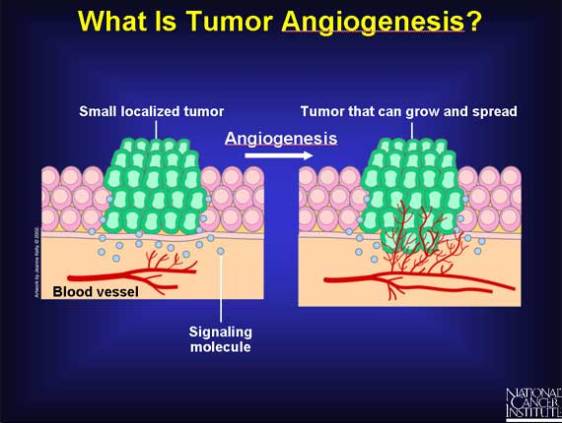
Tumor angiogenesis is the proliferation of a network of blood vessels that penetrates into cancerous growths, supplying nutrients and oxygen and removing waste products. Tumor angiogenesis actually starts with cancerous tumor cells releasing molecules that send signals to surrounding normal host tissue. This signaling activates certain genes in the host tissue that, in turn, make proteins to encourage growth of new blood vessels. Photo credit: NCI

Genentech, Inc., a wholly owned member of the Roche Group , today announced that a Phase III study showed the combination of Avastin® (bevacizumab) and chemotherapy followed by maintenance use of Avastin alone increased the time women with previously untreated advanced ovarian cancer lived without the disease worsening (progression-free survival or PFS), compared to chemotherapy alone. A preliminary assessment of safety noted adverse events previously observed in pivotal trials of Avastin. Data from the study will be submitted for presentation at the American Society of Clinical Oncology (ASCO) annual meeting, June 4 – 8, 2010.

In the three-arm study, known as Gynecologic Oncology Group (GOG) 0218, women with newly diagnosed advanced ovarian cancer who already had surgery to remove as much of the tumor as possible were randomized to receive one of the following:

  • Arm 1: Placebo in combination with carboplatin and paclitaxel chemotherapy followed by placebo alone, for a total of up to 15 months of therapy
  • Arm 2: Avastin in combination with carboplatin and paclitaxel chemotherapy followed by placebo alone, for a total of up to 15 months of therapy
  • Arm 3: Avastin in combination with carboplatin and paclitaxel chemotherapy followed by the maintenance use of Avastin alone, for a total of up to 15 months of therapy.

The study showed that women who continued maintenance use of Avastin alone, after receiving Avastin in combination with chemotherapy (Arm 3), lived longer without the disease worsening compared to those who received chemotherapy alone. Women who received Avastin in combination with chemotherapy, but did not continue maintenance use of Avastin alone (Arm 2), did not live longer without the disease worsening compared to chemotherapy alone.

“Additional medicines are urgently needed for women with newly diagnosed advanced ovarian cancer, as most women’s cancer will worsen after their initial treatment,” said Hal Barron, M.D., F.A.C.C., Executive Vice President, Global Development and Chief Medical Officer. “We are encouraged by the positive findings of this study, which highlight the importance of continuing maintenance Avastin after combining Avastin with chemotherapy in this setting. We will discuss these results with the U.S. Food and Drug Administration.”

Robert Allen Burger, MD, FACOG, FACS, Fox Chase Cancer Center, Philadelphia, Pennsylvania

“This is good news for women with ovarian, primary peritoneal or fallopian tube cancers,” said GOG 0218 study chair Robert Burger, M.D., Fox-Chase Cancer Center in Philadelphia. “This study showed that after initial surgery, the combination of Avastin and chemotherapy followed by extended treatment with Avastin improves progression-free survival in women with newly diagnosed advanced tumors.”

The trial is sponsored by the National Cancer Institute (NCI) under a Cooperative Research and Development Agreement between the NCI and Genentech, and is being conducted by a network of researchers led by the GOG.

Avastin is being studied worldwide in more than 450 clinical trials for multiple types of cancer, including approximately 25 ongoing clinical trials in the United States for women with various stages of ovarian cancer.

About Ovarian Cancer

According to the American Cancer Society, ovarian cancer is the fifth leading cause of cancer death among American women. In 2009 an estimated 21,500 women were diagnosed with ovarian cancer and approximately 14,500 died from the disease in the U.S. The disease causes more deaths than any other gynecologic cancer, and the American Cancer Society estimates that nearly 70 percent of women with advanced disease will die from it within five years.

Ovarian cancer is associated with high levels of vascular endothelial growth factor (VEGF), a protein associated with tumor growth and spread. Studies have shown a correlation between a high level of VEGF and a poorer prognosis in women with ovarian cancer. Currently, treatment options for women with this disease are limited to surgery and chemotherapy.

About the GOG 0218 Study

GOG 0218 is an international, multicenter, randomized, double-blind, placebo-controlled Phase III study in 1,873 women with previously untreated advanced epithelial ovarian, primary peritoneal or fallopian tube carcinoma. The study evaluates Avastin (5 cycles) in combination with carboplatin and paclitaxel chemotherapy (6 cycles) compared to carboplatin and paclitaxel chemotherapy alone (6 cycles). The trial is also designed to assess the maintenance use of Avastin alone following the initial combined regimen of Avastin and chemotherapy (for a total of up to 15 months of therapy), compared to carboplatin and paclitaxel chemotherapy alone (6 cycles).

The primary endpoint of the study is PFS as assessed by trial investigators. Secondary and exploratory endpoints of the study include overall survival, PFS by independent review, objective response rate, safety, quality of life measures and analysis of patient tumor and blood samples.

Detailed safety assessments are ongoing. A preliminary assessment of safety performed by the GOG identified Avastin-related serious adverse events noted in previous pivotal studies, including fatal neutropenic infection and gastrointestinal perforation. The full study results, including safety information, will be presented at a future medical meeting.

About Avastin

Avastin is a solution for intravenous infusion and is a biologic antibody designed to specifically bind to a protein called VEGF. VEGF plays an important role throughout the lifecycle of the tumor to develop and maintain blood vessels, a process known as angiogenesis. Avastin interferes with the tumor blood supply by directly binding to the VEGF protein to prevent interactions with receptors on blood vessel cells. Avastin does not bind to receptors on normal or cancer cells. The tumor blood supply is thought to be critical to a tumor’s ability to grow and spread in the body (metastasize). For more information about angiogenesis, visit http://www.gene.com.

Boxed WARNINGS and Additional Important Safety Information

People treated with Avastin may experience side effects. In clinical trials, some people treated with Avastin experienced serious and sometimes fatal side effects, including:

Gastrointestinal (GI) perforation: Treatment with Avastin can result in the development of a potentially serious side effect called GI perforation, which is the development of a hole in the stomach, small intestine or large intestine. In clinical trials, this side effect occurred in more people who received Avastin than in the comparison group (0.3 percent to 2.4 percent). In some cases, GI perforation resulted in fatality.

Surgery and wound healing problems: Treatment with Avastin can lead to slow or incomplete wound healing (for example, when a surgical incision has trouble healing or staying closed). In some cases, this event resulted in fatality. Surgery and wound healing problems occurred more often in people who received Avastin than in the comparison group. Avastin therapy should not be started for at least 28 days after surgery and until the surgical wound is fully healed. The length of time between stopping Avastin and having voluntary surgery without the risk of having surgery and wound healing problems following surgery has not been determined.

Severe bleeding: Treatment with Avastin can result in serious bleeding, including coughing up blood, bleeding in the stomach, vomiting of blood, bleeding in the brain, nosebleeds and vaginal bleeding. These events occurred up to five times more often in people who received Avastin. Across cancer types, 1.2 percent to 4.6 percent of people who received Avastin experienced severe to fatal bleeding. People who have recently coughed up blood (greater than or equal to a half teaspoon of red blood) or have serious bleeding should not receive Avastin.

In clinical trials for different cancer types, there were additional serious and sometimes fatal side effects that occurred in more people who received Avastin than in those in the comparison group. The formation of an abnormal passage from parts of the body to another part (non-GI fistula formation) was seen in 0.3 percent or less of people. Severe to life-threatening stroke or heart problems were seen in 2.4 percent of people. Too much protein in the urine, which led to kidney problems, was seen in less than 1 percent of people. Additional serious side effects that occurred in more people who received Avastin than those in the comparison group included severe to life-threatening high blood pressure, which was seen in 5 percent to 18 percent of people, and nervous system and vision disturbances (reversible posterior leukoencephalopathy syndrome), which was seen in less than 0.1 percent of people. Infusion reactions with the first dose of Avastin were uncommon and occurred in less than 3 percent of people and severe reactions occurred in 0.2 percent of people.

Common side effects that occurred in more than 10 percent of people who received Avastin for different cancer types, and at least twice the rate of the comparison group, were nosebleeds, headache, high blood pressure, inflammation of the nose, too much protein in the urine, taste change, dry skin, rectal bleeding, tear production disorder, back pain and inflammation of the skin (exfoliative dermatitis). Across all trials, treatment with Avastin was permanently stopped in 8.4 percent to 21 percent of people because of side effects.

Avastin may impair fertility. Patients who are pregnant or thinking of becoming pregnant should talk with their doctor about the potential risk of loss of the pregnancy or the potential risk of Avastin to the fetus during and following Avastin therapy, and the need to continue an effective birth control method for at least six months following the last dose of Avastin.

For full Prescribing Information and Boxed WARNINGS on Avastin please visit http://www.avastin.com.

About Genentech

Founded more than 30 years ago, Genentech is a leading biotechnology company that discovers, develops, manufactures and commercializes medicines to treat patients with serious or life-threatening medical conditions. The company, a wholly owned member of the Roche Group, has headquarters in South San Francisco, California. For additional information about the company, please visit http://www.gene.com.

About The Gynecologic Oncology Group (GOG)

The Gynecologic Oncology Group is a non-profit organization of more than 300 member institutions with the purpose of promoting excellence in the quality and integrity of clinical and basic scientific research in the field of Gynecologic malignancies. The Group is committed to maintaining the highest standards in the clinical trial development, execution, analysis and distribution of results. Continuous evaluation of our processes is utilized in order to constantly improve the quality of patient care.

GOG receives support from the National Cancer Institute (NCI) of the National Institutes for Health (NIH).

Sources:

Libby’s H*O*P*E* to Present At NOCC 6th Annual Women’s Health Expo (REJUVENATE Finding Balance)

On March 20, 2010, the National Ovarian Cancer Coalition (Maryland Chapter) will hold its 6th Annual Women’s Health Expo entitled, REJUVENATE Finding Balance (NOCC Rejuvenate), at the Sheraton Annapolis Hotel. … On behalf of Libby’s H*O*P*E*™, I will conduct a seminar as part of Session II entitled, A Patient Advocate’s Perspective on the Importance of Ovarian Cancer Awareness and Related On-line Resources.

On March 20, 2010, the National Ovarian Cancer Coalition (Maryland Chapter) will hold its 6th Annual Women’s Health Expo entitled, REJUVENATE Finding Balance (NOCC Rejuvenate), at the Sheraton Annapolis Hotel. NOCC Rejuvenate is sponsored by the National Breast & Ovarian Cancer Connection and Cancer Treatment Centers of America.  Additional funding was also provided through a grant from the Maryland Attorney General Settlement.

NOCC Rejuvenate is designed to appeal to all women who want to rejuvenate their mind, body and spirit. The event is divided into three sessions. Each session offers seven to eight different seminars for attendees. The seminars address a variety of topics including make-up and skin care, going green, photography, plastic surgery, decorating, fashion, finance, retirement solutions, nutrition, fitness, and holistic approaches to wellness. A list of all event seminars is provided below.

Informative seminars about ovarian and breast cancer are offered as part of each session. Knowing the signs and symptoms of ovarian cancer, the screening guidelines for breast cancer, and the basics about hereditary breast and ovarian cancer, could save your life or the life of someone you love.  On behalf of Libby’s H*O*P*E*™, I will conduct a seminar as part of Session II entitled, A Patient Advocate’s Perspective on the Importance of Ovarian Cancer Awareness and Related On-line Resources.  My presentation will address the genesis of the Libby’s H*O*P*E*™ website; highlight critical ovarian cancer awareness information; summarize available online ovarian cancer and cancer-related resources; describe stories of hope involving ovarian cancer survivors and their families; and explain how each individual can make a difference in the fight against ovarian cancer.

NOCC Rejuvenate also targets cancer survivors. The devastating effects of these diseases can rob women of hope and peace. This event will offer an opportunity for survivors to reinvent their self-image and gain more knowledge, offering a sense of hope and a chance to connect with other survivors.

An exhibitor’s area will be offered at the event. This area will include informational tables as well as vendor tables that have been specifically chosen to meet the overarching vision of the event. At the completion of the three event sessions, a nutritious lunch will be served while information is provided on the signs and symptoms of ovarian and breast cancer.

NOCC 6th Annual Women's Health Expo

What:  National Ovarian Cancer Coalition 6th Annual Women’s Health Expo entitled, REJUVENTE Finding Balance (click here to view event brochure, including mail-in registration)

When: Saturday, March 20, 2010 (8:00 A.M. – 3:00 P.M.)

Where: Sheraton Annapolis Hotel, 173 Jennifer Road, Annapolis, Maryland 21401 (driving instructions).

Register: To register online click here.

Contact: Nancy Long (NOCC Maryland Chapter Co-President) at 443-433-2597, or email (click here).

Keynote Speaker:  Yarrow, The Energy Whisperer

Session I Presentations (9:30 A.M. – 10:30 A.M.)

  • Treating Cancer By Alternative Medicine
  • The Survivors’ Connection
  • The Skinny on Fat – Cancer Prevention Naturally
  • Interior Design in Difficult Times – Cost Saving Design Solutions
  • Relaxation & Healing
  • Identifying & Solving the Challenges of Baby Boomer Women
  • Cancer and The Healing Power of Forgiveness
  • Belly Dancing

Session II Presentations (10:45-11:45)

  • Dr. Zandra Cheng, Breast Surgeon at Anne Arundel Medical Center
  • Hereditary Syndromes That Include Ovarian and Breast Cancers
  • Facial & Body Rejuvenation
  • A Patient Advocate’s Perspective On the Importance of Ovarian Cancer Awareness & Related On-line Resources (Paul Cacciatore, Founder, Libby’s H*O*P*E*™)
  • Designing Green Interiors
  • Creating Better Images with the Camera You Own
  • Some Expert Fashion Tips
  • Yoga:  A Balanced Life
  • Relaxation & Healing

Session III Presentations (12:00 P.M. – 1:00 P.M.)

  • New Advances in Ovarian Cancer (William McGuire, M.D., Medical Director of The Harry & Jeanette Weinberg Cancer Institute at Franklin Square Hospital)
  • What is My Daughter’s Chance of Getting My Cancer?
  • Planning for your Retirement Lifestyle:  The New Retirement
  • Super Health Begins with Super-food Nutrition
  • Around the World to Your Backyard
  • Balancing Your Life Wheel
  • Get Fit & Healthy with the Simple Rules of the Big 3
  • Relaxation & Healing

About the National Ovarian Cancer Coalition

The mission of the NOCC is to raise awareness and increase education about ovarian cancer. NOCC is committed to improving the survival rate and quality of life for women with ovarian cancer. Through national programs and local Chapter initiatives, the NOCC’s goal is to make more people aware of the early symptoms of ovarian cancer. In addition, the NOCC provides information to assist the newly diagnosed patient, to provide hope to survivors, and to support caregivers. NOCC programs are possible only with the help of its volunteers; committed men and women dedicated to the mission of the NOCC in communities across the country.  For more information go to http://www.ovarian.org/.

About the National Breast & Ovarian Cancer Connection

The mission of the NBOCC is to raise awareness and educate the general public about the link between breast and ovarian cancer. The organization is dedicated to teaching all women about their inherent risks and how to improve their chances of survival through early detection and research developments.  For more information go to http://www.nbocc.org/.

Abbott Labs Seeks FDA 510(k) Clearance For New Automated Ovarian Cancer Detection Test

A new diagnostic tool physicians can use to monitor patients for the most common form of ovarian cancer may soon be available in the United States.

Abbott Laboratories’ ARCHITECT HE4 assay uses a simple blood test to help in monitoring for the recurrence or progression of epithelial ovarian cancer. If approved by the FDA, this important immunoassay would be the first automated HE4 test available in the United States.

A new diagnostic tool physicians can use to monitor patients for the most common form of ovarian cancer may soon be available in the United States.  Abbott Laboratories’ (Abbott’s) ARCHITECT [Human Epididymal Protein 4] HE4 assay uses a simple blood test to help in monitoring for the recurrence or progression of epithelial ovarian cancer. If approved by the U.S. Food & Drug Administration (FDA), this important immunoassay would be the first automated HE4 test available in the United States.

The 2003 Hellstrom et al. study of known ovarian cancer biomarkers found that HE4, which has been detected in high levels in the blood of some ovarian cancer patients, shows the highest sensitivity and specificity of any other marker and is considered the best single marker for stage 1 of the disease.

According to the American Cancer Society, the five-year survival rate of ovarian cancer patients is 46 percent. However, when the disease is diagnosed and treated earlier, the survival rate increases to 93 percent. Less than 20 percent of all ovarian cancer is found in the early stage.

“The ability to monitor the recurrence or progression of ovarian cancer is a critical part of patient care. The ARCHITECT HE4 assay has the potential to be a powerful tool for both physicians and patients in the management of the disease,” said Michael Warmuth, Senior Vice President, Diagnostics, Abbott.

Abbott partnered with Fujirebio Diagnostics, Inc. in the development of the assay. The ARCHITECT HE4 assay is approved for use in Europe, as well as in other countries in Asia Pacific and Latin America. It is currently an investigational device in the United States.

About ARCHITECT HE4 Assay

The ARCHITECT HE4 assay is designed to be used as an aid in monitoring recurrence or progressive disease in patients with epithelial ovarian cancer, and must be used in conjunction with other clinical data. The ARCHITECT HE4 assay should not be used as a cancer screening test. In addition, certain types of cancer (e.g., mucinous or germ cell tumors) rarely express HE4, and the use of the ARCHITECT HE4 assay is not recommended for monitoring patients with those types of cancer.

About Ovarian Cancer

Ovarian cancer is the leading cause of death from gynecological cancers and the fifth-leading cause of cancer death in women. An estimated one in 71 women will develop ovarian cancer in their lifetimes. Women who are postmenopausal are at the greatest risk for ovarian cancer.

About Abbott Diagnostics

Abbott Diagnostics is a global leader in in vitro diagnostics (IVD) and offers a broad range of innovative instrument systems and tests for hospitals, reference labs, blood banks, physician offices and clinics. With more than 69,000 institutional customers in more than 100 countries, Abbott’s diagnostic products offer customers automation, convenience, cost effectiveness and flexibility. The history of Abbott Diagnostics is filled with examples of first-of-a-kind products and significant technological advancements, including the development of the very first diagnostic test to detect HIV.

About Abbott’s Diagnostics Businesses

Abbott is a global leader in in vitro diagnostics and offers a broad range of innovative instrument systems and tests for hospitals, reference labs, molecular labs, blood banks, physician offices and clinics. With more than 69,000 customers in more than 100 countries, Abbott’s diagnostic products offer customers automation, convenience, bedside testing, cost effectiveness and flexibility. Abbott has helped transform the practice of medical diagnosis from an art to a science through the company’s commitment to improving patient care and lowering costs.

About Abbott

Abbott (NYSE: ABT) is a global, broad-based health care company devoted to the discovery, development, manufacture and marketing of pharmaceuticals and medical products, including nutritionals, devices and diagnostics. The company employs more than 72,000 people and markets its products in more than 130 countries.

References:

  • FDA 510(k) Clearances – Overview, Device Approvals & Clearances, Products & Medical Procedures, Medical Devices, U.S. Food & Drug Administration, U.S. Department of Health & Human Services.

Additional Information:

Anderson GL, McIntosh M, Wu L, et. al. Assessing lead time of selected ovarian cancer biomarkers: a nested case-control study. J Natl Cancer Inst. 2010 Jan 6;102(1):26-38. Epub 2009 Dec 30. PubMed PMID: 20042715;PubMed Central PMCID: PMC2802285.

Andersen MR, Goff BA, Lowe KA, et. al. Use of a Symptom Index, CA125, and HE4 to predict ovarian cancer. Gynecol Oncol. 2009 Nov 27. [Epub ahead of print] PubMed PMID: 19945742.

Moore RG, McMeekin DS, Brown AK, et. alA novel multiple marker bioassay utilizing HE4 and CA125 for the prediction of ovarian cancer in patients with a pelvic mass. Gynecol Oncol. 2009 Jan;112(1):40-6. Epub 2008 Oct 12. PubMed PMID: 18851871.

Hellstrom I, Hellstrom KE. SMRP and HE4 as biomarkers for ovarian carcinoma when used alone and in combination with CA125 and/or each other. Adv Exp Med Biol. 2008;622:15-21. Review. PubMed PMID: 18546615.

Havrilesky LJ, Whitehead CM, Rubatt JM, et. al. Evaluation of biomarker panels for early stage ovarian cancer detection and monitoring for disease recurrence. Gynecol Oncol. 2008 Sep;110(3):374-82. Epub 2008 Jun 27. PubMed PMID: 18584856.

Moore RG, Brown AK, Miller MC, et. al. The use of multiple novel tumor biomarkers for the detection of ovarian carcinoma in patients with a pelvic mass. Gynecol Oncol. 2008 Feb;108(2):402-8. Epub 2007 Dec 3. PubMed PMID:  18061248.

Rosen DG, Wang L, Atkinson JN, et. al. Potential markers that complement expression of CA125 in epithelial ovarian cancer. Gynecol Oncol. 2005 Nov;99(2):267-77. Epub 2005 Aug 2.  PubMed PMID: 16061277.

Drapkin R, von Horsten HH, Lin Y, et. al. Human epididymis protein 4 (HE4) is a secreted glycoprotein that is overexpressed by serous and endometrioid ovarian carcinomas. Cancer Res. 2005 Mar 15;65(6):2162-9. PubMed PMID: 15781627.

Identifying & Overcoming Taxane Drug Resistance

Proteomics study reveals a protein that, when suppressed, makes cancers more susceptible to chemotherapy involving taxane drugs.

Taxanes, a group of cancer drugs that includes paclitaxel (Taxol®) and docetaxel (Taxotere®), have become front-line therapy for a variety of metastatic cancers. But as with many chemotherapy agents, resistance can develop, a frequent problem in breast, ovarian, prostate and other cancers. Now, cancer researchers at Children’s Hospital Boston report a protein previously unknown to be involved in taxane resistance and could potentially be targeted with drugs, making a cancer more susceptible to chemotherapy.

The researchers believe that this protein, prohibitin1, could also serve as a biomarker, allowing doctors to predict a patient’s response to chemotherapy with a simple blood test. The study was published online by the Proceedings of the National Academy of Sciences in its online early edition during the week of January 25.

Bruce Zetter, Ph.D., Charles Nowiszewski Professor of Cancer Biology, Vascular Biology Program, Department of General Surgery, Children's Hospital Boston

The study, led by Bruce Zetter, PhD, of Children’s Vascular Biology Program, used proteomics techniques to compare the proteins present in Taxol-susceptible versus Taxol-resistant human tumor cell lines. The researchers found that the resistant cell lines, but not the susceptible cell lines, had prohibitin1 on their surface. When they suppressed prohibitin1 with RNA interference techniques, the tumor cells became more susceptible to Taxol, both in cell culture and in live mice with implanted Taxol-resistant tumors.

Zetter’s lab is still investigating why having prohibitin1 on the cell surface makes a tumor cell resistant to taxanes. But in the meantime, he believes that not only could prohibitin1 be suppressed to overcome taxane resistance, but that it could also be exploited as a means of targeting chemotherapy selectively to resistant cancer cells.

“We are working to target various cancer drugs to taxane-resistant cells by attaching them to compounds that bind to prohibitin,” Zetter explains. One such compound is already known, and works well in animals to target other prohibitin-rich cells, but has yet to be tested in humans.

Suppressing prohibitin1 alone probably isn’t enough to make a cancer fully Taxol-susceptible, but could be combined with other strategies aimed at increasing taxane susceptibility, such as targeting another protein called GST Pi, the researchers say. Other mechanisms of resistance are known, but they so far haven’t been shown to present effective targets for therapy.

Zetter’s lab is also trying to develop prohibitin1 as a biomarker for taxane resistance that physicians could use in the clinic. Since it’s on the surface of the cell, Zetter believes prohibitin1 may circulate in the blood where it could easily be detected. His lab is in talks with several cancer centers to obtain serum samples from patients who did and didn’t respond to Taxol, so that prohibitin1 levels could be measured and compared.

Zetter notes that prohibitin1 could easily have been overlooked, and was found only because the team happened to look specifically at proteins in the cell membrane, rather than simply doing a whole-cell proteomic analysis.

“The interesting finding was that prohibitin was not just another over-expressed protein,” Zetter says. “It was up-regulated primarily on the cell surface. When we looked at the whole cell, the absolute amount of prohibitin wasn’t changed. Instead, prohibitin was moving from the inside of the cell to the cell surface. It had shifted from one location to another, and when it did, the tumor cells became resistant to taxanes. The fact that it moves to the cell surface also makes it easier to direct drugs to it.”

Children’s Hospital Boston has pending and issued international patents on this technology.  Nish Patel, PhD, was the study’s first author. The study was funded by a grant from the National Institutes of Health.

About Children’s Hospital Boston

Founded in 1869 as a 20-bed hospital for children, Children’s Hospital Boston today is one of the nation’s leading pediatric medical centers, the primary pediatric teaching hospital of Harvard Medical School, and the largest provider of health care to Massachusetts children. In addition to 396 pediatric and adolescent inpatient beds and more than 100 outpatient programs, Children’s houses the world’s largest research enterprise based at a pediatric medical center, where its discoveries benefit both children and adults. More than 500 scientists, including eight members of the National Academy of Sciences, 11 members of the Institute of Medicine and 13 members of the Howard Hughes Medical Institute comprise Children’s research community. For more information about the hospital visit: www.childrenshospital.org/newsroom.

Sources:

Disarming Specialized Stem Cells Might Combat Ovarian Cancer

Eliminating cancer stem cells (CSCs) within a tumor could hold the key to successful treatments for ovarian cancer, which has been notoriously difficult to detect and treat, according to new findings published this week in the journal Oncogene by Yale School of Medicine researchers.

Eliminating cancer stem cells (CSCs) within a tumor could hold the key to successful treatments for ovarian cancer, which has been notoriously difficult to detect and treat, according to new findings published this week in the journal Oncogene by Yale School of Medicine researchers.

“We found that stopping the expression of two genesLin28 and Oct4—reduces ovarian cancer cell growth and survival,” said Yingqun Huang, M.D., Ph.D., assistant professor in the Department of Obstetrics, Gynecology & Reproductive Sciences at Yale School of Medicine.

Ovarian cancer is challenging to treat because it tends to recur frequently and develop resistance to treatment. The poor outcome for women with ovarian cancer is associated with subtle and nonspecific symptoms—earning it the moniker the “disease that whispers.”

“This recurrence and drug resistance may be due to the presence of CSCs within the tumors that have the capacity to reproduce and to differentiate into non-CSC tumor cells that repopulate the tumor mass,” said Huang, who is a member of Yale Stem Cell Center and Yale Cancer Center. “Eliminating these CSCs may be key to successful treatments.”

While in the process of studying the functions of stem cell proteins in human embryonic stem cells, Huang and her colleagues unexpectedly discovered that a sub-population of ovarian cancer cells express stem cell proteins Lin28 and Oct4. They also found that the two proteins appear to act together in ovarian cancer tissue cells to produce more advanced tumors. Inhibiting their combined expression led to a significant decrease in the growth and survival of cancer cells. A larger-scale ovarian cancer study is currently underway to confirm the significance of the findings.

Genetic researchers prevent genes from functioning — a process commonly referred to as “knocking down” the gene — by inserting small interfering RNA (siRNA) molecules into the cells. Next, the research team will examine the effect of siRNA in ovarian cancer cells in the lab, and test the technique on mice. If successful, human clinical trials would follow. Treatment on cancer patients could occur within 10 years, Huang said.

“We hope we will soon be able to apply this new information to improve outcomes, perhaps by developing better diagnostic markers and treatment strategies that may be useful in customizing treatment for ovarian cancer patients,” said Huang.

The study was supported by Connecticut Innovations, the Fannie E. Rippel Foundation and the National Cancer Institute.

Other Yale authors on the study included Nita Maihle, Ph.D., and Shuping Peng.

Sources:

Removal of Ovarian Cancer Cells From Human Ascites Fluid Using Magnetic Nanoparticles

Scientists at Georgia Tech and the Ovarian Cancer Institute have further developed a potential new treatment against cancer that uses magnetic nanoparticles to attach to ovarian cancer cells, removing them from the body. The treatment, tested in mice in 2008, has now been tested using samples from human ovarian cancer patients. The results appear online in the journal Nanomedicine.

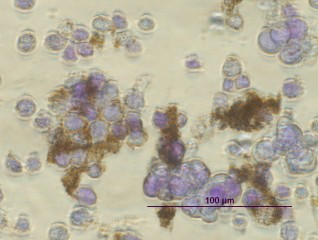
Nanoparticles, in brown, attach themselves to ovarian cancer cells, in violet, from the human abdominal cavity. (Credit: Ken Scarberry/Georgia Tech)

Scientists at Georgia Institute of Technology (Georgia Tech) and the Ovarian Cancer Institute have further developed a potential new treatment against cancer that uses magnetic nanoparticles to attach to ovarian cancer cells, removing them from the body. The treatment, tested in mice in 2008, has now been tested using samples from human ovarian cancer patients. The results appear online in the journal Nanomedicine.

John McDonald Ph.D., Professor & Associate Dean for Biology Program Development, Georgia Institute of Technology; Chief Research Scientist, Ovarian Cancer Institute (Credit: Georgia Tech)

“We are primarily interested in developing an effective method to reduce the spread of ovarian cancer cells to other organs ,” said John McDonald, professor at the the School of Biology at the Georgia Institute of Technology and chief research scientist at the Ovarian Cancer Institute.

The idea came to the research team from the work of Ken Scarberry, then a Ph.D. student at Georgia Tech. Scarberry originally conceived of the idea as a means of extracting viruses and virally infected cells. At his advisor’s suggestion Scarberry began looking at how the system could work with cancer cells.

He published his first paper on the subject in the Journal of the American Chemical Society in July 2008. In that paper he and McDonald showed that by giving the cancer cells of the mice a fluorescent green tag and staining the magnetic nanoparticles red, they were able to apply a magnet and move the green cancer cells to the abdominal region.

Recently, McDonald and Scarberry (currently a postdoctoral fellow in McDonald’s lab) have shown that the magnetic technique works with human ovarian cancer cells.

Ken Scarberry Ph.D., Postdoctoral Fellow, McDonald Laboratory, Georgia Institute of Technology (Credit: Robert Felt, Georgia Tech.)

“Often, the lethality of cancers is not attributed to the original tumor but to the establishment of distant tumors by cancer cells that exfoliate from the primary tumor,” said Scarberry. “Circulating tumor cells can implant at distant sites and give rise to secondary tumors. Our technique is designed to filter the peritoneal fluid or blood and remove these free floating cancer cells, which should increase longevity by preventing the continued metastatic spread of the cancer.”

In tests, they showed that their technique worked as well with capturing ovarian cancer cells from human patient samples as it did previously in mice. The next step is to test how well the technique can increase survivorship in live animal models. If that goes well, they will then test it with humans.

Sources:

Two Combination Treatment Regimens Added to Updated NCCN Guidelines for Ovarian Cancer

The National Comprehensive Cancer Network (NCCN) recently updated the NCCN Guidelines for Ovarian Cancer to include two additional combination treatment regimens for women with select types of recurring ovarian cancer.

The National Comprehensive Cancer Network (NCCN) recently updated the NCCN Clinical Practice Guidelines for Oncology™ for Ovarian Cancer to reflect the addition of two preferred combination regimens for a specific cohort of patients based on data from recent clinical research studies.

Key updates to the NCCN Guidelines include the addition of carboplatin (Paraplatin®, Bristol-Myers Squibb)/weekly paclitaxel (Taxol®, Bristol-Myers Squibb) and carboplatin/liposomal doxorubicin (Doxil®, Centocor Ortho Biotech) for cytotoxic therapy for patients with platinum-sensitive epithelial ovarian cancer, fallopian tube cancer, or primary peritoneal cancer that has recurred.

These modifications made to the NCCN Guidelines for ovarian cancer are based on results from recent studies in The Lancet and The Journal of Clinical Oncology demonstrating that both combination regimens improved median progression-free survival in women with specific types of recurring ovarian cancer as compared to conventional regimens. In addition, the carboplatin/weekly paclitaxel regimen improved overall survival.

Robert J. Morgan, Jr., M.D., F.A.C.P., Professor, Medical Oncology & Therapeutics Research, City of Hope Comprehensive Cancer Center

“Ovarian cancer is a challenge to treat because by the time the majority of the women are diagnosed with the disease, it has already progressed to stage III or IV,” says Robert J. Morgan, MD, of City of Hope Comprehensive Cancer Center and the chair of the NCCN Guidelines Panel for Ovarian Cancer. “Although finding effective screening tools remains a priority, new treatment options for women with ovarian cancer such as the ones outlined in the updated NCCN Guidelines, remains imperative to making steady progress against the disease.”

Epithelial ovarian cancer is the leading cause of death from gynecologic cancer in the United States and the country’s fifth most common cause of cancer mortality in women. In the year 2009, there were more than 21,000 new diagnoses and nearly 15,000 deaths from this neoplasm in the United States.

The NCCN Clinical Practice Guidelines in Oncology™ are developed and updated through an evidence-based process with explicit review of the scientific evidence integrated with expert judgment by multidisciplinary panels of physicians from NCCN Member Institutions. The most recent version of this and all the NCCN Guidelines are available free of charge at NCCN.org.

About the National Comprehensive Cancer Network

The National Comprehensive Cancer Network (NCCN), a not-for-profit alliance of 21 of the world’s leading cancer centers, is dedicated to improving the quality and effectiveness of care provided to patients with cancer. Through the leadership and expertise of clinical professionals at NCCN Member Institutions, NCCN develops resources that present valuable information to the numerous stakeholders in the health care delivery system. As the arbiter of high-quality cancer care, NCCN promotes the importance of continuous quality improvement and recognizes the significance of creating clinical practice guidelines appropriate for use by patients, clinicians, and other health care decision-makers. The primary goal of all NCCN initiatives is to improve the quality, effectiveness, and efficiency of oncology practice so patients can live better lives.

Sources: