M.D. Anderson Researchers Find GM-CSF and rIFN-gamma1b Plus Carboplatin Effective For the Treatment of Recurrent, Platinum-Sensitive Ovarian Cancer

Researchers working in the Gynecologic Oncology Department of The University of Texas M.D. Anderson Cancer Center, reported Phase II clinical study results from their evaluation of the use of carboplatin, granulocyte-macrophage colony-stimulating factor (GM-CSF) and recombinant interferon gamma 1b (rIFN-gamma1b) in women with recurrent, platinum-sensitive ovarian, fallopian tube and primary peritoneal cancer. …

Researchers working in the Gynecologic Oncology Department of The University of Texas M.D. Anderson Cancer Center, reported Phase II clinical study results from their evaluation of the use of carboplatin, granulocyte-macrophage colony-stimulating factor (GM-CSF) and recombinant interferon gamma 1b (rIFN-gamma1b) in women with recurrent, platinum-sensitive ovarian, fallopian tube and primary peritoneal cancer.

As part of this Phase II clinical study, patients with recurrent, platinum-sensitive ovarian, fallopian tube or primary peritoneal cancer were treated with subcutaneous GM-CSF and rIFN-gamma1b before and after intravenous carboplatin until their disease progressed or unacceptable toxicity occurred. All patients had measurable disease and a chemotherapy-free interval >6 months. Response was determined using Response Evaluation Criteria In Solid Tumors (RECIST) criteria and CA 125 blood serum levels. Between 2003 and 2007, 59 patients received a median of 6 cycles of therapy (range, 1 to 13 cycles). The median patient age at enrollment was 61 years (range, 35 to 79 years). The median patient time to disease progression prior to clinical study enrollment was 11 months (range, 6 to 58 months).

The M.D. Anderson researchers reported the following results:

Based upon the foregoing results, the researchers concluded that the pre- and post-carboplatin cytokine regimen resulted in a reasonable response and a hematologic profile that could invite further evaluation of its components in the treatment of patients with ovarian cancer.

Primary SourceA phase II study of GM-CSF and rIFN-gamma1b plus carboplatin for the treatment of recurrent, platinum-sensitive ovarian, fallopian tube and primary peritoneal cancer; Schmeler KM, Vadhan-Raj S, Ramirez PT et. al., Gynecol Oncol. 2009 Mar 3. [Epub ahead of print].


GPs Should Suspect Ovarian Cancer in All Women With Distended Abdomen, U.K. Researchers Warn

“GPs [General Practioners] should suspect ovarian cancer in all women presenting with abdominal distension, [U.K.] researchers have warned.  The primary care study found it was an important enough symptom on its own to warrant further investigation.  Researchers linked seven symptoms to ovarian cancer with many commonly present as much as six months before diagnosis, and warned that their study dispelled the myth that ovarian cancer was a ‘silent killer’. …”

“GPs [General Practioners] should suspect ovarian cancer in all women presenting with abdominal distension, researchers have warned.

The primary care study found it was an important enough symptom on its own to warrant further investigation.

Researchers linked seven symptoms to ovarian cancer with many commonly present as much as six months before diagnosis, and warned that their study dispelled the myth that ovarian cancer was a ‘silent killer’.

As many as 2.5% of women with abdominal distension on its own were subsequently diagnosed with ovarian cancer, and an ovarian cancer diagnosis was 240 times more likely in these women than in controls.

Urinary frequency and abdominal pain were also associated with risk, with the relative risk of ovarian cancer increasing by 16- and 12-fold respectively, although the positive predictive values of the symptoms on their own were only 0.2% and 0.3%.

Abdominal distension, urinary frequency and abdominal pain remained independently associated with cancer more than six months prior to diagnosis.

Dr. Willie Hamilton, a GP and a senior research fellow in primary care at the University of Bristol, said his preliminary results provided an evidence base for GPs to select patients for further investigation: ‘Abdominal distension is important enough to warrant investigation for ovarian cancer even without the need for other symptoms.’  ‘Ovarian cancer is not a silent killer, it’s just its noise seems to go unheard by GPs at times’, he added.

The study, presented at the Society for Academic Primary Care south west annual research meeting last week, examined the records of 212 women diagnosed with ovarian cancer at 39 practices in Devon in the year before diagnosis, and compared them with 1,030 matched controls.

Dr. Murray Freeman, a GP in Birkenhead, Merseyside and cancer lead for Wirral PCT, said the study ‘highlights how often ovarian cancer masquerades as other common illnesses’. ‘GPs should have a low index of suspicion in women over 40 with non specific symptoms – and refer or investigate early.’

Dr. Nick Brown, a GP in Chippenham, Wiltshire with an interest in cancer, said GPs desperately needed a tool to aid earlier diagnosis. ‘Small tumours are very difficult to diagnosis, even by doing a pelvic or vaginal examination. By the time tumours reach the size they can be detected it may have spread and treatment might not be that easy.’

Positive predictive values of ovarian cancer symptoms –

• Abdominal distensions – 2.5%
• Post-menopausal bleeding
• Loss of appetite – 0.6%
• Urinary frequency – 0.2%
• Abdominal pain – 0.3%
• Rectal bleeding – 0.2%
• Abdominal bloating – 0.3%

Source: Society for Academic Primary Care, South West Annual Research Meeting, March 2009, oral presentation”

Quoted SourceSuspect Ovarian Cancer In All Women With Distended Abdomen, by Lilian Anekwe, Pulsetoday.co.uk, Mar. 9, 2009.

What’s Feeding Cancer Cells? — Johns Hopkins Researchers Discover How Critical Cancer Gene Controls Nutrient Use.

“Cancer cells need a lot of nutrients to multiply and survive. While much is understood about how cancer cells use blood sugar to make energy, not much is known about how they get other nutrients. Now, researchers at the Johns Hopkins University School of Medicine have discovered how the Myc cancer-promoting gene uses microRNAs to control the use of glutamine, a major energy source. The results, which shed light on a new angle of cancer that might help scientists figure out a way to stop the disease, appear Feb. 15 online at Nature. …”

“February 15, 2009- Cancer cells need a lot of nutrients to multiply and survive. While much is understood about how cancer cells use blood sugar to make energy, not much is known about how they get other nutrients. Now, researchers at the Johns Hopkins University School of Medicine have discovered how the Myc cancer-promoting gene uses microRNAs to control the use of glutamine, a major energy source. The results, which shed light on a new angle of cancer that might help scientists figure out a way to stop the disease, appear Feb. 15 online at Nature.

Chi Dang, M.D., Ph.D. The Johns Hopkins Family Professor in Oncology Research; Professor of Medicine, Cell Biology, Oncology and Pathology; and Vice Dean for Research, School of Medicine

Chi Dang, M.D., Ph.D. The Johns Hopkins Family Professor in Oncology Research; Professor of Medicine, Cell Biology, Oncology and Pathology; and Vice Dean for Research, School of Medicine

‘While we were looking for how Myc promotes cancer growth, it was unexpected to find that Myc can increase use of glutamine by cancer cells,’ says Chi V. Dang, M.D., Ph.D., the Johns Hopkins Family Professor of Oncology at Johns Hopkins. ‘This surprising discovery only came about after scientists from several disciplines came together across Hopkins to collaborate — it was a real team effort.’

In their search to learn how Myc promotes cancer, the researchers teamed up with protein experts, and using human cancer cells with Myc turned on or off, they looked for proteins in the cell’s powerhouse — the mitochondria — that appeared to respond to Myc. They found eight proteins that were distinctly turned up in response to Myc.

At the top of the list of mitochondrial proteins that respond to Myc was glutaminase, or GLS, which, according to Dang, is the first enzyme that processes glutamine and feeds chemical reactions that make cellular energy. So the team then asked if removing GLS could stop or slow cancer cell growth. Compared to cancer cells with GLS, those lacking GLS grew much slower, which led the team to conclude that yes, GLS does affect cell growth stimulated by Myc.

The researchers then wanted to figure out how Myc enhances GLS protein expression. Because Myc can control and turn on genes, the team guessed that Myc might directly turn on the GLS gene, but they found that wasn’t the case. ‘So then we thought, maybe there’s an intermediary, maybe Myc controls something that in turn controls GLS,’ says Ping Gao, Ph.D., a research associate in hematology at Johns Hopkins.

They then built on previous work done with the McKusick-Nathans Institute of Genetic Medicine at Hopkins where they discovered that Myc turns down some microRNAs, small bits of RNA that can bind to and inhibit RNAs, which contain instructions for making proteins. The team looked more carefully at the GLS RNA and found that it could be bound and regulated by two microRNAs, called miR23a and miR23b, pointing to the microRNAs as the intermediary that links Myc to GLS expression.

‘Next we want to study GLS in mice to see if removing it can slow or stop cancer growth,’ says Gao. ‘If we know how cancer cells differ from normal cells in how they make energy and use nutrients, we can identify new pathways to target for designing drugs with fewer side effects.’

This study was funded by the National Institutes of Health, the National Cancer Institute, the Rita Allen Foundation, the Leukemia and Lymphoma Society and the Sol Goldman Center for Pancreatic Cancer Research.

Authors on the paper are Ping Gao, Irina Tchernyshyov, Tsung-Cheng Chang, Yun-Sil Lee, Karen Zeller, Angelo De Marzo, Jennifer Van Eyk, Joshua Mendell and Chi V. Dang, of Johns Hopkins; and Kayoko Kita and Takfumi Ochi of Teikyo University in Japan.

On the Web:
http://www.hopkinsmedicine.org/hematology/faculty_staff/dang.html
http://www.proteomics.jhu.edu/index.php
http://www.hopkinsmedicine.org/geneticmedicine/People/Faculty/mendell.html
http://www.nature.com/nature/index.html

– JHM –

Media Contacts: Audrey Huang; 410-614-5105; audrey@jhmi.edu
Maryalice Yakutchik; 443-287-2251; myakutc1@jhmi.edu

______________________

Quoted SourceWhat’s Feeding Cancer Cells? – Johns Hopkins Researchers Discover How Critical Cancer Gene Controls Nutrient Use, Press Release, Johns Hopkins Medicine, February 15, 2009.

Primary Citationc-Myc suppression of miR-23a/b enhances mitochondrial glutaminase expression and glutamine metabolism; Ping Gao, Irina Tchernyshyov, Tsung-Cheng Chang et. al., Letter, Nature advance online publication 15 February 2009.

Fertility Treatments Unlikely to Raise Ovarian Cancer Risk

Ovarian cancer risk was no greater for women who used any of four different groups of fertility drugs [gonadotrophins, clomifenes, human chorionic gonadotrophin, and gonadotrophin releasing hormone] than for those who had not used these drugs. Of the ovarian cancer cases that did occur in this cohort, 58 percent were serous tumors—occurring in the outer lining of the ovary—and the incidence of this particular tumor type appears significantly higher only among women who had taken clomiphene, which was the most commonly used fertility drug.

“During the last few decades, women taking fertility drugs in order to become pregnant have not had definitive evidence that such treatments would not increase their ovarian cancer risk. Now researchers from Denmark, who conducted the largest population-based cohort study thus far to address this question, have reported that fertility drugs do not increase a woman’s risk of ovarian cancer. The study, led by Dr. Allan Jensen of the Institute of Cancer Epidemiology in Copenhagen, appeared February 5 in the British Medical Journal.

The study involved 54,362 Danish women who were treated in fertility clinics between 1963 and 1998 and then followed for a median of 15 years; 156 of these women eventually developed invasive epithelial ovarian cancer.

Ovarian cancer risk was no greater for women who used any of four different groups of fertility drugs [gonadotrophins, clomifenes, human chorionic gonadotrophin, and gonadotrophin releasing hormone] than for those who had not used these drugs. Of the ovarian cancer cases that did occur in this cohort, 58 percent were serous tumors—occurring in the outer lining of the ovary—and the incidence of this particular tumor type appears significantly higher only among women who had taken clomiphene, which was the most commonly used fertility drug. The authors noted that this association ‘may be real and important,’ but they pointed out that long-term follow-up studies will be needed to confirm this finding. Also, because the usual peak age for ovarian cancer diagnosis is 63 and the average age of these women was only 47 by the end of the study, they will continue to monitor the cohort.

Nevertheless, ‘Some women who take fertility drugs will inevitably develop ovarian cancer by chance alone,’ explained Dr. Penelope Webb in an accompanying editorial, ‘but current evidence suggests that women who use these drugs do not have an increased risk of developing ovarian cancer.’”

Quoted Source: Fertility Treatments Unlikely to Raise Ovarian Cancer Risk, NCI Cancer Bulletin Vol. 6 / No. 4, National Cancer Institute, February 24, 2009.

Primary Citations:

A Potential Treatment For Ovarian Cancer – Claudin-3 Gene Silencing Using Small Interfering RNA

“… Ovarian tumors highly express two proteins, claudin-3 and -4. These proteins are associated with both an increase is cellular motility and survival of ovarian tumor cells.  Claudin-3 is also over expressed in breast and prostate tumors. This new therapy is targeting claudin-3 (CLDN3) using small interfering RNA (siRNA). More specifically, this team has developed a nanoparticulate, lipid-like delivery system for intraperitoneal delivery of siRNA to ovarian tumors. Tests of the therapeutic efficacy of CLDN3 siRNA in three different mouse models showed a significant reduction in tumor growth.  Additionally, these mice showed no ill side effects of the CLDN3 siRNA treatment. …”

“PAPER REVEALS POTENTIAL NEW TREATMENT FOR OVARIAN CANCER

Wynnewood, PA, February 9, 2009 – – – – – Ovarian cancer is the fourth most common cancer in women and has the highest mortality rate for gynecologic cancers because it is often diagnosed at an advanced stage. New effective therapies for the treatment of advanced stage ovarian cancer are urgently needed.

Today, a paper published in the Proceedings of the National Academy of Sciences (PNAS) by Dr. Janet Sawicki, Professor at the Lankenau Institute for Medical Research (LIMR), a team headed by Daniel G. Anderson, Ph.D. and Robert Langer, Sc.D. of the David H. Koch Institute for Integrative Cancer Research at the Massachusetts Institute of Technology (MIT) and David Bumcrot, Director of Research at Alnylam Pharmaceuticals, shows that a new therapy suppresses ovarian tumor growth and metastasis in preclinical studies.

Ovarian tumors highly express two proteins, claudin-3 and -4. These proteins are associated with both an increase is cellular motility and survival of ovarian tumor cells.  Claudin-3 is also over expressed in breast and prostate tumors. This new therapy is targeting claudin-3 (CLDN3) using small interfering RNA (siRNA). More specifically, this team has developed a nanoparticulate, lipid-like delivery system for intraperitoneal delivery of siRNA to ovarian tumors. Tests of the therapeutic efficacy of CLDN3 siRNA in three different mouse models showed a significant reduction in tumor growth.  Additionally, these mice showed no ill side effects of the CLDN3 siRNA treatment.

‘We are excited by the preclinical performance of these formulations, and are hopeful that the lipidoid-siRNA nanoparticulates developed here may enable new genetic therapies for ovarian cancer,’ said Anderson.

‘These findings offer new hope for a therapeutic treatment option for individuals with metastatic ovarian cancer and potentially other types of cancers that over-express CLDN3’, states Dr. Janet Sawicki.  ‘Our next step is to begin Phase I clinical trials to test for safety with hopes to bring this treatment to the patient in the next few years.’

This research was made possible through funding from the National Institutes of Health (NIH), the Sandy Rollman Ovarian Cancer Foundation of Havertown, PA, and Wawa.

Lankenau Institute for Medical Research
Founded in 1927, the Lankenau Institute for Medical Research (LIMR) is an independent, nonprofit biomedical research center located in suburban Philadelphia on the campus of the Lankenau Hospital. As part of the Main Line Health System, LIMR is one of the few freestanding, hospital-associated medical research centers in the nation.  The faculty and staff at the Institute are dedicated to advancing an understanding of the causes of cancer and heart disease. They use this information to help improve diagnosis and treatment of these diseases as well as find ways to prevent them. They are also committed to extending the boundaries of human health and well-being through technology transfer and education directed at the scientific, clinical, business and lay public communities. For more information visit: http://www.limr.org.

David H. Koch Institute for Integrative Cancer Research at MIT
Launched by MIT in 2008, the David H. Koch Institute for Integrative Cancer Research (KI) both transforms and transcends the Center for Cancer Research (CCR). CCR was founded in 1974 by Nobel Laureate and MIT Professor Salvador Luria, CCR has made enormous contributions to the field of cancer research. The Koch is one of only seven National Cancer Institute-designated basic research centers in the US and is comprised of faculty that have earned the most prestigious national and international science honors including the Nobel Prize and the National Medal of Science. For more information visit: web.mit.edu/ki/index.html.

Alnylam Pharmaceuticals, Inc.
Alnylam Pharmaceuticals, a leader in RNAi therapeutics, is a biopharmaceutical company developing novel therapeutics based on a breakthrough in biology known as RNA interference, or RNAi; a discovery that enables the creation of a broad new class of human therapeutics. Using RNAi, Alnylam has built a product engine to develop a deep pipeline of drug products to treat a wide array of important diseases. For more information visit: http://www.alnylam.com

Contact: Tava Shanchuk
Phone: (610) 645-3429
E-mail: shanchukt@mlhs.org”

RNA Interference Primer – Alnylam Pharmaceuticals

Quoted Source Paper Reveals Potential New Treatment for Ovarian Cancer, Press Release, Lankenau Institute for Medical Research, Feb. 9, 2009.

Primary CitationClaudin-3 gene silencing with siRNA suppresses ovarian tumor growth and metastasis; Huang YH, Bao Y, Peng W et. al., Proc Natl Acad Sci U S A. 2009 Feb 10. [Epub ahead of print]

Additional Resources:

Rare Form of Ovarian Cancer Not Getting Inspirational 13 Yr. Old Down; You Can Help!

GASPORT, NY: Strong Show of Support –Rare Cancer Not Getting Girl Down

Meghan Redenbach, 13 yr. old honor student & athlete, has a rare form of ovarian cancer known as fibrosarcoma.  There are only 30 documented cases of this cancer diagnosed in the U.S.

Meghan Redenbach, 13 yr. old honor student & athlete, has a rare form of ovarian cancer known as "fibrosarcoma." There are only 30 documented cases of this cancer diagnosed in the U.S. It is believed that Meghan is only the second child ever diagnosed. Click on Meghan's picture to contribute to Meghan's Fund.

“By Bill Wolcott, Lockport Union-Sun & Journal

GASPORT – Meghan Redenbach, 13 [year old], honor student and athlete, has a rare form of ovarian cancer, fibrosarcoma.

There are only 30 documented cases of this cancer diagnosed in the United States, according to the family, and the daughter of Michael and Cathy Redenbach is only the second child ever diagnosed.

The family needs help with mounting expenses, and reaction in the community has been overwhelming. Neighbors and businesses have taken note. Meghan’s Fund was established by the Rainbow of Health, and Royalton neighbors plan a fundraiser March 8 at Terry’s Corner Fire Hall.

Treatment for Meghan’s cancer began after Christmas at Roswell Park [Cancer Institute]. She goes to Roswell every three weeks and stays overnight for therapy Friday, Saturday and Sunday. She will come home Monday, depending on how she feels.

‘I’m doing great, actually,’ she said this week.

A Chinese auction, raffles and children’s activities are planned. Hamburgers, hot dogs and pizza, which were donated, will be served for $1. A donated 2010 Mustang will be raffled through the Matthew Foster Foundation to benefit the family.

‘It is phenomenal. The outpouring in this community is overwhelming,’ said neighbor Melinda Hagie, who is working on the benefit with Carole George and Shelly Ratzell. More than a dozen volunteers meet at the George home to work on the benefit, which has been given a boost from the Rainbow Foundation.

Meghan is a diehard sport fanatic, according to her father, and excels in softball, basketball and volleyball. On the day before she became ill, she tried out to play for Niagara Frontier Volleyball, a traveling team that competes statewide and in Pennsylvania. There were 70 girls who tried out for the 14-under squad and only 30 made it.

The family found out the next day about her cancer.

‘I started feeling an upset stomach on Dec. 6,’ she said. ‘At the worst, I thought is was appendix.’

On Dec. 9, Meghan was suffering from extreme cramping in the abdomen and took a battery of tests at Women and Children’s Hospital in Buffalo.  A CAT scan, X-rays and ultrasound revealed a mass on her ovary. She had emergency surgery, and a cancer the size of a cantaloupe was removed.

Ovarian cancer is something usually found in post-menopausal women.

‘They can’t give us any cause,’ Meghan’s father said. ‘There are limited statistics on it.’

Her third treatment was Feb. 6-8, and she returns to Roswell on Friday. Meghan is scheduled for nine treatments.

‘The first three treatments were pretty rough. The third a little smooth,’ Meghan said. ‘I bounce back after a week and hang out with friends. I’ve got a pretty positive outlook on everything.’

Dad said Meghan was scared and upset about losing her hair.

Michael added, ‘Her spirits are great. She is strong-willed and very competitive. Her attitude is fantastic and supportive of us.  She’s our little stone.  She’s been strong for us.  It’s a lot easier with her having a positive attitude.  The nurses say that’s half the battle.’

Because the cancer is rare, doctors can’t give a prognosis. Roswell doctors are checking with specialists nationwide for treatment, according to the father.

‘They are optimistic,’ dad said. ‘We’re staying positive. I’m so proud of her.’

Meghan made the junior varsity volleyball team as an eighth-grader and was promoted to the varsity for the sectionals.

A Mediport – a device that delivers medications directly into the blood system – was implanted into a main artery in her chest during a second surgery. Meghan is not allowed to play contact sports, but does travel to games with the Niagara Frontier Volleyball team and cheers on her Roy-Hart basketball team.

‘She’s biting her lips sitting on the bench,’ dad said. ‘The school administration and her teammates are very supportive.’

Her teammates wear pink shirts with her name on it for warm-ups. ‘It’s crazy sitting on the sideline,’ Meghan said. ‘It’s hard, but you gotta do what you gotta do.’

Michael works as a corrections officer at the Albion Correctional Facility, and co-workers have volunteered to do the cooking at the fundraiser. Michael said, ‘Everyone is very supportive. You hear about it all the time, but when it’s happening to you, it’s something else.’

Nancy works as a literacy aide at the Country Parkway School in Williamsville.  Dad played football and baseball at Williamsville East, and mom was a track star and softball player at Williamsville North.  Brother Nick, 18, is a Niagara University freshman.

Baskets donations are also being accepted and can be dropped of at the Middleport Village Hall or by contacting Carole George at [716-] 772-7834 or caroletup@aol.com, or Shelly Ratzel at [716-]688-8795 or mlr8588@aol.com. Cash donations can be made at any First Niagara Bank or meghansfund.org.

Contact reporter Bill Wolcott at [716-]439-9222, ext. 6246.”

Quoted SourceGASPORT: Strong show of support, by Bill Wolcott, Local Story section, Lockport Union-Sun & Journal, February 21, 2009.

Two Studies Address Risk Reduction & Screening For BRCA 1/2 Gene Mutation Carriers

“Prophylactic salpingo-oophorectomy – removal of the ovaries and fallopian tubes–reduces the relative risk of breast cancer by approximately 50 percent and the risk of ovarian and fallopian tube cancer by approximately 80 percent in women who carry a mutation in the BRCA1 or BRCA2 gene, researchers report in the January 13 online issue of the Journal of the National Cancer Institute …. Women at high risk of ovarian cancer due to a genetic predisposition may opt for either surveillance or prophylactic bilateral salpingo-oophorectomy (pBSO).  Main objective of our study was to determine the effectiveness of ovarian cancer screening in women with a BRCA1/2 mutation.  At this time,’ Dr. de Bock and colleagues advise, “prophylactic bilateral salpingo-oophorectomy from age 35-40 for BRCA1 carriers and from age 40-45 for BRCA2 carriers is the only effective strategy, as it reduces the risk of ovarian cancer by 96% and may also protect against breast cancer with a risk reduction up to 53% when performed in premenopausal women.’ They add, ‘For women who still want to opt for screening, a more effective screening strategy needs to be designed.'”

Meta-analysis Confirms Value of Risk-Reducing Salpingo-Oophorectomy
for Women with BRCA Mutations

Prophylactic salpingo-oophorectomy – removal of the ovaries and fallopian tubes–reduces the relative risk of breast cancer by approximately 50 percent and the risk of ovarian and fallopian tube cancer by approximately 80 percent in women who carry a mutation in the BRCA1 or BRCA2 gene, researchers report in the January 13 online issue of the Journal of the National Cancer Institute .  Previous studies have shown substantial reduction in the risks of breast and ovarian or fallopian tube cancers in BRCA1/2 mutation carriers following salpingo-oophorectomy. However, the magnitude of the benefit has been unclear.

To establish a more reliable estimate of the magnitude of the benefit, Timothy Rebbeck, Ph.D., of the University of Pennsylvania School of Medicine in Philadelphia, and colleagues analyzed the pooled results of 10 published studies.  They found that risk-reducing salpingo-oophorectomy was associated with a 79 percent relative reduction in ovarian and fallopian tube cancer risk and a 51 percent relative reduction in breast cancer risk in women who carried mutations in BRCA1 or BRCA2 . When the researchers analyzed the effect of the prophylactic surgery on BRCA1 and BRCA2 mutation carriers separately, they found a similar benefit for the two groups in terms of breast cancer risk, with a 53 percent risk reduction for each group. The groups were too small to be examined independently for gynecologic cancer risk. ‘In conclusion, the summary risk reduction estimates presented here confirm that BRCA1/2 mutation carriers who have been treated with [risk-reducing salpingo-oophorectomy] have a substantially reduced risk of both breast and ovarian cancer,’ the authors write. ‘However, residual cancer risk remains after surgery. Therefore, additional cancer risk reduction and screening strategies are required to maximally reduce cancer incidence and mortality in this high-risk population.’

In an accompanying editorial, Mark H. Greene, M.D., and Phuong L. Mai, M.D., of the National Cancer Institute in Bethesda, Md., commend Rebbeck and colleagues ‘ effort and review the steps the study authors took to develop the most precise estimates of risk reduction following prophylactic salpingo-oophorectomy. The results ‘should benefit women who are trying to decide whether or not to undergo [risk-reducing salpingo-oophorectomy],’ the editorialists write. ‘We urge providers of cancer genetics counseling services to adopt the summary risk estimates developed by Rebbeck et al. as those most currently reliable when counseling BRCA mutation carriers.’

Contacts:
Article: Holly Auer, Holly.auer@uphs.upenn.edu ; 215-349-5659
Editorial: NCI Press Officers, ncipressofficers@mail.nih.gov ; 301-496-6641

Citations:
Article: Rebbeck T, et al. Meta-analysis of Risk Reduction Estimates Associated with Risk Reducing Salpingo-
Oophorectomy in BRCA1 or BRCA2 Mutation Carriers
. J Natl Cancer Inst 2009;101: 80 – 87 .
Editorial: Greene M and Mai PL. What Have We Learned from Risk-Reducing Salpingo-oophorectomy? J Natl
Cancer Inst
2009;101: 7 – 71 .”

Quoted SourceMEMO TO THE MEDIA -Meta-analysis Confirms Value of Risk-Reducing Salpingo-oophorectomy for Women with BRCA Mutations, JNCI  2009 101(2):69 (online Jan. 13, 2009).

Time to stop ovarian cancer screening in BRCA1/2 mutation carriers?

“Women at high risk of ovarian cancer due to a genetic predisposition may opt for either surveillance or prophylactic bilateral salpingo-oophorectomy (pBSO).  Main objective of our study was to determine the effectiveness of ovarian cancer screening in women with a BRCA1/2 mutation.

We evaluated 241 consecutive women with a BRCA1 or BRCA2 mutation who were enrolled in the surveillance program for hereditary ovarian cancer from September 1995 until May 2006 at the University Medical Center Groningen (UMCG), The Netherlands. The ovarian cancer screening included annual pelvic examination, transvaginal ultrasound (TVU) and serum CA125 measurement. To evaluate the effectiveness of screening in diagnosing (early stage) ovarian cancer sensitivity, specificity, positive and negative predictive values (PPV and NPV) of pelvic examination, TVU and CA125 were calculated.

Three ovarian cancers were detected during the surveillance period; 1 prevalent cancer, 1 interval cancer and 1 screen-detected cancer, all in an advanced stage (FIGO stage IIIc).  A PPV of 20% was achieved for pelvic examination, 33% for TVU and 6% for CA125 estimation alone. The NPV were 99.4% for pelvic examination, 99.5% for TVU and 99.4% for CA125. All detected ovarian cancers were in an advanced stage, and sensitivities and positive predictive values of the screening modalities are low. Restricting the analyses to incident contacts that contained all 3 screening modalities did not substantially change the outcomes. Annual gynecological screening of women with a BRCA1/2 mutation to prevent advanced stage ovarian cancer is not effective.”

CitationTime to stop ovarian cancer screening in BRCA1/2 mutation carriers?, van der Velde NM, Mourits, MJ,  Arts HJ, et. al.; Int J Cancer 2008;Vol 124: Issue 4: 919-923.

Comment: “At this time,’ Dr. de Bock and colleagues advise, “prophylactic bilateral salpingo-oophorectomy from age 35-40 for BRCA1 carriers and from age 40-45 for BRCA2 carriers is the only effective strategy, as it reduces the risk of ovarian cancer by 96% and may also protect against breast cancer with a risk reduction up to 53% when performed in premenopausal women.’ They add, ‘For women who still want to opt for screening, a more effective screening strategy needs to be designed.'” [SourceAnnual Screening for Ovarian Cancer in BRCA1/2 Carriers Deemed Ineffective, News Article, Cancerpage.com, Feb. 23, 2009.]

Sometimes More Is Less: Evaluation of Experimental Platinum-Based Treatment Regimens in Advanced-Stage Ovarian Cancer; A Phase III Trial of the Gynecologic Cancer InterGroup

“… Compared with standard paclitaxel and carboplatin, addition of a third cytotoxic agent [gemcitibine, liposomal doxorubicin or topotecan] provided no benefit in PFS [progression-free survival] or OS [overall survival] after optimal or suboptimal cytoreduction. Dual-stage, multiarm, phase III trials can efficiently evaluate multiple experimental regimens against a single reference arm. The development of new interventions beyond surgery and conventional platinum-based chemotherapy is required to additionally improve outcomes for women with advanced EOC.”

“Michael A. Bookman,* Mark F. Brady, William P. McGuire, Peter G. Harper, David S. Alberts, Michael Friedlander, Nicoletta Colombo, Jeffrey M. Fowler, Peter A. Argenta, Koen De Geest, David G. Mutch, Robert A. Burger, Ann Marie Swart, Edward L. Trimble, Chrisann Accario-Winslow, and Lawrence M. Roth

From the Fox Chase Cancer Center, Philadelphia, PA; Gynecologic Oncology Group Statistical and Data Center, Buffalo, NY; Franklin Square Hospital; Baltimore, MD; Guy’s Hospital, London, United Kingdom; Arizona Cancer Center, Tucson, AZ; Australia New Zealand Gynaecological Oncology Group, Camperdown, Australia; European Institute of Cancer Research, Milano, Italy; Ohio State University, Columbus, OH; University of Minnesota School of Medicine, Minneapolis, MN; University of Iowa Hospitals and Clinics, Iowa City, IA; Washington University School of Medicine, St. Louis, MO; University of California, Irvine Medical Center, Orange, CA; University College London and Medical Research Council Clinical Trials Unit, London, United Kingdom; National Cancer Institute, Bethesda, MD; and Indiana University School of Medicine, Indianapolis, IN.

* To whom correspondence should be addressed. E-mail: michael.bookman@fccc.edu

Purpose: To determine if incorporation of an additional cytotoxic agent improves overall survival (OS) and progression-free survival (PFS) for women with advanced-stage epithelial ovarian carcinoma (EOC) and primary peritoneal carcinoma who receive carboplatin and paclitaxel.

Patients and Methods: Women with stages III to IV disease were stratified by coordinating center, maximal diameter of residual tumor, and intent for interval cytoreduction and were then randomly assigned among five arms that incorporated gemcitabine, methoxypolyethylene glycosylated liposomal doxorubicin, or topotecan compared with carboplatin and paclitaxel. The primary end point was OS and was determined by pairwise comparison to the reference arm, with a 90% chance of detecting a true hazard ratio of 1.33 that limited type I error to 5% (two-tail) for the four comparisons.

Results: Accrual exceeded 1,200 patients per year. An event-triggered interim analysis occurred after 272 events on the reference arm, and the study closed with 4,312 women enrolled. Arms were well balanced for demographic and prognostic factors, and 79% of patients completed eight cycles of therapy. There were no improvements in either PFS or OS associated with any experimental regimen. Survival analyses of groups defined by size of residual disease also failed to show experimental benefit in any subgroup.

Conclusion: Compared with standard paclitaxel and carboplatin, addition of a third cytotoxic agent provided no benefit in PFS or OS after optimal or suboptimal cytoreduction. Dual-stage, multiarm, phase III trials can efficiently evaluate multiple experimental regimens against a single reference arm. The development of new interventions beyond surgery and conventional platinum-based chemotherapy is required to additionally improve outcomes for women with advanced EOC.”

Quoted Source Evaluation of New Platinum-Based Treatment Regimens in Advanced-Stage Ovarian Cancer: A Phase III Trial of the Gynecologic Cancer InterGroup; Bookman MA et. al., J Clin Oncol. 2009 Feb 17. [Epub ahead of print].

Oscar Winner Kathy Bates Is an Inspirational Ovarian Cancer Survivor

When you think of Kathy Bates, you recall immediately her portrayal of “Annie Wilkes” in the movie Misery.  In Misery, Kathy Bates, as Annie, holds her favorite author (played by James Caan) hostage.   The role of Annie Wilkes earned Kathy Bates an Oscar for “Best Actress.” Her role as the legendary “Unsinkable Molly Brown” in the movie Titanic is also unforgettable.  More recently, she re-teamed with her Titanic co-stars Leonardo DiCaprio and Kate Winslet in the movie Revolutionary Road, which is based upon Richard Yates‘ critically acclaimed novel by the same name.  Throughout her lengendary career, Kathy Bates has been a talented actress, television director, singer, producer, and composer.  Kathy can now add ovarian cancer spokesperson and advocate to her ongoing list of talented roles.

Bates appeared on the TODAY show on January 9th, 2009, to discuss her role in the film Revolutionary Road and her experience with ovarian cancer. The Kathy Bates interview video is provided below through a hyperlink.

Kathy Bates Interview on the NBC TODAY show

In September 2008, and for the first time publicly, Kathy Bates shared the story of her personal fight with ovarian cancer with the Ovarian Cancer National Alliance (OCNA) .  With respect to her OCNA interview, Bates said: “As an ovarian cancer survivor, I have decided to join forces with the Ovarian Cancer National Alliance by sharing my story and helping educate women about one of the deadliest cancers affecting women today.”  The interview was very personal and in-depth,  and Bates shared insights about how she was diagnosed with the disease.  The video of the Kathy Bates interview with OCNA is provided below.

Kathy Bates Interview with OCNA

As an ovarian cancer advocate, Ms. Bates also filmed a 30-second TV Public Service Announcement (PSA) about ovarian cancer and its symptoms.  Bates’ ovarian cancer PSA was launched in New York City taxi cabs during September 2008, National Ovarian Cancer Awareness month, and continues to run on TV networks nationwide.  In response to Kathy Bates’ willingness to speak out about ovarian cancer, Karen Orloff Kaplan, Chief Executive Officer of OCNA, said: “OCNA recognizes the personal strength it took Kathy to talk publicly about her run-in with cancer.  We appreciate her willingness to share her story and be an advocate for the organization in its mission to educate women across the country about ovarian cancer.”  The ovarian cancer PSA video featuring Kathy Bates is provided below.

Kathy Bates Ovarian Cancer PSA

Source:  Academy Award Winning Actress Kathy Bates Opens Up about her Experience with Ovarian Cancer, Articles, Ovarian Cancer National Alliance.

European Researchers Find Estrogen Receptor Gene Amplification Occurs Rarely in Ovarian Cancer

“… ESR1 [gene] amplification is an uncommon mechanism for estrogen receptor overexpression in ovarian cancer occurring in about 2.1% of the total number of ovarian cancers. In general, this frequency parallels the fraction of ovarian cancers reported to show complete response to antiestrogenic [anti-hormonal] therapies. Given the strong predictive power of ESR1 [gene] amplification for response to tamoxifen in breast cancer, an evaluation of such treatments in ESR1 [gene] amplified ovarian cancers appears justified.”

Abstract:

“Amplification of the gene encoding estrogen receptor-alpha occurs in about 20% of breast cancers and is an important mechanism for estrogen receptor overexpression in this tumor type. In ovarian cancer, overexpression of estrogen receptor protein has been described in more than two thirds of cases.

To study a potential role of estrogen receptor-alpha gene amplification for estrogen receptor overexpression in ovarian cancer, a tumor tissue microarray containing 428 ovarian cancers was analyzed by fluorescence in situ hybridization [FISH] for estrogen receptor-alpha gene amplification and immunohistochemistry [IHC] for estrogen receptor expression. The estrogen receptor-alpha gene status was successfully determined in 243 of 428 arrayed cancers.

Estrogen receptor gene amplification was found in 5 of 243 (2%) of tumors. Amplification levels were usually low, with 4-8 estrogen receptor-alpha gene copies. However, one case had a high-level amplification, with more than 30 estrogen receptor-alpha gene copies. All five amplified tumors were estrogen receptor positive, with 3 of 5 tumors showing highest (Allred score, 7-8) estrogen receptor levels. The data demonstrate that estrogen receptor-alpha amplification occurs only rarely in ovarian cancer.”

Article Discussion Points:

  • “The results of this study show that ESR1 amplification is rare in ovarian cancers (2.1%). More than one-third of ovarian tumors showed immunohistochemically detectable estrogen receptor protein expression, most abundant in serous and endometroid subtypes. This is in line with previous studies done on the classical paraffin blocks. The good concordance between our data and previous studies demonstrates the representation of our tumor tissue microarray data obtained on a 0.6 mm tissue spot per tumor and enhances the results of other studies used in this method.”
  • “A small subset of ESR1 [gene] amplified estrogen receptor-positive cases was indeed found in ovarian cancers. In comparison, some other genes showed higher rates of amplifications in these cancers. For example, the amplification of ERBB2 ranges (0-66%),  EGFR (3.65-12%),  CCND1 (0-19%), C-MYC up to 54.5,  and KRAS (31%).”
  • “The significant frequency of estrogen receptor positivity in ovarian cancers had prompted treatment efforts using hormonal therapy early on. In addition their relatively little toxicity was another provoking factor to continue going on to achieve more advance in this therapeutic field. Monotherapy studies using tamoxifen, aromatase inhibitors, and GnRH analogues had yielded variable results with objective response rates ranging between 0 and 56%.  Combinatorial treatment regimens combining tamoxifen and goserelin or tamoxifen and Gefitinib had obtained results with objective response rates of up to 11.5%.”
  • “The role of estrogen receptor expression for response prediction to anti-hormonal drugs has been much better studied in breast cancer, where a strong association between estrogen receptor positivity and response to anti-hormonal drugs is well established. … More than 20% of breast cancers had amplified or at least elevated ESR1 [gene] copy number. Possible explanations for the predictive effect of ESR1 [gene] amplification could be a particularly high expression of amplified as compared to non-amplified cancers. Alternatively, it could be speculated, that ESR1 [gene] amplified are more dependent on the estrogen receptor pathway than other tumors that express estrogen receptors together with many other growth receptors. If this latter hypothesis was true, visualization of ESR1 [gene] amplification would pinpoint toward an ‘Achilles tendon‘ of a tumor that could be most successfully targeted.”
  • “The frequency of ESR1 [gene] amplified ovarian cancers (2.1%) is much lower than that in breast cancer. Interestingly, this fraction somehow parallels the percentage of ovarian cancers reported to show strong responses to hormonal therapies.”
  • “For example, in retrospective analysis was conducted of patients who received tamoxifen at a dose 20 mg twice daily for the treatment of advanced epithelial ovarian cancer,
    • Karagol et al found that out of 29 eligible patients included in the study, there were 1 (3%) complete response, 2 (7%) partial response, 6 (21%) stable disease, and 20 (69%) progressive disease.
    • Papadimitriou et al have studied response rate in 27 patients treated with letrozole at a dose of 2.5 mg once a day. Patients with measurable or evaluable disease (n=21) and those with only increasing CA-125 serum levels (n=6) were eligible. Among the 21 patients with measurable or evaluable disease, 1 complete response (5%) and 2 partial responses were observed (10%) for an objective response rate of 15%.
    • Other studies, in which the combined regiment had been implicated, patients were given oral tamoxifen 20 mg twice daily on a continuous basis and subcutaneous goserelin 3.6 mg once a month until disease progression. In total, 26 patients entered this study, of which 17 had platinumresistant disease, using the definition of endocrine response that included patients with stable disease of 6 months or greater, the overall response rate (clinical benefit rate) was 50%. This included one complete response (3.8%), two partial responses (7.7%), and 10 patients with stable disease (38.5%).”
  • “In summary, ESR1 [gene] amplification is an uncommon mechanism for estrogen receptor overexpression in ovarian cancer occurring in about 2.1% of the total number of ovarian cancers. In general, this frequency parallels the fraction of ovarian cancers reported to show complete response to antiestrogenic [anti-hormonal] therapies. Given the strong predictive power of ESR1 [gene] amplification for response to tamoxifen in breast cancer, an evaluation of such treatments in ESR1 [gene] amplified ovarian cancers appears justified.”

Quoted SourceEstrogen receptor gene amplification occurs rarely in ovarian cancer, Issa RM et. al., Mod Pathol. 2009;22(2):191-196, reprinted in From Modern Pathology, Medscape Today, February 18, 2009. [Free Medscape subscription required to view full text article.]

Comment:  This study indicates that the occurrence of estrogen positivity (ER+)/ESR1 gene amplification with respect to ovarian cancer is significantly lower than such occurrence in the breast cancer area.  Nevertheless, it is prudent to request your doctor to have your ovarian cancer tumor tissue tested by a pathologist for estrogen positivity or ESR1 gene amplification (through IHC or FISH testing, respectively).  If your ovarian cancer tissue tests ER+, you may respond to anti-estrogen drugs.  Although this type of pathology testing is commonplace in the breast cancer area, it is not in the ovarian cancer area due to the much lower percentage of ER+ ovarian cancer tumors.  As the study above notes, further research of anti-estrogen therapy use within the area of ovarian cancer is needed, especially given the potential high effectiveness and low toxicity of such therapies.

Libby’s H*O*P*E*(tm) Adds New Cancer Video Archive Courtesy of Vodpod.com

Yesterday, Libby’s H*O*P*E* added a new cancer video archive to the weblog courtesy of Vodpod.com.  Currently, the archive contains approximately 90 videos that address many general cancer and ovarian cancer issues, as well as the personal voices of those affected by cancer. The new video archive is located on the homepage right sidebar.  All you have to do is “click and play.”

vodpod-logoYesterday, Libby’s H*O*P*E* added a new cancer video archive to the weblog courtesy of Vodpod.com.  Currently, the archive contains approximately 90 videos that address many general cancer and ovarian cancer issues, as well as the personal voices of those affected by cancer. The new video archive is located on the homepage right sidebar.  All you have to do is “click and play.”  The video arrangement is set to “random order” so that new videos appear on the homepage sidebar each time you visit Libby’s H*O*P*E*.
If you are aware of a general cancer/ovarian cancer video that is educational, heartfelt, inspirational, humorous, poignant, or is simply dedicated to the one you love, please provide us with the URL address of the video.  The URL video address can be sent to us by email (click on the “contact” button located at the top of the homepage), or by comment (post a comment under this post).  Upon receipt of the video URL address, we will add the referenced video to the new archive.  We appreciate your participation in adding to our video archive and hope you find the archive helpful.

2009 Society of Gynecologic Oncologists Annual Meeting Ovarian Cancer Highlights

From February 5th through 8th, 2009, the Society of Gynecologic Oncologists’ (SGO) held its 40th Annual Meeting on Women’s Cancer in San Antonio, Texas. The meeting, viewed as the preeminent scientific and educational conference for women’s cancer care specialists, featured more than 350 scientific oral and poster presentations as well as educational sessions dealing with advances in the care and treatment of women’s cancers.

40thsgobanner2

From February 5th through 8th, 2009, the Society of Gynecologic Oncologists‘ (SGO)  held its 40th Annual Meeting on Women’s Cancer in San Antonio, Texas.  The meeting, viewed as the preeminent scientific and educational conference for women’s cancer care specialists, featured more than 350 scientific oral and poster presentations as well as educational sessions dealing with advances in the care and treatment of women’s cancers.  Several important presentations relating to ovarian cancer were made during the meeting and are highlighted below:

  • SGO: IVF Confers Slight Long-Term Risk of Ovarian Cancer, by Charles Bankhead, Medical News from SGO: Society of Gynecologic Oncologists Meeting, February 6, 2009 [Presentation Source:  Burger C, et al; The risk of borderline and invasive ovarian tumors after ovarian stimulation for in vitro fertilization in a large Dutch cohort after 15 years of follow-up, SGO 2009; 112(Suppl 1): Abstract 6].
  • SGO: Optimal Surgery Holds Benefits in Ovarian Cancer with Upper Abdominal Disease, by Charles Bankhead, Medical News from SGO: Society of Gynecologic Oncologists Meeting, February 6, 2009 [Presentation Source:  Zivanovic O, et al; Upper abdominal disease cephalad to the greater omentum and the impact on progression-free survival in patients with stage IIIC ovarian cancer;  SGO 2009; 112(Suppl 1): Abstract 1].
  • SGO: Rectovaginal Nodules Predict Bowel Perforation Risk with Bevacizumab, by Charles Bankhead, Medical News from SGO: Society of Gynecologic Oncologists Meeting, February 9, 2009 [Presentation Source:  Richardson DL, et al; Which factors predict bowel complications in patients with recurrent epithelial ovarian cancer being treated with bevacizumab? SGO 2009; 112(Suppl 1): Abstract 41].
  • Low Completion Rates for GOG 172 Intraperitoneal Chemotherapy Regimen: See Aletti G, et al Intraperitoneal chemotherapy for ovarian cancer: Exploring the “dark side” of the moon” SGO 2009; 112(Suppl 1): Abstract 40 (Source:  SGO: Few Ovarian Cancer Patients Tolerate Intraperitoneal Regimen, by Charles Bankhead, Medical News from SGO: Society of Gynecologic Oncologists Meeting, February 11, 2009).
  • Vermillion Presents Critical Data From Its OVA1 Clinical Trial, Vermillion Inc. News Release, February 10, 2009 [Presentation based upon a study entitled, A biomarker panel for distinguishing between malignant and benign ovarian tumors, which was co-authored by Fred Ueland, MD, Associate Professor of Gynecologic Oncology at the University of Kentucky and Principal Investigator of the OVA1 clinical trial, and Zhen Zhang, PhD, Associate Professor of Pathology at the Johns Hopkins University School of Medicine as well as Vermillion scientists].

About the Society of Gynecologic Oncologists

The SGO is a national medical specialty organization of physicians who are trained in the comprehensive management of women with malignancies of the reproductive tract. Its purpose is to improve the care of women with gynecologic cancer by encouraging research, disseminating knowledge which will raise the standards of practice in the prevention and treatment of gynecologic malignancies, and cooperating with other organizations interested in women’s health care, oncology and related fields. The Society’s membership, totaling more than 1280, is primarily comprised of gynecologic oncologists, as well as other related medical specialists including medical oncologists, radiation oncologists and pathologists. SGO members provide multidisciplinary cancer treatment including chemotherapy, radiation therapy, surgery and supportive care. More information on the SGO can be found at http://www.sgo.org.

Endocyte Begins Phase II Clinical Trial of EC145 for Treatment of Women with Platinum Resistant Ovarian Cancer

Endocyte Inc. has announced the initiation of a randomized Phase II clinical study of the company’s investigational drug EC145 in women with platinum-resistant ovarian cancer. The phase II trial, also called the “PRECEDENT study,” will evaluate the efficacy and safety of EC145 when administered in combination with pegylated liposomal doxorubicin (PLD). …The PRECEDENT study will enroll 122 subjects and involve more than 50 clinical centers in the U.S., Canada, and Europe. … EC145 links a very potent anticancer drug to the vitamin folate, which is required for cell division. Rapidly dividing cancer cells over-express folate receptors to capture enough folate to support cell division. By combining a chemotherapy drug with folate, EC145 targets cancer cells while avoiding normal cells. This targeted approach is designed to provide treatment with more potent drugs with lower toxicity.”

″WEST LAFAYETTE, IN. – February 19, 2009 – Endocyte Inc. has announced the initiation of a randomized Phase II clinical study of the company’s investigational drug EC145 in women with platinumresistant ovarian cancer. The phase II trial, also called the “PRECEDENT study,” will evaluate the efficacy and safety of EC145 when administered in combination with pegylated liposomal doxorubicin (PLD).  PLD is widely used as a standard therapy for women with platinum-resistant ovarian cancer. The efficacy and safety of the combination of EC145/PLD  will be compared to treatment with PLD without EC145. Ovarian cancer is the fifth most common cancer among women in the United States and the leading cause of death due to cancer of the female reproductive system. The PRECEDENT study will enroll 122 subjects and involve more than 50 clinical centers in the U.S., Canada, and Europe. Trial details can be found at www.endocyte.com and http://www.clinicaltrials.gov.  EC145 links a very potent anticancer drug to the vitamin folate, which is required for cell division. Rapidly dividing cancer cells over-express folate receptors to capture enough folate to support cell division. By combining a chemotherapy drug with folate, EC145 targets cancer cells while avoiding normal cells. This targeted approach is designed to provide treatment with more potent drugs with lower toxicity.

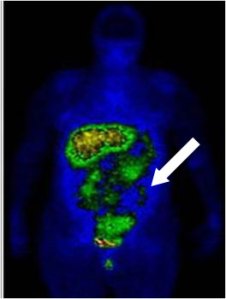
  Advanced Ovarian Cancer - Imaging folate-receptors cancer cells using EC20 (folate-Tc99m). Source:  Endocyte

Advanced Ovarian Cancer - Imaging folate-receptors cancer cells using EC20 (folate-Tc99m). Source: Endocyte

In addition to EC145, patients in the PRECEDENT trial will also be treated with a new molecular imaging agent called EC20 developed by Endocyte. By targeting folate receptors, EC20 imaging agent allows clinicians to identify tumors that overexpress the folate receptor. Using EC20, doctors may be able to identify, in advance, those patients who will benefit from EC145 therapy. According to Dr. Wendel Naumann of the Blumenthal Cancer Center, Carolinas Medical Center and principal investigator for the PRECEDENT study, ‘Patients with advanced, platinum resistant, ovarian cancer are in need of therapy that does not result in significant toxicity. The earlier clinical studies of EC145 were encouraging because they indicated that clinicians could use EC20 to identify women whose tumors expressed the molecular target of EC145. Therapy with EC145 might benefit these patients without causing significant additional toxicity.’ ‘The start of the PRECEDENT study is another important validation of Endocyte’s promising DGS [Drug Guidance System] technology platform,” said Dr. Richard Messmann, Endocyte’s vice president for medical affairs. ‘This also represents an important milestone in Endocyte’s efforts to develop a range of new drugs and predictive medicine tools to treat cancer and other serious diseases in the years ahead. ‘

About Endocyte
Endocyte is a privately-held biotechnology company with headquarters in the Purdue Research Park of West Lafayette, IN. Based on the applications of Endocyte’s advanced proprietary Drug Guidance System (DGS), the Company is working to develop new drugs and diagnostic agents to treat many types of cancer and other serious diseases. The DGS platform makes it possible to use highly-potent drugs on extended and frequent dosing schedules and in combination with other drugs to maximize efficacy. The technology improves drug targeting and reduces the risk of side effects by combining drugs with ligands that are able to identify and attach to receptors found on tumor and other disease cells. Endocyte is currently conducting three separate Phase 2 clinical trials for its lead compound, EC145, together with EC20, a companion molecular imaging agent, for the treatment of ovarian cancer and non-small cell lung cancer. Other clinical-stage products in the Endocyte pipeline include: EC0225, a combination of two potent anticancer drugs; BMS493, a potent drug being developed in partnership with Bristol-Myers Squibb; EC17, a targeted immunotherapy agent; and EC0489, a targeted cancer drug. The Company also has multiple product candidates in pre-clinical stage development.  This press release contains “forward-looking statements” as that term is defined in the Private Securities Litigation Reform Act of 1995. These statements are based on management’s current expectations and involve significant risks and uncertainties that may cause results to differ materially from those set forth in the statements. We undertake no obligation to publicly update any forwardlooking statement, whether as a result of new information, future events, or otherwise.

Contacts:
Vickey Buskirk, media relations, Endocyte Inc., (765) 463-7175 ext. 1117, vbuskirk@endocyte.com”

Quoted Source: ENDOCYTE BEGINS PHASE II CLINICAL TRIAL OF EC145 FOR TREATMENT OF WOMEN WITH OVARIAN CANCER, News Release, February 19, 2009 (PDF Document).

Other Sources:

Additional Resources:


FDA Issues a Warning Letter to LabCorp Regarding The Illegal Marketing of The OvaSure™ Test

On September 29, 2008, the U.S. Food and Drug Administration (FDA) Office of In Vitro Diagnostic Device Evaluation and Safety (OIVD), Center for Devices and Radiological Health, issued a warning letter (FDA Warning Letter) to the Chief Executive Officer of the Laboratory Corporation of America (LabCorp) regarding the illegal marketing of the OvaSure™ ovarian cancer early detection diagnostic test. …Steven Gutman, M.D., M.B.A., the OIVD Director, informed David P. King, President and Chief Executive Officer of LabCorp, that his company was in serious violation of the Food, Drug, and Cosmetic Act (FDCA) involving the illegal marketing of the OvaSureTM test and asked that the violations be promptly corrected to avoid initiation of regulatory action by the FDA.

On September 29, 2008, the U.S. Food and Drug Administration (FDA), Office of In Vitro Diagnostic Device Evaluation and Safety (OIVD), Center for Devices and Radiological Health, issued a warning letter (the FDA Warning Letter) to the Chief Executive Officer of the Laboratory Corporation of America (LabCorp) regarding the illegal marketing of the OvaSure™ ovarian cancer early detection diagnostic test.

In the September 29th FDA Warning Letter, Steven Gutman, M.D., M.B.A., the OIVD Director, informed David P. King, President and Chief Executive Officer of LabCorp, that his company was in serious violation of the Food, Drug, and Cosmetic Act (FDCA) involving the illegal marketing of the OvaSureTM test and asked that the violations be promptly corrected to avoid initiation of regulatory action by the FDA. The FDA Warning Letter was issued to LapCorp after review of information obtained from LabCorp’s website including a press release and a technical bulletin, as well as information provided by LabCorp in a face-to-face meeting with the FDA on September 5, 2008.

The FDA Warning Letter to LapCorp states that the OvaSure™ test is a “device” under the FDCA because it is intended for use in the diagnosis of disease or other conditions, or in the cure, treatment, prevention, or mitigation of disease. Once classified as a “device” under the FDCA (assuming non-applicability of select exemption criteria), LapCorp is required by law to obtain marketing approval or clearance for the OvaSure™ test from the FDA prior to its sale to the public. This FDA finding, in theory, helps protect the public health by ensuring that new devices are shown to be both safe and effective or substantially equivalent to other devices already legally marketed in this country for which approval is not required.

Based upon OIVD’s findings, the FDA concluded that LapCorp did not obtain FDA marketing approval or clearance for the OvaSure™ test and is in violation of Federal law. Specifically, the FDA describes LapCorp’s violations of, and the required corrective action under, the FDCA as follows:

“… The device [i.e., OvaSure™] is adulterated under section 501(f)(1)(B) of the [Food, Drug, and Cosmetic] Act, 21 U.S.C. 351(f)(1)(B), because you do not have an approved application for premarket approval (PMA) in effect pursuant to section 515(a) of the Act, 21 U.S.C. 360e(a), or an approved application for an investigational device exemption (IDE) under section 520(g) of the Act, 21 U.S.C. 360j(g). The device is also misbranded under section 502(o) [of] the Act, 21 U.S.C. 352(o), because you did not notify the agency [i.e., the FDA] of your intent to introduce the device into commercial distribution, as required by section 510(k) of the Act, 21 U.S.C. 360(k). For a product requiring premarket approval before marketing, the notification required by section 510(k) of the act is deemed to be satisfied when a premarket approval application (PMA) is pending before the agency. 21 CFR §807.81(b). …

… You should take prompt action to correct these violations. Failure to promptly correct these violations may result in regulatory action being initiated by the FDA without further notice. These actions include, but are not limited to, seizure, injunction, and/or civil money penalties.”

The FDA Warning Letter provides LapCorp with 15 working days to correct its violations under the FDCA as noted above, and to explain how such violations will be prevented in the future. The FDA requests LapCorp to notify the agency if such corrective action cannot be taken within the specified 15 working day time frame.

Libby’s H*O*P*E*™ covered the initial marketing release of LabCorp’s OvaSure™ test and the FDA’s initial inquiry into the clinical validation support underlying the marketing of that test on June 23, 2008 and August 23, 2008, respectively.

Source: FDA Issued a Warning Letter to the CEO of LabCorp Regarding The Illegal Marketing of The OvaSureTM Test, Office of In Vitro Diagnostic Device Evaluation and Safety, Center for Devices and Radiological Health, Food and Drug Administration. September 29, 2008.

MK-0457 Alone and in Combination With Docetaxel Inhibits Ovarian Cancer Growth In Vivo

…[T]he [M.D. Anderson Cancer Center & Baylor College of Medicine] researchers concluded that [Aurora kinase] AK inhibition [produced by MK-0457] significantly reduces ovarian cancer tumor burden and cell proliferation, and increases tumor cell apoptosis in preclinical ovarian cancer mouse models. The researchers noted that the role of Aurora kinase inhibition in ovarian cancer merits further investigation in clinical trials.

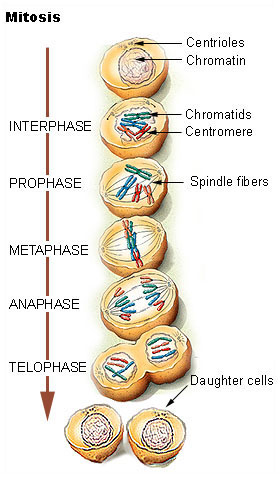
Chemotherapeutic drugs that interfere with the normal progression of cell division are used regularly for anti-cancer treatment. These so-called “antimitotic” drugs work by halting the cell cycle in mitosis, thereby inducing cell death (apoptosis) in tumor cells. Unfortunately, these compounds act not only on proliferating tumor cells, but exhibit significant side effects on non-proliferating or normal cells.

Aurora kinases (AKs), a specific family of protein kinases, are essential for various steps in human cell division. The cell division process is one of the hallmarks of every living organism. Within the complete cell-cycle process, mitosis constitutes one of the most critical steps. The main purpose of mitosis is to segregate sister chromatids into two daughter cells. This process is tightly regulated by several proteins, some of them acting as check points that ultimately ensure the correct coordination of this critical biologic process.

There is evidence linking AK overexpression with various types of malignant human cancer cells. Given the potential selectivity to target tumor cells while leaving normal cells unaffected, several “AK inhibitors” have been developed by various drug companies. Researchers at the University of Texas M.D. Anderson Cancer Center (Departments of Gynecologic Oncology, Surgical Oncology, and Cancer Biology) and the Baylor College of Medicine (Departments of Molecular and Cellular Biology and Obstetrics and Gynecology) tested MK-0457, a small molecule AK inhibitor, alone and in combination with docetaxel against ovarian cancer growth in vitro and in vivo. MK0457, initially developed by Vertex Pharmaceuticals Inc. (Vertex), is now being developed clinically by Merck & Co., Inc (Merck) for use against treatment-resistant forms of advanced leukemias.

The in vitro testing conducted by M.D. Anderson and Baylor researchers compared the use of docetaxel alone with the combination use of docetaxel and MK-0457, against two lines of chemosensitive ovarian cancer cells. Notably, the M.D. Anderson and Baylor researchers determined that the docetaxel and MK-0457 combination produced cytotoxicity that was 10 times greater than that produced by docetaxel alone. The in vivo testing, conducted in mouse models, compared the use of MK-0457 monotherapy against lines of chemosensitive and chemoresistant ovarian cancer cells. The AK inhibitor MK-0457, when used alone, significantly reduced ovarian cancer cell tumor burden. Combination treatment with docetaxel and MK-0457 resulted in significantly improved reduction in tumor growth, as well as a threefold increase in cell death, as compared to docetaxel monotherapy.

Based upon the foregoing results, the researchers concluded that AK inhibition significantly reduces ovarian cancer tumor burden and cell proliferation, and increases tumor cell apoptosis in preclinical ovarian cancer mouse models. The researchers noted that the role of Aurora kinase inhibition in ovarian cancer merits further investigation in clinical trials.

Note: In November 2007, Merck suspended new patient enrollment in two leukemia trials which involve the use of MK-0457. The suspension of new enrollees was attributable to preliminary safety data that indicated a potential cardiovascular effect in one patient. The safety findings from that patient indicated “QTc prolongation” (or “Long QT Syndrome“), a condition that can precede sudden cardiac arrest. Patients already enrolled in the two leukemia trials were permitted to continue treatment with MK-0457, provided that they were monitored for QTc prolongation. To our knowledge, based upon publicly available information, there have been no further reports of QTc prolongation within those two clinical trials.

Primary Reference: Targeting Aurora Kinase with MK-0457 Inhibits Ovarian Cancer Growth; Lin, YG et. al., Clin Cancer Res. 2008 Sep 1;14(17):5437-5446

Secondary References: