“The biology of ovarian cancers discovered at an early stage may render them slower growing and less likely to spread than more aggressive cancers, which typically are discovered in an advanced stage, according to a study led by investigators in the Duke Comprehensive Cancer Center. This finding has implications for the question of whether screening for ovarian cancer could save lives. …”
“The biology of ovarian cancers discovered at an early stage may render them slower growing and less likely to spread than more aggressive cancers, which typically are discovered in an advanced stage, according to a study led by investigators in the Duke Comprehensive Cancer Center. This finding has implications for the question of whether screening for ovarian cancer could save lives.
Dr. Andrew Berchuck is Director of the Duke Division of Gynecologic Oncology, Duke Comprehensive Cancer Center, Durham, North Carolina
‘Our study showed that the ovarian cancers currently detected at an early stage have gene expression profiles that correlate with favorable outcome, rather than being representative of the entire spectrum of disease aggressiveness,’ said Andrew Berchuck, MD, a gynecologic oncologist at Duke and lead investigator on this study. ‘This highlights the potential challenges of developing a screening test for this disease, because earlier detection of aggressive cases is essential if screening is to reduce ovarian cancer deaths.’
The results of this study and the implications for screening as an approach to decreasing mortality parallel the challenges seen in lung cancer and prostate cancer. In those cancers, while screening approaches based on radiological imaging and/or blood markers detect cancers, it remains unclear whether cancer-related deaths are prevented because screening preferentially detects more benign cancers that are much less likely to be fatal, Berchuck said.
‘While these results could be seen as discouraging, it must be remembered that this information is an important piece of the ovarian cancer puzzle, and data like these that increase our understanding of the disease hopefully will eventually lead to breakthroughs in prevention, early detection and treatment of this deadly disease,’ Berchuck said. Although there is currently no approved ovarian cancer screening test for the general population, the CA125 blood test and transvaginal ultrasound imaging currently are being evaluated in clinical trials.
The researchers looked at gene expression patterns in 166 ovarian cancer tissue samples taken from patients who were treated at Duke, H. Lee Moffitt Cancer Center, and Memorial Sloan-Kettering Cancer Center and from the Gynecologic Oncology Group Tumor Bank. For this study, researchers examined samples of advanced ovarian cancers from patients who had experienced long-term survival — over seven years — and patients who had done extremely poorly, and died within three years of diagnosis. The researchers used microarrays — a method for examining thousands of snippets of DNA — with about 22,000 probe sets to examine patterns of gene expression among the samples, and identified genes that were most predictive of survival.
‘We found that certain patterns predicted long-term survival and others predicted a poorer prognosis in advanced stage cases,’ Berchuck said. ‘Cancers that were detected at an early stage almost always shared gene expression characteristics with advanced stage cases that were long-term survivors, suggesting a shared favorable biology.’
Evaluating a patient’s risk of hereditary breast and ovarian cancer syndrome is an important first step in cancer prevention and early detection and should be a routine part of ob-gyn practice. Those who are likely to have the syndrome should be referred for further assessment to a clinician with expertise in genetics, according to a new Practice Bulletin jointly released today by The American College of Obstetricians and Gynecologists [ACOG] and the Society of Gynecologic Oncologists [SGO]. The new document also provides information on how to counsel patients with hereditary risk in cancer prevention and how to perform surgical removal of the ovaries and fallopian tubes in this population
“Routine Screening for Hereditary Breast and Ovarian Cancer Recommended
Washington, DC — Evaluating a patient’s risk of hereditary breast and ovarian cancer syndrome is an important first step in cancer prevention and early detection and should be a routine part of ob-gyn practice. Those who are likely to have the syndrome should be referred for further assessment to a clinician with expertise in genetics, according to a new Practice Bulletin jointly released today by The American College of Obstetricians and Gynecologists [ACOG] and the Society of Gynecologic Oncologists [SGO]. The new document also provides information on how to counsel patients with hereditary risk in cancer prevention and how to perform surgical removal of the ovaries and fallopian tubes in this population.
Hereditary breast and ovarian cancer syndrome is an inherited cancer-susceptibility syndrome marked by multiple family members with breast cancer, ovarian cancer or both; the presence of both breast and ovarian cancer in a single individual; and early age of breast cancer onset.
Karen Lu, M.D., Professor of Gynecologic Oncology at the University of Texas MD Anderson Cancer Center
‘The vast majority of families who have hereditary breast and ovarian cancer syndrome carry an inherited mutation of the BRCA1 or BRCA2 tumor suppressor genes. Women in these families may have a higher risk of breast, ovarian, peritoneal, and fallopian tube cancers,’ said Karen Lu, MD, professor of gynecologic oncology at the University of Texas MD Anderson Cancer Center, who helped develop the ACOG Practice Bulletin. ‘Though having a BRCA gene mutation does not mean an individual will undoubtedly develop cancer, it is better to know sooner rather than later who may be at risk.’
Women with either BRCA mutation have a 65%-74% chance of developing breast cancer in their lifetime. Ovarian cancer risk is increased by 39%-46% in women with a BRCA1 mutation and by 12-20% in women with a BRCA2 mutation. Approximately 1 in 300 to 1 in 800 individuals in the US are BRCA carriers. BRCA mutations may occur more frequently in some populations founded by small ancestral groups, such as Ashkenazi (Eastern European) Jews, French Canadians, and Icelanders. An estimated 1 in 40 Ashkenazi Jews has a BRCA1 or BRCA2 mutation.
The new document addresses the ob-gyn’s role in identifying, managing, and counseling patients with an inherited cancer risk. The initial screening evaluation should include specific questions about personal and family history of breast cancer and ovarian cancer. Because BRCA mutations can be passed down from both the father’s and mother’s side of the family, both sides of a woman’s family should be carefully examined. Obtaining a full family history may be impeded in women who were adopted, those from families that have multiple women who had a hysterectomy and oophorectomy at a young age, or those from families with few female relatives. The results of a general evaluation will help determine whether the patient would benefit from a more in-depth hereditary cancer risk assessment, which should be conducted by a health care provider with expertise in cancer genetics.
Further genetic risk assessment is recommended for women who have more than a 20%-25% chance of having an inherited predisposition to breast or ovarian cancer. These women include:
Women with a personal history of both breast cancer and ovarian cancer
Women with ovarian cancer and a close relative—defined as mother, sister, daughter, grandmother, granddaughter, aunt—with ovarian cancer, premenopausal breast cancer, or both
Women of Ashkenazi Jewish decent with breast cancer who were diagnosed at age 40 or younger or who have ovarian cancer
Women with breast cancer at 50 or younger and who have a close relative with ovarian cancer or male breast cancer at any age
Women with a close relative with a known BRCA mutation
Genetic risk assessment may also be appropriate for women with a 5%-10% chance of having hereditary risk, including:
Women with breast cancer by age 40
Women with ovarian cancer, primary peritoneal cancer, or fallopian tube cancer or high grade, serous histology at any age
Women with cancer in both breasts (particularly if the first cancer was diagnosed by age 50)
Women with breast cancer by age 50 and a close relative with breast cancer by age 50
Women with breast cancer at any age and two or more close relatives with breast cancer at any age (particularly if at least one case of breast cancer was diagnosed by age 50)
Unaffected women with a close relative that meets one of the previous criteria
Before testing, a genetic counselor can discuss the possible outcomes of testing; options for surveillance, chemoprevention, and risk-reducing surgery; cost and legal and insurance matters surrounding genetic tests and test results; and the psychologic and familial implications that may follow. The counselor can also provide written materials that women can share with family members who may also have an inherited risk.
Screening, Prevention, and Surgical Intervention
Those with hereditary breast and ovarian cancer syndrome can begin a screening and prevention plan based on individual risk factors and family history. Ovarian cancer screening approaches are currently limited. For women with a BRCA mutation, ACOG recommends periodic screening with CA 125 and transvaginal ultrasonography beginning between the ages of 30 and 35 years or 5-10 years earlier than the earliest age of first diagnosis of ovarian cancer in the family.
Risk-reducing salpingo-oophorectomy surgery—which removes both of the ovaries and fallopian tubes—can reduce the risk of ovarian and fallopian tube cancer by about 85% to 90% among BRCA carriers. Women who have BRCA1 or BRCA2 mutations should be offered risk-reducing salpingo-oophorectomy by age 40 or when childbearing is complete. The ideal time for this surgery depends on the type of gene mutation.
‘In this population, risk-reducing salpingo-oophorectomy and pathology review must be extremely comprehensive to check for microscopic cancers in the ovaries, fallopian tubes, and abdominal cavity,’ Dr. Lu said. According to the Practice Bulletin, all tissue from the ovaries and fallopian tubes should be removed, and a complete, serial sectioning that includes microscopic examination for occult cancer should be conducted. A thorough visualization of the peritoneal surfaces with pelvic washings should be performed. Any abnormal areas should undergo biopsy.
Strategies recommended to reduce breast cancer risk in women with a BRCA mutation include semiannual clinical breast examination; an annual mammogram and annual breast magnetic resonance imaging screening beginning at age 25 or sooner based on the earliest age onset in the family; chemoprevention therapy with tamoxifen; and bilateral mastectomy to remove both breasts, which reduces the risk of breast cancer by greater than 90%-95%.
About the American College of Obstetricians & Gynecologists
The American College of Obstetricians and Gynecologists is the national medical organization representing over 53,000 members who provide health care for women.
About the Society of Gynecologic Oncologists
The Society of Gynecologic Oncologists is a national medical specialty organization of physician-surgeons who are trained in the comprehensive management of women with malignancies of the reproductive tract. The purpose of the SGO is to improve the care of women with gynecologic cancers by encouraging research and disseminating knowledge to raise the standards of practice in the prevention and treatment of gynecologic malignancies, in cooperation with other organizations interested in women’s health care, oncology and related fields. This is reflected in the Society’s Mission statement to “promote and ensure the highest quality
of comprehensive clinical care through excellence in education and research in gynecologic cancers.”
To call Laurey Masterton an “overachiever” is akin to calling Lance Armstrong a “decent” bike rider. …On March 6, 2009, Laurey dipped her rear bicycle tire into the Pacific Ocean (San Diego, CA), and started a 58-day, 3100-mile trek that will culminate in the dipping of her front bicycle tire into the Atlantic Ocean (St. Augustine, FL) on or about April 30th. … The purpose of her bike trip is to raise awareness about ovarian cancer. …
To call Laurey Masterton an “overachiever” is akin to calling Lance Armstrong a “decent” bike rider. A few of Laurey’s amazing talents and achievements (past & present) include the following:
Laurey Masterton, 20-Year Ovarian Cancer Survivor, Bikes Across America to Raise Awareness About the Early Warning Signs & Symptoms of Ovarian Cancer (Photo Source: Ovarian Cancer National Alliance)
Author of Elsie’s Biscuits:Simple Stories of Me, My Mother, and Food, a “culinary memoir-with recipes” in which she tells about growing up in the golden light of a small inn, losing her parents as a child, and then finding her way back to them through food and stories;
In1999, Laurey was awarded the Small Business Leader of the Year for both Asheville, North Carolina and the state of North Carolina;
In 2001, Laurey was the recipient of The Athena Award, which promotes women’s leadership and honors outstanding leaders;
Participant in local farm-to-table initiatives, with a particular interest in helping children experience gardening, cooking and the eating of “real food;”
Glassblowing student, who collects sea urchins, antique chafing dishes, and old Clementine boxes;
Italian speaking leader of guided culinary tours to the Tuscany region of Italy and the Provence region of France;
Active long-distance bike rider and beekeeper;
Resident of Asheville, North Carolina, where she lives with her partner Chris and her dog Tye;
Follower of the motto “don’t postpone joy;” and
20-year survivor of ovarian cancer, one of the deadliest cancers affecting women today.
Yup, I “buried the lead” as they say in journalism. Laurey is a 20-year ovarian cancer survivor who fully recognizes and appreciates her good fortune. As you probably guessed by now, the appreciation of good fortune is simply not enough for Laurey. On March 6, 2009, Laurey dipped her rear bicycle tire into the Pacific Ocean (San Diego, CA), and started a 58-day, 3100-mile trek that will culminate in the dipping of her front bicycle tire into the Atlantic Ocean (St. Augustine, FL) on or about April 30th. The purpose of her bike trip is to raise awareness about the warning signs and symptoms of ovarian cancer and the dire need for early detection. In an interview with the Ovarian Cancer National Alliance (OCNA), Laurey said, “Being a 20-year ovarian cancer survivor is a special victory because sadly most of its victims don’t reach this milestone. I’m one of the lucky ones because I was able to feel symptoms early on and was diagnosed in Stage I. I was in touch with my body, I knew something was wrong, I was persistent with the doctors and it saved my life. Early detection and awareness of ovarian cancer is the message that I want my bike ride to convey.”
Historically ovarian cancer was called the “silent killer” because symptoms were not thought to develop until the chance of cure was poor. However, recent studies have shown this term is untrue and that the following symptoms are much more likely to occur in women with ovarian cancer than women in the general population. These symptoms include:
Bloating
Pelvic or abdominal pain
Difficulty eating or feeling full quickly
Urinary symptoms (urgency or frequency)
As in Laurey’s case, women with ovarian cancer report that symptoms are persistent and represent a change from normal for their bodies. The frequency and/or number of such symptoms are key factors in the diagnosis of ovarian cancer. Several studies show that early stage ovarian cancer can produce these symptoms. Women who have these symptoms daily for more than a few weeks should see their doctor, preferably a gynecologist. Prompt medical evaluation can lead to detection at the earliest possible stage of the disease which is associated with an improved prognosis. Additional symptoms can include fatigue, indigestion, back pain, pain with intercourse, constipation and menstrual irregularities.
Ovarian cancer can afflict adolescent, young adult, and mature women, although the risk of disease increases with age and peaks in the late 70s. Pregnancy and the long-term use of oral contraceptives reduce the risk of developing ovarian cancer.
There is no reliable screening test for the detection of early stage ovarian cancer. Pelvic examination only occasionally detects ovarian cancer, generally when the disease is advanced. However, the combination of a thorough pelvic exam, transvaginal ultrasound, and a blood test for the tumor markerCA125 can be offered to women who are at high risk of ovarian cancer and to women who have persistent, unexplained symptoms like those listed above.
If diagnosed at the localized stage, the 5-year ovarian cancer survival rate is 92%; however, only about 19% of all cases are detected at this stage, usually fortuitously during another medical procedure.
Women who have had breast cancer, or who have a family history of breast cancer or ovarian cancer may have increased risk. Inherited mutations in BRCA1 or BRCA2 genes increase risk. Women of Ashkenazi (European) Jewish ancestry are at greater risk for inherited BRCA gene mutations. Another genetic syndrome, hereditary nonpolyposis colon cancer (also known as “Lynch syndrome”), has also been associated with endometrial and ovarian cancer.
Ovarian cancer incidence rates are highest in Western industrialized countries.
Ovarian cancer accounts for about 3% of all cancers among women and ranks #2 among gynecologic cancers.
An estimated 21,650 new ovarian cancer cases were diagnosed in the U.S.
An estimated 15,520 ovarian cancer deaths occurred.
Ovarian cancer causes more deaths than any other cancer of the female reproductive system.
Prior to starting her trip, Laurey Masterton raised a portion of her $50,000 goal amount that will be donated to (i) OCNA, in support of its work on research, education, and awareness essential to the fight against ovarian cancer, and (ii) the Women Chefs and Restaurateurs (WCR), an organization that promotes and enhances the education, advancement and connection of women in the culinary industry. In turn, the OCNA and WCR are partnering with Laurey in her efforts to raise ovarian cancer awareness. “Laurey is an inspiration to women everywhere to never give up and always to have hope no matter how big the obstacle,” says Karen Orloff Kaplan, CEO of OCNA. “We are delighted to support Laurey throughout her bike ride and help her reach her goals in bringing more attention to ovarian cancer.”
Laurey is journaling online in “real time” about various aspects of her ongoing bike trip at www.laureybikes.blogspot.com. On Saturday, March 14th, Laurey stopped at Apache Junction, Arizona to chat with several ovarian cancer survivors. In one of Laurey’s most touching journal entries to date, entitled A morning to chat, Laurey writes:
These sweet lovelies came to see me off this morning. FIRST thing! Ovarian cancer survivors (the woman on my left is a 38 year survivor!) and supporters, they arrived, armed with teal feather boas and a video camera and good questions. The sun rose over those fragrant eucalyptus trees and we talked about riding and surviving and persisting in the face of chemotherapy or miles and miles of uphill, bumpy roads.
Before I left Asheville I had a Reiki session with a friend and told her that I was not sure I was doing the right thing by leaving my business and my home and my friends and my life to go gallivanting around on my red Trek. She said I would find signs to tell me I WAS doing the right thing. She said, “Your spirit guides will tell you. They especially like to show themselves in the form of pennies and feathers.”
Ha!
Here they are.
* * *
I encourage everyone to check out Laurey’s Google Map below, which sets forth her anticipated travel route and stops. As of this writing, Laurey was leaving Lordsburg, New Mexico, so please visit Laurey’s blog to learn how you can support her during her cross-country bike ride.
If I were a betting man, I would say that there is no doubt that Laurey will complete her cross country trek, while educating thousands of women about the warning signs and symptoms of ovarian cancer, and the need for early detection. Throughout her entire life, Laurey did not allow difficult life circumstances and past achievements to define her. Nothing has changed. She always moves forward, living by the motto “don’t postpone joy.” Laurey not only represents a strong role model for ovarian cancer survivors, she is an inspiring and passionate role model for anyone with a heartbeat.
Babe Ruth, the legendary baseball player, once said, “It’s hard to beat a person who refuses to give up.” A word to the wise: Never bet against Laurey because the word “quit” is not in her vocabulary!
In the video below, TV Personality and Chef Sara Moulton conducts an intimate interview with Laurey Masterton regarding her cross country bike ride to raise awareness about the early warnings signs and symptoms of ovarian cancer.
TV Personality & Chef Sara Moulton Interviews Laurey Masterton
About the Ovarian Cancer National Alliance
The Ovarian Cancer National Alliance (OCNA) is the nation’s vision and voice for ovarian cancer issues. The OCNA, a 501(c)(3) nonprofit organization, leads the national initiative to conquer ovarian cancer by uniting individuals and local, state and national organizations in a consolidated movement to advance ovarian cancer research, improve health care practice and find an effective screening test and a cure for the disease. To learn more about the OCNA, visit its website at www.ovariancancer.org.
About the Women Chefs and Restaurateurs
The mission of Women Chefs & Restaurateurs is to promote and enhance the education, advancement and connection of women in the culinary industry.Formed in 1993 by eight of the nation’s top women chefs and restaurateurs, WCR has grown to a membership of over 2,000 members, offering a variety of networking, professional and support services.To learn about WCR, visit its website at www.womenchefs.org.
____________________________________
I know what you’re thinking. With a last name like Cacciatore, he can’t be Irish. But alas, you would be mistaken, as I am one-half Irish and proud of it. My old college roommate (who is a 1st generation Irish American) considers St. Patrick’s Day the holiest of holy days … along with the entire college campus of the University of Notre Dame.
In honor of the day, I provide you with an Irish toast & song as both go hand-in-hand (usually with a pint of Guinness reserved for one hand).
The Toast: “May you live to be 100 years old with an extra year to repent! Sláinte!”
The Song: “The Galway Girl“* by the Irish artist Mundy. Mundy’s live performance of this song is provided below.
*”The Galway Girl” is a song originally written by Steve Earle and recorded with the Irish fiddler Sharon Shannon on Earle’s 2000 album Transcendental Blues. The video below features a cover version of the song made famous in 2007-2008 by the Irish artist Mundy. Mundy’s cover version of the Irish song reached even higher profile in the U.S. after being featured by director Richard LaGravenese in the movie P.S. I Love You (click here to view a video that features the Galway Girl song and excerpts from P.S. I Love You).
New updates to the NCCN Clinical Practice Guidelines in Oncology™ for Ovarian Cancer were presented at the NCCN 14th Annual Conference on March 14. Notable additions to the NCCN Guidelines are a section on managing allergic reactions to chemotherapy agents and new agents for recurrence therapy. Robert J. Morgan Jr., M.D., F.A.C.P. of the City of Hope Comprehensive Cancer Center presented the updated NCCN Guidelines that continue to stress early detection of ovarian cancer and the enrollment of patients in clinical trials.
“Early Detection Remains Key in Updated NCCN Guidelines for Ovarian Cancer
Robert J. Morgan Jr., M.D., F.A.C.P., Professor of Medical Oncology, Department of Medical Oncology and Therapeutics Research, City of Hope Comprehensive Cancer Center, Duarte, CA & Chair of the NCCN Guidelines Panel for Ovarian Cancer
HOLLYWOOD, FL — Improvements in screening and early detection remains the key for women with ovarian cancer according to Robert J. Morgan, MD, of City of Hope Comprehensive Cancer Center and chair of the NCCN Guidelines Panel for Ovarian Cancer. Dr. Morgan discussed the future of ovarian cancer and notable changes to the recently updated NCCN Ovarian Cancer Guidelines at the NCCN Annual Conference on Saturday, March 14.
Dr. Morgan began by explaining that the major challenge in treating ovarian cancer is that by the time the majority of patients (70 percent) are diagnosed with the disease, it has already progressed to stage III or IV. ‘We have not yet found a good way to screen the general population or even the high-risk population of women for ovarian cancer,’ he said.
New to the NCCN Guidelines is a section on the management of allergic reactions in patients receiving chemotherapy for ovarian cancer. Dr. Morgan explained the need for this section as ovarian cancer tends to respond to the same treatment repeatedly. Combined with the fact that recurrence rates of ovarian cancer are high, this can result in patients often being retreated with the same chemotherapeutic agent. Given that virtually all chemotherapy drugs have the potential to cause infusion reactions, including agents commonly used in ovarian cancer, the NCCN Guidelines Panel felt it was important to provide information on allergic reactions and recommendations on desensitization regimens.
‘Most patients experiencing allergic reactions are able to be desensitized allowing for continued chemotherapeutic treatment, which is vital to the management of ovarian cancer,’ said Dr. Morgan.
Also new to the updated NCCN Guidelines is the addition of new agents for recurrence therapy, most notably pemetrexed (Alimta®, Eli Lilly and Company) as well as recommendations for therapies based on the timing of recurrence.
‘Seventy-five to 80 percent of patients with stage III or IV ovarian cancer will experience recurrence and this recurrence can occur at any time – during treatment, within 6 months of completing treatment, or more than a year after completing treatment,’ Dr. Morgan noted. ‘In the updated NCCN Guidelines, we differentiated appropriate therapy for recurrence based upon the time frame on which it occurs.’
Additionally, Dr. Morgan referred to a clinical trial suggesting that pemetrexed is active in recurrent ovarian cancer, to support the new recommendation in the updated NCCN Guidelines.
Dr. Morgan described new updates to the Principles of Primary Surgery section in the updated NCCN Guidelines that included the recommendation to consider completion surgery for patients responsive to chemotherapy with initially unresectableresidual disease, as well as recommendations relating to special circumstances including minimally-invasive procedures, and fertility sparing procedures.
Dr. Morgan also discussed recent clinical studies conducted abroad that studied the effect of chemotherapy as an up-front therapy in patients with ovarian cancer, and concluded that ‘in the United States, up-front debulking surgery remains the recommendation for the best overall survival.’
Another addition to the updated NCCN Guidelines is a section on the Principles of Chemotherapy. This section emphasizes the encouragement of patients participating in clinical trials during all aspects of their treatment course as well as noting that patients with newly diagnosed tumors should be informed about the different options available, particularly IV [intravenous] vs. IV/IP chemotherapy and the risks and benefits of each regimen.
‘The future of ovarian cancer lies in early detection and improvements in screening,’ Dr. Morgan noted as he discussed potential biomarkers for the detection, prediction and prognostication of ovarian cancer.
He concluded that steady progress is being made in the treatment of ovarian cancer, but further trials are necessary to investigate the role of targeted agents alone and in combination in newly diagnosed and recurrent ovarian cancer. Finally, he again stressed the need for physicians to encourage their patients to participate in clinical trials.
For questions about NCCN or for interview information, please contact Megan Martin 215.690.0576.
About the National Comprehensive Cancer Network
The National Comprehensive Cancer Network (NCCN), a not-for-profit alliance of 21 of the world’s leading cancer centers, is dedicated to improving the quality and effectiveness of care provided to patients with cancer. Through the leadership and expertise of clinical professionals at NCCN Member Institutions, NCCN develops resources that present valuable information to the numerous stakeholders in the health care delivery system. As the arbiter of high-quality cancer care, NCCN promotes the importance of continuous quality improvement and recognizes the significance of creating clinical practice guidelines appropriate for use by patients, clinicians, and other health care decision-makers. The primary goal of all NCCN initiatives is to improve the quality, effectiveness, and efficiency of oncology practice so patients can live better lives. For more information, visit www.nccn.org.
Two recent in vitro studies conducted in the U.S. and Europe raise a provocative question: Can FDA-approved human immunodeficiency virus (HIV) drugs be used to treat chemoresistant ovarian cancer? Both studies were based upon the fact that HIV patients taking antiretroviral inhibitors have a lower incidence of infection-associated malignancies. Based upon that fact, the researchers conducting both studies hypothesized that such drugs could produce anti-cancer activity.
Two recent in vitro studies conducted in the U.S. and Europe raise a provocative question: Can FDA-approvedhuman immunodeficiency virus (HIV) drugs be used to treat chemoresistant ovarian cancer? Both studies were based upon the fact that HIV patients taking antiretroviral inhibitors have a lower incidence of infection-associated malignancies. Based upon that fact, the researchers conducting both studies hypothesized that such drugs could produce anti-cancer activity.
The first in vitro study was conducted by University of Munich Hospital researchers. The stated purpose of the German in vitro study was to determine whether nelfinavir could (i) sensitize drug resistant ovarian cancer cells to chemotherapeutic agent, or (ii) act as a monotherapy against drug resistant ovarian cancer cells. Upon conclusion of the study, the German researchers discovered that nelfinavir induced cell death in carboplatin– sensitive and carboplatin-resistant ovarian cancer cell lines, as well as in cancer biopsies and ascites samples from patients with recurrent ovarian cancer. The researchers noted that nelfinavir significantly changed the morphology of the ovarian cancer cells by creating the so-called “unfolded protein response” (UPR). UPR, in turn, caused ovarian cancer cell cycle arrest and death. The German researchers also observed a downregulation of cell cycle regulatory proteins after nelfinavir treatment, and hypothesized that it contributed to ovarian cancer cell death. Because nelfinavir represents a FDA-approved drug for use in humans with HIV infection, the researchers concluded that it could be tested rapidly in clinical studies as a potential treatment strategy against drug-resistant ovarian cancer.
The second in vitro study was conducted by University of Michigan researchers. The stated purpose of the University of Michigan study was to (i) determine whether the protease inhibitorsaquinavir could produce anticancer activity in ovarian cancer cell lines, and (ii) understand the mechanism through which such anti-cancer activity occurs. Upon conclusion of the study, the University of Michigan researchers discovered that saquinavir induced cell death in chemosensitive and chemoresistant ovarian cancer cells in a time- and dose-dependent manner. Specifically, cellular morphology assessed by transmission electron microscopy (TEM) revealed apoptotic, autophagic, and necrotic cell death. The University of Michigan researchers concluded that saquinavir, as an FDA-approved drug for the treatment of HIV, could have clinical application in the treatment of chemoresistant ovarian cancer.
Comment:
There is no guarantee that the in vitro study results discussed above could be replicated in human beings. The in vitro study results are nevertheless provocative because they were performed with drugs that are already FDA-approved, abeit for HIV, and therefore, such drugs were previously determined to be relatively safe. In addition, the findings of both in vitro studies are nearly identical despite the fact that two different FDA-approved HIV drugs were tested by two separate medical facilities. Given the chemoresistant nature of ovarian cancer, it seems that nelfinavir and saquinavir should be tested in future clinical trials.
… University of Minnesota researchers evaluated the use of fulvestrant [Faslodex®] in women with recurrent ovarian or primary peritoneal cancer. …Using modified-RECIST criteria 13 patients (50%) achieved SD …[T]he University of Minnesota researchers concluded that fulvestrant is well-tolerated and efficacious. The researchers also noted that objective response rates are low, but disease stabilization was common.
It is well-known that the goal of treating recurrent ovarian cancer is disease control while minimizing toxicity. Previously, Fulvestrant (Faslodex®), a novel estrogen receptor (ER) antagonist, was proven clinically beneficial and well-tolerated in treating recurrent breast cancer. If a pathologist determines that a women’s ovarian cancer biopsy is estrogen receptor positive (ER+), there is a possibility that she may respond to anti-estrogen therapy.
On this basis, University of Minnesota researchers evaluated the use of fulvestrant in women with recurrent ovarian or primary peritoneal cancer. Patients with ER+, multiply recurrent ovarian or primary peritoneal carcinoma were eligible for trial enrollment if (i) they had measurable disease according to RECIST (Response Evaluation Criteria in Solid Tumors) criteria, or (ii) an abnormal and rising CA-125 blood test measurement. Treatment consisted of single agent fulvestrant, 500 mg IM (intramuscular) on Day 1, 250 mg IM on Day 15, and 250 mg IM on Day 29 and every 28 days thereafter until the patient experienced intolerance or disease progression. Disease response was assessed by monthly physical exams and CA-125 levels as well as bimonthly CT scans. The clinical trial primary endpoint was “clinical benefit” (CB) (i.e., CB=complete response (CR) + partial response (PR) + stable disease (SD)) at 90 days).
Pursuant to the phase II fulvestrant clinical trial, the study researchers reported the following:
Thirty-one women were enrolled and 26 women (median age of 61) met inclusion criteria and received at least one dose;
Patients received a median of 5 prior chemotherapeutic regimens (range: 2-13) prior to enrollment;
One patient experienced CR (4%), one patient experienced PR (4%), and 9 patients experienced SD (35%) using modified-Rustin criteria (CA-125 level);
Using modified-RECIST criteria 13 patients (50%) achieved SD;
The median time to disease progression was 62 days (mean 86 days); and
Grade 1 toxicity included headache (1 patient) and bromidrosis (2 patients).
Based upon the foregoing results, the University of Minnesota researchers concluded that fulvestrant is well-tolerated and efficacious. The researchers also noted that objective response rates are low, but disease stabilization was common.
“The Massachusetts General Hospital Cancer Center has recently opened a new Translational Research Laboratory that will uncover the genetic codes and gene mutations from almost all of its cancer patients. … By embarking on such an ambitious approach, Cancer Center pathologists and oncologists hope to gather specific information about tumor properties that will lead to targeted therapies and better personalized treatments. Mass General will be the first and only cancer center to conduct molecular profiling of positive biopsies and tumors from all patients as part of basic patient care. …”
“Genetic profiling
09/Mar/2009
Massachusetts General Hospital Cancer Center Opens Molecular Pathology Lab to Genetically Profile All Patient Tumors
By embarking on such an ambitious approach, Cancer Center pathologists and oncologists hope to gather specific information about tumor properties that will lead to targeted therapies and better personalized treatments. Mass General will be the first and only cancer center to conduct molecular profiling of positive biopsies and tumors from all patients as part of basic patient care.
Scientists and researchers have already identified over 110 genetic mutations responsible for causing tumor growth, many of which are involved in several different types of cancers. Codirectors of the Transplational Research Laboratory, Leif Ellisen, MD, PhD, and A. John Iafrate, MD, PhD, have equipped the lab with state-of-the-art robotic technology, which will make it possible to quickly genotype tumor specimens within a short period of time.
‘This new and improved classification of cancers that we are doing is intended to give our oncologists more information about a individual patient’s cancer, so they can treat it in a very specific way, thereby significantly increasing the odds of success,’ says Iafrate.
Several new cancer drugs that are currently available or in development are able to block some of the mutations and pathways that cause tumor cells to proliferate. By targeting tumor gene mutations with these smart drugs, doctors may be able to eradicate malignant cells without using traditional treatments like chemotherapy and radiation, which have significant side effects.
The lab’s new tumor genotyping initiative should also expedite the time it takes to find the right drug for the right patient. According to Ellisen, ‘If we are able to identify a mutation in, say, a case of lung cancer, and we know that a particular drug has been successful in treating colon cancer patients with the same mutation, then we have good reason to believe that drug will work turning off the cancer-causing mutation in the lung cancer patient as well.’
The lab will start with the genotyping of Mass General’s lung cancer patients and phase in different disease groups over the next few weeks. It is anticipated that the profiling of all possible patient tumors will occur gradually over the coming months.
Making Personalized Cancer Care Routine, In Depth, NCI Cancer Bulletin, Volume 6 / Number 11, National Cancer Institute, June 2, 2009 (noting that Massachusetts General Hospital & Memorial Sloan-Kettering Cancer Center are performing genetic profiling of all lung cancer tumors).
“Ovarian cancer has a high case—fatality ratio, with most women not diagnosed until the disease is in its advanced stages. The United Kingdom Collaborative Trial of Ovarian Cancer Screening (UKCTOCS) is a randomised controlled trial designed to assess the effect of screening on mortality. This report summarises the outcome of the prevalence (initial) screen in UKCTOCS. …”
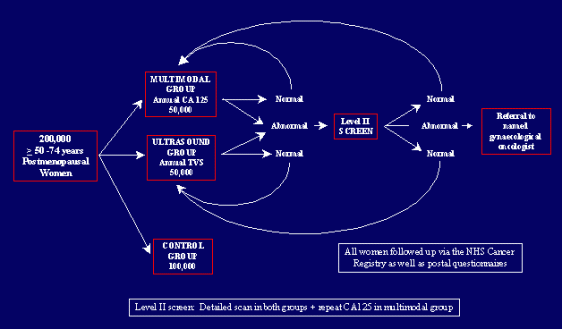
The United Kingdom Collaborative Trial of Ovarian Cancer Screening - Overall Trial Design
Methods
Between 2001 and 2005, a total of 202,638 post-menopausal women aged 50—74 years were randomly assigned to [1] no treatment (control; n=101,359); [2] annual CA125 screening (interpreted using a risk of ovarian cancer algorithm) with transvaginal ultrasound scan as a second-line test (multimodal screening [MMS]; n=50,640); or [3] annual screening with transvaginal ultrasound (USS; n=50,639) alone in a 2:1:1 ratio using a computer-generated random number algorithm. All women provided a blood sample at recruitment. Women randomised to the MMS group had their blood tested for CA125 and those randomised to the USS group were sent an appointment to attend for a transvaginal scan. Women with abnormal screens had repeat tests. Women with persistent abnormality on repeat screens underwent clinical evaluation and, where appropriate, surgery. This trial is registered as ISRCTN22488978 and with ClinicalTrials.gov, number NCT00058032.
Findings
In the prevalence screen, 50,078 (98.9%) women underwent MMS, and 48,230 (95.2%) underwent USS. The main reasons for withdrawal were death (two MMS, 28 USS), non-ovarian cancer or other disease (none MMS, 66 USS), removal of ovaries (five MMS, 29 USS), relocation (none MMS, 39 USS), failure to attend three appointments for the screen (72 MMS, 757 USS), and participant changing their mind (483 MMS, 1,490 USS). Overall, 4,355 of 50,078 (8.7%) women in the MMS group and 5,779 of 48,230 (12.0%) women in the USS group required a repeat test, and 167 (0.3%) women in the MMS group and 1,894 (3.9%) women in the USS group required clinical evaluation. 97 of 50,078 (0.2%) women from the MMS group and 845 of 48,230 (1.8%) from the USS group underwent surgery. 42 (MMS) and 45 (USS) primary ovarian and tubal cancers were detected, including 28 borderline tumours (eight MMS, 20 USS). 28 (16 MMS, 12 USS) of 58 (48.3%; 95% CI 35.0—61.8) of the invasive cancers were stage I/II, with no difference (p=0.396) in stage distribution between the groups. A further 13 (five MMS, eight USS) women developed primary ovarian cancer during the year after the screen. The sensitivity, specificity, and positive-predictive values for all primary ovarian and tubal cancers were 89.4%, 99.8%, and 43.3% for MMS, and 84.9%, 98.2%, and 5.3% for USS, respectively. For primary invasive epithelial ovarian and tubal cancers, the sensitivity, specificity, and positive-predictive values were 89.5%, 99.8%, and 35.1% for MMS, and 75.0%, 98.2%, and 2.8% for USS, respectively. There was a significant difference in specificity (p<0.0001) but not sensitivity between the two screening groups for both primary ovarian and tubal cancers as well as primary epithelial invasive ovarian and tubal cancers.
Interpretation
The sensitivity of the MMS and USS screening strategies is encouraging. Specificity was higher in the MMS than in the USS group, resulting in lower rates of repeat testing and surgery. This in part reflects the high prevalence of benignadnexal abnormalities and the more frequent detection of borderline tumours in the USS group. The prevalence screen has established that the screening strategies are feasible. The results of ongoing screening are awaited so that the effect of screening on mortality can be determined.
During an interview with the New York Times, Dr. Ian Jacobs, director of the Institute for Women’s Health at University College London, and director of the trial, discussed the optimism and the caveats associated with the preliminary clinical study results as follows:
We have now demonstrated we can pick up the vast majority of women with ovarian cancer earlier than they would have otherwise been detected and before they have symptoms, .. and that a good proportion of those women have earlier stage disease than we would normally expect them to have. … [W]omen thinking of having this must understand and realize that there’s a possibility it will do more harm than good. We have reason to think it will save lives, … and then the question is, will it save enough lives to balance out the harm it does? [Emphasis added].
Robert Smith, director of cancer screening for the American Cancer Society informed the New York Times that “[w]e’re not even remotely close to knowing how to screen women of average risk with these tests, or even if we should.” Mr Smith added that it is important to run large clinical trials, but that the preliminary results of this study must be interpreted with caution.
Libby’s H*O*P*E*™ previously reported on potential treatments for “oligometastasis,” which is defined as cancer that spreads to a few distant body sites, on June 23, 2008 and August 17, 2008. Two related U.S. multi-institutional, phase I/II clinical studies and one Canadian Phase I clinical study reported recently results from an evaluation of the efficacy and tolerability of high-dose stereotactic body radiation therapy (SBRT) for the treatment of patients with liver or lung metastases. A description of each study and its findings is provided below. In addition, we have provided an excerpt from an editorial published in the Journal of Clinical Oncologythat comments upon the lessons learned from the three SBRT clinical studies described below, as well as other related studies.
Libby’s H*O*P*E*™ previously reported on potential treatments for “oligometastasis,” which is defined as cancer that spreads to a few distant body sites, on June 23, 2008 and August 17, 2008. Two related U.S. multi-institutional, phase I/II clinical studies and one Canadian Phase I clinical study reported recently results from an evaluation of the efficacy and tolerability of high-dose stereotactic body radiation therapy (SBRT) for the treatment of patients with liver or lung metastases. A description of each study and its findings are provided below. In addition, we have provided an excerpt from an editorial published in the Journal of Clinical Oncology that comments upon the lessons learned from the three SBRT clinical studies described below, as well as other related studies.
U.S. SBRT Liver Metastases Study
In the first U.S. clinical study, patients with one to three hepatic lesions (with maximum individual tumor diameters less than 6 cm) were enrolled and treated on a multi-institutional, phase I/II clinical trial in which they received SBRT delivered in three fractions. During the phase I clinical study, the total radiation dose was safely escalated from 36 Gy to 60 Gy. During the phase II portion of the clinical study, the dose was 60 Gy. The study primary end point was local control of the hepatic metastases. Hepatic metastatic lesions with at least 6 months of radiographic follow-up were considered assessable for local control. The study secondary end points were toxicity and survival.
As part of this clinical study, 47 patients with 63 lesions were treated with SBRT. Among those patients, 69% had received at least one prior systemic therapy regimen for metastatic disease (range, 0 to 5 regimens), and 45% had extra-hepatic disease at study entry. Forty-nine discrete lesions were assessable for local control. Median follow-up for assessable lesions was 16 months (range, 6 to 54 months). The median maximal tumor diameter was 2.7 cm (range, 0.4 to 5.8 cm). Based upon this criteria, the researchers reported the following findings:
Only one patient experienced grade 3 or higher toxicity (2%);
Local progression occurred in only three lesions at a median of 7.5 months (range, 7 to 13 months) after SBRT;
Actuarial in-field local control rates at one and two years after SBRT were 95% and 92%, respectively;
Among lesions with maximal diameter of 3 cm or less, 2-year local control was 100%; and
Median survival was 20.5 months.
Based upon the foregoing, the U.S. researchers concluded that the multi-institutional, phase I/II clinical study demonstrates that high-dose liver SBRT is safe and effective for the treatment of patients with one to three liver metastases.
Canadian SBRT Liver Metastases Study
In the phase I Canadian clinical study, patients with liver metastases who were inoperable or medically unsuitable for resection, and were not candidates for standard therapies, were eligible for this individualized SBRT study. Individualized radiation doses were chosen to maintain the same nominal risk of radiation-induced liver disease (RILD) for three estimated risk levels (5%, 10%, and 20%). Additional patients were treated at the maximal study dose (MSD) in an expanded cohort. Median SBRT dose was 41.8 Gy (range, 27.7 to 60 Gy) in six fractions over 2 weeks. Based upon this criteria, the Canadian researchers reported the following findings:
Sixty-eight patients with inoperable colorectal (n = 40), breast (n = 12), or other (n = 16) liver metastases were treated;
Median tumor volume was 75.2 mL (range, 1.19 to 3,090 mL);
The highest RILD risk level investigated was safe, with no dose-limiting toxicity;
Two patients experienced grade 3liver enzyme changes, but no RILD or other grade 3 to 5 liver toxicity was seen, resulting in a low estimated risk of serious liver toxicity;
Based upon the foregoing, the Canadian researchers concluded that individualized six-fraction liver metastases SBRT is safe, with sustained local control observed in the majority of patients.
U.S.SBRT Lung Metastases Study
In the third study, patients with one to three lung metastases (with cumulative maximum tumor diameter smaller than 7 cm) were enrolled and treated as part of a U.S. multi-institutional phase I/II clinical study in which they received SBRT delivered in 3 fractions. During the phase I clinical study, the total dose was safely escalated from 48 to 60 Gy. During the phase II portion of the clinical study, the phase II dose was 60 Gy. The study primary end point was local control. Metastatic lung lesions with at least 6 months of radiographic follow-up were considered assessable for local control. The study secondary end points included toxicity and survival.
As part of this study, 38 patients with 63 lesions were enrolled and treated at three U.S. participating institutions. Among those patients, 71% received at least one prior systemic regimen for metastatic disease and 34% had received at least two prior regimens (range, 0 to 5 regimens). Two patients had local recurrence after prior surgical resection. Fifty lesions were assessable for local control. Median follow-up for assessable lesions was 15.4 months (range, 6 to 48 months). The median gross tumor volume was 4.2 mL (range, 0.2 to 52.3 mL). Based upon this criteria, the researchers reported the following findings:
The incidence of any grade 3 toxicity was 8% (3 of 38 patients);
Symptomatic pneumonitis occurred in one patient (2.6%);
Actuarial local control at one and two years after SBRT was 100% and 96%, respectively;
Local progression occurred in one patient, 13 months after SBRT; and
Median survival was 19 months.
Based upon the foregoing, the U.S. researchers concluded that the multi-institutional phase I/II clinical study demonstrates that high-dose SBRT is safe and effective for the treatment of patients with one to three lung metastases.
Using a Bigger Hammer: The Role of Stereotactic Body Radiotherapy in the Management of Oligometastases –Journal of Clinical Oncology Editorial
“… What can we learn from these three trials [described above]?
First, we have learned once again that it is possible to conduct prospective trials of new technological approaches. This is an important lesson. This is how future technologies, such as proton therapy, should be tested.
Second, although the poor overall survival of patients in these trials competes with the risk of local relapse, possibly leading to overestimation of the probability of local control at 2 years, it seems likely that SBRT is a good treatment for such patients. It would seem that a standardized dose/fractionation scheme, such as 60Gyin three fractions, works well for tumors smaller than 3 cm; larger ones may benefit from an individualized approach, such as described by Lee et al. [Canadian study decribed above, ftnote omitted]. However, we must continue to remember past experiences with hypofractionation of large volumes, which can produce severe late normal-tissue effects, especially fibrosis. Even if small volumes are irradiated, catastrophic complications can occur. In the case of lung cancer, severe unacceptable complications (bronchial fibrosis or hemorrhage) have been associated with treatment of lesions within 2 cm of major airways. A more protracted (five-fraction) regimen is about to be tested in a Radiation Therapy Oncology Group (RTOG) trial that will open in the coming months that will determine if these toxicities can be avoided. Lesions close to the chest wall may also benefit from a more protracted fractionation to avoid rib fractures. In the case of medial or central liver lesions, hypofractionation can cause intestinal obstruction or biliary fibrosis.
Finally, we should recognize that the methodology used in these trials applies to patients with relatively normal liver and lung functions. At this time, it is not clear how to account for organ dysfunction in patients with lung cancer or primary liver tumors. Certainly, differences in tolerance to radiation between patients with liver metastases and those with primary liver tumors have been observed before [ftnote omitted]. Therefore, although SBRT seems to have given us a bigger hammer, we still have much to learn about how and when to strike the nails.”
Researchers working in the Gynecologic Oncology Department of The University of Texas M.D. Anderson Cancer Center, reported Phase II clinical study results from their evaluation of the use of carboplatin, granulocyte-macrophage colony-stimulating factor (GM-CSF) and recombinant interferon gamma 1b (rIFN-gamma1b) in women with recurrent, platinum-sensitive ovarian, fallopian tube and primary peritoneal cancer. …
As part of this Phase II clinical study, patients with recurrent, platinum-sensitive ovarian, fallopian tube or primary peritoneal cancer were treated with subcutaneous GM-CSF and rIFN-gamma1b before and after intravenous carboplatin until their disease progressed or unacceptable toxicity occurred. All patients had measurable disease and a chemotherapy-free interval >6 months. Response was determined using Response Evaluation Criteria In Solid Tumors (RECIST) criteria and CA 125 blood serum levels. Between 2003 and 2007, 59 patients received a median of 6 cycles of therapy (range, 1 to 13 cycles). The median patient age at enrollment was 61 years (range, 35 to 79 years). The median patient time to disease progression prior to clinical study enrollment was 11 months (range, 6 to 58 months).
The M.D. Anderson researchers reported the following results:
Based upon the foregoing results, the researchers concluded that the pre- and post-carboplatin cytokine regimen resulted in a reasonable response and a hematologic profile that could invite further evaluation of its components in the treatment of patients with ovarian cancer.
“GPs [General Practioners] should suspect ovarian cancer in all women presenting with abdominal distension, [U.K.] researchers have warned. The primary care study found it was an important enough symptom on its own to warrant further investigation. Researchers linked seven symptoms to ovarian cancer with many commonly present as much as six months before diagnosis, and warned that their study dispelled the myth that ovarian cancer was a ‘silent killer’. …”
“GPs [General Practioners] should suspect ovarian cancer in all women presenting with abdominal distension, researchers have warned.
The primary care study found it was an important enough symptom on its own to warrant further investigation.
Researchers linked seven symptoms to ovarian cancer with many commonly present as much as six months before diagnosis, and warned that their study dispelled the myth that ovarian cancer was a ‘silent killer’.
As many as 2.5% of women with abdominal distension on its own were subsequently diagnosed with ovarian cancer, and an ovarian cancer diagnosis was 240 times more likely in these women than in controls.
Urinary frequency and abdominal pain were also associated with risk, with the relative risk of ovarian cancer increasing by 16- and 12-fold respectively, although the positive predictive values of the symptoms on their own were only 0.2% and 0.3%.
Abdominal distension, urinary frequency and abdominal pain remained independently associated with cancer more than six months prior to diagnosis.
Dr. Willie Hamilton, a GP and a senior research fellow in primary care at the University of Bristol, said his preliminary results provided an evidence base for GPs to select patients for further investigation: ‘Abdominal distension is important enough to warrant investigation for ovarian cancer even without the need for other symptoms.’ ‘Ovarian cancer is not a silent killer, it’s just its noise seems to go unheard by GPs at times’, he added.
The study, presented at the Society for Academic Primary Care south west annual research meeting last week, examined the records of 212 women diagnosed with ovarian cancer at 39 practices in Devon in the year before diagnosis, and compared them with 1,030 matched controls.
Dr. Murray Freeman, a GP in Birkenhead, Merseyside and cancer lead for Wirral PCT, said the study ‘highlights how often ovarian cancer masquerades as other common illnesses’. ‘GPs should have a low index of suspicion in women over 40 with non specific symptoms – and refer or investigate early.’
Dr. Nick Brown, a GP in Chippenham, Wiltshire with an interest in cancer, said GPs desperately needed a tool to aid earlier diagnosis. ‘Small tumours are very difficult to diagnosis, even by doing a pelvic or vaginal examination. By the time tumours reach the size they can be detected it may have spread and treatment might not be that easy.’
Positive predictive values of ovarian cancer symptoms –
Meghan Redenbach is an 8th grader who is battling a rare form of ovarian cancer. (Source: WGRZ News, Buffalo, NY)
On February 26, 2009, Libby’s H*O*P*E*™ posted a story about Meghan Redenbach. As you may recall, Meghan Redenbach , 13 years old, was diagnosed in December 2008 with a rare form of ovarian cancer known as “fibrosarcoma.” This form of ovarian cancer is so rare that there are only 30 documented cases in the U.S. Meghan is only the second child to be diagnosed with fibrosarcoma.
Today, we were thrilled that WGRZ News, located in Buffalo, New York, also reported on Meghan’s story. If you are interested in watching the 5 minute video news story created by WGRZ’s Matt Pearl, CLICK HERE.
Donations are being accepted to help with Meghan’s mounting medical expenses. Donations can either be mailed to: Meghan’s Fund c/o First Niagara Bank, 5737 South Transit Road, Lockport, New York 14094, or you can make an on-line donation by credit card or through your Pay-Pal account by clicking on the “Make A Donation” tab at www.meghansfund.org.
“… ACCESS PHARMACEUTICALS, INC. … , announced today positive safety and efficacy results from its Phase 2 monotherapy clinical study of ProLindac(TM) in late-stage, heavily pretreated ovarian cancer patients. In this monotherapy study 66% of patients who received the highest dose achieved clinically meaningful disease stabilization according to RECIST [Response Evaluation Criteria in Solid Tumors] criteria. No patient in any dose group exhibited any signs of acute neurotoxicity, which is a major adverse side-effect of the approved DACH platinum, Eloxatin, and ProLindac was well tolerated overall. The maximum tolerated dose of ProLindac was established as well as the recommended dose levels for future combination studies. …”
“66% of evaluable heavily-pretreated patients in the high dose groups achieved disease stabilization. ProLindac was well tolerated overall.
DALLAS, March 5 /PRNewswire-FirstCall/ — ACCESS PHARMACEUTICALS, INC. (OTCBB: ACCP), announced today positive safety and efficacy results from its Phase 2monotherapy clinical study of ProLindac(TM) in late-stage, heavily pretreated ovarian cancer patients. In this monotherapy study 66% of patients who received the highest dose achieved clinically meaningful disease stabilization according to RECIST [Response Evaluation Criteria in Solid Tumors] criteria. No patient in any dose group exhibited any signs of acuteneurotoxicity, which is a major adverse side-effect of the approved DACH platinum, Eloxatin, and ProLindac was well tolerated overall. The maximum tolerated dose of ProLindac was established as well as the recommended dose levels for future combination studies.
‘We are very pleased with these results. ProLindac was well tolerated in an absolute sense and relative to commercially-available platinum therapies. We saw significant DACH platinum activity and efficacy in patients at the highest dose levels which is very encouraging given that this study involved monotherapy in a heavily pretreated patient population that typically only respond to an aggressive drug combination,’ commented Dr. David Nowotnik, Access’ Senior Vice President R&D. ‘The DACH platinum activity level seen benchmarked favorably with published studies of monotherapy oxaliplatin in similar but less heavily pre-treated patient populations. Having achieved the recommended dose for future combination studies, we look forward to moving ahead in the clinic ourselves and with our regional partners.’
This 26 patient Phase 2 study explored 3 different dose levels and 2 dosing regimens of ProLindac as a monotherapy treatment for advanced ovarian cancer, to provide data on the monotherapy anticancer activity and safety of ProLindac. Of patients eligible for evaluation according to standard RECIST criteria, clinically-meaningful disease stabilization was achieved in 42% of all patients, and 66% of all patients in the higher dose groups. Sustained and significant reductions in Ca-125, the established specific serum marker for ovarian cancer, were also observed in several patients.
‘We are delighted that the results from this study support our belief that ProLindac is an active platinum agent with a favorable side effect profile,’ stated Jeffrey B. Davis, Access’ President & CEO. ‘These data provide us with a strong incentive to continue the clinical development of ProLindac. As previously announced, we are currently planning a number of combination trials, looking at combining ProLindac with other cancer agents, such as taxol and gemcitabine, in multiple solid tumor indications including colorectal and ovarian.’
Access has previously announced that it has licensed ProLindac to Jiangsu Aosaikang Pharmaceutical Co., Ltd. (“ASK”) for the Greater China Region and to JCOM, Ltd for South Korea. Under these agreements both of these partners will be conducting Phase 2 combination studies with ProLindac in specific tumor types at their expense based on these results. Access is currently in discussion with potential partners for development and commercialization of ProLindac in additional territories.
About ProLindac(TM):
ProLindac is a novel DACH platinum prodrug which has been shown to be active in a wide variety of solid tumors in both preclinical models and in human trials. Access believes that ProLindac’s unique molecular design potentially could eliminate some of the toxic side effects seen in the currently marketed DACH platinum, Eloxatin, which has sales in excess of $2 billion.
About Access:
Access Pharmaceuticals, Inc. is an emerging biopharmaceutical company that develops and commercializes propriety products for the treatment and supportive care of cancer patients. Access’ products include ProLindac(TM), currently in Phase 2 clinical testing of patients with ovarian cancer, and MuGard(TM) for the management of patients with mucositis. The company also has other advanced drug delivery technologies including Cobalamin(TM)-mediated targeted delivery and oral drug delivery, its proprietary nanopolymer delivery technology based on the natural vitamin B12 uptake mechanism; Angiolix(R), a humanized monoclonal antibody which acts as an anti-angiogenesis factor and is targeted to breast cancer; Prodrax(R), a non-toxic prodrug which is activated in the hypoxic zones of solid tumors to kill cancer cells; Alchemix, a chemotherapeutic agent that combines multiple modes of action to overcome drug resistance. Access is also developing Phenylbutyrate (“PB”), an HDAC inhibitor and differentiating agent currently a Phase 2 clinical candidate. Access recently announced the acquisition of MacroChem Corporation. This acquisition provides Access with three additional late-stage product candidates. Pexiganan, a novel topical anti-infective for the treatment of diabetic foot infection, has already completed two Phase 3 trials. EcoNail is a topically applied econazole lacquer based on Access’ proprietary SEPA polymer technology, for the treatment of onychomycosis, a condition commonly known as nail fungus. Thiarabine is a new generation nucleoside analog which has demonstrated both pre-clinical and clinical activity in certain cancers. For additional information on Access Pharmaceuticals, please visit our website at www.accesspharma.com.
This press release contains certain statements that are forward-looking within the meaning of Section 27a of the Securities Act of 1933, as amended, and that involve risks and uncertainties. These statements include those relating to: clinical trial plans and timelines and clinical results for ProLindac and product candidates acquired in the MacroChem transaction, our ability to execute licensing agreements in the future, Access’ plans to continue and initiate clinical trials, the value of its products in the market, its ability to achieve clinical and commercial success and its ability to successfully develop marketed products. These statements are subject to numerous risks, including but not limited Access’ need to obtain additional financing in order to continue the clinical trial and operations and to the risks detailed in Access’ Annual Reports on Form 10-K and other reports filed by Access with the Securities and Exchange Commission.”
It is well known that intraperitoneal (IP) chemotherapy prolongs survival in optimally cytoreduced (or debulked) ovarian cancer patients. For patients who can not be optimally debulked, it is possible to administer neoadjuvant chemotherapy to place that patient in a position to be optimally debulked (i.e., 1 cm or less of residual disease post surgery) , thereby allowing the use of post-surgery IP chemotherapy (assuming optimal cytoreduction is achieved through surgery). This theory was tested in a Phase II clinical study (S0009) conducted by the Southwest Oncology Group (SOG). …
It is well known that intraperitoneal (IP) chemotherapy prolongs survival in optimally cytoreduced (or debulked) ovarian cancer patients. For patients who can not be optimally debulked, it is possible to administer neoadjuvant chemotherapy to place that patient in a position to be optimally debulked (i.e., 1 cm or less of residual disease post surgery) , thereby allowing the use of post-surgery IP chemotherapy (assuming optimal cytoreduction is achieved through surgery). This theory was tested in a Phase II clinical study (S0009) conducted by the Southwest Oncology Group (SOG).
In SOG Study S009, researchers sought to evaluate overall survival (OS), progression-free survival (PFS), percentage of patients optimally debulked, and toxicity in Stage III/IV ovarian cancer patients treated with this strategy.
62 patients were registered for the study, of which four were ineligible.
56 patients were evaluated for neoadjuvant chemotherapy toxicities. One patient died of pneumonia. Five patients had grade 4 toxicity, including neutropenia, anemia, leukopenia, anorexia, fatigue, muscle weakness, respiratory infection, and cardiac ischemia.
36 patients received debulking surgery, and two patients had grade 4 hemorrhage.
26 patients received post-cytoreduction chemotherapy. Four had grade 4 neutropenia.
At a median follow-up of 21 months, median PFS is 21 months and median OS is 32 months for all 58 patients.
PFS and OS for the 26 patients who received IV/IP chemotherapy is 29 and 34 months, respectively
The researchers performing the study concluded that the results compare favorably with other studies of sub-optimally debulked (i.e., >1 cm of residual disease post surgery) patients.







 U.S. SBRT Liver Metastases Study
 Libby's H*O*P*E*