LabCorp Announces Availability of Ovarian Cancer Blood Test To Assess The Presence of Early Stage Ovarian Cancer

“Laboratory Corporation of America® Holdings is now offering OvaSure™, an Ovarian Cancer Screening test to assess the presence of early stage ovarian cancer in high-risk women. In a recent study of high risk and average risk subjects, this blood test, using six biomarkers and research conducted at Yale University School of Medicine, was shown to discriminate between disease-free women and ovarian cancer patients (stage I-IV) with high specificity (99.4%) and sensitivity (95.3%). Additional studies performed at Yale University School of Medicine demonstrate comparable findings.”

On March 14, 2008, the H*O*P*E*™ weblog reported that a new blood test developed by the Yale University School of Medicine detected early stage ovarian cancer with 99% accuracy in Phase II clinical trial testing. To review the March 14 H*O*P*E*™ weblog post, click here. In 2006, Laboratory Corporation of America (Lab Corp) obtained licensing rights to the ovarian cancer early detection blood test, known as OvaSure™, from Yale. Today, Lab. Corp. announced in a press release that it is making the OvaSure™ blood test immediately available nationwide to women who are at high risk of developing ovarian cancer in the future. The relevant portion of the Lab Corp. press release dated June 23, 2007 is set forth below.

LabCorp Announces Availability of OvaSure™

Burlington, NC, June 23, 2008 – Laboratory Corporation of America® Holdings (LabCorp®) (NYSE: LH) is now offering OvaSure™, an Ovarian Cancer Screening test to assess the presence of early stage ovarian cancer in high-risk women. In a recent study of high risk and average risk subjects, this blood test, using six biomarkers and research conducted at Yale University School of Medicine, was shown to discriminate between disease-free women and ovarian cancer patients (stage I-IV) with high specificity (99.4%) and sensitivity (95.3%). Additional studies performed at Yale University School of Medicine demonstrate comparable findings.

‘LabCorp is pleased to offer for high-risk women the OvaSure test to enhance the potential of detecting and treating ovarian cancer in its early or localized stage when the likelihood of survival is greatest,’ said Myla P. Lai-Goldman, M.D., Executive Vice President, Chief Medical Officer of LabCorp. ‘OvaSure is a significant addition to LabCorp’s family of proteomic tests, and a major component of LabCorp’s strategy to bring the latest in diagnostic technology to women’s healthcare.’

It has been estimated that for the year 2008, 21,650 women will be newly diagnosed with ovarian cancer. It has been further estimated that 15,520 women will die from the disease in 2008. Despite being one-eighth as common as breast cancer, it is three times more lethal. If ovarian cancer is diagnosed and treated at the localized stage, the 5-year survival rate is 92%; unfortunately, only 19% of all cases are found at the localized stage. Most women have their ovarian cancer detected at the regional or distant stage when the 5-year survival rates are 71% and 30% respectively.

‘I am pleased that this test is available to help physicians detect and treat ovarian cancer in its earliest stages,’ said Gil Mor, M.D., associate professor in the Department of Obstetrics, Gynecology & Reproductive Sciences at Yale and a member of Yale Cancer Center. ‘Our team is proud that our research may help play a role in higher survival rates for women with this disease.’”

[Quoted Source: LabCorp Announces Availability of OvaSure™ , Laboratory Corporation of America Press Release dated June 23, 2008.]

Comment**: Although additional Phase III clinical trial testing with a larger patient population is required, the OvaSure™ blood test may represent the “gold standard” for early stage ovarian cancer detection in the near future. The immediate availability of the OvaSure™ blood test for use by women who are at high risk for developing ovarian cancer could save lives by catching ovarian cancer in its earliest stages, thereby making treatment of the disease highly effective. To view the ABCNews.com news report regarding the Yale ovarian cancer screening blood test that aired on April 21, 2008, click here.

**As of August 21, 2008, the amended OvaSure™ test “use” information provides, among other things, that a woman who has had both ovaries removed (i.e., a bilateral oophorectomy) should not use the test. Accordingly, it appears that the OvaSure™ test cannot be used by a “high-risk” woman to screen for an ovarian cancer recurrence, if she had both ovaries removed as part of her first line treatment following initial diagnosis of the disease.

OvaSure™ Information: The OvaSure™ blood test is now available nationwide through LabCorp. If you want to review OvaSure™ blood test information on the LabCorp. website, click here (then click on the letter “O” located on the upper left side panel keyboard and scroll down until you find the three OvaSure™ blood test information entries). It is our understanding that the OvaSure™ test cost approximately (U.S.)$225 and test results are available within five business days.

OvaSure™ Use (updated 8/21/08): “The OvaSureTM assay may be used as a tool to identify high-risk women who might have ovarian carcinoma. OvaSureTM is not indicated for a patient who is currently undergoing chemotherapy, who has had both ovaries removed, who is pregnant, or who is lactating. About 10% of women with benign ovarian masses (including cysts) may have positive results by this test.”

OvaSure™ Limitations (updated 8/21/08) : “Pregnant women or women who are lactating should not be screened by the assay because it may lead to false-positive results. A Calculated Risk Index of 0.50 or greater indicates a positive reading, which is suggestive of ovarian cancer (possible presence of disease). In a clinical study (see Journal Abstract below) across all disease stages, the six-marker panel composed of leptin, prolactin, osteopontin, insulin-like growth factor II, macrophage inhibitory factor, and CA-125 demonstrated a sensitivity of 95.3% and a specificity of 99.4% in detecting disease. Greater than 99% sensitivity (119 of 120) was shown in late-stage disease (stage III and stage IV). In early stage disease (stage I and stage II), the assay demonstrated a sensitivity of 91.6%, providing a significant improvement over CA-125 alone (less than 60% of stage I and stage II combined) for ovarian cancer detection. All positive readings should be retested on a new sample drawn at least three weeks after the original sample was collected. Patients with positive results confirmed by retesting on a second sample should be followed by a women’s health specialist who may order additional evaluations, such as sensitive imaging. Components used in this test are labeled as research purposes only. The performance characteristics of this product have not been established by the assay manufacturer. Results should not be used as a diagnosis for ovarian cancer without confirmation of the diagnosis by another medically established diagnostic product or procedure.”

OvaSure™ Journal Abstracts and Full Text Studies:

Updates:

  • July 2, 2008: The Society of Gynecologic Oncologists (SGO) issued a statement regarding the Labcorp OvaSure™ test. The SGO statement, dated July 2, 2008, is quoted below in its entirety.

“July 2, 2008

Society of Gynecologic Oncologists
Statement Regarding OvaSureTM

The Society of Gynecologic Oncologists (SGO) recognizes the need for accurate early detection biomarkers for ovarian cancer. For this reason, SGO reviewed the literature regarding OvaSure, a serum-based diagnostic test for ovarian cancer.

After reviewing OvaSure’s materials, it is our opinion that additional research is needed to validate the test’s effectiveness before offering it to women outside of the context of a research study conducted with appropriate informed consent under the auspices of an institutional review board.

SGO is committed to actively following and contributing to this vitally important research. As physicians who care only for women with gynecologic cancers, our hope is that these cancers can either be prevented or detected early. Because no currently available test has been shown to reliably detect ovarian cancer in its earliest and most curable stages, we will await the results of further clinical validation of OvaSure with great interest.”

The SGO is a national medical specialty organization of physician-surgeons who are trained in the comprehensive management of women with malignancies of the reproductive tract. The purpose of the SGO is to improve the care of women with gynecologic cancers by encouraging research and disseminating knowledge to raise the standards of practice in the prevention and treatment of gynecologic malignancies, in cooperation with other organizations interested in women’s health care, oncology and related fields.

Quoted Update Source: Society of Gynecologic Oncologists Statement Regarding OvaSure™, Society of Gynecologic Oncologists, July 2, 2008 (Adobe Reader PDF document).

Other Update Sources: Fast Facts: Background on The Society of Gynecologic Oncologists, Society of Gynecologic Oncologists Press Kit, undated.

“AM Nick is a Fellow in the Department of Gynecologic Oncology, and AK Sood is the Bettyann Asche-Murray Distinguished Professor in the Department of Gynecologic Oncology and in the Department of Cancer Biology, both at the University of Texas MD Anderson Cancer Center, Houston, TX, USA.

In order to overcome the significant mortality associated with ovarian cancer, a highly sensitive and specific screening test is urgently needed. CA125 is used to assess response to chemotherapy, detect recurrence, and distinguish malignant from benign disease; however, this marker is elevated in only 50-60% of stage I ovarian cancers, making it inadequate for early detection of malignancy. In this Practice Point, we discuss Visintin et al.‘s attempt to validate a novel multiplex assay that uses a panel of six serum biomarkers-leptin, prolactin, osteopontin, insulin-like growth factor II, macrophage inhibitory factor, and CA125 [medical abstract & full text of Visintin et. al. study provided above]. The study included 362 healthy controls and 156 patients with newly diagnosed ovarian cancer. The final model yielded 95.3% sensitivity, 99.4% specificity, a positive predictive value of 99.3% and a negative predictive value of 99.2%. These results indicate potential utility of this assay for early detection of ovarian cancer, although further validation is needed in a sample set representative of the general population.”

  • August 21, 2008: The Labcorp information with respect to the OvaSure™ test was recently modified. Despite that fact that the test was made available for “high-risk” women, it cannot be used by women who have had both ovaries removed. Consequently, it appears that a woman who had both ovaries removed (i.e., bilateral oophorectomy) after an initial diagnosis of ovarian cancer, cannot use the OvaSure™ test to screen for a potential recurrence of the disease in the future.

Encouraging Survival Data Associated With Maximal Cytoreduction and Hyperthermic Intraperitoneal Chemotherapy Using Pegylated Liposomal Doxorubicin

A recent Phase I clinical trial reported encouraging survival data with respect to the use of maximal cytoreduction combined with hyperthermic intraperitoneal chemotherapy (HIPEC) using pegylated liposomal doxorubicin (PLD)(e.g., Doxil™) to treat patients with advanced intra-abdominal, gastrointestinal and gynecological malignancies.

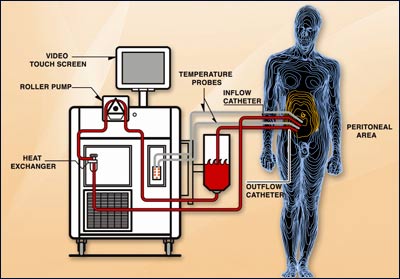
HIPEC is used in conjunction with surgery and chemotherapy to treat patients with gastrointestinal tract and gynecological cancers and sarcomas that have spread to the lining of the abdomen. Even after surgical removal, cancer often recurs in the abdomen. So when the tumor spreads, it is difficult for doctors to treat with standard chemotherapy.

HIPEC involves using a using a heated sterile solution that is circulated throughout the abdominal cavity. With HIPEC treatment, patients are connected to a series of tubes and a pumping device that bathes the abdominal cavity for two hours with a heated sterile solution containing anticancer (chemotherapeutic) drugs. The high temperature of the chemotherapy increases the effect of the drug. The fluid goes through the abdomen to treat tumor cells that may remain after surgery. Both heat and direct contact with chemotherapy drugs kills the cancer cells.

Twenty-one patients were enrolled in this Phase I clinical trial. The maximum PLD dose evaluated in this trial was 100 mg/m² and was well tolerated. The most common grade 3/4 complications were superficial wound infection and prolonged ileus. One patient developed an anastomotic leak in the postoperative period, requiring re-exploration. The length of the median postoperative hospital stay was 7 days (range, 4-29 days), three patients required readmissions within 30 days, and there were no operative deaths.

The median follow-up time for was 13.7 months (range, 3-38 months). The median overall survival was 30.6 months with a median progression free survival (PFS) of 25 months. Based on these findings, the trial investigators concluded that HIPEC with PLD following maximal cytoreduction in patients with advanced abdominal-only, gastrointestinal or gynecologic malignancies is well tolerated. Moreover, the investigators stated that the encouraging survival period after cytoreduction and HIPEC with PLD suggests that a verification Phase II clinical trial is warranted.

For more information regarding the HIPEC procedure, go to HIPECTREATMENT.org. For a list of open clinical trials testing the HIPEC procedure using various chemotherapeutic agents, click here.

Sources:

New Vascular Disrupting Agent In Combination With Avastin Produces a 64% Disease Stabilization Rate in a Small Phase I Solid Tumor Clinical Trial

In solid tumors, [vascular disrupting agents] VDA’s, such as ZYBRESTAT™, rapidly disrupt the vasculature within the tumor, reduce blood-flow, and deprive the tumor of oxygen and nutrients, resulting in tumor cell death. This disruption of the newly formed blood vessels contrasts with the action of anti-angiogenic therapies (e.g., bevacizumab/Avastin™), which are designed to prevent new blood vessel formation. … Specifically, Zybrestat™ was tested on advanced solid malignancies in Phase I clinical trial involving 14 patients. … Nine of fourteen patients experienced disease stabilization for greater than 12 weeks. Three patients experienced disease stabilization for greater than 24 weeks, with two of these patients continuing with stable disease at 47 and 29 weeks, respectively.

Based upon an abstract presentation made at the 2008 American Society of Clinical Oncology (ASCO) Annual Meeting recently held in Chicago on May 30th through June 3rd, the new vascular disrupting agent (VDA) Zybrestat™ (fosbretabulin) produced an advanced solid tumor disease stabilization rate of 64 percent.

Vascular disruption represents a new approach to a validated therapeutic strategy: depriving tumors of blood supply. In solid tumors, VDA’s, such as ZYBRESTAT™, rapidly disrupt the vasculature within the tumor, reduce blood-flow, and deprive the tumor of oxygen and nutrients, resulting in tumor cell death. This disruption of the newly formed blood vessels contrasts with the action of anti-angiogenic therapies (e.g., bevacizumab/Avastin™), which are designed to prevent new blood vessel formation. OXiGENE Inc. (OXiGENE) believes its VDA product candidates may offer advantages over current anti-angiogenic drugs, including superior efficacy and reduced side-effects.

In addition, there is a strong scientific rationale for combining VDA and anti-angiogenesis therapies. OXiGENE and its scientific collaborators have published preclinical research results showing that the combination of OXiGENE VDAs and certain anti-angiogenic drugs (i.e., monoclonal antibodies targeting vascular endothelial growth factor, or VEGF) have synergistic anti-tumor effects. Building upon these results, OXiGENE has undertaken the first-ever human clinical trial of a VDA (ZYBRESTAT) in combination with an anti-angiogenic agent (bevacizumab / AVASTIN.) The additional benefits of vascular disrupting agents include:

  • This method of treatment is designed to target newly formed abnormal blood vessels, rather than the established blood vessels found in healthy tissue, resulting in fewer side effects in the oncology setting than conventional disease treatments such as radiation and chemotherapy. VDAs are designed to address the complete spectrum of solid tumors, whereas other approaches, which directly target tumor cells, require the development of different drugs for different types of solid tumors.
  • VDAs are designed to target endothelial cells associated with new blood vessel formation, so drug resistant mutations are unlikely to occur.
  • Damaging one or two blood vessels can cause thousands of tumor cells to die.
  • The ability of VDAs to selectively target newly formed or abnormal blood vessels makes them well-suited for certain ocular diseases, such as age-related macular degeneration, in which the formation of new, abnormal blood vessels in the eye plays a key role in disease.

Specifically, Zybrestat™ was tested on advanced solid malignancies in Phase I clinical trial involving 14 patients. The patients were divided into three separate dosage cohorts, representing 45mg/m2 (cohort 1), 54mg/m2 (cohort 2) or 63mg/m2 (cohort 3) of Zybrestat™ every 14 days followed by bevacizumab (Avastin™) at a dosage of 10mg/kg four hours later. The study results indicated two grade 3/4 drug dosage limiting toxicities. Nine of fourteen patients experienced disease stabilization for greater than 12 weeks. Three patients experienced disease stabilization for greater than 24 weeks, with two of these patients continuing with stable disease at 47 and 29 weeks, respectively. Dynamic contrast-enhanced magnetic resonance imaging (DCE-MRI) showed statistically significant reductions in tumor perfusion/vascular permeability which reversed when Zybrestat™ was used as a monotherapy, but were sustained following the use of bevacizumab (Avastin™). The clinical trial investigators concluded that Zybrestat™ was safe and tolerable at the three dosage levels used, and noted that Zybrestat™ induced profound vascular changes in the solid tumor which were maintained by the presence of bevacizumab (Avastin™).

Sources:

Comment: ZYBRESTAT™ has broad potential therapeutic utility across a wide range of different solid tumor types, and can potentially be combined with mainstay oncology treatment modalities: chemotherapy, radiation therapy and newer, “molecularly-targeted therapies,” such as tumor angiogenesis inhibitors. Preclinical studies have demonstrated that ZYBRESTAT™ has synergistic or additive effects when incorporated in various combination regimens with all of these treatment modalities. There is a strong scientific rationale for combining ZYBRESTAT™ and tumor angiogenesis inhibiting drugs, and ZYBRESTAT™ is the first VDA to be tested in humans in combination with a tumor-angiogenesis-inhibiting drug (bevacizumab / AVASTIN®).

Voreloxin (SNS-595) Produces 48% Disease Stabilization in Treatment Resistant Ovarian Cancer Patients

Voreloxin (at a 48 mg/m² dosage) demonstrates single agent activity in advanced platinum-resistant ovarian cancer patients (24 patients with stable disease (SD) ≥90 days, 1 patent with complete response (CR), 5 patients with partial response (PR)) as evidenced by a 48% overall disease control rate (i.e., SD + PR + CR). The results are impressive because the disease control response population includes patients with primary and secondary platinum drug resistance who have failed prior treatment with pegylated liposomal doxorubicin (Doxil®, Caelyx®, Myocet®), gemcitabine (Gemzar®), topotecan (Hycamtin®), etoposide (Eposin®, Etopophos®, Vepesid®), bevacizumab (Avastin®), and/or other various experimental agents.

The H*O*P*E*™ weblog reported the early interim success of Voreloxin (formerly known as SNS-595) in Phase II clinical trial testing on March 15, 2008. Based upon an abstract presentation that will be made by Sunesis Pharmaceuticals today at the 2008 American Society of Clinical Oncology (ASCO) Annual Meeting, the success of Voreloxin continues, despite the fact that many of the ovarian cancer patients participating in the trial experienced significant drug/treatment resistance prior to enrollment.

Specifically, Voreloxin (at a 48 mg/m² dosage) demonstrates single agent activity in advanced platinum-resistant ovarian cancer patients (24 patients with stable disease (SD) ≥90 days, 1 patent with complete response (CR), 5 patients with partial response (PR)) as evidenced by a 48% overall disease control rate (i.e., SD + PR + CR). The results are impressive because the disease control response population includes patients with primary and secondary platinum drug resistance who have failed prior treatment with pegylated liposomal doxorubicin (Doxil®, Caelyx®, Myocet®), gemcitabine (Gemzar®), topotecan (Hycamtin®), etoposide (Eposin®, Etopophos®, Vepesid®), bevacizumab (Avastin®), and/or other various experimental agents. Approximately 79% of the patient population that experienced disease control with Voreloxin at a 48mg/m² dosage received between two to four prior lines of treatment. In addition, one patient who experienced a partial response to Voreloxin at the 48 mg/m² dosage had a tumor histology identified as clear cell ovarian cancer — an aggressive form of ovarian cancer that is generally resistant to traditional therapies. It appears that there are 11 clear cell ovarian cancer patients participating in the Voreloxin Phase II trial (i.e., 7 patients in the 48 mg/m² dosage arm, and 4 patients in the 60 mg/m² dosage arm); however, there are no specific results reported for these patients (other than the one partial responder) in the 2008 ASCO Annual Meeting abstract presentation data.

Due to the earlier success of Voreloxin prior to March 15th, the trial investigators enrolled 21 new patients into the Phase II trial for purposes of testing Voreloxin at a 60 mg/m² dosage. Because these newer patients only received two cycles of Voreloxin at the higher dosage to date, they were not evaluated officially for purposes of the 2008 ASCO Annual Meeting abstract presentation data. The grade 3/4 adverse effects of Voreloxin at both dosages are reported as relatively low, therefore, trial investigators incorporated a 75 mg/m² dosage escalation into the current Phase II trial. The investigators do not indicate how many patients (currently enrolled or newly recruited) will participate in the 75 mg/m² dosage arm. Currently, a total of 86 ovarian cancer patients are enrolled in the Voreloxin Phase II trial (65 patients in the 48 mg/m² dosage arm; 21 patients in the 60 mg/m² dosage arm).

[Sources: “A Phase 2 Trial of Voreloxin (Formerly SNS-595) in Women with Platinum-Resistant Epithelial Ovarian Cancer,” 2008 American Society of Clinical Oncology Annual Meeting Presentation, May 31, 2008 (Adobe Reader PDF Document). See also, “A phase II trial of SNS-595 in women with platinum resistant epithelial ovarian cancer,” W. P. McGuire et. al., J Clin Oncol 26: 2008 (May 20 suppl; abstr 5582) (2008 ASCO Annual Mtg. Abstract); “A Phase 2 Open-Label, Multicenter Study of SNS-595 Injection in Patients With Platinum-Resistant Ovarian Cancer, National Cancer Institute ID# NCT00408603 (sets forth original Voreloxin (SNS-595) Phase II clinical trial protocol).

Updates:

Thalidomide Provides Hope to Women Diagnosed with Ovarian Cancer When Combined with Topotecan

“We found that patients who received topotecan plus thalidomide showed an overall response rate of 47 percent compared to 21 percent response in patients who received only topotecan”‘ [Levi]Downs[Jr., M.D.] said. “In patients receiving topotecan plus thalidomide, 30 percent achieved a complete response, meaning the cancer went away, compared to 18 percent for patients only getting topotecan.” “Furthermore, patients getting topotecan plus thalidomide had a longer cancer-free period after treatment than those receiving topotecan alone,” he said.

Thalidomide, a drug blamed in the 1950s for causing birth defects, is now showing promise as a safe and effective treatment for women with recurrent ovarian cancer, according to a study led by a University of Minnesota Cancer Center researcher.

Levi Downs, Jr., M.D., principal investigator for the multicenter, randomized Phase II clinical trial, has published the findings of this research study in the current issue of the journal Cancer. Downs is an assistant professor and a researcher of gynecologic oncology at the University of Minnesota Medical School and Cancer Center.

‘For some women, ovarian cancer has become a chronic disease,’ Downs said. ‘The standard chemotherapy regimens can put recurrent cancer in remission, often more than once. However, when the cancer resists the standard treatments, we need new options for treatment.’

The study compared the effectiveness and safety of the combination of thalidomide and topotecan, a chemotherapy often used for ovarian cancer, versus topotecan alone for treatment of recurrent epithelial ovarian cancer in patients who had received prior treatment. Epithelial ovarian cancer is a disease in which cancer cells form in the tissue that covers the ovary.

The study evaluated 75 women who were randomly assigned to receive either the combination of thalidomide and topotecan or only topotecan. This is the first randomized clinical trial to test thalidomide for recurrent ovarian cancer. Other clinical trials have shown thalidomide to be effective for treatment of multiple myeloma, a cancer of the bone marrow.

‘We found that patients who received topotecan plus thalidomide showed an overall response rate of 47 percent compared to 21 percent response in patients who received only topotecan,’ Downs said. ‘In patients receiving topotecan plus thalidomide, 30 percent achieved a complete response, meaning the cancer went away, compared to 18 percent for patients only getting topotecan.’

‘Furthermore, patients getting topotecan plus thalidomide had a longer cancer-free period after treatment than those receiving topotecan alone,’ he said. ‘What all of this means is that while thalidomide may not cure ovarian cancer, it may broaden the treatment options available to physicians and provide more hope to women diagnosed with the cancer.’

Ovarian cancer is the fifth most common cancer among women. This year in the United States, more than 25,000 women will be diagnosed with ovarian cancer, and about 16,000 will die from it. About 78 percent of women diagnosed with the cancer survive one year after diagnosis, and more than 50 percent survive five years after diagnosis.

The results of this study have led to the development of a new clinical trial at the University of Minnesota that will test the safety and effectiveness of a newer member of the class of drugs containing thalidomide properties for treatment of recurrent ovarian cancer.

This study was sponsored by Celgene Corporation, biopharmaceutical company and manufacturer of thalidomide. Cancer centers in Minnesota, Ohio, South Dakota, and California participated in this study.

[Quoted Source: Thalidomide provide more hope to women diagnosed with Ovarian Cancer, by Jennifer Davis, TopCancerNews.com, April 12, 2008.]

Selenium Added to Carboplatin & Paclitaxel Generates Significant Synergy in 40% of Ovarian Cancer Patients Tested

According to lead author Lorna Rodriguez, M.D., PhD [appearing in the right side photo], chief of gynecologic oncology at [The Cancer Institute of New Jersey] CINJ and associate professor of obstetrics, gynecology and reproductive sciences at UMDNJ-Robert Wood Johnson Medical School, the study of 30 patients so far shows that selenium can be safely given in combination with carboplatin and paclitaxel. Furthermore, she notes, selenium may help treatment efficacy as indicated by four patients having complete disappearance of disease, and eight patients having their tumors decrease in size by more than 30 percent.

“New research findings from a top clinical investigator at The Cancer Institute of New Jersey (CINJ) indicate the potential for more targeted treatment of ovarian cancer, which is expected to claim more than 15,000 lives nationwide this year, with 480 in New Jersey. The study, to be presented at the 44th Annual Meeting of the American Society of Clinical Oncology (ASCO) in Chicago later this month, looks at the effects of a mineral called selenium in combination with the standard treatment for the disease. CINJ is a Center of Excellence of UMDNJ-Robert Wood Johnson Medical School.Lorna Rodriguez, M.D., Ph.D.

Currently, the standard of care involves the drugs carboplatin and paclitaxel, which have shown the ability to shrink ovarian cancer tumors; however, that shrinkage may not last for a long period due to the development of drug resistance. Previous data shows that selenium inhibits the development of a tumor’s resistance to carboplatin. The current study couples selenium with the two drugs with the goal of preventing or slowing drug resistance.

According to lead author Lorna Rodriguez, M.D., PhD [appearing in the right side photo], chief of gynecologic oncology at CINJ and associate professor of obstetrics, gynecology and reproductive sciences at UMDNJ-Robert Wood Johnson Medical School, the study of 30 patients so far shows that selenium can be safely given in combination with carboplatin and paclitaxel. Furthermore, she notes, selenium may help treatment efficacy as indicated by four patients having complete disappearance of disease, and eight patients having their tumors decrease in size by more than 30 percent. The results show that a serum marker [i.e., CD44] may predict which women will benefit from selenium therapy.

Dr. Rodriguez notes the findings could finally lead to more tailored treatment, ‘Because symptoms of ovarian cancer are often silent, many patients who are diagnosed with the disease are usually in an advanced stage. Having such a targeted treatment available to these patients could very well mean a longer survival outcome and increased quality of life.’

The CINJ team – which includes gynecologic oncologists Darlene Gibbon, M.D.; Mira Hellmann, M.D.; Wilberto Nieves-Neira, M.D.; and Ami Vaidya, M.D.; Director of Pharmacy, Susan Goodin, PharmD, FCCP, BCOP; pharmacologist Murugesan Gounder, Ph.D.; and research teaching specialist Neelakandan Muthukumaran – is planning Phase II studies for patients with ovarian and endometrial cancers in the future.

Rodriguez will be among the more than 30,000 cancer specialists from around the globe, who will showcase advances in clinical research at the annual ASCO meeting.

About The Cancer Institute of New Jersey
The Cancer Institute of New Jersey is the state’s first and only National Cancer Institute-designated Comprehensive Cancer Center, and is dedicated to improving the prevention, detection, treatment and care of patients with cancer. CINJ’s physician-scientists engage in translational research, transforming their laboratory discoveries into clinical practice quite literally bringing research to life. The Cancer Institute of New Jersey is a center of excellence of UMDNJ-Robert Wood Johnson Medical School. To support CINJ, please call the Cancer Institute of New Jersey Foundation at 1-888-333-CINJ.”

[Quoted Source: New Treatment Implications for Ovarian Cancer Unveiled, NewsWire Medical News Release dated May 16, 2008].

Comment: This study shows promise for the use of selenium, carboplatin (Paraplatin®) and paclitaxel (Taxol®) as a potential “revised” standard of care, albeit only a small study. If the serum marker CD44 can ultimately identify those patients that will respond to this combination at the earliest point in treatment, this triple agent combination can be used as a “targeted” or “personalized” therapy. It is important to note that the selenium used in this study was administered intravenously at various dosages and was not administered as an oral vitamin supplement.

Additional Information:

2008 American Society of Clinical Oncology (ASCO) Annual Meeting Abstracts Available On-Line

The 44th Annual Meeting of the American Society of Clinical Oncology (ASCO) will be held on May 30th through June 3rd, 2008 in Chicago, Illinois. Under a new policy, ASCO publicly released clinical trial brief abstracts two weeks before the start of its 2008 Annual Meeting on May 30th, where full results will be presented before thousands of cancer doctors. The new ASCO policy was intended to avoid stock trading on non-public information that was believed to have occurred under a prior policy in which ASCO mailed out abstracts under embargo weeks before its annual meeting.

I have provided hyperlinks below to a variety of cancer topics that may be of interest to ovarian cancer survivors. Please note that with the exception of the first “ovarian cancer” category listed below, the remaining categories will contain abstracts that address various types of cancer. H*O*P*E*™ will provide one or more posts that address ovarian cancer abstract highlights after the completion of the 2008 ASCO Annual Meeting on June 3rd.

Gynecologic Cancer:

Ovarian Cancer

Developmental Therapeutics: Cytotoxic Chemotherapy:

Cytotoxic Chemotherapy
Drug Resistance
Pharmacology / Pharmacokinetics
Phase I Studies

Developmental Therapeutics: Immunotherapy:

Antibodies
Cell-Based Therapy
Cytokines
Other: developmental therapeutics: immunotherapy
Vaccines

Developmental Therapeutics: Molecular Therapeutics:

Antiangiogenic or Antimetastatic Agents
Cell Cycle Inhibitors
Chemoprevention
Epigenetic Strategies
Functional Imaging
Gene Therapy/Antisense Strategies
Other Novel Agents
Pharmacodynamics
Pharmacogenomics
Pro-Apoptotic Agents
Receptor-Targeted Antibodies/Ligands
Tyrosine Kinase Inhibitors
Vascular Targeting

Tumor Biology and Human Genetics:

Cancer Genetics
Epidemiology / Molecular Epidemiology
Immunobiology
Molecular Diagnostics and Staging
Molecular Targets
Other: Tumor Biology and Human Genetics
Prognostic Factors
Radiation Biology
Tumor and Cell Biology

Cancer Prevention:

Cancer Prevention

Patient Care:

Cancer in Older Patients
Cancer-Related Complications
End-of-Life Care
Other: patient care
Palliative Care
Quality-of-Life Management
Supportive Care

Health Services Research:

Health Services Research
Outcomes Research
Practice Management/Professional Issues

Small Phase I Study Reports 2 to 4 Year Ovarian Cancer Remission in 30% of Women Who Received a NY-ESO-1 Vaccine

Three of nine patients (33%) remain in complete clinical remission at 25, 38, and 52 months, respectively.

The cancer-testis antigen NY-ESO-1 is expressed in greater than 40% of advanced epithelial ovarian cancers and represents a promising immunotherapeutic target. In a small Phase I (safety and immunogenicity) clinical trial conducted by Memorial Sloan-Kettering Cancer Center and Cornell University Medical College, nine “high-risk” epithelial ovarian cancer patients, who were in first clinical remission after primary surgery and chemotherapy, received NY-ESO-1b peptide and Montanide ISA-51 every 3 weeks in the form of five vaccinations. The “high risk” ovarian cancer patient criterion was defined as a patient who (i) received suboptimal primary debulking (remaining tumor masses with diameter of 1.0 cm or greater), or (ii) experienced a failure to normalize the CA 125 blood tumor marker by the end of the third cycle of first-line chemotherapy. In addition, each patient enrolled in the trial was required to test positive for (i) human leukocyte antigen 2A (HLA-2A) in the blood, and (ii) NY-ESO-1 or LAGE-1 tumor expression. NY-ESO-1 tumor expression was evaluated for each patient by immunohistochemistry (IHC). LAGE-1 tumor expression was evaluated for each patient by reverse transcriptase and polymerase chain reaction (RT-PCR) analysis. For each patient, NY-ESO-1 specific humoral immunity (ELISA), T-cell immunity (tetramer and ELISPOT), and delayed-type hypersensitivity were assessed pre-vaccination and at week #1, week #4, week #7, week #10, week #13, and week #16 of the vaccination period.

The nine patients experienced treatment-related adverse events including: grade 1 fatigue, anemia, pruritus, myalgias, and hyperthyroidism; and grade 2 hypothyroidism. There were no grade 3/grade 4 adverse events. The results of the Phase I trial are set forth below.

  • Three of four patients (75%) with NY-ESO-1-positive tumor showed T-cell immunity.
  • Four of five patients (80%) with NY-ESO-1-negative tumor showed T-cell immunity.
  • At median follow-up of 11.3 months, six of nine patients (67%) have recurred, with a median progression-free survival (PFS) of 13 months.
  • Three of nine patients (33%) remain in complete clinical remission at 25, 38, and 52 months, respectively.

At the end of the Phase I trial, the trial investigators concluded that vaccination of high-risk, HLA-A2-positive epithelial ovarian cancer patients with NY-ESO-1b and Montanide has minimal toxicity and induces specific T-cell immunity in patients with both NY-ESO-1-positive and NY-ESO-1-negative tumors. Also, the trial investigators noted that additional study is necessary. For a copy of the clinical trial protocol associated with this trial, click here.

[Source: “Safety and Immunogenicity Study of NY-ESO-1b Peptide and Montanide ISA-51 Vaccination of Patients with Epithelial Ovarian Cancer in High-Risk First Remission;” Diefenbach, C.S. et. al.; Clin Cancer Res. 2008 May 1;14(9):2740-2748.]

Comment: Prior cancer vaccines targeting NY-ESO-1 overexpression in ovarian cancer tumors produced moderate success in terms of an increase in PFS. This study is particularly provocative because patients who tested positive and negative for NY-ESO-1 tumor expression experienced T-cell immunity, and “high risk” patients (including suboptimally debulked patients) experienced PFS benefit.

Related Information:

Avastin/Tarceva Combination May Be No More Effective Than Avastin Monotherapy

The purpose of this single arm, multicenter Phase II clinical trial was to assess the activity and tolerability of the combination of bevacizumab (Avastin®) and erlotinib (Tarceva®) in patients with recurrent ovarian, primary peritoneal or fallopian tube cancer. Eligible patients received two or fewer prior chemotherapy regimens for recurrent or refractory disease and no prior anti-VEGF or anti-EGFR drugs. Between July and October 2005, 13 patients were enrolled.

There were two major objective responses — one complete response of 16+ month duration and one partial response of 11 month duration, representing an overall response rate of 15%. Two patients had fatal gastrointestinal perforations, and therefore, the study was discontinued. The trial investigators concluded that there was no strong suggestion that the Avastin®/Tarceva® combination was superior to single agent Avastin®, and noted that the rate of gastrointestinal perforation was of concern. The investigators believe that identification of risk factors for gastrointestinal perforation will be important with respect to the use of Avastin in the treatment of ovarian cancer.

[Source: “Efficacy and safety of bevacizumab plus erlotinib for patients with recurrent ovarian, primary peritoneal, and fallopian tube cancer: A trial of the Chicago, PMH, and California Phase II consortia;” Nimeiri HS, et. al., Gynecol Oncol. 2008 Apr 17 (Epublication ahead of print).]

Epirubicin Improves Overall Survival Better Than Ifosfamide When Combined with Paclitaxel and Cisplatin

Epirubicin (Ellence®) produced longer median overall survival (OS) than ifosfamide (Ifex®) in a recent phase II randomized clinical trial comparing (i) cisplatin, paclitaxel and ifosfamide, with (ii) cisplatin, paclitaxel and epirubicin, in newly diagnosed advanced epithelial ovarian cancer patients. In this trial, patients with histologically proven epithelial ovarian cancer were randomly assigned to receive first-line polychemotherapy with cisplatin/paclitaxel/epirubicin (CEP arm) or cisplatin/paclitaxel/ifosfamide (CIP arm) for six cycles every 21 days. Two hundred and eight patients were randomised between the two treatment arms. The Phase II clinical trial finds were as follows:

  • After a median follow-up of 82 months, median overall survival (OS) was 51 months in the CIP arm, and 65 months in the CEP arm; and
  • 5-year survival rates were 43% in the CIP arm, and 50% in the CEP arm.

The trial investigators note that the OS findings seem longer in duration than is commonly reported, especially considering that more than 50% of the newly diagnosed advanced ovarian cancer patients were suboptimally debulked or cytoreduced after their first surgery. The trial investigators concluded that this unexpected finding might be a consequence of the close surgical surveillance and aggressive chemotherapeutic approach.

[Source: “A phase II randomised clinical trial comparing cisplatin, paclitaxel and ifosfamide with cisplatin, paclitaxel and epirubicin in newly diagnosed advanced epithelial ovarian cancer: long-term survival analysis;” Fruscio R. et. al.; Br J Cancer. 2008 Feb 26;98(4):720-7.]

Comment: Although small in size, this Phase II randomized clinical trial suggests that aggressive surgical intervention followed by aggressive polychemotherapy (involving epirubicin or ifosfamide in tandem with paclitaxel and cisplatin) may increase overall survival in newly diagnosed, advanced-stage ovarian cancer survivors. The findings of at least one major clinical study cite that optimal cytoreduction, as a stand-alone independent factor, provides up to a 50% increase in actuarial survival. In the U.S., an “optimal” cytoreduction is generally defined as a surgical procedure that results in 1 centimeter or less of macroscopic cancer present within the body after surgery. The surprising results of the study discussed above seem to indicate that a suboptimal cytoreduction or debulking surgery followed by aggressive polychemotherapy may be beneficial in extending overall survival in newly diagnosed, advanced-stage ovarian cancer survivors. The issue of what measure should be used to define an “optimal” cytoreduction or debulking is not without controversy with the ovarian cancer arena.

Five Years Later, Patient Participating in Vaccine Trial Remains Free of Ovarian Cancer

“Like most women with ovarian cancer, 44-year-old Christine Sable of Lancaster, Pennsylvania, did not discover she had the disease until it was in the advanced stages and had spread to other areas of the abdomen. ‘I knew my chances of recurrence were very high-75 to 80 percent at that particular stage-and that the disease would likely recur within a year or two,’she says. ‘Once it recurs, it is difficult to cure.’

After aggressive surgery and chemotherapy, the only other option her doctor could offer was more chemotherapy. But the first round had been ‘very hard,’ Sable recalls. ‘I wanted to find something that would work with my own immune system and not be so harsh on my body.’

Then she learned about a Phase I clinical research study of an ovarian cancer vaccine developed by Kunle Odunsi, MD, PhD, Surgeon in Gynecologic Oncology and Co-Leader of the Tumor Immunology and Immunotherapy Program at Roswell Park [Cancer Institute]. The vaccine is designed to trigger an immune response in the significant number of women who have tumors that test positive for the antigen NY-ESO-1.

The study was open to patients who had completed their initial treatments and who had no further evidence of disease; Sable fit the profile. She says the day she was accepted into the study was ‘one of the most exciting days of my life.’ She began treatment at Roswell Park in February 2004, and her immune system responded so strongly to the first five doses of vaccine that she received another five, then another five, each time experiencing a better response-with no side effects. Now 49 and still cancer-free, she returns to Roswell Park just once a year for continued monitoring.

Odunsi is currently leading a team of Roswell Park researchers who are working to improve the vaccine’s effectiveness. The vaccine is an important new focus in the search for better treatments for ovarian cancer, which is often difficult to treat. Sable says participating in the trial ‘was a very good experience; I was very well cared for. Dr. Odunsi is a gentle, kind man, brilliant and dedicated and very compassionate.’ In May of 2008, Sable will mark the fifth anniversary of her diagnosis and survival. ‘To have had this many years cancer-free is really amazing.’

The study in which she participated was supported by the Cancer Vaccine Collaborative Program of the Cancer Research Institute and Ludwig Institute for Cancer Research, and results were reported in the … [NY-ESO-1 Peptide Vaccine Phase I Clinical Trial Results, Odunsi, K et. al., Proceedings of the National Academy of Sciences, Vol. 141, no 31, July 31, 2007].” [Quoted Source: Science Daily News Release dated April 7, 2008.]

In March 2008, The Ovarian Cancer Research Fund (OCRF) awarded a $900,000 research grant to Dr. Odunsi and his colleagues at the Roswell Park Cancer Institute (RPCI) to fund a collaborative study with the stated goal of developing a promising vaccine to unleash the power of the immune system against cancer. The prestigious award will allow Dr. Odunsi and the RPCI research team to combine four different immunotherapy approaches, all designed to enhance the immune system’s response to ovarian cancer. [Source: “Roswell Park Cancer Institute awarded three-years funding for ovarian cancer vaccine,” a News-Medical.Net News Release dated April 7, 2008.]

Comment: Vaccine or immunotherapy can play an important role in an ovarian cancer survivor’s overarching treatment strategy. This aspect of treatment is often overlooked. It is important to be aware of the availability of vaccine therapy as early as possible in treatment because most clinical trials utilizing vaccine therapy require an extremely low disease “tumor burden” or no (macroscopic) evidence of disease as a prerequisite for patient eligibility. Low tumor burden or no evidence of disease is generally present immediately after chemotherapy treatment(s) resulting in “complete remission,” and/or surgery resulting in “optimal debulking/cytoreduction.” Christine Sable is an excellent example of an ovarian cancer survivor who is proactively managing her care through enrollment in a beneficial clinical trial.

The Roswell Park Cancer Institute, as of this writing, is currently recruiting Stage II through IV ovarian cancer participants for a Phase II vaccine clinical trial involving the use of “Recombinant Vaccinia-NY-ESO-1 (rF-NY-ESO-1) and Recombinant Fowlpox-NY-ESO-1 (rF-NY-ESO-1) in Patients With Epithelial Ovarian, Fallopian Tube or Primary Peritoneal Carcinoma Whose Tumors Express NY-ESO-1 or LAGE-1 Antigen.” For more information with respect to this clinical trial, contact the Roswell Park Cancer Institute Clinical Trials Office at 877-275-7724.

I encourage you to watch the video segment below which addresses Christine Sable’s case, including an interview with Kunle Odunsi, M.D., Ph.D.., the Co-Leader of the Tumor Immunology and Immunotherapy Program at Roswell Park.

MediaSourceTV Video Segment Re

Christine Sable and Roswell Park Cancer Institute Clinical Trial Vaccine Program

NOV-002 and Carboplatin Slow Disease Progression of Platinum Drug Resistant Ovarian Cancer

Novelos Therapeutics, Inc. (OTCBB: NVLT), a biopharmaceutical company focused on the development of therapeutics to treat cancer and hepatitis, today announced continued encouraging results in an ongoing Massachusetts General Hospital Cancer Center and Dana-Farber/Harvard Cancer Center (DF/HCC) Phase 2 trial of NOV-002 in combination with carboplatin in platinum-resistant ovarian cancer patients. Fifteen patients have now been enrolled and, to date, 60% (9) have had slower than expected disease progression. NOV-002 was well-tolerated, further extending the excellent safety profile NOV-002 has demonstrated in previous studies. Detailed results of this trial will be presented as a poster at the 2008 annual meeting of the American Society of Clinical Oncology (ASCO) taking place May 30 – June 3 in Chicago, Illinois.

‘I am encouraged by these results in platinum-resistant ovarian cancer, with NOV-002 (in combination with carboplatin) apparently slowing disease progression in over half of the treated patients. Most women who have failed three lines of chemotherapy would be expected to progress in about eight weeks. I am excited to present the trial results at ASCO,’ said Dr. Carolyn Krasner, medical oncologist at the Massachusetts General Hospital Cancer Center and the Principal Investigator. ‘We look forward to working closely with Dr. Krasner, the Massachusetts General Hospital Cancer Center, Dana-Farber/Harvard and other institutions on designing and implementing a larger NOV-002 trial for this indication,’ said Harry Palmin, President and CEO of Novelos. ‘Our objective is to commence the next Phase 2 trial in platinum-resistant ovarian cancer in early 2009.’

According to the American Cancer Society, in 2007 approximately 22,000 U.S. women were diagnosed with ovarian cancer and 15,000 women were expected to die from it. There is a lack of effective treatment, particularly in the case of platinum-resistant patients. Once a woman’s ovarian cancer is defined as platinum-resistant the chance of having a partial or complete response to further platinum therapy is typically less than 10% and only 10-20% with other available agents. Thus, there is a major unmet medical need for this indication. …”

[Source: “Novelos Therapeutics Announces Continued Encouraging Results in Ongoing Phase 2 Ovarian Cancer Trial at Dan-Farber/Harvard Cancer Center;” Novelos Therapeutics, Inc. Press Release dated March 31, 2008.]