
“… A pattern of genetic defects in tumours could indicate whether ovarian cancer patients will respond to common chemotherapy drugs before treatment starts, reveals a Cancer Research UK study published in the Proceedings of the National Academy of Sciences … The researchers studied patterns of gene expression that indicate high levels of abnormal chromosomes or chromosomal instability (CIN) in cancer. …Patients with high levels of the CIN gene pattern were more resistant to paclitaxel. Crucially, patients with high levels of CIN responded well to carboplatin – another commonly used ovarian cancer drug. In contrast, tumours with low levels of CIN were resistant to carboplatin but responded to paclitaxel. …”
Category Archives: Genetics
Women of Diverse Ethnic Ancestry Have Similar Risk of Carrying BRCA Mutations as Those With Western European Ancestry
” …The study, performed by researchers at Philadelphia’s Fox Chase Cancer Center and Myriad Genetics, Inc., analyzed the prevalence of BRCA1/BRCA2 gene mutations in patients of different ethnicities at risk for hereditary breast and ovarian cancer. The study included test results of 46,276 women during the ten-year period from 1996 to 2006. Study subjects encompassed a broad, diverse ethnic group, including individuals of European, Latin American, African, Asian and Native American ancestries. … Results of the study showed that BRCA disease-causing mutations were identified in 5,780 women tested (12.5%) across all ethnic populations. Importantly, the study demonstrated that individuals of African and Latin American ancestry had as great a risk in having BRCA mutations as women with western European ancestry, when controlled for the level of personal and family history of breast and ovarian cancer. …”
“New Study Published in CANCER Supports Use of BRACAnalysis Testing Across Broad Ethnic Populations
Women of Asian, African and Latin American Ancestry Had Similar Risk of Carrying BRCA Mutations as Those With Western European Ancestry
SALT LAKE CITY, UT, Apr 30, 2009 (MARKET WIRE via COMTEX News Network) — Myriad Genetics, Inc. (NASDAQ: MYGN) announced today that an article entitled ‘BRCA1 and BRCA2 Mutations in Women of Different Ethnicities Undergoing Testing for Hereditary Breast-Ovarian Cancer‘ will appear in the May 15, 2009 issue of the journal CANCER. The study demonstrates that BRACAnalysis(R) testing of at-risk women across diverse ethnicities helps identify individuals who may benefit from improved surveillance, medical and surgical strategies to reduce their hereditary cancer risks.

Gregory C. Critchfield, M.D., M.S., President, Myriad Genetic Laboratories
‘This study, the largest of its kind, shows convincingly that strong family or personal history of breast or ovarian cancer is associated with a high prevalence of BRCA mutations — irrespective of one’s ethnic heritage,’ stated Gregory C. Critchfield, M.D., M.S., President of Myriad Genetic Laboratories.
The association between ethnicity and the risk of BRCA1 or BRCA2 mutations has not been well understood in women of non-European ancestry. This study provides important information for women of Asian, African, Latin American and Native American ancestry that may impact breast cancer [and ovarian cancer] prevention and treatment efforts among women in these populations. The study, performed by researchers at Philadelphia’s Fox Chase Cancer Center and Myriad Genetics, Inc., analyzed the prevalence of BRCA1/BRCA2 gene mutations in patients of different ethnicities at risk for hereditary breast and ovarian cancer. The study included test results of 46,276 women during the ten-year period from 1996 to 2006. Study subjects encompassed a broad, diverse ethnic group, including individuals of European, Latin American, African, Asian and Native American ancestries. To date, this work represents the largest group of patients tested for BRCA mutations reported in the literature. All testing was performed at Myriad Genetics, Inc.
Results of the study showed that BRCA disease-causing mutations were identified in 5,780 women tested (12.5%) across all ethnic populations. Importantly, the study demonstrated that individuals of African and Latin American ancestry had as great a risk in having BRCA mutations as women with western European ancestry, when controlled for the level of personal and family history of breast and ovarian cancer.
Professional medical society guidelines, such as the American Society of Clinical Oncologists (ASCO), the Society of Gynecologic Oncologists (SGO), and the American College of Obstetricians and Gynecologists (ACOG), articulate risk factors for BRCA gene mutations, which include, among others, breast cancer occurring before age 50, personal or family history of ovarian cancer at any age, personal or family history of male breast cancer, Ashkenazi Jewish ancestry with breast cancer at any age, or the presence of a known BRCA mutation in the family.
About BRACAnalysis(R)
BRACAnalysis(R) is a comprehensive analysis of the BRCA1 and BRCA2 genes for assessing a woman’s risk for breast and ovarian cancer. A woman who tests positive with the BRACAnalysis(R) test has, on average, an 82% lifetime risk of developing breast cancer during her lifetime and a 44% risk of developing ovarian cancer. BRACAnalysis(R) provides important information that the Company believes will help the patient and her physician make better informed lifestyle, surveillance, preventive medication and treatment decisions. As published in the Journal of the National Cancer Institute, researchers have shown that pre-symptomatic individuals who have a high risk of developing breast cancer can reduce their risk by approximately 50% with appropriate preventive therapies. Additionally, as published in the New England Journal of Medicine, researchers have shown that pre-symptomatic individuals who carry gene mutations can lower their risk of developing ovarian cancer by approximately 60% with appropriate preventive therapies.
For more information about BRACAnalysis(R), please call 1-800-4-MYRIAD, or visit www.myriadtests.com.
About Myriad Genetics
Myriad Genetics, Inc. is a leading healthcare company focused on the development and marketing of novel molecular diagnostic and therapeutic products. Myriad’s news and other information are available on the Company’s Web site at www.myriad.com.
Myriad, the Myriad logo, BRACAnalysis, Colaris, Colaris AP, Melaris, TheraGuide, Prezeon, OnDose, Azixa and Vivecon are trademarks or registered trademarks of Myriad Genetics, Inc. in the United States and foreign countries. MYGN-G”
- New Study Published in CANCER Supports Use of BRACAnalysis Testing Across Broad Ethnic Populations – Women of Asian, African and Latin American Ancestry Had Similar Risk of Carrying BRCA Mutations as Those With Western European Ancestry, Press Release, Myriad Genetics Inc., April 30, 2009.
- Hall MJ, Reid JE, Burbidge LA et. al. BRCA1 and BRCA2 mutations in women of different ethnicities undergoing testing for hereditary breast-ovarian cancer. Cancer. 2009; 115(10):2222-2233. doi: 10.1002/cncr.24200
Related Information: CLICK HERE to review all Libby’s H*O*P*E*™ postings relating to BRCA gene mutations.
Personalized Medicine Helps Breast, Colorectal & Ovarian Cancer Patients Survive
“Cancer patients can survive longer under treatments based on their individual genetic profiles, according to a nationwide study released jointly today by Phoenix-area healthcare organizations. The study shows that molecular profiling of patients can identify specific treatments for individuals, helping keep their cancer in check for significantly longer periods, and in some cases even shrinking tumors. Study results were released today at the 100th annual meeting of the American Association for Cancer Research in Denver by Dr. Daniel Von Hoff, Physician-In-Chief of the Phoenix-based Translational Genomics Research Institute (TGen), and the study’s Principal Investigator. … Patients experienced varying levels of improvement. Among those with breast cancer, the period of progression-free survival increased for 44 percent of patients; for colorectal, 36 percent of patients; for ovarian, 20 percent of patients; and for miscellaneous cancers the improvement was seen in 16 percent of patients. …” [Emphasis added by Libby’s H*O*P*E*™]

“Personalized medicine helps cancer patients survive – TGen, Scottsdale Healthcare and Caris Dx clinical trial shows molecular profiling can result in specific treatments for individual patients that significantly limit the growth and spread of tumors
PHOENIX, Ariz. – April 19, 2009 – Cancer patients can survive longer under treatments based on their individual genetic profiles, according to a nationwide study released jointly today by Phoenix-area healthcare organizations.
The study shows that molecular profiling of patients can identify specific treatments for individuals, helping keep their cancer in check for significantly longer periods, and in some cases even shrinking tumors.

Daniel Von Hoff, M.D., F.A.C.P., Physician in Chief & Senior Investigator, The Translational Genomics Research Institute; Chief Scientific Officer, TGen Clinical Research Services, Scottsdale Healthcare; Clinical Professor of Medicine, University of Arizona Department of Medicine
Study results were released today at the 100th annual meeting of the American Association for Cancer Research in Denver by Dr. Daniel Von Hoff, Physician-In-Chief of the Phoenix-based Translational Genomics Research Institute (TGen), and the study’s Principal Investigator.
The study included 66 patients at nine centers across the United States, including Scottsdale Heathcare. Dr. Von Hoff also is the Chief Scientific Officer of TGen Clinical Research Services (TCRS) at Scottsdale Healthcare, a partnership between TGen and Scottsdale Healthcare that is administered by the Scottsdale Clinical Research Institute (SCRI) at Scottsdale Healthcare.
All of the patients had previously experienced growth of their tumors while undergoing as many as two to six prior cancer treatments, including conventional chemotherapy.
However, after molecular profiling identified precise targets, new treatments were administered that resulted in patients experiencing significant periods of time when there was no progression of their cancer.
‘This clinical trial was unique because patients acted as their own control,’ said Dr. Von Hoff. ‘We compared each patient’s progression-free survival, following treatment based on molecular profiling, to how their tumors progressed under their prior treatment regimens, before molecular profiling.’
In a significant number of patients, the targeted treatments provided significantly longer periods when tumors did not progress, or even shrunk, said Dr. Von Hoff, who also is a Medical Director of US Oncology and a former Director of the Arizona Cancer Center at the University of Arizona.
Dr. Von Hoff said the new study was done in a way that avoided issues surrounding tumor subtypes and differences in individual biology, which have confounded other clinical trials.
He said this clinical trial demonstrated the value of personalized medicine, in which treatments are prescribed based on an individual’s specific genetic makeup. The type of drugs, dosages, their delivery and other treatment aspects – all are based on each patient’s individual medical needs.
Among the patients, 27 percent had breast cancer, 17 percent had colorectal cancer, 8 percent had ovarian cancer and 48 percent had cancers that were classified as miscellaneous.
Patients experienced varying levels of improvement. Among those with breast cancer, the period of progression-free survival increased for 44 percent of patients; for colorectal, 36 percent of patients; for ovarian, 20 percent of patients; and for miscellaneous cancers the improvement was seen in 16 percent of patients.
‘With this trial, we are showing the power of personalized medicine using the tools we already have available to us. As these tools become more precise and more effective, the value of personalized medicine will increase,’ Dr. Von Hoff said.
The molecular profiling for this research study was performed by Caris Diagnostics (Caris Dx) in Phoenix.
These results are the first in a series of studies in support of Target NowTM, a commercially-available oncology testing service offered exclusively by Caris Dx. Target Now uses cutting-edge molecular profiling techniques, including both DNA microarray and immunohistochemical (IHC) analysis, to provide individualized information about a patient’s tumor as an aid to the treating oncologist.
‘This trial is evidence of an important breakthrough in the treatment of cancer. We are excited to work with Dr. Von Hoff and TGen as we make this important molecular diagnostic information available to physicians to aid in therapy-selection decision making,’ said David D. Halbert, Chairman and CEO of Caris Diagnostics. ‘The valuable information provided through the Target Now panel of tests improves patient care while reducing costs for the payer.’
Clinical studies were conducted by TCRS at the Virginia G. Piper Cancer Center at Scottsdale Healthcare Shea Medical Center. Scottsdale Healthcare is a primary clinical research site for TGen.
‘Patients in our community have access to ground-breaking, world-class research right in their own backyard thanks to this collaboration,’ said Tom Sadvary, president and CEO of Scottsdale Healthcare. ‘Our goal is reducing the time it takes to get new treatment discoveries from the research lab to the patient. We are thrilled to see these advances in personalized medicine taking place right here in Scottsdale.’
The recent clinical study was dubbed the Bisgrove Trial, after longtime Scottsdale Healthcare supporter Jerry Bisgrove. The trial was funded through a $5 million grant from Mr. Bisgrove’s Stardust Foundation to the Scottsdale Healthcare Foundation. Mr. Bisgrove has been a patient at Scottsdale Healthcare and is a member of the Scottsdale Healthcare Foundation Board of Trustees. In honor of the Stardust gift, the research building at the Virginia G. Piper Cancer Center at Scottsdale Healthcare Shea Medical Center is named the Debi and Jerry Bisgrove Research Pavilion.
‘The Stardust Foundation is proud to have played a key role in the advancements in cancer research represented by Dr. Von Hoff’s clinical trial. We believe we are closer than ever to finding a cure for this devastating disease that affects so many millions,’ Mr. Bisgrove said.
* * *
About Scottsdale Healthcare
Scottsdale Healthcare is a primary clinical research site for TGen. TGen Clinical Research Services (TCRS) at Scottsdale Healthcare is housed in the Virginia G. Piper Cancer Center at Scottsdale Healthcare, located on the Scottsdale Healthcare Shea medical campus. Scottsdale Healthcare is the not-for-profit parent organization of the Scottsdale Healthcare Shea, Scottsdale Healthcare Osborn and Scottsdale Healthcare Thompson Peak hospitals, Virginia G. Piper Cancer Center, Scottsdale Clinical Research Institute, TGen Clinical Research Services at Scottsdale Healthcare, Scottsdale Healthcare Home Health Services, Scottsdale Healthcare Community Health Services, and Scottsdale Healthcare Foundation. For additional information, visit www.shc.org.
About Scottsdale Clinical Research Institute (SCRI)
SCRI, established in 2005, provides infrastructure and support for the clinical research at Scottsdale Healthcare. Start-up funding for SCRI was provided by a lead gift of $4.5 million from the Virginia G. Piper Charitable Trust in 2005. An additional $5 million was provided by the Stardust Foundation to support this multi-site molecular profiling study of targeted therapies for treatment refractory cancers coordinated by SCRI. A defining feature of SCRI is a focus on genomics and personalized medicine as well as clinical and translational research. The basic science arm of SCRI is provided by a partnership with the Translational Genomics Research Institute (TGen). Innovations from TGen’s laboratory are taken to the bedside at SHC by our joint clinical research program, TGen Clinical Research Services (TCRS) at Scottsdale Healthcare. Additional research collaborations include the University of Arizona, Arizona State University, other local health care delivery systems and participation in the Arizona NIH Clinical and Translational Science Award (CTSA) program initiative. Areas of study at SCRI include Cancer, Cardiovascular, Trauma, Metabolic and Nanomedicine.
Press Contact:
Keith Jones
Public Relations Director
Scottsdale Healthcare
480-882-4412
kjones@shc.org
About TGen
The Translational Genomics Research Institute (TGen) is a non-profit organization dedicated to conducting groundbreaking research with life changing results. Research at TGen is focused on helping patients with diseases such as cancer, neurological disorders and diabetes. TGen is on the cutting edge of translational research where investigators are able to unravel the genetic components of common and complex diseases. Working with collaborators in the scientific and medical communities, TGen believes it can make a substantial contribution to the efficiency and effectiveness of the translational process. For more information, visit: www.tgen.org.
Press Contact:
Steve Yozwiak
TGen Senior Science Writer
602-343-8704
syozwiak@tgen.org
About Caris Diagnostics
Caris Diagnostics (Caris Dx) is a leading provider of the highest quality diagnostic, translational development and pharmaceutical services encompassing anatomic pathology and molecular testing. Caris Diagnostics provides world-class pathology services to physicians who treat patients in the community setting. The company provides academic-caliber medical consults through its industry-leading team of subspecialty fellowship and expert-trained pathologists in gastrointestinal and liver pathology, dermatopathology and hematopathology. Caris Diagnostics provides the highest levels of service to its customers and their patients through its state-of-the-art laboratories; proprietary, advanced clinical and technology solutions; and rigorous quality assurance programs. Through the molecular testing expertise of the Caris Molecular Profiling Institute (Caris MPI) at Caris Dx, the company also offers advanced molecular analyses of patient samples through prognostic testing services and genomic and proteomic profiling to provide critical information to physicians treating cancer and other complex diseases. In addition, Caris MPI supports pharmaceutical companies and other researchers in their clinical trials for targeted therapeutics with custom genomic and proteomic analyses, analyte preservation, tissue procurement and comprehensive reporting services. The company has strategic relationships with the International Genomics Consortium, US Oncology, the Translational Genomics Research Institute, and the Biodesign Institute of Arizona State University. More than 2,000 physicians nationally use Caris Diagnostics. Formed in 1996, the company is headquartered in Irving, Texas and operates four laboratories: Irving, Texas; Phoenix, Arizona (2 sites); Newton, Massachusetts. Additional information is available at www.carisdx.com.
Press Contact:
Brian Wright
Caris Dx
(602) 358-8916
bwright@carismpi.com”
Sources:
- Personalized medicine helps cancer patients survive – TGen, Scottsdale Healthcare and Caris Dx clinical trial shows molecular profiling can result in specific treatments for individual patients that significantly limit the growth and spread of tumors, News, The Translational Genomics Research Institute, April 19, 2009 [emphasis added by Libby’s H*O*P*E*™].
- Von Hoff DD, Stephenson Jr. JJ, Rosen PJ, Loesch DM, Borad MJ, Anthony SP, et. al. A pilot study utilizing molecular profiling of patients’ tumors to find potential targets and select treatments for their refractory cancers. In: Proceedings of the 100th Annual Meeting of the American Association for Cancer Research; 2009 Apr 18-22; Denver, CO. Philadelphia (PA): AACR; 2009. Abstract LB-259.
- A Pilot Study Utilizing Molecular Profiling of Patients’ Tumors to Find Potential Targets and Select Treatments for Their Refractory Cancers, Scottsdale Healthcare & Translational Genomics Research Institute, Clinical Trial Protocol Summary, National Institutes of Health, http://www.ClinicalTrials.gov (NCT00530192) [trial is recruiting as of this writing].
Genetic Variations In miRNA Processing Pathway & Binding Sites Help Predict Ovarian Cancer Risk
“Genetic variations in the micro-RNA (miRNA) processing pathway genes and miRNA binding sites predict a woman’s risk for developing ovarian cancer and her prospects for survival, researchers from The University of Texas M. D. Anderson Cancer Center reported at the 100th annual meeting of the American Association for Cancer Research. … The unique study was the first to examine the association of genetic variants related to miRNA with ovarian cancer risk, overall survival for ovarian cancer patients, and platinum-based chemotherapy response. …”
“Genetic variations in miRNA processing pathway and binding sites help predict ovarian cancer risk – Several variations indicate likelihood of response to platinum-based chemotherapy
DENVER – Genetic variations in the micro-RNA (miRNA) processing pathway genes and miRNA binding sites predict a woman’s risk for developing ovarian cancer and her prospects for survival, researchers from The University of Texas M. D. Anderson Cancer Center reported at the 100th annual meeting of the American Association for Cancer Research.

Xifeng Wu, M.D., Ph.D., Professor, Department of Epidemiology, The University of Texas M.D. Anderson Cancer Center
‘We found a gene dosage effect, the more unfavorable variations a woman has, the greater her ovarian cancer risk and the shorter her survival time,’ said senior author Xifeng Wu, M.D., Ph.D., professor in M. D. Anderson’s Department of Epidemiology. Median survival, for example, ranged from 151 months for women with fewest unfavorable variations to 24 months for those with the most.
Several variations also indicate likely response to platinum-based chemotherapy.
‘Our findings have the potential clinical application of indicating a patient’s prognosis and showing who will respond to different therapies by analyzing a single blood sample,’ Wu said. ‘We also will incorporate this genetic information with epidemiological information to build a comprehensive model to predict susceptibility to ovarian cancer.’
The team chose the miRNA processing pathway because it is crucial to production of miRNAs, the small molecules that regulate between one third and half of all genes. The researchers also chose the binding sites on host genes where miRNAs exert their effects on gene expression.
They analyzed 219 potential functional single nucleotide polymorphisms (SNPs) – variations of a single DNA building block in a gene – in eight genes that process miRNA and at the miRNA binding sites of 129 cancer-relevant genes. The study examined genetic information from 417 cancer patients and 417 healthy controls. To minimize the possible confounding effects of ethnicity, 339 Caucasian cases and 349 controls were analyzed.
They discovered 12 SNPs to be significantly associated with ovarian cancer risk. Moreover, compared to women with five or fewer unfavorable genotypes, women with eight or more of these unfavorable genotypes were 4.5 times more likely to develop ovarian cancer and women with six to eight unfavorable SNPs were at twice the risk.
The team also found 21 SNPs significantly associated with overall survival. Median survival was 151 months for women with six or fewer unfavorable variations; 42 months for those with seven to nine unfavorable variations; and 24 months for those with 10 or more. One of the outcome risk SNPs also was strongly associated with platinum-based chemotherapy response, with those having the SNP 3.4 times less likely to respond to chemotherapy.
Wu collaborated with Dong Liang, Ph.D, in the College of Pharmacy and Health Sciences, Texas Southern University, and Karen Lu, M.D., professor in M. D. Anderson’s Department of Gynecologic Oncology, on this study.
The unique study was the first to examine the association of genetic variants related to miRNA with ovarian cancer risk, overall survival for ovarian cancer patients, and platinum-based chemotherapy response. Such a wide-ranging inquiry was made possible by M. D. Anderson’s extensive clinical and genetic data sets, Wu said.
Co-authors with Wu, first author Liang, Ph.D., and Lu are; Jie Lin, Ph.D., Xia Pu, Yuanqing Ye, Ph.D., all in the Department of Epidemiology; and Larissa Meyer, M.D., in the Department of Gynecologic Oncology at M. D. Anderson Cancer Center. Pu is a graduate student at The University of Texas Graduate School of Biomedical Sciences at Houston, which is a joint effort of M. D. Anderson and The University of Texas Health Science Center at Houston.
This research was supported by an award by the Department of Defense Ovarian Cancer Research Program.”
About M. D. Anderson
The University of Texas M. D. Anderson Cancer Center in Houston ranks as one of the world’s most respected centers focused on cancer patient care, research, education and prevention. M. D. Anderson is one of only 40 comprehensive cancer centers designated by the National Cancer Institute. For four of the past six years, including 2008, M. D. Anderson has ranked No. 1 in cancer care in “America’s Best Hospitals,” a survey published annually in U.S. News & World Report.
Sources:
- Genetic Variations in miRNA Processing Pathway and Binding Sites Help Predict Ovarian Cancer Risk and Survival – Several variations indicate likelihood of response to platinum-based chemotherapy, News Releases, The University of Texas M.D. Anderson Cancer Center, April 19, 2009.
- Liang D, Meyer L, Lin J, Pu X, Ye Y, Wu L, Lu K, Wu X. Genetic variants in microRNA processing pathway genes and ovarian cancer risk. In: Proceedings of the 100th Annual Meeting of the American Association for Cancer Research; 2009 Apr 18-22; Denver, CO. Philadelphia (PA): AACR; 2009. Abstract 1905.
- Gene Variations Could Predict Ovarian Cancer Risk, Video News Story By Elizabeth Cohen, CNN, April 20, 2009.
Ovarian Cancers Detected Early May Be Less Aggressive
“The biology of ovarian cancers discovered at an early stage may render them slower growing and less likely to spread than more aggressive cancers, which typically are discovered in an advanced stage, according to a study led by investigators in the Duke Comprehensive Cancer Center. This finding has implications for the question of whether screening for ovarian cancer could save lives. …”
“The biology of ovarian cancers discovered at an early stage may render them slower growing and less likely to spread than more aggressive cancers, which typically are discovered in an advanced stage, according to a study led by investigators in the Duke Comprehensive Cancer Center. This finding has implications for the question of whether screening for ovarian cancer could save lives.

Dr. Andrew Berchuck is Director of the Duke Division of Gynecologic Oncology, Duke Comprehensive Cancer Center, Durham, North Carolina
‘Our study showed that the ovarian cancers currently detected at an early stage have gene expression profiles that correlate with favorable outcome, rather than being representative of the entire spectrum of disease aggressiveness,’ said Andrew Berchuck, MD, a gynecologic oncologist at Duke and lead investigator on this study. ‘This highlights the potential challenges of developing a screening test for this disease, because earlier detection of aggressive cases is essential if screening is to reduce ovarian cancer deaths.’
The results of this study and the implications for screening as an approach to decreasing mortality parallel the challenges seen in lung cancer and prostate cancer. In those cancers, while screening approaches based on radiological imaging and/or blood markers detect cancers, it remains unclear whether cancer-related deaths are prevented because screening preferentially detects more benign cancers that are much less likely to be fatal, Berchuck said.
‘While these results could be seen as discouraging, it must be remembered that this information is an important piece of the ovarian cancer puzzle, and data like these that increase our understanding of the disease hopefully will eventually lead to breakthroughs in prevention, early detection and treatment of this deadly disease,’ Berchuck said. Although there is currently no approved ovarian cancer screening test for the general population, the CA125 blood test and transvaginal ultrasound imaging currently are being evaluated in clinical trials.
The researchers looked at gene expression patterns in 166 ovarian cancer tissue samples taken from patients who were treated at Duke, H. Lee Moffitt Cancer Center, and Memorial Sloan-Kettering Cancer Center and from the Gynecologic Oncology Group Tumor Bank. For this study, researchers examined samples of advanced ovarian cancers from patients who had experienced long-term survival — over seven years — and patients who had done extremely poorly, and died within three years of diagnosis. The researchers used microarrays — a method for examining thousands of snippets of DNA — with about 22,000 probe sets to examine patterns of gene expression among the samples, and identified genes that were most predictive of survival.
‘We found that certain patterns predicted long-term survival and others predicted a poorer prognosis in advanced stage cases,’ Berchuck said. ‘Cancers that were detected at an early stage almost always shared gene expression characteristics with advanced stage cases that were long-term survivors, suggesting a shared favorable biology.’
The researchers published their results in the March 24, 2009, issue of the journal Clinical Cancer Research. The study was funded by the Gail Parkins Ovarian Cancer Research Fund and the National Institutes of Health.
Other researchers involved in this study include Edwin Iversen, Jingqin Luo, Jennifer Clarke, Hisani Horne, Angeles Secord, Jason Barnett, Susan Murphy, Holly Dressman, Jeffrey Marks of Duke; Douglas Levine and Jeff Boyd of Memorial Sloan-Kettering Cancer Center in New York City, NY; Miguel Alonso of the Universidad Autonoma de Madrid; and Johnathan Lancaster of H. Lee Moffitt Cancer Center and Research Institute.”
Primary Source: Spotlight: Ovarian Cancers Detected Early May Be Less Aggressive, News Article, Duke Comprehensive Cancer Center, March 23, 2009.
Routine Screening for Hereditary Breast and Ovarian Cancer Recommended By ACOG & SGO
Evaluating a patient’s risk of hereditary breast and ovarian cancer syndrome is an important first step in cancer prevention and early detection and should be a routine part of ob-gyn practice. Those who are likely to have the syndrome should be referred for further assessment to a clinician with expertise in genetics, according to a new Practice Bulletin jointly released today by The American College of Obstetricians and Gynecologists [ACOG] and the Society of Gynecologic Oncologists [SGO]. The new document also provides information on how to counsel patients with hereditary risk in cancer prevention and how to perform surgical removal of the ovaries and fallopian tubes in this population
“Routine Screening for Hereditary Breast and Ovarian Cancer Recommended
Washington, DC — Evaluating a patient’s risk of hereditary breast and ovarian cancer syndrome is an important first step in cancer prevention and early detection and should be a routine part of ob-gyn practice. Those who are likely to have the syndrome should be referred for further assessment to a clinician with expertise in genetics, according to a new Practice Bulletin jointly released today by The American College of Obstetricians and Gynecologists [ACOG] and the Society of Gynecologic Oncologists [SGO]. The new document also provides information on how to counsel patients with hereditary risk in cancer prevention and how to perform surgical removal of the ovaries and fallopian tubes in this population.
Hereditary breast and ovarian cancer syndrome is an inherited cancer-susceptibility syndrome marked by multiple family members with breast cancer, ovarian cancer or both; the presence of both breast and ovarian cancer in a single individual; and early age of breast cancer onset.

Karen Lu, M.D., Professor of Gynecologic Oncology at the University of Texas MD Anderson Cancer Center
‘The vast majority of families who have hereditary breast and ovarian cancer syndrome carry an inherited mutation of the BRCA1 or BRCA2 tumor suppressor genes. Women in these families may have a higher risk of breast, ovarian, peritoneal, and fallopian tube cancers,’ said Karen Lu, MD, professor of gynecologic oncology at the University of Texas MD Anderson Cancer Center, who helped develop the ACOG Practice Bulletin. ‘Though having a BRCA gene mutation does not mean an individual will undoubtedly develop cancer, it is better to know sooner rather than later who may be at risk.’
Women with either BRCA mutation have a 65%-74% chance of developing breast cancer in their lifetime. Ovarian cancer risk is increased by 39%-46% in women with a BRCA1 mutation and by 12-20% in women with a BRCA2 mutation. Approximately 1 in 300 to 1 in 800 individuals in the US are BRCA carriers. BRCA mutations may occur more frequently in some populations founded by small ancestral groups, such as Ashkenazi (Eastern European) Jews, French Canadians, and Icelanders. An estimated 1 in 40 Ashkenazi Jews has a BRCA1 or BRCA2 mutation.
The new document addresses the ob-gyn’s role in identifying, managing, and counseling patients with an inherited cancer risk. The initial screening evaluation should include specific questions about personal and family history of breast cancer and ovarian cancer. Because BRCA mutations can be passed down from both the father’s and mother’s side of the family, both sides of a woman’s family should be carefully examined. Obtaining a full family history may be impeded in women who were adopted, those from families that have multiple women who had a hysterectomy and oophorectomy at a young age, or those from families with few female relatives. The results of a general evaluation will help determine whether the patient would benefit from a more in-depth hereditary cancer risk assessment, which should be conducted by a health care provider with expertise in cancer genetics.
Further genetic risk assessment is recommended for women who have more than a 20%-25% chance of having an inherited predisposition to breast or ovarian cancer. These women include:
- Women with a personal history of both breast cancer and ovarian cancer
- Women with ovarian cancer and a close relative—defined as mother, sister, daughter, grandmother, granddaughter, aunt—with ovarian cancer, premenopausal breast cancer, or both
- Women of Ashkenazi Jewish decent with breast cancer who were diagnosed at age 40 or younger or who have ovarian cancer
- Women with breast cancer at 50 or younger and who have a close relative with ovarian cancer or male breast cancer at any age
- Women with a close relative with a known BRCA mutation
Genetic risk assessment may also be appropriate for women with a 5%-10% chance of having hereditary risk, including:
- Women with breast cancer by age 40
- Women with ovarian cancer, primary peritoneal cancer, or fallopian tube cancer or high grade, serous histology at any age
- Women with cancer in both breasts (particularly if the first cancer was diagnosed by age 50)
- Women with breast cancer by age 50 and a close relative with breast cancer by age 50
- Women with breast cancer at any age and two or more close relatives with breast cancer at any age (particularly if at least one case of breast cancer was diagnosed by age 50)
- Unaffected women with a close relative that meets one of the previous criteria
Before testing, a genetic counselor can discuss the possible outcomes of testing; options for surveillance, chemoprevention, and risk-reducing surgery; cost and legal and insurance matters surrounding genetic tests and test results; and the psychologic and familial implications that may follow. The counselor can also provide written materials that women can share with family members who may also have an inherited risk.
Screening, Prevention, and Surgical Intervention
Those with hereditary breast and ovarian cancer syndrome can begin a screening and prevention plan based on individual risk factors and family history. Ovarian cancer screening approaches are currently limited. For women with a BRCA mutation, ACOG recommends periodic screening with CA 125 and transvaginal ultrasonography beginning between the ages of 30 and 35 years or 5-10 years earlier than the earliest age of first diagnosis of ovarian cancer in the family.
Risk-reducing salpingo-oophorectomy surgery—which removes both of the ovaries and fallopian tubes—can reduce the risk of ovarian and fallopian tube cancer by about 85% to 90% among BRCA carriers. Women who have BRCA1 or BRCA2 mutations should be offered risk-reducing salpingo-oophorectomy by age 40 or when childbearing is complete. The ideal time for this surgery depends on the type of gene mutation.
‘In this population, risk-reducing salpingo-oophorectomy and pathology review must be extremely comprehensive to check for microscopic cancers in the ovaries, fallopian tubes, and abdominal cavity,’ Dr. Lu said. According to the Practice Bulletin, all tissue from the ovaries and fallopian tubes should be removed, and a complete, serial sectioning that includes microscopic examination for occult cancer should be conducted. A thorough visualization of the peritoneal surfaces with pelvic washings should be performed. Any abnormal areas should undergo biopsy.
Strategies recommended to reduce breast cancer risk in women with a BRCA mutation include semiannual clinical breast examination; an annual mammogram and annual breast magnetic resonance imaging screening beginning at age 25 or sooner based on the earliest age onset in the family; chemoprevention therapy with tamoxifen; and bilateral mastectomy to remove both breasts, which reduces the risk of breast cancer by greater than 90%-95%.
Practice Bulletin #103 “Hereditary Breast and Ovarian Cancer Syndrome” is published in the April 2009 edition of Obstetrics & Gynecology.”
_______________________________________________________
About the American College of Obstetricians & Gynecologists
The American College of Obstetricians and Gynecologists is the national medical organization representing over 53,000 members who provide health care for women.
About the Society of Gynecologic Oncologists
The Society of Gynecologic Oncologists is a national medical specialty organization of physician-surgeons who are trained in the comprehensive management of women with malignancies of the reproductive tract. The purpose of the SGO is to improve the care of women with gynecologic cancers by encouraging research and disseminating knowledge to raise the standards of practice in the prevention and treatment of gynecologic malignancies, in cooperation with other organizations interested in women’s health care, oncology and related fields. This is reflected in the Society’s Mission statement to “promote and ensure the highest quality
of comprehensive clinical care through excellence in education and research in gynecologic cancers.”
Primary Source: Routine Screening for Hereditary Breast and Ovarian Cancer Recommended, News Release, American College of Obstetricians & Gynecologists, March 20, 2009.
Massachusetts General Hospital Cancer Center To Genetically Profile All Patient Tumors
“The Massachusetts General Hospital Cancer Center has recently opened a new Translational Research Laboratory that will uncover the genetic codes and gene mutations from almost all of its cancer patients. … By embarking on such an ambitious approach, Cancer Center pathologists and oncologists hope to gather specific information about tumor properties that will lead to targeted therapies and better personalized treatments. Mass General will be the first and only cancer center to conduct molecular profiling of positive biopsies and tumors from all patients as part of basic patient care. …”
“Genetic profiling
09/Mar/2009
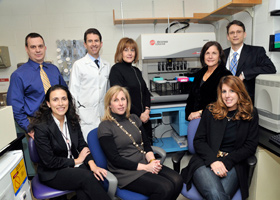
Massachusetts General Hospital Cancer Center Opens Molecular Pathology Lab to Genetically Profile All Patient Tumors
The Massachusetts General Hospital Cancer Center has recently opened a new Translational Research Laboratory that will uncover the genetic codes and gene mutations from almost all of its cancer patients. Previously only a sampling of patients had their tumors analyzed in such a comprehensive fashion.
By embarking on such an ambitious approach, Cancer Center pathologists and oncologists hope to gather specific information about tumor properties that will lead to targeted therapies and better personalized treatments. Mass General will be the first and only cancer center to conduct molecular profiling of positive biopsies and tumors from all patients as part of basic patient care.
Scientists and researchers have already identified over 110 genetic mutations responsible for causing tumor growth, many of which are involved in several different types of cancers. Codirectors of the Transplational Research Laboratory, Leif Ellisen, MD, PhD, and A. John Iafrate, MD, PhD, have equipped the lab with state-of-the-art robotic technology, which will make it possible to quickly genotype tumor specimens within a short period of time.
‘This new and improved classification of cancers that we are doing is intended to give our oncologists more information about a individual patient’s cancer, so they can treat it in a very specific way, thereby significantly increasing the odds of success,’ says Iafrate.
Several new cancer drugs that are currently available or in development are able to block some of the mutations and pathways that cause tumor cells to proliferate. By targeting tumor gene mutations with these smart drugs, doctors may be able to eradicate malignant cells without using traditional treatments like chemotherapy and radiation, which have significant side effects.
The lab’s new tumor genotyping initiative should also expedite the time it takes to find the right drug for the right patient. According to Ellisen, ‘If we are able to identify a mutation in, say, a case of lung cancer, and we know that a particular drug has been successful in treating colon cancer patients with the same mutation, then we have good reason to believe that drug will work turning off the cancer-causing mutation in the lung cancer patient as well.’
The lab will start with the genotyping of Mass General’s lung cancer patients and phase in different disease groups over the next few weeks. It is anticipated that the profiling of all possible patient tumors will occur gradually over the coming months.
Learn more about research at the Cancer Center ”
Cited Source: Massachusetts General Hospital Cancer Center opens molecular pathology lab to genetically profile all patient tumors, News, Massachusetts General Hospital, Mar. 9, 2009.
Update:
- Making Personalized Cancer Care Routine, In Depth, NCI Cancer Bulletin, Volume 6 / Number 11, National Cancer Institute, June 2, 2009 (noting that Massachusetts General Hospital & Memorial Sloan-Kettering Cancer Center are performing genetic profiling of all lung cancer tumors).
What’s Feeding Cancer Cells? — Johns Hopkins Researchers Discover How Critical Cancer Gene Controls Nutrient Use.
“Cancer cells need a lot of nutrients to multiply and survive. While much is understood about how cancer cells use blood sugar to make energy, not much is known about how they get other nutrients. Now, researchers at the Johns Hopkins University School of Medicine have discovered how the Myc cancer-promoting gene uses microRNAs to control the use of glutamine, a major energy source. The results, which shed light on a new angle of cancer that might help scientists figure out a way to stop the disease, appear Feb. 15 online at Nature. …”
“February 15, 2009- Cancer cells need a lot of nutrients to multiply and survive. While much is understood about how cancer cells use blood sugar to make energy, not much is known about how they get other nutrients. Now, researchers at the Johns Hopkins University School of Medicine have discovered how the Myc cancer-promoting gene uses microRNAs to control the use of glutamine, a major energy source. The results, which shed light on a new angle of cancer that might help scientists figure out a way to stop the disease, appear Feb. 15 online at Nature.

Chi Dang, M.D., Ph.D. The Johns Hopkins Family Professor in Oncology Research; Professor of Medicine, Cell Biology, Oncology and Pathology; and Vice Dean for Research, School of Medicine
‘While we were looking for how Myc promotes cancer growth, it was unexpected to find that Myc can increase use of glutamine by cancer cells,’ says Chi V. Dang, M.D., Ph.D., the Johns Hopkins Family Professor of Oncology at Johns Hopkins. ‘This surprising discovery only came about after scientists from several disciplines came together across Hopkins to collaborate — it was a real team effort.’
In their search to learn how Myc promotes cancer, the researchers teamed up with protein experts, and using human cancer cells with Myc turned on or off, they looked for proteins in the cell’s powerhouse — the mitochondria — that appeared to respond to Myc. They found eight proteins that were distinctly turned up in response to Myc.
At the top of the list of mitochondrial proteins that respond to Myc was glutaminase, or GLS, which, according to Dang, is the first enzyme that processes glutamine and feeds chemical reactions that make cellular energy. So the team then asked if removing GLS could stop or slow cancer cell growth. Compared to cancer cells with GLS, those lacking GLS grew much slower, which led the team to conclude that yes, GLS does affect cell growth stimulated by Myc.
The researchers then wanted to figure out how Myc enhances GLS protein expression. Because Myc can control and turn on genes, the team guessed that Myc might directly turn on the GLS gene, but they found that wasn’t the case. ‘So then we thought, maybe there’s an intermediary, maybe Myc controls something that in turn controls GLS,’ says Ping Gao, Ph.D., a research associate in hematology at Johns Hopkins.
They then built on previous work done with the McKusick-Nathans Institute of Genetic Medicine at Hopkins where they discovered that Myc turns down some microRNAs, small bits of RNA that can bind to and inhibit RNAs, which contain instructions for making proteins. The team looked more carefully at the GLS RNA and found that it could be bound and regulated by two microRNAs, called miR23a and miR23b, pointing to the microRNAs as the intermediary that links Myc to GLS expression.
‘Next we want to study GLS in mice to see if removing it can slow or stop cancer growth,’ says Gao. ‘If we know how cancer cells differ from normal cells in how they make energy and use nutrients, we can identify new pathways to target for designing drugs with fewer side effects.’
This study was funded by the National Institutes of Health, the National Cancer Institute, the Rita Allen Foundation, the Leukemia and Lymphoma Society and the Sol Goldman Center for Pancreatic Cancer Research.
Authors on the paper are Ping Gao, Irina Tchernyshyov, Tsung-Cheng Chang, Yun-Sil Lee, Karen Zeller, Angelo De Marzo, Jennifer Van Eyk, Joshua Mendell and Chi V. Dang, of Johns Hopkins; and Kayoko Kita and Takfumi Ochi of Teikyo University in Japan.
On the Web:
http://www.hopkinsmedicine.org/hematology/faculty_staff/dang.html
http://www.proteomics.jhu.edu/index.php
http://www.hopkinsmedicine.org/geneticmedicine/People/Faculty/mendell.html
http://www.nature.com/nature/index.html
– JHM –
Media Contacts: Audrey Huang; 410-614-5105; audrey@jhmi.edu
Maryalice Yakutchik; 443-287-2251; myakutc1@jhmi.edu”
______________________
Quoted Source: What’s Feeding Cancer Cells? – Johns Hopkins Researchers Discover How Critical Cancer Gene Controls Nutrient Use, Press Release, Johns Hopkins Medicine, February 15, 2009.
Primary Citation: c-Myc suppression of miR-23a/b enhances mitochondrial glutaminase expression and glutamine metabolism; Ping Gao, Irina Tchernyshyov, Tsung-Cheng Chang et. al., Letter, Nature advance online publication 15 February 2009.
A Potential Treatment For Ovarian Cancer – Claudin-3 Gene Silencing Using Small Interfering RNA
“… Ovarian tumors highly express two proteins, claudin-3 and -4. These proteins are associated with both an increase is cellular motility and survival of ovarian tumor cells. Claudin-3 is also over expressed in breast and prostate tumors. This new therapy is targeting claudin-3 (CLDN3) using small interfering RNA (siRNA). More specifically, this team has developed a nanoparticulate, lipid-like delivery system for intraperitoneal delivery of siRNA to ovarian tumors. Tests of the therapeutic efficacy of CLDN3 siRNA in three different mouse models showed a significant reduction in tumor growth. Additionally, these mice showed no ill side effects of the CLDN3 siRNA treatment. …”
“PAPER REVEALS POTENTIAL NEW TREATMENT FOR OVARIAN CANCER
Wynnewood, PA, February 9, 2009 – – – – – Ovarian cancer is the fourth most common cancer in women and has the highest mortality rate for gynecologic cancers because it is often diagnosed at an advanced stage. New effective therapies for the treatment of advanced stage ovarian cancer are urgently needed.
Today, a paper published in the Proceedings of the National Academy of Sciences (PNAS) by Dr. Janet Sawicki, Professor at the Lankenau Institute for Medical Research (LIMR), a team headed by Daniel G. Anderson, Ph.D. and Robert Langer, Sc.D. of the David H. Koch Institute for Integrative Cancer Research at the Massachusetts Institute of Technology (MIT) and David Bumcrot, Director of Research at Alnylam Pharmaceuticals, shows that a new therapy suppresses ovarian tumor growth and metastasis in preclinical studies.
Ovarian tumors highly express two proteins, claudin-3 and -4. These proteins are associated with both an increase is cellular motility and survival of ovarian tumor cells. Claudin-3 is also over expressed in breast and prostate tumors. This new therapy is targeting claudin-3 (CLDN3) using small interfering RNA (siRNA). More specifically, this team has developed a nanoparticulate, lipid-like delivery system for intraperitoneal delivery of siRNA to ovarian tumors. Tests of the therapeutic efficacy of CLDN3 siRNA in three different mouse models showed a significant reduction in tumor growth. Additionally, these mice showed no ill side effects of the CLDN3 siRNA treatment.
‘We are excited by the preclinical performance of these formulations, and are hopeful that the lipidoid-siRNA nanoparticulates developed here may enable new genetic therapies for ovarian cancer,’ said Anderson.
‘These findings offer new hope for a therapeutic treatment option for individuals with metastatic ovarian cancer and potentially other types of cancers that over-express CLDN3’, states Dr. Janet Sawicki. ‘Our next step is to begin Phase I clinical trials to test for safety with hopes to bring this treatment to the patient in the next few years.’
This research was made possible through funding from the National Institutes of Health (NIH), the Sandy Rollman Ovarian Cancer Foundation of Havertown, PA, and Wawa.
Lankenau Institute for Medical Research
Founded in 1927, the Lankenau Institute for Medical Research (LIMR) is an independent, nonprofit biomedical research center located in suburban Philadelphia on the campus of the Lankenau Hospital. As part of the Main Line Health System, LIMR is one of the few freestanding, hospital-associated medical research centers in the nation. The faculty and staff at the Institute are dedicated to advancing an understanding of the causes of cancer and heart disease. They use this information to help improve diagnosis and treatment of these diseases as well as find ways to prevent them. They are also committed to extending the boundaries of human health and well-being through technology transfer and education directed at the scientific, clinical, business and lay public communities. For more information visit: http://www.limr.org.
David H. Koch Institute for Integrative Cancer Research at MIT
Launched by MIT in 2008, the David H. Koch Institute for Integrative Cancer Research (KI) both transforms and transcends the Center for Cancer Research (CCR). CCR was founded in 1974 by Nobel Laureate and MIT Professor Salvador Luria, CCR has made enormous contributions to the field of cancer research. The Koch is one of only seven National Cancer Institute-designated basic research centers in the US and is comprised of faculty that have earned the most prestigious national and international science honors including the Nobel Prize and the National Medal of Science. For more information visit: web.mit.edu/ki/index.html.
Alnylam Pharmaceuticals, Inc.
Alnylam Pharmaceuticals, a leader in RNAi therapeutics, is a biopharmaceutical company developing novel therapeutics based on a breakthrough in biology known as RNA interference, or RNAi; a discovery that enables the creation of a broad new class of human therapeutics. Using RNAi, Alnylam has built a product engine to develop a deep pipeline of drug products to treat a wide array of important diseases. For more information visit: http://www.alnylam.com
Contact: Tava Shanchuk
Phone: (610) 645-3429
E-mail: shanchukt@mlhs.org”
RNA Interference Primer – Alnylam Pharmaceuticals
Quoted Source: Paper Reveals Potential New Treatment for Ovarian Cancer, Press Release, Lankenau Institute for Medical Research, Feb. 9, 2009.
Primary Citation: Claudin-3 gene silencing with siRNA suppresses ovarian tumor growth and metastasis; Huang YH, Bao Y, Peng W et. al., Proc Natl Acad Sci U S A. 2009 Feb 10. [Epub ahead of print]
Additional Resources:
- RNA Interference: An Introduction to RNA Interference (RNAi) and Drug Development, Alnylam Pharmaceuticals (PDF Document).
- RNAi Explained Animation, Science Now, NOVA.
Two Studies Address Risk Reduction & Screening For BRCA 1/2 Gene Mutation Carriers
“Prophylactic salpingo-oophorectomy – removal of the ovaries and fallopian tubes–reduces the relative risk of breast cancer by approximately 50 percent and the risk of ovarian and fallopian tube cancer by approximately 80 percent in women who carry a mutation in the BRCA1 or BRCA2 gene, researchers report in the January 13 online issue of the Journal of the National Cancer Institute …. Women at high risk of ovarian cancer due to a genetic predisposition may opt for either surveillance or prophylactic bilateral salpingo-oophorectomy (pBSO). Main objective of our study was to determine the effectiveness of ovarian cancer screening in women with a BRCA1/2 mutation. At this time,’ Dr. de Bock and colleagues advise, “prophylactic bilateral salpingo-oophorectomy from age 35-40 for BRCA1 carriers and from age 40-45 for BRCA2 carriers is the only effective strategy, as it reduces the risk of ovarian cancer by 96% and may also protect against breast cancer with a risk reduction up to 53% when performed in premenopausal women.’ They add, ‘For women who still want to opt for screening, a more effective screening strategy needs to be designed.'”
Meta-analysis Confirms Value of Risk-Reducing Salpingo-Oophorectomy
for Women with BRCA Mutations
“Prophylactic salpingo-oophorectomy – removal of the ovaries and fallopian tubes–reduces the relative risk of breast cancer by approximately 50 percent and the risk of ovarian and fallopian tube cancer by approximately 80 percent in women who carry a mutation in the BRCA1 or BRCA2 gene, researchers report in the January 13 online issue of the Journal of the National Cancer Institute . Previous studies have shown substantial reduction in the risks of breast and ovarian or fallopian tube cancers in BRCA1/2 mutation carriers following salpingo-oophorectomy. However, the magnitude of the benefit has been unclear.
To establish a more reliable estimate of the magnitude of the benefit, Timothy Rebbeck, Ph.D., of the University of Pennsylvania School of Medicine in Philadelphia, and colleagues analyzed the pooled results of 10 published studies. They found that risk-reducing salpingo-oophorectomy was associated with a 79 percent relative reduction in ovarian and fallopian tube cancer risk and a 51 percent relative reduction in breast cancer risk in women who carried mutations in BRCA1 or BRCA2 . When the researchers analyzed the effect of the prophylactic surgery on BRCA1 and BRCA2 mutation carriers separately, they found a similar benefit for the two groups in terms of breast cancer risk, with a 53 percent risk reduction for each group. The groups were too small to be examined independently for gynecologic cancer risk. ‘In conclusion, the summary risk reduction estimates presented here confirm that BRCA1/2 mutation carriers who have been treated with [risk-reducing salpingo-oophorectomy] have a substantially reduced risk of both breast and ovarian cancer,’ the authors write. ‘However, residual cancer risk remains after surgery. Therefore, additional cancer risk reduction and screening strategies are required to maximally reduce cancer incidence and mortality in this high-risk population.’
In an accompanying editorial, Mark H. Greene, M.D., and Phuong L. Mai, M.D., of the National Cancer Institute in Bethesda, Md., commend Rebbeck and colleagues ‘ effort and review the steps the study authors took to develop the most precise estimates of risk reduction following prophylactic salpingo-oophorectomy. The results ‘should benefit women who are trying to decide whether or not to undergo [risk-reducing salpingo-oophorectomy],’ the editorialists write. ‘We urge providers of cancer genetics counseling services to adopt the summary risk estimates developed by Rebbeck et al. as those most currently reliable when counseling BRCA mutation carriers.’
Contacts:
Article: Holly Auer, Holly.auer@uphs.upenn.edu ; 215-349-5659
Editorial: NCI Press Officers, ncipressofficers@mail.nih.gov ; 301-496-6641
Citations:
Article: Rebbeck T, et al. Meta-analysis of Risk Reduction Estimates Associated with Risk Reducing Salpingo-
Oophorectomy in BRCA1 or BRCA2 Mutation Carriers. J Natl Cancer Inst 2009;101: 80 – 87 .
Editorial: Greene M and Mai PL. What Have We Learned from Risk-Reducing Salpingo-oophorectomy? J Natl
Cancer Inst 2009;101: 7 – 71 .”
Quoted Source: MEMO TO THE MEDIA -Meta-analysis Confirms Value of Risk-Reducing Salpingo-oophorectomy for Women with BRCA Mutations, JNCI 2009 101(2):69 (online Jan. 13, 2009).
Time to stop ovarian cancer screening in BRCA1/2 mutation carriers?
“Women at high risk of ovarian cancer due to a genetic predisposition may opt for either surveillance or prophylactic bilateral salpingo-oophorectomy (pBSO). Main objective of our study was to determine the effectiveness of ovarian cancer screening in women with a BRCA1/2 mutation.
We evaluated 241 consecutive women with a BRCA1 or BRCA2 mutation who were enrolled in the surveillance program for hereditary ovarian cancer from September 1995 until May 2006 at the University Medical Center Groningen (UMCG), The Netherlands. The ovarian cancer screening included annual pelvic examination, transvaginal ultrasound (TVU) and serum CA125 measurement. To evaluate the effectiveness of screening in diagnosing (early stage) ovarian cancer sensitivity, specificity, positive and negative predictive values (PPV and NPV) of pelvic examination, TVU and CA125 were calculated.
Three ovarian cancers were detected during the surveillance period; 1 prevalent cancer, 1 interval cancer and 1 screen-detected cancer, all in an advanced stage (FIGO stage IIIc). A PPV of 20% was achieved for pelvic examination, 33% for TVU and 6% for CA125 estimation alone. The NPV were 99.4% for pelvic examination, 99.5% for TVU and 99.4% for CA125. All detected ovarian cancers were in an advanced stage, and sensitivities and positive predictive values of the screening modalities are low. Restricting the analyses to incident contacts that contained all 3 screening modalities did not substantially change the outcomes. Annual gynecological screening of women with a BRCA1/2 mutation to prevent advanced stage ovarian cancer is not effective.”
Citation: Time to stop ovarian cancer screening in BRCA1/2 mutation carriers?, van der Velde NM, Mourits, MJ, Arts HJ, et. al.; Int J Cancer 2008;Vol 124: Issue 4: 919-923.
Comment: “At this time,’ Dr. de Bock and colleagues advise, “prophylactic bilateral salpingo-oophorectomy from age 35-40 for BRCA1 carriers and from age 40-45 for BRCA2 carriers is the only effective strategy, as it reduces the risk of ovarian cancer by 96% and may also protect against breast cancer with a risk reduction up to 53% when performed in premenopausal women.’ They add, ‘For women who still want to opt for screening, a more effective screening strategy needs to be designed.'” [Source: Annual Screening for Ovarian Cancer in BRCA1/2 Carriers Deemed Ineffective, News Article, Cancerpage.com, Feb. 23, 2009.]
Libby’s H*O*P*E*(tm) Adds New Cancer Video Archive Courtesy of Vodpod.com
Yesterday, Libby’s H*O*P*E* added a new cancer video archive to the weblog courtesy of Vodpod.com. Currently, the archive contains approximately 90 videos that address many general cancer and ovarian cancer issues, as well as the personal voices of those affected by cancer. The new video archive is located on the homepage right sidebar. All you have to do is “click and play.”
 Yesterday, Libby’s H*O*P*E* added a new cancer video archive to the weblog courtesy of Vodpod.com. Currently, the archive contains approximately 90 videos that address many general cancer and ovarian cancer issues, as well as the personal voices of those affected by cancer. The new video archive is located on the homepage right sidebar. All you have to do is “click and play.” The video arrangement is set to “random order” so that new videos appear on the homepage sidebar each time you visit Libby’s H*O*P*E*.
If you are aware of a general cancer/ovarian cancer video that is educational, heartfelt, inspirational, humorous, poignant, or is simply dedicated to the one you love, please provide us with the URL address of the video. The URL video address can be sent to us by email (click on the “contact” button located at the top of the homepage), or by comment (post a comment under this post). Upon receipt of the video URL address, we will add the referenced video to the new archive. We appreciate your participation in adding to our video archive and hope you find the archive helpful.
Hollywood Celebs Raise Awareness Regarding Hereditary Breast and Ovarian Cancer
Christina Applegate – Samantha Who?

Christina Applegate as Samantha in the ABC sitcom Samantha Who? Photo Credit: American Broadcasting Company
Recently diagnosed in July 2008 with breast cancer, Christina Applegate appeared on ABC’s Good Morning America program in August. The talented, Emmy award winning actress is currently the star of the ABC sitcom “Samantha Who?” Applegate came into the Hollywood limelight when she appeared in popular Fox sitcom “Married With Children,” in the role of “Kelly Bundy.”
With a great deal of courage, Christina revealed in the Good Morning America interview that she had a double mastecomy three weeks earlier to remove a tumor in one breast and prevent future breast cancer in the other. Christina made the decision to have a prophylatic double mastecomy because she tested positive previously for the BRCA 1 (breast cancer 1) gene mutation.
“I just wanted to kind of be rid of it,” explained Christina Applegate. “So this was the choice I made and it was a tough one.” Applegate is 36 years old, but because her mother is a two time survivor of breast cancer, Christina was carefully screened for breast cancer since she was 30 years old. “After looking at all the treatment plans, the one that was going to work for me was to have a bilateral mastectomy,” she said during the interview with ABC’s Robin Roberts, also a breast cancer survivor.
“I didn’t want to go back to the doctors every four months for testing. … I’m clear,” she declared. “Absolutely 100 percent clear and clean. It did not spread. They got everything out, so I’m definitely not going to die from breast cancer.”
To view Christina Applegate’s August 19, 2008 interview on ABC’s Good Morning America, CLICK HERE.
Jessica Queller – Pretty is What Changes

Jessica Queller, author of "Pretty Is What Changes"
Jessica Queller is a famous Hollywood writer/producer who worked on several hit television programs like Felicity, One Tree Hill, and most recently, the Gilmore Girls, which is an Emmy Award-winning, Golden Globe-nominated, American comedy-drama series. Eleven months after her mother succumbed to cancer, Jessica Queller had herself tested for the breast cancer (BRCA) gene mutation. Queller was 34 years old when she took the BRCA gene mutation blood test, and she tested positive, like Applegate, for the BRCA 1 (breast cancer) gene mutation.
Jessica’s mother had suffered from both diseases and ultimately died of ovarian cancer. In 2005, shortly after testing positive, Jessica wrote an Op-Ed piece for the New York Times entitled Cancer and the Maiden about the burden of knowledge that comes with testing positive for the breast cancer gene. This article was the launching point for her first book, a memoir, called Pretty Is What Changes: Impossible Choices, The Breast Cancer Gene and How I Defied My Destiny. Ultimately, Queller, like Applegate, decided to have both breasts removed to stave off cancer, and she wants to have her ovaries removed before she is 40 in the hope of preventing ovarian cancer in the future.
Jessica Queller is the recipient of the 2008 LIFE Hero award from the Val Skinner Foundation
To view Jessica Queller’s April 2, 2008 interview with Good Morning America’s Robbin Roberts, CLICK HERE.
What is Hereditary Breast and Ovarian Cancer?
Hereditary breast and ovarian cancer (HBOC) is identified generally by one or more of the following characteristics found in a family:
- early age onset of breast cancer (often before age 50);
- family history of both breast and ovarian cancer;
- bilateral cancers (cancer that develop in both breasts, or both ovaries, independently) or an individual with both breast and ovarian cancer;
- an autosomal dominant pattern of inheritance (vertical transmission through either the mother or father’s side of the family); and
- an increased incidence of tumors of other specific organs, such as the prostate.
Other factors that increase the chance that hereditary breast and ovarian cancer exists within a family include:
- family history of male breast cancer; and
- Ashkenazi Jewish ancestry
What Are BRCA 1 & BRCA 2 Genes?
In 1990, DNA linkage analysis studies on large families with the characteristics described above, identified the first gene associated with breast cancer. Scientists named this gene “breast cancer 1″ or “BRCA1.” BRCA1 mutations are transmitted in an autosomal dominant pattern within a family. Since it was clear that not all breast cancer families were linked to BRCA1, studies continued and in 1994, scientists discovered another gene similar to BRCA1, and named it “breast cancer 2″ or “BRCA2.” BRCA2 gene mutations are also transmitted in an autosomal dominant pattern within a family. If a disease is autosomal dominant, it means that an individual only needs to get the abnormal gene from one parent to inherit the disease. One of the parents may often have the disease.
BRCA1 and BRCA2 are tumor suppressor genes, which means that they are responsible for controlling cell growth and cell death. Each individual possesses two BRCA1and two BRCA2 genes. When an individual possesses one altered or mutated copy of the BRCA1 or BRCA2 gene, the risk for various types of cancer increases:
- BRCA1 Mutation Risks
— 36 percent to 85 percent lifetime risk for breast cancer
— 40 percent to 60 percent lifetime risk for second breast cancer (not reappearance of first tumor)
— 20 percent to 60 percent lifetime risk for ovarian cancer
— increased risk for other cancer types, such as prostate cancer
- BRCA2 Mutation Risks
— 36 percent to 85 percent lifetime risk for breast cancer in females
— 6 percent lifetime risk for breast cancer in males
— up to 27 percent lifetime risk for ovarian cancer
— increased risk for other cancer types, such as pancreatic, prostate, laryngeal, stomach cancer, and melanoma
It is important to note that both copies of a tumor suppressor gene must be altered or mutated before a person will develop cancer. In HBOC, the first mutation is inherited from the mother or father and is therefore present in all cells of the body. This is called a “germline mutation.” Whether an individual with a germline mutation will develop cancer and where the cancer(s) will develop depends upon where (which cell type) the second mutation occurs. For example, assuming the second mutation is in the ovary, then ovarian cancer could develop. Assuming the second mutation is in the breast, breast cancer could develop. The development of a tumor ultimately requires mutations in multiple growth control genes. Loss of both copies of BRCA1 or BRCA2 is just the first step in the process. What causes these additional mutations to be acquired is unknown. Possible causes include chemical, physical, or biological environmental exposures, or cell replication errors.
An individual who possesses an inherited germline BRCA1 or BRCA2 mutation may not develop cancer in the future due to the non-occurrence of a second gene mutation which is necessary to knock out the function of the gene and start the process of tumor formation. The lack of a second gene mutation can make the cancer appear to skip generations in a family, when, in reality, one gene mutation is present. Regardless of whether cancer ultimately develops, an individual with a mutation possesses a 50/50 chance of passing the mutation on to the next generation, which could include male and/or female children. It is also important to note that the BRCA1 and BRCA2 genes are not located on the sex chromosomes, and therefore, BRCA gene mutations can be inherited from the mother’s or father’s side of the family.
What is a founder’s effect?
The majority of BRCA1 or BRCA2 gene mutations within a single family are unique. There are, however, a few exceptions. For example, specific recurring mutations have been found in individuals of Ashkenazi (Eastern Europe) Jewish descent, and persons from the Netherlands, Iceland, and Sweden. Mutations recur in these groups because of a so-called “founder’s effect.” “Founders” consist of a small group of people that interbred due to geographic or religious isolation. The “founder’s effect” occurs when that small group of people interbreeds over generations, thereby causing specific rare gene mutations to recur and become more common in the population.
The present day Ashkenazi Jewish population arose from a small group of founders. One or more of those founders probably carried specific gene mutations in BRCA1 or BRCA2. Notably, there are three mutations (two in BRCA1 and one in BRCA2) that account for the majority of the BRCA gene mutations possessed by Ashkenazi Jews. Accordingly, the existence of the founder’s effect is important to Ashkenazi Jewish individuals because it results in an increased occurrence of BRCA gene mutations in this population. This information hold practical importance within the context of gene testing, because some testing laboratories offer “ethnic-specific” gene mutation panels. Thus, laboratories can first investigate for specific gene mutations based upon the ethnic background of the indivdual, rather than search through the entire gene each time that person is tested.
In the general population, it is estimated that 1 in 500 individuals has a mutation in BRCA1 or BRCA2. In contrast, 1 in 40 Ashkenazi Jews possess recurring BRCA mutations. This increased occurrence places added emphasis on the assessment of family history for breast and ovarian cancer in Ashkenazi versus non-Ashkenazi persons.
NCI Population Estimates — Likelihood of a BRCA1 or BRCA2 Gene Mutation
The National Cancer Institute (NCI) statistics regarding the percentage of women found to possess BRCA gene mutations, as compared to samples of women and men with a variety of personal cancer histories regardless of family history, are provided below. The estimates are general in nature and cannot replace a personalized risk assessment by a certified genetic counselor, which may indicate a higher or lower mutation likelihood based upon specific family history characteristics.
Among non-Ashkenazi Jewish individuals (likelihood of having any BRCA mutation):
- General non-Ashkenazi Jewish population: 1 in 500 (.2%).
- Women with breast cancer (all ages): 1 in 50 (2%).
- Women with breast cancer (younger than 40 years): 1 in 11 (9%).
- Men with breast cancer (regardless of age): 1 in 20 (5%).
- Women with ovarian cancer (all ages): 1 in 10 (10%).
Among Ashkenazi Jewish individuals (likelihood of having one of three founder mutations):
- General Ashkenazi Jewish population: 1 in 40 (2.5%).
- Women with breast cancer (all ages): 1 in 10 (10%).
- Women with breast cancer (younger than 40 years): 1 in 3 (30%-35%).
- Men with breast cancer (regardless of age): 1 in 5 (19%).
- Women with ovarian cancer or primary peritoneal cancer (all ages): 1 in 3 (36%-41%).
Sources:
- Tough Decisions on Breast Cancer, by Susan Reimer, Baltimore Sun, August 21, 2008.
- What Christina Applegate Faces with Breast Reconstruction, by Deborah Kotz, Health, U.S. News & World Report, August 19, 2008.
- Hereditary Breast Ovarian Cancer Syndrome (BRCA1/BRCA2), Genetics, Information About Cancer, Stanford Cancer Center.
- Genetics of Breast and Ovarian Cancer (PDQ®) (Health Professional Version), National Cancer Institute, June 19, 2008 (last modified)
Comment: The vast majority of cancers are not due to inherited mutations. The decision to obtain genetic testing, and the action to take if you test positive for a gene mutation(s), are intensely personal decisions. It is generally recommended that you speak with a certified genetic counselor or similarly trained healthcare professional prior to engaging in genetic testing.
Additional Resources:
- Our Community, Toll-Free Help Line (1-866-824-RISK (7475), Facing Our Risk of Cancer Empowered (FORCE).
- Hereditary Cancer & Cancer Genetics, Facing Our Risk of Cancer Empowered (FORCE).
- Cancer Genetics Overview (PDQ®)(Health Professional Version), National Cancer Institute, February 28, 2008 (last modified)(includes online genetic resources list)
- Genetics of Breast and Ovarian Cancer (PDQ®) (Health Professional Version), National Cancer Institute, June 19, 2008 (last modified).
- Elements of Cancer Genetics Risk Assessment and Counseling (PDQ®)(Health Professional Version), National Cancer Institute, June 19, 2008 (last modified).
- P.O.V. Documentary “In the Family”: One Woman’s Journey Through the Unpredictable World of Predictive Genetic Testing, by Paul Cacciatore, Libby’s H*O*P*E*™ posting, July 16, 2008.
- Making Informed Decisions: Testing & Management for Hereditary Breast and Ovarian Cancer, Myriad Genetic Laboratories, Inc. (May 8, 2008 posting, Libby’s H*O*P*E*™ Ovarian Cancer Video Archive).
- Search: Cancer Genetics Services Directory, National Cancer Institute.
- Infomed Medical Decisions (Genetic Couseling via telephone by board-certified genetic counselors).
From Zero to Hero: HMGB1 Protein Found to Promote DNA Repair, Prevents Cancer
“An abundant chromosomal protein [HMGB1] that binds to damaged DNA prevents cancer development by enhancing DNA repair, researchers at The University of Texas M. D. Anderson Cancer Center report online this week in the Proceedings of the National Academies of Science.”
“An abundant chromosomal protein that binds to damaged DNA prevents cancer development by enhancing DNA repair, researchers at The University of Texas M. D. Anderson Cancer Center report online this week in the Proceedings of the National Academies of Science.
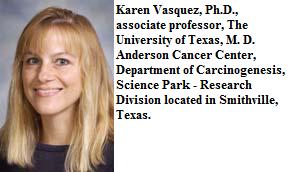 The protein, HMGB1 [High mobility group box 1] , was previously hypothesized to block DNA repair, said senior author Karen Vasquez, Ph.D., associate professor in M. D. Anderson’s Department of Carcinogenesis at the Science Park – Research Division in Smithville, Texas.
Identification and repair of DNA damage is the frontline defense against the birth and reproduction of mutant cells that cause cancer and other illnesses.
Pinpointing HMGB1’s role in repair raises a fundamental question about drugs under development to block the protein, Vasquez said. The protein also plays a role in inflammation, so it’s being targeted in drugs under development for rheumatoid arthritis and sepsis.
‘Arthritis therapy involves long-term treatment,’ Vasquez said. ‘Our findings suggest that depleting this protein may leave patients more vulnerable to developing cancer.’
Long known to attach to sites of damaged DNA, the protein was suspected of preventing repair. ‘That did not make sense to us, because HMGB1 is a chromosomal protein that’s so abundant that it would be hard to imagine cell repair happening at all if that were the case,’ Vasquez said.
In a series of experiments reported in the paper, Vasquez and first author Sabine Lange, a doctoral candidate in the Graduate School of Biomedical Sciences, tracked the protein’s impact on all three steps of DNA restoration: access to damage, repair and repackaging of the original structure, a combination of DNA and histone proteins called chromatin.
First, they knocked out the [HMGB1] gene in mouse embryonic cells [HMGB1 knockout cells] and then exposed cells to two types of DNA-damaging agents. One was UV light, the other a chemotherapy called psoralen that’s activated by exposure to darker, low frequency light known as UVA. In both cases, the cells survived at a steeply lower rate after DNA damage than did normal cells.
Next they exposed HMGB1 knockout cells and normal cells to psoralen and assessed the rate of genetic mutation. The knockout cells had a mutation frequency more than double that of normal cells, however, there was no effect on the types of mutation that occurred.
Knock out and normal cells were then exposed to UV light and suffered the same amount of damage. However, those with HMGB1 had two to three times the repair as those without. Evidence suggests that HMGB1 works by summoning other DNA repair factors to the damaged site, Vasquez said.
The last step in DNA repair is called chromatin remodeling. DNA does not exist in a linear structure in the chromosome, but wraps around specialized histone proteins. This chromatin structure permits access to DNA when it is loose, or opened up, and blocks access when it is more tightly wrapped. Presence of HMGB1 resulted in a much higher rate of chromatin assembly in both undamaged and UVC-damaged cells.
Lange and Vasquez hypothesize that HMGB1 normally binds to the entrance and exit of DNA nucleosomes, so is nearby when DNA damage occurs. It then binds to and bends the damaged site at a 90-degree angle, a distortion that may help DNA repair factors recognize and repair the damage. After repair it facilitates restructuring of the chromatin.
Co-author with Lange and Vasquez is David Mitchell, Ph.D., professor of carcinogenesis.
The research was supported by grants from the National Cancer Institute and the National Institute of Environmental Health Sciences as well as an American Legion Auxiliary fellowship. 07/21/08”
Quoted Source: Once Suspect Protein Found to Promote DNA Repair, Prevent Cancer – M. D. Anderson scientists caution against targeting HMGB1 to treat other disease, M. D. Anderson News Release, July 21, 2008.
TP53 Gene Mutation Found in 80% of High Grade Ovarian Serous Carcinomas; TP53 Not Directly Involved In The Development of Drug Resistance
“… [T]he [Johns Hopkins] research team concluded that the frequency of TP53 gene mutations using purified tumor DNA from ovarian serous carcinomas was 80.3%, which is much higher than previously reported in the medical literature. Furthermore, the research team found that TP53 is not directly involved in the development of drug resistance in high-grade ovarian serous carcinomas.”
The TP53 gene mutation frequency in ovarian serous carcinomas has been reported to range between 50% and 80%. A research team working at the The Sidney Kimmel Comprehensive Cancer Center of The Johns Hopkins Medical Institutions (Johns Hopkins) made several important findings regarding TP53 gene mutations with respect to high grade ovarian serous carcinoma, as reported in the International Journal of Gynecological Cancer. Ovarian serous carcinoma is the most common tumor subtype within the epithelial ovarian cancer histological classification.
According to the Johns Hopkins research team, a stringent analysis of the TP53 gene using purified epithelial tumor samples has not been performed to accurately assess the TP53 gene mutation frequency and its correlation to tumor histologic grade. The research team assessed the TP53 gene mutational profile in a relatively large series of high-grade (53 primary tumors and 18 recurrent tumors) and 13 low-grade ovarian serous tumors. All samples were affinity purified, and the tumor DNA was analyzed for TP53 mutations in exons 4 through 9. In addition, the ovarian serous tumors were subjected to in vitro drug resistance testing. In vitro drug resistance assays were performed on the same tumor samples using carboplatin, cisplatin, paclitaxel, and taxotere, and the results were correlated with the TP53 mutation status.
The reported study findings are as follows:
- TP53 mutations were detected in 57 (80.3%) of 71 high-grade carcinomas and in one (7.8%) of 13; low-grade serous tumors (an invasive low-grade serous carcinoma);
- The mutations were predominantly missense mutations (59.6%);
- TP53 mutations were associated with high-grade serous carcinomas and recurrent disease; and
- There was no statistically significant correlation between TP53 mutation status and drug resistance assays or clinical stage.
Accordingly, the research team concluded that the frequency of TP53 gene mutations using purified tumor DNA from ovarian serous carcinomas was 80.3%, which is much higher than previously reported in the medical literature. Furthermore, the research team found that TP53 was not directly involved in the development of drug resistance in high-grade ovarian serous carcinomas.
Source: Assessment of TP53 mutation using purified tissue samples of ovarian serous carcinomas reveals a higher mutation rate than previously reported and does not correlate with drug resistance; Salani R, et. al., Int J Gynecol Cancer. 2008 May-Jun;18(3):487-91. Epub 2007 Aug 10.
Canadian Women of Ashkenazi Jewish Ancestry Offered Free Testing For Cancer Gene Mutation
“One-thousand Canadian Jewish women are being offered a chance to take a free test to find out if they are at a high risk of developing breast and ovarian cancers. Scientists with Women’s College Research Institute will screen for three inherited breast cancer gene mutations common to people of Ashkenazi Jewish ancestry with the aim of preventing the disease. …”
“One-thousand Canadian Jewish women are being offered a chance to take a free test to find out if they are at a high risk of developing breast and ovarian cancers. Scientists with Women’s College Research Institute will screen for three inherited breast cancer gene mutations common to people of Ashkenazi Jewish ancestry with the aim of preventing the disease.
Adult Jewish women in Ontario, who have no known family history of breast or ovarian cancer, are being offered a blood test to screen for three specific mutations of the BRCA1 and BRCA2 genes, beginning this Thursday in Toronto. Jewish women with a family history of breast or ovarian cancer who have never been tested are also eligible. If expanding genetic testing to this group proves worthwhile, it could change the way the testing is offered across Canada by recognizing cancer risk due to ancestry.
The goal of the test is ‘to prevent cancer,’ said Steven Narod, director of the familial breast cancer research unit at Women’s College Research Institute. He said one in 44 Ashkenazi Jewish people carry the mutation compared to the general population in which an estimated one in 400 individuals carries a mutation in BRCA1 or BRCA2. According to UIA Federations Canada, most of Canada’s Jewish population is Ashkenazi — 327,360 out of a total of 370,055 — and about half of the Ashkenazi Jewish population, 165,175 — live in Toronto.
About 70 per cent of women who are BRCA1 mutation carriers will develop breast cancer by age 70 while 40 per cent will develop ovarian cancer by the same age. Those who carry the BRCA2 genetic mutation face the same breast cancer risk as those BRCA1 mutation carriers, but their risk of developing ovarian cancer is between 15 and 20 per cent by age 70, according to Narod’s group.”
[Quoted Source: Women of Ashkenazi Jewish Ancestry To Be Tested For Cancer Gene Mutation, Times & Transcript, May 28, 2008.]
 Libby's H*O*P*E*