2011 SGO Annual Meeting: Ovarian Cancer Abstracts Selected For Presentation

The March 2011 supplemental issue of Gynecologic Oncology sets forth the ovarian cancer and ovarian cancer-related medical abstracts selected by the Society of Gynecologic Oncologists for presentation at its 42nd Annual Meeting on Women’s Cancer™, which is being held in Orlando, Florida from March 6-9, 2011.

The Society of Gynecologic Oncologists (SGO) is hosting its 42nd Annual Meeting on Women’s Cancer™ (March 6–9, 2011) in Orlando, Florida. The SGO Annual Meeting attracts more than 1,700 gynecologic oncologists and other health professional from around the world.

In connection with this premier gynecologic cancer event, 651 abstracts, and 27 surgical films were submitted for consideration. After careful discussion and deliberation, the SGO selected 51 abstracts for oral presentation (27 Plenary session papers, 24 Focused Plenary papers, and 42 Featured Posters, presented in a new, electronic format), along with 227 for poster presentation. Of the 27 surgical films originally submitted, five films were selected for presentation during a featured Focused Plenary session.

The ovarian cancer abstracts listed below were obtained from the March 2011 supplemental issue of Gynecologic Oncology. Each abstract bears the number that it was assigned in the Gynecologic Oncology journal table of contents.

Please note that we provide below (under the heading “Additional Information”) Adobe Reader PDF copies of the 2011 SGO Annual Meeting program summary and the medical abstract booklet (includes all gynecologic cancer topics). If you require a free copy of the Adobe Reader software, please visit http://get.adobe.com/reader/otherversions/.

For your convenience, we listed the 2011 SGO Annual Meeting ovarian cancer abstracts under the following subject matter headings:  (1) ovarian cancer symptoms, (2) ovarian cancer screening, (3) pathology, (4) ovarian cancer staging, (5) chemotherapy, (6) diagnostic and prognostic biomarkers, (7) clinical trial drugs and results, (8) hereditary breast & ovarian cancer syndrome (BRCA gene deficiencies & Lynch Syndrome), (9) gynecologic practice, (10) gynecologic surgery, (11) genetic/molecular profiling, (12) immunotherapy, (13) medical imaging, (14) preclinical studies – general, (15) preclinical studies – potential therapeutic targets, (16) palliative and supportive care, (17) rare ovarian cancers, (18) survival data, (19) survivorship, (20) other, (21) late breaking abstracts.

Ovarian Cancer Symptoms

142. Utility of symptom index in women at increased risk for ovarian cancer. (SGO Abstract #140)

184. Symptom-triggered screening for ovarian cancer: A pilot study of feasibility and acceptability. (SGO Abstract #182)

187. Women without ovarian cancer reporting disease-specific symptoms. (SGO Abstract #185)

Ovarian Cancer Screening

12. Ovarian cancer: Predictors of primary care physicians’ referral to gynecologic oncologists. (SGO Abstract #10)

84. Long-term survival of patients with epithelial ovarian cancer detected by sonographic screening. (SGO Abstract #82)

90. Significant endometrial pathology detected during a transvaginal ultrasound screening trial for ovarian cancer. (SGO Abstract #88)

109. Detection of the tissue-derived biomarker peroxiredoxin 1 in serum of patients with ovarian cancer: A biomarker feasibility study. (SGO Abstract #107)

113. Epithelial ovarian cancer tumor microenvironment is a favorable biomarker resource. (SGO Abstract #111)

127. Stop and smell the volatile organic compounds: A novel breath-based bioassay for detection of ovarian cancer. (SGO Abstract #125)

144. Incidental gynecologic FDG-PET/CT findings in women with a history of breast cancer. (SGO Abstract #142)

156. Discovery of novel monoclonal antibodies (MC1–MC6) to detect ovarian cancer in serum and differentiate it from benign tumors. (SGO Abstract #154)

158. Evaluation of the risk of ovarian malignancy algorithm (ROMA) in women with a pelvic mass presenting to general gynecologists. (SGO Abstract #156)

162. Human epididymis protein 4 increases specificity for the detection of invasive epithelial ovarian cancer in premenopausal women presenting with an adnexal mass. (SGO Abstract #160)

163. Identification of biomarkers to improve specificity in preoperative assessment of ovarian tumor for risk of cancer. (SGO Abstract #161)

171. OVA1 has high sensitivity in identifying ovarian malignancy compared with preoperative assessment and CA-125. (SGO Abstract #169)

172. OVA1 improves the sensitivity of the ACOG referral guidelines for an ovarian mass. (SGO Abstract #170)

182. Sonographic predictors of ovarian malignancy. (SGO Abstract #180)

237. Management of complex pelvic masses using the OVA1 test: A decision analysis. (SGO Abstract #235)

241. Three-dimensional power doppler angiography as a three-step technique for differential diagnosis of adnexal masses: A prospective study. (SGO Abstract #239)

Pathology

145. Accuracy of frozen-section diagnosis of ovarian borderline tumor. (SGO Abstract #143)

Ovarian Cancer Staging

31. Should stage IIIC ovarian cancer be further stratified by intraperitoneal versus retroperitoneal-only disease? A Gynecologic Oncology Group study. (SGO Abstract #29)

173. Peritoneal staging biopsies in early-stage ovarian cancer: Are they necessary? (SGO Abstract #171)

Chemotherapy

29. Treatment of chemotherapy-induced anemia in patients with ovarian cancer: Does the use of erythropoiesis-stimulating agents worsen survival? (SGO Abstract #27)

69. Intraperitoneal chemotherapy for recurrent ovarian cancer appears efficacious with high completion rates and low complications. (SGO Abstract #67)

174. Predictors of severe and febrile neutropenia during primary chemotherapy for ovarian cancer. (SGO Abstract #172)

177. Sequencing of therapy and outcomes associated with use of neoadjuvant chemotherapy in advanced epithelial ovarian cancer in the Medicare population. (SGO Abstract #175)

179. Should we treat patients with ovarian cancer with positive retroperitoneal lymph nodes with intraperitoneal chemotherapy? Impact of lymph node status in women undergoing intraperitoneal chemotherapy. (SGO Abstract #177)

229. Predictors and effects of reduced relative dose intensity in women receiving their primary course of chemotherapy for ovarian cancer. (SGO Abstract #227)

Diagnostic & Prognostic Biomarkers

128. Stress and the metastatic switch in epithelial ovarian carcinoma. (SGO Abstract #126)

130. The cytoskeletal gateway for tumor aggressiveness in ovarian cancer is driven by class III β-tubulin. (SGO Abstract #128)

134. True blood: Platelets as a biomarker of ovarian cancer recurrence. (SGO Abstract #132)

148. CA-125 changes can predict optimal interval cytoreduction in patients with advanced-stage epithelial ovarian cancer treated with neoadjuvant chemotherapy. (SGO Abstract #146)

149. CA-125 surveillance for women with ovarian, fallopian tube or primary peritoneal cancers: What do survivors think? (SGO Abstract #147)

150. Calretinin as a prognostic indicator in granulosa cell tumor. (SGO Abstract #148)

135. Tumor expression of the type I insulin-like growth factor receptor is an independent prognostic factor in epithelial ovarian cancer. (SGO Abstract #133)

147. C-terminal binding protein 2: A potential marker for response to histone deacetylase inhibitors in epithelial ovarian cancer. (SGO Abstract #145)

157. Elevated serum adiponectin levels correlate with survival in epithelial ovarian cancers. (SGO Abstract #155)

175. Prognostic impact of prechemotherapy HE4 and CA-125 levels in patients with ovarian cancer. (SGO Abstract #175)

178. Serum HE4 level is an independent risk factor of surgical outcome and prognosis of epithelial ovarian cancer. (SGO Abstract #176)

Clinical Trial Drugs & Results

8. MicroRNA as a novel predictor of response to bevacizumab in recurrent serous ovarian cancer: An analysis of The Cancer Genome Atlas. (SGO Abstract #6)

9. Prospective investigation of risk factors for gastrointestinal adverse events in a phase III randomized trial of bevacizumab in first-line therapy of advanced epithelial ovarian cancer, primary peritoneal cancer or fallopian tube cancer: A Gynecologic Oncology Group study. (SGO Abstract #7)

10. First in human trial of the poly(ADP)-ribose polymerase inhibitor MK-4827 in patients with advanced cancer with antitumor activity in BRCA-deficient and sporadic ovarian cancers.  (SGO Abstract #8)

30. An economic analysis of intravenous carboplatin plus dose-dense weekly paclitaxel versus intravenous carboplatin plus every three-weeks paclitaxel in the upfront treatment of ovarian cancer. (SGO Abstract #28)

51. BRCA1-deficient tumors demonstrate enhanced cytotoxicity and T-cell recruitment following doxil treatment. (SGO Abstract #49)

54. A novel combination of a MEK inhibitor and fulvestrant shows synergistic antitumor activity in estrogen receptor-positive ovarian carcinoma. (SGO Abstract #52)

68. An economic analysis of bevacizumab in recurrent treatment of ovarian cancer. (SGO Abstract #66)

71. A phase II study of gemcitabine, carboplatin and bevacizumab for the treatment of platinum-sensitive recurrent ovarian cancer. (SGO Abstract #69)

72. A phase I clinical trial of a novel infectivity-enhanced suicide gene adenovirus with gene transfer imaging capacity in patients with recurrent gynecologic cancer. (SGO Abstract #70)

73. A phase I study of a novel lipopolymer-based interleukin-12 gene therapeutic in combination with chemotherapy for the treatment of platinum-sensitive recurrent ovarian cancer. (SGO Abstract #71)

74. AMG 386 combined with either pegylated liposomal doxorubicin or topotecan in patients with advanced ovarian cancer: Results from a phase Ib study. (SGO Abstract #72)

86. Pressure to respond: Hypertension predicts clinical benefit from bevacizumab in recurrent ovarian cancer. (SGO Abstract #84)

152. Changes in tumor blood flow as estimated by dynamic-contrast MRI may predict activity of single-agent bevacizumab in recurrent epithelial ovarian cancer and primary peritoneal cancer: An exploratory analysis of a Gynecologic Oncology Group phase II trial. (SGO Abstract #150)

153. Comparing overall survival in patients with epithelial ovarian, primary peritoneal or fallopian tube cancer who received chemotherapy alone versus neoadjuvant chemotherapy followed by delayed primary debulking. (SGO Abstract #151)

154. Consolidation paclitaxel is more cost-effective than bevacizumab following upfront treatment of advanced ovarian cancer. (SGO Abstract #152)

193. Pegylated liposomal doxorubicin with bevacizumab in the treatment of platinum-resistant ovarian cancer: Toxicity profile results. (SGO Abstract #191)

194. Phase II Trial of docetaxel and bevacizumab in recurrent ovarian cancer within 12 months of prior platinum-based chemotherapy. (SGO Abstract #192)

195. A phase I/II trial of IDD-6, an autologous dendritic cell vaccine for women with advanced ovarian cancer in remission. (SGO Abstract #193)

183. STAC: A phase II study of carboplatin/paclitaxel/bevacizumab followed by randomization to either bevacizumab alone or erlotinib and bevacizumab in the upfront management of patients with ovarian, fallopian tube or peritoneal cancer. (SGO Abstract #181)

228. Is it more cost-effective to use bevacizumab in the primary treatment setting or at recurrence? An economic analysis. (SGO Abstract #226)

240. The use of bevacizumab and cytotoxic and consolidation chemotherapy for the upfront treatment of advanced ovarian cancer: Practice patterns among medical and gynecologic oncology SGO members. (SGO Abstract #238)

Hereditary Breast & Ovarian Cancer Syndrome (BRCA gene deficiencies & Lynch Syndrome)

39. BRCAness profile of ovarian cancer predicts disease recurrence. (SGO Abstract #37)

52. A history of breast carcinoma predicts worse survival in BRCA1 and BRCA2 mutation carriers with ovarian carcinoma. (SGO Abstract #52)

137. Does genetic counseling for women at high risk of harboring a deleterious BRCA mutation alter risk-reduction strategies and cancer surveillance behaviors? (SGO Abstract #135)

138. Hereditary breast and ovarian cancer syndrome based on family history alone and implications for patients with serous carcinoma. (SGO Abstract #138)

139. Management and clinical outcomes of women with BRCA1/2 mutations found to have occult cancers at the time of risk-reducing salpingo-oophorectomy. (SGO Abstract #137)

141. The impact of BRCA testing on surgical treatment decisions for patients with breast cancer. (SGO Abstract #139)

136. Compliance with recommended genetic counseling for Lynch syndrome: Room for improvement. (SGO Abstract #134)

Gynecologic Practice

81. Availability of gynecologic oncologists for ovarian cancer care. (SGO Abstract #79)

Gynecologic Surgery

19. Single-port paraaortic lymph node dissection. (SGO Abstract #17)

20. Robotic nerve-sparing radical hysterectomy type C1. (SGO Abstract #18)

21. Urinary reconstruction after pelvic exenteration: Modified Indiana pouch. (SGO Abstract #19)

22. Intrathoracic cytoreductive surgery by video-assisted thoracic surgery in advanced ovarian carcinoma. (SGO Abstract #20)

26. Cost comparison of strategies for the management of venous thromboembolic event risk following laparotomy for ovarian cancer. (SGO Abstract #24)

28. Primary debulking surgery versus neoadjuvant chemotherapy in stage IV ovarian cancer. (SGO Abstract #26)

33. Does the bedside assistant matter in robotic surgery: An analysis of patient outcomes in gynecologic oncology. (SGO Abstract #31)

48. Defining the limits of radical cytoreductive surgery for ovarian cancer. (SGO Abstract #46)

87. Prognostic impact of lymphadenectomy in clinically early-stage ovarian malignant germ cell tumor. (SGO Abstract #85)

93. Secondary cytoreductive surgery: A key tool in the management of recurrent ovarian sex cord–stromal tumors. (SGO Abstract #91)

146. Advanced-stage ovarian cancer metastases to sigmoid colon mesenteric lymph nodes: Clinical consideration of tumor spread and biologic behavior. (SGO Abstract #144)

155. Cytoreductive surgery for serous ovarian cancer in patients 75 years and older. (SGO Abstract #153)

168. Intraperitoneal catheters placed at the time of bowel surgery: A review of complications. (SGO Abstract #166)

169. Laparoscopic versus laparotomic surgical staging for early-stage epithelial ovarian cancer. (SGO Abstract #167)

170. Oncologic and reproductive outcomes of cystectomy compared with oophorectomy as treatment for borderline ovarian tumor. (SGO Abstract #168)

180. Significance of perioperative infectious disease in patients with ovarian cancer. (SGO Abstract #178)

185. The feasibility of mediastinal lymphadenectomy in the management of advanced and recurrent ovarian carcinoma. (SGO Abstract #183)

235. Incidence of venous thromboembolism after robotic surgery for gynecologic malignancy: Is dual prophylaxis necessary? (SGO Abstract #233)

286. Charlson’s index: A validation study to predict surgical adverse events in gynecologic oncology. (SGO Abstract #284)

288. Cost-effectiveness of extended postoperative venous thromboembolism prophylaxis in gynecologic pncology patients. (SGO Abstract #286)

302. Integration of and training for robot-assisted surgery in a gynecologic oncology fellowship program. (SGO Abstract #300)

303. Outcomes of patients with gynecologic malignancies undergoing video-assisted thorascopic surgery and pleurodesis for malignant pleural effusion. (SGO Abstract #301)

304. Perioperative and pathologic outcomes following robot-assisted laparoscopic versus abdominal management of ovarian cancer. (SGO Abstract #302)

307. Predictive risk factors for prolonged hospitalizations after gynecologic laparoscopic surgery. (SGO Abstract #305)

309. Robot-assisted surgery for gynecologic cancer: A systematic review. (SGO Abstract #307)

310. Robotic radical hysterectomy: Extent of tumor resection and operative outcomes compared with laparoscopy and exploratory laparotomy. (SGO Abstract #308)

315. Utilization of specialized postoperative services in a comprehensive surgical cytoreduction program. (SGO Abstract #313)

Genetic/Molecular Profiling

5. A 3’ UTR KRAS variant as a biomarker of poor outcome and chemotherapy resistance in ovarian cancer. (SGO Abstract #3)

15. XPC single-nucleotide polymorphisms correlate with prolonged progression-free survival in advanced ovarian cancer. (SGO Abstract #13)

16. Genomewide methylation analyses reveal a prominent role of HINF1 network genes, via hypomethylation, in ovarian clear cell carcinoma. (SGO Abstract #14)

49. Loss of ARID1A is a frequent event in clear cell and endometrioid ovarian cancers. (SGO Abstract #47)

53. Genetic variants in the mammalian target of rapamycin (mTOR) signaling pathway as predictors of clinical response and survival in women with ovarian cancer. (SGO Abstract #51)

55. BAD apoptosis pathway expression and survival from cancer. (SGO Abstract #53)

59. Molecular profiling of advanced pelvic serous carcinoma associated with serous tubal intraepithelial carcinoma. (SGO Abstract #57)

82. Biologic roles of tumor and endothelial delta-like ligand 4 in ovarian cancer. (SGO Abstract #80)

85. MicroRNA 101 inhibits ovarian cancer xenografts by relieving the chromatin-mediated transcriptional repression of p21waf1/cip1. (SGO Abstract #83)

102. Association between global DNA hypomethylation in leukocytes and risk of ovarian cancer. (SGO Abstract #100)

103. Cisplatin, carboplatin, and paclitaxel: Unique and common pathways that underlie ovarian cancer response. (SGO Abstract #101)

106. Comparison of mTOR and HIF pathway alterations in the clear cell carcinoma variant of kidney, ovary and endometrium. (SGO Abstract #104)

107. Concordant gene expression profiles in matched primary and recurrent serous ovarian cancers predict platinum response. (SGO Abstract #105)

111. Differential microRNA expression in cis-platinum-resistant versus -sensitive ovarian cancer cell lines. (SGO Abstract #109)

112. DNA methylation markers associated with serous ovarian cancer subtypes. (SGO Abstract #110)

118. MicroRNA and messenger RNA pathways associated with ovarian cancer cell sensitivity to topotecan, gemcitabine and doxorubicin. (SGO Abstract #116)

119. Molecular profiling of patients with curatively treated advanced serous ovarian carcinoma from The Cancer Genome Atlas. (SGO Abstract #117)

125. Proteomic analysis demonstrates that BRCA1-deficient epithelial ovarian cancer cell lines activate alternative pathways following exposure to cisplatin. (SGO Abstract #123)

132. The tumor suppressor KLF6, lost in a majority of ovarian cancer cases, represses VEGF expression levels. (SGO Abstract #130)

126. Quantitative PCR array identification of microRNA clusters associated with epithelial ovarian cancer chemoresistance. (SGO Abstract #124)

160. Genes functionally regulated by methylation in ovarian cancer are involved in cell proliferation, development and morphogenesis. (SGO Abstract #158)

181. Single-nucleotide polymorphism in DNA repair and drug resistance genes alone or in combination in epithelail ovarian cancer. (SGO Abstract #179)

278. Expression patterns of p53 and p21 cell cycle regulators and clinical outcome in women with pure gynecologic sarcomas. (SGO Abstract #276)

Immunotherapy

98. Ab-IL2 fusion proteins mediate NK cell immune synapse formation in epithelial ovarian cancer by polarizing CD25 to the target cell–effector cell interface. (SGO Abstract #96)

124. Proteasome inhibition increases death receptors and decreases major histocompatibility complex I expression: Pathways to exploit in natural killer cell immunotherapy. (SGO Abstract #122)

Medical Imaging

164. Impact of FDG-PET in suspected recurrent ovarian cancer and optimization of patient selection for cytoreductive surgery. (SGO Abstract #162)

294. The clinical and financial implications of MRI of pelvic masses. (SGO Abstract #292)

Preclinical Studies

11. A unique microRNA locus at 19q13.41 sensitizes epithelial ovarian cancers to chemotherapy. (SGO Abstract #9)

14. Common single-nucleotide polymorphisms in the BNC2, HOXD1 and MERIT40 regions contribute significantly to racial differences in ovarian cancer incidence. (SGO Abstract #12)

46. Development of a preclinical serous ovarian cancer mouse model. (SGO Abstract #44)

56. Examination of matched primary and recurrent ovarian cancer specimens supports the cancer stem cell hypothesis. (SGO Abstract #54)

58. Modeling of early events in serous carcinogenesis: Molecular prerequisites for transformation of fallopian tube epithelial cells. (SGO Abstract #56)

101. Antiproliferative activity of a phenolic extract from a native Chilean Amaranthaceae plant in drug-resistant ovarian cancer cell lines. (SGO Abstract #99)

115. Identification and characterization of CD44+/CD24–ovarian cancer stem cell properties and their correlation with survival. (SGO Abstract #113)

Preclinical Studies – Potential Therapeutic Targets

57. Hypoxia-mediated activation of signal transducer and activator of transcription 3 (STAT3) in ovarian cancer: A novel therapeutic strategy using HO-3867, a STAT3 inhibitor (and novel curcumin analog). (SGO Abstract #55)

61. The ubiquitin ligase EDD mediates platinum resistance and is a target for therapy in epithelial ovarian cancer. (SGO Abstract #59)

97. A novel hedgehog pathway smoothened inhibitor (BMS-833923) demonstrates in vitro synergy with carboplatin in ovarian cancer cells. (SGO Abstract #95)

100. AMPK activation mimics glucose deprivation and induces cytotoxicity in ovarian cancer cells. (SGO Abstract #98)

104. Clinical significance of vascular cell adhesion molecule 1 (VCAM-1) in the ovarian cancer microenvironment. (SGO Abstract #102)

105. Combined erbB/VEGFR blockade has improved anticancer activity over single-pathway inhibition in ovarian cancer in vivo. (SGO Abstract #103)

114. EZH2 expression correlates with increased angiogenesis in ovarian carcinoma. (SGO Abstract #112)

116. Induction of apoptosis in cisplatin-resistant ovarian cancer cells by G-1, a specific agonist of the G-protein-coupled estrogen receptor GPR30. (SGO Abstract #114)

120. Neuropilin-1 blockade in the tumor microenvironment reduces tumor growth. (SGO Abstract #118)

129. Targeting the hedgehog pathway reverses taxane resistance in ovarian cancer. (SGO Abstract #127)

121. Ovarian cancer lymph node metastases express unique cellular structure and adhesion genes. (SGO Abstract #119)

122. Overexpression of fibroblast growth factor 1 and fibroblast growth factor receptor 4 in high-grade serous ovarian carcinoma: Correlation with survival and implications for therapeutic targeting. (SGO Abstract #120)

131. The pattern of H3K56 acetylation expression in ovarian cancer. (SGO Abstract #129)

133. Thinking outside of the tumor: Targeting the ovarian cancer microenvironment. (SGO Abstract #131)

161. Horm-A domain-containing protein 1 (HORMAD1) and outcomes in patients with ovarian cancer. (SGO Abstract #159)

165. Influence of the novel histone deacetylase inhibitor panobinostat (LBH589) on the growth of ovarian cancer. (SGO Abstract #163)

166. Inhibition of stress-induced phosphoprotein 1 decreases proliferation of ovarian cancer cell lines. (SGO Abstract #164)

167. Insulin-like growth factor receptor 1 pathway signature correlates with adverse clinical outcome in ovarian cancer. (SGO Abstract #165)

230. Therapeutic synergy and resensitization of drug-resistant ovarian carcinoma to cisplatin by HO-3867. (SGO Abstract #228)

Palliative & Supportive Care

159. Factors associated with hospice use in ovarian cancer. (SGO Abstract #226)

190. Age-related preferences regarding end-of-life care discussions among gynecologic oncology patients. (SGO Abstract #188)

192. Palliative care education in gynecologic oncology: A survey of the fellows. (SGO Abstract #190)

Rare Ovarian Cancers

151. Carcinosarcoma of the ovary: A case–control study. (SGO Abstract #149)

Survival Data

80. Ten-year relative survival for epithelial ovarian cancer. (SGO Abstract #78)

83. Impact of beta blockers on epithelial ovarian cancer survival. (SGO Abstract #81)

176. Revisiting the issue of race-related outcomes in patients with stage IIIC papillary serous ovarian cancer who receive similar treatment. (SGO Abstract #174)

186. The impact of diabetes on survival in women with ovarian cancer. (SGO Abstract #184)

284. Survival following ovarian versus uterine carcinosarcoma. (SGO Abstract #282)

285. The unique natural history of mucinous tumors of the ovary. (SGO Abstract #283)

292. Stage IC ovarian cancer: Tumor rupture versus ovarian surface involvement. (SGO Abstract #290)

Survivorship

191. Menopausal symptoms and use of hormone replacement therapy: The gynecologic cancer survivors’ perspective. (SGO Abstract #189)

Other

4. From guidelines to the front line: Only a minority of the Medicare population with advanced epithelial ovarian cancer receive optimal therapy. (SGO Abstract #2)

32. Efficacy of influenza vaccination in women with ovarian cancer. (SGO Abstract #30)

91. Women with invasive gynecologic malignancies are more than 12 times as likely to commit suicide as are women in the general population. (SGO Abstract #89)

231. Attrition of first-time faculty in gynecologic oncology: Is there a difference between men and women? (SGO Abstract #229)

238. Relative impact of cost drivers on the increasing expense of inpatient gynecologic oncology care. (SGO Abstract #236)

Late-Breaking Abstracts

About Society of Gynecologic Oncologists (SGO)

The SGO is a national medical specialty organization of physicians and allied healthcare professionals who are trained in the comprehensive management of women with malignancies of the reproductive tract. Its purpose is to improve the care of women with gynecologic cancer by encouraging research, disseminating knowledge which will raise the standards of practice in the prevention and treatment of gynecologic malignancies, and cooperating with other organizations interested in women’s health care, oncology and related fields. The Society’s membership, totaling more than 1,400, is primarily comprised of gynecologic oncologists, as well as other related medical specialists including medical oncologists, radiation oncologists, nurses, social workers and pathologists. SGO members provide multidisciplinary cancer treatment including chemotherapy, radiation therapy, surgery and supportive care. More information on the SGO can be found at www.sgo.org.

About Gynecologic Oncologists

Gynecologic oncologists are physicians committed to the comprehensive treatment of women with cancer. After completing four years of medical school and four years of residency in obstetrics and gynecology, these physicians pursue an additional three to four years of training in gynecologic oncology through a rigorous fellowship program overseen by the American Board of Obstetrics and Gynecology. Gynecologic oncologists are not only trained to be skilled surgeons capable of performing wide-ranging cancer operations, but they are also trained in prescribing the appropriate chemotherapy for those conditions and/or radiation therapy when indicated. Frequently, gynecologic oncologists are involved in research studies and clinical trials that are aimed at finding more effective and less toxic treatments to further advance the field and improve cure rates.

Studies on outcomes from gynecologic cancers demonstrate that women treated by a gynecologic oncologist have a better likelihood of prolonged survival compared to care rendered by non-specialists. Due to their extensive training and expertise, gynecologic oncologists often serve as the “team captain” who coordinates all aspects of a woman’s cancer care and recovery. Gynecologic oncologists understand the impact of cancer and its treatments on all aspects of women’s lives including future childbearing, sexuality, physical and emotional well-being—and the impact cancer can have on the patient’s whole family.

Sources:

Additional Information:


York University Researchers Identify Genetic Process That May Underlie Ovarian Cancer Chemoresistance

York University researchers have identified a genetic process that may allow ovarian cancer to resist chemotherapy.

York University researchers have zeroed in on a genetic process that may allow ovarian cancer to resist chemotherapy.

Researchers in the York University Faculty of Science & Engineering studied a tiny strand of our genetic makeup known as a microRNA (miRNA), involved in the regulation of gene expression. Cancer occurs when gene regulation goes haywire.

For many years, DNA and proteins have been viewed as the real movers and shakers in genomic studies, with RNA seen as little more than a messenger that shuttles information between the two. In fact, miRNA was considered relatively unimportant less than a decade ago; that is no longer the case. MiRNA seems to stifle the production of proteins exclusively — a function opposite that of its better-known relative, messenger RNA, or mRNA, which translates instructions from genes to create proteins.  MiRNA attaches to a piece of mRNA – which is the master template for building a protein, thereby acting as a signal to prevent translation of the mRNA into a protein. The “silencing” of proteins by miRNAs can be a good or a bad thing, depending on the circumstances.

Chun Peng, Ph.D., Professor of Biology, York University, and her team identified a genetic process involving a "microRNA" that may underlie a form of ovarian cancer chemoresistance.

“Ovarian cancer is a very deadly disease because it’s hard to detect,” says biology professor Chun Peng, who co-authored the study. “By the time it’s diagnosed, usually it is in its late stages. And by that point there’s really no way to treat the disease.” “Even when the disease is discovered in its early stages, chemotherapy doesn’t always work,” she says.

Peng was among a team of researchers that discovered a receptor, ALK7 (activin receptor-like kinase 7), that induces cell-death in epithelial ovarian cancer cells.[1] They have now discerned that miRNA 376c targets this crucial receptor, inhibiting its expression and allowing ovarian cancer cells to thrive.[2]

“Our evidence suggests that miRNA 376c is crucial to determining how a patient will respond to a chemotherapeutic agent,” says Peng. “It allows cancer cells to survive by targeting the very process that kills them off,” she says.

In examining tumors taken from patients who were non-responsive to chemotherapy, researchers found a higher expression of miRNA 376c and a much lower expression of ALK7.  Peng believes that this research is a step towards being able to make chemotherapy drugs more effective in the treatment of the disease.

“Further study is needed, but ultimately if we can introduce anti-microRNAs that would lower the level of those microRNAs that make cancer cells resistant to chemotherapeutic drugs, we will be able to make chemotherapy more effective against ovarian cancer,” Peng says.

She urges women to educate themselves about the risk factors and symptoms of the disease. For more information, visit http://www.ovariancanada.org.

Peng is a world expert in the area of ovarian cancer and the molecular basis of complications in pregnancy. Her research on chemoresistance has also contributed to knowledge and prediction of pre-eclampsia, a pregnancy disorder that is a leading cause of maternal and perinatal complications and death.

The article, MicroRNA 376c enhances ovarian cancer cell survival by targeting activin receptor-like kinase 7: implications for chemoresistance, was published in the Journal of Cell Science.[2]

The study’s lead author, Gang Ye, is a Research Associate in Peng’s lab. Several trainees in Peng’s lab, as well as scientists in Toronto’s Sunnybrook Research Institute and in China, also participated in the project.

The research was supported by an operating grant from the Canadian Institutes of Health Research (CIHR) and a mid-career award to Peng from the Ontario Women’s Health Council/CIHR. Ye was supported in part by a Fellowship from the Toronto Ovarian Cancer Research Network.

About York University

York University is the leading interdisciplinary research and teaching university in Canada. York offers a modern, academic experience at the undergraduate and graduate level in Toronto, Canada’s most international city. The third largest university in the country, York is host to a dynamic academic community of 50,000 students and 7,000 faculty and staff, as well as 200,000 alumni worldwide. York’s 10 Faculties and 28 research centres conduct ambitious, groundbreaking research that is interdisciplinary, cutting across traditional academic boundaries. This distinctive and collaborative approach is preparing students for the future and bringing fresh insights and solutions to real-world challenges. York University is an autonomous, not-for-profit corporation.

References:

1/Xu G, Zhou H, Wang Q, et. al. Activin receptor-like kinase 7 induces apoptosis through up-regulation of Bax and down-regulation of Xiap in normal and malignant ovarian epithelial cell lines. Mol Cancer Res. 2006 Apr;4(4):235-46. PubMed PMID: 16603637.

2/Ye G, Fu G, Cui S, et. al. MicroRNA 376c enhances ovarian cancer cell survival by targeting activin receptor-like kinase 7: implications for chemoresistance. J Cell Sci. 2011 Feb 1;124(Pt 3):359-68. Epub 2011 Jan 11. PubMed PMID: 21224400.

Source: York U researchers uncovering how ovarian cancer resists chemotherapy, Press Release, York University, March 2, 2011.


New Assay Test Predicts That 50% of Ovarian Cancers Will Respond To In Vitro PARP Inhibition

U.K. researchers develop a new test that could be used to select ovarian cancer patients who will benefit from a new class of drugs called “PARP inhibitors.”

U.K. researchers have developed a new test that could be used to select which patients with ovarian cancer will benefit from a new class of drugs called “PARP (poly (ADP-ribose) polymerase) inhibitors,” according to preclinical research presented at the National Cancer Research Institute (NCRI) Cancer Conference held in Liverpool on November 8th.  According to the test results, approximately 50 percent of all patients with ovarian cancer may benefit from PARP inhibitors.

Dr. Asima Mukhopadhyay Discusses Her Research Into A More Tailored Treatment For Ovarian Cancer

PARP Inhibition & BRCA Gene Mutations: Exploiting Ovarian Cancer’s Inherent Defects

  • Genetics 101

DNA (deoxyribonucleic acid) is the genetic material that contains the instructions used in the development and functioning of our cells. DNA is generally stored in the nucleus of our cells. The primary purpose of DNA molecules is the long-term storage of information. Often compared to a recipe or a code, DNA is a set of blueprints that contains the instructions our cells require to construct other cell components, such as proteins and RNA (ribonucleic acid) molecules. The DNA segments that carry this genetic information are called “genes.”

A gene is essentially a sentence made up of the bases A (adenine), T (thymine), G (guanine), and C (cytosine) that describes how to make a protein. Any change in the sequence of bases — and therefore in the protein instructions — is a mutation. Just like changing a letter in a sentence can change the sentence’s meaning, a mutation can change the instruction contained in the gene. Any changes to those instructions can alter the gene’s meaning and change the protein that is made, or how or when a cell makes that protein.

Gene mutations can (i) result in a protein that cannot carry out its normal function in the cell, (ii) prevent the protein from being made at all, or (iii) cause too much or too little of a normal protein to be made.

  • Targeting DNA Repair Through PARP Inhibition

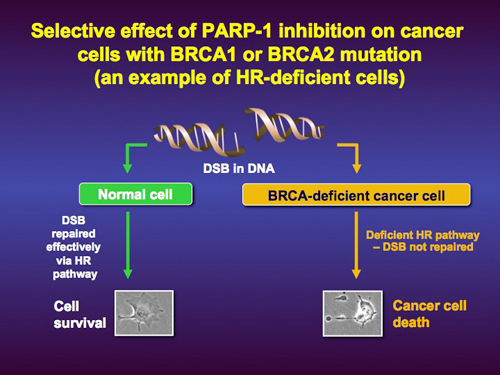
Targeting DNA repair through PARP inhibition in BRCA gene-mutated cancer cells. "DSB" stands for DNA "Double Stand Break." (Photo Credit: AstraZeneca Oncology)

Normally functioning BRCA1 and BRCA2 genes are necessary for DNA repair through a process known as “homologous recombination” (HR).  HR is a form of genetic recombination in which two similar DNA strands exchange genetic material. This process is critical to a cell’s ability to repair its DNA in the event that it becomes damaged, so the cell can continue to function.

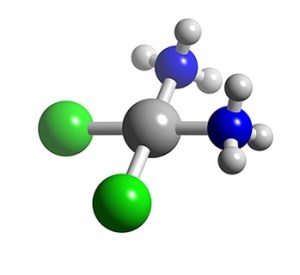
A cell’s DNA structure can be damaged by a wide variety of intentional (i.e., select cancer treatments) or unintentional (ultraviolet light, ionizing radiation, man-made chemicals, etc.) factors.  For example, chemotherapy regimens used in the treatment of cancer, including alkylating agents, topoisomerase inhibitors, and platinum drugs, are designed to damage DNA and prevent cancer cells from reproducing.

In approximately 10 percent of inherited ovarian cancers, the BRCA 1 or BRCA2 gene is damaged or mutated.  When the BRCA1 or BRCA2 gene is mutated, a backup type of DNA repair mechanism called “base-excision repair” usually compensates for the lack of DNA repair by HR.  Base-excision repair represents a DNA “emergency repair kit.” DNA repair enzymes such as PARP, whose activity and expression are upregulated in tumor cells, are believed to dampen the intended effect of chemotherapy and generate drug resistance.

When the PARP1 protein – which is necessary for base-excision repair – is inhibited in ovarian cancer cells possessing a BRCA gene mutation, DNA repair is drastically reduced, and the cancer cell dies through so-called “synthetic lethality.”  In sum, PARP inhibitors enhance the potential of chemotherapy (and radiation therapy) to induce cell death.  Healthy cells are unaffected if PARP is blocked because they either contain one or two working BRCA1 or BRCA2 genes which do an effective DNA repair job through use of HR.

  • PARP Inhibitors: A New Class of Targeted Therapy

PARP inhibitors represent a new, targeted approach to treating certain types of cancers. PARP inhibition has the potential to overwhelm cancer cells with lethal DNA damage by exploiting impaired DNA repair function inherent in some cancers, including breast and ovarian cancers with defects in the BRCA1 gene or BRCA 2 gene, and other DNA repair molecules. Inhibition of PARP leads to the cell’s failure to repair single strand DNA breaks, which, in turn, causes double strand DNA breaks. These effects are particularly detrimental to cancer cells that are deficient in repairing double strand DNA breaks and ultimately lead to cancer cell death.

PARP inhibitors are the first targeted treatment to be developed for women with inherited forms of breast and ovarian cancer carrying faults or mutations in a BRCA gene. Early results from clinical trials are showing promise for patients with the rare inherited forms of these cancers.

Study Hypothesis: PARP Inhibitors May Be Effective Against a Large Proportion of Non-Inherited Ovarian Cancers

As noted above, PARP inhibitors selectively target HR–defective cells and have shown good clinical activity in hereditary breast and ovarian cancers associated with BRCA1 or BRCA2 mutations. The U.K. researchers hypothesized that a high proportion (up to 50%) of sporadic (non-inherited) epithelial ovarian cancers could be deficient in HR due to genetic or epigenetic inactivation of the BRCA1, BRCA2, or other HR-related genes, which occur during a woman’s lifetime. Therefore, PARP inhibitors could prove beneficial to a larger group of ovarian cancer patients, assuming a patient’s HR status can be properly identified.

To test this hypothesis, the U.K. researchers developed a functional assay to test the HR status of primary ovarian cancer cultures derived from patients’ ascitic fluid. The test, referred to as the “RAD51 assay,” scans the cancer cells and identifies which tumor samples contain defective DNA repair ability (i.e., HR-deficient) which can be targeted by the PARP inhibitor. The researchers tested the HR status of each culture, and then subjected each one to in vitro cytotoxicity testing using the potent PARP inhibitor PF-01367338 (formerly known as AG-14699).

Study Results: 90% of HR-Deficient Ovarian Cancer Cultures Respond to PARP Inhibition

Upon testing completion, the U.K. researchers discovered that out of 50 primary cultures evaluated for HR status and cytotoxicity to the PARP inhibitor, approximately 40% of the cultures evidenced normal HR activity, while 60 percent of the cultures evidenced deficient HR activity. Cytotoxicity to PARP inhibitors was observed in approximately 90 percent of the HR deficient cultures, while no cytotoxicity was seen in the cultures that evidenced normal HR activity. Specifically, the PARP inhibitor PF-01367338 was found to selectively block the spread of ovarian tumor cells with low RAD51 expression.

Conclusion

Based upon the findings above, the U.K. researchers concluded that HR-deficient status can be determined in primary ovarian cancer, and that such status correlates with in vitro response to PARP inhibition.  Accordingly, the researchers concluded that potentially 50 to 60 percent of ovarian cancers could benefit from PARP inhibitors, but they note that use of the RAD51 assay as a biomarker requires additional clinical trial testing.  Although the RAD51 assay test that was used by the U.K. researchers to examine tumor samples in the laboratory is not yet suitable for routine clinical practice, the U.K. research team hopes to refine it for use in patients.

Upon presentation of the testing results, Dr. Asima Mukhopadhyay said:

“Our results show that this new test is almost 100 percent effective in identifying which ovarian cancer patients could benefit from these promising new drugs.  We have only been able to carry out this work because of the great team we have here which includes both doctors and scientists.”

The team based at Queen Elizabeth Hospital, Gateshead and the Newcastle Cancer Centre at the NICR, Newcastle University collaborated with Pfizer to develop the new assay to test tumor samples taken from ovarian cancer patients when they had surgery.

Dr. Mukhopadhyay added:

“Now we hope to hone the test to be used directly with patients and then carry out clinical trials. If the trials are successful we hope it will help doctors treat patients in a personalised and targeted way based on their individual tumour. It is also now hoped that PARP inhibitors will be useful for a broad range of cancers and we hope this test can be extended to other cancer types.”

Dr. Lesley Walker, Cancer Research UK’s director of cancer information, said:

“It’s exciting to see the development of promising new ‘smart’ drugs such as PARP inhibitors. But equally important is the need to identify exactly which sub-groups of patients will benefit from these new treatments. Tests like this will become invaluable in helping doctors get the most effective treatments quickly to patients, sparing them from unnecessary treatments and side effects.”

Sources:

Additional Information:

________________________________________

About The Researchers

Dr. Asima Mukhopadhyay is a doctor and clinical research fellow working at the Queen Elizabeth Hospital, Gateshead and the Northern Institute for Cancer Research at Newcastle University. Queen Elizabeth Hospital is run by Gateshead Health NHS Foundation Trust and is the home for gynecological oncology for the North East of England and Cumbria. She received a bursary to attend the conference, which was awarded on the merit of her work.

Key researchers on the study included Dr. Richard Edmondson, who was funded by the NHS, and Professor Nicola Curtin, who was funded by the Higher Education Funding Council. Dr Asima Mukhopadhyay is funded by the NHS.

Dr Richard Edmondson is a consultant gynecological oncologist at the Northern Gynaecological Oncology Centre, Gateshead and a Senior Lecturer at the Newcastle Cancer Centre at the Northern Institute for Cancer Research, Newcastle University, and is a member of the research team.

Nicola Curtin is Professor of Experimental Cancer Therapeutics at Newcastle University and is the principal investigator of this project.

Current and future work involves working closely with Pfizer. Pfizer developed one of the PARP inhibitors and supported this project.

About The Newcastle Cancer Centre

The Newcastle Cancer Centre at the Northern Institute for Cancer Research is jointly funded by three charities: Cancer Research UK, Leukaemia and Lymphoma Research, and the North of England Children’s Cancer Research Fund.  Launched in July 2009, the Centre is based at the Northern Institute for Cancer Research at Newcastle University.  The Centre brings together some of the world’s leading figures in cancer research and drug development. They play a crucial role in delivering the new generation of cancer treatments for children and adults by identifying new drug targets, developing new drugs and verifying the effectiveness and safety of new treatments. This collaborative approach makes it easier for researchers to work alongside doctors treating patients, allowing promising new treatments to reach patients quickly.

About the NCRI Cancer Conference

The National Cancer Research Institute (NCRI) Cancer Conference is the UK’s major forum for showcasing the best British and international cancer research. The Conference offers unique opportunities for networking and sharing knowledge by bringing together world leading experts from all cancer research disciplines. The sixth annual NCRI Cancer Conference was held from November 7-10, 2010 at the BT Convention Centre in Liverpool. For more information visit www.ncri.org.uk/ncriconference.

About the NCRI

The National Cancer Research Institute (NCRI) was established in April 2001. It is a UK-wide partnership between the government, charity and industry which promotes cooperation in cancer research among the 21 member organizations for the benefit of patients, the public and the scientific community. For more information visit www.ncri.org.uk.

NCRI members include: the Association of the British Pharmaceutical Industry (ABPI); Association for International Cancer Research; Biotechnology and Biological Sciences Research Council; Breakthrough Breast Cancer; Breast Cancer Campaign; CancerResearch UK; CHILDREN with LEUKAEMIA, Department of Health; Economic and Social Research Council; Leukaemia & Lymphoma Research; Ludwig Institute for Cancer Research; Macmillan Cancer Support; Marie Curie Cancer Care; Medical Research Council; Northern Ireland Health and Social Care (Research & Development Office); Roy Castle Lung Cancer Foundation; Scottish Government Health Directorates (Chief Scientist Office);Tenovus; Welsh Assembly Government (Wales Office of Research and Development for Health & Social Care); The Wellcome Trust; and Yorkshire Cancer Research.

Peptide Being Tested for Atherosclerosis Inhibits Ovarian Cancer Growth; Clinical Trial Planned

A drug in testing to treat atherosclerosis significantly inhibited growth of ovarian cancer in both human cell lines and mouse models, marking the first such report of a peptide being used to fight malignancies, according to a study by researchers at UCLA’s Jonsson Comprehensive Cancer Center.

A drug in testing to treat atherosclerosis significantly inhibited growth of ovarian cancer in both human cell lines and mouse models, marking the first such report of a peptide being used to fight malignancies, according to a study by researchers at UCLA’s Jonsson Comprehensive Cancer Center.

The study follows a previous discovery by the same group showing that a protein called apolipoprotein A-I (apoA-I) may be used as a biomarker to diagnose early stage ovarian cancer in patients, when it typically is asymptomatic and much easier to treat. These earlier findings could be vital to improving early detection, as more than 85 percent of ovarian cancer cases present in the advanced stages, when the cancer has already spread and patients are more likely to have a recurrence after treatment, said Dr. Robin Farias-Eisner, chief of gynecologic oncology and co-senior author of the study with Dr. Srinu Reddy, a professor of medicine.

Robin Farias-Eisner, M.D., Ph.D., Chief of Gynecologic Oncology, UCLA Jonsson Comprehensive Cancer Center

“The vast majority of ovarian cancer patients are diagnosed with advanced disease and the vast majority of those, after surgery and chemotherapy, will eventually become resistant to standard therapy,” Farias-Eisner said. “That’s the reason these patients die. Now, with this peptide as a potential therapy, and if successful in clinical trials, we may have a novel effective therapy for recurrent, chemotherapy-resistant ovarian cancer, without compromising the quality of life during treatment.”

The study was published Nov. 1, 2010 in the early online edition of the peer-reviewed journal Proceedings of the National Academy of Sciences.

In their previous work, Farias-Eisner, Reddy and their research teams identified three novel biomarkers that they used to diagnose early stage ovarian cancer. In September 2009, the U.S. Food and Drug Administration cleared the first laboratory test that can indicate the likelihood of ovarian cancer, OVA1™ Test, which includes the three biomarkers identified and validated by Farias-Eisner, Reddy and their research teams.

They observed that one of the markers, apoA-I, was decreased in patients with early stage disease. They wondered why the protein was decreased and set out to uncover the answer. They speculated that the protein might be protective, and may be preventing disease progression.

The protein, apoA-I, is the major component of HDL [high-density lipoprotein], the good cholesterol, and plays an important role in reverse cholesterol transport by extracting cholesterol and lipids from cells and transferring it to the liver for extraction. The protein also has anti-inflammatory and antioxidant properties. Because lipid transport, inflammation and oxidative stress are associated with the development and progression of cancer, Farias-Eisner and Reddy hypothesized that the reduced levels of apoA-I in ovarian cancer patients may be causal in disease progression.

Mice that were engineered to have many copies of human apoA-I gene showed very little cancer development when induced with ovarian cancer, while the mice without the extra copies of apoA-I showed much more disease. The mice with extra copies of the apoA-I gene also lived 30 to 50 percent longer than those who didn’t receive it.

Farias-Eisner and Reddy wanted to treat the mice that had more cancer with the protein apoA-I, but it was too large to conveniently administer, having 243 amino acids. The researchers then turned to apoA-I mimetic peptides—only 18 amino acids in length—that are being tested for cardiovascular diseases. That project had been ongoing for a number of years at UCLA, said Reddy, who is also a part of the cardiovascular research team led by Dr. Alan M. Fogelman, executive chair of the Department of Medicine.

Srinivasa T. Reddy, Ph.D., M.Sc., Professor, Division of Cardiology, Depart. of Molecular & Medical Pharmacology, David Geffen School of Medicine, University of California at Los Angeles

“The smaller peptides mimic the larger apoA-I protein and provided us with agents we could give to the mouse to see if it was effective in fighting ovarian cancer,” said Reddy. “One of the peptides was being tested as an experimental therapy for atherosclerosis, so we already have some information on how it’s being tolerated in humans, which would be vital information to have if we progressed to human studies in ovarian cancer.”

The peptide, thus far, has caused little to no side effects in atherosclerosis patients, Reddy said, a hopeful sign that it might be well tolerated in ovarian cancer patients.

The mice that were given the peptide by injection had about 60 percent less cancer than the mice that did not receive the peptide, Farias-Eisner said. The peptide also was given in drinking water or in mouse food and proved to be as effective when administered that way.

“It was an exciting result,” Farias-Eisner said. “It looked like we had something that could be ingested or injected that might be very effective against ovarian cancer progression.”

Farias-Eisner said the peptide avidly binds oxidized lipids, one of which is known to stimulate cancer cells to survive and multiply. In the mouse studies, the mice that received peptide had significantly lower levels of this cancer promoting lipid.

An early phase clinical trial is being planned testing the peptide in patients with aggressive ovarian cancers that are resistant to chemotherapy, a group of patients whose median survival is just 40 months. Farias-Eisner hopes the study will be started and completed within two years.

The study was funded by the Womens Endowment, the Carl and Roberta Deutsch Family Foundation, the Joan English Fund for Women’s Cancer Research, the National Institutes of Health and the West Los Angeles Veterans Affairs Medical Center.

UCLA’s Jonsson Comprehensive Cancer Center has more than 240 researchers and clinicians engaged in disease research, prevention, detection, control, treatment and education. One of the nation’s largest comprehensive cancer centers, the Jonsson center is dedicated to promoting research and translating basic science into leading-edge clinical studies. In July 2010, the Jonsson Cancer Center was named among the top 10 cancer centers nationwide by U.S. News & World Report, a ranking it has held for 10 of the last 11 years. For more information on the Jonsson Cancer Center, visit our website at http://www.cancer.ucla.edu.

Sources:

Estrogen Replacement Therapy Speeds Growth of ER+ Ovarian Cancer & Increases Risk of Lymph Node Metastasis

Estrogen therapy used by menopausal women causes “estrogen receptor positive” (ER+) ovarian cancer to grow five times faster, according to a new study being published by researchers at the University of Colorado Cancer Center in the November 1 issue of Cancer Research.

Estrogen therapy used by menopausal women causes so-called “estrogen receptor positive” (ER+) ovarian cancer to grow five times faster, according to a new study being published tomorrow by researchers at the University of Colorado Cancer Center.

Menopausal estrogen replacement therapy (ERT) also significantly increases the likelihood of the cancer metastasizing to the lymph nodes, according to the study, which will be published in the November 1 issue of Cancer Research. The study was released online on Oct. 19, 2010. Cancer Research, published by the American Association for Cancer Research, is the world’s largest (based upon circulation) medical journal devoted specifically to cancer research.

The effect of ERT was shown in mouse models of estrogen receptor positive (ER+) ovarian cancer, which accounts for about 60 percent of all human ovarian cancer cases. Ovarian cancer is one of the deadliest cancers affecting women. This year alone, nearly 22,000 women will be newly diagnosed with ovarian cancer and an estimated 13,850 women will die from the disease, according to the National Cancer Institute.

Monique Spillman, M.D., Ph.D., Gynecologic Oncologist, University of Colorado Hospital; Assistant Professor, Obstetrics & Gynecology, University of Colorado School of Medicine.

“We showed that estrogen replacement substantially increases proliferation and risk of distant lymph node metastasis in ER+ tumors,” says Monique Spillman, M.D., Ph.D., the study’s lead researcher, a gynecologic oncologist at University of Colorado Hospital and assistant professor at of obstetrics and gynecology at the University of Colorado School of Medicine.

For the first time, Spillman and her team measured ovarian cancer growth in the abdomen of mice using novel techniques for visualizing the cancer. In mice with ER+ ovarian cancer cells, which were tagged with a firefly-like fluorescent protein that allowed them to be tracked, the introduction of estrogen therapy made the tumors grow five times faster than in mice that did not receive the ERT. The risk of the cancer moving to the lymph nodes increased to 26 percent in these mice compared with 6 percent in mice that did not receive ERT.

The team also found that the estrogen-regulated genes in ovarian cancer reacted differently than ER+ genes found in breast cancer, helping to explain why current anti-estrogen therapies used with breast cancer, such as tamoxifen, are largely ineffective against ovarian cancer.

“Breast cancer and ovarian cancer are often linked when talking about hormone replacement therapy, but we found that only 10 percent of the ER+ genes overlapped,” Spillman says. “We were able to identify estrogen-regulated genes specific to ER+ ovarian cancer that are not shared with ER+ breast cancers. We believe these genes can be specifically targeted with new anti-estrogen therapies that could more effectively treat ER+ ovarian cancers.”

“Breast cancer and ovarian cancer are often linked when talking about hormone replacement therapy, but we found that only 10 percent of the ER+ genes overlapped.  We were able to identify estrogen-regulated genes specific to ER+ ovarian cancer that are not shared with ER+ breast cancers. We believe these genes can be specifically targeted with new anti-estrogen therapies that could more effectively treat ER+ ovarian cancers.”

— Monique Spillman, M.D., Ph.D., Gynecologic Oncologist, University of Colorado Hospital; Assistant Professor, Obstetrics & Gynecology, University of Colorado School of Medicine.

Spillman and her team now will begin to screen current anti-estrogen therapies against the newly identified ovarian cancer genes to identify the [biological] pathways and compounds relevant to the treatment for ER+ ovarian cancer.

This study looked at the effect of estrogen replacement therapy in mice that already possessed ER+ ovarian cancer cells. It did not test whether the estrogen replacement actually could cause the development of these cancer cells. The study also dealt only with estrogen replacement, which is linked to higher risks of ovarian cancer, not combined estrogen/progesterone therapy that is used with women who retain their uteruses.

This research is too early to draw implications for use of estrogen replacement therapy in women, Spillman cautions. “We cannot make clinical recommendations based on what is happening in mice,” says Spillman, one of just eight gynecological oncologists in Colorado. “Every woman is different and needs to talk to her doctor about the decision to use hormone replacement therapy.”

The study was funded by a Gynecologic Cancer Foundation Career Development Award and the Liz Tilberis Scholars Award from the Ovarian Cancer Research Foundation. This competitive award, a $450,000 three-year grant, is given to early-career researchers who are developing techniques for early diagnosis and improved care for women with ovarian cancer.

About the University of Colorado Cancer Center

The University of Colorado Cancer Center is the Rocky Mountain region’s only National Cancer Institute-designated comprehensive cancer center. NCI has given only 40 cancer centers this designation, deeming membership as “the best of the best.” Headquartered on the University of Colorado Denver Anschutz Medical Campus, UCCC is a consortium of three state universities (Colorado State University, University of Colorado at Boulder and University of Colorado Denver) and five institutions (The Children’s Hospital, Denver Health, Denver VA Medical Center, National Jewish Health and University of Colorado Hospital). Together, our 440+ members are working to ease the cancer burden through cancer care, research, education and prevention and control. Learn more at www.uccc.info.

Sources:

Additional Information:

UCL Scientists Discover How To Switch On Critical Ovarian Cancer “Protector” Gene & Arrest Tumor Growth

A new University College London study reveals that a gene [EPB41L3] which normally protects against ovarian cancer is switched off in 66% of ovarian cancer cases and switching it back on arrests tumor growth.

A new University College London study reveals that a gene which normally protects against ovarian cancer is switched off in 66% of ovarian cancer cases and switching it back on arrests tumor growth.

The researchers found that the “protector gene,” known as EPB41L3, is inactivated in 65 per cent of ovarian cancers and reactivating the gene halted tumor growth and triggered large numbers of ovarian cancer cells to commit suicide.

The research, co-funded by Cancer Research UK and the gynecological cancer research charity The Eve Appeal, raises the prospect for developing therapies that mimic or restore the function of the gene to kill ovarian cancer cells in a targeted way.

UCL’s Dr. Simon Gayther, who led the study, said:

“Previous studies have found similar ‘protector genes’ but ours is the first to uncover EPB41L3 as a gene specific to ovarian cancer. We also discovered that the gene is completely lost in about two-thirds of the ovarian tumours we looked at. When we switched it back on in these tumours, it had a positive effect in killing cancer cells. This is a very exciting result because it means therapies that mimic or reactivate this gene could be a way to kill many ovarian cancers.”

The scientists, based at UCL’s Institute of Women’s Health, used a cutting-edge approach which involves transferring whole chromosomes into ovarian cancer cells. They found that introducing an additional copy of chromosome 18 boosted the activity of 14 key genes, triggering large numbers of the cancer cells to die.

The scientists examined more than 800 ovarian tumors and found that one of the 14 genes – EPB41L3 – was inactivated in around 66% of malignant ovarian tumors, compared to 24% of benign tumors and 0% of normal ovarian cells.

Reactivating the gene had the same deadly effect on the cancer cells, suggesting that it was the trigger that was causing the cells to self-destruct.

Jane Lyons, CEO of The Eve Appeal, said:

“This research is an exciting step forward – a gene has been identified that can help halt the growth and spread of ovarian cancers. The challenge now is for the researchers and clinicians to find a way to use this new information to increase survival from the disease.”

Dr. Lesley Walker, director of cancer information at Cancer Research UK, said:

“We know that there is a class of genes that protect us from developing cancer. This is an exciting new one specific to ovarian cancer. Advanced ovarian cancer is very difficult to cure, which makes this type of research even more important.”

Sources:

BMS-345541 + Dasatinib Resensitizes Carboplatin-Resistant, Recurrent Ovarian Cancer Cells

Johns Hopkins medical researchers discovered through proteomic analysis that RELA and STAT5 are upregulated in carboplatin resistant ovarian cancer cells, according to a published study appearing in the June 18 edition of PLoS One. Moreover, the researchers also demonstrated that BMS-345541 (a NF-kappaB inhibitor) and dasatinib (a STAT5 inhibitor) could resensitize carboplatin-resistant, recurrent ovarian cancer cells.

Although most ovarian cancer patients are initially responsive to platinum-based chemotherapy, almost all develop recurrent chemoresistant tumors. For this reason, Johns Hopkins researchers set out to determine the scientific underpinnings of carboplatin drug resistance in ovarian cancer cells. The researchers compared the proteomes of paired primary and recurrent post-chemotherapy, high grade serous ovarian carcinomas from nine ovarian cancer patients.

As compared to the primary tumors, more than one-half of the recurrent tumors expressed higher levels of several proteins including:  CP, FN1, SYK, CD97, AIF1, WNK1, SERPINA3, APOD, URP2, STAT5B and RELA (NF-kappaB p65).  A short hairpin RNA (shRNA) is a sequence of RNA that makes a tight hairpin turn which can be used to silence gene expression through so-called “RNA interference.” Based on shRNA screening for the upregulated genes in in vitro carboplatin-resistant ovarian cancer cells, the researchers determined that simultaneous silencing of RELA and STAT5B was the most effective way to resensitize tumor cells for carboplatin treatment.

In an attempt to recreate the same results achieved with gene silencing through therapeutic drug use, the researchers used BMS-345541 (a NF-kappaB inhibitor) and dasatinib (Sprycel®)(a STAT5 inhibitor)  to significantly enhance cell sensitivity to carboplatin. The researchers also discovered that expression of RELA and STAT5B enhanced Bcl-xL promoter activity; however, treatment with BMS-345541 and dasatinib decreased such activity.

Accordingly, the researchers concluded that proteomic analysis identified RELA and STAT5 as two major proteins associated with carboplatin resistance in recurrent ovarian cancer tumors. Furthermore, the study results reveal that NF-kappaB and STAT5 inhibitors could resensitize carboplatin-resistant, recurrent ovarian cancer cells, thereby suggesting that these inhibitor drugs can be used to benefit select ovarian cancer patients.

Source: Jinawath N, Vasoontara C, Jinawath A, et. al.  Oncoproteomic analysis reveals co-upregulation of RELA and STAT5 in carboplatin resistant ovarian carcinoma. PLoS One. 2010 Jun 18;5(6):e11198.

“Shielded” Ovarian Cancer Cells May Survive Chemotherapy

Cancer Research UK scientists have discovered certain ovarian tumor cells that are resistant to chemotherapy can survive a first round of treatment and go on to “re-grow” the cancer.

Cancer Research UK scientists have discovered certain ovarian tumor cells that are resistant to chemotherapy can survive a first round of treatment and go on to “re-grow” the cancer. This could help explain why the disease can be difficult to treat, according to new research published in Oncogene on June 28.

The study, funded by Cancer Research UK, aimed to find out whether it is the chemotherapy itself that causes anti-cancer drug resistance to build in the body – similar to resistance to antibiotics – or if cells that are shielded against cancer treatment grow as part of the initial tumor and are already lying dormant before chemotherapy begins.

Often ovarian cancer can be hard to treat with treatment failing after women initially responded well. The number of women surviving beyond five years is less than 35 per cent.

The researchers compared the characteristics of cell lines from the tumor at the time of diagnosis to cell lines from the same patients once the disease had been treated and become resistant.

Dr. James Brenton, Researcher, Functional Genomics of Ovarian Cancer, Cambridge Research Institute

Dr. James Brenton, study author from the Cancer Research UK’s Cambridge Research Institute, said:

“Ovarian cancer is notoriously hard to treat. Women usually respond well to their first round of chemotherapy with the disease apparently completely removed.  But unfortunately many go on to relapse within six to 24 months. Until now we haven’t known whether they are becoming resistant to the treatment or whether the cells that don’t respond to treatment re-grow the tumour.

By examining the characteristics of ovarian tumours we now think that cells resistant to chemotherapy grow as part of the tumor. This means that when patients have treatment, cells that respond to chemotherapy are destroyed but this leaves behind resistant cells which then form another tumor of completely resistant cells. This seems to explain why successful treatment for relapsed patients is difficult. What needs to be developed now is a therapy designed to target the resistant cells.”

Dr. Lesley Walker, director of science information at Cancer Research UK, said:

“Discoveries like this help to tell us why chemotherapy stops working for some ovarian cancer patients. We hope it will lead to new ways to tackle the disease and increase the number of women that survive this cancer that can be so hard to cure. The next step will be to develop treatment tailored to fight the resistant cells.”

Sources:

Expression of Proteins Linked to Poor Outcome in Women with Ovarian Cancer

Scientists have established the presence of certain proteins in ovarian cancer tissues and have linked these proteins to poor survival rates in women with advanced stages of the disease.

Christina M. Annunziata, M.D., Ph.D., Assistant Clinical Investigator, Medical Oncology Branch & Affiliates, Molecular Signaling Section, National Cancer Institute

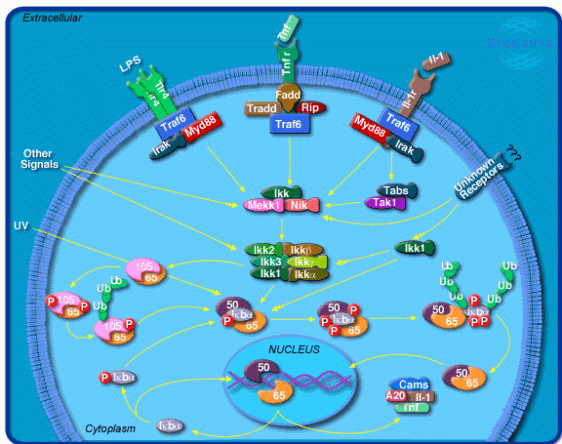
NF-kB Signaling Pathway

Scientists have established the presence of certain proteins in ovarian cancer tissues and have linked these proteins to poor survival rates in women with advanced stages of the disease. The study, led by scientists at the National Cancer Institute (NCI), part of the National Institutes of Health, appears in Cancer online, April 19, 2010.

The proteins in question belong to the nuclear factor kappa Beta (NF-kB) family. NF-kB controls many processes within the cell including cell survival and proliferation, inflammation, immune responses, and cellular responses to stress.

“This study sheds light on the distinctive genetic features of the NF-kB pathway and may provide targets for the development of novel therapies for ovarian cancer,” said lead investigator, Christina M. Annunziata, M.D., Ph.D., associate clinical investigator, Medical Oncology Branch.

Abnormalities in NF-kB signaling have been found in several types of cancer, including ovarian cancer, but the mechanism and importance of such alterations in ovarian cancer was not defined. To address these knowledge gaps, the research team investigated the expression of NF-kB-related proteins in the cells of tumor tissue obtained at surgery from 33 previously untreated women who were newly diagnosed with advanced epithelial ovarian cancer. The patients had similar stage (all late stage), grade, and type of disease. All patients were treated with a three-drug regimen of standard chemotherapy agents in an NCI clinical trial that was conducted at the NIH Clinical Research Center.

To assess NF-kB family members and associated proteins in ovarian tumor cells, the scientists used immunohistochemistry, a method that uses antibodies — a type of protein that the body’s immune system produces when it detects harmful substances — to identify specific molecules in tissue specimens. Subsequently, they looked for associations between the percentage of tumor cells in individual proteins and patient outcomes.

“This study sheds light on the distinctive genetic features of the NF-kB pathway and may provide targets for the development of novel therapies for ovarian cancer,” said lead investigator, Christina M. Annunziata, M.D., Ph.D.

The data revealed that the presence of one NF-kB family member—p50—in more than one-quarter of the cells was associated with poor survival. Low-frequency or nonexpression of a target gene, matrix metallopeptidase 9 (MMP9), was also associated with poor prognosis. Further, the team identified two NF-kB family members—p65 and RelB—and a protein called IKKa that plays a role in promoting inflammation, that were frequently expressed in the same cells, providing more evidence that NF-kB is active in some ovarian cancers. It is possible that the NF-kB activity in these cancers could increase their growth and/or resistance to treatment.

“This work continues to define and characterize the biological relevance of NF-kB activity in ovarian cancer by translating research findings with ovarian cancer cells in the laboratory to ovarian cancer in women at the time of initial diagnosis,” said Annunziata.

About the National Cancer Institute

NCI leads the National Cancer Program and the NIH effort to dramatically reduce the burden of cancer and improve the lives of cancer patients and their families, through research into prevention and cancer biology, the development of new interventions, and the training and mentoring of new researchers. For more information about cancer, please visit the NCI Web site at http://www.cancer.gov or call NCI’s Cancer Information Service at 1-800-4-CANCER (1-800-422-6237).

About the National Institutes of Health

The National Institutes of Health (NIH) — The Nation’s Medical Research Agency — includes 27 Institutes and Centers and is a component of the U.S. Department of Health and Human Services. It is the primary federal agency for conducting and supporting basic, clinical and translational medical research, and it investigates the causes, treatments, and cures for both common and rare diseases. For more information about NIH and its programs, visit www.nih.gov.

Comment

If NF-kB activity is ultimately determined by Dr. Annunciata et. al. to be biologically significant to ovarian cancer cell growth and/or treatment resistance, there are NF-kB inhibitor drugs (e.g., bortezomib (Velcade) or denosumab (Prolia)) in existence that theoretically could be tested in ovarian cancer clinical trials. In addition genistein, a soy isoflavone, and BAY11-7082, a preclinical compound, could be tested through preclinical/clinical testing as potential NF-kB inhibitors.  See Miller SC et. al. study below for a complete list of known NF-kB pathway inhibiting drugs and compounds.

Sources:

Removal of Ovarian Cancer Cells From Human Ascites Fluid Using Magnetic Nanoparticles

Scientists at Georgia Tech and the Ovarian Cancer Institute have further developed a potential new treatment against cancer that uses magnetic nanoparticles to attach to ovarian cancer cells, removing them from the body. The treatment, tested in mice in 2008, has now been tested using samples from human ovarian cancer patients. The results appear online in the journal Nanomedicine.

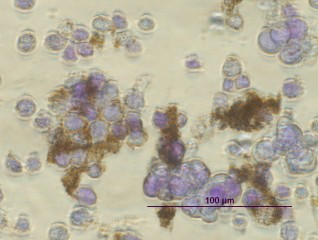
Nanoparticles, in brown, attach themselves to ovarian cancer cells, in violet, from the human abdominal cavity. (Credit: Ken Scarberry/Georgia Tech)

Scientists at Georgia Institute of Technology (Georgia Tech) and the Ovarian Cancer Institute have further developed a potential new treatment against cancer that uses magnetic nanoparticles to attach to ovarian cancer cells, removing them from the body. The treatment, tested in mice in 2008, has now been tested using samples from human ovarian cancer patients. The results appear online in the journal Nanomedicine.

John McDonald Ph.D., Professor & Associate Dean for Biology Program Development, Georgia Institute of Technology; Chief Research Scientist, Ovarian Cancer Institute (Credit: Georgia Tech)

“We are primarily interested in developing an effective method to reduce the spread of ovarian cancer cells to other organs ,” said John McDonald, professor at the the School of Biology at the Georgia Institute of Technology and chief research scientist at the Ovarian Cancer Institute.

The idea came to the research team from the work of Ken Scarberry, then a Ph.D. student at Georgia Tech. Scarberry originally conceived of the idea as a means of extracting viruses and virally infected cells. At his advisor’s suggestion Scarberry began looking at how the system could work with cancer cells.

He published his first paper on the subject in the Journal of the American Chemical Society in July 2008. In that paper he and McDonald showed that by giving the cancer cells of the mice a fluorescent green tag and staining the magnetic nanoparticles red, they were able to apply a magnet and move the green cancer cells to the abdominal region.

Recently, McDonald and Scarberry (currently a postdoctoral fellow in McDonald’s lab) have shown that the magnetic technique works with human ovarian cancer cells.

Ken Scarberry Ph.D., Postdoctoral Fellow, McDonald Laboratory, Georgia Institute of Technology (Credit: Robert Felt, Georgia Tech.)

“Often, the lethality of cancers is not attributed to the original tumor but to the establishment of distant tumors by cancer cells that exfoliate from the primary tumor,” said Scarberry. “Circulating tumor cells can implant at distant sites and give rise to secondary tumors. Our technique is designed to filter the peritoneal fluid or blood and remove these free floating cancer cells, which should increase longevity by preventing the continued metastatic spread of the cancer.”

In tests, they showed that their technique worked as well with capturing ovarian cancer cells from human patient samples as it did previously in mice. The next step is to test how well the technique can increase survivorship in live animal models. If that goes well, they will then test it with humans.

Sources:

MAGP2 Gene Expression Signature: A Potential Ovarian Cancer Personalized Treatment Target

A multi-institutional study has identified a potential personalized treatment target for the most common form of ovarian cancer. In the December 8 issue of Cancer Cell, the research team describes finding that a gene called MAGP2 – not previously associated with any type of cancer – was overexpressed in papillary serous ovarian tumors of patients who died more quickly. They also found evidence suggesting possible mechanisms by which MAGP2 may promote tumor growth.

A multi-institutional study has identified a potential personalized treatment target for the most common form of ovarian cancer. In the December 8 issue of Cancer Cell, the research team describes finding that a gene called MAGP2 (microfibril-associated glycoprotein 2) – not previously associated with any type of cancer – was overexpressed in papillary serous ovarian tumors of patients who died more quickly. They also found evidence suggesting possible mechanisms by which MAGP2 may promote tumor growth.

Michael Birrer, MD, Ph.D., Professor, Department of Medicine, Harvard Medical School; Director GYN/Medical Oncology, Medicine, Massachusetts General Hospital

“Ovarian cancer is typically diagnosed at an advanced stage when it is incurable, and the same treatments have been used for virtually all patients,” says Michael Birrer, MD, PhD, director of medical gynecologic oncology in the Massachusetts General Hospital (MGH) Cancer Center, and the study’s corresponding author. “Previous research from my lab indicated that different types and grades of ovarian tumors should be treated differently, and this paper now shows that even papillary serous tumors have differences that impact patient prognosis.” Birrer was with the National Institutes of Health when this study began but later joined the MGH Cancer Center.

The fifth most common malignancy among U.S. women, ovarian cancer is expected to cause approximately 15,000 deaths during 2009. Accounting for 60 percent of ovarian cancers, papillary serous tumors are typically diagnosed after spreading beyond the ovaries. The tumors typically return after initial treatment with surgery and chemotherapy, but while some patients die a few months after diagnosis, others may survive five years or longer while receiving treatment.

To search for genes expressed at different levels in ovarian cancer patients with different survival histories, which could be targets for new treatments, the researchers conducted whole-genome profiling of tissue samples that had been microdissected – reducing the presence of non-tumor cells – from 53 advanced papillary serous ovarian cancer tumors. Of 16 genes that appeared to have tumor-associated expression levels, MAGP2 had the strongest correlation with reduced patient survival.

Further analysis confirmed that MAGP2 expression was elevated in another group of malignant ovarian cancer tumors but not in normal tissue. MAGP2 gene expression was also reduced in patients whose tumors responded to chemotherapy. Recombinant expression of MAGP2 in samples of the endothelial cells that line blood vessels caused the cells to migrate and invade normal tissue.  In addition, MAGP2 gene overexpression increased microvessel density — a measurement used to determine the extent of tumor angiogenesis. The latter two observations suggest a potential role for MAGP2 gene overexpression in the growth of an ovarian cancer tumor’s blood supply.

“By confirming that different ovarian tumors have distinctive gene signatures that can predict patient prognosis, this study marks the beginning of individualized care for ovarian cancer,” says Birrer, a professor of Medicine at Harvard Medical School. “MAGP2 and the biochemical pathways it contributes to are definitely targets for new types of therapies, and we plan to pursue several strategies to interfere with tumor-associated pathways. But first we need to validate these findings in samples from patients treated in clinical trials.”

About The Study

Co-lead authors of the Cancer Cell paper are Samuel Mok, M.D., M.D. Anderson Cancer Center, and Tomas Bonome, National Cancer Institute (NCI). Additional co-authors are Kwong-Kowk Wong, M.D. Anderson; Vinod Vathipadiekal, Aaron Bell, Howard Donninger, Laurent Ozbun, Goli Samimi, John Brady, Mike Randonovich, Cindy Pise-Masison, and Carl Barrett, NCI; Michael Johnson, Dong-Choon Park, William Welch and Ross Berkowitz, Brigham and Women’s Hospital; Ke Hao and Wing Wong, Harvard School of Public Health; and Daniel Yip, University of South Florida. The study was supported by grants from the National Institutes of Health, the Ovarian Cancer Research Fund and the National Cancer Institute.

About Massachusetts General Hospital

Massachusetts General Hospital, established in 1811, is the original and largest teaching hospital of Harvard Medical School. The MGH conducts the largest hospital-based research program in the United States, with an annual research budget of more than $600 million and major research centers in AIDS, cardiovascular research, cancer, computational and integrative biology, cutaneous biology, human genetics, medical imaging, neurodegenerative disorders, regenerative medicine, systems biology, transplantation biology and photomedicine.

Sources:

OU’s Non-Toxic Drug Makes Ovarian Cancer Cells Respond To New Treatment & Undergo Cell Suicide

“Cancer researchers at the University of Oklahoma Health Sciences Center have found a way to turn ineffective new cancer drugs into cancer-fighters. By using their patented chemical compound, SHetA2, researchers tricked cancer cells into responding to new treatments and undergoing cell suicide. … [T]he compound will work with several cancers, including lung, kidney, ovarian, colon and pancreatic cancer. … [The] research team … patented the SHetA2 Flex-Het and hope[s] to start clinical trials for the compound within a year. …

Cancer researchers at the University of Oklahoma Health Sciences Center have found a way to turn ineffective new cancer drugs into cancer-fighters. By using their patented chemical compound, SHetA2, researchers tricked cancer cells into responding to new treatments and undergoing cell suicide. The research appears in the journal Gynecologic Oncology.

Doris Mangiaracina Benbrook, Ph.D., is in her lab at the University of Oklahoma Health Sciences Center in Oklahoma City. (Photo: Univ. of Oklahoma Health Sciences Center)

“This discovery means that we can use our non-toxic cancer prevention pill to improve treatment for people who already have cancer,” said Doris Mangiaracina Benbrook, Ph.D., principal investigator on the project. “All studies to date have not found any side effects of taking our drug, giving hope that we can prevent cancer in healthy people, and improve treatment for cancer patients, without increasing toxicity.”

The latest study looked at an upcoming class of cancer treatment drugs that worked well in experimental models, but proved ineffective against many human tumors. Dr. Benbrook and her team decided to test their compound’s ability to “fix” the problem. It worked.

“The new chemotherapy drugs are antibodies that bind to cell surface receptors called ‘Death Receptors.’ The binding of the antibodies activates the death receptors in cancer cells and causes cell suicide with little harm to normal cells. Many cancers, however, are resistant to the antibodies,” Benbrook said. “We’ve shown that SHetA2 treatment can make ovarian and kidney cancer cells sensitive to the death receptor antibodies and kill the cancer.”

Benbrook said the compound will work with several cancers, including lung, kidney, ovarian, colon and pancreatic cancer.

“It would be a significant advancement in health care if we could avoid the severe toxicity and suffering that late stage cancer patients have to experience,” Benbrook said.

The synthetic compound, SHetA2, a Flex-Het drug, was created by Benbrook with the help of chemist Darrell Berlin at Oklahoma State University. The compound directly targets abnormalities in cancer cell components without damaging normal cells. The disruption causes cancer cells to die and keeps tumors from forming.

Flex-Hets or flexible heteroarotinoids are synthetic compounds that can change certain parts of a cell and affect its growth. Benbrook and her research team have patented the SHetA2 Flex-Het and hope to start clinical trials for the compound within a year. If the compound continues to be found safe, it would be developed into a pill to be taken daily like a multi-vitamin to prevent cancer. This new discovery means that the pill also could be used to make patients, who already have cancer, better respond to treatment.

Vodpod videos no longer available.

Sources:

MIT Develops New Platinum Compound As Powerful As Cisplatin But Better Able To Destroy Tumor Cells

MIT chemists have developed a new platinum compound that is as powerful as the commonly used anticancer drug cisplatin but better able to destroy tumor cells.

A diagram of cisplatin which is a platinum chemotherapy drug.

Massachusetts Institute of Technology chemists have developed a new platinum compound that is as powerful as the commonly

Stephen J. Lippard Ph.D., Arthur Amos Noyes Professor of Chemistry, Massachusetts Institute of Technology

used anticancer drug cisplatin but better able to destroy tumor cells.

The new compound, mitaplatin, combines cisplatin with another compound, dichloroacetate (DCA), which can alter the properties of mitochondria selectively in cancer cells. Cancer cells switch their mitochondrial properties to change the way they metabolize glucose compared to normal cells, and DCA specifically targets the altered mitochondria, leaving normal cells intact.

“This differential effect conveys on mitaplatin the ability to kill cancer cells selectively in a co-culture with normal fibroblast cells, the latter being unaffected at the doses that we apply,” says Stephen Lippard, the Arthur Amos Noyes Professor of Chemistry.

How they did it: The chemists designed mitaplatin so that when it enters a cell, it releases cisplatin and two units of DCA by intracellular reduction. Therefore, mitaplatin can attack nuclear DNA with cisplatin and mitochondria with DCA. DCA promotes the release of cell-death-promoting factors from the mitochondria, enhancing the cancer cell-killing abilities of cisplatin.

Next steps: Lippard’s laboratory has shown that in rodents, mitaplatin can be tolerated at much higher doses than cisplatin, and they have begun studies in mice transplanted with human tissues. If those results are promising, the researchers plan more studies for further demonstration of mitaplatin’s ability in cancer therapy.

Sources:

UCLA Researchers Significantly Inhibit Growth of Ovarian Cancer Cell Lines With FDA-Approved Leukemia Drug Dasatinib (Sprycel®)

The drug dasatinib (Sprycel®), approved for use by the U.S. Food and Drug Administration in patients with specific types of leukemia, significantly inhibited the growth and invasiveness of ovarian cancer cells and also promoted their death, say UCLA researchers in the November 10th issue of the British Journal of Cancer. The drug, when paired with a chemotherapy regimen, was even more effective in fighting ovarian cancer cell lines in which signaling of the Src family kinases — associated with approximately one-third of ovarian cancers– is activated. Clinical trials that involve the testing of dasatinib against ovarian cancer and solid tumors are currently ongoing.

Researchers affiliated with the University of California, Los Angeles (UCLA), Mayo Clinic and Harvard Medical School announced that they have established a biological rationale to support the clinical study of the U.S. Food & Drug Administration (FDA)-approved leukemia drug dasatinib (U.S. brand name: Sprycel®), either alone or in combination with chemotherapy, in patients with ovarian cancer. The study appears in the November 10th edition of the British Journal of Cancer.

Background

Dasatinib is an FDA-approved drug for the treatment of chronic myeloid leukemia (CML) and Philadelphia chromosome positive acute lymphoblastic leukemia (ALL). Dasatinib is a small-molecule inhibitor that targets several tyrosine kinases, including the Src kinase family, Ephrin type-A receptor 2 ( EphA2) , and the focal adhesion kinase (FAK).

Src is the prototypic member of a family of nine non-receptor tyrosine kinases (Src, Lyn, Fyn, Lck, Hck, Fgr, Blk, Yrk, and Yes). The Src family kinase (SFK) proteins regulate four main cellular fuctions that ultimately control the behavior of transformed cancer cells:  cell proliferation, adhesion, invasion, and motility.

Eph receptors and ephrins are integral players in cancer formation and progression, and are associated with advanced ovarian cancer and poor clinical outcome.

FAK is a non-receptor tyrosine kinase involved in the regulation of cell adhesion, survival, and migration.  Preclinical studies indicate that FAK plays a signficant role in ovarian cancer cell migration and invasion.

Dasatinib Study Methodology & Findings

slamon1

One of the dasatinib study authors is Dennis J. Slamon, M.D. Ph.D. Dr. Slamon is the Director of Clinical/Translational Research & Director of the Revlon/UCLA Women's Cancer Research Program, at the UCLA Jonsson Comprehensive Cancer Center. He is also the co-discoverer of Herceptin®, a targeted therapy that revolutionized the treatment of HER-2 positive breast cancer.

The researchers carried out the study by testing the effects of dasatinib on human ovarian cancer cells in vitro, using a panel of 34 established human ovarian cancer cell lines.  The 34 cell lines selected were representative of the major epithelial ovarian cancer subtypes:

On this basis, the researchers examined the effects of dasatinib on ovarian tumor cell proliferation, invasion, apoptosis, and cell-cycle arrest.  To more fully understand the activity of dasatinib, the researchers also studied the efficacy of chemotherapeutic drugs (i.e., carboplatin and paclitaxel) in combination with dasatinib against ovarian cancer cells that were previously determined to be dasatinib-sensitive.

The overarching goals of the study were (i) to provide a rationale to test dasatinib as a single agent or in combination with chemotherapy in patients with ovarian cancer, and (ii) to identify molecular markers that may help define subsets of ovarian cancer patients most likely to benefit from treatment with dasatinib.

Significant findings reported in the dasatinib study are summarized below.

  • Concentration-dependent, anti-proliferative effects of dasatinib were seen in all ovarian cancer cell lines tested.
  • Dasatinib significantly inhibited tumor cell invasion, and induced tumor cell death, but was less effective in causing tumor cell-cycle arrest.
  • At a wide range of clinically achievable drug concentrations, additive and synergistic interactions were observed for dasatinib plus carboplatin or paclitaxel.
  • 24 out of 34 (71%) representative ovarian cancer cell lines were highly sensitive (i.e.,  ≥ 60% growth inhibition) to dasatinib.
  • 6 cells lines were moderately sensitive (i.e., 40% – 59% growth inhibition) to dasatinib.
  • 4 cell lines were resistant (i.e., < 40% growth inhibition) to dasatinib.
  • When comparing dasatinib sensitivity between cell lines based solely upon histological subtype (i.e., serous papillary, clear cell, endometrioid, mucinous, and undifferentiated ovarian cancer cell lines), no single histological subtype was more sensitive than another.
  • Ovarian cancer cell lines with high expression of Yes, Lyn, Eph2A, caveolin-1 and 2, moesin, annexin-1 and 2 and uPA (urokinase-type Plasminogen Activator), as well as those with low expression of IGFBP2 (insulin-like growth factor binding protein 2), were particularly sensitive to dasatinib.
  • Ovarian cancer cell lines with high expression of HER-2 (Human Epidermal growth factor Receptor 2), VEGF (Vascular endothelial growth factor) and STAT3 (Signal Transducer and Activator of Transcription 3) were correlated with in vitro resistance to dasatinib.

Based upon the findings above, the researchers concluded that there is a clear biological rationale to support the clinical study of dasatinib, as a single agent or in combination with chemotherapy, in patients with ovarian cancer.

Konecny

Gottfried E. Konecny, M.D., UCLA Assistant Professor of Hematology/Oncology, UCLA Jonsson Comprehensive Cancer Center Researcher & First Author of the Dasatinib Study

Ovarian cancer, which will strike 21,600 women this year and kill 15,500, causes more deaths than any other cancer of the female reproductive system. Few effective therapies for ovarian cancer exist, so it would be advantageous for patients if a new drug could be found that fights the cancer, said Gottfried E. Konecny, M.D., a UCLA assistant professor of hematology/oncology, a Jonsson Comprehensive Cancer Center researcher, and first author of the study.

“I think Sprycel® could be a potential additional drug for treating patients with Src dependent ovarian cancer,” Konecny said. “It is important to remember that this work is only on cancer cell lines, but it is significant enough that it should be used to justify clinical trials to confirm that women with this type of ovarian cancer could benefit.”

Recent gene expression studies have shown that approximately one-third of women have ovarian cancers with activated Src pathways, so the drug could potentially help 7,000 ovarian cancer patients every year. Notably, a gene expression study published in 2007 reported Src activation in approximately 50% of the ovarian cancer tumors examined.

In the dasatinib study, the UCLA team tested the drug against 34 ovarian cancer cell lines and conducted genetic analysis of those lines. Through these actions, the researchers were able to identify genes that predict response to dasatinib. If the work is confirmed in human studies, it may be possible to test patients for Src activation and select those who would respond prior to treatment, thereby personalizing their care.

“We were able to identify markers in the pre-clinical setting that would allow us to predict response to Sprycel®,” Konecny said. “These may help us in future clinical trials in selecting patients for studies of the drug.”

Dasatinib is referred to as a “dirty” kinase inhibitor, meaning it inhibits more than one cellular pathway. Konecny said it also inhibits the focal adhesion kinase (FAK) and ephrin receptor, also associated with ovarian cancer, in addition to the Src cellular pathway.

The next step, Konecny said, would be to test the drug on women with ovarian cancer in a clinical trial. The tissue of responders would then be analyzed to determine if the Src and other pathways were activated. If that is confirmed, it would further prove that dasatinib could be used to fight ovarian cancer. In studies, women would be screened before entering a trial and only those with Src dependent cancers could be enrolled to provide further evidence, Konecny said, much like the studies of the molecularly targeted breast cancer drug Herceptin® enrolled only women who had HER-2 positive disease.

“Herceptin® is different because we knew in advance that it only worked in women with HER-2 [gene] amplification,” he said. “In this case, we don’t clearly know that yet. The data reassures us that the drug works where the targets are over-expressed but we need more testing to confirm this.”

The tests combining the drug with chemotherapy are significant because chemotherapy, namely carboplatin and paclitaxel, is considered the standard first line treatment for ovarian cancer patients following surgery. Because dasatinib proved to have a synergistic effect when combined with chemotherapy, it may be possible to add this targeted therapy as a first line treatment if its efficacy is confirmed in future studies.

Dasatinib Study Significance

The dasatinib study is potentially significant to the area of ovarian cancer treatment for several reasons.

First, although this study only tested dasatinib in vitro against ovarian cancer cell lines, the drug is already FDA-approved.  Accordingly, the general safety of the drug has already been established by the FDA.

Second, 71% of the ovarian cancer lines were highly sensitive to dasatinib.

Third, dasatinib was additive to, or synergistic with, the standard of care chemotherapy drugs used in first line ovarian cancer treatment, i.e., carboplatin and paclitaxel.

Fourth, the study established molecular markers that may be predictive of dasatinib effectiveness in particular patients.  In theory, a patient’s tumor biopsy could be tested for the presence of those molecular markers to determine whether a patient will benefit from dasatinib.

Fifth, one of the dasatinib study authors is Dennis J. Slamon, M.D. Ph.D. Dr. Slamon is the director of Clinical/Translational Research, and director of the Revlon/UCLA Women’s Cancer Research Program, at the UCLA Jonsson Comprehensive Cancer Center. Dr. Slamon is also the co-discoverer of Herceptin®, a targeted therapy that revolutionized the treatment of HER-2 positive breast cancer.  Herceptin® is a targeted therapy that kills HER-2 positive breast cancer cells while leaving normal cells unaffected.  The potential use of dasatinib to treat select ovarian cancer patients who test “positive” for specific molecular markers (e.g., Src cellular pathway activation) is similar to the extremely successful drug development approach used for Herceptin®.

Open Clinical Trials Testing Dasatinib (Sprycel®) Against Ovarian Cancer & Solid Tumors

As of this writing, there are several open (i.e., recruiting) clinical trials that involve testing dasatinib against ovarian cancer and solid tumors.

For a list of open clinical trials that involve testing dasatinib against ovarian cancer, CLICK HERE.

For a list of open clinical trials that involve testing dasatinib against solid tumors, CLICK HERE.

All potential volunteers must satisfy the clinical trial entrance criteria prior to enrollment.  Depending on the drug combination being tested, one or more of the solid tumor clinical trials may not be appropriate for an ovarian cancer patient.

About the UCLA Jonsson Comprehensive Cancer Center

UCLA’s Jonsson Comprehensive Cancer Center (JCCC) has more than 240 researchers and clinicians engaged in disease research, prevention, detection, control, treatment and education. One of the nation’s largest comprehensive cancer centers, JCCC is dedicated to promoting research and translating basic science into leading-edge clinical studies. In July 2009, JCCC was named among the top 12 cancer centers nationwide by U.S. News & World Report, a ranking it has held for 10 consecutive years. For more information on JCCC, visit the website at http://www.cancer.ucla.edu.

Sources:

Unusual Metals May Forge New Ovarian & Colon Cancer Drugs

Drugs made using unusual metals could form an effective treatment against colon and ovarian cancer, including cancerous cells that have developed immunity to other drugs, according to research at the University of Warwick and the University of Leeds.

Drugs made using unusual metals could form an effective treatment against colon and ovarian cancer, including cancerous cells that have developed immunity to other drugs, according to research at the University of Warwick and the University of Leeds.

Dr. Peter Sadler

Professor Peter Sadler of the University of Warwick. (Photo: University of Warwick)

The study, published in the Journal of Medicinal Chemistry, showed that a range of compounds containing the two transition metals Ruthenium and Osmium, which are found in the same part of the periodic table as precious metals like platinum and gold, cause significant cell death in ovarian and colon cancer cells.

The compounds were also effective against ovarian cancer cells which are resistant to the drug Cisplatin, the most successful transition metal drug, which contains the metal platinum.

Dr Patrick McGowan, one of the lead authors of the research from the School of Chemistry at the University of Leeds, explains: “Ruthenium and Osmium compounds are showing very high levels of activity against ovarian cancer, which is a significant step forward in the field of medicinal chemistry.

Sabine H. van Rijt, lead researcher in the laboratory of Professor Peter Sadler in the Department of Chemistry at the University of Warwick, said:  “Most interestingly, cancerous cells that have shown resistance to the most successful transition metal drug, Cisplatin, show a high death rate with these new compounds.”

Professor Sadler, at the University of Warwick, commented that he is “excited by the novel design features in these compounds which might enable activity to be switched on and off”.

Cisplatin was discovered in the 1970s and is one of the most effective cancer drugs on the market, with a 95% cure rate against testicular cancer.  Since the success of Cisplatin, chemists all over the world have been trying to discover whether other transition metal compounds can be used to treat cancer.

In this type of anti-cancer drug transition metal atoms bind to DNA molecules which trigger apoptosis, or programmed cell death, in the cancerous cells.

The study is a collaboration between the universities of Warwick and Leeds and was funded by the Engineering and Physical Sciences Research Council (EPSRC).

Sources: