Identifying & Overcoming Taxane Drug Resistance

Proteomics study reveals a protein that, when suppressed, makes cancers more susceptible to chemotherapy involving taxane drugs.

Taxanes, a group of cancer drugs that includes paclitaxel (Taxol®) and docetaxel (Taxotere®), have become front-line therapy for a variety of metastatic cancers. But as with many chemotherapy agents, resistance can develop, a frequent problem in breast, ovarian, prostate and other cancers. Now, cancer researchers at Children’s Hospital Boston report a protein previously unknown to be involved in taxane resistance and could potentially be targeted with drugs, making a cancer more susceptible to chemotherapy.

The researchers believe that this protein, prohibitin1, could also serve as a biomarker, allowing doctors to predict a patient’s response to chemotherapy with a simple blood test. The study was published online by the Proceedings of the National Academy of Sciences in its online early edition during the week of January 25.

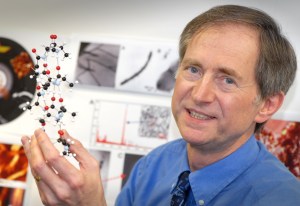
Bruce Zetter, Ph.D., Charles Nowiszewski Professor of Cancer Biology, Vascular Biology Program, Department of General Surgery, Children's Hospital Boston

The study, led by Bruce Zetter, PhD, of Children’s Vascular Biology Program, used proteomics techniques to compare the proteins present in Taxol-susceptible versus Taxol-resistant human tumor cell lines. The researchers found that the resistant cell lines, but not the susceptible cell lines, had prohibitin1 on their surface. When they suppressed prohibitin1 with RNA interference techniques, the tumor cells became more susceptible to Taxol, both in cell culture and in live mice with implanted Taxol-resistant tumors.

Zetter’s lab is still investigating why having prohibitin1 on the cell surface makes a tumor cell resistant to taxanes. But in the meantime, he believes that not only could prohibitin1 be suppressed to overcome taxane resistance, but that it could also be exploited as a means of targeting chemotherapy selectively to resistant cancer cells.

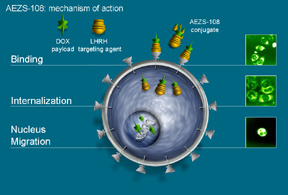
“We are working to target various cancer drugs to taxane-resistant cells by attaching them to compounds that bind to prohibitin,” Zetter explains. One such compound is already known, and works well in animals to target other prohibitin-rich cells, but has yet to be tested in humans.

Suppressing prohibitin1 alone probably isn’t enough to make a cancer fully Taxol-susceptible, but could be combined with other strategies aimed at increasing taxane susceptibility, such as targeting another protein called GST Pi, the researchers say. Other mechanisms of resistance are known, but they so far haven’t been shown to present effective targets for therapy.

Zetter’s lab is also trying to develop prohibitin1 as a biomarker for taxane resistance that physicians could use in the clinic. Since it’s on the surface of the cell, Zetter believes prohibitin1 may circulate in the blood where it could easily be detected. His lab is in talks with several cancer centers to obtain serum samples from patients who did and didn’t respond to Taxol, so that prohibitin1 levels could be measured and compared.

Zetter notes that prohibitin1 could easily have been overlooked, and was found only because the team happened to look specifically at proteins in the cell membrane, rather than simply doing a whole-cell proteomic analysis.

“The interesting finding was that prohibitin was not just another over-expressed protein,” Zetter says. “It was up-regulated primarily on the cell surface. When we looked at the whole cell, the absolute amount of prohibitin wasn’t changed. Instead, prohibitin was moving from the inside of the cell to the cell surface. It had shifted from one location to another, and when it did, the tumor cells became resistant to taxanes. The fact that it moves to the cell surface also makes it easier to direct drugs to it.”

Children’s Hospital Boston has pending and issued international patents on this technology.  Nish Patel, PhD, was the study’s first author. The study was funded by a grant from the National Institutes of Health.

About Children’s Hospital Boston

Founded in 1869 as a 20-bed hospital for children, Children’s Hospital Boston today is one of the nation’s leading pediatric medical centers, the primary pediatric teaching hospital of Harvard Medical School, and the largest provider of health care to Massachusetts children. In addition to 396 pediatric and adolescent inpatient beds and more than 100 outpatient programs, Children’s houses the world’s largest research enterprise based at a pediatric medical center, where its discoveries benefit both children and adults. More than 500 scientists, including eight members of the National Academy of Sciences, 11 members of the Institute of Medicine and 13 members of the Howard Hughes Medical Institute comprise Children’s research community. For more information about the hospital visit: www.childrenshospital.org/newsroom.

Sources:

Disarming Specialized Stem Cells Might Combat Ovarian Cancer

Eliminating cancer stem cells (CSCs) within a tumor could hold the key to successful treatments for ovarian cancer, which has been notoriously difficult to detect and treat, according to new findings published this week in the journal Oncogene by Yale School of Medicine researchers.

Eliminating cancer stem cells (CSCs) within a tumor could hold the key to successful treatments for ovarian cancer, which has been notoriously difficult to detect and treat, according to new findings published this week in the journal Oncogene by Yale School of Medicine researchers.

“We found that stopping the expression of two genesLin28 and Oct4—reduces ovarian cancer cell growth and survival,” said Yingqun Huang, M.D., Ph.D., assistant professor in the Department of Obstetrics, Gynecology & Reproductive Sciences at Yale School of Medicine.

Ovarian cancer is challenging to treat because it tends to recur frequently and develop resistance to treatment. The poor outcome for women with ovarian cancer is associated with subtle and nonspecific symptoms—earning it the moniker the “disease that whispers.”

“This recurrence and drug resistance may be due to the presence of CSCs within the tumors that have the capacity to reproduce and to differentiate into non-CSC tumor cells that repopulate the tumor mass,” said Huang, who is a member of Yale Stem Cell Center and Yale Cancer Center. “Eliminating these CSCs may be key to successful treatments.”

While in the process of studying the functions of stem cell proteins in human embryonic stem cells, Huang and her colleagues unexpectedly discovered that a sub-population of ovarian cancer cells express stem cell proteins Lin28 and Oct4. They also found that the two proteins appear to act together in ovarian cancer tissue cells to produce more advanced tumors. Inhibiting their combined expression led to a significant decrease in the growth and survival of cancer cells. A larger-scale ovarian cancer study is currently underway to confirm the significance of the findings.

Genetic researchers prevent genes from functioning — a process commonly referred to as “knocking down” the gene — by inserting small interfering RNA (siRNA) molecules into the cells. Next, the research team will examine the effect of siRNA in ovarian cancer cells in the lab, and test the technique on mice. If successful, human clinical trials would follow. Treatment on cancer patients could occur within 10 years, Huang said.

“We hope we will soon be able to apply this new information to improve outcomes, perhaps by developing better diagnostic markers and treatment strategies that may be useful in customizing treatment for ovarian cancer patients,” said Huang.

The study was supported by Connecticut Innovations, the Fannie E. Rippel Foundation and the National Cancer Institute.

Other Yale authors on the study included Nita Maihle, Ph.D., and Shuping Peng.

Sources:

Removal of Ovarian Cancer Cells From Human Ascites Fluid Using Magnetic Nanoparticles

Scientists at Georgia Tech and the Ovarian Cancer Institute have further developed a potential new treatment against cancer that uses magnetic nanoparticles to attach to ovarian cancer cells, removing them from the body. The treatment, tested in mice in 2008, has now been tested using samples from human ovarian cancer patients. The results appear online in the journal Nanomedicine.

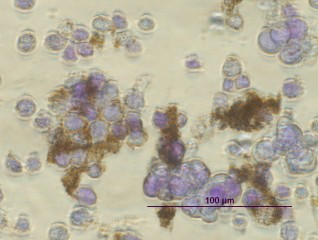
Nanoparticles, in brown, attach themselves to ovarian cancer cells, in violet, from the human abdominal cavity. (Credit: Ken Scarberry/Georgia Tech)

Scientists at Georgia Institute of Technology (Georgia Tech) and the Ovarian Cancer Institute have further developed a potential new treatment against cancer that uses magnetic nanoparticles to attach to ovarian cancer cells, removing them from the body. The treatment, tested in mice in 2008, has now been tested using samples from human ovarian cancer patients. The results appear online in the journal Nanomedicine.

John McDonald Ph.D., Professor & Associate Dean for Biology Program Development, Georgia Institute of Technology; Chief Research Scientist, Ovarian Cancer Institute (Credit: Georgia Tech)

“We are primarily interested in developing an effective method to reduce the spread of ovarian cancer cells to other organs ,” said John McDonald, professor at the the School of Biology at the Georgia Institute of Technology and chief research scientist at the Ovarian Cancer Institute.

The idea came to the research team from the work of Ken Scarberry, then a Ph.D. student at Georgia Tech. Scarberry originally conceived of the idea as a means of extracting viruses and virally infected cells. At his advisor’s suggestion Scarberry began looking at how the system could work with cancer cells.

He published his first paper on the subject in the Journal of the American Chemical Society in July 2008. In that paper he and McDonald showed that by giving the cancer cells of the mice a fluorescent green tag and staining the magnetic nanoparticles red, they were able to apply a magnet and move the green cancer cells to the abdominal region.

Recently, McDonald and Scarberry (currently a postdoctoral fellow in McDonald’s lab) have shown that the magnetic technique works with human ovarian cancer cells.

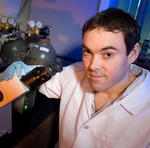
Ken Scarberry Ph.D., Postdoctoral Fellow, McDonald Laboratory, Georgia Institute of Technology (Credit: Robert Felt, Georgia Tech.)

“Often, the lethality of cancers is not attributed to the original tumor but to the establishment of distant tumors by cancer cells that exfoliate from the primary tumor,” said Scarberry. “Circulating tumor cells can implant at distant sites and give rise to secondary tumors. Our technique is designed to filter the peritoneal fluid or blood and remove these free floating cancer cells, which should increase longevity by preventing the continued metastatic spread of the cancer.”

In tests, they showed that their technique worked as well with capturing ovarian cancer cells from human patient samples as it did previously in mice. The next step is to test how well the technique can increase survivorship in live animal models. If that goes well, they will then test it with humans.

Sources:

Elevated Proteins May Warn of Ovarian Cancer, But Sufficient Lead Time & Predictive Value Still Lacking

Fred Hutchinson Cancer Center researchers discovered that concentrations of the serum biomarkers CA125, human epididymis protein 4 (HE4), and mesothelin began to rise 3 years before clinical diagnosis of ovarian cancer, according to a new study published online December 30 in the Journal of the National Cancer Institute. However, the biomarkers became substantially elevated only in the last year prior to diagnosis. … In an accompanying editorial to the study results reported by Anderson et. al., Patricia Hartge, ScD, of the Division of Cancer Epidemiology and Genetics at the National Cancer Institute, applauds the researchers for taking the field one step closer to successful screening study designs by showing that the levels of certain biomarkers do not increase early enough to be used for screening.

Fred Hutchinson Cancer Center researchers discovered that concentrations of the serum biomarkers CA125, human epididymis protein 4 (HE4), and mesothelin began to rise 3 years before clinical diagnosis of ovarian cancer, according to a new study published online December 30 in the Journal of the National Cancer Institute (JNCI). [1] However, the biomarkers became substantially elevated only in the last year prior to diagnosis.

Garnet L. Anderson, Ph.D., Division of Public Health Sciences, Fred Hutchinson Cancer Research Center, Seattle, WA.

CA125, HE4, mesothelin, B7-H4, decoy receptor 3, and spondin-2 have been identified as potential ovarian cancer serum biomarkers, but their behavior in the prediagnostic period, with the exception of CA125, has not been evaluated.  In the JNCI study, Garnet L. Anderson, Ph.D., of the Division of Public Health Sciences at the Fred Hutchinson Cancer Research Center in Seattle, and colleagues analyzed prediagnostic serum samples and patient data from the Carotene and Retinol Efficacy Trial (CARET), a randomized, double-blind, placebo-controlled chemoprevention trial testing the effects of beta-carotene and retinol on lung cancer incidence among individuals at high risk for lung cancer. Prediagnostic serum samples (taken up to 18 years prior to diagnosis) were obtained for 34 CARET patients with ovarian cancer and 70 matched control CARET subjects. Changes in the levels of these biomarkers prior to ovarian cancer diagnosis were analyzed.

Anderson et. al. discovered that concentrations of CA125, HE4, and mesothelin (but not B7-H4, decoy receptor 3, and spondin-2) began to increase slightly in cancer patients relative to control subjects approximately 3 years before diagnosis, but became substantially elevated within one year prior to diagnosis. Thus, the diagnostic value of these biomarkers is limited because accuracy only increased shortly before diagnosis. “Although these markers are not accurate enough to prompt early intervention in existing screening protocols, the multivariable regression analyses identified modest but statistically significant increases in risk associated with CA125, HE4, and mesothelin, which are consistent with many of the established epidemiological risk factors for ovarian cancer,” say the authors of the study.

“I still think biomarkers may play a role in a cost-effective screening program, although none of these seem accurate enough either alone or together to justify their use in average-risk women,” Anderson told Medscape Oncology. “I do not know of any other currently identified biomarkers that hold more promise than these, but there has been a massive effort over the last few years to identify candidates and not all have been thoroughly vetted,” said Dr. Anderson.

One problem, cites Dr. Anderson, may lie in the approach used in identifying potential ovarian cancer biomarkers. “Most of the discovery work done so far has been conducted in women with advanced-stage disease and compared them to healthy women,” she explained. “If discovery work were done in samples like the ones we used here, representing specimens collected months to years prior to the advanced stage diagnosis, we might have a better chance of finding earlier signals of aggressive disease.”

Another opportunity for improving screening and early diagnosis lies in imaging, she adds. “Currently the most common and only affordable imaging option that could be considered for routine screening is transvaginal ultrasound, but it performs poorly in terms of accurately determining those women [who] have ovarian cancer from those who do not,” said Dr. Anderson. “A substantial improvement in this area would be very exciting.”

Study Limitations Cited By JNCI Editors

The JNCI editors state three limitations that they believe are associated with the study by Anderson et. al. First, the study sample size was small.  Second, all women who participated in CARET had a history of heavy smoking, and therefore, the JNCI editors believe that the blood serum testing results obtained by Anderson et. al. may not apply to other non-smoking groups. Third, the blood collected from women participating in CARET was collected at different times, but only a few samples were collected during the last 2–3 years before ovarian cancer diagnosis.

Designing Ovarian Cancer Early Detection Programs — Accompanying JNCI Editorial

Patricia Hartge, Sc.D. Deputy Director, Epidemiology and Biostatistics Program, Division of Cancer Epidemiology & Genetic, National Cancer Institute

In an accompanying editorial to the study results reported by Anderson et. al., Patricia Hartge, ScD, of the Division of Cancer Epidemiology and Genetics at the National Cancer Institute, applauds the researchers for taking the field one step closer to successful screening study designs by showing that the levels of certain biomarkers do not increase early enough to be used for screening. [2]

Dr. Hartge notes that despite the discovery that CA125 and other serum markers increase before the clinical onset of ovarian cancer, it has been exceedingly difficult to devise a successful ovarian cancer early screening program for asymptomatic women. Nevertheless, Hartge believes that Anderson et al. take a valuable step toward the design of such a successful screening program by demonstrating why screening regimens that are based on markers, or panels of markers, can fail. Specifically, the researchers discovered that blood levels of CA125, HE4, mesothelin, and three other promising markers did not increase early enough in the course of the disease to allow detection in early stages. Dr. Hartge emphasizes that the markers typically rose within one year of the disease symptoms that led to an accurate diagnosis, and therefore, many of the ovarian cancer patients were diagnosed with advanced stage disease.

Hartge further states “[t]hat the results of Anderson et al. are not the last word in serum markers or in combinations of markers.” “Serum markers likely will form a key element in any screening regimen, with the lead time and other parameters of each marker or combination of markers being taken into account. The careful evaluation technique applied in the current study fits into a staged approach necessary for testing performance of early markers of disease.” Hartge adds that “[o]nly the time-consuming, expensive, and demanding randomized clinical trial can reveal whether an early detection program that includes the biomarkers can save lives.”

In support of her position, Dr. Hartge observes that current randomized trials are testing the value of different screening programs that are built on combinations of CA125, ultrasound, and risk factor data (e.g., family history and age). After four rounds of screening 34,261 postmenopausal women for ovarian cancer with both CA125 and ultrasound, University of Alabama at Birmingham School of Medicine investigators of the large U.S. screening trial observed that the predictive value of a positive screen was quite low — approximately 1%. Of the 60 screen-detected cancers, 72% had already advanced to at least stage III. [3] In addition, of every 20 women who underwent surgery after a positive screen, only one women was diagnosed with cancer. Furthermore, in a recent UK trial with a slightly different design, positive predictive values from the first round of screening were higher; 35% in the 50,078 women whose risk was assessed with CA125 and risk factor data, followed by ultrasound only if indicated, and 3% in the 50,639 women screened first with ultrasound. [4] The effects on mortality in both trials remain to be determined.

Confronting The “Daunting Arithmetic” Required To Detect Early Stage Ovarian Cancer

Based upon the foregoing, Dr. Hartge highlights the “daunting arithmetic” required to detect early stage ovarian cancer. In the U.S., Surveillance, Epidemiology and End Results (SEER) data indicates that incidence amounts to 13 cases of ovarian cancer per 100,000 woman per year, referred to by Dr. Hartge as the “proverbial needles in the haystack.” [5] So as not to present a problem without a potential solution, Hartge provides a roadmap to additional factors that may help future researchers develop early screening methods to identify those rare cases of ovarian cancer in the general population.  Notably, SEER data also indicates that incidence of ovarian cancer steadily increases with age from 21 cases per 100,000 women per year within the 50-54 age range to 57 cases per 100,000 women per year within the 80-84 age range. [6] Furthermore, family history, low parity, and more ovulations over a woman’s lifetime predict additional risk, with the strongest but least common predictor being a mutation in the BRCA1 or BRCA2 gene. Thus, the general approach suggested by Hartge focuses on women with higher baseline risks, for whom the predictive value of a positive serum test tends to increase. Dr. Hartge believes that the performance of an overall screening program will improve by targeting higher-risk subgroups of women for screening by combining personal history, genetic abnormality status, and levels of serum markers in one prediction model. With ongoing advances in understanding the origin and causes of ovarian cancer, Hartge states that the risk models that are useful for screening programs should also improve.

Further technology advancements may also improve future ovarian cancer early detection screening models, says Hartege. For example, a screening program that is based on a panel of biomarkers can be improved by developing new medical imaging technology that is more specific than current ultrasound technology.  If better imaging existed, fewer women would undergo surgery following a suspicious biomarker finding.  Similarly, development of less invasive surgery could further reduce harmful side effects.  Although Hartge observes that a highly accurate biomarker(s) or an overall screening program does not yet exist, she also explains that the current study by Anderson et. al., with its sobering implications, brings future researchers closer to understanding the crucial elements in designing an effective early detection program for ovarian cancer.

References:

1/Anderson GL , McIntosh M, Wu L, et. al. Assessing Lead Time of Selected Ovarian Cancer Biomarkers: A Nested Case–Control Study. Journal of the National Cancer Institute Advance Access published on January 6, 2010, DOI 10.1093/jnci/djp438. J. Natl. Cancer Inst. 102: 26-38.

2/Hartge P. Designing Early Detection Programs for Ovarian Cancer. Journal of the National Cancer Institute Advance Access published on January 6, 2010, DOI 10.1093/jnci/djp450. J. Natl. Cancer Inst. 102: 3-4.

3/Partridge E, Kreimer AR, Greenlee RT, et al. Results from four rounds of ovarian cancer screening in a randomized trial. Obstet Gynecol (2009) 113(4):775–782. [PMCID: PMC2728067; PMID: 19305319].

4/Menon U, Gentry-Maharaj A, Hallett R, et al. Sensitivity and specificity of multimodal and ultrasound screening for ovarian cancer, and stage distribution of detected cancers: results of the prevalence screen of the UK Collaborative Trial of Ovarian Cancer Screening (UKCTOCS). Lancet Oncol (2009) 10(4):327–340. [PMID: 19282241]

5/ Horner MJ, Ries LAG, Krapcho M, et al, eds. SEER Cancer Stat Fact Sheets (2009) Bethesda, MD: National Cancer Institute. http://seer.cancer.gov/statfacts/html/ovary.html. Accessed December 2, 2009.

6/Horner MJ, Ries LAG, Krapcho M, et. al., eds. SEER Cancer Statistics Review, 1975-2006, National Cancer Institute. Bethesda, MD, http://seer.cancer.gov/csr/1975_2006, based on November 2008 SEER data submission, posted to the SEER web site, 2009 [See Table 21.6: Incidence & Mortality Rates By Age].

Sources:

Princeton Scientists Find Way To Catalog All That Goes Wrong In A Cancer Cell

A team of Princeton University scientists has produced a systematic listing of the ways a particular cancerous cell has “gone wrong,” giving researchers a powerful tool that eventually could make possible new, more targeted therapies for patients.

A team of Princeton University scientists has produced a systematic listing of the ways a particular cancerous cell has “gone wrong,” giving researchers a powerful tool that eventually could make possible new, more targeted therapies for patients.

Saeed Tavazoie is a professor in the Princeton University Department of Molecular Biology & the Lewis-Sigler Institute for Integrative Genomics

“For a very long time, cancer therapies have been developed by trial and error to essentially kill a broad variety of rapidly dividing cells, good and bad — that’s why they have massive side effects,” said Saeed Tavazoie, a professor in the Department of Molecular Biology and the Lewis-Sigler Institute for Integrative Genomics, who led the research. “The goal of cancer biology is to come up with therapies that are much more rational in terms of attacking the pathways that have been co-opted by cancer cells. The big challenge is to discover these pathways so that we can restore them to their normal state.”

Writing in the Dec. 11 issue of Molecular Cell, Tavazoie, along with his colleagues Hani Goodarzi, a graduate student in molecular biology, and Olivier Elemento, a former postdoctoral researcher in the department, found they were able to systematically categorize and pinpoint the alterations in cancer pathways and to reveal the underlying regulatory code in DNA. Elemento is now on the faculty of Weill Cornell Medical College in New York.

“We are discovering that there are many components inside the cell that can get mutated and give rise to cancer,” Tavazoie said. “Future cancer therapies have to take into account these specific pathways that have been mutated in individual cancers and treat patients specifically for that.”

The researchers developed an algorithm, a problem-solving computer program that sorts through the behavior of each of 20,000 genes operating in a tumor cell. When genes are turned “on,” they activate or “expressproteins that serve as signals, creating different pathways of action. Cancer cells often act in aberrant ways, and the algorithm can detect these subtle changes and track all of them.

“At the present moment, we lump a lot of cancers together and use the same therapy,” Tavazoie said. “In the future, we are aiming to be much more precise about treating the exact processes that were perturbed by the mutations.”

Pathologists presently examining the tumors of sick patients analyze a small set of tumor characteristics in order to determine the diagnostic and prognostic class to which the cells belong. This new method could give practitioners an encyclopedic accounting of the alterations in problem cells, spelling out the nature of the disease in much greater detail.

The algorithm devised by the group scans the DNA sequence of a given cell — its genome — and deciphers which sequences are controlling what pathways and whether any are acting differently from the norm. By deciphering the patterns, the scientists can conjure up the genetic regulatory code that is underlying a particular cancer.

The scientists developed the technique by employing modern methods of systems biology, where researchers seek to understand how components of living systems like cells work together to orchestrate processes, using powerful computers to sort vast arrays of data.

“Part of the promise of genomics and systems biology is the discovery of specific pathways of disease and finding ways to target them precisely,” Tavazoie said. “We have focused on revealing what these pathways are.”

The challenge for others, he said, will be to design specific therapies for such diseases, a process that could take many years. “This is an important first step,” Tavazoie added.

The method ultimately could work for any type of cancer and paves the way for rational approaches to treating a host of other diseases from diabetes to neurological disorders, the scientists said.

The research was funded by the National Human Genome Research Institute of the National Institutes of Health.

Sources:

Making A Difference: L’Oréal Paris Honors Women of Worth at Special Ceremony in New York City

L’Oréal Paris Honors Women of Worth at Special Ceremony in New York City. Ten Women Recognized for Making a Difference in their Communities with Special Guests including Mary J. Blige, Holly Robinson Peete and Erica Hill.  Shannon Lambert Named Women of Worth National Honoree by Public Vote

L'Oréal Paris' 2009 Women of Worth Honorees with Mary J. Blige, L'Oréal Paris President Karen T. Fondu and Senior Vice President of Marketing Anne Talley at the CNN Inspire Summit.

L'Oréal Paris President, Karen T. Fondu, with Mary J. Blige at the CNN Inspire Summit in New York City.

L’Oréal Paris’ fourth annual Women of Worth program honored ten women for their exceptional achievements and tireless volunteerism efforts at the CNN Inspire Summit in New York City. The event was held December 8th in celebration of the ten 2009 L’Oréal Paris Women of Worth honorees and featured an awards presentation by Karen T. Fondu, President, L’Oréal Paris Division. Special guests speakers included, Mary J. Blige, Holly Robinson Peete, and Erica Hill. The Women of Worth honorees represent a wide range of causes including education, female and youth empowerment, military support and healing for survivors of cancer and sexual violence. Each of the ten honorees received $5,000 from L’Oréal Paris for their charitable organizations, plus a $5,000 matching donation made in their name to the Ovarian Cancer Research Fund, the twelve-year charitable partner of L’Oréal Paris.

Women of Worth Program

The Women of Worth initiative celebrates women who passionately embody the spirit of volunteerism. The initiative empowers and celebrates women everywhere and brings the L’Oréal Paris “Because I’m Worth It” philosophy to life.

“We are so honored to welcome each of the 2009 Women of Worth honorees to this very special community,” said Karen T. Fondu, President, L’Oréal Paris Division. “Each of these amazing women embodies the L’Oréal Paris philosophy and supports our unwavering belief in every woman’s worth and in her power to make a difference in the world.”

Women of Worth Honorees

The ten 2009 L’Oréal Paris Women of Worth honorees are dedicated to a range of causes and are phenomenal examples of the power of volunteerism. Each honoree is an extraordinary community leader representing and inspiring women all across America.

  • Lillian Collins – Clinton, OK, founded Eastside Academy to assist African American children who need help in reading and math, providing a positive after-school program.
  • Anne Ginther – Sammamish, WA, founded RandomKid, which provides staff and services to youth of all backgrounds and abilities for the development, management and accomplishment of their goals to help others.
  • Maimah Karmo – Aldie, VA, established Tigerlily Foundation, which provides meals, financial assistance, empowerment and inspiration to younger women affected by breast cancer.
  • Brenda Murray – Chevy Chase, MD, has been transforming conditions and providing educational opportunities for thousands of women behind bars for the past 20 years.
  • Ora Rakestraw – Sacramento, CA, tutors third graders with special needs, helping these young people have a chance to experience success and stay committed to their education.
  • Carol Reza – Whitter, CA, founded Bridge of Faith to provide families of incarcerated women with mentoring and social service referral services.
  • Halle Tecco – San Francisco, CA, created Yoga Bear, an organization that provides free yoga classes to cancer patients.
  • Rhonda Ulmer – Denton, MD, provides local community resources to parents in her school to obtain their GED, housing, food and health assistance, transforming the school into the hub of the community.

The Women of Worth honorees were chosen from nearly 2,500 applicants by an elite group of judges, which includes Jacqueline Hernandez, Chief Operating Officer of Telemundo Communications Group; Soledad O’Brien, CNN Anchor; Dayle Haddon, L’Oréal Paris spokesperson; Elizabeth Howard, former Chief Executive Officer of the Ovarian Cancer Research Fund; Cindy Kerr, Founder and President of ConKerr Cancer and Anne Talley, Senior Vice President of Marketing for L’Oréal Paris.

Women of Worth National Honoree

Shannon Lambert, founder of Pandora’s Project, a community where women who have survived rape can connect and support one another.

The National Honoree, Shannon Lambert, recognized for her work with Pandora’s Project, which provides support, information and resources to sexual violence survivors received an additional $25,000 from L’Oréal Paris as a result of a national online vote at womenofworth.com.

“My own experience inspired me to create an innovative way for survivors of sexual violence to connect with each other and find the resources they need and deserve to heal.” — Shannon Lambert

It is estimated that at least one in six individuals will experience rape or sexual abuse in their lifetime, and for many, the aftermath of sexual violence is isolating and devastating. Pandora’s Project offers an online resource moderated by a team of volunteers that provides peer-to-peer support for male and female victims of sexual violence. The organization also operates a free sexual assault lending library, maintains resource lists for those in need of face-to-face support, and organizes retreat weekends for women ready to take their healing one step farther.

“I am delighted to be honored as a L’Oréal Paris Woman of Worth,” said Lambert. “The support L’Oréal Paris has given to Pandora’s Project will enable us to continue to help victims of sexual violence and to support their recovery.”

For more information about the Women of Worth program and honorees, please visit womenofworth.com.

About L’Oréal Paris

The L’Oréal Paris division of L’Oréal USA, Inc. is a total beauty care company that combines the latest in technology with the highest in quality for the ultimate in luxury beauty at mass. The L’Oréal Paris brand encompasses the four major beauty categories – haircolor, haircare, skincare and cosmetics – and includes such well-known brands as Preference, Excellence and Féria haircolors; EverPure, VIVE Pro, Studio Line and L’Oréal Kids haircare; Revitalift, Age Perfect, Skin Genesis, Collagen, Sublime Bronze and Men’s Expert skincare; and the Colour Riche, True Match, Infallible, Bare Naturale and HIP High Intensity Pigments cosmetics collections, along with a portfolio of mascara including Voluminous, Double Extend and Telescopic among many others.

L’Oréal Paris is dedicated to women around the world and the company has been inspired to give back and make a difference in their lives. In 1997, L’Oréal Paris made a long-term commitment to raising awareness for ovarian cancer, which continues to build. To date, L’Oréal Paris has helped raise over $18 million dollars to further research and build awareness with fundraising efforts such as the L’Oréal Legends Gala and L’Oréal’s annual “Color of Hope” cosmetics collection.

SourceL’Oréal Paris Honors Women of Worth at Special Ceremony in New York City, Press Release, L’Oréal Paris, December 9, 2009.

MAGP2 Gene Expression Signature: A Potential Ovarian Cancer Personalized Treatment Target

A multi-institutional study has identified a potential personalized treatment target for the most common form of ovarian cancer. In the December 8 issue of Cancer Cell, the research team describes finding that a gene called MAGP2 – not previously associated with any type of cancer – was overexpressed in papillary serous ovarian tumors of patients who died more quickly. They also found evidence suggesting possible mechanisms by which MAGP2 may promote tumor growth.

A multi-institutional study has identified a potential personalized treatment target for the most common form of ovarian cancer. In the December 8 issue of Cancer Cell, the research team describes finding that a gene called MAGP2 (microfibril-associated glycoprotein 2) – not previously associated with any type of cancer – was overexpressed in papillary serous ovarian tumors of patients who died more quickly. They also found evidence suggesting possible mechanisms by which MAGP2 may promote tumor growth.

Michael Birrer, MD, Ph.D., Professor, Department of Medicine, Harvard Medical School; Director GYN/Medical Oncology, Medicine, Massachusetts General Hospital

“Ovarian cancer is typically diagnosed at an advanced stage when it is incurable, and the same treatments have been used for virtually all patients,” says Michael Birrer, MD, PhD, director of medical gynecologic oncology in the Massachusetts General Hospital (MGH) Cancer Center, and the study’s corresponding author. “Previous research from my lab indicated that different types and grades of ovarian tumors should be treated differently, and this paper now shows that even papillary serous tumors have differences that impact patient prognosis.” Birrer was with the National Institutes of Health when this study began but later joined the MGH Cancer Center.

The fifth most common malignancy among U.S. women, ovarian cancer is expected to cause approximately 15,000 deaths during 2009. Accounting for 60 percent of ovarian cancers, papillary serous tumors are typically diagnosed after spreading beyond the ovaries. The tumors typically return after initial treatment with surgery and chemotherapy, but while some patients die a few months after diagnosis, others may survive five years or longer while receiving treatment.

To search for genes expressed at different levels in ovarian cancer patients with different survival histories, which could be targets for new treatments, the researchers conducted whole-genome profiling of tissue samples that had been microdissected – reducing the presence of non-tumor cells – from 53 advanced papillary serous ovarian cancer tumors. Of 16 genes that appeared to have tumor-associated expression levels, MAGP2 had the strongest correlation with reduced patient survival.

Further analysis confirmed that MAGP2 expression was elevated in another group of malignant ovarian cancer tumors but not in normal tissue. MAGP2 gene expression was also reduced in patients whose tumors responded to chemotherapy. Recombinant expression of MAGP2 in samples of the endothelial cells that line blood vessels caused the cells to migrate and invade normal tissue.  In addition, MAGP2 gene overexpression increased microvessel density — a measurement used to determine the extent of tumor angiogenesis. The latter two observations suggest a potential role for MAGP2 gene overexpression in the growth of an ovarian cancer tumor’s blood supply.

“By confirming that different ovarian tumors have distinctive gene signatures that can predict patient prognosis, this study marks the beginning of individualized care for ovarian cancer,” says Birrer, a professor of Medicine at Harvard Medical School. “MAGP2 and the biochemical pathways it contributes to are definitely targets for new types of therapies, and we plan to pursue several strategies to interfere with tumor-associated pathways. But first we need to validate these findings in samples from patients treated in clinical trials.”

About The Study

Co-lead authors of the Cancer Cell paper are Samuel Mok, M.D., M.D. Anderson Cancer Center, and Tomas Bonome, National Cancer Institute (NCI). Additional co-authors are Kwong-Kowk Wong, M.D. Anderson; Vinod Vathipadiekal, Aaron Bell, Howard Donninger, Laurent Ozbun, Goli Samimi, John Brady, Mike Randonovich, Cindy Pise-Masison, and Carl Barrett, NCI; Michael Johnson, Dong-Choon Park, William Welch and Ross Berkowitz, Brigham and Women’s Hospital; Ke Hao and Wing Wong, Harvard School of Public Health; and Daniel Yip, University of South Florida. The study was supported by grants from the National Institutes of Health, the Ovarian Cancer Research Fund and the National Cancer Institute.

About Massachusetts General Hospital

Massachusetts General Hospital, established in 1811, is the original and largest teaching hospital of Harvard Medical School. The MGH conducts the largest hospital-based research program in the United States, with an annual research budget of more than $600 million and major research centers in AIDS, cardiovascular research, cancer, computational and integrative biology, cutaneous biology, human genetics, medical imaging, neurodegenerative disorders, regenerative medicine, systems biology, transplantation biology and photomedicine.

Sources:

OU’s Non-Toxic Drug Makes Ovarian Cancer Cells Respond To New Treatment & Undergo Cell Suicide

“Cancer researchers at the University of Oklahoma Health Sciences Center have found a way to turn ineffective new cancer drugs into cancer-fighters. By using their patented chemical compound, SHetA2, researchers tricked cancer cells into responding to new treatments and undergoing cell suicide. … [T]he compound will work with several cancers, including lung, kidney, ovarian, colon and pancreatic cancer. … [The] research team … patented the SHetA2 Flex-Het and hope[s] to start clinical trials for the compound within a year. …

Cancer researchers at the University of Oklahoma Health Sciences Center have found a way to turn ineffective new cancer drugs into cancer-fighters. By using their patented chemical compound, SHetA2, researchers tricked cancer cells into responding to new treatments and undergoing cell suicide. The research appears in the journal Gynecologic Oncology.

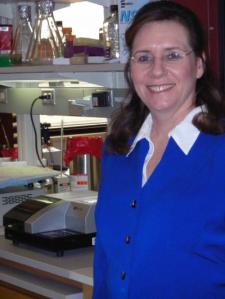
Doris Mangiaracina Benbrook, Ph.D., is in her lab at the University of Oklahoma Health Sciences Center in Oklahoma City. (Photo: Univ. of Oklahoma Health Sciences Center)

“This discovery means that we can use our non-toxic cancer prevention pill to improve treatment for people who already have cancer,” said Doris Mangiaracina Benbrook, Ph.D., principal investigator on the project. “All studies to date have not found any side effects of taking our drug, giving hope that we can prevent cancer in healthy people, and improve treatment for cancer patients, without increasing toxicity.”

The latest study looked at an upcoming class of cancer treatment drugs that worked well in experimental models, but proved ineffective against many human tumors. Dr. Benbrook and her team decided to test their compound’s ability to “fix” the problem. It worked.

“The new chemotherapy drugs are antibodies that bind to cell surface receptors called ‘Death Receptors.’ The binding of the antibodies activates the death receptors in cancer cells and causes cell suicide with little harm to normal cells. Many cancers, however, are resistant to the antibodies,” Benbrook said. “We’ve shown that SHetA2 treatment can make ovarian and kidney cancer cells sensitive to the death receptor antibodies and kill the cancer.”

Benbrook said the compound will work with several cancers, including lung, kidney, ovarian, colon and pancreatic cancer.

“It would be a significant advancement in health care if we could avoid the severe toxicity and suffering that late stage cancer patients have to experience,” Benbrook said.

The synthetic compound, SHetA2, a Flex-Het drug, was created by Benbrook with the help of chemist Darrell Berlin at Oklahoma State University. The compound directly targets abnormalities in cancer cell components without damaging normal cells. The disruption causes cancer cells to die and keeps tumors from forming.

Flex-Hets or flexible heteroarotinoids are synthetic compounds that can change certain parts of a cell and affect its growth. Benbrook and her research team have patented the SHetA2 Flex-Het and hope to start clinical trials for the compound within a year. If the compound continues to be found safe, it would be developed into a pill to be taken daily like a multi-vitamin to prevent cancer. This new discovery means that the pill also could be used to make patients, who already have cancer, better respond to treatment.

Vodpod videos no longer available.

Sources:

MIT Develops New Platinum Compound As Powerful As Cisplatin But Better Able To Destroy Tumor Cells

MIT chemists have developed a new platinum compound that is as powerful as the commonly used anticancer drug cisplatin but better able to destroy tumor cells.

A diagram of cisplatin which is a platinum chemotherapy drug.

Massachusetts Institute of Technology chemists have developed a new platinum compound that is as powerful as the commonly

Stephen J. Lippard Ph.D., Arthur Amos Noyes Professor of Chemistry, Massachusetts Institute of Technology

used anticancer drug cisplatin but better able to destroy tumor cells.

The new compound, mitaplatin, combines cisplatin with another compound, dichloroacetate (DCA), which can alter the properties of mitochondria selectively in cancer cells. Cancer cells switch their mitochondrial properties to change the way they metabolize glucose compared to normal cells, and DCA specifically targets the altered mitochondria, leaving normal cells intact.

“This differential effect conveys on mitaplatin the ability to kill cancer cells selectively in a co-culture with normal fibroblast cells, the latter being unaffected at the doses that we apply,” says Stephen Lippard, the Arthur Amos Noyes Professor of Chemistry.

How they did it: The chemists designed mitaplatin so that when it enters a cell, it releases cisplatin and two units of DCA by intracellular reduction. Therefore, mitaplatin can attack nuclear DNA with cisplatin and mitochondria with DCA. DCA promotes the release of cell-death-promoting factors from the mitochondria, enhancing the cancer cell-killing abilities of cisplatin.

Next steps: Lippard’s laboratory has shown that in rodents, mitaplatin can be tolerated at much higher doses than cisplatin, and they have begun studies in mice transplanted with human tissues. If those results are promising, the researchers plan more studies for further demonstration of mitaplatin’s ability in cancer therapy.

Sources:

“Too Often We Underestimate The Power Of A Touch”*

One of the most comforting forms of support you can give a person with cancer is the use of touch. Family caregivers can significantly reduce symptoms in cancer patients at home through use of simple touch and massage techniques. These findings were recently reported at the 6th International Conference of the Society for Integrative Oncology.

Study Shows Family Caregivers’ Simple Touch Techniques Reduce Symptoms in Cancer Patients

One of the most comforting forms of support you can give a person with cancer is the use of touch.  Family caregivers can significantly reduce symptoms in cancer patients at home through use of simple touch and massage techniques. These findings were recently reported at the 6th International Conference of the Society for Integrative Oncology.

The study, sponsored by the National Cancer Institute, evaluated outcomes of a 78 minute DVD instructional program and illustrated manual in a sample of 97 patients and their caregivers. The multi-ethnic sample represented 21 types of cancer (nearly half with breast cancer) and all stages of disease. Caregivers included spouses, adult children, parents, siblings and friends. The project was conducted in Boston, Massachusetts, Portland, Maine, and Portland, Oregon using English, Spanish and Chinese languages.

“Too often we underestimate the power of a touch, a smile, a kind word, a listening ear, an honest compliment, or the smallest act of caring, all of which have the potential to turn a life around.”  — Leo F. Buscaglia, from his book entitled, Living, Loving & Learning.

William Collinge, Ph.D., MPH, President, Collinge and Associates. Dr. Collinge is a consultant, author, speaker and researcher in the field of integrative health care. He has served as a scientific review panelist for the National Institutes of Health in mind/body medicine, complementary therapies & health care services

According to the principal investigator, William Collinge, PhD, MPH, president of Collinge and Associates states, “Touch and massage are among the most effective forms of supportive care in cancer, but most patients cannot access professional practitioners of these methods on a regular basis. This study sought to determine whether family caregivers receiving brief home-based instruction could deliver some of the same benefits as professionals. It appears they can.”

In the study, couples were randomized to either an experimental group using the program, or an attention control group. Caregivers in the experimental group were asked to apply the instruction for at least 20 minutes, three or more times per week for a month. Those in the control group were assigned to read to the patient for the same amounts of time. Patients completed report cards before and after sessions rating their levels of pain, fatigue, stress/anxiety, nausea, depression, and other symptoms.

Results indicated significant reductions for all symptoms after both activities, indicating that companionship alone has a positive effect. However, while symptoms were reduced from 12-28% after reading, massage from the caregiver led to reductions of 29-44%. The greatest impact was on stress/anxiety (44% reduction), followed by pain (34%), fatigue (32%), depression (31%), and nausea (29%). Patients reporting an optional “other” symptom (e.g., headaches) saw reductions of 42% with massage. Caregivers in the massage group also showed gains in confidence and comfort with using touch and massage as forms of caregiving.

According to Collinge, “It appears that family members who receive simple instruction in safety and techniques can achieve some of the same results as professional practitioners. This has important implications not just for patient well-being, but for caregivers as well. Caregivers are at risk of distress themselves – they can feel helpless and frustrated when seeing a loved one suffer. This gives a way to make a difference for the patient, and at the same time increase their own satisfaction and effectiveness as a caregiver. It also appears to strengthen the relationship bond, which is important to both.”

The DVD program, titled Touch, Caring and Cancer: Simple Instruction for Family and Friends,  is expected to be released to the public during the week of November 22, 2009. The DVD program will be available in English, Spanish and Chinese. More information and video trailers are available at www.partnersinhealing.net.

Vodpod videos no longer available.

About Collinge and Associates

Collinge and Associates is an independent research and consulting organization based in Kittery, Maine. The group conducts research in complementary therapies for the National Institutes of Health, and does scientific review consulting for NIH and other organizations. Website: www.collinge.org.

Sources:

*Title Source:

The title was excerpted from the words of Leo F. Buscaglia that appear in his book Living, Loving & Learning. Buscaglia was a teacher in the Department of Special Education at the University of Southern California (USC) in the late 1960’s. During his tenure at USC, one of Buscaglia’s students committed suicide.  The incident had a great impact on Buscaglia and led him to establish a non-credit class titled, Love 1A. The class led to lectures and a manuscript loosely based on what was shared in those weekly classes. The manuscript led to the publication of a book entitled, LOVE:  What life is all about.  Shortly thereafter, Leo Buscaglia’s presentations were taped by the Public Broadcasting System (PBS) and shown on television.  The PBS television presentations touched the hearts of many television viewers.  Buscaglia is often referred to as the granddaddy of motivational speakers. During his lifetime, Buscaglia was a popular speaker on television talk shows and the lecture circuit.  There was one point in time when five of his books appeared simultaneously on The New York Times Best Sellers List.

PI3K Pathway: A Potential Ovarian Cancer Therapeutic Target?

…[T]here are several PI3K signaling pathway targeting drugs in clinical development for use against ovarian cancer and solid tumors, including GDC-0941, BEZ235, SF1126, XL-147, XL-765, BGT226, and PX-866.  The results of two recent medical studies suggest that the use of PI3K-targeted therapies may offer an effective therapeutic approach for patients with advanced-stage and recurrent ovarian cancer, including a generally chemotherapy-resistant histological subtype of epithelial ovarian cancer known as “ovarian clear cell cancer” (OCCC).  The targeting of the PI3K pathway in endometrial, ovarian, and breast cancer is also being investigated by a Stand Up To Cancer “Dream Team.” …

PI3K Cellular Signaling Pathway — An Overview
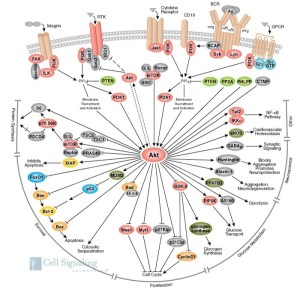
PI3K/AKT cellular signaling pathway (Photo: Cell Signaling Technology(R))

In 2004 and 2005, multiple researchers identified mutations in the PIK3CA  gene with respect to multiple cancers.[1]  The PIK3CA gene encodes the PI3K catalytic subunit p110α. PI3K (phosphoinositide 3- kinase) proteins have been identified in crucial signaling pathways of ovarian cancer cells. PI3Ks are also part of the PI3K-AKT-mTOR signaling pathway which promotes cellular glucose metabolism, proliferation, growth, survival, and invasion and metastasis in many cancers. PIK3CA gene mutations can increase PI3K signaling, thereby activating the PI3K-AKT-mTOR pathway within cancer cells.

As of this writing, there are several PI3K signaling pathway targeting drugs in clinical development for use against ovarian cancer and solid tumors, including GDC-0941, BEZ235, SF1126, XL-147, XL-765, BGT226, and PX-866. [2]  The results of two recent medical studies suggest that the use of PI3K-targeted therapies may offer an effective therapeutic approach for patients with advanced-stage and recurrent ovarian cancer, including a generally chemotherapy-resistant histological subtype of epithelial ovarian cancer known as “ovarian clear cell cancer” (OCCC).  The targeting of the PI3K pathway in endometrial, ovarian, and breast cancer is also being investigated by a Stand Up To CancerDream Team.”

Frequent Mutation of PIK3CA Gene In Recurrent & Advanced Clear Cell Ovarian Cancer

OCCC is one of the five major subtypes of epithelial ovarian cancer. OCCC accounts for only 4% to 12% of epithelial ovarian cancer in Western countries and, for unknown reasons, it comprises more than 20% of such cancers in Japan [3,4,5]. OCCC possesses unique clinical features such as a high incidence of stage I disease, a large pelvic mass, an increased incidence of venous thromboembolic complications, and hypercalcemia. It is frequently associated with endometriosis.  Compared to serous ovarian cancer, OCCC is relatively resistant to conventional platinum and taxane-based chemotherapy. For these reasons, new effective therapies are desperately needed for OCCC.

Researchers from Johns Hopkins and the University of California, Los Angeles (UCLA) analyzed 97 OCCC tumors for genetic sequence mutations in KRAS (v-Ki-ras2 Kirsten rat sarcoma viral oncogene homolog), BRAF (v-raf murine sarcoma viral oncogene homolog B1), PIK3CA (phosphoinositide-3-kinase, catalytic, alpha polypeptide), TP53 (tumor protein p53), PTEN (phosphatase and tensin homolog), and CTNNB1 (Catenin, Beta-1) as these mutations frequently occur in other major types of ovarian cancers.[6] The samples tested included the following:

  • 18 OCCCs for which affinity-purified tumor cells from fresh specimens were available;
  • 10 OCCC tumor cell lines.

Upon test completion, the researchers discovered that sequence mutations of PIK3CA, TP53, KRAS, PTEN, CTNNB1, and BRAF occurred in 33%, 15%, 7%, 5%, 3%, and 1% of OCCC cases, respectively.
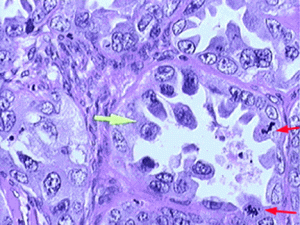
Clear cell carcinoma of the ovary (Photo: Geneva Foundation For Medical Education & Research)

The sequence analysis of the 18 affinity purified OCCC tumors and the 10 OCCC cell lines showed a PIK3CA mutation frequency of 46%. Based upon these findings the researchers concluded that the use of PIK3CA-targeting drugs may offer a more effective therapeutic approach compared with current chemotherapeutic agents for patients with advanced-stage and recurrent OCCC. As noted above, there are several PI3K-targeting drugs in clinical development for use against ovarian cancer and solid tumors.[2]

Notably, one of the researchers involved with this OCCC study is Dennis J. Slamon, M.D., Ph.D. Dr. Slamon serves as the Director of Clinical/Translational Research, and as Director of the Revlon/UCLA Women’s Cancer Research Program at the Jonsson Comprehensive Cancer Center. Dr. Slamon is also a professor of medicine, chief of the Division of Hematology/Oncology and Executive Vice Chair of Research for UCLA’s Department of Medicine. Dr. Slamon is a co-discoverer of the breast cancer drug Herceptin®. Herceptin is a monoclonal antibody targeted therapy used against HER-2 breast cancer, an aggressive breast cancer subtype that affects 20% to 30% of women with the disease. Herceptin’s development was based, in part, upon the unique genetic profile of HER-2 breast cancer as compared to other forms of breast cancer. Herceptin® revolutionized the treatment of HER-2 postive breast cancer and is recognized worldwide as the standard of care for that subtype of breast cancer.  The approach taken by Johns Hopkins and UCLA researchers in this study — the identification of  a subtype within a specific form of cancer that may be susceptible to a targeted therapy —  bears a striking similarity to the overarching approach taken in the development of Herceptin®.

Ovarian Cancer & Other Solid Tumors With PIK3CA Gene Mutations Respond To PI3K-AKT-mTOR Pathway Inhibitors In Phase I Clinical Testing.

Testing patients with cancer for PIK3CA gene mutations is feasible and may allow targeted treatment of the PI3K-AKT-mTOR cellular signaling pathway, according to the results of a University of  Texas, M.D. Anderson Cancer Center study presented on November 17, 2009 at the 2009 AACR (American Association for Cancer Research)-NCI (National Cancer Institute)-EORTC (European Organization For Research & Treatment of Cancer) International Conference on Molecular Targets and Cancer Therapeutics.[7]
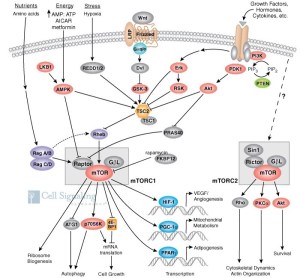
mTOR cellular signaling pathway (Photo: Cell Signaling Technology(R))

Filip Janku, M.D., Ph.D, a clinical research fellow with the M.D. Anderson Cancer Center’s department of investigational cancer therapeutics, and colleagues conducted a mutational analysis of exon 9 and exon 20 of the PI3KCA gene using DNA from the tumors of patients referred to targeted therapy clinical trials. Patients with PIK3CA mutations were preferably treated whenever possible with regimens utilizing PI3K-AKT-mTOR signaling pathway inhibitors.

As part of this study 117 tumor samples were analyzed. PIK3CA mutations were detected in 14 (12%) patients.  In tumor types with more than 5 patients tested, PIK3CA mutations were identified in endometrial cancer (43%, 3 out of 7 patients), ovarian cancer (22%, 5 out of 23 patients), squamous head and neck cancer (14%, 1 out of 7 patients), breast cancer (18%, 2 out of 11 patients), and colon cancer (15%, 2 out of 13 patients). No mutations were identified in patients with melanoma or cervical cancer.

Of the 14 patients found to possess PIK3CA mutations, 10 were treated based upon a clinical trial protocol that included a drug targeting the PI3K-AKT-mTOR pathway.  A partial response to treatment was experienced by 4 (40%) patients. Although the total number of patients is small, there were 2 (67%) patient responses in 3 endometrial cancer cases, 1 (25%) patient response in 4 ovarian cancer cases, 1 (100%) patient response in 1 breast cancer, and no patient response in 1 colorectal cancer case.  Although the total number of study patients is small, the researchers conclude that the response rate appears high (40%) in tumors with PIK3CA mutations treated with PI3K-AKT-mTOR pathway inhibitors.

“The implications of this study are twofold,” said Dr. Janku.  “We demonstrated that PIK3CA testing is feasible and may contribute to the decision-making process when offering a patient a clinical trial. Although this study suffers from low numbers, the response rate observed in patients treated with inhibitors of PI3K/AKT/mTOR pathway based on their mutational status was well above what we usually see in phase-1 clinical trials.”  “These results are intriguing but at this point should be interpreted with caution,” said Janku. “The promising response rate needs to be confirmed in larger groups of patients. We expect to learn more as this project continues to offer PIK3CA screening to patients considering a phase-1 clinical trial.”

Stand Up 2 Cancer Dream Team: Targeting the PI3K Pathway in Women’s Cancers

The potential importance of the PI3K pathway in the treatment of ovarian cancer is emphasized by the two medical studies above.  This issue is also receiving considerable attention from one of the Stand Up 2 Cancer (SU2C) “Dream Teams,” which is going to evalute  the potential for targeting the PI3K pathway in women’s cancer.  SU2C assigned $15 million of cancer research funding to this critical issue.  The scientists involved in this SU2C Dream Team are the pioneers who discovered the PI3K pathway and validated its role in human cancers, and they will focus on breast, ovarian and endometrial cancers, all of which possess the PI3K mutation.

The leader and co-leaders of the PI3K pathway SU2C team are set forth below.

Leader:

Lewis C. Cantley, Ph.D., Director, Cancer Center at Beth Israel Deaconess Medical Center.

Co-Leaders:

Charles L. Sawyers, M.D., Director, Human Oncology and Pathogenesis Program, Memorial Sloan-Kettering Cancer Center.

Gordon B. Mills, M.D., Ph.D., Chair, Department of Systems Biology, University of Texas, M.D. Anderson Cancer Center.

The specific SU2C Dream Team research goal with respect to targeting the PI3K pathway in women’s cancers is stated as follows:

The PI3K pathway is mutated in more cancer patients than any other, and these mutations are the most frequent events in women’s cancers, making it an attractive molecular target for agents that inhibit these genetic aberrations. If successful, this project will allow clinicians to use biomarkers and imaging techniques to predict which patients will benefit from PI3K pathway inhibitors and lead to the development of therapeutic combinations that will hit multiple targets in the complex pathways that contribute to cancer cell growth.  This work will help assure that these therapies are given to patients who will benefit from them, and it will also increase the overall pace of clinical trials targeting PI3K inhibitors.

Based upon the two studies discussed, and the creation and funding of the SU2C Dream Team for the purpose of targeting the PI3K pathway in women’s cancer, the future holds great promise in the battle against ovarian cancer (including OCCC).  It is our hope that more clinical study investigators will offer PI3K pathway mutation screening to all ovarian cancer patient volunteers.  Libby’s H*O*P*E*™ will continue to monitor the clinical development of PI3K pathway inhibitors, and make our readers aware of all future developments.

________________________________

References:

1/Yuan TL, Cantley LC. PI3K pathway alterations in cancer: variations on a theme. Oncogene. 2008 Sep 18;27(41):5497-510. PubMed PMID: 18794884
Samuels Y, Ericson K. Oncogenic PI3K and its role in cancer. Curr Opin Oncol. 2006 Jan;18(1):77-82. PubMed PMID: 16357568.
Levine DA, Bogomolniy F, Yee CJ, et. al. Frequent mutation of the PIK3CA gene in ovarian and breast cancers. Clin Cancer Res. 2005 Apr 15;11(8):2875-8. PubMed PMID: 15837735.
Samuels Y, Wang Z, Bardelli A, et. al. High frequency of mutations of the PIK3CA gene in human cancers. Science. 2004 Apr 23;304(5670):554. Epub 2004 Mar 11. PubMed PMID: 15016963.

2/For open ovarian cancer clinical trials using a PI3K-targeted therapy; CLICK HERE; For open solid tumor clinical trials using a PI3K-targeted therapy, CLICK HERE.

3/ Itamochi H, Kigawa J & Terakawa N.  Mechanisms of chemoresistance and poor prognosis in ovarian clear cell carcinoma. Can Sci 2008 Apr;99(4):653-658. [PDF Document]

4/Schwartz DR, Kardia SL, Shedden KA, et. alGene Expression in Ovarian Cancer Reflects Both Morphology and Biological Behavior, Distinguishing Clear Cell from Other Poor-Prognosis Ovarian CarcinomasCan Res 2002 Aug; 62, 4722-4729.

5/Sugiyama T & Fujiwara K.  Clear Cell Tumors of the Ovary – Rare Subtype of Ovarian Cancer, Gynecologic Cancer, American Society of Clinical Oncology (ASCO) Educational Book, 2007 ASCO Annual Meeting, June 2, 2007 (Microsoft Powerpoint presentation).

6/Kuo KT, Mao TL, Jones S, et. al. Frequent Activating Mutations of PIK3CA in Ovarian Clear Cell Carcinoma. Am J Pathol. 2009 Apr 6. [Epub ahead of print]

7/Janku F, Garrido-Laguna I, Hong D.S.  PIK3CA mutations in patients with advanced cancers treated in phase I clinical trials, Abstract #B134, Molecular Classification of Tumors, Poster Session B, 2009 AACR-NCI-EORTC Molecular Targets and Cancer Therapeutics Conference. [PDF Document].


Nationwide Registry to “Match” Study Volunteers With Researchers

Individuals who want to participate in research studies can connect online with researchers nationwide through the first disease-neutral, volunteer recruitment registry.  ResearchMatch.org is a not-for-profit secure Web site, designed to provide people who are interested in participating in research the opportunity to be matched with studies that may be the right fit for them.

NIH Announces First National Research Study Recruitment Registry

Nationwide Registry to “Match” Volunteers with Researchers

Barbara Alving, M.D.

Barbara Alving, M.D., Director, National Center For Research Resources. "ResearchMatch is a tool that can improve the connection and communication between potential participants and researchers providing opportunities for the public to contribute to advancing new treatments."

researchmatch.orgIndividuals who want to participate in research studies now can connect online with researchers nationwide through the first disease-neutral, volunteer recruitment registry.

ResearchMatch.org is a not-for-profit secure Web site, designed to provide people who are interested in participating in research the opportunity to be matched with studies that may be the right fit for them.

ResearchMatch offers an easy-to-use, free and safe way for volunteers to connect with thousands of researchers who are conducting research on a wide range of diseases.

The site is a collaborative effort of the national network of medical research institutions affiliated with the Clinical and Translational Science Awards (CTSAs). The CTSA program, which is led by the National Center for Research Resources (NCRR), a part of the National Institutes of Health, is focused on enhancing local and national efforts to enhance the translation of laboratory discoveries into treatments for patients.

“‘Participant recruitment continues to be a significant barrier to the completion of research studies nationwide — recent NIH data indicates that just 4 percent of the U.S. population has participated in clinical trials,’ said NCRR Director Barbara Alving, M.D.”

“Participant recruitment continues to be a significant barrier to the completion of research studies nationwide — recent NIH data indicates that just 4 percent of the U.S. population has participated in clinical trials,” said NCRR Director Barbara Alving, M.D. “ResearchMatch is a tool that can improve the connection and communication between potential participants and researchers providing opportunities for the public to contribute to advancing new treatments.”

” …One key difference is that ResearchMatch places the burden of connecting the right volunteers with the right study on the researchers, whereas Clinicaltrials.gov asks volunteers to identify the trials that could work for them. …”

The convenient and user-friendly registry employs a familiar research matching model that is complementary to Clinicaltrials.gov. One key difference is that ResearchMatch places the burden of connecting the right volunteers with the right study on the researchers, whereas Clinicaltrials.gov asks volunteers to identify the trials that could work for them.

“NIH data indicates that 85 percent of trials don’t finish on time due to low patient participation, and 30 percent of trial sites fail to enroll even a single patient. We aim to help combat these challenges with ResearchMatch.” — Gordeon Bernard, M.D., principal investigator of the Vanderbilt University CTSA

“ResearchMatch offers a convenient solution to the complex, competitive and often costly participant recruitment system,” said Gordon Bernard, M.D., principal investigator of the Vanderbilt CTSA, which hosts the national registry. “NIH data indicates that 85 percent of trials don’t finish on time due to low patient participation, and 30 percent of trial sites fail to enroll even a single patient. We aim to help combat these challenges with ResearchMatch.”

How ResearchMatch Works

ResearchMatch will match any interested individual residing in the United States with researchers who are approved to recruit potential research volunteers through the system. After an individual has self-registered to become a volunteer, researchMatch’s security features ensure that personal information is protected until volunteers authorize the release of their contact information to a specific study that may be of interest to them. Volunteers are notified electronically when they are a possible match and then make the decision regarding the release of their contact information. It also will promote choice as there are no obligations on the volunteer to participate in studies.

For the first year of the project, only researchers affiliated with participating CTSA institutions are eligible to use researchMatch. However, plans are in place to make researchMatch available beyond the CTSA consortium by 2011. Currently 52 individual institutions associated with 40 CTSA sites are part of the ResearchMatch network. A list of these institutions may be viewed here (http://ncrr.nih.gov/clinical_research_resources/clinical_and_translational_science_awards/researchmatch).

To learn more about researchMatch and to register as a volunteer, visit: www.researchmatch.org.

About the CTSA Consortium

The CTSA consortium is a national network of 46 medical research institutions working together to improve the way biomedical research is conducted across the country. The consortium, funded through Clinical and Translational Science Awards (CTSAs), shares a common vision to reduce the time it takes for laboratory discoveries to become treatments for patients and to engage communities in clinical research efforts. It also is fulfilling the critical need to train a new generation of clinical researchers. The CTSA program is led by the National Center for Research Resources, part of National Institutes of Health.

Launched in 2006, this network now includes awardees in 26 states. When the program is fully implemented, it will support approximately 60 CTSAs across the nation.

For more information about the CTSA program, visit www.ncrr.nih.gov/ctsa. The CTSA consortium Web site, which provides information on the consortium, current members and new grantees, can be accessed at www.CTSAweb.org.

About the National Center For Research Resources

The National Center for Research Resources, part of NIH, provides laboratory scientists and clinical researchers with the resources and training they need to understand, detect, treat and prevent a wide range of diseases. NCRR supports all aspects of translational and clinical research, connecting researchers, patients and communities across the nation. For more information, visit www.ncrr.nih.gov.

About the National Institutes of Health

The National Institutes of Health (NIH) — The Nation’s Medical Research Agency — includes 27 Institutes and Centers and is a component of the U.S. Department of Health and Human Services. It is the primary federal agency for conducting and supporting basic, clinical and translational medical research, and it investigates the causes, treatments, and cures for both common and rare diseases. For more information about NIH and its programs, visit www.nih.gov.

SourceNIH Announces First National Research Study Recruitment Registry – Nationwide Registry to “Match” Volunteers with Researchers, NIH News, U.S. National Institutes of Health, U.S. Department of Health & Human Services, November 10, 2009.

UCLA Researchers Significantly Inhibit Growth of Ovarian Cancer Cell Lines With FDA-Approved Leukemia Drug Dasatinib (Sprycel®)

The drug dasatinib (Sprycel®), approved for use by the U.S. Food and Drug Administration in patients with specific types of leukemia, significantly inhibited the growth and invasiveness of ovarian cancer cells and also promoted their death, say UCLA researchers in the November 10th issue of the British Journal of Cancer. The drug, when paired with a chemotherapy regimen, was even more effective in fighting ovarian cancer cell lines in which signaling of the Src family kinases — associated with approximately one-third of ovarian cancers– is activated. Clinical trials that involve the testing of dasatinib against ovarian cancer and solid tumors are currently ongoing.

Researchers affiliated with the University of California, Los Angeles (UCLA), Mayo Clinic and Harvard Medical School announced that they have established a biological rationale to support the clinical study of the U.S. Food & Drug Administration (FDA)-approved leukemia drug dasatinib (U.S. brand name: Sprycel®), either alone or in combination with chemotherapy, in patients with ovarian cancer. The study appears in the November 10th edition of the British Journal of Cancer.

Background

Dasatinib is an FDA-approved drug for the treatment of chronic myeloid leukemia (CML) and Philadelphia chromosome positive acute lymphoblastic leukemia (ALL). Dasatinib is a small-molecule inhibitor that targets several tyrosine kinases, including the Src kinase family, Ephrin type-A receptor 2 ( EphA2) , and the focal adhesion kinase (FAK).

Src is the prototypic member of a family of nine non-receptor tyrosine kinases (Src, Lyn, Fyn, Lck, Hck, Fgr, Blk, Yrk, and Yes). The Src family kinase (SFK) proteins regulate four main cellular fuctions that ultimately control the behavior of transformed cancer cells:  cell proliferation, adhesion, invasion, and motility.

Eph receptors and ephrins are integral players in cancer formation and progression, and are associated with advanced ovarian cancer and poor clinical outcome.

FAK is a non-receptor tyrosine kinase involved in the regulation of cell adhesion, survival, and migration.  Preclinical studies indicate that FAK plays a signficant role in ovarian cancer cell migration and invasion.

Dasatinib Study Methodology & Findings

slamon1

One of the dasatinib study authors is Dennis J. Slamon, M.D. Ph.D. Dr. Slamon is the Director of Clinical/Translational Research & Director of the Revlon/UCLA Women's Cancer Research Program, at the UCLA Jonsson Comprehensive Cancer Center. He is also the co-discoverer of Herceptin®, a targeted therapy that revolutionized the treatment of HER-2 positive breast cancer.

The researchers carried out the study by testing the effects of dasatinib on human ovarian cancer cells in vitro, using a panel of 34 established human ovarian cancer cell lines.  The 34 cell lines selected were representative of the major epithelial ovarian cancer subtypes:

On this basis, the researchers examined the effects of dasatinib on ovarian tumor cell proliferation, invasion, apoptosis, and cell-cycle arrest.  To more fully understand the activity of dasatinib, the researchers also studied the efficacy of chemotherapeutic drugs (i.e., carboplatin and paclitaxel) in combination with dasatinib against ovarian cancer cells that were previously determined to be dasatinib-sensitive.

The overarching goals of the study were (i) to provide a rationale to test dasatinib as a single agent or in combination with chemotherapy in patients with ovarian cancer, and (ii) to identify molecular markers that may help define subsets of ovarian cancer patients most likely to benefit from treatment with dasatinib.

Significant findings reported in the dasatinib study are summarized below.

  • Concentration-dependent, anti-proliferative effects of dasatinib were seen in all ovarian cancer cell lines tested.
  • Dasatinib significantly inhibited tumor cell invasion, and induced tumor cell death, but was less effective in causing tumor cell-cycle arrest.
  • At a wide range of clinically achievable drug concentrations, additive and synergistic interactions were observed for dasatinib plus carboplatin or paclitaxel.
  • 24 out of 34 (71%) representative ovarian cancer cell lines were highly sensitive (i.e.,  ≥ 60% growth inhibition) to dasatinib.
  • 6 cells lines were moderately sensitive (i.e., 40% – 59% growth inhibition) to dasatinib.
  • 4 cell lines were resistant (i.e., < 40% growth inhibition) to dasatinib.
  • When comparing dasatinib sensitivity between cell lines based solely upon histological subtype (i.e., serous papillary, clear cell, endometrioid, mucinous, and undifferentiated ovarian cancer cell lines), no single histological subtype was more sensitive than another.
  • Ovarian cancer cell lines with high expression of Yes, Lyn, Eph2A, caveolin-1 and 2, moesin, annexin-1 and 2 and uPA (urokinase-type Plasminogen Activator), as well as those with low expression of IGFBP2 (insulin-like growth factor binding protein 2), were particularly sensitive to dasatinib.
  • Ovarian cancer cell lines with high expression of HER-2 (Human Epidermal growth factor Receptor 2), VEGF (Vascular endothelial growth factor) and STAT3 (Signal Transducer and Activator of Transcription 3) were correlated with in vitro resistance to dasatinib.

Based upon the findings above, the researchers concluded that there is a clear biological rationale to support the clinical study of dasatinib, as a single agent or in combination with chemotherapy, in patients with ovarian cancer.

Konecny

Gottfried E. Konecny, M.D., UCLA Assistant Professor of Hematology/Oncology, UCLA Jonsson Comprehensive Cancer Center Researcher & First Author of the Dasatinib Study

Ovarian cancer, which will strike 21,600 women this year and kill 15,500, causes more deaths than any other cancer of the female reproductive system. Few effective therapies for ovarian cancer exist, so it would be advantageous for patients if a new drug could be found that fights the cancer, said Gottfried E. Konecny, M.D., a UCLA assistant professor of hematology/oncology, a Jonsson Comprehensive Cancer Center researcher, and first author of the study.

“I think Sprycel® could be a potential additional drug for treating patients with Src dependent ovarian cancer,” Konecny said. “It is important to remember that this work is only on cancer cell lines, but it is significant enough that it should be used to justify clinical trials to confirm that women with this type of ovarian cancer could benefit.”

Recent gene expression studies have shown that approximately one-third of women have ovarian cancers with activated Src pathways, so the drug could potentially help 7,000 ovarian cancer patients every year. Notably, a gene expression study published in 2007 reported Src activation in approximately 50% of the ovarian cancer tumors examined.

In the dasatinib study, the UCLA team tested the drug against 34 ovarian cancer cell lines and conducted genetic analysis of those lines. Through these actions, the researchers were able to identify genes that predict response to dasatinib. If the work is confirmed in human studies, it may be possible to test patients for Src activation and select those who would respond prior to treatment, thereby personalizing their care.

“We were able to identify markers in the pre-clinical setting that would allow us to predict response to Sprycel®,” Konecny said. “These may help us in future clinical trials in selecting patients for studies of the drug.”

Dasatinib is referred to as a “dirty” kinase inhibitor, meaning it inhibits more than one cellular pathway. Konecny said it also inhibits the focal adhesion kinase (FAK) and ephrin receptor, also associated with ovarian cancer, in addition to the Src cellular pathway.

The next step, Konecny said, would be to test the drug on women with ovarian cancer in a clinical trial. The tissue of responders would then be analyzed to determine if the Src and other pathways were activated. If that is confirmed, it would further prove that dasatinib could be used to fight ovarian cancer. In studies, women would be screened before entering a trial and only those with Src dependent cancers could be enrolled to provide further evidence, Konecny said, much like the studies of the molecularly targeted breast cancer drug Herceptin® enrolled only women who had HER-2 positive disease.

“Herceptin® is different because we knew in advance that it only worked in women with HER-2 [gene] amplification,” he said. “In this case, we don’t clearly know that yet. The data reassures us that the drug works where the targets are over-expressed but we need more testing to confirm this.”

The tests combining the drug with chemotherapy are significant because chemotherapy, namely carboplatin and paclitaxel, is considered the standard first line treatment for ovarian cancer patients following surgery. Because dasatinib proved to have a synergistic effect when combined with chemotherapy, it may be possible to add this targeted therapy as a first line treatment if its efficacy is confirmed in future studies.

Dasatinib Study Significance

The dasatinib study is potentially significant to the area of ovarian cancer treatment for several reasons.

First, although this study only tested dasatinib in vitro against ovarian cancer cell lines, the drug is already FDA-approved.  Accordingly, the general safety of the drug has already been established by the FDA.

Second, 71% of the ovarian cancer lines were highly sensitive to dasatinib.

Third, dasatinib was additive to, or synergistic with, the standard of care chemotherapy drugs used in first line ovarian cancer treatment, i.e., carboplatin and paclitaxel.

Fourth, the study established molecular markers that may be predictive of dasatinib effectiveness in particular patients.  In theory, a patient’s tumor biopsy could be tested for the presence of those molecular markers to determine whether a patient will benefit from dasatinib.

Fifth, one of the dasatinib study authors is Dennis J. Slamon, M.D. Ph.D. Dr. Slamon is the director of Clinical/Translational Research, and director of the Revlon/UCLA Women’s Cancer Research Program, at the UCLA Jonsson Comprehensive Cancer Center. Dr. Slamon is also the co-discoverer of Herceptin®, a targeted therapy that revolutionized the treatment of HER-2 positive breast cancer.  Herceptin® is a targeted therapy that kills HER-2 positive breast cancer cells while leaving normal cells unaffected.  The potential use of dasatinib to treat select ovarian cancer patients who test “positive” for specific molecular markers (e.g., Src cellular pathway activation) is similar to the extremely successful drug development approach used for Herceptin®.

Open Clinical Trials Testing Dasatinib (Sprycel®) Against Ovarian Cancer & Solid Tumors

As of this writing, there are several open (i.e., recruiting) clinical trials that involve testing dasatinib against ovarian cancer and solid tumors.

For a list of open clinical trials that involve testing dasatinib against ovarian cancer, CLICK HERE.

For a list of open clinical trials that involve testing dasatinib against solid tumors, CLICK HERE.

All potential volunteers must satisfy the clinical trial entrance criteria prior to enrollment.  Depending on the drug combination being tested, one or more of the solid tumor clinical trials may not be appropriate for an ovarian cancer patient.

About the UCLA Jonsson Comprehensive Cancer Center

UCLA’s Jonsson Comprehensive Cancer Center (JCCC) has more than 240 researchers and clinicians engaged in disease research, prevention, detection, control, treatment and education. One of the nation’s largest comprehensive cancer centers, JCCC is dedicated to promoting research and translating basic science into leading-edge clinical studies. In July 2009, JCCC was named among the top 12 cancer centers nationwide by U.S. News & World Report, a ranking it has held for 10 consecutive years. For more information on JCCC, visit the website at http://www.cancer.ucla.edu.

Sources:

Æterna Zentaris’ LHRH-Receptor Targeted Therapy AEZS-108 Produces Positive Preliminary Results in Advanced Stage Ovarian Cancer

Preliminary Phase II clinical study evaluation shows that primary efficacy endpoint has been met for patients with advanced-stage, platinum-resistant, taxane-pretreated ovarian cancer who were treated with the targeted therapy AEZS-108.

Æterna Zentaris Inc. , a global biopharmaceutical company focused on endocrine therapy and oncology, today announced positive efficacy data from a Phase II study with its targeted therapy AEZS-108 (formerly AN-152 or ZEN-008), in patients with platinumresistant, taxane-pretreated ovarian cancer. In a personalized healthcare approach, the study selected patients with tumors expressing luteinizing hormone-releasing hormone (LHRH) receptors, the key element in the targeting mechanism of AEZS-108. Under coordination by Prof. Günter Emons, MD, Chairman of the Department of Obstetrics & Gynaecology at the University of Göttingen, Germany, this open-label, multi-center and multi-national Phase II study (AGO-GYN 5) is being conducted by the German AGO Study Group (Arbeitsgemeinschaft Gynäkologische Onkologie / Gynaecological Oncology Working Group; www.ago-ovar.de), in cooperation with clinical sites in Europe.

Preliminary Phase II Clinical Study Results

Juergen Engel, Ph.D., President & CEO, AEterna Zentaris

Juergen Engel, Ph.D., President & Chief Executive Officer, Æterna Zentaris Inc. (Photo: AEterna Zentaris Inc.)

All 43 patients with LHRH-receptor positive ovarian cancer who entered study AGO-GYN 5 have completed their study treatment. A preliminary evaluation shows that the study met its primary efficacy endpoint of 5 or more responders in 41 evaluable patients.

Responders, as well as patients with stable disease after completion of treatment with AEZS 108, will now be followed to assess the duration of progression-free survival and, ultimately, overall survival. More detailed analyses, which will also include efficacy data from post-treatment follow-up of the ovarian cancer patients, are currently in preparation and will be presented at forthcoming scientific conferences.

Juergen Engel, Ph.D., Æterna Zentaris President and Chief Executive Officer stated, “We are pleased with the progress of this project. The successful completion of the recruitment and treatment phase and the apparent activity in this difficult group of cancer patients is encouraging. This is the basis we were looking for, in order to take the next steps in the further development of AEZS 108 in gynecological cancers and possibly also in prostate cancer.”

About the AEZS-108 Phase II Clinical Study

AEZS-108 represents a new targeting concept in oncology using a cytotoxic peptide conjugate which is a hybrid molecule composed of a synthetic peptide carrier and a well-known cytotoxic agent, doxorubicin. The design of this product allows for the specific binding and selective uptake of the cytotoxic conjugate by LHRH-receptor-positive tumors. The binding of AEZS-108 to cancerous cells that express these receptors results in its accumulation and preferential uptake in the malignant tissue.

In a Phase II study program entitled, “The antitumoral activity and safety of AEZS 108 (AN 152), a LHRH agonist linked doxorubicin in women with LHRH-receptor positive gynecological tumors“, patients with tumors expressing LHRH receptors are administered an intravenous infusion of 267 mg/m2 of AEZS 108 over a period of 2 hours, every Day 1 of a 21-day (3-week) cycle. The proposed duration of the study treatment is 6, 3-week cycles. Study AGO GYN 5 is performed with 14 centers of the German Gynecological Oncology Working Group (AGO; www.ago-ovar.de), in cooperation with 3 clinical sites in Europe.

The program was designed to include up to 82 patients; approximately 41 with a diagnosis of platinum-resistant, taxane-pretreated ovarian cancer, and 41 with disseminated endometrial cancer. For both indications, patient recruitment was planned in 2 stages with 21 and 20 patients, respectively, and the primary efficacy endpoint at the end of stage 2 was defined as 5 or more patients with partial or complete tumor responses according to Response Evaluation Criteria in Solid Tumors (RECIST) and/or Gynecologic Cancer Intergroup (GCIG) guidelines. Secondary endpoints include time to progression, survival, toxicity, as well as adverse effects.

Prior Phase I Clinical Trial Results

On June 3, 2007 positive results of an open, multi-center, sequential group, dose-escalation Phase I study in various gynecological cancers were presented at the American Society of Clinical Oncology’s (ASCO) Annual Meeting in Chicago, Illinois. Seventeen (17) patients with LHRH-receptor positive gynecological cancers were recruited. AEZS-108 was administered by intravenous infusion over two hours at dosages of 10, 20, 40, 80,160 and 267 mg/m2. At 160 mg/m2, six patients had a total of 32 cycles and at 267 mg/m2, seven patients had a total of 27 cycles. Most of the patients had been pretreated with various chemotherapies.

The study showed that AEZS-108 was well tolerated by patients with gynecological tumors. Furthermore, AEZS-108 is the first drug in a clinical study that targets the cytotoxic activity of doxorubicin specifically to LHRH-receptor expressing tumors. Finally, signs of anti-tumor activity were observed in seven out of 13 patients treated with 160 or 267 mg/m2 of AEZS 108, including three patients with complete or partial response

About AEZS-108

AEZS-108 Mechanism of Action

AEZS-108 Mechanism of Action (Photo: AEterna Zentaris Inc.)

AEZS-108 is a targeted cytotoxic peptide conjugate which is a hybrid molecule composed of a synthetic peptide carrier and a well-known cytotoxic agent, doxorubicin. The design of this product allows for the specific binding and selective uptake of the cytotoxic conjugate by LHRH-receptor-positive tumors. The binding of AEZS-108 to cancerous cells that express these receptors results in its accumulation in the malignant tissue. This binding is followed by internalization and retention of the cytotoxic drug, doxorubicin, in the cells. Therefore, since they target specific cells, cytotoxic conjugates are postulated to be less toxic, have less side-effects and are more effective in vivo than the respective non-conjugated/non-linked cytotoxic agents in inhibiting tumor growth.

About Ovarian and Endometrial Cancer

Ovarian cancer is one of the most common gynecologic malignancies and the fifth most frequent cause of cancer death in women, with most of the cases occurring in women between 50 and 75 years of age. Overall, ovarian cancer accounts for 4% of all cancer diagnoses in women and 5% of all cancer deaths. Approximately 26,000 new cases and 17,000 deaths from this disease are estimated in the European community every year (Source: Gynecologic Oncology, Volume 92, Issue 3, March 2004, Pages 819-826).

Cancer of the endometrium is the most common gynecologic malignancy and accounts for 6% of all cancers in women. The majority of the cases occur in postmenopausal women, with the largest number of women developing their cancers during their sixth decade. Approximately 38,000 new cases and 9,000 deaths from this disease are estimated annually in Europe (Source: Annals of Oncology 15:1149-1150, 2004).

About Æterna Zentaris Inc.

Æterna Zentaris Inc. is a global biopharmaceutical company focused on endocrine therapy and oncology, with proven expertise in drug discovery, development and commercialization. News releases and additional information are available at www.aezsinc.com.

Sources:

Unusual Metals May Forge New Ovarian & Colon Cancer Drugs

Drugs made using unusual metals could form an effective treatment against colon and ovarian cancer, including cancerous cells that have developed immunity to other drugs, according to research at the University of Warwick and the University of Leeds.

Drugs made using unusual metals could form an effective treatment against colon and ovarian cancer, including cancerous cells that have developed immunity to other drugs, according to research at the University of Warwick and the University of Leeds.

Dr. Peter Sadler

Professor Peter Sadler of the University of Warwick. (Photo: University of Warwick)

The study, published in the Journal of Medicinal Chemistry, showed that a range of compounds containing the two transition metals Ruthenium and Osmium, which are found in the same part of the periodic table as precious metals like platinum and gold, cause significant cell death in ovarian and colon cancer cells.

The compounds were also effective against ovarian cancer cells which are resistant to the drug Cisplatin, the most successful transition metal drug, which contains the metal platinum.

Dr Patrick McGowan, one of the lead authors of the research from the School of Chemistry at the University of Leeds, explains: “Ruthenium and Osmium compounds are showing very high levels of activity against ovarian cancer, which is a significant step forward in the field of medicinal chemistry.

Sabine H. van Rijt, lead researcher in the laboratory of Professor Peter Sadler in the Department of Chemistry at the University of Warwick, said:  “Most interestingly, cancerous cells that have shown resistance to the most successful transition metal drug, Cisplatin, show a high death rate with these new compounds.”

Professor Sadler, at the University of Warwick, commented that he is “excited by the novel design features in these compounds which might enable activity to be switched on and off”.

Cisplatin was discovered in the 1970s and is one of the most effective cancer drugs on the market, with a 95% cure rate against testicular cancer.  Since the success of Cisplatin, chemists all over the world have been trying to discover whether other transition metal compounds can be used to treat cancer.

In this type of anti-cancer drug transition metal atoms bind to DNA molecules which trigger apoptosis, or programmed cell death, in the cancerous cells.

The study is a collaboration between the universities of Warwick and Leeds and was funded by the Engineering and Physical Sciences Research Council (EPSRC).

Sources: