“Dose Dense” Administration of Paclitaxel and Carboplatin Increases Progression Free and Overall Survival in Ovarian Cancer Patients – Is There a New Standard of Care?

“A recent Phase III clinical trial reported that dose dense administration of paclitaxel and carboplatin increased progression free survival (PFS) and overall survival (OS) of ovarian cancer patients when compared to the conventional dose administration of those same drugs. The clinical trial results were reported by the Japanese Gynecologic Oncology Group (JGOG) at the 2008 American Society of Clinical Oncology Annual Meeting held in Chicago, Illinois on May 30th through June 3, 2008.

A recent Phase III clinical trial reported that dose dense administration of paclitaxel and carboplatin increased progression free survival (PFS) and overall survival (OS) of ovarian cancer patients when compared to the conventional dose administration of those same drugs. The clinical trial results were reported by the Japanese Gynecologic Oncology Group (JGOG) at the 2008 American Society of Clinical Oncology Annual Meeting held in Chicago, Illinois on May 30th through June 3, 2008.

The administration of paclitaxel (Taxol™) and carboplatin (Paraplatin™) (referred to as “c-TC”) every three weeks is considered the standard of care for the treatment of ovarian cancer. The clinical trial compared the c-TC with dose dense weekly administration with TC (referred to as “dd-TC”) as first-line chemotherapy for stage II-IV epithelial ovarian, fallopian tube or primary peritoneal cancer. The patients in the trial were randomly assigned to receive carboplatin with either (i) paclitaxel at 180 mg/m² on day 1 (conventional) or (ii) paclitaxel at 80 mg/m² on days 1, 8, and 15 (dose dense). The treatments were repeated every 3 weeks for six cycles; in responding patients, three additional cycles were administered. The primary goal of the trial was to determine patient PFS.

Of 637 patients who underwent randomization, 631 were eligible to participate in the trial. After median follow-up of 29 months, the median duration of PFS in the c-TC group and dd-TC group was 17.1 and 27.9 months, respectively, and overall survival at 2 years was 77.7% and 83.6%, respectively. Among 282 patients with measurable disease, the objective response rates were 53.3% and 55.8% in the c-TC and dd- TC groups respectively. Grade 3 and 4 anemia was reported more frequently in the dd-TC group, and other toxicities were similar in both groups. Based on these findings, the trial investigators concluded that the dd-TC improves PFS as compared with c-TC in patients with advanced epithelial ovarian cancer.

[Source: Randomized phase III trial of conventional paclitaxel and carboplatin (c-TC) versus dose dense weekly paclitaxel and carboplatin (dd-TC) in women with advanced epithelial ovarian, fallopian tube, or primary peritoneal cancer: Japanese Gynecologic Oncology; S. Isonishi et. al., J. Clin. Oncol. 26: 2008 (May 20 suppl; abstr 5506).]

Comment: It is likely that “dose dense” administration of paclitaxel and carboplatin will become the new standard of care. The institution of a new stardard of care may not be officially established until a second clinical trial repeats the results of the JGOG clinical trial. This result is not entirely surprising because “dose dense” administration of chemotherapy is already the standard of care in the treatment of metastatic breast cancer (click here).

Colectomy “Contributes Significantly” to Ovarian Cancer Maximal Surgical Cytoreduction

“ … Bristow et. al. say: ‘Transverse colectomy can contribute significantly to a maximal ovarian cancer cytoreductive surgical effort and carries acceptable morbidity. Resection of a non-contiguous segment of rectosigmoid colon is frequently necessary, and placement of two separate colonic anastomoses is associated with a low risk of anastomotic breakdown.”

Transverse colectomy can make a valuable contribution to maximal surgical cytoreduction attempts for ovarian cancer, with acceptable morbidity, researchers have found. The study involved 39 ovarian cancer patients, of whom 33 underwent primary surgery for stage IIIC or stage IV disease, Robert Bristow (The Kelly Gynecologic Oncology Service, The Johns Hopkins Medical Institutions, Baltimore, Maryland, USA) and team report.

A third of the patients had no residual gross disease after surgery, while 59.0 percent of patients were left with residual disease of 0.1-1.0 cm, and 7.7 percent with residual disease of >1 cm. Morbidity was “acceptable,” affecting 25.6 percent of patients, with fistulas occurring in 5.1 percent of patients, and the mortality rate was 2.6 percent.

Overall, 33 patients underwent partial and nine underwent total transverse colectomy. Surgery involved rectosigmoid colectomy in 61.5 percent of cases and two separate colonic anastamoses in 48.7 percent.

Bristow et. al. say: ‘Transverse colectomy can contribute significantly to a maximal ovarian cancer cytoreductive surgical effort and carries acceptable morbidity. Resection of a non-contiguous segment of rectosigmoid colon is frequently necessary, and placement of two separate colonic anastomoses is associated with a low risk of anastomotic breakdown.’”

[Quoted Source: Colectomy “contributes significantly” to ovarian cancer cytoreduction, by Cher Thornhill, MedWire News Release, June 25, 2008 (summarizing the findings of Transverse colectomy in ovarian cancer surgical cytoreduction: operative technique and clinical outcome; Bristow, R.E. et. al, Gynecol Oncol. 2008 Jun;109(3):364-9. Epub 2008 Apr 8.)]

Symptom Screening + CA-125 Blood Test = Better Detection of Early Stage Ovarian Cancer

” …Research has found that when used alone, a simple four-question symptom-screening questionnaire and the CA125 ovarian-cancer blood test each detect about 60 percent of women with early-stage ovarian cancer and 80 percent of those with late-stage disease. This study found that when used together, the questionnaire and blood test may boost early-detection rates to more than 80 percent and late-stage detection rates to more than 95 percent. …”

“Women’s reports of persistent, recent-onset symptoms linked to ovarian cancer – abdominal or pelvic pain, difficulty eating or feeling full quickly and abdominal bloating – when combined with the CA125 blood test may improve the early detection of ovarian cancer by 20 percent, according to new findings by researchers at Fred Hutchinson Cancer Research Center published online today in CANCER.

Research has found that when used alone, a simple four-question symptom-screening questionnaire and the CA125 ovarian-cancer blood test each detect about 60 percent of women with early-stage ovarian cancer and 80 percent of those with late-stage disease. This study found that when used together, the questionnaire and blood test may boost early-detection rates to more than 80 percent and late-stage detection rates to more than 95 percent.

‘Of course, it is the increase in the detection of early-stage disease that is the most exciting,’ said lead author M. Robyn Andersen, Ph.D., an associate member of the Public Health Sciences Division at the Hutchinson Center. Cure rates for those diagnosed when the disease is confined to the ovary are approximately 70 percent to 90 percent. However, more than 70 percent of women with ovarian cancer are diagnosed with advanced-stage disease, when the survival rate is only 20 percent to 30 percent.

‘This research suggests that if a woman has one or more symptoms that are new for her, having begun within the past year, and if the symptoms happen nearly daily or at least 12 times a month, that may well be a signal to go in and discuss those symptoms with her doctor,’ Andersen said. ‘It’s probably not going to be ovarian cancer, just as most breast lumps are not breast cancer, but it’s still a sign that it might be worth checking with her doctor to see if a CA125 blood test and transvaginal ultrasound may be appropriate.’

Assessing the symptoms included in the symptom-screening index may already be done by some doctors based on a consensus statement issued last year by the National Institutes of Health. The researchers hope their symptom index will help doctors know which among their patients who complain of symptoms such as abdominal swelling and pelvic pain might have cancer.

The symptom-screening index, developed in 2006 by paper co-author Barbara A. Goff, M.D., professor and director of Gynecologic Oncology at the University of Washington School of Medicine, is not used proactively in clinical general practice, but Andersen and colleagues are conducting a pilot study to assess the value of using it as a screening tool among normal-risk women as part of their routine medical-history assessment.

For the just-published study, the researchers administered the symptom questionnaire to 75 women about to undergo surgery for pelvic masses who were later diagnosed with ovarian cancer (the case group), and 254 healthy women at high risk for ovarian cancer due to a family history of the disease (the control, or comparison, group). The cases were recruited through Pacific Gynecology Specialists at Swedish Medical Center in Seattle, and the controls were recruited through the Ovarian Cancer Early Detection Study, a joint project of the Hutchinson Center and the Marsha Rivkin Center for Ovarian Cancer Research.

The National Institutes of Health/National Cancer Institute, the Marsha Rivkin Center for Ovarian Cancer Research and the Canary Foundation supported this research.”

[Quoted Source: Symptom screening plus a simple blood test equals a 20 percent jump in early detection of ovarian cancer, Fred Hutchinson Cancer Research Center News Release, June 23, 2008.]

Webcast: Recognizing and Overcoming Challenges in the Treatment of Recurrent Ovarian Cancer

Maurie Markman, M.D. is the Vice President for Clinical Research at the University of Texas M.D. Anderson Cancer Center located in Houston, Texas. On June 6, 2008, Dr. Markman moderated an expert panel discussion entitled, “Recognizing and Overcoming Challenges in the Treatment of Recurrent Ovarian Cancer.” The panel discussion was recorded as a Continuing Medical Education (CME) webcast. The two doctors participating in the panel discussion with Dr. Markman are (i) William P. McGuire, MD, the Medical Director of the Harry and Jeanette Weinberg Cancer Institute at the Franklin Square Hospital Center, located in Baltimore, Maryland, and (ii) Robert L. Coleman, MD, professor of gynecological oncology at the University of Texas M. D. Anderson Cancer Center.

The expert panel discussion was divided into the two sessions listed below. Click here if you are interested in watching the webcast version of each session. A transcript of each session is also provided below.

LabCorp Announces Availability of Ovarian Cancer Blood Test To Assess The Presence of Early Stage Ovarian Cancer

“Laboratory Corporation of America® Holdings is now offering OvaSure™, an Ovarian Cancer Screening test to assess the presence of early stage ovarian cancer in high-risk women. In a recent study of high risk and average risk subjects, this blood test, using six biomarkers and research conducted at Yale University School of Medicine, was shown to discriminate between disease-free women and ovarian cancer patients (stage I-IV) with high specificity (99.4%) and sensitivity (95.3%). Additional studies performed at Yale University School of Medicine demonstrate comparable findings.”

On March 14, 2008, the H*O*P*E*™ weblog reported that a new blood test developed by the Yale University School of Medicine detected early stage ovarian cancer with 99% accuracy in Phase II clinical trial testing. To review the March 14 H*O*P*E*™ weblog post, click here. In 2006, Laboratory Corporation of America (Lab Corp) obtained licensing rights to the ovarian cancer early detection blood test, known as OvaSure™, from Yale. Today, Lab. Corp. announced in a press release that it is making the OvaSure™ blood test immediately available nationwide to women who are at high risk of developing ovarian cancer in the future. The relevant portion of the Lab Corp. press release dated June 23, 2007 is set forth below.

LabCorp Announces Availability of OvaSure™

Burlington, NC, June 23, 2008 – Laboratory Corporation of America® Holdings (LabCorp®) (NYSE: LH) is now offering OvaSure™, an Ovarian Cancer Screening test to assess the presence of early stage ovarian cancer in high-risk women. In a recent study of high risk and average risk subjects, this blood test, using six biomarkers and research conducted at Yale University School of Medicine, was shown to discriminate between disease-free women and ovarian cancer patients (stage I-IV) with high specificity (99.4%) and sensitivity (95.3%). Additional studies performed at Yale University School of Medicine demonstrate comparable findings.

‘LabCorp is pleased to offer for high-risk women the OvaSure test to enhance the potential of detecting and treating ovarian cancer in its early or localized stage when the likelihood of survival is greatest,’ said Myla P. Lai-Goldman, M.D., Executive Vice President, Chief Medical Officer of LabCorp. ‘OvaSure is a significant addition to LabCorp’s family of proteomic tests, and a major component of LabCorp’s strategy to bring the latest in diagnostic technology to women’s healthcare.’

It has been estimated that for the year 2008, 21,650 women will be newly diagnosed with ovarian cancer. It has been further estimated that 15,520 women will die from the disease in 2008. Despite being one-eighth as common as breast cancer, it is three times more lethal. If ovarian cancer is diagnosed and treated at the localized stage, the 5-year survival rate is 92%; unfortunately, only 19% of all cases are found at the localized stage. Most women have their ovarian cancer detected at the regional or distant stage when the 5-year survival rates are 71% and 30% respectively.

‘I am pleased that this test is available to help physicians detect and treat ovarian cancer in its earliest stages,’ said Gil Mor, M.D., associate professor in the Department of Obstetrics, Gynecology & Reproductive Sciences at Yale and a member of Yale Cancer Center. ‘Our team is proud that our research may help play a role in higher survival rates for women with this disease.’”

[Quoted Source: LabCorp Announces Availability of OvaSure™ , Laboratory Corporation of America Press Release dated June 23, 2008.]

Comment**: Although additional Phase III clinical trial testing with a larger patient population is required, the OvaSure™ blood test may represent the “gold standard” for early stage ovarian cancer detection in the near future. The immediate availability of the OvaSure™ blood test for use by women who are at high risk for developing ovarian cancer could save lives by catching ovarian cancer in its earliest stages, thereby making treatment of the disease highly effective. To view the ABCNews.com news report regarding the Yale ovarian cancer screening blood test that aired on April 21, 2008, click here.

**As of August 21, 2008, the amended OvaSure™ test “use” information provides, among other things, that a woman who has had both ovaries removed (i.e., a bilateral oophorectomy) should not use the test. Accordingly, it appears that the OvaSure™ test cannot be used by a “high-risk” woman to screen for an ovarian cancer recurrence, if she had both ovaries removed as part of her first line treatment following initial diagnosis of the disease.

OvaSure™ Information: The OvaSure™ blood test is now available nationwide through LabCorp. If you want to review OvaSure™ blood test information on the LabCorp. website, click here (then click on the letter “O” located on the upper left side panel keyboard and scroll down until you find the three OvaSure™ blood test information entries). It is our understanding that the OvaSure™ test cost approximately (U.S.)$225 and test results are available within five business days.

OvaSure™ Use (updated 8/21/08): “The OvaSureTM assay may be used as a tool to identify high-risk women who might have ovarian carcinoma. OvaSureTM is not indicated for a patient who is currently undergoing chemotherapy, who has had both ovaries removed, who is pregnant, or who is lactating. About 10% of women with benign ovarian masses (including cysts) may have positive results by this test.”

OvaSure™ Limitations (updated 8/21/08) : “Pregnant women or women who are lactating should not be screened by the assay because it may lead to false-positive results. A Calculated Risk Index of 0.50 or greater indicates a positive reading, which is suggestive of ovarian cancer (possible presence of disease). In a clinical study (see Journal Abstract below) across all disease stages, the six-marker panel composed of leptin, prolactin, osteopontin, insulin-like growth factor II, macrophage inhibitory factor, and CA-125 demonstrated a sensitivity of 95.3% and a specificity of 99.4% in detecting disease. Greater than 99% sensitivity (119 of 120) was shown in late-stage disease (stage III and stage IV). In early stage disease (stage I and stage II), the assay demonstrated a sensitivity of 91.6%, providing a significant improvement over CA-125 alone (less than 60% of stage I and stage II combined) for ovarian cancer detection. All positive readings should be retested on a new sample drawn at least three weeks after the original sample was collected. Patients with positive results confirmed by retesting on a second sample should be followed by a women’s health specialist who may order additional evaluations, such as sensitive imaging. Components used in this test are labeled as research purposes only. The performance characteristics of this product have not been established by the assay manufacturer. Results should not be used as a diagnosis for ovarian cancer without confirmation of the diagnosis by another medically established diagnostic product or procedure.”

OvaSure™ Journal Abstracts and Full Text Studies:

Updates:

  • July 2, 2008: The Society of Gynecologic Oncologists (SGO) issued a statement regarding the Labcorp OvaSure™ test. The SGO statement, dated July 2, 2008, is quoted below in its entirety.

“July 2, 2008

Society of Gynecologic Oncologists
Statement Regarding OvaSureTM

The Society of Gynecologic Oncologists (SGO) recognizes the need for accurate early detection biomarkers for ovarian cancer. For this reason, SGO reviewed the literature regarding OvaSure, a serum-based diagnostic test for ovarian cancer.

After reviewing OvaSure’s materials, it is our opinion that additional research is needed to validate the test’s effectiveness before offering it to women outside of the context of a research study conducted with appropriate informed consent under the auspices of an institutional review board.

SGO is committed to actively following and contributing to this vitally important research. As physicians who care only for women with gynecologic cancers, our hope is that these cancers can either be prevented or detected early. Because no currently available test has been shown to reliably detect ovarian cancer in its earliest and most curable stages, we will await the results of further clinical validation of OvaSure with great interest.”

The SGO is a national medical specialty organization of physician-surgeons who are trained in the comprehensive management of women with malignancies of the reproductive tract. The purpose of the SGO is to improve the care of women with gynecologic cancers by encouraging research and disseminating knowledge to raise the standards of practice in the prevention and treatment of gynecologic malignancies, in cooperation with other organizations interested in women’s health care, oncology and related fields.

Quoted Update Source: Society of Gynecologic Oncologists Statement Regarding OvaSure™, Society of Gynecologic Oncologists, July 2, 2008 (Adobe Reader PDF document).

Other Update Sources: Fast Facts: Background on The Society of Gynecologic Oncologists, Society of Gynecologic Oncologists Press Kit, undated.

“AM Nick is a Fellow in the Department of Gynecologic Oncology, and AK Sood is the Bettyann Asche-Murray Distinguished Professor in the Department of Gynecologic Oncology and in the Department of Cancer Biology, both at the University of Texas MD Anderson Cancer Center, Houston, TX, USA.

In order to overcome the significant mortality associated with ovarian cancer, a highly sensitive and specific screening test is urgently needed. CA125 is used to assess response to chemotherapy, detect recurrence, and distinguish malignant from benign disease; however, this marker is elevated in only 50-60% of stage I ovarian cancers, making it inadequate for early detection of malignancy. In this Practice Point, we discuss Visintin et al.‘s attempt to validate a novel multiplex assay that uses a panel of six serum biomarkers-leptin, prolactin, osteopontin, insulin-like growth factor II, macrophage inhibitory factor, and CA125 [medical abstract & full text of Visintin et. al. study provided above]. The study included 362 healthy controls and 156 patients with newly diagnosed ovarian cancer. The final model yielded 95.3% sensitivity, 99.4% specificity, a positive predictive value of 99.3% and a negative predictive value of 99.2%. These results indicate potential utility of this assay for early detection of ovarian cancer, although further validation is needed in a sample set representative of the general population.”

  • August 21, 2008: The Labcorp information with respect to the OvaSure™ test was recently modified. Despite that fact that the test was made available for “high-risk” women, it cannot be used by women who have had both ovaries removed. Consequently, it appears that a woman who had both ovaries removed (i.e., bilateral oophorectomy) after an initial diagnosis of ovarian cancer, cannot use the OvaSure™ test to screen for a potential recurrence of the disease in the future.


Radiofrequency Ablation Effective in Treatment of Primary Lung Cancer & Metastatic Lung Disease

“… Our study shows that percutaneous CT-guided radiofrequency ablation yields high proportions of sustained [complete responses] in properly selected patients with primary or secondary lung malignancies, and is associated with acceptable morbidity,’ write the authors.”

“Treatment options are limited for patients with non-small-cell lung cancer (NSCLC) who are not surgical candidates, and surgery is frequently not feasible for patients with secondary lung malignancies. However, according to new data published online June 17 in the Lancet Oncology, radiofrequency ablation could be an option for patients who are unable to undergo surgery, radiotherapy, or chemotherapy.

Percutaneous radiofrequency ablation is a relatively new and minimally invasive technique that has been used to treat solid tumors. In particular, it is becoming a viable option for unresectable liver malignancies. Although the use of radiofrequency ablation is at an early stage of clinical application for other types of solid tumors, recent studies have shown that it has potential in the treatment of lung, bone, and renal malignancies. The authors note that several single-institution case series have suggested that radiofrequency ablation is a feasible option for patients with unresectable or medically inoperable pulmonary tumors.

In this study, Riccardo Lencioni, MD, associate professor of radiology in the department of oncology, transplants and advanced technologies in medicine at the University of Pisa, in Italy, and colleagues designed a prospective single-group multicenter clinical trial to evaluate the feasibility, safety, and effectiveness of percutaneous computed tomography (CT)-guided radiofrequency ablation in the treatment of NSCLC. The study also included patients with metastatic disease to the lungs.

A series of 106 patients, with a total 183 lung tumors measuring 3.5 cm or smaller in diameter, were enrolled in the study. Of this group, 33 patients had been diagnosed with NSCLC, 53 had metastasis from colorectal carcinoma, and 20 patients had metastasis from other primary malignancies. All of the patients were deemed unsuitable for surgery, radiotherapy, or chemotherapy.

The primary end points were technical success, safety, and confirmed complete response of tumors. The authors defined technical success as the correct placement of the ablation device in all target tumors with completion of the planned ablation protocol. Secondary end points of the study included overall survival, cancer-specific survival, and quality of life.

Study participants underwent radiofrequency ablation in accordance with standard rules for CT-guided lung biopsy. Follow-up visits were scheduled at 1 and 3 months after the procedure, and then at 3-month intervals for up to 2 years.

A total of 137 procedures were performed, and treatment was successfully completed in 105 of 106 patients (99%). From this group, it was possible to assess the primary end point of a confirmed complete response in 85 patients (80%). The researchers noted a confirmed complete response of all targeted tumors that lasted for at least 1 year after treatment in 75 of 85 patients (88%), with incomplete ablation and evidence of local progression in at least 1 treated tumor in the remaining patients. There was no difference in tumor responses to ablation between patients with NSCLC and those with metastatic lung disease.

Overall and Cancer-Specific Survival

Patient Subgroup Overall Survival at 1 Year Overall Survival at 2 Years Cancer-Specific Survival at 1 Year Cancer-Specific Survival at 2 Years
NSCLC 70% 48% 92% 73%
Stage 1 NSCLC n/a 75% n/a 92%
Colorectal metastases 89% 66% 91% 68%
Metastases from other sites 92% 64% 93% 67%

Although there was no procedure-related mortality, 27 of the procedures were complicated by a large or symptomatic pneumothorax that required drainage. A second major complication was the occurrence of pleural effusion in 4 procedures, which also necessitated drainage.

‘Our study shows that percutaneous CT-guided radiofrequency ablation yields high proportions of sustained [complete responses] in properly selected patients with primary or secondary lung malignancies, and is associated with acceptable morbidity,’ write the authors.

They note that the rate of overall survival was greatly affected by the recruitment of patients with severely impaired pulmonary function, with substantial comorbidities, or both. All participants were deemed unsuitable for surgery, radiotherapy, or chemotherapy, or they had exhausted conventional treatment options. Under these circumstances, it was not possible to reliably compare radiofrequency ablation survival curves and those achieved with other treatments.

‘Additionally, the patient population was heterogeneous and included patients with NSCLC and patients with pulmonary metastases from different primary malignancies, and the study was not designed to provide evidence of survival benefits,’ they write. ‘A randomized controlled trial comparing radiofrequency ablation versus standard treatment options is now warranted to prove the clinical benefit of this approach.’”

[Quoted Source: Radiofrequency Ablation Offers Promise in Treatment of Lung Cancer (access requires free Medscape registration), by Roxanne Nelson, Medscape Medical News, MedscapeToday, June 19, 2008 (summarizing the Lancet Oncology article entitled, Response to radiofrequency ablation of pulmonary tumours: a prospective, intention-to-treat, multicentre clinical trial (the RAPTURE study); Lencioni, R. et. al., Lancet Oncology DOI:10.1016/S1470-2045(08)70155-4 (early publication on-line), June 18, 2008).

Comment: The Lancet study findings indicate that radiofrequency ablation is a fairly safe and very effective treatment for lung metastases up to 3.5 cm in size. Importantly, the Lancet study findings indicate that there was no difference in tumor response to ablation between patients with primary lung cancer and those with secondary metastatic lung disease caused by another form of cancer originating outside of the lungs.  Any women with ovarian cancer metastatic lung disease should show this study to her doctor to determine if she is eligible for radiofrequency ablation. As noted under the “Additional Studies, Clinical Trials & Other Information” section below, a 2007 U.S. study found pulmonary radiofrequency ablation for inoperable lung cancer safe and effective. Moreover, a 2006 U.S. study found radiofrequency ablation safe and effective for the treatment of ovarian cancer metastasis. Accordingly, percutaneous radiofrequency ablation can be effective in the treatment of ovarian cancer metastatic lung and liver disease for select women.

Additional Studies, Clinical Trials & Other Information:

Should Supplemental Antioxidant Administration Be Avoided During Chemotherapy and Radiation Therapy?

” … ‘Despite some intriguing studies that have suggested the benefit of adjunctive antioxidant treatments in cancer patients, the totality of the available evidence is equivocal at best and leaves us with serious concerns about the potential for harm,’ Lawenda’s team concludes.”

Cancer patients should perhaps avoid taking antioxidant supplements, a review of clinical trial data suggests, because they may diminish the effectiveness of chemotherapy and radiation treatment. Still, findings from different studies are conflicting, so further research is warranted to determine whether antioxidants can be safely taken during cancer therapy and whether they have any benefit.

Although research looking at antioxidant use during cancer treatment has been on-going on for nearly two decades, it remains a controversial topic, notes Dr. Brian D. Lawenda, from the Naval Medical Center in San Diego, California, and colleagues in their article in the Journal of the National Cancer Institute.

In researching the impact of antioxidant use on radiation therapy, the team identified three clinical studies that specifically addressed the topic. Results from the largest of the three trials suggested that antioxidant therapy reduced overall survival. However, there was evidence indicating that one antioxidant, amifostine, can protect certain healthy tissues from radiation damage without increasing resistance in cancerous tissue. Sixteen trials were identified that looked at the effects of antioxidant supplements on chemotherapy. There was no evidence that antioxidants reduced treatment response rates, although the authors warn that none of the studies were really large enough to address this properly.

‘Despite some intriguing studies that have suggested the benefit of adjunctive antioxidant treatments in cancer patients, the totality of the available evidence is equivocal at best and leaves us with serious concerns about the potential for harm,’ Lawenda’s team concludes.”

[Quoted Source: Antioxidants may undermine cancer therapy, Reuters Health News Release, May 27, 2008 (summarizing the commentary entitled, Should Supplemental Antioxidant Administration Be Avoided During Chemotherapy and Radiation Therapy?; Lawenda, B.D. et. al., Journal of the National Cancer Institute 2008 100(11):773-783.))

Encouraging Survival Data Associated With Maximal Cytoreduction and Hyperthermic Intraperitoneal Chemotherapy Using Pegylated Liposomal Doxorubicin

A recent Phase I clinical trial reported encouraging survival data with respect to the use of maximal cytoreduction combined with hyperthermic intraperitoneal chemotherapy (HIPEC) using pegylated liposomal doxorubicin (PLD)(e.g., Doxil™) to treat patients with advanced intra-abdominal, gastrointestinal and gynecological malignancies.

HIPEC is used in conjunction with surgery and chemotherapy to treat patients with gastrointestinal tract and gynecological cancers and sarcomas that have spread to the lining of the abdomen. Even after surgical removal, cancer often recurs in the abdomen. So when the tumor spreads, it is difficult for doctors to treat with standard chemotherapy.

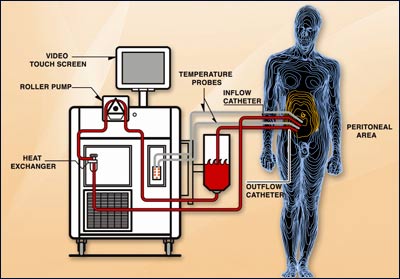
HIPEC involves using a using a heated sterile solution that is circulated throughout the abdominal cavity. With HIPEC treatment, patients are connected to a series of tubes and a pumping device that bathes the abdominal cavity for two hours with a heated sterile solution containing anticancer (chemotherapeutic) drugs. The high temperature of the chemotherapy increases the effect of the drug. The fluid goes through the abdomen to treat tumor cells that may remain after surgery. Both heat and direct contact with chemotherapy drugs kills the cancer cells.

Twenty-one patients were enrolled in this Phase I clinical trial. The maximum PLD dose evaluated in this trial was 100 mg/m² and was well tolerated. The most common grade 3/4 complications were superficial wound infection and prolonged ileus. One patient developed an anastomotic leak in the postoperative period, requiring re-exploration. The length of the median postoperative hospital stay was 7 days (range, 4-29 days), three patients required readmissions within 30 days, and there were no operative deaths.

The median follow-up time for was 13.7 months (range, 3-38 months). The median overall survival was 30.6 months with a median progression free survival (PFS) of 25 months. Based on these findings, the trial investigators concluded that HIPEC with PLD following maximal cytoreduction in patients with advanced abdominal-only, gastrointestinal or gynecologic malignancies is well tolerated. Moreover, the investigators stated that the encouraging survival period after cytoreduction and HIPEC with PLD suggests that a verification Phase II clinical trial is warranted.

For more information regarding the HIPEC procedure, go to HIPECTREATMENT.org. For a list of open clinical trials testing the HIPEC procedure using various chemotherapeutic agents, click here.

Sources:

Novel Cytotoxic Agents: Epothilones

The epothilones are effective antitumor medications for patients with cancer, including patients who have been previously treated with or are resistant to anthracyclines or the taxanes.

The epothilones are a novel class of antitumor medications, similar to the taxanes in some respects, but that also possess several advantages. Like taxanes, epothilones are believed to produce antitumor effects by binding to and stabilizing intracellular microtubules, which are essential in DNA replication and cell division. Several in vitro and animal studies have shown that the epothilones are more potent microtubule stabilizers than the taxanes, they are effective against cancer cell lines with high levels of drug resistance, and they induce the regression of taxane-resistant human tumors. Preclinical studies also have demonstrated synergistic increases in tumor cell killing when the epothilones are combined with other antitumor medications.

Epothilone B (patupilone/EPO906) has been evaluated in a series of phase I and II clinical trials, which demonstrated disease stabilization or objective responses in patients with a variety of cancers, including ovarian, prostate, breast, colon, stomach, and kidney cancers. This agent is currently being evaluated in phase III clinical trials. A second epothilone, ixabepilone (Ixempra™), was recently approved by the U.S. Food and Drug Administration (FDA) for the treatment of metastatic breast cancer. Ixabepilone was evaluated as a monotherapy for the treatment of breast cancer in phase II clinical trials of previously untreated patients and in taxane-experienced and taxane-resistant disease. A phase III clinical trial demonstrated that the combination of ixabepilone and capecitabine was superior to capecitabine alone in heavily pretreated, taxane-resistant patients. Ongoing clinical trials will continue to define the role of the epothilones in cancer therapy.

For a list of open clinical trials testing epothilones against ovarian cancer, click here.

[Source: Novel cytotoxic agents: epothilones; Goodin S., Am. J. Health Syst. Pharm. 2008 May 15;65(10 Suppl 3):S10-5.]

Survivorship A to Z: Practical Comprehensive Information For Living Successfully After a Cancer Diagnosis

On June 9, 2008, Survivorship A to Z, a new on-line resource for cancer survivors, was officially launched. The mission of Survivorship A to Z is to provide the practical information that you need to thrive in the “new normal” that exists after a life-changing cancer diagnosis. This on-line resource was founded by David S. Landay, who a graduate of the Wharton School of the University of Pennsylvania, and Harvard Law School.

Survivorship A to Z is a nonprofit corporation that provides comprehensive resources for cancer survivors including those listed below.

  • Get the practical information you need for all parts of your life impacted by your diagnosis in whatever depth you want – including downloadable forms.
  • Personalize information to your disease, stage, social and economic situation with a free, one-of-a-kind Individual Action Plan. Your plan is computer-generated. It changes as your health, economic or personal situation changes.
  • Start your own personal Symptoms Diary to keep track of your symptoms. With a touch of a button, you receive an instantly readable graph to show your doctor.
  • Use interactive charts to help maximize your financial situation. Health expenses account for over 50% of bankruptcies – including people with insurance.
  • Share information or concerns on the community Message Boards. Message boards are an invaluable source of shared information and support. Message boards are divided by categories such as Insurance, Finances and Employment (with separate boards for business owners, self-employed people and employees).

If you would like to watch the Good Morning America segment highlighting Survivorship A to Z that aired on June 11, 2008, click here. If you want review a list of topics covered by Survivorship A to Z, click here.

New Vascular Disrupting Agent In Combination With Avastin Produces a 64% Disease Stabilization Rate in a Small Phase I Solid Tumor Clinical Trial

In solid tumors, [vascular disrupting agents] VDA’s, such as ZYBRESTAT™, rapidly disrupt the vasculature within the tumor, reduce blood-flow, and deprive the tumor of oxygen and nutrients, resulting in tumor cell death. This disruption of the newly formed blood vessels contrasts with the action of anti-angiogenic therapies (e.g., bevacizumab/Avastin™), which are designed to prevent new blood vessel formation. … Specifically, Zybrestat™ was tested on advanced solid malignancies in Phase I clinical trial involving 14 patients. … Nine of fourteen patients experienced disease stabilization for greater than 12 weeks. Three patients experienced disease stabilization for greater than 24 weeks, with two of these patients continuing with stable disease at 47 and 29 weeks, respectively.

Based upon an abstract presentation made at the 2008 American Society of Clinical Oncology (ASCO) Annual Meeting recently held in Chicago on May 30th through June 3rd, the new vascular disrupting agent (VDA) Zybrestat™ (fosbretabulin) produced an advanced solid tumor disease stabilization rate of 64 percent.

Vascular disruption represents a new approach to a validated therapeutic strategy: depriving tumors of blood supply. In solid tumors, VDA’s, such as ZYBRESTAT™, rapidly disrupt the vasculature within the tumor, reduce blood-flow, and deprive the tumor of oxygen and nutrients, resulting in tumor cell death. This disruption of the newly formed blood vessels contrasts with the action of anti-angiogenic therapies (e.g., bevacizumab/Avastin™), which are designed to prevent new blood vessel formation. OXiGENE Inc. (OXiGENE) believes its VDA product candidates may offer advantages over current anti-angiogenic drugs, including superior efficacy and reduced side-effects.

In addition, there is a strong scientific rationale for combining VDA and anti-angiogenesis therapies. OXiGENE and its scientific collaborators have published preclinical research results showing that the combination of OXiGENE VDAs and certain anti-angiogenic drugs (i.e., monoclonal antibodies targeting vascular endothelial growth factor, or VEGF) have synergistic anti-tumor effects. Building upon these results, OXiGENE has undertaken the first-ever human clinical trial of a VDA (ZYBRESTAT) in combination with an anti-angiogenic agent (bevacizumab / AVASTIN.) The additional benefits of vascular disrupting agents include:

  • This method of treatment is designed to target newly formed abnormal blood vessels, rather than the established blood vessels found in healthy tissue, resulting in fewer side effects in the oncology setting than conventional disease treatments such as radiation and chemotherapy. VDAs are designed to address the complete spectrum of solid tumors, whereas other approaches, which directly target tumor cells, require the development of different drugs for different types of solid tumors.
  • VDAs are designed to target endothelial cells associated with new blood vessel formation, so drug resistant mutations are unlikely to occur.
  • Damaging one or two blood vessels can cause thousands of tumor cells to die.
  • The ability of VDAs to selectively target newly formed or abnormal blood vessels makes them well-suited for certain ocular diseases, such as age-related macular degeneration, in which the formation of new, abnormal blood vessels in the eye plays a key role in disease.

Specifically, Zybrestat™ was tested on advanced solid malignancies in Phase I clinical trial involving 14 patients. The patients were divided into three separate dosage cohorts, representing 45mg/m2 (cohort 1), 54mg/m2 (cohort 2) or 63mg/m2 (cohort 3) of Zybrestat™ every 14 days followed by bevacizumab (Avastin™) at a dosage of 10mg/kg four hours later. The study results indicated two grade 3/4 drug dosage limiting toxicities. Nine of fourteen patients experienced disease stabilization for greater than 12 weeks. Three patients experienced disease stabilization for greater than 24 weeks, with two of these patients continuing with stable disease at 47 and 29 weeks, respectively. Dynamic contrast-enhanced magnetic resonance imaging (DCE-MRI) showed statistically significant reductions in tumor perfusion/vascular permeability which reversed when Zybrestat™ was used as a monotherapy, but were sustained following the use of bevacizumab (Avastin™). The clinical trial investigators concluded that Zybrestat™ was safe and tolerable at the three dosage levels used, and noted that Zybrestat™ induced profound vascular changes in the solid tumor which were maintained by the presence of bevacizumab (Avastin™).

Sources:

Comment: ZYBRESTAT™ has broad potential therapeutic utility across a wide range of different solid tumor types, and can potentially be combined with mainstay oncology treatment modalities: chemotherapy, radiation therapy and newer, “molecularly-targeted therapies,” such as tumor angiogenesis inhibitors. Preclinical studies have demonstrated that ZYBRESTAT™ has synergistic or additive effects when incorporated in various combination regimens with all of these treatment modalities. There is a strong scientific rationale for combining ZYBRESTAT™ and tumor angiogenesis inhibiting drugs, and ZYBRESTAT™ is the first VDA to be tested in humans in combination with a tumor-angiogenesis-inhibiting drug (bevacizumab / AVASTIN®).

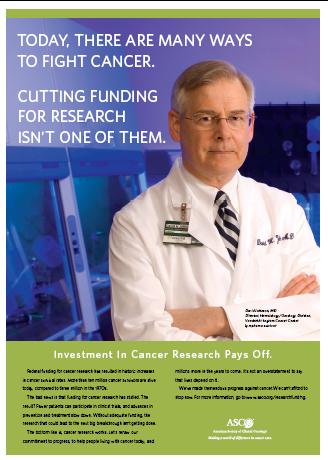
There Are Many Ways To Fight Cancer. Cutting Funding For Research Isn’t One of Them.

“ASCO and others in the biomedical research community are calling for Congress to increase funding for NIH by $1.9 billion (6.6%) in Fiscal Year 2009 to keep pace with medical research inflation, to reverse the effects of flat funding, and to sustain momentum in biomedical research.”

“Federal Research Funding


Increase Federal Research Funding. Make Your Voice Heard.
The fight against cancer needs your help.

Almost 1.5 million Americans will be diagnosed with cancer this year, and 1 American dies of the disease every minute.

But instead of increasing funding to find new and better cures, our nation’s commitment to funding cancer research is waning. In fact, adjusted for inflation, we have about $500 million less for cancer research than we did just five years ago.

Take Action Now. Sign ASCO’s petition to support increased funding for the National Institutes of Health and the National Cancer Institute.

Background:

The nation’s investment in cancer research is paying off. Cancer deaths are decreasing, survival rates are increasing and treatments are becoming more targeted and with fewer side-effects.

But the United States is in the midst of the longest sustained period of flat funding for cancer research. The budgets for the National Institutes of Health (NIH) and the National Cancer Institute (NCI) have been flat for 5 years. Adjusted for inflation (using the Biomedical Research and Development Price Index), the NIH budget has fallen 13 percent since 2003, and the NCI budget has fallen 12 percent since 2004.

Decline in NIH Purchasing Power: 1995-2007

(Source: Association of American Medical Colleges)

(ASCO Ad in USA Today, June 2, 2008 )

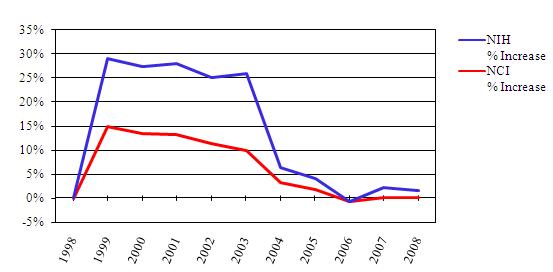
Annual Increase of NIH and NCI Appropriations 1998-2008

(Source: ASCO)

After years of progress, funding for NIH and NCI leveled off and actually decreased in recent years. From 1998 to 2003, funding for NCI increased by 80 percent, allowing for major advances in cancer research . Since that period of rapid growth, NCI’s budget has grown by an average of less than 1 percent annually. In FY 2006, NCI experienced a cut of almost 1 percent.

These declines in the value of NIH and NCI funding threaten to erode the extraordinary recent progress made in biomedical research over the past decade, at a time when scientific potential has never been greater.

ASCO Position:

ASCO and others in the biomedical research community are calling for Congress to increase funding for NIH by $1.9 billion, or 6.6 percent, in FY 2009, to keep pace with medical research inflation, to reverse the effects of flat funding and to sustain momentum in biomedical research. ASCO respects the professional judgment of the NCI in requesting a total of $5.26 billion (a $455 million increase over FY 2008 funding levels). ASCO will work to ensure that Congress approves the largest possible total funding increase to support NIH and cancer research. ASCO is also calling for funding increases over the next several years that at least keep pace with inflation to ensure that progress in cancer research continues.

ASCO Links of Interest:

Advocating for Change
ASCO Legislative Activities
ASCO’s Clinical Cancer Advances Report
Current Congressional Activities
Fact Sheet: “The Crisis in Cancer Research Funding”
Timeline: Progress in Cancer Research over the Past Four Decades

Other Links of Interest:

A Broken Pipeline? Flat funding of the NIH puts a generation of science at risk.
Lasker Foundation Papers on Economic Impact of Research Funding
NCI Report: The Nation’s Investment in Cancer Research
Research! America Cancer Fact Sheet
Research! America Fact Sheet: Four Reasons Congress Must Act Now To Support Health Research

[Quoted Source: ASCO Ad in USA Today Calls for Increased Research Funding, American Society of Clinical Oncology E-News, June 10, 2008.]

Canadian Women of Ashkenazi Jewish Ancestry Offered Free Testing For Cancer Gene Mutation

“One-thousand Canadian Jewish women are being offered a chance to take a free test to find out if they are at a high risk of developing breast and ovarian cancers. Scientists with Women’s College Research Institute will screen for three inherited breast cancer gene mutations common to people of Ashkenazi Jewish ancestry with the aim of preventing the disease. …”

“One-thousand Canadian Jewish women are being offered a chance to take a free test to find out if they are at a high risk of developing breast and ovarian cancers. Scientists with Women’s College Research Institute will screen for three inherited breast cancer gene mutations common to people of Ashkenazi Jewish ancestry with the aim of preventing the disease.

Adult Jewish women in Ontario, who have no known family history of breast or ovarian cancer, are being offered a blood test to screen for three specific mutations of the BRCA1 and BRCA2 genes, beginning this Thursday in Toronto. Jewish women with a family history of breast or ovarian cancer who have never been tested are also eligible. If expanding genetic testing to this group proves worthwhile, it could change the way the testing is offered across Canada by recognizing cancer risk due to ancestry.

The goal of the test is ‘to prevent cancer,’ said Steven Narod, director of the familial breast cancer research unit at Women’s College Research Institute. He said one in 44 Ashkenazi Jewish people carry the mutation compared to the general population in which an estimated one in 400 individuals carries a mutation in BRCA1 or BRCA2. According to UIA Federations Canada, most of Canada’s Jewish population is Ashkenazi — 327,360 out of a total of 370,055 — and about half of the Ashkenazi Jewish population, 165,175 — live in Toronto.

About 70 per cent of women who are BRCA1 mutation carriers will develop breast cancer by age 70 while 40 per cent will develop ovarian cancer by the same age. Those who carry the BRCA2 genetic mutation face the same breast cancer risk as those BRCA1 mutation carriers, but their risk of developing ovarian cancer is between 15 and 20 per cent by age 70, according to Narod’s group.”

[Quoted Source: Women of Ashkenazi Jewish Ancestry To Be Tested For Cancer Gene Mutation, Times & Transcript, May 28, 2008.]

Clinical Trial Investigators Aim to Make Ovarian Cancer Cells “Terminally Ill” By Giving Advanced Ovarian Cancer Patients a Common Virus

Oncolytics Biotech Inc. (“Oncolytics”) announced today that patient enrolment has started in a Phase 1/2 clinical trial for patients with metastatic ovarian, peritoneal and fallopian tube cancers using concurrent intravenous (IV) and intraperitoneal (IP)REOLYSIN®, Oncolytics’ proprietary formulation of the human reovirus. … A cell with an activated Ras Pathway, which has lost its ability to “turn off,” leads to uncontrolled cell growth. These mutations along the Ras pathway are found in approximately two-thirds of all human cancers. The virus in REOLYSIN® will invade Ras-activated cancer cells, where the virus is able to replicate until it kills the host tumor cell.  When the cancer cell dies, thousands of progeny virus particles are released, which then proceed to infect and kill adjacent cancer cells.

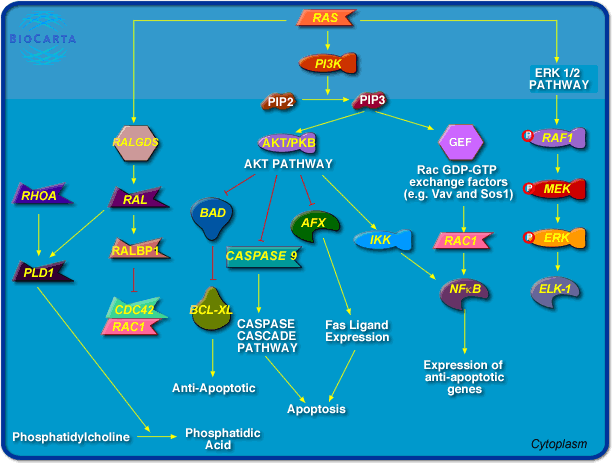
Oncolytics Biotech Inc. (“Oncolytics”) announced today that patient enrolment has started in a Phase 1/2 clinical trial for patients with metastatic ovarian, peritoneal and fallopian tube cancers using concurrent intravenous (IV) and intraperitoneal (IP) administration of REOLYSIN®, Oncolytics’ proprietary formulation of the human reovirus. Reovirus, an acronym for Respiratory Enteric Orphan virus, is generally believed to inhabit the respiratory and bowel systems in humans. Reovirus is found naturally in sewage and water supplies. By age 12, half of all children show evidence of reovirus exposure and by adulthood, most people have been exposed. However, the disease is non-pathogenic, meaning there are typically no symptoms from infections. The link to its cancer-killing ability was established after the reovirus was discovered to reproduce well in various cancer cell lines. Reoviruses are able to replicate only in cancer cells with an activated Ras pathway, without harming healthy cells. The Ras pathway is instrumental in transferring growth signals to the nucleus of a cell, telling the cell when and how to grow-much like an “on-off” switch.

A cell with an activated Ras Pathway, which has lost its ability to “turn off,” leads to uncontrolled cell growth. These mutations along the Ras pathway are found in approximately two-thirds of all human cancers. The virus in REOLYSIN® will invade Ras-activated cancer cells, where the virus is able to replicate until it kills the host tumor cell.  When the cancer cell dies, thousands of progeny virus particles are released, which then proceed to infect and kill adjacent cancer cells. The process is believed to continue until all infected cancer cells with activated Ras pathways have been infected and killed by the reovirus – all without causing the nausea, hair loss and other side effects associated with radiation and chemotherapy. More recently, Oncolytics discovered that tumor antigens generated by this virus may educate the immune system to recognize and kill tumor cells.

The National Cancer Institute (NCI), part of the National Institutes of Health, is sponsoring the trial under its Clinical Trials Agreement with Oncolytics, while Oncolytics will provide clinical supplies of REOLYSIN®. The Principal Investigator is Dr. David E. Cohn, Associate Professor, Division of Gynecologic Oncology at The Ohio State University College of Medicine in Columbus, Ohio.

“REOLYSIN® is an exciting agent to investigate in patients with ovarian cancer,” said Dr. Cohn. “Targeting a specific alteration commonly present in these tumors will hopefully lead to efficacy with minimal toxicity.”

“We are looking forward to working closely with the NCI to examine the effects of using REOLYSIN® with two concurrent methods of administration,” said Dr. Brad Thompson, President and CEO of Oncolytics. “Our REOLYSIN® clinical program has now expanded to include ten Phase 1/2 or Phase 2 trials in the U.S. and the U.K. using REOLYSIN® as a monotherapy or in combination with radiation or chemotherapy.”

In the Phase 1 portion of the trial, patients will receive a constant dose of IV REOLYSIN® on days 1-5 every 28 days, as well as an escalating dose of IP REOLYSIN® on days 1-2 every 28 days. In the Phase 2 portion of the study, patients will receive a constant dose of IV REOLYSIN® on days 1-5 every 28 days as well as the Maximum Tolerated Dose (MTD) of IP REOLYSIN® from the Phase 1 portion.

The primary objectives of the Phase 1 trial are to determine the safety and tolerability of IV and IP administration of REOLYSIN®, and the MTD of IP REOLYSIN® when used with a fixed dose of IV REOLYSIN®. The primary objective of the Phase 2 trial is to determine the objective response rate of treatment with IV and IP REOLYSIN® in patients with recurrent, platinum-refractory ovarian, peritoneal and fallopian tubal carcinomas. The Phase 1/2 trial is expected to enroll up to 70 patients.

[Source: Oncolytics Biotech Inc. Announces Start of Enrolment in Phase 1/2 Ovarian Cancer Clinical Trial with REOLYSIN®, Oncolytics Biotech Inc. News Release, June 10, 2008.]

Additional Information:

Voreloxin (SNS-595) Produces 48% Disease Stabilization in Treatment Resistant Ovarian Cancer Patients

Voreloxin (at a 48 mg/m² dosage) demonstrates single agent activity in advanced platinum-resistant ovarian cancer patients (24 patients with stable disease (SD) ≥90 days, 1 patent with complete response (CR), 5 patients with partial response (PR)) as evidenced by a 48% overall disease control rate (i.e., SD + PR + CR). The results are impressive because the disease control response population includes patients with primary and secondary platinum drug resistance who have failed prior treatment with pegylated liposomal doxorubicin (Doxil®, Caelyx®, Myocet®), gemcitabine (Gemzar®), topotecan (Hycamtin®), etoposide (Eposin®, Etopophos®, Vepesid®), bevacizumab (Avastin®), and/or other various experimental agents.

The H*O*P*E*™ weblog reported the early interim success of Voreloxin (formerly known as SNS-595) in Phase II clinical trial testing on March 15, 2008. Based upon an abstract presentation that will be made by Sunesis Pharmaceuticals today at the 2008 American Society of Clinical Oncology (ASCO) Annual Meeting, the success of Voreloxin continues, despite the fact that many of the ovarian cancer patients participating in the trial experienced significant drug/treatment resistance prior to enrollment.

Specifically, Voreloxin (at a 48 mg/m² dosage) demonstrates single agent activity in advanced platinum-resistant ovarian cancer patients (24 patients with stable disease (SD) ≥90 days, 1 patent with complete response (CR), 5 patients with partial response (PR)) as evidenced by a 48% overall disease control rate (i.e., SD + PR + CR). The results are impressive because the disease control response population includes patients with primary and secondary platinum drug resistance who have failed prior treatment with pegylated liposomal doxorubicin (Doxil®, Caelyx®, Myocet®), gemcitabine (Gemzar®), topotecan (Hycamtin®), etoposide (Eposin®, Etopophos®, Vepesid®), bevacizumab (Avastin®), and/or other various experimental agents. Approximately 79% of the patient population that experienced disease control with Voreloxin at a 48mg/m² dosage received between two to four prior lines of treatment. In addition, one patient who experienced a partial response to Voreloxin at the 48 mg/m² dosage had a tumor histology identified as clear cell ovarian cancer — an aggressive form of ovarian cancer that is generally resistant to traditional therapies. It appears that there are 11 clear cell ovarian cancer patients participating in the Voreloxin Phase II trial (i.e., 7 patients in the 48 mg/m² dosage arm, and 4 patients in the 60 mg/m² dosage arm); however, there are no specific results reported for these patients (other than the one partial responder) in the 2008 ASCO Annual Meeting abstract presentation data.

Due to the earlier success of Voreloxin prior to March 15th, the trial investigators enrolled 21 new patients into the Phase II trial for purposes of testing Voreloxin at a 60 mg/m² dosage. Because these newer patients only received two cycles of Voreloxin at the higher dosage to date, they were not evaluated officially for purposes of the 2008 ASCO Annual Meeting abstract presentation data. The grade 3/4 adverse effects of Voreloxin at both dosages are reported as relatively low, therefore, trial investigators incorporated a 75 mg/m² dosage escalation into the current Phase II trial. The investigators do not indicate how many patients (currently enrolled or newly recruited) will participate in the 75 mg/m² dosage arm. Currently, a total of 86 ovarian cancer patients are enrolled in the Voreloxin Phase II trial (65 patients in the 48 mg/m² dosage arm; 21 patients in the 60 mg/m² dosage arm).

[Sources: “A Phase 2 Trial of Voreloxin (Formerly SNS-595) in Women with Platinum-Resistant Epithelial Ovarian Cancer,” 2008 American Society of Clinical Oncology Annual Meeting Presentation, May 31, 2008 (Adobe Reader PDF Document). See also, “A phase II trial of SNS-595 in women with platinum resistant epithelial ovarian cancer,” W. P. McGuire et. al., J Clin Oncol 26: 2008 (May 20 suppl; abstr 5582) (2008 ASCO Annual Mtg. Abstract); “A Phase 2 Open-Label, Multicenter Study of SNS-595 Injection in Patients With Platinum-Resistant Ovarian Cancer, National Cancer Institute ID# NCT00408603 (sets forth original Voreloxin (SNS-595) Phase II clinical trial protocol).

Updates: