ProLindac Produces 66% Disease Stabilization In Heavily-Pretreated Patients Within Phase II Study High Dose Groups

“… ACCESS PHARMACEUTICALS, INC. … , announced today positive safety and efficacy results from its Phase 2 monotherapy clinical study of ProLindac(TM) in late-stage, heavily pretreated ovarian cancer patients. In this monotherapy study 66% of patients who received the highest dose achieved clinically meaningful disease stabilization according to RECIST [Response Evaluation Criteria in Solid Tumors] criteria. No patient in any dose group exhibited any signs of acute neurotoxicity, which is a major adverse side-effect of the approved DACH platinum, Eloxatin, and ProLindac was well tolerated overall. The maximum tolerated dose of ProLindac was established as well as the recommended dose levels for future combination studies. …”

66% of evaluable heavily-pretreated patients in the high dose groups achieved disease stabilization. ProLindac was well tolerated overall.

DALLAS, March 5 /PRNewswire-FirstCall/ — ACCESS PHARMACEUTICALS, INC. (OTCBB: ACCP), announced today positive safety and efficacy results from its Phase 2 monotherapy clinical study of ProLindac(TM) in late-stage, heavily pretreated ovarian cancer patients. In this monotherapy study 66% of patients who received the highest dose achieved clinically meaningful disease stabilization according to RECIST [Response Evaluation Criteria in Solid Tumors] criteria. No patient in any dose group exhibited any signs of acute neurotoxicity, which is a major adverse side-effect of the approved DACH platinum, Eloxatin, and ProLindac was well tolerated overall. The maximum tolerated dose of ProLindac was established as well as the recommended dose levels for future combination studies.

‘We are very pleased with these results. ProLindac was well tolerated in an absolute sense and relative to commercially-available platinum therapies. We saw significant DACH platinum activity and efficacy in patients at the highest dose levels which is very encouraging given that this study involved monotherapy in a heavily pretreated patient population that typically only respond to an aggressive drug combination,’ commented Dr. David Nowotnik, Access’ Senior Vice President R&D. ‘The DACH platinum activity level seen benchmarked favorably with published studies of monotherapy oxaliplatin in similar but less heavily pre-treated patient populations. Having achieved the recommended dose for future combination studies, we look forward to moving ahead in the clinic ourselves and with our regional partners.’

This 26 patient Phase 2 study explored 3 different dose levels and 2 dosing regimens of ProLindac as a monotherapy treatment for advanced ovarian cancer, to provide data on the monotherapy anticancer activity and safety of ProLindac. Of patients eligible for evaluation according to standard RECIST criteria, clinically-meaningful disease stabilization was achieved in 42% of all patients, and 66% of all patients in the higher dose groups. Sustained and significant reductions in Ca-125, the established specific serum marker for ovarian cancer, were also observed in several patients.

‘We are delighted that the results from this study support our belief that ProLindac is an active platinum agent with a favorable side effect profile,’ stated Jeffrey B. Davis, Access’ President & CEO. ‘These data provide us with a strong incentive to continue the clinical development of ProLindac. As previously announced, we are currently planning a number of combination trials, looking at combining ProLindac with other cancer agents, such as taxol and gemcitabine, in multiple solid tumor indications including colorectal and ovarian.’

Access has previously announced that it has licensed ProLindac to Jiangsu Aosaikang Pharmaceutical Co., Ltd. (“ASK”) for the Greater China Region and to JCOM, Ltd for South Korea. Under these agreements both of these partners will be conducting Phase 2 combination studies with ProLindac in specific tumor types at their expense based on these results. Access is currently in discussion with potential partners for development and commercialization of ProLindac in additional territories.

About ProLindac(TM):

ProLindac is a novel DACH platinum prodrug which has been shown to be active in a wide variety of solid tumors in both preclinical models and in human trials. Access believes that ProLindac’s unique molecular design potentially could eliminate some of the toxic side effects seen in the currently marketed DACH platinum, Eloxatin, which has sales in excess of $2 billion.

About Access:

Access Pharmaceuticals, Inc. is an emerging biopharmaceutical company that develops and commercializes propriety products for the treatment and supportive care of cancer patients. Access’ products include ProLindac(TM), currently in Phase 2 clinical testing of patients with ovarian cancer, and MuGard(TM) for the management of patients with mucositis. The company also has other advanced drug delivery technologies including Cobalamin(TM)-mediated targeted delivery and oral drug delivery, its proprietary nanopolymer delivery technology based on the natural vitamin B12 uptake mechanism; Angiolix(R), a humanized monoclonal antibody which acts as an anti-angiogenesis factor and is targeted to breast cancer; Prodrax(R), a non-toxic prodrug which is activated in the hypoxic zones of solid tumors to kill cancer cells; Alchemix, a chemotherapeutic agent that combines multiple modes of action to overcome drug resistance. Access is also developing Phenylbutyrate (“PB”), an HDAC inhibitor and differentiating agent currently a Phase 2 clinical candidate. Access recently announced the acquisition of MacroChem Corporation. This acquisition provides Access with three additional late-stage product candidates. Pexiganan, a novel topical anti-infective for the treatment of diabetic foot infection, has already completed two Phase 3 trials. EcoNail is a topically applied econazole lacquer based on Access’ proprietary SEPA polymer technology, for the treatment of onychomycosis, a condition commonly known as nail fungus. Thiarabine is a new generation nucleoside analog which has demonstrated both pre-clinical and clinical activity in certain cancers. For additional information on Access Pharmaceuticals, please visit our website at www.accesspharma.com.

This press release contains certain statements that are forward-looking within the meaning of Section 27a of the Securities Act of 1933, as amended, and that involve risks and uncertainties. These statements include those relating to: clinical trial plans and timelines and clinical results for ProLindac and product candidates acquired in the MacroChem transaction, our ability to execute licensing agreements in the future, Access’ plans to continue and initiate clinical trials, the value of its products in the market, its ability to achieve clinical and commercial success and its ability to successfully develop marketed products. These statements are subject to numerous risks, including but not limited Access’ need to obtain additional financing in order to continue the clinical trial and operations and to the risks detailed in Access’ Annual Reports on Form 10-K and other reports filed by Access with the Securities and Exchange Commission.”

Quoted Source66% of evaluable heavily-pretreated patients in the high dose groups achieved disease stabilization. ProLindac was well tolerated, Press Release, lAccess Pharmaceuticals, Inc., March 5, 2009.

Evaluation of Neoadjuvant Chemotherapy and Debulking Followed by Intraperitoneal Chemotherapy in Women with Stage III and IV Epithelial Ovarian, Fallopian Tube or Primary Peritoneal Cancer

It is well known that intraperitoneal (IP) chemotherapy prolongs survival in optimally cytoreduced (or debulked) ovarian cancer patients.  For patients who can not be optimally debulked, it is possible to administer neoadjuvant chemotherapy to place that patient in a position to be optimally debulked (i.e., 1 cm or less of residual disease post surgery) , thereby allowing the use of post-surgery IP chemotherapy (assuming optimal cytoreduction is achieved through surgery). This theory was tested in a Phase II clinical study (S0009) conducted by the Southwest Oncology Group (SOG). …

It is well known that intraperitoneal (IP) chemotherapy prolongs survival in optimally cytoreduced (or debulked) ovarian cancer patients.  For patients who can not be optimally debulked, it is possible to administer neoadjuvant chemotherapy to place that patient in a position to be optimally debulked (i.e., 1 cm or less of residual disease post surgery) , thereby allowing the use of post-surgery IP chemotherapy (assuming optimal cytoreduction is achieved through surgery). This theory was tested in a Phase II clinical study (S0009) conducted by the Southwest Oncology Group (SOG).

In SOG Study S009, researchers sought to evaluate overall survival (OS), progression-free survival (PFS), percentage of patients optimally debulked, and toxicity in Stage III/IV ovarian cancer patients treated with this strategy.

As part of the study, women with stage III/IV (pleural effusions only in stage IV) epithelial ovarian cancer, and fallopian tube or primary peritoneal carcinoma that presented with bulky disease were treated with neoadjuvant intravenous (IV) paclitaxel and carboplatin.  If, after neoadjuvant IV chemotherapy, the patient experienced a 50% or greater decrease in her CA125 tumor marker, cytoreduction surgery was performed.  If optimal debulking was achieved, the patient received IV paclitaxel, IP carboplatin and IP paclitaxel post-surgery.

The results of the study are set forth below.

  • 62 patients were registered for the study, of which four were ineligible.
  • 56 patients were evaluated for neoadjuvant chemotherapy toxicities. One patient died of pneumonia. Five patients had grade 4 toxicity, including neutropenia, anemia, leukopenia, anorexia, fatigue, muscle weakness, respiratory infection, and cardiac ischemia.
  • 36 patients received debulking surgery, and two patients had grade 4 hemorrhage.
  • 26 patients received post-cytoreduction chemotherapy. Four had grade 4 neutropenia.
  • At a median follow-up of 21 months, median PFS is 21 months and median OS is 32 months for all 58 patients.
  • PFS and OS for the 26 patients who received IV/IP chemotherapy is 29 and 34 months, respectively

The researchers performing the study concluded that the results compare favorably with other studies of sub-optimally debulked (i.e., >1 cm of residual disease post surgery) patients.

Primary SourcePhase II evaluation of neoadjuvant chemotherapy and debulking followed by intraperitoneal chemotherapy in women with stage III and IV epithelial ovarian, fallopian tube or primary peritoneal cancer: Southwest Oncology Group Study S0009; Tiersten AD, Liu PY, Smith HO et. al., Gynecol Oncol. 2009 Mar;112(3):444-9. Epub 2009 Jan 12.

Sometimes More Is Less: Evaluation of Experimental Platinum-Based Treatment Regimens in Advanced-Stage Ovarian Cancer; A Phase III Trial of the Gynecologic Cancer InterGroup

“… Compared with standard paclitaxel and carboplatin, addition of a third cytotoxic agent [gemcitibine, liposomal doxorubicin or topotecan] provided no benefit in PFS [progression-free survival] or OS [overall survival] after optimal or suboptimal cytoreduction. Dual-stage, multiarm, phase III trials can efficiently evaluate multiple experimental regimens against a single reference arm. The development of new interventions beyond surgery and conventional platinum-based chemotherapy is required to additionally improve outcomes for women with advanced EOC.”

“Michael A. Bookman,* Mark F. Brady, William P. McGuire, Peter G. Harper, David S. Alberts, Michael Friedlander, Nicoletta Colombo, Jeffrey M. Fowler, Peter A. Argenta, Koen De Geest, David G. Mutch, Robert A. Burger, Ann Marie Swart, Edward L. Trimble, Chrisann Accario-Winslow, and Lawrence M. Roth

From the Fox Chase Cancer Center, Philadelphia, PA; Gynecologic Oncology Group Statistical and Data Center, Buffalo, NY; Franklin Square Hospital; Baltimore, MD; Guy’s Hospital, London, United Kingdom; Arizona Cancer Center, Tucson, AZ; Australia New Zealand Gynaecological Oncology Group, Camperdown, Australia; European Institute of Cancer Research, Milano, Italy; Ohio State University, Columbus, OH; University of Minnesota School of Medicine, Minneapolis, MN; University of Iowa Hospitals and Clinics, Iowa City, IA; Washington University School of Medicine, St. Louis, MO; University of California, Irvine Medical Center, Orange, CA; University College London and Medical Research Council Clinical Trials Unit, London, United Kingdom; National Cancer Institute, Bethesda, MD; and Indiana University School of Medicine, Indianapolis, IN.

* To whom correspondence should be addressed. E-mail: michael.bookman@fccc.edu

Purpose: To determine if incorporation of an additional cytotoxic agent improves overall survival (OS) and progression-free survival (PFS) for women with advanced-stage epithelial ovarian carcinoma (EOC) and primary peritoneal carcinoma who receive carboplatin and paclitaxel.

Patients and Methods: Women with stages III to IV disease were stratified by coordinating center, maximal diameter of residual tumor, and intent for interval cytoreduction and were then randomly assigned among five arms that incorporated gemcitabine, methoxypolyethylene glycosylated liposomal doxorubicin, or topotecan compared with carboplatin and paclitaxel. The primary end point was OS and was determined by pairwise comparison to the reference arm, with a 90% chance of detecting a true hazard ratio of 1.33 that limited type I error to 5% (two-tail) for the four comparisons.

Results: Accrual exceeded 1,200 patients per year. An event-triggered interim analysis occurred after 272 events on the reference arm, and the study closed with 4,312 women enrolled. Arms were well balanced for demographic and prognostic factors, and 79% of patients completed eight cycles of therapy. There were no improvements in either PFS or OS associated with any experimental regimen. Survival analyses of groups defined by size of residual disease also failed to show experimental benefit in any subgroup.

Conclusion: Compared with standard paclitaxel and carboplatin, addition of a third cytotoxic agent provided no benefit in PFS or OS after optimal or suboptimal cytoreduction. Dual-stage, multiarm, phase III trials can efficiently evaluate multiple experimental regimens against a single reference arm. The development of new interventions beyond surgery and conventional platinum-based chemotherapy is required to additionally improve outcomes for women with advanced EOC.”

Quoted Source Evaluation of New Platinum-Based Treatment Regimens in Advanced-Stage Ovarian Cancer: A Phase III Trial of the Gynecologic Cancer InterGroup; Bookman MA et. al., J Clin Oncol. 2009 Feb 17. [Epub ahead of print].

Libby’s H*O*P*E*(tm) Adds New Cancer Video Archive Courtesy of Vodpod.com

Yesterday, Libby’s H*O*P*E* added a new cancer video archive to the weblog courtesy of Vodpod.com.  Currently, the archive contains approximately 90 videos that address many general cancer and ovarian cancer issues, as well as the personal voices of those affected by cancer. The new video archive is located on the homepage right sidebar.  All you have to do is “click and play.”
vodpod-logoYesterday, Libby’s H*O*P*E* added a new cancer video archive to the weblog courtesy of Vodpod.com.  Currently, the archive contains approximately 90 videos that address many general cancer and ovarian cancer issues, as well as the personal voices of those affected by cancer. The new video archive is located on the homepage right sidebar.  All you have to do is “click and play.”  The video arrangement is set to “random order” so that new videos appear on the homepage sidebar each time you visit Libby’s H*O*P*E*.

If you are aware of a general cancer/ovarian cancer video that is educational, heartfelt, inspirational, humorous, poignant, or is simply dedicated to the one you love, please provide us with the URL address of the video.  The URL video address can be sent to us by email (click on the “contact” button located at the top of the homepage), or by comment (post a comment under this post).  Upon receipt of the video URL address, we will add the referenced video to the new archive.  We appreciate your participation in adding to our video archive and hope you find the archive helpful.

Endocyte Begins Phase II Clinical Trial of EC145 for Treatment of Women with Platinum Resistant Ovarian Cancer

Endocyte Inc. has announced the initiation of a randomized Phase II clinical study of the company’s investigational drug EC145 in women with platinum-resistant ovarian cancer. The phase II trial, also called the “PRECEDENT study,” will evaluate the efficacy and safety of EC145 when administered in combination with pegylated liposomal doxorubicin (PLD). …The PRECEDENT study will enroll 122 subjects and involve more than 50 clinical centers in the U.S., Canada, and Europe. … EC145 links a very potent anticancer drug to the vitamin folate, which is required for cell division. Rapidly dividing cancer cells over-express folate receptors to capture enough folate to support cell division. By combining a chemotherapy drug with folate, EC145 targets cancer cells while avoiding normal cells. This targeted approach is designed to provide treatment with more potent drugs with lower toxicity.”

″WEST LAFAYETTE, IN. – February 19, 2009 – Endocyte Inc. has announced the initiation of a randomized Phase II clinical study of the company’s investigational drug EC145 in women with platinumresistant ovarian cancer. The phase II trial, also called the “PRECEDENT study,” will evaluate the efficacy and safety of EC145 when administered in combination with pegylated liposomal doxorubicin (PLD).  PLD is widely used as a standard therapy for women with platinum-resistant ovarian cancer. The efficacy and safety of the combination of EC145/PLD  will be compared to treatment with PLD without EC145. Ovarian cancer is the fifth most common cancer among women in the United States and the leading cause of death due to cancer of the female reproductive system. The PRECEDENT study will enroll 122 subjects and involve more than 50 clinical centers in the U.S., Canada, and Europe. Trial details can be found at www.endocyte.com and http://www.clinicaltrials.gov.  EC145 links a very potent anticancer drug to the vitamin folate, which is required for cell division. Rapidly dividing cancer cells over-express folate receptors to capture enough folate to support cell division. By combining a chemotherapy drug with folate, EC145 targets cancer cells while avoiding normal cells. This targeted approach is designed to provide treatment with more potent drugs with lower toxicity.

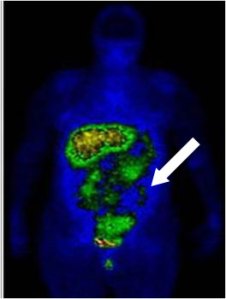
  Advanced Ovarian Cancer - Imaging folate-receptors cancer cells using EC20 (folate-Tc99m). Source:  Endocyte

Advanced Ovarian Cancer - Imaging folate-receptors cancer cells using EC20 (folate-Tc99m). Source: Endocyte

In addition to EC145, patients in the PRECEDENT trial will also be treated with a new molecular imaging agent called EC20 developed by Endocyte. By targeting folate receptors, EC20 imaging agent allows clinicians to identify tumors that overexpress the folate receptor. Using EC20, doctors may be able to identify, in advance, those patients who will benefit from EC145 therapy. According to Dr. Wendel Naumann of the Blumenthal Cancer Center, Carolinas Medical Center and principal investigator for the PRECEDENT study, ‘Patients with advanced, platinum resistant, ovarian cancer are in need of therapy that does not result in significant toxicity. The earlier clinical studies of EC145 were encouraging because they indicated that clinicians could use EC20 to identify women whose tumors expressed the molecular target of EC145. Therapy with EC145 might benefit these patients without causing significant additional toxicity.’ ‘The start of the PRECEDENT study is another important validation of Endocyte’s promising DGS [Drug Guidance System] technology platform,” said Dr. Richard Messmann, Endocyte’s vice president for medical affairs. ‘This also represents an important milestone in Endocyte’s efforts to develop a range of new drugs and predictive medicine tools to treat cancer and other serious diseases in the years ahead. ‘

About Endocyte
Endocyte is a privately-held biotechnology company with headquarters in the Purdue Research Park of West Lafayette, IN. Based on the applications of Endocyte’s advanced proprietary Drug Guidance System (DGS), the Company is working to develop new drugs and diagnostic agents to treat many types of cancer and other serious diseases. The DGS platform makes it possible to use highly-potent drugs on extended and frequent dosing schedules and in combination with other drugs to maximize efficacy. The technology improves drug targeting and reduces the risk of side effects by combining drugs with ligands that are able to identify and attach to receptors found on tumor and other disease cells. Endocyte is currently conducting three separate Phase 2 clinical trials for its lead compound, EC145, together with EC20, a companion molecular imaging agent, for the treatment of ovarian cancer and non-small cell lung cancer. Other clinical-stage products in the Endocyte pipeline include: EC0225, a combination of two potent anticancer drugs; BMS493, a potent drug being developed in partnership with Bristol-Myers Squibb; EC17, a targeted immunotherapy agent; and EC0489, a targeted cancer drug. The Company also has multiple product candidates in pre-clinical stage development.  This press release contains “forward-looking statements” as that term is defined in the Private Securities Litigation Reform Act of 1995. These statements are based on management’s current expectations and involve significant risks and uncertainties that may cause results to differ materially from those set forth in the statements. We undertake no obligation to publicly update any forwardlooking statement, whether as a result of new information, future events, or otherwise.

Contacts:
Vickey Buskirk, media relations, Endocyte Inc., (765) 463-7175 ext. 1117, vbuskirk@endocyte.com”

Quoted Source: ENDOCYTE BEGINS PHASE II CLINICAL TRIAL OF EC145 FOR TREATMENT OF WOMEN WITH OVARIAN CANCER, News Release, February 19, 2009 (PDF Document).

Other Sources:

Additional Resources:


Combination Targeted Therapy With Sorafenib & Bevacizumab Shows Antitumor Activity

The results from a recent Phase I solid tumor clinical trial indicate that combination targeted therapy with sorafenib and bevacizumab produces anti-tumor activity (and enhanced toxicity) with respect to 43% of the ovarian cancer patients enrolled in that trial. Sorafenib (Nexavar®) inhibits the Raf kinase and vascular endothelial growth factor (VEGF) receptor. Bevacizumab (Avastin®) is a monoclonal antibody targeted against VEGF.

Dr. Elise Kohn, Principal Trial Investigator, NCI Center for Cancer Research

Dr. Elise Kohn, Principal Trial Investigator, NCI Center for Cancer Research

The results from a recent Phase I solid tumor clinical trial indicate that combination targeted therapy with sorafenib and bevacizumab produces antitumor activity (and enhanced toxicity) with respect to 43% of the ovarian cancer patients enrolled in that trial. Sorafenib (Nexavar®) inhibits the Raf kinase and vascular endothelial growth factor (VEGF) receptor. Bevacizumab (Avastin®) is a monoclonal antibody targeted against VEGF. The trial is sponsored by the National Cancer Institute (NCI) and Elise Kohn is the principal trial investigator.

The patients enrolled in the trial had advanced solid tumors, with Eastern Cooperative Oncology Group performance status of 0 to 1. A phase I dose-escalation trial of sorafenib and bevacizumab was initiated at below-recommended single-agent doses because of possible overlapping toxicity: sorafenib 200 mg orally twice daily and bevacizumab intravenously at 5 mg/kg (dose level (DL1)) or 10 mg/kg (dose level (DL2)) every 2 weeks. Additional patients were enrolled at the maximum-tolerated dose (MTD).

Thirty-nine patients were treated under the trial protocol. DL1 was the MTD and was administered to 27 patients. Dose-limiting toxicity in DL2 was grade 3 proteinuria and thrombocytopenia. Adverse events included hypertension, hand-foot syndrome, diarrhea, transaminitis, and fatigue. Partial responses (PRs) were seen in six (43%) of 13 patients with ovarian cancer (response duration range, 4 to 22+ months) and one of three patients with renal cell cancer (response duration, 14 months). PR or disease stabilization ≥ 4 months (median, 6 months; range, 4 to 22+ months) was seen in 22 (59%) of 37 assessable patients. The majority (74%) required sorafenib dose reduction to 200 mg/orally at a median of four cycles (range, one to 12 cycles).

The trial investigators concluded that combination therapy with sorafenib and bevacizumab has promising clinical activity, especially in patients with ovarian cancer. The trial investigators also noted that the rapidity and frequency of sorafenib dose reductions indicates that sorafenib at 200 mg twice daily with bevacizumab 5 mg/kg every 2 weeks may not be tolerable long term, and alternate sorafenib dosing schedules should be explored.

Source: Combination targeted therapy with sorafenib and bevacizumab results in enhanced toxicity and antitumor activity; Azad NS et. al., J Clin Oncol. 2008 Aug 1;26(22):3709-14.

Additional Information:

The Emerging Field of Oncofertility

“Welcome to the burgeoning world of oncofertility. As cancer survival rates climb and patients focus on quality-of-life issues, especially fertility, Dauer and others like her are forcing two very different medical specialties-oncology and assisted reproduction-to come together. ‘The narrative of cancer is no longer that it’s a death sentence; it’s a bump in your medical history that you overcome and go back to what we hope is a healthy lifestyle,’ says Teresa Woodruff of Northwestern University’s Feinberg School of Medicine …”

“When Annie Dauer’s oncologist told her she’d need a stem-cell transplant to cure her non-Hodgkin’s lymphoma, Dauer’s first thought wasn’t about death but about life. ‘I asked what would happen to my fertility,’ she says. Her oncologist dismissed the question: ‘Honey, you’re fighting for your life; forget the fertility at this point,’ she told me. But Dauer, then 30 and newly married, pressed the subject until the oncologist referred her to a fertility specialist. Since Dauer’s chemotherapy regimen would most likely destroy her body’s egg supply, the specialist, in an experimental procedure, removed one of her ovaries, froze it and reimplanted it when Dauer recovered. Three years later, Dauer, now cancer-free, and her husband, Greg, have a 2-year-old daughter, Sienna, and a second baby on the way.

Welcome to the burgeoning world of oncofertility. As cancer survival rates climb and patients focus on quality-of-life issues, especially fertility, Dauer and others like her are forcing two very different medical specialties-oncology and assisted reproduction-to come together. ‘The narrative of cancer is no longer that it’s a death sentence; it’s a bump in your medical history that you overcome and go back to what we hope is a healthy lifestyle,’ says Teresa Woodruff of Northwestern University‘s Feinberg School of Medicine, who last fall received a first-of-its-kind $21 million NIH grant to develop ways of protecting cancer patients’ reproductive health.

Of the 125,000 people under the age of 45 who are diagnosed with cancer each year, roughly half will receive treatments that will affect their fertility. The cancers that most commonly strike the young-leukemias, lymphomas and breast cancers-require some of the most toxic forms of chemotherapy, which target rapidly growing and fragile cells like hair follicles, sperm and eggs. The good news: patients who would like to become parents have a growing array of options. Men are benefiting from a procedure that allows urologists to find a single live sperm to bank, which can then be used in an in vitro fertilization method that requires just one sperm. Women can freeze eggs or ovarian tissue, though success rates are still low. Those with partners (or donor sperm) can freeze embryos, the procedure with the best track record, though, like egg freezing, it’s available only to patients who have two to six weeks before starting treatment. On the horizon are less toxic chemotherapy agents as well as methods of shielding eggs and sperm from harm.

Up to now, few oncologists passed this vital information to patients, either because they were not aware of fertility advances, or because they were understandably preoccupied with saving lives. As the field grows (at least 50 centers now provide oncofertility services), more cancer docs are tackling the issue, and even altering treatments to aid fertility. Advocacy groups like Fertile Hope, which educate cancer patients about assisted reproduction, deserve credit for spreading the word. ‘It’s being talked about more,’ says Nancy Lin, an oncologist at Boston’s Dana-Farber Cancer Institute. ‘There’s a growing awareness among doctors, and patients are more proactive.’

Two years after Dauer completed her cancer treatment, her doctor, Kutluk Oktay, founder of New York City’s Institute for Fertility Preservation, sutured a one-inch strip of ovary, containing tens of thousands of microscopic eggs, under the skin just below Dauer’s belly button. ‘Every month, I would feel little eggs, sometimes pea-sized, sometimes as big as a quarter,’ says Dauer. Normally, Oktay, who pioneered this procedure, would have harvested mature eggs, fertilized them with Greg’s sperm and implanted them into Dauer’s uterus. But in an unexpected development, Dauer became pregnant naturally; somehow, the implanted ovary jump-started her remaining, inactive ovary and she began to ovulate. Oktay is at a loss for an explanation. ‘The healthy ovary may contain signals or hormones that may enable the [dormant] ovary to regenerate eggs,’ says Oktay. ‘That’s the theory, other than a miracle.’

When cancer’s involved, even joy can be shadowed by uncertainty. Ronny Villarreal, 32, survived breast cancer, then, with her oncologist’s OK, stopped a common hormone-suppressing treatment early in order to conceive. Unfortunately, the cancer recurred during her second trimester of pregnancy. Villarreal’s daughter, Maddy Hunt, now 4 months old, is healthy, but Villarreal is facing more chemotherapy and a cloudy prognosis. ‘We are trying our hardest to stay positive,’ she says. ‘We have so much to live for.’ More, certainly, than if she never had the chance to get pregnant at all.”

Quoted Source: Survive Cancer, Have Baby – The emerging field of oncofertility offers hope to patients who worried that they couldn’t conceive, by Anna Kuchment, Medicine, Newsweek Magazine, Published July 26, 2008 (From the magazine issue dated Aug 4, 2008).

Additional Resources:

Non-Platinum Topotecan Drug Combination Therapy Provides No Survival Advantage Over Topotecan Monotherapy

“In women with recurrent ovarian cancer, treatment with topotecan along with etoposide or gemcitabine offers no survival advantage over topotecan monotherapy, German and Austrian researchers report in the July 1st issue of the Journal of Clinical Oncology.”

“In women with recurrent ovarian cancer, treatment with topotecan along with etoposide or gemcitabine offers no survival advantage over topotecan monotherapy, German and Austrian researchers report in the July 1st issue of the Journal of Clinical Oncology.

‘Combination therapies,’ lead investigator Dr. Jalid Sehouli told Reuters Health, ‘were associated with higher toxicity, but progression-free survival and overall survival were not significantly different.’

Dr. Sehouli, of Humboldt University in Berlin, and colleagues explain in their paper that although topotecan monotherapy is an established treatment, there was evidence to suggest that combination therapy may provide better results.

To investigate further, the researchers studied 502 women in whom ovarian cancer recurred following primary surgery and platinum-based chemotherapy. They were randomized to receive either topotecan alone or in combination with etoposide or gemcitabine.

Median overall survival was not significantly different among the groups: 17.2 months with topotecan alone, 17.8 months with the etoposide combination and 15.2 months with the gemcitabine combination. There were no differences in either median progression-free survival or objective response rates.

The researchers note that the incidence of thrombocytopenia was lower with monotherapy (13.5%) than with the etoposide combination (21.5%) or gemcitabine combination (31.3%), and they conclude that combination therapy increases toxicity and does not provide a survival advantage.

‘Based on our results,’ Dr. Sehouli warns, ‘physicians should not harm their patients with such combination regimens.’”

Quoted Source: Topotecan Combo No Extra Help in Ovarian Cancer, by David Douglas, Matria Healthcare News, July 28, 2008 (summarizing the findings of Nonplatinum topotecan combinations versus topotecan alone for recurrent ovarian cancer: results of a phase III study of the North-Eastern German Society of Gynecological Oncology Ovarian Cancer Study Group; Sehouli J et. al., J Clin Oncol. 2008 July;26(19):3176-82.

Additional Information:

Increased Worldwide Focus on the Safety of Drugs Used To Treat Chemotherapy-Related Anemia

Over the past month, there was considerable press coverage regarding the safety and proper use of epoetin alfa (marketed as Epogen® & Procrit®) and darbepoetin (marketed as Aranesp®). Both drugs are erythropoiesis-stimulating agents (ESAs).

This controvery began between December 2006 and February 2007, when the U.S. Food and Drug Administration (FDA) was made aware of several studies in cancer patients that showed higher mortality or shorter time to tumor progression in patients randomized to receive an ESA as compared to placebo. Some of the trials dosed patients in the ESA treatment group to achieve hemoglobin levels ≥ 12 g/dl (higher than recommended on the ESAs drug box labeling). Other trials included anemic patients who were not on chemotherapy or radiotherapy. These studies were discussed at a May 10, 2007 meeting of the Oncology Drug Advisory Committee of the FDA (ODAC). The ODAC recommended additional restrictions in the labeling for ESAs including: (i) specific tumor types for which adverse safety signals were observed with the use of an ESA, (ii) instructions for hemoglobin trigger level-based dose modification/suspension, and (iii) instruction to discontinue use of ESAs upon completion of chemotherapy.

With respect to cancer the FDA recommendations to healthcare professionals include the following:

  • ESAs shortened the overall survival and/or time-to-tumor progression in patients with various cancers;
  • Risks of shortened survival and tumor progression have not been excluded when ESAs are dosed with the intent to achieve hemoglobin levels <12g/dL;
  • Use the lowest dose of [Aranesp/EPOGEN/PROCRIT] needed to avoid red blood cell transfusions. Do not exceed the upper safety limit for hemoglobin levels of 12 g/dL;
  • Reduce the ESA dose by 25% when hemoglobin reaches a level needed to avoid transfusion;
  • Withhold dosing with an ESA when hemoglobin level exceeds 12 g/dL;
  • Restart dosing at 25% below the previous dose when the hemoglobin approaches a level where transfusions may be required;
  • Discontinue treatment with an ESA following the completion of a course of chemotherapy; and
  • Use of ESAs in cancer patients have not been demonstrated in controlled clinical trials to improve the symptoms of anemia, quality of life, fatigue, or well-being.

The FDA also provided patient counseling guidance to healthcare professionals with respect to the use of ESAs. As part of a risk minimization plan, the FDA announced that it is developing a patient “Medication Guide” to better communicate the risks and benefits of ESA use to patients. Physicians and other healthcare professionals were advised by the FDA to discuss the following talking points with their patients:

  • The primary goal of treatment with erythropoiesis stimulating agents (ESA) is to increase the number of red blood cells in order to avoid receiving blood transfusions.
  • ESAs require at least 2 weeks of treatment before there is an increase in the number of red blood cells and the dose may be adjusted periodically but not more often than every 4 weeks.
  • ESAs increase the patient’s chance of blood clots and the risk of dying may be greater in certain circumstances
  • Patients should keep appointments for blood tests so hemoglobin levels can be monitored.
  • Patients need to monitor their blood pressure and contact their doctor if there are any changes outside of the range that has been established for them.
  • Patients should contact their doctor if they experience any of the following symptoms:

o Pain and/or swelling in the legs;
o Worsening in shortness of breath;
o Increases in blood pressure;
o Dizziness or loss of consciousness;
o Extreme tiredness; and
o Blood clots in hemodialysis vascular access ports

On June 26, 2008 -in a surprising announcement – the European Medicines Agency (EMEA) urged oncologists to favor blood transfusions over ESAs. Although these popular drugs have been used to treat cancer-related anemia for close to 20 years and have become a mainstay of therapy, the new recommendation is encouraging clinicians to reverse this common practice. The EMEA committee for Medicinal Products for Human Use (CHMP) recommendation is based upon its review of new data from studies that showed an increased risk for tumor progression, venous thromboembolism, and shorter overall survival in patients who received ESAs. “In cancer patients with a reasonably long life expectancy, the benefit of using epoetins does not outweigh the risk of tumor progression and shorter overall survival,” the committee noted in a statement. There are many U.S. doctors who believe that there is simply not enough data to conclude that ESAs are unsafe. Despite that fact, the ESA controversy is likely to continue until definitive fact-based evidence is fully developed.

Sources:

“Dose Dense” Administration of Paclitaxel and Carboplatin Increases Progression Free and Overall Survival in Ovarian Cancer Patients – Is There a New Standard of Care?

“A recent Phase III clinical trial reported that dose dense administration of paclitaxel and carboplatin increased progression free survival (PFS) and overall survival (OS) of ovarian cancer patients when compared to the conventional dose administration of those same drugs. The clinical trial results were reported by the Japanese Gynecologic Oncology Group (JGOG) at the 2008 American Society of Clinical Oncology Annual Meeting held in Chicago, Illinois on May 30th through June 3, 2008.

A recent Phase III clinical trial reported that dose dense administration of paclitaxel and carboplatin increased progression free survival (PFS) and overall survival (OS) of ovarian cancer patients when compared to the conventional dose administration of those same drugs. The clinical trial results were reported by the Japanese Gynecologic Oncology Group (JGOG) at the 2008 American Society of Clinical Oncology Annual Meeting held in Chicago, Illinois on May 30th through June 3, 2008.

The administration of paclitaxel (Taxol™) and carboplatin (Paraplatin™) (referred to as “c-TC”) every three weeks is considered the standard of care for the treatment of ovarian cancer. The clinical trial compared the c-TC with dose dense weekly administration with TC (referred to as “dd-TC”) as first-line chemotherapy for stage II-IV epithelial ovarian, fallopian tube or primary peritoneal cancer. The patients in the trial were randomly assigned to receive carboplatin with either (i) paclitaxel at 180 mg/m² on day 1 (conventional) or (ii) paclitaxel at 80 mg/m² on days 1, 8, and 15 (dose dense). The treatments were repeated every 3 weeks for six cycles; in responding patients, three additional cycles were administered. The primary goal of the trial was to determine patient PFS.

Of 637 patients who underwent randomization, 631 were eligible to participate in the trial. After median follow-up of 29 months, the median duration of PFS in the c-TC group and dd-TC group was 17.1 and 27.9 months, respectively, and overall survival at 2 years was 77.7% and 83.6%, respectively. Among 282 patients with measurable disease, the objective response rates were 53.3% and 55.8% in the c-TC and dd- TC groups respectively. Grade 3 and 4 anemia was reported more frequently in the dd-TC group, and other toxicities were similar in both groups. Based on these findings, the trial investigators concluded that the dd-TC improves PFS as compared with c-TC in patients with advanced epithelial ovarian cancer.

[Source: Randomized phase III trial of conventional paclitaxel and carboplatin (c-TC) versus dose dense weekly paclitaxel and carboplatin (dd-TC) in women with advanced epithelial ovarian, fallopian tube, or primary peritoneal cancer: Japanese Gynecologic Oncology; S. Isonishi et. al., J. Clin. Oncol. 26: 2008 (May 20 suppl; abstr 5506).]

Comment: It is likely that “dose dense” administration of paclitaxel and carboplatin will become the new standard of care. The institution of a new stardard of care may not be officially established until a second clinical trial repeats the results of the JGOG clinical trial. This result is not entirely surprising because “dose dense” administration of chemotherapy is already the standard of care in the treatment of metastatic breast cancer (click here).

Encouraging Survival Data Associated With Maximal Cytoreduction and Hyperthermic Intraperitoneal Chemotherapy Using Pegylated Liposomal Doxorubicin

A recent Phase I clinical trial reported encouraging survival data with respect to the use of maximal cytoreduction combined with hyperthermic intraperitoneal chemotherapy (HIPEC) using pegylated liposomal doxorubicin (PLD)(e.g., Doxil™) to treat patients with advanced intra-abdominal, gastrointestinal and gynecological malignancies.

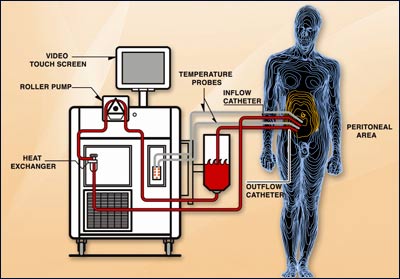
HIPEC is used in conjunction with surgery and chemotherapy to treat patients with gastrointestinal tract and gynecological cancers and sarcomas that have spread to the lining of the abdomen. Even after surgical removal, cancer often recurs in the abdomen. So when the tumor spreads, it is difficult for doctors to treat with standard chemotherapy.

HIPEC involves using a using a heated sterile solution that is circulated throughout the abdominal cavity. With HIPEC treatment, patients are connected to a series of tubes and a pumping device that bathes the abdominal cavity for two hours with a heated sterile solution containing anticancer (chemotherapeutic) drugs. The high temperature of the chemotherapy increases the effect of the drug. The fluid goes through the abdomen to treat tumor cells that may remain after surgery. Both heat and direct contact with chemotherapy drugs kills the cancer cells.

Twenty-one patients were enrolled in this Phase I clinical trial. The maximum PLD dose evaluated in this trial was 100 mg/m² and was well tolerated. The most common grade 3/4 complications were superficial wound infection and prolonged ileus. One patient developed an anastomotic leak in the postoperative period, requiring re-exploration. The length of the median postoperative hospital stay was 7 days (range, 4-29 days), three patients required readmissions within 30 days, and there were no operative deaths.

The median follow-up time for was 13.7 months (range, 3-38 months). The median overall survival was 30.6 months with a median progression free survival (PFS) of 25 months. Based on these findings, the trial investigators concluded that HIPEC with PLD following maximal cytoreduction in patients with advanced abdominal-only, gastrointestinal or gynecologic malignancies is well tolerated. Moreover, the investigators stated that the encouraging survival period after cytoreduction and HIPEC with PLD suggests that a verification Phase II clinical trial is warranted.

For more information regarding the HIPEC procedure, go to HIPECTREATMENT.org. For a list of open clinical trials testing the HIPEC procedure using various chemotherapeutic agents, click here.

Sources:

Novel Cytotoxic Agents: Epothilones

The epothilones are effective antitumor medications for patients with cancer, including patients who have been previously treated with or are resistant to anthracyclines or the taxanes.

The epothilones are a novel class of antitumor medications, similar to the taxanes in some respects, but that also possess several advantages. Like taxanes, epothilones are believed to produce antitumor effects by binding to and stabilizing intracellular microtubules, which are essential in DNA replication and cell division. Several in vitro and animal studies have shown that the epothilones are more potent microtubule stabilizers than the taxanes, they are effective against cancer cell lines with high levels of drug resistance, and they induce the regression of taxane-resistant human tumors. Preclinical studies also have demonstrated synergistic increases in tumor cell killing when the epothilones are combined with other antitumor medications.

Epothilone B (patupilone/EPO906) has been evaluated in a series of phase I and II clinical trials, which demonstrated disease stabilization or objective responses in patients with a variety of cancers, including ovarian, prostate, breast, colon, stomach, and kidney cancers. This agent is currently being evaluated in phase III clinical trials. A second epothilone, ixabepilone (Ixempra™), was recently approved by the U.S. Food and Drug Administration (FDA) for the treatment of metastatic breast cancer. Ixabepilone was evaluated as a monotherapy for the treatment of breast cancer in phase II clinical trials of previously untreated patients and in taxane-experienced and taxane-resistant disease. A phase III clinical trial demonstrated that the combination of ixabepilone and capecitabine was superior to capecitabine alone in heavily pretreated, taxane-resistant patients. Ongoing clinical trials will continue to define the role of the epothilones in cancer therapy.

For a list of open clinical trials testing epothilones against ovarian cancer, click here.

[Source: Novel cytotoxic agents: epothilones; Goodin S., Am. J. Health Syst. Pharm. 2008 May 15;65(10 Suppl 3):S10-5.]

Thalidomide Provides Hope to Women Diagnosed with Ovarian Cancer When Combined with Topotecan

“We found that patients who received topotecan plus thalidomide showed an overall response rate of 47 percent compared to 21 percent response in patients who received only topotecan”‘ [Levi]Downs[Jr., M.D.] said. “In patients receiving topotecan plus thalidomide, 30 percent achieved a complete response, meaning the cancer went away, compared to 18 percent for patients only getting topotecan.” “Furthermore, patients getting topotecan plus thalidomide had a longer cancer-free period after treatment than those receiving topotecan alone,” he said.

Thalidomide, a drug blamed in the 1950s for causing birth defects, is now showing promise as a safe and effective treatment for women with recurrent ovarian cancer, according to a study led by a University of Minnesota Cancer Center researcher.

Levi Downs, Jr., M.D., principal investigator for the multicenter, randomized Phase II clinical trial, has published the findings of this research study in the current issue of the journal Cancer. Downs is an assistant professor and a researcher of gynecologic oncology at the University of Minnesota Medical School and Cancer Center.

‘For some women, ovarian cancer has become a chronic disease,’ Downs said. ‘The standard chemotherapy regimens can put recurrent cancer in remission, often more than once. However, when the cancer resists the standard treatments, we need new options for treatment.’

The study compared the effectiveness and safety of the combination of thalidomide and topotecan, a chemotherapy often used for ovarian cancer, versus topotecan alone for treatment of recurrent epithelial ovarian cancer in patients who had received prior treatment. Epithelial ovarian cancer is a disease in which cancer cells form in the tissue that covers the ovary.

The study evaluated 75 women who were randomly assigned to receive either the combination of thalidomide and topotecan or only topotecan. This is the first randomized clinical trial to test thalidomide for recurrent ovarian cancer. Other clinical trials have shown thalidomide to be effective for treatment of multiple myeloma, a cancer of the bone marrow.

‘We found that patients who received topotecan plus thalidomide showed an overall response rate of 47 percent compared to 21 percent response in patients who received only topotecan,’ Downs said. ‘In patients receiving topotecan plus thalidomide, 30 percent achieved a complete response, meaning the cancer went away, compared to 18 percent for patients only getting topotecan.’

‘Furthermore, patients getting topotecan plus thalidomide had a longer cancer-free period after treatment than those receiving topotecan alone,’ he said. ‘What all of this means is that while thalidomide may not cure ovarian cancer, it may broaden the treatment options available to physicians and provide more hope to women diagnosed with the cancer.’

Ovarian cancer is the fifth most common cancer among women. This year in the United States, more than 25,000 women will be diagnosed with ovarian cancer, and about 16,000 will die from it. About 78 percent of women diagnosed with the cancer survive one year after diagnosis, and more than 50 percent survive five years after diagnosis.

The results of this study have led to the development of a new clinical trial at the University of Minnesota that will test the safety and effectiveness of a newer member of the class of drugs containing thalidomide properties for treatment of recurrent ovarian cancer.

This study was sponsored by Celgene Corporation, biopharmaceutical company and manufacturer of thalidomide. Cancer centers in Minnesota, Ohio, South Dakota, and California participated in this study.

[Quoted Source: Thalidomide provide more hope to women diagnosed with Ovarian Cancer, by Jennifer Davis, TopCancerNews.com, April 12, 2008.]

Data Published at ASCO Finds Correlation Between ChemoFx(R) Assay and Significantly Improved Overall Survival in Ovarian Cancer Patients

Despite the fact that all patients had the same type of tumor, 88 percent of patients exhibited varying degrees of response to different [chemotherapy] agents when evaluated by the [ChemoFx®] cell-based test. The analysis also found that nearly two-thirds of patients’ tumors were more responsive to a treatment identified by ChemoFx, than to the treatment they actually received. Based on these results, a mathematical model was created to estimate survival had patients been treated with a drug that ChemoFx identified as more likely to result in a greater tumor response. The analysis found that median OS could be extended as much as 23 to 38 months.

Precision Therapeutics Inc. announced today that the ChemoFx(R) Assay, a cell-based test that examines the response of a specific patient’s tumor to various chemotherapies, correlates with significantly longer overall survival (OS) in patients with primary ovarian cancer. Patients who received a treatment determined by ChemoFx to lead to the best tumor response had an overall survival 1.4 times longer than those receiving a treatment shown by ChemoFx to be non-responsive.

Despite the fact that all patients had the same type of tumor, 88 percent of patients exhibited varying degrees of response to different agents when evaluated by the cell-based test. The analysis also found that nearly two-thirds of patients’ tumors were more responsive to a treatment identified by ChemoFx, than to the treatment they actually received. Based on these results, a mathematical model was created to estimate survival had patients been treated with a drug that ChemoFx identified as more likely to result in a greater tumor response. The analysis found that median OS could be extended as much as 23 to 38 months.

‘These overall survival data demonstrate that the responsiveness to treatment established by this sensitivity assay in the laboratory setting, may in fact translate into meaningful clinical outcomes for patients,’ said Thomas J. Herzog, MD, director of gynecologic oncology at the Columbia University Medical Center and lead investigator of the study. ‘If these results are confirmed in current ongoing trials, this will be a significant step towards establishing individualized treatment strategies for patients who will require chemotherapy.’

About the Study

Patients analyzed in the study had stage II-IV primary epithelial ovarian cancer that was tested by ChemoFx between 1997 and 2003, and received at least one course of chemotherapy. The study evaluated differences in OS between patients who received treatment that was deemed responsive, intermediate-responsive or non-responsive based on ChemoFx test results.

Of the 206 patients analyzed:

— Median OS of Assay non-responsive patients was 39.2 months

— Median OS of Assay intermediate-responsive patients was 62.5 months

— Median OS of Assay responsive patients was 80.4 months

When accounting for cancer stage and debulking — the reduction of tumor size due to surgery or radiation treatment — overall survival was significantly associated with the ChemoFx Assay and the cancer stage. In the model simulating improved survival if patients were treated with a therapy that caused a greater tumor response, median OS of patients treated with an Assay non-responsive drug could be improved from 39.2 to 62.5 months and median OS of patients treated with an Assay intermediate-responsive drug could be improved from 62.5 to 101.3 months.

‘People with cancer often require additional treatment after receiving the standard of care chemotherapy. ChemoFx Assay can provide valuable information that could spare the patient from unnecessary toxicity associated with a potentially ineffective treatment,’ said Sean McDonald, CEO Precision Therapeutics. ‘The goal of ChemoFx is to empower patients and physicians with additional diagnostic information to help determine the most appropriate course of therapy for each individual patient.’

This retrospective, multi-center analysis is a published abstract [“A chemoresponse assay and survival in primary ovarian cancer,” T. J. Herzog, et. al.; J Clin Oncol 26: 2008 (May 20 suppl; abstr 16522)] at the American Society of Clinical Oncology (ASCO) annual meeting in Chicago and is available at http://www.asco.org.

About ChemoFx(R)

ChemoFx is a decision support tool that measures a specific patient’s tumor response to various types, combinations and doses of chemotherapy selected by the patient’s physician. The laboratory test examines how many cancer cells are killed after exposure to treatment, using a patient’s living cancer cells that have been removed during a biopsy, aspiration or surgical procedure. ChemoFx can be used in primary, recurrent, and metastatic tumors.

ChemoFx can be tested in all solid tumor types, with ovarian and breast tumors being primarily tested. Other solid tumors most commonly tested include endometrial, colorectal, genitourinary, head and neck, lung, brain, pancreas, hepato-biliary.

About Precision Therapeutics

Precision Therapeutics is an oncology services company dedicated to the individualization of cancer therapy. Precision Therapeutics is a leader in the development and delivery of personalized treatment support tools that assist physicians and benefit cancer patients. For more information visit www.precisiontherapeutics.com, call 800-547-6165 or email info@ptilabs.com.”

[Quoted Source: “Data Published at ASCO Find Correlation Between ChemoFx(R) Assay and Significantly Improved Overall Survival in Patients With Ovarian Cancer – Analysis Reveals Overall Survival Could be Extended if Patients Receive the Most Effective Treatment Identified by ChemoFx,” Precision Therapeutics Press Release dated May 20, 2008.]

Comment: It is prudent for an ovarian cancer survivor to request the use of a chemoresponse assay (lab test) on any biopsied primary/metastatic ovarian cancer tumor tissue obtained at the time of initial diagnosis and/or recurrence. Given the likelihood of recurrence with respect to ovarian cancer diagnosed in late stages, a chemoresponse assay may prevent the use of ineffective chemotherapy in a situation where multiple lines of treatment become necessary.

Clinical Trial Information: For an open clinical trial involving the use of the ChemoFx® Assay, see “ChemoFx® Observational Study: A Non-Interventional, Longitudinal, Multi-Center Initiative Examining Outcomes Associated With the Use of the ChemoFx Assay® in Solid Tumor Malignancies” (currently recruiting ovarian cancer patients). Click here to see Precision Therapeutics Information regarding clinical trial testing of the ChemoFX® Assay.