What Do You Stand For? Standup2Cancer Tonight At 8:00 P.M. E.T./P.T., 7:00 P.M. C.T.

This year, approximately 565,650 Americans are expected to die of cancer — that’s more than 1,500 people a day. … Ovarian cancer causes more deaths than any other cancer of the female reproductive system. … In an unprecedented television event, NBC, ABC, and CBS will simultaneously devote 1 hour of commercial-free prime time to raise funds for the fight against cancer under an initiative called “Standup2cancer.”

What Do You Stand For?

  • This year, approximately 565,650 Americans are expected to die of cancer — that’s more than 1,500 people a day.
  • Cancer is the second most common cause of death in the US, exceeded only by heart disease. In the US, cancer accounts for 1 of every 4 deaths.
  • The NIH estimate overall costs of cancer in 2007 at $219.2 billion:
    • $89.0 billion for direct medical costs;
    • $18.2 billion for lost productivity due to illness; and
    • $112.0 billion for lost productivity due to premature death.
  • Ovarian Cancer can afflict adolescent, young adult, and mature women, although the risk of disease increases with age and peaks in the late 70s. Pregnancy and the long-term use of oral contraceptives reduce the risk of developing ovarian cancer.
  • Women who have had breast cancer, or who have a family history of breast cancer or ovarian cancer may have increased risk. Inherited mutations in BRCA1 or BRCA2 genes increase risk. Another genetic syndrome, hereditary nonpolyposis colon cancer, has also been associated with endometrial and ovarian cancer.
  • Ovarian cancer incidence rates are highest in Western industrialized countries.
  • Ovarian cancer accounts for about 3% of all cancers among women and ranks #2 among gynecologic cancers.
  • An estimated 21,650 new ovarian cancer cases are expected in the U.S. in 2008.
  • An estimated 15,520 ovarian cancer deaths are expected in 2008.
  • Ovarian cancer causes more deaths than any other cancer of the female reproductive system.
  • Ovarian cancer is not a “silent” disease; it is a “subtle” disease. Recent studies indicate that some women may experience persistent, nonspecific symptoms, such as (i) bloating, (ii) pelvic or abdominal pain, (iii) difficulty eating or feeling full quickly, or (iv) urinary urgency or frequency. Women who experience such symptoms daily for more than a few weeks should seek prompt medical evaluation. (To learn more about the warning signs and symptoms of ovarian cancer, CLICK HERE).
  • There is no reliable screening test for the detection of early stage ovarian cancer. Pelvic examination only occasionally detects ovarian cancer, generally when the disease is advanced. However, the combination of a thorough pelvic exam, transvaginal ultrasound, and a blood test for the tumor marker CA125 may be offered to women who are at high risk of ovarian cancer and to women who have persistent, unexplained symptoms like those listed above.
  • If diagnosed at the localized stage, the 5-year ovarian cancer survival rate is 92%; however, only about 19% of all cases are detected at this stage, usually fortuitously during another medical procedure.
  • For women with regional and distant metastatic disease, the 5-year ovarian cancer survival rates are 71% and 30%, respectively. The 10-year relative survival rate for all stages combined is 38%.
  • During 1987-2004, ovarian cancer incidence declined at a rate of 0.9% per year.

Sources: Cancer Facts & Figures 2008, American Cancer Society (Adobe Reader PDF); There Are Many Ways To Fight Cancer. Cutting Funding For Research Isn’t One of Them, by Paul Cacciatore, Libby’s H*O*P*E* post, June 10, 2008.

Tonight, over 50 of the most renowned personalities in TV, film, sports and music will come together to make history. In an unprecedented television event, NBC, ABC, and CBS will simultaneously devote 1 hour of commercial-free prime time to raise funds for the fight against cancer under an initiative called “Standup2cancer.” In May, Libby’s H*O*P*E*™ covered the opening of the Standup2cancer initiative. [May 30, 2008].

A spectacular line up of talent including Jennifer Aniston, James Taylor, Scarlett Johansson, Meryl Streep, David Cook, Christina Applegate, Lance Armstrong, Jack Black, Kirsten Dunst, Charles Barkley, America Ferrera, Halle Berry, Hilary Swank, Forrest Whitaker, Jimmy Fallon, Keanu Reeves will make personal appearances on the show. These celebrities and more will educate you, move you and entertain you. They will also be on hand to answer your calls in the celebrity phone bank.

To donate, CLICK HERE. The YouTube video below provides an explanation of how the public donations will be used.

SU2C: Where the Money Goes?

The premiere TV performance of “Just Stand Up” – the star studded charitable single in support of Stand Up To Cancer will be performed tonight by legendary recording artists Mariah Carey, Beyonce, Mary J. Blige, Rihanna, Fergie, Sheryl Crow, Miley Cyrus, Melissa Etheridge, Ashanti, Natasha Bedingfield, Keyshia Cole, Ciara, Leona Lewis, LeAnn Rimes, and Carrie Underwood.

Just Stand Up! – Standup2cancer


Hollywood Celebs Raise Awareness Regarding Hereditary Breast and Ovarian Cancer

Christina Applegate – Samantha Who?

ABC

Christina Applegate as Samantha in the ABC sitcom Samantha Who? Photo Credit: American Broadcasting Company

Recently diagnosed in July 2008 with breast cancer, Christina Applegate appeared on ABC’s Good Morning America program in August. The talented, Emmy award winning actress is currently the star of the ABC sitcom “Samantha Who?” Applegate came into the Hollywood limelight when she appeared in popular Fox sitcom “Married With Children,” in the role of “Kelly Bundy.”

With a great deal of courage, Christina revealed in the Good Morning America interview that she had a double mastecomy three weeks earlier to remove a tumor in one breast and prevent future breast cancer in the other. Christina made the decision to have a prophylatic double mastecomy because she tested positive previously for the BRCA 1 (breast cancer 1) gene mutation.

“I just wanted to kind of be rid of it,” explained Christina Applegate. “So this was the choice I made and it was a tough one.” Applegate is 36 years old, but because her mother is a two time survivor of breast cancer, Christina was carefully screened for breast cancer since she was 30 years old. “After looking at all the treatment plans, the one that was going to work for me was to have a bilateral mastectomy,” she said during the interview with ABC’s Robin Roberts, also a breast cancer survivor.

“I didn’t want to go back to the doctors every four months for testing. … I’m clear,” she declared. “Absolutely 100 percent clear and clean. It did not spread. They got everything out, so I’m definitely not going to die from breast cancer.”

To view Christina Applegate’s August 19, 2008 interview on ABC’s Good Morning America, CLICK HERE.

Jessica Queller – Pretty is What Changes

Jessica Queller, author of "Pretty is What Changes"

Jessica Queller, author of "Pretty Is What Changes"

Jessica Queller is a famous Hollywood writer/producer who worked on several hit television programs like Felicity, One Tree Hill, and most recently, the Gilmore Girls, which is an Emmy Award-winning, Golden Globe-nominated, American comedy-drama series. Eleven months after her mother succumbed to cancer, Jessica Queller had herself tested for the breast cancer (BRCA) gene mutation. Queller was 34 years old when she took the BRCA gene mutation blood test, and she tested positive, like Applegate, for the BRCA 1 (breast cancer) gene mutation.

Jessica’s mother had suffered from both diseases and ultimately died of ovarian cancer. In 2005, shortly after testing positive, Jessica wrote an Op-Ed piece for the New York Times entitled Cancer and the Maiden about the burden of knowledge that comes with testing positive for the breast cancer gene. This article was the launching point for her first book, a memoir, called Pretty Is What Changes: Impossible Choices, The Breast Cancer Gene and How I Defied My Destiny. Ultimately, Queller, like Applegate, decided to have both breasts removed to stave off cancer, and she wants to have her ovaries removed before she is 40 in the hope of preventing ovarian cancer in the future.

Jessica Queller is the recipient of the 2008 LIFE Hero award from the Val Skinner Foundation

To view Jessica Queller’s April 2, 2008 interview with Good Morning America’s Robbin Roberts, CLICK HERE.

What is Hereditary Breast and Ovarian Cancer?

Hereditary breast and ovarian cancer (HBOC) is identified generally by one or more of the following characteristics found in a family:

  • early age onset of breast cancer (often before age 50);
  • family history of both breast and ovarian cancer;
  • bilateral cancers (cancer that develop in both breasts, or both ovaries, independently) or an individual with both breast and ovarian cancer;
  • an autosomal dominant pattern of inheritance (vertical transmission through either the mother or father’s side of the family); and
  • an increased incidence of tumors of other specific organs, such as the prostate.

Other factors that increase the chance that hereditary breast and ovarian cancer exists within a family include:

What Are BRCA 1 & BRCA 2 Genes?

In 1990, DNA linkage analysis studies on large families with the characteristics described above, identified the first gene associated with breast cancer. Scientists named this gene “breast cancer 1″ or “BRCA1.” BRCA1 mutations are transmitted in an autosomal dominant pattern within a family. Since it was clear that not all breast cancer families were linked to BRCA1, studies continued and in 1994, scientists discovered another gene similar to BRCA1, and named it “breast cancer 2″ or “BRCA2.” BRCA2 gene mutations are also transmitted in an autosomal dominant pattern within a family. If a disease is autosomal dominant, it means that an individual only needs to get the abnormal gene from one parent to inherit the disease. One of the parents may often have the disease.

BRCA1 and BRCA2 are tumor suppressor genes, which means that they are responsible for controlling cell growth and cell death. Each individual possesses two BRCA1and two BRCA2 genes. When an individual possesses one altered or mutated copy of the BRCA1 or BRCA2 gene, the risk for various types of cancer increases:

  • BRCA1 Mutation Risks

— 36 percent to 85 percent lifetime risk for breast cancer

— 40 percent to 60 percent lifetime risk for second breast cancer (not reappearance of first tumor)

— 20 percent to 60 percent lifetime risk for ovarian cancer

— increased risk for other cancer types, such as prostate cancer

  • BRCA2 Mutation Risks

— 36 percent to 85 percent lifetime risk for breast cancer in females

— 6 percent lifetime risk for breast cancer in males

— up to 27 percent lifetime risk for ovarian cancer

— increased risk for other cancer types, such as pancreatic, prostate, laryngeal, stomach cancer, and melanoma

It is important to note that both copies of a tumor suppressor gene must be altered or mutated before a person will develop cancer. In HBOC, the first mutation is inherited from the mother or father and is therefore present in all cells of the body. This is called a “germline mutation.” Whether an individual with a germline mutation will develop cancer and where the cancer(s) will develop depends upon where (which cell type) the second mutation occurs. For example, assuming the second mutation is in the ovary, then ovarian cancer could develop. Assuming the second mutation is in the breast, breast cancer could develop. The development of a tumor ultimately requires mutations in multiple growth control genes. Loss of both copies of BRCA1 or BRCA2 is just the first step in the process. What causes these additional mutations to be acquired is unknown. Possible causes include chemical, physical, or biological environmental exposures, or cell replication errors.

An individual who possesses an inherited germline BRCA1 or BRCA2 mutation may not develop cancer in the future due to the non-occurrence of a second gene mutation which is necessary to knock out the function of the gene and start the process of tumor formation. The lack of a second gene mutation can make the cancer appear to skip generations in a family, when, in reality, one gene mutation is present. Regardless of whether cancer ultimately develops, an individual with a mutation possesses a 50/50 chance of passing the mutation on to the next generation, which could include male and/or female children. It is also important to note that the BRCA1 and BRCA2 genes are not located on the sex chromosomes, and therefore, BRCA gene mutations can be inherited from the mother’s or father’s side of the family.

What is a founder’s effect?

The majority of BRCA1 or BRCA2 gene mutations within a single family are unique. There are, however, a few exceptions. For example, specific recurring mutations have been found in individuals of Ashkenazi (Eastern Europe) Jewish descent, and persons from the Netherlands, Iceland, and Sweden. Mutations recur in these groups because of a so-called “founder’s effect.” “Founders” consist of a small group of people that interbred due to geographic or religious isolation. The “founder’s effect” occurs when that small group of people interbreeds over generations, thereby causing specific rare gene mutations to recur and become more common in the population.

The present day Ashkenazi Jewish population arose from a small group of founders. One or more of those founders probably carried specific gene mutations in BRCA1 or BRCA2. Notably, there are three mutations (two in BRCA1 and one in BRCA2) that account for the majority of the BRCA gene mutations possessed by Ashkenazi Jews. Accordingly, the existence of the founder’s effect is important to Ashkenazi Jewish individuals because it results in an increased occurrence of BRCA gene mutations in this population. This information hold practical importance within the context of gene testing, because some testing laboratories offer “ethnic-specific” gene mutation panels. Thus, laboratories can first investigate for specific gene mutations based upon the ethnic background of the indivdual, rather than search through the entire gene each time that person is tested.

In the general population, it is estimated that 1 in 500 individuals has a mutation in BRCA1 or BRCA2. In contrast, 1 in 40 Ashkenazi Jews possess recurring BRCA mutations. This increased occurrence places added emphasis on the assessment of family history for breast and ovarian cancer in Ashkenazi versus non-Ashkenazi persons.

NCI Population Estimates — Likelihood of a BRCA1 or BRCA2 Gene Mutation

The National Cancer Institute (NCI) statistics regarding the percentage of women found to possess BRCA gene mutations, as compared to samples of women and men with a variety of personal cancer histories regardless of family history, are provided below. The estimates are general in nature and cannot replace a personalized risk assessment by a certified genetic counselor, which may indicate a higher or lower mutation likelihood based upon specific family history characteristics.

Among non-Ashkenazi Jewish individuals (likelihood of having any BRCA mutation):

  • General non-Ashkenazi Jewish population: 1 in 500 (.2%).
  • Women with breast cancer (all ages): 1 in 50 (2%).
  • Women with breast cancer (younger than 40 years): 1 in 11 (9%).
  • Men with breast cancer (regardless of age): 1 in 20 (5%).
  • Women with ovarian cancer (all ages): 1 in 10 (10%).

Among Ashkenazi Jewish individuals (likelihood of having one of three founder mutations):

  • General Ashkenazi Jewish population: 1 in 40 (2.5%).
  • Women with breast cancer (all ages): 1 in 10 (10%).
  • Women with breast cancer (younger than 40 years): 1 in 3 (30%-35%).
  • Men with breast cancer (regardless of age): 1 in 5 (19%).
  • Women with ovarian cancer or primary peritoneal cancer (all ages): 1 in 3 (36%-41%).

Sources:

Comment: The vast majority of cancers are not due to inherited mutations. The decision to obtain genetic testing, and the action to take if you test positive for a gene mutation(s), are intensely personal decisions. It is generally recommended that you speak with a certified genetic counselor or similarly trained healthcare professional prior to engaging in genetic testing.

Additional Resources:

Lost In Translation? FDA Believes That LabCorp’s Ovarian Cancer Early Detection Test (OvaSure) Lacks Adequate Clinical Validation

The U.S. Food and Drug Administration (FDA) sent a letter to the Laboratory Corporation of America (LabCorp) on August 7, 2008, stating that it believes the Yale ovarian cancer early detection test (marketed by LabCorp under the name OvaSure™) ” … has not received adequate clinical validation, and may harm the public health.” In that letter, the FDA invites LabCorp to discuss all validation studies that support the marketing of the OvaSure™ test.

The U.S. Food and Drug Administration (FDA) sent a letter to the Laboratory Corporation of America (LabCorp) on August 7, 2008, stating that it believes the Yale ovarian cancer early detection test (marketed by LabCorp under the name OvaSure™) “… has not received adequate clinical validation, and may harm the public health.” In the letter, the FDA invites LabCorp to discuss all validation studies that support the marketing of the OvaSure™ test. The August 7 FDA letter appears to reflect a previously announced, yet controversial, change in FDA policy. Libby’s H*O*P*E*™ reported previously on the development of the Yale ovarian cancer early detection test [March 14, 2008], and LabCorp’s subsequent market release of that test under the name OvaSure™ [June 23, 2008].

On August 19, 2008, the Oncology STAT™ news service reported that the August 7 FDA letter was posted on the website of the Office of In Vitro Diagnostic Device Evaluation and Safety (OIVD) on August 15, but was removed from the site a few days later. On August 22, 2008, we identified the “cached” copy of the August 7 FDA letter on the OIVD website. The August 7 FDA letter is provided below in its entirety.

The August 7 FDA letter was issued by OIVD and informs LabCorp that “[i]t appears that you are marketing the Ovasure™ Test with performance characteristics (specifically, 95.3% sensitivity and 99.4% specificity) that are identical to those reported in a research study published by Visintin, I. et al., in the February 15 edition of Clinical Cancer Research (Visintin, I. et al., Clin Cancer Res. 2008 Feb 15;14(4):1065-72.).” The OIVD Director, Steven Gutman, M.D., M.B.A., states that the Visintin, I. et. al ” … research was carried out, and performance derived, on two populations that are strongly clinically biased for being healthy and normal, and for having already experienced ovarian cancer.” Based upon this rationale, the OIVD concludes that it does not believe “… the scientific community would consider the reported study sufficient to establish performance characteristics of a test in high risk women who might have ovarian cancer, i.e., in a clinical setting, as claimed in your intended use and promotional materials.”

Historical FDA Policy Regarding Laboratory-Developed (“Home Brew”) Tests

Based upon historical FDA policy, LapCorp would not be required to obtain FDA premarket or postmarket approval for the OvaSure™ test because the early detection test would be categorized as a “laboratory-developed test” (also referred to as a “home brew” test) under the Clinical Laboratory Improvement Amendments of 1988 (CLIA). In general, the CLIA establishes quality standards for all laboratory testing to ensure the accuracy, reliability and timeliness of patient test results regardless of where the test is performed.

Prior to 2006, the FDA did not exercise its authority to regulate home brew tests, which are developed by a laboratory for in-house use as a test service. The reasons are likely twofold. First, the FDA believed that the regulatory oversight exercised by the Centers for Medicare & Medicaid Services (CMS) with respect to the laboratories (under CMS jurisdiction pursuant to CLIA), ensured that such laboratories were competent to properly manufacture and use home brew tests without additional FDA intervention. Second, the FDA possessed regulatory authority to review the primary ingredients or components in the home-brew tests (known as “analyte specific reagents” (ASRs)), and did not believe that further test regulation was necessary.

Announcement of FDA Policy Change For Select In Vitro Diagnostic Assays

In 2006, and again in 2007, the FDA issued draft guidance (entitled, Draft Guidance for Industry, Clinical Laboratories, and FDA Staff: In Vitro Diagnostic Multivariate Index Assays) in which, for the first time, the agency exercised its authority to regulate select in vitro diagnostic multivariate index assays (“IVDMIAs”) that are developed and manufactured by clinical laboratories for their own use (i.e., laboratory-developed tests/home brew tests). An IVDMIA is a diagnostic laboratory assay or test that utilizes mathematical formulae to interpret genetic and protein data required for the generation of information used to make critical diagnosis and treatment decisions for patients. IVDMIAs, for FDA regulatory purposes, are classified as medical devices under the Federal Food, Drug & Cosmetic Act (FDCA), and therefore, can be subject to premarket and postmarket regulation. IVDMIAs developed and manufactured by commercial, non-laboratory-based companies are currently regulated by the FDA. The majority of IVDMIAs, however, are developed and manufactured by laboratories for their own use as home brew tests.

Under the FDA draft guidance, home brew IVDMIAs would in many cases require 510(k) pre-market clearance or Pre-Market Approval (PMA). In addition, these same IVDMIAs would have to comply with “device” post-market manufacturing and reporting requirements. The August 7 FDA letter does not state that a 510(k) pre-market clearance or Pre-Market Approval is required; rather OIVD invites LabCorp to discuss any “validation strategies” undertaken beyond the research results reported by Visintin, I. et. al. LabCorp is not the only company affected by the FDA policy change. The FDA also used its change in regulatory policy to prevent Correlogic Systems, Inc. from marketing its ovarian cancer early detection test, known as OvaCheck®, without prior FDA approval. Arguably, the FDA is placing the OvaSure™ and OvaCheck® ovarian cancer early detection tests on equal regulatory footing.

Ever-Increasing Sophistication of Genetic and Proteomic Assay Technology

The emergence and increased use of IVDMIAs using novel technology (e.g., proteomics) as an integral part of patient diagnosis and treatment, and their direct advertisement to consumers, may have influenced the FDA to conclude more recently that the current level of oversight with respect to genetic and proteomic testing by laboratories was inadequate. Assuming the FDA position is correct, inadequate federal oversight could lead to significant issues related to the quality and validity of IVDMIAs.

LabCorp Amendment of OvaSure™ “Use” Information

LabCorp recently amended its intended use and promotional materials to provide that the OvaSure™ test cannot be used by a woman who has had both ovaries removed (i.e., a woman who previously had a bilateral oophorectomy). Specifically, LabCorp intends that the OvaSure™ test be used to identify a woman who is at “high-risk” for ovarian cancer; however, an ovarian cancer survivor who is currently in remission, cannot use the OvaSure™ test to screen for a recurrence of the disease if her ovaries were removed as part of her first-line treatment after the initial ovarian cancer diagnosis. CLICK HERE to view Libby’s H*O*P*E* post (with updates) dated June 23, 2008, regarding the OvaSure™ test use and limitation information as amended.

Letter to the President and Chief Executive Officer of LabCorp

August 7, 2008
Via FedEx

David P. King
President and Chief Executive Officer
Laboratory Corporation of America
430 South Spring Street
Burlington, North Carolina 27215

Dear Mr. King:

It has come to our attention that you are currently marketing the OvaSure™ Yale Ovarian Cancer Test, also advertised as the OvaSure™ For Women at High-Risk for Ovarian Cancer, and OvaSure™ For Women at High-Risk for Ovarian Cancer, (Serial Monitor), (collectively referred to hereafter as the OvaSure™ Test) which is intended to be used as a tool to identify high-risk women who might have ovarian carcinoma. It appears that you are marketing the OvaSure™ Test with performance characteristics (specifically, 95.3% sensitivity and 99.4% specificity) that are identical to those reported in a research study published by Visintin, I., et al., in the February 15 edition of Clinical Cancer Research (Visintin, I. et al., Clin Cancer Res. 2008 Feb 15;14(4):1065-72.). We note that this research was carried out, and performance derived, on two populations that are strongly clinically biased for being healthy and normal, and for having already experienced ovarian cancer. Based on the available information, we do not believe the scientific community would consider the reported study sufficient to establish performance characteristics of a test in high risk women who might have ovarian cancer, i.e., in a clinical setting, as claimed in your intended use and promotional materials.

Based on our review of your promotional materials and the research publication cited above, we believe you are offering a high risk test that has not received adequate clinical validation, and may harm the public health. We would like to discuss with you your offer of this test, and any validation strategies you have undertaken beyond those reported in the publication cited above.

We look forward to discussing this with you, and are committed to working with you as we strive to protect the public health without unnecessarily imposing regulatory burdens on the marketing of products of potential clinical importance.

Sincerely yours,

/S/

Steven I. Gutman, M.D., M.B.A.
Office Director
Office of In Vitro Diagnostic Device Evaluation and Safety
Center for Devices and Radiological Health

Comments:

  • The corporate and governmental intrigue surrounding the FDA regulatory issues with respect to the OvaSure™ and OvaCheck® ovarian cancer early detection tests would make for a thrilling Hollywood screenplay, except for the catastrophic fact that approximately 15,000 U.S. women die annually from ovarian cancer due to the lack of a reliable early detection test. Because of the latter, approximately 80 percent of women are not diagnosed until they are in advance stages of the disease.
  • The FDA’s current – and still evolving – policy signals a strong possibility that previously unregulated diagnostics could require FDA approval or clearance prior to marketing as well as being subject to other medical device requirements under the FDCA.
  • It is critical for the FDA to take whatever action is necessary to protect U.S. public health. It is also essential that ovarian cancer survivors, clinicians and all affected corporate entities receive clear, consistent regulatory guidance and prompt action from the FDA with respect to this potential life-saving matter.

Sources:

Updates:

  • September 9, 2008: The FDA recently reposted on its website, a copy of the August 7th letter to the President and Chief Executive Officer of LabCorp regarding OvaSure™. To view a copy of the letter, CLICK HERE.

Imatinib & Docetaxel Produce Modest Response Against Recurrent Platinum Resistant/Refractory Ovarian Cancer

A combination of imatinib mesylate (Gleevec®) and docetaxel (Taxotere®) produced only a modest response in patients with recurrent, platinum-resistant or refractory ovarian cancer, according to the results of a Phase II clinical trial conducted by the Hoosier Oncology Group at Indiana University Cancer Center.

Background

A combination of imatinib mesylate (Gleevec®) and docetaxel (Taxotere®) produced only a modest response in patients with recurrent, platinumresistant or refractory ovarian cancer, according to the results of a Phase II clinical trial conducted by the Hoosier Oncology Group at Indiana University Cancer Center.

Imatinib mesylate (Imatinib) is an inhibitor of the (i) receptor tyrosine kinases (RTKs) for platelet-derived growth factor (PDGF) and stem cell factor (SCF), and (ii) c-Kit. RTKs are key regulators of normal cellular processes, and may play a critical role in the development and progression of many types of cancer. PDGF is one of the numerous growth factors, or proteins, that regulate cell growth and division. In particular, it plays a significant role in new blood vessel formation (angiogenesis) from existing blood vessels. SCF is a growth factor, or protein, important for the survival, proliferation, and differentiation of hematopoietic stem cells that give rise to all types of blood cells. C-kit is a protein that is expressed on the surface of hematopoietic stem cells as well as other cell types, and binds to stem cell factor (a substance that causes certain types of cells to grow). Docetaxel, a chemotherapy drug, promotes cell growth arrest.

Based upon the foregoing, the trial investigators hypothesized that use of imatinib (in tandem with docetaxel) would inhibit or block the RTKs for PDGF & SCF and the c-kit receptor, and cause tumor disruption by enhancing the effect of chemotherapy while controlling tumor angiogenesis. Also, the combination of imatinib and docetaxel previously produced synergistic effects in-vitro (in the laboratory) and in-vivo (in mice). As a monotherapy, and prior to this trial, docetaxel produced single agent activity in ovarian cancer with response rates of 30% to 40% in the platinum refractory setting.

The Imatinib/Docetaxel Phase II Clinical Trial

Pursuant to trial eligibility criteria, all patients had recurrent, platinum-resistant, or refractory epithelial ovarian cancer that expressed PDGFR or c-kit, as determined by immunohistochemistry. This screening resulted in the enrollment of 23 patients with the following tumor characteristics: 4 patients had c-kit-positive/PDGFR-negative tumors, 11 patients had PDGFR-positive/c-kit-negative tumors, and 8 patients had c-kit-positive/PDGFR-positive tumors. The median patient age was 56 years (ranging from 33 to 76 years). Enrolled patients had received a median of 3 prior lines of treatment.

The overall response rate was 21.7%, which included 1 complete response (CR) and 4 partial responses (PR). An additional 3 patients had stable disease for more than 4 months. The trial investigators determined that the expression of PDGFR and/or c-kit, did not predict response to this combination therapy. The most common adverse events encountered were fatigue (83%), nausea (74%), diarrhea (61%), anorexia (52%), and edema (65%), and the majority of those events were grade 1 or 2 events.

Based upon the foregoing, the trial investigators concluded that the combination treatment of imatinib and docetaxel was tolerated in patients with heavily pretreated epithelial ovarian cancer that expressed c-kit or PDGF, but found that few patients had sustained responses or stable disease, when compared with the 30% to 40% response rate of docetaxel used as a monotherapy in a platinum refractory setting.

Sources:

Working Smarter, Not Harder: Use of Anti-Estrogen Therapy to Battle Recurrent Ovarian Cancer

The Gynecologic Oncology department of the University of Texas, M.D. Anderson Cancer Center took a page out of the breast cancer treatment “playbook,” and conducted a single institution Phase II clinical trial using letrozole (Femara®) to treat recurrent, platinum and taxane resistant, high-grade cancer of the ovary and peritoneum. …The trial investigators concluded that 26% (8/31 pts.) of patients with ER+ … ovarian and primary peritoneal cancer derived a clinical benefit (stable disease (SD) + partial response (PR)) after treatment with letrozole (Femara®).

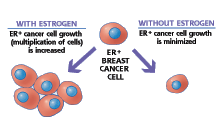
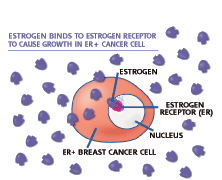
Pursuant to the breast cancer standard of care, breast tissue tumor is routinely analyzed to determine if it is “estrogen receptor positive” (ER positive or ER+), meaning that tumor growth is fueled by the hormone estrogen. It is well-known in the breast cancer area that hormonal therapy is a very effective treatment against breast cancer that is ER+. Sometimes referred to as “anti-estrogen therapy,” hormonal therapy blocks the ability of the hormone estrogen to turn on and stimulate the growth of breast cancer cells.

For decades, the anti-estrogen therapy of choice for treatment of ER+ breast cancer was tamoxifen. In 2005, several world-wide clinical trials reported that aromatase inhibitors (specifically, anastrozole (Arimidex®), exemestane (Aromasin®), and letrozole (Femara®) were more effective than tamoxifen in post-menopausal women with ER+ breast cancer. Aromatase inhibitor drug use is currently the standard of care for treatment of post-menopausal women with ER+ breast cancer, while tamoxifen remains the hormonal treatment of choice for pre-menopausal women.

The Gynecologic Oncology department of the University of Texas, M.D. Anderson Cancer Center took a page out of the breast cancer treatment “playbook,” and conducted a single institution Phase II clinical trial using letrozole (Femara®) to treat recurrent, platinum and taxane resistant, high-grade cancer of the ovary and peritoneum.

Thirty-three patients enrolled in the Phase II clinical trial, and each had measurable disease that tested ER+ pursuant to trial eligibility criteria. Twenty-three patients (74%) had received three or more prior chemotherapy regimens. Letrozole (Femara®) was administered at a dose of 2.5 mg orally once daily until disease progression or toxicity occurred. The median patient age was 63 years (ranging from 38 to 83 years).

The 31 patients evaluable for response received a total of 81 cycles (4 weeks per cycle) of therapy (ranging from 1 to 14 cycles per patient). The median treatment duration was 8 weeks (ranging from 4 to 52 weeks). The trial investigators reported that (i) none of the patients had a complete response (CR), (ii) 1 (3%) had a partial response (PR), and (iii) 7 (23%) had stable disease (SD). The median duration of clinical benefit (SD and PR) was 9 weeks (ranging from 7 to 46 weeks). The median follow-up for all patients was 25 weeks. All evaluable patients were monitored for toxicity. The most common adverse effects were fatigue (36%) and diaphoresis (21%). No grade 3 or 4 toxicities were reported, and no patients discontinued treatment owing to adverse effects. Eighteen patients (58%) went on to receive additional therapy with other agents.

Based upon the results above, the trial investigators concluded that 26% (8/31 pts.) of patients with ER+, platinum- and taxane-resistant, high-grade ovarian and primary peritoneal cancer derived a clinical benefit (stable disease (SD) + partial response (PR)) after treatment with letrozole (Femara®).

Sources:

Comment: Based upon the references listed above and below, it appears that the opening of clinical trials that utilize anti-estrogen therapy to treat ER+ ovarian cancer is long overdue. The “take away” from the M.D. Anderson clinical trial study results is that an ovarian cancer survivor should request her doctor to test the ovarian cancer tumor tissue obtained from surgery or biopsy for estrogen receptor positivity, so as to determine if she is eligible to use anti-estrogen therapy (within the context of a clinical trial) as part of an overall cancer treatment plan.

It is important to note that letrozole is a low side effect, oral drug. Moreover, M.D. Anderson’s letrozole monotherapy produced a 26% clinical benefit rate among ER+, platinum- and taxane-resistant, ovarian and peritoneal cancer patients, despite the fact that approximately three-quarters of the clinical trial patients were heavily pretreated with multiple lines of chemotherapy prior to their trial enrollment. It is promising to consider the potential clinical benefit that could be generated by anti-estrogen therapy in a neoadjuvant or adjuvant ovarian cancer treatment setting.

Additional Anti-Estrogen Therapy/Ovarian Cancer References:

  • Estrogen-regulated gene expression predicts response to endocrine therapy in patients with ovarian cancer, Walker G et. al.; Gynecol Oncol. 2007 Sep;106(3):461-8. Epub 2007 Jul 10. (“OBJECTIVE: To explore the predictive value of estrogen-regulated gene changes as indicators of sensitivity in ovarian cancer patients treated with the aromatase inhibitor Letrozole. … CONCLUSION: These results suggest that expression levels of certain proteins in ovarian cancers are estrogen-regulated and could help identify patients who would benefit from endocrine therapy.” [i.e., anti-estrogen therapy])
  • Antiestrogen therapy is active in selected ovarian cancer cases: the use of letrozole in estrogen receptor-positive patients, Smyth JF et. al.; Clin Cancer Res. 2007 Jun 15;13(12):3617-22 (“PURPOSE: To evaluate the efficacy of the aromatase inhibitor letrozole in preselected estrogen receptor (ER)-positive relapsed epithelial ovarian cancer patients and to identify markers that predict endocrine-sensitive disease. EXPERIMENTAL DESIGN: This was a phase II study of letrozole 2.5 mg daily until clinical or marker evidence of disease progression in previously treated ER-positive ovarian cancer patients with a rising CA125 that had progressed according to Rustin’s criteria. The primary end point was response according to CA125 and response evaluation criteria in solid tumors (RECIST) criteria. Marker expression was measured by semiquantitative immunohistochemistry in sections from the primary tumor. RESULTS: Of 42 patients evaluable for CA125 response, 7 (17%) had a response (decrease of >50%), and 11 (26%) patients had not progressed (doubling of CA125) following 6 months on treatment. The median time taken to achieve the CA125 nadir was 13 weeks (range 10-36). Of 33 patients evaluable for radiological response, 3 (9%) had a partial remission, and 14 (42%) had stable disease at 12 weeks. Eleven patients (26%) had a PFS of >6 months. Subgroup analysis according to ER revealed CA125 response rates of 0% (immunoscore, 150-199), 12% (200-249), and 33% (250-300); P = 0.028, chi(2) for trend. Expression levels of HER2, insulin-like growth factor binding protein 5, trefoil factor 1, and vimentin were associated with CA125 changes on treatment. CONCLUSIONS: This is the first study of a hormonal agent in a preselected group of ER-positive ovarian cancer patients. A signature of predictive markers, including low HER2 expression, predicts response.)
  • The efficacy of tamoxifen in patients with advanced epithelial ovarian cancer, Karagol H et. al.; Med Oncol. 2007;24(1):39-43 (“BACKGROUND: Activity of tamoxifen as a salvage therapy in patients with advanced epithelial ovarian cancer was evaluated by a number of studies. In this study, we evaluated efficacy of tamoxifen in our patients with platinum-resistant epithelial ovarian carcinoma. … RESULTS: Twenty-nine eligible patients were included to the study. There were 1 (3%) complete response, 2 (7%) partial response, 6 (21%) stable disease, and 20 (69%) progressive disease. All patients were progressed after initiation of tamoxifen. Median progression-free survival was 4 mo (95% CI: 2.98-5.02). Disease progression of 19 (65%) patients were shown within the first 6 mo after initiation of tamoxifen. Progression-free survival was between 6 and 12 mo for 7 (24%) patients and > or =12 mo for 3 (10%) patients. The median survival after initiation of tamoxifen was 15 mo (95% CI: 7.2-22.8). No toxicity attributable to tamoxifen was seen in any of the patients. The only independent prognostic factor that had a significant predictive value for progression- free survival was the response to tamoxifen treatment (p = 0.043, hazard ratio: 0.12, 95% CI: 0.01-0.94). CONCLUSION: Considering minimal side effects and ability to cause objective responses, there is a place for tamoxifen in treatment of patients with platinum-resistant ovarian cancer. A phase III trial is required to confirm the value of the drug in patients presenting these clinical settings.”)
  • Anastrozole therapy in recurrent ovarian adult granulosa cell tumors: a report of 2 cases, Freeman SA, Modesitt SC; Gynecol Oncol. 2006 Nov;103(2):755-8. Epub 2006 Jul 25 (“BACKGROUND: Ovarian sex cord stromal tumors are frequently hormonally active, and adult granulosa cell tumors often demonstrate estrogen receptor positivity. Thus, hormonal agents have been evaluated as potential treatments for advanced stage or recurrent adult granulosa cell tumors. CASE: Two cases of patients with recurrent adult granulosa cell tumors are presented. Each patient received multiple treatment modalities including chemotherapy and had previously progressed on leuprolide. Both patients were started on anastrozole with subsequent normalization of inhibin B levels and clinical exams. They have been maintained on treatment for 14 and 18 months, respectively, and have tolerated the drug without difficulty. CONCLUSION: Aromatase inhibitors may be a viable treatment option for women with advanced stage or recurrent ovarian adult granulosa cell tumors.”)
  • Hormonal therapy in epithelial ovarian cancer, Rao GG, Miller DS; Expert Rev Anticancer Ther. 2006 Jan;6(1):43-7. (“The ovary is an endocrine and end organ. Hormones and their receptors have been associated with ovarian cancer and may be related to its causation. Some data suggest that hormonal therapies may have an effect on ovarian cancer in palliative settings. The most well studied anticancer drugs are tamoxifen, megestrol acetate, medroxyprogesterone acetate, leuprolide acetate, anastrozole and letrozole. Presently, no hormonal therapy is approved by the US FDA for the treatment of any type of ovarian malignancy or is listed as an active agent by any of the authoritative compendia. Owing to the endocrine associations with ovarian cancer, the minimal side effects of hormonal therapy and the demonstrated activity of hormonal therapies in other endocrine organ-associated malignancies, further study of hormonal therapies for ovarian cancer is warranted.”)
  • Aromatase expression in ovarian epithelial cancers, Cunat S et. al.; J Steroid Biochem Mol Biol. 2005 Jan;93(1):15-24 (” … Aromatase activity was evaluated in ovarian epithelial cancer (OEC) cell lines by the tritiated water assay and the effects of third-generation aromatase inhibitors (AIs) on aromatase activity and growth were studied. Letrozole and exemestane were able to completely inhibit aromatase activity in BG1 and PEO14 cell lines. Interestingly, both AI showed an antiproliferative effect on the estrogen responsive BG1 cell line co-expressing aromatase and ERalpha. Aromatase expression was found in ovarian epithelial normal tissues and in some ovarian epithelial cancer cells and tissues. This finding raises the possibility that some tumors may respond to estrogen and provides a basis for ascertaining an antimitogenic effect of AI in a subgroup of ovarian epithelial cancers.”)
  • Hormone therapy in epithelial ovarian cancer, Makar AP; Endocr Relat Cancer. 2000 Jun;7(2):85-93 (“Although epidemiologic studies, animal experiments and receptor studies have shown that not only normal ovaries but also many malignant ovarian tumors can be considered as endocrine related and hormone dependent, the place of hormonal therapy in the management of patients with ovarian cancer remains unsettled. Most trials of hormonal treatment in ovarian cancer have been retrospective, involved only limited numbers of patients, and lacked important patient-related data and information pertaining to tumor characteristics. In addition, a variety of hormonal preparations with different degrees of potency and in different dosages were included in these studies. A literature review shows that response to hormonal therapy even in a preterminal setting, is modest, with about 8% objective response but almost no side effects. In a similar patient setting, more toxic therapeutic agents do not yield a better response. The place of hormonal therapy in the management of patients with epithelial ovarian cancer needs more thorough evaluation in well-designed randomized trials.”)

A Requiem Hallelujah, But Don’t Let There Be a Hole in the World Tomorrow

As many of you know, the H*O*P*E*™ weblog is dedicated to Libby, my 26 year old cousin. Libby was diagnosed with ovarian clear cell carcinoma in January 2007. I am deeply saddened to inform you that Libby lost her ovarian cancer battle this morning with her family at her side. Libby leaves behind her loving spouse, Steve, her mother Kathy, her father Dennis, and her sister Sara.

Libby and Steve are the inspiration behind H*O*P*E*™, and its contining campaign to make all women aware of the early warning signs and symptoms of ovarian cancer, as well as significant treatment developments relating to the disease. Upon hearing of Libby’s death this morning, my initial thought was to allow H*O*P*E*™ to go “dark” (from a post reporting perspective) for the next week in her honor. Immediately after that initial thought, two classic songs came to mind as a better way to honor Libby. I believe the song choices were inspired by Libby from a much better place.

The first song is a gospel ballad entitled “Hallelujah.” “Hallelujah” was written by Canadian singer-songwriter Leonard Cohen, who originally released it on his 1984 studio album entitled “Various Positions.” A general translation of the word “Hallelujah” in the Jewish and Christian faiths is “Great Praise to God.” The song “Hallelujah” is frequently used in television shows and movies during scenes involving death or heartbreak. The reason for this, I believe, is that the song evokes strong emotions that capture the struggle to love, pray, and live with faith in the midst of tragic human suffering. Libby experienced that same struggle throughout her treatment, yet continued her fight to the end with grace and courage.

“Hallelujah” has been covered by various singers more than 120 times (counting only recorded, not live, versions). American singer-songwriter Jeff Buckley recorded one of the best-known and emotionally moving covers of “Hallelujah” for his 1994 studio album entitled “Grace.” Buckley, not wholly satisfied with any one take, recorded the song more than twenty times. In September 2007, a poll of fifty songwriters conducted by Q Magazine listed “Hallelujah” among the all-time “Top 10 Greatest Tracks,” with John Legend calling Buckley’s version “as near perfect as you can get.” A hyperlink to Jeff Buckley’s cover version of “Hallelujah” is provided below as an acknowledgment of Libby’s courageous fight against ovarian cancer.

Jeff Buckley-Hallelujah

CLICK HERE TO VIEW VIDEO

The second song is “[There’s a] Hole in the World [Tonight], which was recorded by The Eagles, a legendary U.S. rock band. In August 2001, The Eagles returned to the U.S. upon completion of a successful European tour to record a new album. The band was scheduled to begin recording on September 11, 2001. “Hole in the World” was written by the band in five part harmony to express the fear, sorrow, and future hope stemming from that tragic day. The lyrics set forth in the first verse of the song are as follows:

“There’s a hole in the world tonight.
There’s a cloud of fear and sorrow.
There’s a hole in the world tonight.
Don’t let there be a hole in the world tomorrow.”

I believe that Libby would abide by the message set forth in the last two sentences of that verse. Today, our family has a hole in its world as a result of Libby’s death, but H*O*P*E*™ cannot allow that fear and sorrow to create a hole in the world of another woman and her family through the failure to move ahead with its educational mission. Libby would tell you that “education increases survival.”

A video of The Eagles singing “Hole in the World” is provided below, as inspiration for all individuals who are involved in the fight against ovarian cancer. This fight will require perseverance through medical research, advocacy, education and fundraising until ovarian cancer is vanquished.

As an enduring tribute to Libby, H*O*P*E*™ revised the weblog homepage caption to read “Libby’s H*O*P*E*™.” We love you Libby and will forever miss you, but we will continue the fight against ovarian cancer on your behalf.

The Eagles – Hole In the World

Source: Wikipedia descriptions of the word “Hallelujah,” and Leonard Cohen’s song entitled “Hallelujah.”

From Zero to Hero: HMGB1 Protein Found to Promote DNA Repair, Prevents Cancer

“An abundant chromosomal protein [HMGB1] that binds to damaged DNA prevents cancer development by enhancing DNA repair, researchers at The University of Texas M. D. Anderson Cancer Center report online this week in the Proceedings of the National Academies of Science.”

“An abundant chromosomal protein that binds to damaged DNA prevents cancer development by enhancing DNA repair, researchers at The University of Texas M. D. Anderson Cancer Center report online this week in the Proceedings of the National Academies of Science.

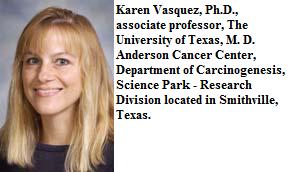
The protein, HMGB1 [High mobility group box 1] , was previously hypothesized to block DNA repair, said senior author Karen Vasquez, Ph.D., associate professor in M. D. Anderson’s Department of Carcinogenesis at the Science Park – Research Division in Smithville, Texas.

Identification and repair of DNA damage is the frontline defense against the birth and reproduction of mutant cells that cause cancer and other illnesses.

Pinpointing HMGB1’s role in repair raises a fundamental question about drugs under development to block the protein, Vasquez said. The protein also plays a role in inflammation, so it’s being targeted in drugs under development for rheumatoid arthritis and sepsis.

‘Arthritis therapy involves long-term treatment,’ Vasquez said. ‘Our findings suggest that depleting this protein may leave patients more vulnerable to developing cancer.’

Long known to attach to sites of damaged DNA, the protein was suspected of preventing repair. ‘That did not make sense to us, because HMGB1 is a chromosomal protein that’s so abundant that it would be hard to imagine cell repair happening at all if that were the case,’ Vasquez said.

In a series of experiments reported in the paper, Vasquez and first author Sabine Lange, a doctoral candidate in the Graduate School of Biomedical Sciences, tracked the protein’s impact on all three steps of DNA restoration: access to damage, repair and repackaging of the original structure, a combination of DNA and histone proteins called chromatin.

First, they knocked out the [HMGB1] gene in mouse embryonic cells [HMGB1 knockout cells] and then exposed cells to two types of DNA-damaging agents. One was UV light, the other a chemotherapy called psoralen that’s activated by exposure to darker, low frequency light known as UVA. In both cases, the cells survived at a steeply lower rate after DNA damage than did normal cells.

Next they exposed HMGB1 knockout cells and normal cells to psoralen and assessed the rate of genetic mutation. The knockout cells had a mutation frequency more than double that of normal cells, however, there was no effect on the types of mutation that occurred.

Knock out and normal cells were then exposed to UV light and suffered the same amount of damage. However, those with HMGB1 had two to three times the repair as those without. Evidence suggests that HMGB1 works by summoning other DNA repair factors to the damaged site, Vasquez said.

The last step in DNA repair is called chromatin remodeling. DNA does not exist in a linear structure in the chromosome, but wraps around specialized histone proteins. This chromatin structure permits access to DNA when it is loose, or opened up, and blocks access when it is more tightly wrapped. Presence of HMGB1 resulted in a much higher rate of chromatin assembly in both undamaged and UVC-damaged cells.

Lange and Vasquez hypothesize that HMGB1 normally binds to the entrance and exit of DNA nucleosomes, so is nearby when DNA damage occurs. It then binds to and bends the damaged site at a 90-degree angle, a distortion that may help DNA repair factors recognize and repair the damage. After repair it facilitates restructuring of the chromatin.

Co-author with Lange and Vasquez is David Mitchell, Ph.D., professor of carcinogenesis.

The research was supported by grants from the National Cancer Institute and the National Institute of Environmental Health Sciences as well as an American Legion Auxiliary fellowship. 07/21/08”

Quoted Source: Once Suspect Protein Found to Promote DNA Repair, Prevent Cancer – M. D. Anderson scientists caution against targeting HMGB1 to treat other disease, M. D. Anderson News Release, July 21, 2008.

TP53 Gene Mutation Found in 80% of High Grade Ovarian Serous Carcinomas; TP53 Not Directly Involved In The Development of Drug Resistance

“… [T]he [Johns Hopkins] research team concluded that the frequency of TP53 gene mutations using purified tumor DNA from ovarian serous carcinomas was 80.3%, which is much higher than previously reported in the medical literature. Furthermore, the research team found that TP53 is not directly involved in the development of drug resistance in high-grade ovarian serous carcinomas.”

The TP53 gene mutation frequency in ovarian serous carcinomas has been reported to range between 50% and 80%. A research team working at the The Sidney Kimmel Comprehensive Cancer Center of The Johns Hopkins Medical Institutions (Johns Hopkins) made several important findings regarding TP53 gene mutations with respect to high grade ovarian serous carcinoma, as reported in the International Journal of Gynecological Cancer. Ovarian serous carcinoma is the most common tumor subtype within the epithelial ovarian cancer histological classification.

According to the Johns Hopkins research team, a stringent analysis of the TP53 gene using purified epithelial tumor samples has not been performed to accurately assess the TP53 gene mutation frequency and its correlation to tumor histologic grade. The research team assessed the TP53 gene mutational profile in a relatively large series of high-grade (53 primary tumors and 18 recurrent tumors) and 13 low-grade ovarian serous tumors. All samples were affinity purified, and the tumor DNA was analyzed for TP53 mutations in exons 4 through 9. In addition, the ovarian serous tumors were subjected to in vitro drug resistance testing. In vitro drug resistance assays were performed on the same tumor samples using carboplatin, cisplatin, paclitaxel, and taxotere, and the results were correlated with the TP53 mutation status.

The reported study findings are as follows:

  • TP53 mutations were detected in 57 (80.3%) of 71 high-grade carcinomas and in one (7.8%) of 13; low-grade serous tumors (an invasive low-grade serous carcinoma);
  • The mutations were predominantly missense mutations (59.6%);
  • TP53 mutations were associated with high-grade serous carcinomas and recurrent disease; and
  • There was no statistically significant correlation between TP53 mutation status and drug resistance assays or clinical stage.

Accordingly, the research team concluded that the frequency of TP53 gene mutations using purified tumor DNA from ovarian serous carcinomas was 80.3%, which is much higher than previously reported in the medical literature. Furthermore, the research team found that TP53 was not directly involved in the development of drug resistance in high-grade ovarian serous carcinomas.

Source: Assessment of TP53 mutation using purified tissue samples of ovarian serous carcinomas reveals a higher mutation rate than previously reported and does not correlate with drug resistance; Salani R, et. al., Int J Gynecol Cancer. 2008 May-Jun;18(3):487-91. Epub 2007 Aug 10.

P.O.V. Documentary “In the Family”: One Woman’s Journey Through the Unpredictable World of Predictive Genetic Testing

“At the age of 27, filmmaker Joanna Rudnick tested positive for the BRCA mutation. Joanna now faces an impossible decision: remove her healthy breasts and ovaries or risk incredible odds of developing cancer. Armed with a positive test result that leaves her essentially “a ticking time bomb,” she balances dreams of having her own children with the unnerving reality that she is risking her life by holding on to her fertility. IN THE FAMILY follows Joanna as she takes us on a journey through the unpredictable world of predictive genetic testing.

Turning the camera on herself, Joanna bares her conflicting emotions about preventative surgery and the potential consequences. Turning the camera on her new relationship, she and her partner capture a young couple falling in love in the shadow of the mutation. Turning the camera on the company that owns the patents to the BRCA genes, she questions their control over access to the test. Along the way, she looks to other women and families dealing with the same unbelievable information.

Intensely personal and timely, IN THE FAMILY is a groundbreaking investigation that attempts to answer the question: How much do you sacrifice to survive?”

_________________________________

Producer/Director: Joanna Rudnick

Co-production: Kartemquin Films and the Independent Television Service (ITVS).

Date of Completion: February 2008

Running Time: 90 Minutes

US Broadcast: PBS/P.O.V. will air the film on Wednesday, October 1, 2008 at 10:00 P.M. (to have a reminder sent to you by email, click here, then click on the “Send Me A Reminder” link)

Filmmaker’s Website: http://inthefamily.kartemquin.com

_________________________________

Quoted Source: IN THE FAMILY – How much do you sacrifice to survive? (Synopsis), Press Kit, IN THE FAMILY website, accessed July 16, 2008 (Adobe Reader PDF document).

Comment: Visit the filmmaker’s website for more information about the film and upcoming screenings, by clicking on the link above. A brief video excerpt of IN THE FAMILY is provide below.

POV Website Note: “Want to hold a screening of In the Family in your community? If you are an organizer, a teacher, a young person using media to reach your peers or a PBS station employee interested in planning free local screenings of P.O.V. films, apply through P.O.V.’s Community Network and we’ll loan you a copy of the film (for free!) along with a toolkit including a discussion guide.”

Additional Resources:

P.O.V. – In the Family by Joanna Rudnick | PBS 2008

M.D. Anderson Identifies TG2 As a Potential Target in Chemo-Resistant Ovarian Cancer

“Scientists from The University of Texas M. D. Anderson Cancer Center have found overexpression of tissue type transglutaminase (TG2) in ovarian cancer is associated with increased tumor cell growth and adhesion, resistance to chemotherapy and lower overall survival rates. When researchers targeted and silenced TG2 in animal models, cancer progression was reversed, suggesting the protein may also provide a novel therapeutic approach for late-stage ovarian cancer.”

“Scientists from The University of Texas M. D. Anderson Cancer Center have found overexpression of tissue type transglutaminase (TG2) in ovarian cancer is associated with increased tumor cell growth and adhesion, resistance to chemotherapy and lower overall survival rates. When researchers targeted and silenced TG2 in animal models, cancer progression was reversed, suggesting the protein may also provide a novel therapeutic approach for late-stage ovarian cancer.

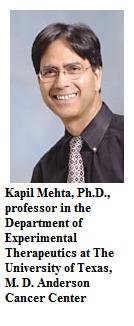
These findings in the July 15th issue of Cancer Research by a team of researchers led by Anil K. Sood, M.D., professor in the Departments of Gynecologic Oncology and Cancer Biology, and Kapil Mehta, Ph.D., professor in the Department of Experimental Therapeutics at M. D. Anderson, are among the first to explore TG2’s functionality in ovarian cancer.

‘TG2 appears to fuel different types of cancer through multiple molecular pathways, making it an important therapeutic target,’ said Mehta, whose lab also has connected TG2 overexpression to drug-resistant and metastatic melanoma, breast cancer and pancreatic cancer.

‘Drug resistance and metastasis are major impediments to the successful treatment of ovarian cancer and until now we had little information about the role TG2 played in ovarian cancer,’ Sood said. ‘We began to see its story unfold as we translated this data from tissue samples to cell lines to animal models.’

The American Cancer Society estimates 15,000 U.S. women will die from ovarian cancer this year. Most patients present with advanced stage disease that has spread beyond the primary tumor site. More than 70 percent of ovarian cancer patients will suffer a recurrence and eventually succumb to the disease.

Higher TG2, lower survival

The study, which examined 93 ovarian cancer samples of ranging stages, found that high levels of TG2 corresponded with significantly lower patient survival than those with low levels of TG2. Sixty-nine percent of high-stage ovarian cancers overexpressed TG2 compared with 30 percent of low-stage cancers. In-depth analysis demonstrated that tumors which overexpressed the protein tended to have an increased ability to invade healthy tissue and to survive or avoid the affects of chemotherapy.

‘From this investigation it became clear that TG2 activates the survival pathway p13K/Akt in these tumors, explaining the adverse, resistant behavior we observed on a molecular level,’ said Sood. ‘We then focused on whether silencing TG2 would block these effects.’

Researchers shut off TG2 with a small interfering RNA strand (TG2 siRNA) targeted to the protein, reducing the ability of the tumor cells to invade and killing them through programmed cell death, or apoptosis. ‘When exposed to this potent targeted therapy, ovarian cancer cells greatly reduced cancer cell proliferation and blood vessel development, while increasing apoptosis,’ said Sood.

Mouse model studies of chemotherapy-sensitive and chemotherapy-resistant models showed considerable antitumor activity both with TG2 siRNA alone and in combination with docetaxel chemotherapy. The combination therapy of TG2 siRNA with docetaxel reduced tumor weight by 86 percent, proving to have the greatest efficacy compared to control groups or those without chemotherapy.

‘While it remains to be seen if these results will translate in humans, looking ahead long term, it will be an attractive option against advanced ovarian cancer,’ said co-author Gabriel Lopez-Berestein, M.D. professor in the Department of Experimental Therapeutics at M. D. Anderson.

TG2 fuels pancreatic cancer differently

Sood and Lopez-Berestein, have developed siRNA therapy by packaging the gene-silencing strips of RNA in a fatty nanoparticle called a liposome and delivering it intravenously. TG2 is the third protein they have targeted in preclinical research. Sood and Mehta are moving TG2 siRNA toward Phase I clinical trials for ovarian and pancreatic cancers.

TG2 acts through different pathways in other types of cancer, Mehta noted. For example, TG2 overexpression causes the degradation of the tumor-suppressing protein PTEN in pancreatic cancer, Mehta and colleagues reported in Clinical Cancer Research in April. With PTEN out of the picture, pancreatic cancer is protected from a separate type of cell death called autophagy. In a separate paper, they showed that silencing TG2 with the siRNA liposome reduced tumor size, slowed metastasis and enhanced the effect of gemcitabine chemotherapy.

‘This aberrant protein is doing so many different things, you would have to develop a small-molecule drug to block each function,’ Mehta said. ‘Liposomal siRNA is exciting because it takes out TG2 completely, blocking everything that it does.’

Research was funded by grants from the National Cancer Institute, including M. D. Anderson’s Specialized Program in Research Excellence in Ovarian Cancer grant, a program project development grant from the Ovarian Cancer Research Fund, Inc., and the Zarrow Foundation.

In addition to Sood, Mehta and Lopez-Berestein, authors include Jee Young Hwang, M.D., Lingegowda S. Mangala, Ph.D., co-first authors, and Yvonne G. Lin, M.D., William M. Merritt, M.D., Whitney A. Spannuth, M.D., Alpa M. Nick, M.D., Derek J. Fiterman, M.D., and Robert L. Coleman, M.D., all of M. D. Anderson’s Department of Gynecologic Oncology; Jansina Y. Fok, also a co-first author, and Pablo E. Vivas-Mejia, Ph.D., both of the Department of Experimental Therapeutics; and Michael T. Deavers, M.D., of M. D. Anderson’s Department of Pathology. Hwang is also with the Department of Obstetrics and Gynecology, Dongguk University of College of Medicine, Kyung-ju, Korea. 07/15/08”

Quoted Source: TG2 Identified as Potential Target in Chemo-Resistant Ovarian Cancer – M. D. Anderson team silences protein with siRNA, implicates TG2 in fourth cancer, The University of Texas, M.D. Anderson Cancer Center News Release, July 15, 2008 (summarizing the findings of Clinical and biological significance of tissue transglutaminase in ovarian carcinoma; Sood, AK et. al,  Cancer Res. 2008 Jul 15;68(14):5849-58.)

Additional Information:

The “Fight Back Express” – A Mobile Petition To Fight Cancer

“The Fight Back Express is rolling across the nation, carrying the mobile message that Americans have the power to fight cancer in this country with their voices. The American Cancer Society Cancer Action Network (ACS CAN) is sponsoring the 6-month bus tour to highlight the crucial role elected officials play in supporting laws and policies that help people fight cancer. The ACS CAN Fight Back Express kicked off in Ohio in early May and will travel across the 48 continental United States through Election Day, Nov. 4 [2008].”

“The Fight Back Express is rolling across the nation, carrying the mobile message that Americans have the power to fight cancer in this country with their voices. The American Cancer Society Cancer Action Network (ACS CAN) is sponsoring the 6-month bus tour to highlight the crucial role elected officials play in supporting laws and policies that help people fight cancer. The ACS CAN Fight Back Express kicked off in Ohio in early May and will travel across the 48 continental United States through Election Day, Nov. 4 [2008].

‘If one person can fight cancer, then a nation can rise up and defeat it,’ said Daniel E. Smith, president of ACS CAN, the sister advocacy organization of the American Cancer Society. ‘As an essential partner in the fight against cancer, government has a critical role to play in enacting laws and policies that help people battle a disease that will kill an estimated 565,650 people in America this year.’ Scientific discovery alone will not defeat cancer. The federal government is by far the largest source of cancer research funding, but years of budget freezes and cuts are impeding progress.

Through the bus tour, ACS CAN is working to make cancer a higher national priority by educating the public, lawmakers, candidates and the media about the importance of government’s role in defeating cancer. Cancer patients, survivors, caregivers and their families gather at each stop to share their experience with the disease and to voice the need to make dramatic changes in this country’s approach to cancer. ‘We can make this disease history,’ said Bob Willman, an ACS CAN State Lead Ambassador Volunteer from Springfield, Ohio. ‘We know what we need to do to win the war on cancer. Now we need our elected officials to join us and support laws and policies that will help defeat this disease.’

The ACS CAN Fight Back Express is a mobile action center. At each bus stop visitors have the chance to share their story with their Members of Congress through the Picture A Cure program and sign a petition to support access to quality health care for all Americans. The ACS CAN Fight Back Express bus tour comes on the heels of a major public education campaign by ACS CAN and the American Cancer Society, raising awareness about the critical need for access to quality healthcare for all Americans. There has been tremendous progress in the fight against cancer, as evidenced by the reduction in death rates from cancer every year since 1991. But continued success is at risk if Americans don’t have access to cancer prevention, early detection and treatment. More than 47 million people in America are uninsured and countless millions more are underinsured, making them more likely to be diagnosed at later stages when cancers are more deadly. Too often, lifesaving cancer prevention, early detection, and treatment programs are not available to patients who need care the most.

ACS CAN supports evidence-based policy and legislative solutions for a number of cancer-related issues including:

  • Prevention and Early Detection: Regular screenings can catch cancer at its earliest, most treatable stages, but a federal program that offers low-income and uninsured women screenings for breast and cervical cancer only covers 1 in 5 eligible women. A similar program for colon cancer is now pending before Congress and needs to be created immediately as both of these programs have the potential to save lives.
  • Increased Funding for Cancer Research: Medical research could lead to the discovery of prevention and early detection tools for the most deadly cancers such as pancreatic and ovarian cancer, but federal research funding has been frozen or cut in recent years, threatening progress.
  • Tobacco Control: Tobacco is responsible for approximately one-third of all cancer deaths, but the federal government still lacks the ability to regulate tobacco products. At the state and local level, strong smoke-free policies could significantly reduce the number of tobacco-related cancer cases by protecting workers and patrons from the hazards of secondhand smoke.

The Fight Back Express is made possible by the contributions of millions of American Cancer Society and ACS CAN donors across the country whose lives have been touched by cancer. Additionally, the bus tour is made possible by a generous contribution from Pharmaceutical Research and Manufacturers of America (PhRMA). “Incredible progress has been made in recent years in the battle against cancer,” said PhRMA President and CEO Billy Tauzin. ‘America’s pharmaceutical research companies work hard every day to develop new medicines that will enable cancer patients to live longer, healthier, more productive lives. However, scientific research isbut one piece of the puzzle; improved prevention, early detection and access to quality healthcare are equally critical. Together, we can win this fight.’

To find out more about the ACS CAN Fight Back Express and how to make cancer a national priority log on to www.acscan.org. ACS CAN, the nonprofit, nonpartisan advocacy partner of the American Cancer Society, supports evidence-based policy and legislative solutions designed to eliminate cancer as a major health problem. ACS CAN works to encourage elected officials and candidates to make cancer a top national priority. ACS CAN gives ordinary people extraordinary power to fight cancer with the training and tools they need to make their voices heard. For more information, visit www.acscan.org.”

Quoted Source: National Bus Tour Rolls Across the Nation Urging Americans to Join the Fight to Defeat Cancer – American Cancer Society Cancer Action Network Effort Highlighting the Role of Elected Officials in the Fight Against Cancer, American Cancer Society Cancer Action Network Press Release, undated.

Comment: For additional information regarding the Fight Back Express including: (i) the purchase of miles to keep the bus on the road; (ii) the upcoming Fight Back Express stop locations; and (iii) stories from the roadtrip, please click here. A YouTube video regarding the ACS CAN Fight Back Express bus tour is provided below.

ACS CAN Fight Back Express Bus Tour

IL-7 Boosts Immune Response in Cancer Patients

” … [Recombinant human interleukin-7] rhIL-7 appears to be an effective T cell growth factor with “immune rejuvenating” properties, suggesting that it is effective in augmenting immune reactivity in hosts with impaired immunity due to any number of factors, including age, chemotherapy, and infectious disease, the authors note. In patients with both intact and deficient immune systems, the capacity of rhIL-7 to augment responses to weak antigens and to increase T cell cycling without expanding T regulatory cells might be clinically exploitable in the context of immunotherapy regimens for cancer and/or chronic infection, they write.”

“Data from a preliminary study suggest that recombinant human interleukin (r-hIL)-7 can enhance and broaden immune responses in patients with impaired immunity due to lymphocyte depletion.

The results of the phase 1 trial, published online June 23 in The Journal of Experimental Medicine, showed that when given to cancer patients, rhIL-7 induced a dramatic polyclonal prolonged expansion of CD4+ and CD8+ T cells, which in turn caused a significant broadening of circulating T cell receptor repertoire diversity. These effects were mediated primarily through an increase in peripheral T cell cycling and augmented cell survival.

Lymphopenia induced by cytotoxic chemotherapy, or pathologies such as HIV infection, can significantly weaken immune function; as a physiologic immuno-enhancer, IL-7 can enhance the restoration of T cells. CD4+ T cell recovery in adults who have experienced severe depletion requires the reemergence of a pool of naive T cells, which generally takes 18 to 24 months and might only occur in people younger than 40 to 45 years. Thus, the authors note, a strategy that can accelerate or promote the recovery of a widely diverse T cell repertoire in older people might be useful for a large number of clinical applications.

‘We know that IL-7 can enhance tumor vaccines in animals, so that would be a clear avenue of research,’ said lead author Claude Sportès, MD, senior staff clinician at the National Cancer Institute‘s Center for Cancer Research, Experimental Transplantation and Immunology Branch, in Bethesda, Maryland. ‘But it wouldn’t only have to be tumor vaccines. Hopefully we will have a trial underway in the not-too-distant future looking at how it can enhance anti-viral and other immunizations, particularly in the elderly.’

Treatment with IL-7 therapy exerted a marked effect on T cell immune reconstitution during preliminary trials with animal models. It also appeared to augment effector and memory responses to vaccination in mice; in preclinical models, IL-7 therapy was able to augment anti-tumor responses that might improve survival when combined with anti-tumor vaccines.

‘In older individuals, therapy with IL-7 could lead to a rejuvenation of the phenotype,’ explained Dr. Sportès in an interview. ‘This in turn can lead to better vaccine responses in general and, in oncology, better tumor vaccine responses.’

The implications for rhIL-7 are potentially vast, and there are many promising therapeutic avenues. ‘But as often happens in medicine,’ he cautioned, ‘things can be very promising at this stage and then fizzle out.’

First Human Trial

In this phase 1 dose-escalation study, the first initiated in a human population, Dr. Sportès and colleagues evaluated the effects of IL-7 therapy on human lymphocytes in 16 patients, between the ages of 20 to 71 years, with nonhematologic, nonlymphoid refractory cancer. The doses, extrapolated from previous mouse and primate studies, were 3, 10, 30, and 60 μg/kg, and were administered by subcutaneous injection every other day for 14 days, for a total of 8 doses.

They found that after a very transient decrease, the numbers of circulating lymphocytes and CD4+ and CD8+ T cells increased in a dose-dependent manner. At the highest dose levels, increases approached 300% for CD4+ and exceeded 400% for CD8+ T cells. Overall, the treatment induced widespread T cell cycling and was able to expand the T cell pool in human patients while preserving T cell function.

Treatment with rhIL-7 also seems to have advantages over rhIL-2, explained Dr. Sportès. The expanded T cells retained significant functional capacity, and the CD4+ T cell expansion was not accompanied by a disproportionate increase in T regulatory cells, a phenomenon that has been observed after rhIL-2 therapy. Previous data have shown that in vivo IL-2 administration in humans has minimal effects on CD8+ T cell numbers, whereas rhIL-7 effects on CD8+ T cell expansion are at least comparable to the effects on CD4+ T cells.

The researchers noted that rhIL-7 increases T cell receptor repertoire diversity, and that although it appears to selectively expand CD4+ recent thymic emigrants, naive cells, and central-memory populations, it did not have the same effect on effector T cells.

The details of the clinical trial will be the focus of a separate paper, said Dr. Sportès. ‘But it was well tolerated and we went to full-dose escalation.’

“Immune Rejuvenating” Properties

rhIL-7 appears to be an effective T cell growth factor with “immune rejuvenating” properties, suggesting that it is effective in augmenting immune reactivity in hosts with impaired immunity due to any number of factors, including age, chemotherapy, and infectious disease, the authors note.

In patients with both intact and deficient immune systems, the capacity of rhIL-7 to augment responses to weak antigens and to increase T cell cycling without expanding T regulatory cells might be clinically exploitable in the context of immunotherapy regimens for cancer and/or chronic infection, they write.”

[Quoted Source: IL-7 Therapy Boosts Immune Response in Cancer Patients, by Roxanne Nelson, Medscape Medical News, Medscape Today, July 4, 2008 (summarizing the findings of Administration of rhIL-7 in humans increases in vivo TCR repertoire diversity by preferential expansion of naive T cell subsets; Sportes, C. et. al., J Exp Med. 2008 Jun 23. Epub ahead of print]

2008 ASCO Annual Meeting Abtracts Highlight Several Drugs That Show Promise Against Drug Resistant Ovarian Cancer

There were several drugs highlighted in clinical trial abstracts presented at the 2008 American Society of Clinical Oncology (ASCO) Annual Meeting that demonstrated varying degrees of effectiveness against drug resistant (i.e., recurrence within 6 to 12 months after completion of first line treatment) and/or drug refractory (i.e., recurrence within 6 months after completion of first line treatment) ovarian cancer. By “effectiveness,” we mean generally that the drug or drug combination produced a complete response, partial response, and/or disease stabilization (and in a few cases, a significant drop in the CA-125 tumor marker) in ovarian cancer tumors. To better understand how to intrepret a medical study abstract, click here. The 2008 ASCO Annual Meeting was held in Chicago, Illinois on May 30 – June 3, 2008.

A list of the drugs/drug combinations is provided below. Any drug covered in depth through an earlier H*O*P*E*™ weblog post is noted. We also included 2008 ASCO Annual Meeting abstracts that provide “solid tumor” clinical trial results with respect to studies that enrolled patients with ovarian cancer tumors. When evaluating the potential enrollment in a clinical trial at various treatment points, an ovarian cancer survivor should evaluate trials dedicated to ovarian cancer patients in entirety, as well as general “solid tumor” trials that allow enrollment of ovarian cancer patients. Generally, a patient should give first priority to dedicated ovarian cancer trials and use the solid tumor trials as a “backup” to the ovarian cancer trials. All questions regarding the priority assigned to, or proper sequencing of, clinical trials should be discussed in detail with your doctor(s). Treatment priority and sequencing issues arise, for example, when enrollment in one clinical trial potentially disqualifies the patient for a subsequent second clinical trial based upon the protocol (i.e., inclusion/exclusion criteria) of the second trial. This example assumes that both clinical trials are currently enrolling patients when trial enrollment is being evaluated by you and your doctor.

Abbreviation Legend:

ABSTR=2008 American Society of Clinical Oncology Annual Meeting Abtract; ASCO=American Society of Clinical Oncology; CA-125=cancer antigen 125; CEA=Carcinoembryonic Antigen (Tumor Marker); CR=Complete Response; CT=Computed Tomography

CTC=Common Toxicity Criteria; DCE-MRI=Dynamic Contrast Enhanced Magnetic Resonance Imaging; DLT=Dose Limiting Toxicity; DP=Disease Progression; EOC=Epithelial Ovarian Cancer; G=Grade of Adverse Drug Effect;

GCIG=Gynecologic Cancer Intergroup; GOGGynecologic Oncology Group; MTD=Maximum Tolerable Dose; mg/m²=milligrams per metre squared; NCI=National Cancer Institute; OR=Objective Response; OS=Overall Survival;

PET=Positron Emission Tomography Scanning; PK=Pharmacokinetics; PO=Oral Administration; PR=Partial Response; PFS=Progression Free Survival; RECIST=Response Evaluation Criteria in Solid Tumors; RR=Response Rate; SD=Stable Disease

SNS-595 (Voreloxin®):

NOV-002 & Carboplatin (Paraplatin®):

  • NOV-002 plus carboplatin in platinum-resistant ovarian cancer (2008 ASCO Abstract #5593). Patients were heavily pretreated with 11/15 patients having received 3 prior [treatment] lines. Toxicity was mild-moderate with no G4 toxicity. There was no febrile neutropenia. The most common toxicities were nausea and fatigue, as well as abdominal pain and bowel obstruction thought to be related to underlying disease. To date, there is 1 patient with PR, 7 patients with SD and 5 patients with PD, with 1 patient off-trial for patient discretion. PFS is 14 weeks. Patients tolerated this regimen extremely well, with most toxicity attributable to carboplatin alone. Conclusion: The PFS was longer than expected, with a significant proportion of these platinum resistant patients achieving clinical benefit with prolonged stable disease. [61% disease control (CR+PR+SD) rate]

Picoplatin & Pegylated Liposomal Doxorubicin (Doxil®):

  • Final results of a phase I study of picoplatin and pegylated liposomal doxorubicin [e.g. Doxil™] in advanced solid tumor malignancies (2008 ASCO Annual Mtg. Abstr. #2568 ): Picoplatin is a novel, sterically hindered platinum(II) complex designed to circumvent mechanisms of platinum resistance. Given the single agent activity seen in multiple tumor types, we conducted a phase I study of picoplatin in combination with pegylated liposomal doxorubicin (PLD) in patients with advanced solid tumors. The Phase 1 trial enrolled 16 patients with advanced solid tumors who had received up to three prior regimens for metastatic disease. Patients were administered picoplatin followed by liposomal doxorubicin on day one of a 28-day cycle. Four dose levels of picoplatin and pegylated liposomal doxorubicin were tested: 100/20, 100/30, 100/40 and 120/40 (all mg/m2). A total of 62 courses of treatment were delivered to 16 patients with a median number of four cycles per patient. A total of 12 patients were evaluable for response. One patient experienced a CR (primary peritoneal cancer) and four experienced a PR (including three of five patients with ovarian cancer). Hematologic and non-hematologic toxicity were mild. Conclusion: This study suggests that picoplatin and liposomal doxorubicin is an active combination with promising results and can be given at standard dose levels with a minimal increase in toxicity. [41% disease control (CR+PR+SD) rate among evaluable patients]

Weekly Topotecan (Hycamtin™) Monotherapy:

  • Phase II study of weekly topotecan in recurrent ovarian cancer: duration of response based on a prolonged follow-up (ASCO Annual Mtg. Abstr. #16549). Nineteen patients (median age 52 yrs, range 45-72) with EOC who progressed after 3 (11/19 patients = 57.9%), 4 (7/19 patients= 36.8%) or 5 (1/19 patients= 5.3%) previous lines of chemotherapy were treated with Topotecan at the dose of 2.0 mg/m2 via a 30-minute intravenous infusion once every week until disease progression, unacceptable toxicity or when a stability of disease was reached. Results: All patients were evaluable for toxicity and clinical response. 16/19 patients enrolled (84.2%) had stage III-IV disease. Median number of chemotherapy cycles was 7 (range 3 – 12). A total of 107 cycles were administered. Dose reduction was necessary for 13% of the cycles. Main toxicities included anemia (G1-G2=57.9%), leucopenia (G1-G2=15.8%), thrombocytopenia (G1-G2=10.5%) and asthenia (20%). No one showed a CR, while 5/19 patients experienced a PR (26.4%), 6/19 patients experienced SD (31.5%), and 8/19 patients (42.1%) experienced DP. The median PFS was 12 weeks in patients with PR; SD was maintained for a median time of 14 weeks. Conclusion: The rate of patients with ongoing stable disease (31.5%) suggests that the clinical benefit of weekly topotecan may be expected also in patients with no other viable therapeutic options. [57% disease control (CR+PR+SD) rate among evaluable patients]

Azacitidine & Carboplatin:

Combretastatin A4 Phosphate (Zybrestat™) and Bevacizumab (Avastin™):

BSI-201:

Belinostat (PXD101):

SU11248/Sunitinib (Sutent®):

AZD2281 (KU-0059436):

  • AZD2281, a PARP (poly ADP-ribose polymerase) inhibitor with single agent anticancer activity in patients with BRCA deficient ovarian cancer: Results from a phase I study (2008 ASCO Annual Mtg. Abstr. #5510) Thirty-two patients with BRCA-deficient ovarian cancer (i.e., patients with BRCA gene mutations) the majority of whom were platinum resistant/refractory are so far evaluable for response. All evaluable patients had either received treatment for at least 8 weeks (2 cycles) or progressed prior to completion of 2 cycles. Fourteen patients have achieved PR, 13 patients meeting GCIG- CA125 criteria and 10 patients meeting RECIST criteria. Of the responders, 1 patient has been on drug > 56 weeks whilst 7 patients have maintained responses for > 24 weeks. SD was seen in an additional 8 patients, 7 of whom continue on drug and 3 patients had SD > 16 weeks. Responses were seen at all dose levels from 100mg bd and above. Conclusion: AZD2281 is well tolerated and has demonstrated compelling activity in patients with BRCA deficient ovarian cancer. Responses were seen in all patient groups including platinum resistant disease. Updated efficacy data, together with a correlation of potential predictive factors including platinum free interval will be presented on a total planned cohort of 46 patients with BRCA-deficient ovarian cancer. A randomised study in BRCA-deficient ovarian cancer has been planned. [68% disease control (CR+PR+SD) rate among evaluable patients]

Gemcitibine (Gemzar™) & Epirubicin (Ellence™):

Belinostat/PXD101, Carboplatin (Paraplatin®) & Paclitaxel (Taxol™):

Pegylated Liposomal Doxorubicin (Doxil®) & Gemcitabine (Gemzar®):

Pemetrexed/LY231514 (Altima®):

Sorafenib (Nexavar™):

  • Phase II trial of sorafenib in persistent or recurrent epithelial ovarian cancer (EOC) or primary peritoneal cancer (PPC): A Gynecologic Oncology Group (GOG) study (2008 ASCO Annual Mtg. Abstr. #5537). Sorafenib is a tyrosine kinase inhibitor targeting raf and other receptor kinases (VEGF-R, PDGF-R, Flt3, c-KIT). Sorafenib may have anti-angiogenic activity through inhibition of VEGF-R. This phase II study was conducted to assess the activity and tolerability of sorafenib in patients with recurrent EOC. Methods: This was an open label multi-institutional phase II study …. Eligible patients had persistent or recurrent EOC/PPC after 1-2 prior cytotoxic regimens, measurable or detectable (e.g. by CA125) disease, and GOG performance status < 2. Patients were required to have progressed within 12 months of completing platinum based therapy. Treatment consisted of sorafenib 400 mg orally bid until disease progression or prohibitive toxicity. Primary endpoints were PFS at 6 months and toxicity by NCI criteria. Secondary endpoints were tumor response and duration of PFS/OS. Results: 73 patients were enrolled from 10/04 to 5/07 and as of 12/2007, 68 patients are evaluable (2 ineligible and 3 too early) for toxicity. Median age was 60 (range 33-80) years and prior treatment consisted of 1 regimen in 40 patients and 2 regimens in 28 patients. Significant G3 and G4 toxicities included: rash (12 patients), metabolic (10 patients), gastrointestinal (3 patients), cardiovascular (2 patients), and pulmonary (2 patients). No treatment related deaths were recorded. Only patients with measurable disease were used to assess efficacy. Among the 59 patients with measurable disease, 12 survived PFS at least 6 months. Three patients are yet to be determined. Two patients had PR; 20 had SD; 30 had DP, and 7 could not have their tumor assessed. Conclusions: Preliminary results suggest that sorafenib is tolerated in patients with recurrent EOC with dermatologic and metabolic abnormalities being the most common toxicities. Efficacy data is expected to reach maturity and be analyzed in the spring of 2007, and comprehensive results will be presented. [42% disease control (CR+PR+SD) rate among evaluable patients]

Topotecan (Hycamtin™) & Bevacizumab (Avastin™):

  • Phase II prospective study of weekly topotecan and bevacizumab in platinum refractory ovarian cancer or peritoneal cancer (OC) (2008 ASCO Annual Mtg. Abstr. #5551). Patients (pts) with platinum refractory OC have limited treatment options. Bevacizumab, an anti-angiogenesis agent has demonstrated efficacy in recurrent ovarian cancer. Bevacizumab combined with chemotherapy in other solid tumors has improved efficacy compared with bevacizumab or chemotherapy alone. Topotecan, an active drug in recurrent OC has been used in a weekly fashion with less toxicity and more acceptability than a standard 5 day regimen. Topotecan and bevacizumab have non-overlapping toxicities. We studied the efficacy and tolerability of weekly topotecan and bevacizumab in patients with platinum refractory OC. Methods: The primary objectives of this study were to evaluate PFS, OS, OR rate and toxicity of this combination regimen. Eligible pts included those with platinum refractory OC (recurrence < 6 months of platinum therapy) who had received a maximum of 2 prior chemotherapy regimens. Results: Twenty-two pts have been enrolled to date, with 11 pts remaining on study and 18 now evaluable. Best responses for the 18 evaluable pts were: 22.2% PR (n=4), 27.8% SD (n=5), and 50% DP (n=9). Eleven pts went off study due to DP (based on CT scan RECIST criteria [n=6] or general deterioration and/or bowel obstruction [n=5]). Median duration on study for the 18 evaluable pts was 15 wks (range 5-63 weeks). Four pts have had PFS >5 months. The 18 evaluable pts received a total of 91 treatment cycles. No pt went off study due to treatment related toxicity or suffered a bowel perforation. Conclusions: Combination bevacizumab and topotecan administered in a weekly fashion demonstrate good activity in platinum refractory OC with acceptable toxicity. G3-G4 Hematologic or Hypertensive Toxicities. [50% disease control (CR+PR+SD) rate among evaluable patients]

Lapatinib (Tykerb™), Carboplatin (Paraplatin®) & Paclitaxel (Taxol™):

  • Phase I/II lapatinib plus carboplatin and paclitaxel in stage III or IV relapsed ovarian cancer patients (2008 ASCO Annual Mtg. Abstr. #5556). The purpose of this study was to establish the MTD and evaluate DLTs and response to therapy of combination therapy with carboplatin/paclitaxel and lapatinib, an oral dual tyrosine kinase inhibitor of both ErbB1 and ErbB2, in Stage III /IV relapsed ovarian cancer. Methods: This was an open-label, multicenter, phase I/II study of carboplatin/paclitaxel in combination with single agent lapatinib in Stage III/IV relapsed ovarian cancer patients. Measurable disease, adequate organ function and ECOG performance status of 0-2 were required. Results: 25 ovarian cancer patients are enrolled and four are too early to be evaluable. The median age is 57 (range 39-81). The median number of prior therapeutic regimens is 4 (range 1-10). GI toxicities were primarily < grade 2 and were successfully treated with aggressive bowel management. 10 patients (pts) experienced G3 toxicities. 4 pts- leukopenia, 2 pts-neutropenia, 2 pts-hyperglycemia, 2 pts-allergic reactions to carboplatin, 1 pt-thrombocytopenia, 1 pt-lymphopenia, 1 pt-hypokalemia, 1 pt-nausea, 1 pt-diarrhea, 1 pt-bowel obstruction. Response to therapy to date is: CR=21%, PR=29%, SD=29%, PD=21%. Two patients who were in complete remission both stopped IV chemotherapy and were maintained only with lapatinib. One is still in remission after six months and one relapsed. Conclusions: Lapatinib, an oral targeted molecular therapy which inhibits both EGFR 1 and 2 tyrosine kinase activity, can be safely administered with a weekly regimen of carboplatin and paclitaxel in heavily pretreated, ovarian cancer patients. The high response rates seen warrant further investigation. [79% disease control (CR+PR+SD) rate among evaluable patients]

Ifomide, Epirubicin, & Cisplatin:

NKTR-102 (Pegylated irinotecan):

  • Phase I dose finding and pharmacokinetic study of NKTR-102 (PEGylated irinotecan): Early evidence of anti-tumor activity (2008 ASCO Annual Mtg. Abstr. #13518 ). NKTR-102 is a novel pegylated form of irinotecan with superior efficacy against a range of xenografts compared with irinotecan. Sustained tumor inhibition is associated with increased SN38 exposure. A phase I trial of NKTR-102 was conducted to establish the MTD and to characterize safety and PK in patients (pts) with refractory solid tumors. No CTC Grade 4 toxicity was observed. G3 diarrhea was dose limiting. Other toxicities included transient uncomplicated G3 neutropenia and transient infusion related visual disturbance. PK data are available for 12 pts. Two partial responses were observed in pts with advanced cervical cancer and small cell lung cancer. Anti-tumor activity was seen in 4 other pts; ovarian: CA-125 decreased from 2557 to 518, Hodgkin’s disease: 28% radiologic improvement with symptomatic benefit, adrenocortical: cortisol levels normalized, metabolic response by PET, esophageal: CEA decreased from 35.5 to 13.6, metabolic response by PET. Conclusions: NKTR-102 shows early evidence of activity in a wide spectrum of tumors. Cumulative SN38 exposure is 1.2 to 6.5 fold higher than that predicted for irinotecan. Toxicity is manageable; diarrhea (not neutropenia) is dose limiting.

ON 01910.Na:

  • Phase I study of ON 01910.Na, a novel polo-like kinase 1 pathway modulator, administered as a weekly 24-hour continuous infusion in patients with advanced cancer (2008 ASCO Annual Mtg. Abstr. #2515). ON 01910.Na induces G2/M cell cycle arrest, apoptosis, and cell death in a broad spectrum of cancer cells, but not in non-neoplastic cells. In vitro, cell killing is dependent on drug exposure time. Based on these preclinical findings, a weekly 24hr continuous infusion (CI) study to determine safety and MTD of ON 01910.Na was initiated. Methods: Patients with advanced cancers received ON 01910.Na as a weekly 24hr CI. Twenty-three pts (7:16 M:F, 45-80 yrs) have received ON 01910.Na. G2 toxicities (2-grade increase over baseline) included fatigue (3 pts) and anorexia (1 pt). Fatigue (11/23 pts) was the most common side effect, with no G3 or greater fatigue observed. Overall, three G3 events occurred, none of which were drug-related. The best response was a pt with advanced ovarian cancer who maintained stable disease for 36 wks of treatment. Conclusions: ON 01910.Na is well tolerated as a weekly 24h continuous infusion. In the dose range studied, the drug exhibited non-linear kinetics with rapid attainment of plasma concentrations that are cytotoxic to cancer cells in vitro, but have limited end-organ toxicity in vivo. Study data continues to accrue, and we expect to recommend a phase II dose shortly. Further analysis and combination phase I studies are planned.

BAY 73-4506:

  • Phase I study of BAY 73-4506, an inhibitor of oncogenic and angiogenic kinases, in patients with advanced solid tumors: Final results of a dose-escalation study (2008 ASCO Annual Mtg. Abstr. #2558 ). BAY 73-4506 is a potent tyrosine kinase inhibitor of receptor tyrosine kinases (VEGFR, PDGF, RET, KIT, FGFR) and serine/threonine kinases (raf and p38MAPK). In tumor xenograft models, BAY 73-4506 demonstrated a broad spectrum antitumor activity. Methods: This phase I study was a dose-escalation trial investigating the safety, PK, and pharmacodynamic (PD) profile of BAY 73-4506, given orally in 21 days on/7 days off cycles, until discontinuation due to toxicity or tumor progression. PK was assessed on days 1 and 21 of cycle 1. PD markers including DCE-MRI, soluble VEGFR-2 (sVEGFR-2) and VEGF plasma levels were assessed at each cycle. Tumor response was evaluated as per RECIST. Results: 52 patients (pts) with solid tumors and progressive disease were enrolled and treated with doses of 10 to 220 mg once daily. Frequent tumor types included colorectal cancer (CRC) (31%), malignant melanoma (10%), and ovarian cancer (10%). The median treatment duration was 49.5 days (min. 3, max. 609). Drug-related adverse events (AEs) of all grades reported in >20% of pts were hoarseness (54%), dermatological toxicities (50%; CTC G3-G4: 13%), mucositis (35%), diarrhea (25%; CTC 3: 2%), fatigue (23%; CTC 3: 2%), and hypertension (23%; CTC 3: 6%). Treatment-related AEs leading to dose reduction, interruption or discontinuation were hand foot skin reaction (15%), diarrhea (8%), and thrombopenia (6%). Of the 33 evaluable pts, 9% achieved a partial response (PR), 64% had stable disease (SD), at least 7 weeks after start of treatment, and 48% had SD or PR for more than 11 weeks. Conclusions: The recommended phase II dose for BAY 73-4506 is 160 mg daily, using the 21 days on/7 days off treatment schedule. Clinical activity (PR+SD) has been demonstrated in 73% of the evaluable pts. An extension cohort (dose level 160 mg) has been started.

“Dose Dense” Administration of Paclitaxel and Carboplatin Increases Progression Free and Overall Survival in Ovarian Cancer Patients – Is There a New Standard of Care?

“A recent Phase III clinical trial reported that dose dense administration of paclitaxel and carboplatin increased progression free survival (PFS) and overall survival (OS) of ovarian cancer patients when compared to the conventional dose administration of those same drugs. The clinical trial results were reported by the Japanese Gynecologic Oncology Group (JGOG) at the 2008 American Society of Clinical Oncology Annual Meeting held in Chicago, Illinois on May 30th through June 3, 2008.

A recent Phase III clinical trial reported that dose dense administration of paclitaxel and carboplatin increased progression free survival (PFS) and overall survival (OS) of ovarian cancer patients when compared to the conventional dose administration of those same drugs. The clinical trial results were reported by the Japanese Gynecologic Oncology Group (JGOG) at the 2008 American Society of Clinical Oncology Annual Meeting held in Chicago, Illinois on May 30th through June 3, 2008.

The administration of paclitaxel (Taxol™) and carboplatin (Paraplatin™) (referred to as “c-TC”) every three weeks is considered the standard of care for the treatment of ovarian cancer. The clinical trial compared the c-TC with dose dense weekly administration with TC (referred to as “dd-TC”) as first-line chemotherapy for stage II-IV epithelial ovarian, fallopian tube or primary peritoneal cancer. The patients in the trial were randomly assigned to receive carboplatin with either (i) paclitaxel at 180 mg/m² on day 1 (conventional) or (ii) paclitaxel at 80 mg/m² on days 1, 8, and 15 (dose dense). The treatments were repeated every 3 weeks for six cycles; in responding patients, three additional cycles were administered. The primary goal of the trial was to determine patient PFS.

Of 637 patients who underwent randomization, 631 were eligible to participate in the trial. After median follow-up of 29 months, the median duration of PFS in the c-TC group and dd-TC group was 17.1 and 27.9 months, respectively, and overall survival at 2 years was 77.7% and 83.6%, respectively. Among 282 patients with measurable disease, the objective response rates were 53.3% and 55.8% in the c-TC and dd- TC groups respectively. Grade 3 and 4 anemia was reported more frequently in the dd-TC group, and other toxicities were similar in both groups. Based on these findings, the trial investigators concluded that the dd-TC improves PFS as compared with c-TC in patients with advanced epithelial ovarian cancer.

[Source: Randomized phase III trial of conventional paclitaxel and carboplatin (c-TC) versus dose dense weekly paclitaxel and carboplatin (dd-TC) in women with advanced epithelial ovarian, fallopian tube, or primary peritoneal cancer: Japanese Gynecologic Oncology; S. Isonishi et. al., J. Clin. Oncol. 26: 2008 (May 20 suppl; abstr 5506).]

Comment: It is likely that “dose dense” administration of paclitaxel and carboplatin will become the new standard of care. The institution of a new stardard of care may not be officially established until a second clinical trial repeats the results of the JGOG clinical trial. This result is not entirely surprising because “dose dense” administration of chemotherapy is already the standard of care in the treatment of metastatic breast cancer (click here).

Colectomy “Contributes Significantly” to Ovarian Cancer Maximal Surgical Cytoreduction

“ … Bristow et. al. say: ‘Transverse colectomy can contribute significantly to a maximal ovarian cancer cytoreductive surgical effort and carries acceptable morbidity. Resection of a non-contiguous segment of rectosigmoid colon is frequently necessary, and placement of two separate colonic anastomoses is associated with a low risk of anastomotic breakdown.”

Transverse colectomy can make a valuable contribution to maximal surgical cytoreduction attempts for ovarian cancer, with acceptable morbidity, researchers have found. The study involved 39 ovarian cancer patients, of whom 33 underwent primary surgery for stage IIIC or stage IV disease, Robert Bristow (The Kelly Gynecologic Oncology Service, The Johns Hopkins Medical Institutions, Baltimore, Maryland, USA) and team report.

A third of the patients had no residual gross disease after surgery, while 59.0 percent of patients were left with residual disease of 0.1-1.0 cm, and 7.7 percent with residual disease of >1 cm. Morbidity was “acceptable,” affecting 25.6 percent of patients, with fistulas occurring in 5.1 percent of patients, and the mortality rate was 2.6 percent.

Overall, 33 patients underwent partial and nine underwent total transverse colectomy. Surgery involved rectosigmoid colectomy in 61.5 percent of cases and two separate colonic anastamoses in 48.7 percent.

Bristow et. al. say: ‘Transverse colectomy can contribute significantly to a maximal ovarian cancer cytoreductive surgical effort and carries acceptable morbidity. Resection of a non-contiguous segment of rectosigmoid colon is frequently necessary, and placement of two separate colonic anastomoses is associated with a low risk of anastomotic breakdown.’”

[Quoted Source: Colectomy “contributes significantly” to ovarian cancer cytoreduction, by Cher Thornhill, MedWire News Release, June 25, 2008 (summarizing the findings of Transverse colectomy in ovarian cancer surgical cytoreduction: operative technique and clinical outcome; Bristow, R.E. et. al, Gynecol Oncol. 2008 Jun;109(3):364-9. Epub 2008 Apr 8.)]