Small Phase II Study Tests the Use of Fulvestrant in the Treatment of Recurrent Epithelial Ovarian Cancer

… University of Minnesota researchers evaluated the use of fulvestrant [Faslodex®] in women with recurrent ovarian or primary peritoneal cancer. …Using modified-RECIST criteria 13 patients (50%) achieved SD …[T]he University of Minnesota researchers concluded that fulvestrant is well-tolerated and efficacious. The researchers also noted that objective response rates are low, but disease stabilization was common.

It is well-known that the goal of treating recurrent ovarian cancer is disease control while minimizing toxicity. Previously, Fulvestrant (Faslodex®), a novel estrogen receptor (ER) antagonist, was proven clinically beneficial and well-tolerated in treating recurrent breast cancer. If a pathologist determines that a women’s ovarian cancer biopsy is estrogen receptor positive (ER+), there is a possibility that she may respond to anti-estrogen therapy.

On this basis, University of Minnesota researchers evaluated the use of fulvestrant in women with recurrent ovarian or primary peritoneal cancer. Patients with ER+, multiply recurrent ovarian or primary peritoneal carcinoma were eligible for trial enrollment if (i) they had measurable disease according to RECIST (Response Evaluation Criteria in Solid Tumors) criteria, or (ii) an abnormal and rising CA-125 blood test measurement. Treatment consisted of single agent fulvestrant, 500 mg IM (intramuscular) on Day 1, 250 mg IM on Day 15, and 250 mg IM on Day 29 and every 28 days thereafter until the patient experienced intolerance or disease progression. Disease response was assessed by monthly physical exams and CA-125 levels as well as bimonthly CT scans. The clinical trial primary endpoint was “clinical benefit” (CB) (i.e., CB=complete response (CR) + partial response (PR) + stable disease (SD)) at 90 days).

Pursuant to the phase II fulvestrant clinical trial, the study researchers reported the following:

  • Thirty-one women were enrolled and 26 women (median age of 61) met inclusion criteria and received at least one dose;
  • Patients received a median of 5 prior chemotherapeutic regimens (range: 2-13) prior to enrollment;
  • One patient experienced CR (4%), one patient experienced PR (4%), and 9 patients experienced SD (35%) using modified-Rustin criteria (CA-125 level);
  • Using modified-RECIST criteria 13 patients (50%) achieved SD;
  • The median time to disease progression was 62 days (mean 86 days); and
  • Grade 1 toxicity included headache (1 patient) and bromidrosis (2 patients).

Based upon the foregoing results, the University of Minnesota researchers concluded that fulvestrant is well-tolerated and efficacious. The researchers also noted that objective response rates are low, but disease stabilization was common.

Primary SourceA phase II study of fulvestrant in the treatment of multiply-recurrent epithelial ovarian cancer; Argenta PA, Thomas SG, Judson PL et. al., Gynecol Oncol. 2009 Feb 22. [Epub ahead of print]

Preliminary Findings of a Large British Study Indicate That CA-125 Blood Test & Transvaginal Ultrasound Test Can Detect Early Ovarian Cancer

“Ovarian cancer has a high case—fatality ratio, with most women not diagnosed until the disease is in its advanced stages. The United Kingdom Collaborative Trial of Ovarian Cancer Screening (UKCTOCS) is a randomised controlled trial designed to assess the effect of screening on mortality. This report summarises the outcome of the prevalence (initial) screen in UKCTOCS. …”

“Background

Ovarian cancer has a high case—fatality ratio, with most women not diagnosed until the disease is in its advanced stages. The United Kingdom Collaborative Trial of Ovarian Cancer Screening (UKCTOCS) is a randomised controlled trial designed to assess the effect of screening on mortality. This report summarises the outcome of the prevalence (initial) screen in UKCTOCS.

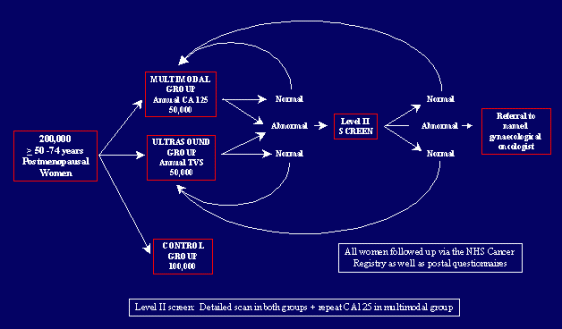
earlydetecttrialdesign1

The United Kingdom Collaborative Trial of Ovarian Cancer Screening - Overall Trial Design

Methods

Between 2001 and 2005, a total of 202,638 post-menopausal women aged 50—74 years were randomly assigned to [1] no treatment (control; n=101,359); [2] annual CA125 screening (interpreted using a risk of ovarian cancer algorithm) with transvaginal ultrasound scan as a second-line test (multimodal screening [MMS]; n=50,640); or [3] annual screening with transvaginal ultrasound (USS; n=50,639) alone in a 2:1:1 ratio using a computer-generated random number algorithm. All women provided a blood sample at recruitment. Women randomised to the MMS group had their blood tested for CA125 and those randomised to the USS group were sent an appointment to attend for a transvaginal scan. Women with abnormal screens had repeat tests. Women with persistent abnormality on repeat screens underwent clinical evaluation and, where appropriate, surgery. This trial is registered as ISRCTN22488978 and with ClinicalTrials.gov, number NCT00058032.

Findings

In the prevalence screen, 50,078 (98.9%) women underwent MMS, and 48,230 (95.2%) underwent USS. The main reasons for withdrawal were death (two MMS, 28 USS), non-ovarian cancer or other disease (none MMS, 66 USS), removal of ovaries (five MMS, 29 USS), relocation (none MMS, 39 USS), failure to attend three appointments for the screen (72 MMS, 757 USS), and participant changing their mind (483 MMS, 1,490 USS). Overall, 4,355 of 50,078 (8.7%) women in the MMS group and 5,779 of 48,230 (12.0%) women in the USS group required a repeat test, and 167 (0.3%) women in the MMS group and 1,894 (3.9%) women in the USS group required clinical evaluation. 97 of 50,078 (0.2%) women from the MMS group and 845 of 48,230 (1.8%) from the USS group underwent surgery. 42 (MMS) and 45 (USS) primary ovarian and tubal cancers were detected, including 28 borderline tumours (eight MMS, 20 USS). 28 (16 MMS, 12 USS) of 58 (48.3%; 95% CI 35.0—61.8) of the invasive cancers were stage I/II, with no difference (p=0.396) in stage distribution between the groups. A further 13 (five MMS, eight USS) women developed primary ovarian cancer during the year after the screen. The sensitivity, specificity, and positive-predictive values for all primary ovarian and tubal cancers were 89.4%, 99.8%, and 43.3% for MMS, and 84.9%, 98.2%, and 5.3% for USS, respectively. For primary invasive epithelial ovarian and tubal cancers, the sensitivity, specificity, and positive-predictive values were 89.5%, 99.8%, and 35.1% for MMS, and 75.0%, 98.2%, and 2.8% for USS, respectively. There was a significant difference in specificity (p<0.0001) but not sensitivity between the two screening groups for both primary ovarian and tubal cancers as well as primary epithelial invasive ovarian and tubal cancers.

Interpretation

The sensitivity of the MMS and USS screening strategies is encouraging. Specificity was higher in the MMS than in the USS group, resulting in lower rates of repeat testing and surgery. This in part reflects the high prevalence of benign adnexal abnormalities and the more frequent detection of borderline tumours in the USS group. The prevalence screen has established that the screening strategies are feasible. The results of ongoing screening are awaited so that the effect of screening on mortality can be determined.

Funding

Medical Research Council, Cancer Research UK and the Department of Health, UK; with additional support from the Eve Appeal, Special Trustees of Bart’s and the London, and Special Trustees of University College London Hospital.”

Primary Source

Sensitivity and specificity of multimodal and ultrasound screening for ovarian cancer, and stage distribution of detected cancers: results of the prevalence screen of the UK Collaborative Trial of Ovarian Cancer Screening (UKCTOCS); Sensitivity and specificity of multimodal and ultrasound screening for ovarian cancer, and stage distribution of detected cancers: results of the prevalence screen of the UK Collaborative Trial of Ovarian Cancer Screening (UKCTOCS); Usha Menon MD, Aleksandra Gentry-Maharaj Ph.D., Rachel Hallett Ph.D. et. al, The Lancet Oncology, Early Online Publication, 11 March 2009 doi:10.1016/S1470-2045(09)70026-9.

Comment

During an interview with the New York Times, Dr. Ian Jacobs, director of the Institute for Women’s Health at University College London, and director of the trial, discussed the optimism and the caveats associated with the preliminary clinical study results as follows:

We have now demonstrated we can pick up the vast majority of women with ovarian cancer earlier than they would have otherwise been detected and before they have symptoms, .. and that a good proportion of those women have earlier stage disease than we would normally expect them to have. … [W]omen thinking of having this must understand and realize that there’s a possibility it will do more harm than good. We have reason to think it will save lives, … and then the question is, will it save enough lives to balance out the harm it does? [Emphasis added].

Robert Smith, director of cancer screening for the American Cancer Society informed the New York Times that “[w]e’re not even remotely close to knowing how to screen women of average risk with these tests, or even if we should.” Mr Smith added that it is important to run large clinical trials, but that the preliminary results of this study must be interpreted with caution.

Secondary Sources

High-Dose Stereotactic Body Radiation Therapy Effective Treatment For Patients With Low Volume Lung or Liver Metastases

Libby’s H*O*P*E*™ previously reported on potential treatments for “oligometastasis,” which is defined as cancer that spreads to a few distant body sites, on June 23, 2008 and August 17, 2008.  Two related U.S. multi-institutional, phase I/II clinical studies and one Canadian Phase I clinical study reported recently results from an evaluation of the efficacy and tolerability of high-dose stereotactic body radiation therapy (SBRT) for the treatment of patients with liver or lung metastases.  A description of each study and its findings is provided below.  In addition, we have provided an excerpt from an editorial published in the Journal of Clinical Oncologythat comments upon the lessons learned from the three SBRT clinical studies described below, as well as other related studies.

Libby’s H*O*P*E*™ previously reported on potential treatments for “oligometastasis,” which is defined as cancer that spreads to a few distant body sites, on June 23, 2008 and August 17, 2008.  Two related U.S. multi-institutional, phase I/II clinical studies and one Canadian Phase I clinical study reported recently results from an evaluation of the efficacy and tolerability of high-dose stereotactic body radiation therapy (SBRT) for the treatment of patients with liver or lung metastases.  A description of each study and its findings are provided below.  In addition, we have provided an excerpt from an editorial published in the Journal of Clinical Oncology that comments upon the lessons learned from the three SBRT clinical studies described below, as well as other related studies.

sbrtU.S. SBRT Liver Metastases Study

In the first U.S. clinical study, patients with one to three hepatic lesions (with maximum individual tumor diameters less than 6 cm) were enrolled and treated on a multi-institutional, phase I/II clinical trial in which they received SBRT delivered in three fractions. During the phase I clinical study, the total radiation dose was safely escalated from 36 Gy to 60 Gy. During the phase II portion of the clinical study, the dose was 60 Gy. The study primary end point was local control of the hepatic metastases. Hepatic metastatic lesions with at least 6 months of radiographic follow-up were considered assessable for local control. The study secondary end points were toxicity and survival.

As part of this clinical study, 47 patients with 63 lesions were treated with SBRT. Among those patients, 69% had received at least one prior systemic therapy regimen for metastatic disease (range, 0 to 5 regimens), and 45% had extra-hepatic disease at study entry. Forty-nine discrete lesions were assessable for local control. Median follow-up for assessable lesions was 16 months (range, 6 to 54 months). The median maximal tumor diameter was 2.7 cm (range, 0.4 to 5.8 cm). Based upon this criteria, the researchers reported the following findings:

  • Only one patient experienced grade 3 or higher toxicity (2%);
  • Local progression occurred in only three lesions at a median of 7.5 months (range, 7 to 13 months) after SBRT;
  • Actuarial in-field local control rates at one and two years after SBRT were 95% and 92%, respectively;
  • Among lesions with maximal diameter of 3 cm or less, 2-year local control was 100%; and
  • Median survival was 20.5 months.

Based upon the foregoing, the U.S. researchers concluded that the multi-institutional, phase I/II clinical study demonstrates that high-dose liver SBRT is safe and effective for the treatment of patients with one to three liver metastases.

Canadian SBRT Liver Metastases Study

In the phase I Canadian clinical study, patients with liver metastases who were inoperable or medically unsuitable for resection, and were not candidates for standard therapies, were eligible for this individualized SBRT study. Individualized radiation doses were chosen to maintain the same nominal risk of radiation-induced liver disease (RILD) for three estimated risk levels (5%, 10%, and 20%).  Additional patients were treated at the maximal study dose (MSD) in an expanded cohort.  Median SBRT dose was 41.8 Gy (range, 27.7 to 60 Gy) in six fractions over 2 weeks.  Based upon this criteria, the Canadian researchers reported the following findings:

  • Sixty-eight patients with inoperable colorectal (n = 40), breast (n = 12), or other (n = 16) liver metastases were treated;
  • Median tumor volume was 75.2 mL (range, 1.19 to 3,090 mL);
  • The highest RILD risk level investigated was safe, with no dose-limiting toxicity;
  • Two patients experienced grade 3 liver enzyme changes, but no RILD or other grade 3 to 5 liver toxicity was seen, resulting in a low estimated risk of serious liver toxicity;
  • Six patients (9%) experienced acute grade 3 toxicities (two gastritis, two nausea, lethargy, and thrombocytopenia) and one (1%) patient experienced grade 4 toxicity (thrombocytopenia);
  • The 1-year local control rate was 71%; and
  • The median overall survival was 17.6 months.

Based upon the foregoing, the Canadian researchers concluded that individualized six-fraction liver metastases SBRT is safe, with sustained local control observed in the majority of patients.

U.S. SBRT Lung Metastases Study

In the third study, patients with one to three lung metastases (with cumulative maximum tumor diameter smaller than 7 cm) were enrolled and treated as part of a U.S. multi-institutional phase I/II clinical study in which they received SBRT delivered in 3 fractions.  During the phase I clinical study, the total dose was safely escalated from 48 to 60 Gy. During the phase II portion of the clinical study, the phase II dose was 60 Gy.  The study primary end point was local control.  Metastatic lung lesions with at least 6 months of radiographic follow-up were considered assessable for local control.  The study secondary end points included toxicity and survival.

As part of this study, 38 patients with 63 lesions were enrolled and treated at three U.S. participating institutions. Among those patients, 71% received at least one prior systemic regimen for metastatic disease and 34% had received at least two prior regimens (range, 0 to 5 regimens). Two patients had local recurrence after prior surgical resection. Fifty lesions were assessable for local control.  Median follow-up for assessable lesions was 15.4 months (range, 6 to 48 months). The median gross tumor volume was 4.2 mL (range, 0.2 to 52.3 mL). Based upon this criteria, the researchers reported the following findings:

  • There was no grade 4 toxicity;
  • The incidence of any grade 3 toxicity was 8% (3 of 38 patients);
  • Symptomatic pneumonitis occurred in one patient (2.6%);
  • Actuarial local control at one and two years after SBRT was 100% and 96%, respectively;
  • Local progression occurred in one patient, 13 months after SBRT; and
  • Median survival was 19 months.

Based upon the foregoing, the U.S. researchers concluded that the multi-institutional phase I/II clinical study demonstrates that high-dose SBRT is safe and effective for the treatment of patients with one to three lung metastases.

Using a Bigger Hammer: The Role of Stereotactic Body Radiotherapy in the Management of Oligometastases Journal of Clinical Oncology Editorial

“… What can we learn from these three trials [described above]?

First, we have learned once again that it is possible to conduct prospective trials of new technological approaches. This is an important lesson. This is how future technologies, such as proton therapy, should be tested.

Second, although the poor overall survival of patients in these trials competes with the risk of local relapse, possibly leading to overestimation of the probability of local control at 2 years, it seems likely that SBRT is a good treatment for such patients. It would seem that a standardized dose/fractionation scheme, such as 60Gyin three fractions, works well for tumors smaller than 3 cm; larger ones may benefit from an individualized approach, such as described by Lee et al. [Canadian study decribed above, ftnote omitted]. However, we must continue to remember past experiences with hypofractionation of large volumes, which can produce severe late normal-tissue effects, especially fibrosis. Even if small volumes are irradiated, catastrophic complications can occur.  In the case of lung cancer, severe unacceptable complications (bronchial fibrosis or hemorrhage) have been associated with treatment of lesions within 2 cm of major airways.  A more protracted (five-fraction) regimen is about to be tested in a Radiation Therapy Oncology Group (RTOG) trial that will open in the coming months that will determine if these toxicities can be avoided.  Lesions close to the chest wall may also benefit from a more protracted fractionation to avoid rib fractures.  In the case of medial or central liver lesions, hypofractionation can cause intestinal obstruction or biliary fibrosis.

Finally, we should recognize that the methodology used in these trials applies to patients with relatively normal liver and lung functions.  At this time, it is not clear how to account for organ dysfunction in patients with lung cancer or primary liver tumors.  Certainly, differences in tolerance to radiation between patients with liver metastases and those with primary liver tumors have been observed before [ftnote omitted].  Therefore, although SBRT seems to have given us a bigger hammer, we still have much to learn about how and when to strike the nails.”

Primary Sources:

M.D. Anderson Researchers Find GM-CSF and rIFN-gamma1b Plus Carboplatin Effective For the Treatment of Recurrent, Platinum-Sensitive Ovarian Cancer

Researchers working in the Gynecologic Oncology Department of The University of Texas M.D. Anderson Cancer Center, reported Phase II clinical study results from their evaluation of the use of carboplatin, granulocyte-macrophage colony-stimulating factor (GM-CSF) and recombinant interferon gamma 1b (rIFN-gamma1b) in women with recurrent, platinum-sensitive ovarian, fallopian tube and primary peritoneal cancer. …

Researchers working in the Gynecologic Oncology Department of The University of Texas M.D. Anderson Cancer Center, reported Phase II clinical study results from their evaluation of the use of carboplatin, granulocyte-macrophage colony-stimulating factor (GM-CSF) and recombinant interferon gamma 1b (rIFN-gamma1b) in women with recurrent, platinum-sensitive ovarian, fallopian tube and primary peritoneal cancer.

As part of this Phase II clinical study, patients with recurrent, platinum-sensitive ovarian, fallopian tube or primary peritoneal cancer were treated with subcutaneous GM-CSF and rIFN-gamma1b before and after intravenous carboplatin until their disease progressed or unacceptable toxicity occurred. All patients had measurable disease and a chemotherapy-free interval >6 months. Response was determined using Response Evaluation Criteria In Solid Tumors (RECIST) criteria and CA 125 blood serum levels. Between 2003 and 2007, 59 patients received a median of 6 cycles of therapy (range, 1 to 13 cycles). The median patient age at enrollment was 61 years (range, 35 to 79 years). The median patient time to disease progression prior to clinical study enrollment was 11 months (range, 6 to 58 months).

The M.D. Anderson researchers reported the following results:

Based upon the foregoing results, the researchers concluded that the pre- and post-carboplatin cytokine regimen resulted in a reasonable response and a hematologic profile that could invite further evaluation of its components in the treatment of patients with ovarian cancer.

Primary SourceA phase II study of GM-CSF and rIFN-gamma1b plus carboplatin for the treatment of recurrent, platinum-sensitive ovarian, fallopian tube and primary peritoneal cancer; Schmeler KM, Vadhan-Raj S, Ramirez PT et. al., Gynecol Oncol. 2009 Mar 3. [Epub ahead of print].

ProLindac Produces 66% Disease Stabilization In Heavily-Pretreated Patients Within Phase II Study High Dose Groups

“… ACCESS PHARMACEUTICALS, INC. … , announced today positive safety and efficacy results from its Phase 2 monotherapy clinical study of ProLindac(TM) in late-stage, heavily pretreated ovarian cancer patients. In this monotherapy study 66% of patients who received the highest dose achieved clinically meaningful disease stabilization according to RECIST [Response Evaluation Criteria in Solid Tumors] criteria. No patient in any dose group exhibited any signs of acute neurotoxicity, which is a major adverse side-effect of the approved DACH platinum, Eloxatin, and ProLindac was well tolerated overall. The maximum tolerated dose of ProLindac was established as well as the recommended dose levels for future combination studies. …”

66% of evaluable heavily-pretreated patients in the high dose groups achieved disease stabilization. ProLindac was well tolerated overall.

DALLAS, March 5 /PRNewswire-FirstCall/ — ACCESS PHARMACEUTICALS, INC. (OTCBB: ACCP), announced today positive safety and efficacy results from its Phase 2 monotherapy clinical study of ProLindac(TM) in late-stage, heavily pretreated ovarian cancer patients. In this monotherapy study 66% of patients who received the highest dose achieved clinically meaningful disease stabilization according to RECIST [Response Evaluation Criteria in Solid Tumors] criteria. No patient in any dose group exhibited any signs of acute neurotoxicity, which is a major adverse side-effect of the approved DACH platinum, Eloxatin, and ProLindac was well tolerated overall. The maximum tolerated dose of ProLindac was established as well as the recommended dose levels for future combination studies.

‘We are very pleased with these results. ProLindac was well tolerated in an absolute sense and relative to commercially-available platinum therapies. We saw significant DACH platinum activity and efficacy in patients at the highest dose levels which is very encouraging given that this study involved monotherapy in a heavily pretreated patient population that typically only respond to an aggressive drug combination,’ commented Dr. David Nowotnik, Access’ Senior Vice President R&D. ‘The DACH platinum activity level seen benchmarked favorably with published studies of monotherapy oxaliplatin in similar but less heavily pre-treated patient populations. Having achieved the recommended dose for future combination studies, we look forward to moving ahead in the clinic ourselves and with our regional partners.’

This 26 patient Phase 2 study explored 3 different dose levels and 2 dosing regimens of ProLindac as a monotherapy treatment for advanced ovarian cancer, to provide data on the monotherapy anticancer activity and safety of ProLindac. Of patients eligible for evaluation according to standard RECIST criteria, clinically-meaningful disease stabilization was achieved in 42% of all patients, and 66% of all patients in the higher dose groups. Sustained and significant reductions in Ca-125, the established specific serum marker for ovarian cancer, were also observed in several patients.

‘We are delighted that the results from this study support our belief that ProLindac is an active platinum agent with a favorable side effect profile,’ stated Jeffrey B. Davis, Access’ President & CEO. ‘These data provide us with a strong incentive to continue the clinical development of ProLindac. As previously announced, we are currently planning a number of combination trials, looking at combining ProLindac with other cancer agents, such as taxol and gemcitabine, in multiple solid tumor indications including colorectal and ovarian.’

Access has previously announced that it has licensed ProLindac to Jiangsu Aosaikang Pharmaceutical Co., Ltd. (“ASK”) for the Greater China Region and to JCOM, Ltd for South Korea. Under these agreements both of these partners will be conducting Phase 2 combination studies with ProLindac in specific tumor types at their expense based on these results. Access is currently in discussion with potential partners for development and commercialization of ProLindac in additional territories.

About ProLindac(TM):

ProLindac is a novel DACH platinum prodrug which has been shown to be active in a wide variety of solid tumors in both preclinical models and in human trials. Access believes that ProLindac’s unique molecular design potentially could eliminate some of the toxic side effects seen in the currently marketed DACH platinum, Eloxatin, which has sales in excess of $2 billion.

About Access:

Access Pharmaceuticals, Inc. is an emerging biopharmaceutical company that develops and commercializes propriety products for the treatment and supportive care of cancer patients. Access’ products include ProLindac(TM), currently in Phase 2 clinical testing of patients with ovarian cancer, and MuGard(TM) for the management of patients with mucositis. The company also has other advanced drug delivery technologies including Cobalamin(TM)-mediated targeted delivery and oral drug delivery, its proprietary nanopolymer delivery technology based on the natural vitamin B12 uptake mechanism; Angiolix(R), a humanized monoclonal antibody which acts as an anti-angiogenesis factor and is targeted to breast cancer; Prodrax(R), a non-toxic prodrug which is activated in the hypoxic zones of solid tumors to kill cancer cells; Alchemix, a chemotherapeutic agent that combines multiple modes of action to overcome drug resistance. Access is also developing Phenylbutyrate (“PB”), an HDAC inhibitor and differentiating agent currently a Phase 2 clinical candidate. Access recently announced the acquisition of MacroChem Corporation. This acquisition provides Access with three additional late-stage product candidates. Pexiganan, a novel topical anti-infective for the treatment of diabetic foot infection, has already completed two Phase 3 trials. EcoNail is a topically applied econazole lacquer based on Access’ proprietary SEPA polymer technology, for the treatment of onychomycosis, a condition commonly known as nail fungus. Thiarabine is a new generation nucleoside analog which has demonstrated both pre-clinical and clinical activity in certain cancers. For additional information on Access Pharmaceuticals, please visit our website at www.accesspharma.com.

This press release contains certain statements that are forward-looking within the meaning of Section 27a of the Securities Act of 1933, as amended, and that involve risks and uncertainties. These statements include those relating to: clinical trial plans and timelines and clinical results for ProLindac and product candidates acquired in the MacroChem transaction, our ability to execute licensing agreements in the future, Access’ plans to continue and initiate clinical trials, the value of its products in the market, its ability to achieve clinical and commercial success and its ability to successfully develop marketed products. These statements are subject to numerous risks, including but not limited Access’ need to obtain additional financing in order to continue the clinical trial and operations and to the risks detailed in Access’ Annual Reports on Form 10-K and other reports filed by Access with the Securities and Exchange Commission.”

Quoted Source66% of evaluable heavily-pretreated patients in the high dose groups achieved disease stabilization. ProLindac was well tolerated, Press Release, lAccess Pharmaceuticals, Inc., March 5, 2009.

Evaluation of Neoadjuvant Chemotherapy and Debulking Followed by Intraperitoneal Chemotherapy in Women with Stage III and IV Epithelial Ovarian, Fallopian Tube or Primary Peritoneal Cancer

It is well known that intraperitoneal (IP) chemotherapy prolongs survival in optimally cytoreduced (or debulked) ovarian cancer patients.  For patients who can not be optimally debulked, it is possible to administer neoadjuvant chemotherapy to place that patient in a position to be optimally debulked (i.e., 1 cm or less of residual disease post surgery) , thereby allowing the use of post-surgery IP chemotherapy (assuming optimal cytoreduction is achieved through surgery). This theory was tested in a Phase II clinical study (S0009) conducted by the Southwest Oncology Group (SOG). …

It is well known that intraperitoneal (IP) chemotherapy prolongs survival in optimally cytoreduced (or debulked) ovarian cancer patients.  For patients who can not be optimally debulked, it is possible to administer neoadjuvant chemotherapy to place that patient in a position to be optimally debulked (i.e., 1 cm or less of residual disease post surgery) , thereby allowing the use of post-surgery IP chemotherapy (assuming optimal cytoreduction is achieved through surgery). This theory was tested in a Phase II clinical study (S0009) conducted by the Southwest Oncology Group (SOG).

In SOG Study S009, researchers sought to evaluate overall survival (OS), progression-free survival (PFS), percentage of patients optimally debulked, and toxicity in Stage III/IV ovarian cancer patients treated with this strategy.

As part of the study, women with stage III/IV (pleural effusions only in stage IV) epithelial ovarian cancer, and fallopian tube or primary peritoneal carcinoma that presented with bulky disease were treated with neoadjuvant intravenous (IV) paclitaxel and carboplatin.  If, after neoadjuvant IV chemotherapy, the patient experienced a 50% or greater decrease in her CA125 tumor marker, cytoreduction surgery was performed.  If optimal debulking was achieved, the patient received IV paclitaxel, IP carboplatin and IP paclitaxel post-surgery.

The results of the study are set forth below.

  • 62 patients were registered for the study, of which four were ineligible.
  • 56 patients were evaluated for neoadjuvant chemotherapy toxicities. One patient died of pneumonia. Five patients had grade 4 toxicity, including neutropenia, anemia, leukopenia, anorexia, fatigue, muscle weakness, respiratory infection, and cardiac ischemia.
  • 36 patients received debulking surgery, and two patients had grade 4 hemorrhage.
  • 26 patients received post-cytoreduction chemotherapy. Four had grade 4 neutropenia.
  • At a median follow-up of 21 months, median PFS is 21 months and median OS is 32 months for all 58 patients.
  • PFS and OS for the 26 patients who received IV/IP chemotherapy is 29 and 34 months, respectively

The researchers performing the study concluded that the results compare favorably with other studies of sub-optimally debulked (i.e., >1 cm of residual disease post surgery) patients.

Primary SourcePhase II evaluation of neoadjuvant chemotherapy and debulking followed by intraperitoneal chemotherapy in women with stage III and IV epithelial ovarian, fallopian tube or primary peritoneal cancer: Southwest Oncology Group Study S0009; Tiersten AD, Liu PY, Smith HO et. al., Gynecol Oncol. 2009 Mar;112(3):444-9. Epub 2009 Jan 12.

Sometimes More Is Less: Evaluation of Experimental Platinum-Based Treatment Regimens in Advanced-Stage Ovarian Cancer; A Phase III Trial of the Gynecologic Cancer InterGroup

“… Compared with standard paclitaxel and carboplatin, addition of a third cytotoxic agent [gemcitibine, liposomal doxorubicin or topotecan] provided no benefit in PFS [progression-free survival] or OS [overall survival] after optimal or suboptimal cytoreduction. Dual-stage, multiarm, phase III trials can efficiently evaluate multiple experimental regimens against a single reference arm. The development of new interventions beyond surgery and conventional platinum-based chemotherapy is required to additionally improve outcomes for women with advanced EOC.”

“Michael A. Bookman,* Mark F. Brady, William P. McGuire, Peter G. Harper, David S. Alberts, Michael Friedlander, Nicoletta Colombo, Jeffrey M. Fowler, Peter A. Argenta, Koen De Geest, David G. Mutch, Robert A. Burger, Ann Marie Swart, Edward L. Trimble, Chrisann Accario-Winslow, and Lawrence M. Roth

From the Fox Chase Cancer Center, Philadelphia, PA; Gynecologic Oncology Group Statistical and Data Center, Buffalo, NY; Franklin Square Hospital; Baltimore, MD; Guy’s Hospital, London, United Kingdom; Arizona Cancer Center, Tucson, AZ; Australia New Zealand Gynaecological Oncology Group, Camperdown, Australia; European Institute of Cancer Research, Milano, Italy; Ohio State University, Columbus, OH; University of Minnesota School of Medicine, Minneapolis, MN; University of Iowa Hospitals and Clinics, Iowa City, IA; Washington University School of Medicine, St. Louis, MO; University of California, Irvine Medical Center, Orange, CA; University College London and Medical Research Council Clinical Trials Unit, London, United Kingdom; National Cancer Institute, Bethesda, MD; and Indiana University School of Medicine, Indianapolis, IN.

* To whom correspondence should be addressed. E-mail: michael.bookman@fccc.edu

Purpose: To determine if incorporation of an additional cytotoxic agent improves overall survival (OS) and progression-free survival (PFS) for women with advanced-stage epithelial ovarian carcinoma (EOC) and primary peritoneal carcinoma who receive carboplatin and paclitaxel.

Patients and Methods: Women with stages III to IV disease were stratified by coordinating center, maximal diameter of residual tumor, and intent for interval cytoreduction and were then randomly assigned among five arms that incorporated gemcitabine, methoxypolyethylene glycosylated liposomal doxorubicin, or topotecan compared with carboplatin and paclitaxel. The primary end point was OS and was determined by pairwise comparison to the reference arm, with a 90% chance of detecting a true hazard ratio of 1.33 that limited type I error to 5% (two-tail) for the four comparisons.

Results: Accrual exceeded 1,200 patients per year. An event-triggered interim analysis occurred after 272 events on the reference arm, and the study closed with 4,312 women enrolled. Arms were well balanced for demographic and prognostic factors, and 79% of patients completed eight cycles of therapy. There were no improvements in either PFS or OS associated with any experimental regimen. Survival analyses of groups defined by size of residual disease also failed to show experimental benefit in any subgroup.

Conclusion: Compared with standard paclitaxel and carboplatin, addition of a third cytotoxic agent provided no benefit in PFS or OS after optimal or suboptimal cytoreduction. Dual-stage, multiarm, phase III trials can efficiently evaluate multiple experimental regimens against a single reference arm. The development of new interventions beyond surgery and conventional platinum-based chemotherapy is required to additionally improve outcomes for women with advanced EOC.”

Quoted Source Evaluation of New Platinum-Based Treatment Regimens in Advanced-Stage Ovarian Cancer: A Phase III Trial of the Gynecologic Cancer InterGroup; Bookman MA et. al., J Clin Oncol. 2009 Feb 17. [Epub ahead of print].

Libby’s H*O*P*E*(tm) Adds New Cancer Video Archive Courtesy of Vodpod.com

Yesterday, Libby’s H*O*P*E* added a new cancer video archive to the weblog courtesy of Vodpod.com.  Currently, the archive contains approximately 90 videos that address many general cancer and ovarian cancer issues, as well as the personal voices of those affected by cancer. The new video archive is located on the homepage right sidebar.  All you have to do is “click and play.”
vodpod-logoYesterday, Libby’s H*O*P*E* added a new cancer video archive to the weblog courtesy of Vodpod.com.  Currently, the archive contains approximately 90 videos that address many general cancer and ovarian cancer issues, as well as the personal voices of those affected by cancer. The new video archive is located on the homepage right sidebar.  All you have to do is “click and play.”  The video arrangement is set to “random order” so that new videos appear on the homepage sidebar each time you visit Libby’s H*O*P*E*.
If you are aware of a general cancer/ovarian cancer video that is educational, heartfelt, inspirational, humorous, poignant, or is simply dedicated to the one you love, please provide us with the URL address of the video.  The URL video address can be sent to us by email (click on the “contact” button located at the top of the homepage), or by comment (post a comment under this post).  Upon receipt of the video URL address, we will add the referenced video to the new archive.  We appreciate your participation in adding to our video archive and hope you find the archive helpful.

Imatinib & Docetaxel Produce Modest Response Against Recurrent Platinum Resistant/Refractory Ovarian Cancer

A combination of imatinib mesylate (Gleevec®) and docetaxel (Taxotere®) produced only a modest response in patients with recurrent, platinum-resistant or refractory ovarian cancer, according to the results of a Phase II clinical trial conducted by the Hoosier Oncology Group at Indiana University Cancer Center.

Background

A combination of imatinib mesylate (Gleevec®) and docetaxel (Taxotere®) produced only a modest response in patients with recurrent, platinumresistant or refractory ovarian cancer, according to the results of a Phase II clinical trial conducted by the Hoosier Oncology Group at Indiana University Cancer Center.

Imatinib mesylate (Imatinib) is an inhibitor of the (i) receptor tyrosine kinases (RTKs) for platelet-derived growth factor (PDGF) and stem cell factor (SCF), and (ii) c-Kit. RTKs are key regulators of normal cellular processes, and may play a critical role in the development and progression of many types of cancer. PDGF is one of the numerous growth factors, or proteins, that regulate cell growth and division. In particular, it plays a significant role in new blood vessel formation (angiogenesis) from existing blood vessels. SCF is a growth factor, or protein, important for the survival, proliferation, and differentiation of hematopoietic stem cells that give rise to all types of blood cells. C-kit is a protein that is expressed on the surface of hematopoietic stem cells as well as other cell types, and binds to stem cell factor (a substance that causes certain types of cells to grow). Docetaxel, a chemotherapy drug, promotes cell growth arrest.

Based upon the foregoing, the trial investigators hypothesized that use of imatinib (in tandem with docetaxel) would inhibit or block the RTKs for PDGF & SCF and the c-kit receptor, and cause tumor disruption by enhancing the effect of chemotherapy while controlling tumor angiogenesis. Also, the combination of imatinib and docetaxel previously produced synergistic effects in-vitro (in the laboratory) and in-vivo (in mice). As a monotherapy, and prior to this trial, docetaxel produced single agent activity in ovarian cancer with response rates of 30% to 40% in the platinum refractory setting.

The Imatinib/Docetaxel Phase II Clinical Trial

Pursuant to trial eligibility criteria, all patients had recurrent, platinum-resistant, or refractory epithelial ovarian cancer that expressed PDGFR or c-kit, as determined by immunohistochemistry. This screening resulted in the enrollment of 23 patients with the following tumor characteristics: 4 patients had c-kit-positive/PDGFR-negative tumors, 11 patients had PDGFR-positive/c-kit-negative tumors, and 8 patients had c-kit-positive/PDGFR-positive tumors. The median patient age was 56 years (ranging from 33 to 76 years). Enrolled patients had received a median of 3 prior lines of treatment.

The overall response rate was 21.7%, which included 1 complete response (CR) and 4 partial responses (PR). An additional 3 patients had stable disease for more than 4 months. The trial investigators determined that the expression of PDGFR and/or c-kit, did not predict response to this combination therapy. The most common adverse events encountered were fatigue (83%), nausea (74%), diarrhea (61%), anorexia (52%), and edema (65%), and the majority of those events were grade 1 or 2 events.

Based upon the foregoing, the trial investigators concluded that the combination treatment of imatinib and docetaxel was tolerated in patients with heavily pretreated epithelial ovarian cancer that expressed c-kit or PDGF, but found that few patients had sustained responses or stable disease, when compared with the 30% to 40% response rate of docetaxel used as a monotherapy in a platinum refractory setting.

Sources:

Working Smarter, Not Harder: Use of Anti-Estrogen Therapy to Battle Recurrent Ovarian Cancer

The Gynecologic Oncology department of the University of Texas, M.D. Anderson Cancer Center took a page out of the breast cancer treatment “playbook,” and conducted a single institution Phase II clinical trial using letrozole (Femara®) to treat recurrent, platinum and taxane resistant, high-grade cancer of the ovary and peritoneum. …The trial investigators concluded that 26% (8/31 pts.) of patients with ER+ … ovarian and primary peritoneal cancer derived a clinical benefit (stable disease (SD) + partial response (PR)) after treatment with letrozole (Femara®).

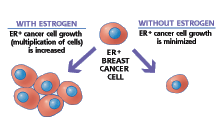
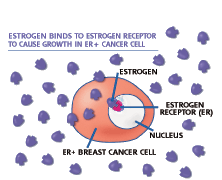
Pursuant to the breast cancer standard of care, breast tissue tumor is routinely analyzed to determine if it is “estrogen receptor positive” (ER positive or ER+), meaning that tumor growth is fueled by the hormone estrogen. It is well-known in the breast cancer area that hormonal therapy is a very effective treatment against breast cancer that is ER+. Sometimes referred to as “anti-estrogen therapy,” hormonal therapy blocks the ability of the hormone estrogen to turn on and stimulate the growth of breast cancer cells.

For decades, the anti-estrogen therapy of choice for treatment of ER+ breast cancer was tamoxifen. In 2005, several world-wide clinical trials reported that aromatase inhibitors (specifically, anastrozole (Arimidex®), exemestane (Aromasin®), and letrozole (Femara®) were more effective than tamoxifen in post-menopausal women with ER+ breast cancer. Aromatase inhibitor drug use is currently the standard of care for treatment of post-menopausal women with ER+ breast cancer, while tamoxifen remains the hormonal treatment of choice for pre-menopausal women.

The Gynecologic Oncology department of the University of Texas, M.D. Anderson Cancer Center took a page out of the breast cancer treatment “playbook,” and conducted a single institution Phase II clinical trial using letrozole (Femara®) to treat recurrent, platinum and taxane resistant, high-grade cancer of the ovary and peritoneum.

Thirty-three patients enrolled in the Phase II clinical trial, and each had measurable disease that tested ER+ pursuant to trial eligibility criteria. Twenty-three patients (74%) had received three or more prior chemotherapy regimens. Letrozole (Femara®) was administered at a dose of 2.5 mg orally once daily until disease progression or toxicity occurred. The median patient age was 63 years (ranging from 38 to 83 years).

The 31 patients evaluable for response received a total of 81 cycles (4 weeks per cycle) of therapy (ranging from 1 to 14 cycles per patient). The median treatment duration was 8 weeks (ranging from 4 to 52 weeks). The trial investigators reported that (i) none of the patients had a complete response (CR), (ii) 1 (3%) had a partial response (PR), and (iii) 7 (23%) had stable disease (SD). The median duration of clinical benefit (SD and PR) was 9 weeks (ranging from 7 to 46 weeks). The median follow-up for all patients was 25 weeks. All evaluable patients were monitored for toxicity. The most common adverse effects were fatigue (36%) and diaphoresis (21%). No grade 3 or 4 toxicities were reported, and no patients discontinued treatment owing to adverse effects. Eighteen patients (58%) went on to receive additional therapy with other agents.

Based upon the results above, the trial investigators concluded that 26% (8/31 pts.) of patients with ER+, platinum- and taxane-resistant, high-grade ovarian and primary peritoneal cancer derived a clinical benefit (stable disease (SD) + partial response (PR)) after treatment with letrozole (Femara®).

Sources:

Comment: Based upon the references listed above and below, it appears that the opening of clinical trials that utilize anti-estrogen therapy to treat ER+ ovarian cancer is long overdue. The “take away” from the M.D. Anderson clinical trial study results is that an ovarian cancer survivor should request her doctor to test the ovarian cancer tumor tissue obtained from surgery or biopsy for estrogen receptor positivity, so as to determine if she is eligible to use anti-estrogen therapy (within the context of a clinical trial) as part of an overall cancer treatment plan.

It is important to note that letrozole is a low side effect, oral drug. Moreover, M.D. Anderson’s letrozole monotherapy produced a 26% clinical benefit rate among ER+, platinum- and taxane-resistant, ovarian and peritoneal cancer patients, despite the fact that approximately three-quarters of the clinical trial patients were heavily pretreated with multiple lines of chemotherapy prior to their trial enrollment. It is promising to consider the potential clinical benefit that could be generated by anti-estrogen therapy in a neoadjuvant or adjuvant ovarian cancer treatment setting.

Additional Anti-Estrogen Therapy/Ovarian Cancer References:

  • Estrogen-regulated gene expression predicts response to endocrine therapy in patients with ovarian cancer, Walker G et. al.; Gynecol Oncol. 2007 Sep;106(3):461-8. Epub 2007 Jul 10. (“OBJECTIVE: To explore the predictive value of estrogen-regulated gene changes as indicators of sensitivity in ovarian cancer patients treated with the aromatase inhibitor Letrozole. … CONCLUSION: These results suggest that expression levels of certain proteins in ovarian cancers are estrogen-regulated and could help identify patients who would benefit from endocrine therapy.” [i.e., anti-estrogen therapy])
  • Antiestrogen therapy is active in selected ovarian cancer cases: the use of letrozole in estrogen receptor-positive patients, Smyth JF et. al.; Clin Cancer Res. 2007 Jun 15;13(12):3617-22 (“PURPOSE: To evaluate the efficacy of the aromatase inhibitor letrozole in preselected estrogen receptor (ER)-positive relapsed epithelial ovarian cancer patients and to identify markers that predict endocrine-sensitive disease. EXPERIMENTAL DESIGN: This was a phase II study of letrozole 2.5 mg daily until clinical or marker evidence of disease progression in previously treated ER-positive ovarian cancer patients with a rising CA125 that had progressed according to Rustin’s criteria. The primary end point was response according to CA125 and response evaluation criteria in solid tumors (RECIST) criteria. Marker expression was measured by semiquantitative immunohistochemistry in sections from the primary tumor. RESULTS: Of 42 patients evaluable for CA125 response, 7 (17%) had a response (decrease of >50%), and 11 (26%) patients had not progressed (doubling of CA125) following 6 months on treatment. The median time taken to achieve the CA125 nadir was 13 weeks (range 10-36). Of 33 patients evaluable for radiological response, 3 (9%) had a partial remission, and 14 (42%) had stable disease at 12 weeks. Eleven patients (26%) had a PFS of >6 months. Subgroup analysis according to ER revealed CA125 response rates of 0% (immunoscore, 150-199), 12% (200-249), and 33% (250-300); P = 0.028, chi(2) for trend. Expression levels of HER2, insulin-like growth factor binding protein 5, trefoil factor 1, and vimentin were associated with CA125 changes on treatment. CONCLUSIONS: This is the first study of a hormonal agent in a preselected group of ER-positive ovarian cancer patients. A signature of predictive markers, including low HER2 expression, predicts response.)
  • The efficacy of tamoxifen in patients with advanced epithelial ovarian cancer, Karagol H et. al.; Med Oncol. 2007;24(1):39-43 (“BACKGROUND: Activity of tamoxifen as a salvage therapy in patients with advanced epithelial ovarian cancer was evaluated by a number of studies. In this study, we evaluated efficacy of tamoxifen in our patients with platinum-resistant epithelial ovarian carcinoma. … RESULTS: Twenty-nine eligible patients were included to the study. There were 1 (3%) complete response, 2 (7%) partial response, 6 (21%) stable disease, and 20 (69%) progressive disease. All patients were progressed after initiation of tamoxifen. Median progression-free survival was 4 mo (95% CI: 2.98-5.02). Disease progression of 19 (65%) patients were shown within the first 6 mo after initiation of tamoxifen. Progression-free survival was between 6 and 12 mo for 7 (24%) patients and > or =12 mo for 3 (10%) patients. The median survival after initiation of tamoxifen was 15 mo (95% CI: 7.2-22.8). No toxicity attributable to tamoxifen was seen in any of the patients. The only independent prognostic factor that had a significant predictive value for progression- free survival was the response to tamoxifen treatment (p = 0.043, hazard ratio: 0.12, 95% CI: 0.01-0.94). CONCLUSION: Considering minimal side effects and ability to cause objective responses, there is a place for tamoxifen in treatment of patients with platinum-resistant ovarian cancer. A phase III trial is required to confirm the value of the drug in patients presenting these clinical settings.”)
  • Anastrozole therapy in recurrent ovarian adult granulosa cell tumors: a report of 2 cases, Freeman SA, Modesitt SC; Gynecol Oncol. 2006 Nov;103(2):755-8. Epub 2006 Jul 25 (“BACKGROUND: Ovarian sex cord stromal tumors are frequently hormonally active, and adult granulosa cell tumors often demonstrate estrogen receptor positivity. Thus, hormonal agents have been evaluated as potential treatments for advanced stage or recurrent adult granulosa cell tumors. CASE: Two cases of patients with recurrent adult granulosa cell tumors are presented. Each patient received multiple treatment modalities including chemotherapy and had previously progressed on leuprolide. Both patients were started on anastrozole with subsequent normalization of inhibin B levels and clinical exams. They have been maintained on treatment for 14 and 18 months, respectively, and have tolerated the drug without difficulty. CONCLUSION: Aromatase inhibitors may be a viable treatment option for women with advanced stage or recurrent ovarian adult granulosa cell tumors.”)
  • Hormonal therapy in epithelial ovarian cancer, Rao GG, Miller DS; Expert Rev Anticancer Ther. 2006 Jan;6(1):43-7. (“The ovary is an endocrine and end organ. Hormones and their receptors have been associated with ovarian cancer and may be related to its causation. Some data suggest that hormonal therapies may have an effect on ovarian cancer in palliative settings. The most well studied anticancer drugs are tamoxifen, megestrol acetate, medroxyprogesterone acetate, leuprolide acetate, anastrozole and letrozole. Presently, no hormonal therapy is approved by the US FDA for the treatment of any type of ovarian malignancy or is listed as an active agent by any of the authoritative compendia. Owing to the endocrine associations with ovarian cancer, the minimal side effects of hormonal therapy and the demonstrated activity of hormonal therapies in other endocrine organ-associated malignancies, further study of hormonal therapies for ovarian cancer is warranted.”)
  • Aromatase expression in ovarian epithelial cancers, Cunat S et. al.; J Steroid Biochem Mol Biol. 2005 Jan;93(1):15-24 (” … Aromatase activity was evaluated in ovarian epithelial cancer (OEC) cell lines by the tritiated water assay and the effects of third-generation aromatase inhibitors (AIs) on aromatase activity and growth were studied. Letrozole and exemestane were able to completely inhibit aromatase activity in BG1 and PEO14 cell lines. Interestingly, both AI showed an antiproliferative effect on the estrogen responsive BG1 cell line co-expressing aromatase and ERalpha. Aromatase expression was found in ovarian epithelial normal tissues and in some ovarian epithelial cancer cells and tissues. This finding raises the possibility that some tumors may respond to estrogen and provides a basis for ascertaining an antimitogenic effect of AI in a subgroup of ovarian epithelial cancers.”)
  • Hormone therapy in epithelial ovarian cancer, Makar AP; Endocr Relat Cancer. 2000 Jun;7(2):85-93 (“Although epidemiologic studies, animal experiments and receptor studies have shown that not only normal ovaries but also many malignant ovarian tumors can be considered as endocrine related and hormone dependent, the place of hormonal therapy in the management of patients with ovarian cancer remains unsettled. Most trials of hormonal treatment in ovarian cancer have been retrospective, involved only limited numbers of patients, and lacked important patient-related data and information pertaining to tumor characteristics. In addition, a variety of hormonal preparations with different degrees of potency and in different dosages were included in these studies. A literature review shows that response to hormonal therapy even in a preterminal setting, is modest, with about 8% objective response but almost no side effects. In a similar patient setting, more toxic therapeutic agents do not yield a better response. The place of hormonal therapy in the management of patients with epithelial ovarian cancer needs more thorough evaluation in well-designed randomized trials.”)

Combination Targeted Therapy With Sorafenib & Bevacizumab Shows Antitumor Activity

The results from a recent Phase I solid tumor clinical trial indicate that combination targeted therapy with sorafenib and bevacizumab produces anti-tumor activity (and enhanced toxicity) with respect to 43% of the ovarian cancer patients enrolled in that trial. Sorafenib (Nexavar®) inhibits the Raf kinase and vascular endothelial growth factor (VEGF) receptor. Bevacizumab (Avastin®) is a monoclonal antibody targeted against VEGF.

Dr. Elise Kohn, Principal Trial Investigator, NCI Center for Cancer Research

Dr. Elise Kohn, Principal Trial Investigator, NCI Center for Cancer Research

The results from a recent Phase I solid tumor clinical trial indicate that combination targeted therapy with sorafenib and bevacizumab produces antitumor activity (and enhanced toxicity) with respect to 43% of the ovarian cancer patients enrolled in that trial. Sorafenib (Nexavar®) inhibits the Raf kinase and vascular endothelial growth factor (VEGF) receptor. Bevacizumab (Avastin®) is a monoclonal antibody targeted against VEGF. The trial is sponsored by the National Cancer Institute (NCI) and Elise Kohn is the principal trial investigator.

The patients enrolled in the trial had advanced solid tumors, with Eastern Cooperative Oncology Group performance status of 0 to 1. A phase I dose-escalation trial of sorafenib and bevacizumab was initiated at below-recommended single-agent doses because of possible overlapping toxicity: sorafenib 200 mg orally twice daily and bevacizumab intravenously at 5 mg/kg (dose level (DL1)) or 10 mg/kg (dose level (DL2)) every 2 weeks. Additional patients were enrolled at the maximum-tolerated dose (MTD).

Thirty-nine patients were treated under the trial protocol. DL1 was the MTD and was administered to 27 patients. Dose-limiting toxicity in DL2 was grade 3 proteinuria and thrombocytopenia. Adverse events included hypertension, hand-foot syndrome, diarrhea, transaminitis, and fatigue. Partial responses (PRs) were seen in six (43%) of 13 patients with ovarian cancer (response duration range, 4 to 22+ months) and one of three patients with renal cell cancer (response duration, 14 months). PR or disease stabilization ≥ 4 months (median, 6 months; range, 4 to 22+ months) was seen in 22 (59%) of 37 assessable patients. The majority (74%) required sorafenib dose reduction to 200 mg/orally at a median of four cycles (range, one to 12 cycles).

The trial investigators concluded that combination therapy with sorafenib and bevacizumab has promising clinical activity, especially in patients with ovarian cancer. The trial investigators also noted that the rapidity and frequency of sorafenib dose reductions indicates that sorafenib at 200 mg twice daily with bevacizumab 5 mg/kg every 2 weeks may not be tolerable long term, and alternate sorafenib dosing schedules should be explored.

Source: Combination targeted therapy with sorafenib and bevacizumab results in enhanced toxicity and antitumor activity; Azad NS et. al., J Clin Oncol. 2008 Aug 1;26(22):3709-14.

Additional Information:

Non-Platinum Topotecan Drug Combination Therapy Provides No Survival Advantage Over Topotecan Monotherapy

“In women with recurrent ovarian cancer, treatment with topotecan along with etoposide or gemcitabine offers no survival advantage over topotecan monotherapy, German and Austrian researchers report in the July 1st issue of the Journal of Clinical Oncology.”

“In women with recurrent ovarian cancer, treatment with topotecan along with etoposide or gemcitabine offers no survival advantage over topotecan monotherapy, German and Austrian researchers report in the July 1st issue of the Journal of Clinical Oncology.

‘Combination therapies,’ lead investigator Dr. Jalid Sehouli told Reuters Health, ‘were associated with higher toxicity, but progression-free survival and overall survival were not significantly different.’

Dr. Sehouli, of Humboldt University in Berlin, and colleagues explain in their paper that although topotecan monotherapy is an established treatment, there was evidence to suggest that combination therapy may provide better results.

To investigate further, the researchers studied 502 women in whom ovarian cancer recurred following primary surgery and platinum-based chemotherapy. They were randomized to receive either topotecan alone or in combination with etoposide or gemcitabine.

Median overall survival was not significantly different among the groups: 17.2 months with topotecan alone, 17.8 months with the etoposide combination and 15.2 months with the gemcitabine combination. There were no differences in either median progression-free survival or objective response rates.

The researchers note that the incidence of thrombocytopenia was lower with monotherapy (13.5%) than with the etoposide combination (21.5%) or gemcitabine combination (31.3%), and they conclude that combination therapy increases toxicity and does not provide a survival advantage.

‘Based on our results,’ Dr. Sehouli warns, ‘physicians should not harm their patients with such combination regimens.’”

Quoted Source: Topotecan Combo No Extra Help in Ovarian Cancer, by David Douglas, Matria Healthcare News, July 28, 2008 (summarizing the findings of Nonplatinum topotecan combinations versus topotecan alone for recurrent ovarian cancer: results of a phase III study of the North-Eastern German Society of Gynecological Oncology Ovarian Cancer Study Group; Sehouli J et. al., J Clin Oncol. 2008 July;26(19):3176-82.

Additional Information:

IL-7 Boosts Immune Response in Cancer Patients

” … [Recombinant human interleukin-7] rhIL-7 appears to be an effective T cell growth factor with “immune rejuvenating” properties, suggesting that it is effective in augmenting immune reactivity in hosts with impaired immunity due to any number of factors, including age, chemotherapy, and infectious disease, the authors note. In patients with both intact and deficient immune systems, the capacity of rhIL-7 to augment responses to weak antigens and to increase T cell cycling without expanding T regulatory cells might be clinically exploitable in the context of immunotherapy regimens for cancer and/or chronic infection, they write.”

“Data from a preliminary study suggest that recombinant human interleukin (r-hIL)-7 can enhance and broaden immune responses in patients with impaired immunity due to lymphocyte depletion.

The results of the phase 1 trial, published online June 23 in The Journal of Experimental Medicine, showed that when given to cancer patients, rhIL-7 induced a dramatic polyclonal prolonged expansion of CD4+ and CD8+ T cells, which in turn caused a significant broadening of circulating T cell receptor repertoire diversity. These effects were mediated primarily through an increase in peripheral T cell cycling and augmented cell survival.

Lymphopenia induced by cytotoxic chemotherapy, or pathologies such as HIV infection, can significantly weaken immune function; as a physiologic immuno-enhancer, IL-7 can enhance the restoration of T cells. CD4+ T cell recovery in adults who have experienced severe depletion requires the reemergence of a pool of naive T cells, which generally takes 18 to 24 months and might only occur in people younger than 40 to 45 years. Thus, the authors note, a strategy that can accelerate or promote the recovery of a widely diverse T cell repertoire in older people might be useful for a large number of clinical applications.

‘We know that IL-7 can enhance tumor vaccines in animals, so that would be a clear avenue of research,’ said lead author Claude Sportès, MD, senior staff clinician at the National Cancer Institute‘s Center for Cancer Research, Experimental Transplantation and Immunology Branch, in Bethesda, Maryland. ‘But it wouldn’t only have to be tumor vaccines. Hopefully we will have a trial underway in the not-too-distant future looking at how it can enhance anti-viral and other immunizations, particularly in the elderly.’

Treatment with IL-7 therapy exerted a marked effect on T cell immune reconstitution during preliminary trials with animal models. It also appeared to augment effector and memory responses to vaccination in mice; in preclinical models, IL-7 therapy was able to augment anti-tumor responses that might improve survival when combined with anti-tumor vaccines.

‘In older individuals, therapy with IL-7 could lead to a rejuvenation of the phenotype,’ explained Dr. Sportès in an interview. ‘This in turn can lead to better vaccine responses in general and, in oncology, better tumor vaccine responses.’

The implications for rhIL-7 are potentially vast, and there are many promising therapeutic avenues. ‘But as often happens in medicine,’ he cautioned, ‘things can be very promising at this stage and then fizzle out.’

First Human Trial

In this phase 1 dose-escalation study, the first initiated in a human population, Dr. Sportès and colleagues evaluated the effects of IL-7 therapy on human lymphocytes in 16 patients, between the ages of 20 to 71 years, with nonhematologic, nonlymphoid refractory cancer. The doses, extrapolated from previous mouse and primate studies, were 3, 10, 30, and 60 μg/kg, and were administered by subcutaneous injection every other day for 14 days, for a total of 8 doses.

They found that after a very transient decrease, the numbers of circulating lymphocytes and CD4+ and CD8+ T cells increased in a dose-dependent manner. At the highest dose levels, increases approached 300% for CD4+ and exceeded 400% for CD8+ T cells. Overall, the treatment induced widespread T cell cycling and was able to expand the T cell pool in human patients while preserving T cell function.

Treatment with rhIL-7 also seems to have advantages over rhIL-2, explained Dr. Sportès. The expanded T cells retained significant functional capacity, and the CD4+ T cell expansion was not accompanied by a disproportionate increase in T regulatory cells, a phenomenon that has been observed after rhIL-2 therapy. Previous data have shown that in vivo IL-2 administration in humans has minimal effects on CD8+ T cell numbers, whereas rhIL-7 effects on CD8+ T cell expansion are at least comparable to the effects on CD4+ T cells.

The researchers noted that rhIL-7 increases T cell receptor repertoire diversity, and that although it appears to selectively expand CD4+ recent thymic emigrants, naive cells, and central-memory populations, it did not have the same effect on effector T cells.

The details of the clinical trial will be the focus of a separate paper, said Dr. Sportès. ‘But it was well tolerated and we went to full-dose escalation.’

“Immune Rejuvenating” Properties

rhIL-7 appears to be an effective T cell growth factor with “immune rejuvenating” properties, suggesting that it is effective in augmenting immune reactivity in hosts with impaired immunity due to any number of factors, including age, chemotherapy, and infectious disease, the authors note.

In patients with both intact and deficient immune systems, the capacity of rhIL-7 to augment responses to weak antigens and to increase T cell cycling without expanding T regulatory cells might be clinically exploitable in the context of immunotherapy regimens for cancer and/or chronic infection, they write.”

[Quoted Source: IL-7 Therapy Boosts Immune Response in Cancer Patients, by Roxanne Nelson, Medscape Medical News, Medscape Today, July 4, 2008 (summarizing the findings of Administration of rhIL-7 in humans increases in vivo TCR repertoire diversity by preferential expansion of naive T cell subsets; Sportes, C. et. al., J Exp Med. 2008 Jun 23. Epub ahead of print]

2008 ASCO Annual Meeting Abtracts Highlight Several Drugs That Show Promise Against Drug Resistant Ovarian Cancer

There were several drugs highlighted in clinical trial abstracts presented at the 2008 American Society of Clinical Oncology (ASCO) Annual Meeting that demonstrated varying degrees of effectiveness against drug resistant (i.e., recurrence within 6 to 12 months after completion of first line treatment) and/or drug refractory (i.e., recurrence within 6 months after completion of first line treatment) ovarian cancer. By “effectiveness,” we mean generally that the drug or drug combination produced a complete response, partial response, and/or disease stabilization (and in a few cases, a significant drop in the CA-125 tumor marker) in ovarian cancer tumors. To better understand how to intrepret a medical study abstract, click here. The 2008 ASCO Annual Meeting was held in Chicago, Illinois on May 30 – June 3, 2008.

A list of the drugs/drug combinations is provided below. Any drug covered in depth through an earlier H*O*P*E*™ weblog post is noted. We also included 2008 ASCO Annual Meeting abstracts that provide “solid tumor” clinical trial results with respect to studies that enrolled patients with ovarian cancer tumors. When evaluating the potential enrollment in a clinical trial at various treatment points, an ovarian cancer survivor should evaluate trials dedicated to ovarian cancer patients in entirety, as well as general “solid tumor” trials that allow enrollment of ovarian cancer patients. Generally, a patient should give first priority to dedicated ovarian cancer trials and use the solid tumor trials as a “backup” to the ovarian cancer trials. All questions regarding the priority assigned to, or proper sequencing of, clinical trials should be discussed in detail with your doctor(s). Treatment priority and sequencing issues arise, for example, when enrollment in one clinical trial potentially disqualifies the patient for a subsequent second clinical trial based upon the protocol (i.e., inclusion/exclusion criteria) of the second trial. This example assumes that both clinical trials are currently enrolling patients when trial enrollment is being evaluated by you and your doctor.

Abbreviation Legend:

ABSTR=2008 American Society of Clinical Oncology Annual Meeting Abtract; ASCO=American Society of Clinical Oncology; CA-125=cancer antigen 125; CEA=Carcinoembryonic Antigen (Tumor Marker); CR=Complete Response; CT=Computed Tomography

CTC=Common Toxicity Criteria; DCE-MRI=Dynamic Contrast Enhanced Magnetic Resonance Imaging; DLT=Dose Limiting Toxicity; DP=Disease Progression; EOC=Epithelial Ovarian Cancer; G=Grade of Adverse Drug Effect;

GCIG=Gynecologic Cancer Intergroup; GOGGynecologic Oncology Group; MTD=Maximum Tolerable Dose; mg/m²=milligrams per metre squared; NCI=National Cancer Institute; OR=Objective Response; OS=Overall Survival;

PET=Positron Emission Tomography Scanning; PK=Pharmacokinetics; PO=Oral Administration; PR=Partial Response; PFS=Progression Free Survival; RECIST=Response Evaluation Criteria in Solid Tumors; RR=Response Rate; SD=Stable Disease

SNS-595 (Voreloxin®):

NOV-002 & Carboplatin (Paraplatin®):

  • NOV-002 plus carboplatin in platinum-resistant ovarian cancer (2008 ASCO Abstract #5593). Patients were heavily pretreated with 11/15 patients having received 3 prior [treatment] lines. Toxicity was mild-moderate with no G4 toxicity. There was no febrile neutropenia. The most common toxicities were nausea and fatigue, as well as abdominal pain and bowel obstruction thought to be related to underlying disease. To date, there is 1 patient with PR, 7 patients with SD and 5 patients with PD, with 1 patient off-trial for patient discretion. PFS is 14 weeks. Patients tolerated this regimen extremely well, with most toxicity attributable to carboplatin alone. Conclusion: The PFS was longer than expected, with a significant proportion of these platinum resistant patients achieving clinical benefit with prolonged stable disease. [61% disease control (CR+PR+SD) rate]

Picoplatin & Pegylated Liposomal Doxorubicin (Doxil®):

  • Final results of a phase I study of picoplatin and pegylated liposomal doxorubicin [e.g. Doxil™] in advanced solid tumor malignancies (2008 ASCO Annual Mtg. Abstr. #2568 ): Picoplatin is a novel, sterically hindered platinum(II) complex designed to circumvent mechanisms of platinum resistance. Given the single agent activity seen in multiple tumor types, we conducted a phase I study of picoplatin in combination with pegylated liposomal doxorubicin (PLD) in patients with advanced solid tumors. The Phase 1 trial enrolled 16 patients with advanced solid tumors who had received up to three prior regimens for metastatic disease. Patients were administered picoplatin followed by liposomal doxorubicin on day one of a 28-day cycle. Four dose levels of picoplatin and pegylated liposomal doxorubicin were tested: 100/20, 100/30, 100/40 and 120/40 (all mg/m2). A total of 62 courses of treatment were delivered to 16 patients with a median number of four cycles per patient. A total of 12 patients were evaluable for response. One patient experienced a CR (primary peritoneal cancer) and four experienced a PR (including three of five patients with ovarian cancer). Hematologic and non-hematologic toxicity were mild. Conclusion: This study suggests that picoplatin and liposomal doxorubicin is an active combination with promising results and can be given at standard dose levels with a minimal increase in toxicity. [41% disease control (CR+PR+SD) rate among evaluable patients]

Weekly Topotecan (Hycamtin™) Monotherapy:

  • Phase II study of weekly topotecan in recurrent ovarian cancer: duration of response based on a prolonged follow-up (ASCO Annual Mtg. Abstr. #16549). Nineteen patients (median age 52 yrs, range 45-72) with EOC who progressed after 3 (11/19 patients = 57.9%), 4 (7/19 patients= 36.8%) or 5 (1/19 patients= 5.3%) previous lines of chemotherapy were treated with Topotecan at the dose of 2.0 mg/m2 via a 30-minute intravenous infusion once every week until disease progression, unacceptable toxicity or when a stability of disease was reached. Results: All patients were evaluable for toxicity and clinical response. 16/19 patients enrolled (84.2%) had stage III-IV disease. Median number of chemotherapy cycles was 7 (range 3 – 12). A total of 107 cycles were administered. Dose reduction was necessary for 13% of the cycles. Main toxicities included anemia (G1-G2=57.9%), leucopenia (G1-G2=15.8%), thrombocytopenia (G1-G2=10.5%) and asthenia (20%). No one showed a CR, while 5/19 patients experienced a PR (26.4%), 6/19 patients experienced SD (31.5%), and 8/19 patients (42.1%) experienced DP. The median PFS was 12 weeks in patients with PR; SD was maintained for a median time of 14 weeks. Conclusion: The rate of patients with ongoing stable disease (31.5%) suggests that the clinical benefit of weekly topotecan may be expected also in patients with no other viable therapeutic options. [57% disease control (CR+PR+SD) rate among evaluable patients]

Azacitidine & Carboplatin:

Combretastatin A4 Phosphate (Zybrestat™) and Bevacizumab (Avastin™):

BSI-201:

Belinostat (PXD101):

SU11248/Sunitinib (Sutent®):

AZD2281 (KU-0059436):

  • AZD2281, a PARP (poly ADP-ribose polymerase) inhibitor with single agent anticancer activity in patients with BRCA deficient ovarian cancer: Results from a phase I study (2008 ASCO Annual Mtg. Abstr. #5510) Thirty-two patients with BRCA-deficient ovarian cancer (i.e., patients with BRCA gene mutations) the majority of whom were platinum resistant/refractory are so far evaluable for response. All evaluable patients had either received treatment for at least 8 weeks (2 cycles) or progressed prior to completion of 2 cycles. Fourteen patients have achieved PR, 13 patients meeting GCIG- CA125 criteria and 10 patients meeting RECIST criteria. Of the responders, 1 patient has been on drug > 56 weeks whilst 7 patients have maintained responses for > 24 weeks. SD was seen in an additional 8 patients, 7 of whom continue on drug and 3 patients had SD > 16 weeks. Responses were seen at all dose levels from 100mg bd and above. Conclusion: AZD2281 is well tolerated and has demonstrated compelling activity in patients with BRCA deficient ovarian cancer. Responses were seen in all patient groups including platinum resistant disease. Updated efficacy data, together with a correlation of potential predictive factors including platinum free interval will be presented on a total planned cohort of 46 patients with BRCA-deficient ovarian cancer. A randomised study in BRCA-deficient ovarian cancer has been planned. [68% disease control (CR+PR+SD) rate among evaluable patients]

Gemcitibine (Gemzar™) & Epirubicin (Ellence™):

Belinostat/PXD101, Carboplatin (Paraplatin®) & Paclitaxel (Taxol™):

Pegylated Liposomal Doxorubicin (Doxil®) & Gemcitabine (Gemzar®):

Pemetrexed/LY231514 (Altima®):

Sorafenib (Nexavar™):

  • Phase II trial of sorafenib in persistent or recurrent epithelial ovarian cancer (EOC) or primary peritoneal cancer (PPC): A Gynecologic Oncology Group (GOG) study (2008 ASCO Annual Mtg. Abstr. #5537). Sorafenib is a tyrosine kinase inhibitor targeting raf and other receptor kinases (VEGF-R, PDGF-R, Flt3, c-KIT). Sorafenib may have anti-angiogenic activity through inhibition of VEGF-R. This phase II study was conducted to assess the activity and tolerability of sorafenib in patients with recurrent EOC. Methods: This was an open label multi-institutional phase II study …. Eligible patients had persistent or recurrent EOC/PPC after 1-2 prior cytotoxic regimens, measurable or detectable (e.g. by CA125) disease, and GOG performance status < 2. Patients were required to have progressed within 12 months of completing platinum based therapy. Treatment consisted of sorafenib 400 mg orally bid until disease progression or prohibitive toxicity. Primary endpoints were PFS at 6 months and toxicity by NCI criteria. Secondary endpoints were tumor response and duration of PFS/OS. Results: 73 patients were enrolled from 10/04 to 5/07 and as of 12/2007, 68 patients are evaluable (2 ineligible and 3 too early) for toxicity. Median age was 60 (range 33-80) years and prior treatment consisted of 1 regimen in 40 patients and 2 regimens in 28 patients. Significant G3 and G4 toxicities included: rash (12 patients), metabolic (10 patients), gastrointestinal (3 patients), cardiovascular (2 patients), and pulmonary (2 patients). No treatment related deaths were recorded. Only patients with measurable disease were used to assess efficacy. Among the 59 patients with measurable disease, 12 survived PFS at least 6 months. Three patients are yet to be determined. Two patients had PR; 20 had SD; 30 had DP, and 7 could not have their tumor assessed. Conclusions: Preliminary results suggest that sorafenib is tolerated in patients with recurrent EOC with dermatologic and metabolic abnormalities being the most common toxicities. Efficacy data is expected to reach maturity and be analyzed in the spring of 2007, and comprehensive results will be presented. [42% disease control (CR+PR+SD) rate among evaluable patients]

Topotecan (Hycamtin™) & Bevacizumab (Avastin™):

  • Phase II prospective study of weekly topotecan and bevacizumab in platinum refractory ovarian cancer or peritoneal cancer (OC) (2008 ASCO Annual Mtg. Abstr. #5551). Patients (pts) with platinum refractory OC have limited treatment options. Bevacizumab, an anti-angiogenesis agent has demonstrated efficacy in recurrent ovarian cancer. Bevacizumab combined with chemotherapy in other solid tumors has improved efficacy compared with bevacizumab or chemotherapy alone. Topotecan, an active drug in recurrent OC has been used in a weekly fashion with less toxicity and more acceptability than a standard 5 day regimen. Topotecan and bevacizumab have non-overlapping toxicities. We studied the efficacy and tolerability of weekly topotecan and bevacizumab in patients with platinum refractory OC. Methods: The primary objectives of this study were to evaluate PFS, OS, OR rate and toxicity of this combination regimen. Eligible pts included those with platinum refractory OC (recurrence < 6 months of platinum therapy) who had received a maximum of 2 prior chemotherapy regimens. Results: Twenty-two pts have been enrolled to date, with 11 pts remaining on study and 18 now evaluable. Best responses for the 18 evaluable pts were: 22.2% PR (n=4), 27.8% SD (n=5), and 50% DP (n=9). Eleven pts went off study due to DP (based on CT scan RECIST criteria [n=6] or general deterioration and/or bowel obstruction [n=5]). Median duration on study for the 18 evaluable pts was 15 wks (range 5-63 weeks). Four pts have had PFS >5 months. The 18 evaluable pts received a total of 91 treatment cycles. No pt went off study due to treatment related toxicity or suffered a bowel perforation. Conclusions: Combination bevacizumab and topotecan administered in a weekly fashion demonstrate good activity in platinum refractory OC with acceptable toxicity. G3-G4 Hematologic or Hypertensive Toxicities. [50% disease control (CR+PR+SD) rate among evaluable patients]

Lapatinib (Tykerb™), Carboplatin (Paraplatin®) & Paclitaxel (Taxol™):

  • Phase I/II lapatinib plus carboplatin and paclitaxel in stage III or IV relapsed ovarian cancer patients (2008 ASCO Annual Mtg. Abstr. #5556). The purpose of this study was to establish the MTD and evaluate DLTs and response to therapy of combination therapy with carboplatin/paclitaxel and lapatinib, an oral dual tyrosine kinase inhibitor of both ErbB1 and ErbB2, in Stage III /IV relapsed ovarian cancer. Methods: This was an open-label, multicenter, phase I/II study of carboplatin/paclitaxel in combination with single agent lapatinib in Stage III/IV relapsed ovarian cancer patients. Measurable disease, adequate organ function and ECOG performance status of 0-2 were required. Results: 25 ovarian cancer patients are enrolled and four are too early to be evaluable. The median age is 57 (range 39-81). The median number of prior therapeutic regimens is 4 (range 1-10). GI toxicities were primarily < grade 2 and were successfully treated with aggressive bowel management. 10 patients (pts) experienced G3 toxicities. 4 pts- leukopenia, 2 pts-neutropenia, 2 pts-hyperglycemia, 2 pts-allergic reactions to carboplatin, 1 pt-thrombocytopenia, 1 pt-lymphopenia, 1 pt-hypokalemia, 1 pt-nausea, 1 pt-diarrhea, 1 pt-bowel obstruction. Response to therapy to date is: CR=21%, PR=29%, SD=29%, PD=21%. Two patients who were in complete remission both stopped IV chemotherapy and were maintained only with lapatinib. One is still in remission after six months and one relapsed. Conclusions: Lapatinib, an oral targeted molecular therapy which inhibits both EGFR 1 and 2 tyrosine kinase activity, can be safely administered with a weekly regimen of carboplatin and paclitaxel in heavily pretreated, ovarian cancer patients. The high response rates seen warrant further investigation. [79% disease control (CR+PR+SD) rate among evaluable patients]

Ifomide, Epirubicin, & Cisplatin:

NKTR-102 (Pegylated irinotecan):

  • Phase I dose finding and pharmacokinetic study of NKTR-102 (PEGylated irinotecan): Early evidence of anti-tumor activity (2008 ASCO Annual Mtg. Abstr. #13518 ). NKTR-102 is a novel pegylated form of irinotecan with superior efficacy against a range of xenografts compared with irinotecan. Sustained tumor inhibition is associated with increased SN38 exposure. A phase I trial of NKTR-102 was conducted to establish the MTD and to characterize safety and PK in patients (pts) with refractory solid tumors. No CTC Grade 4 toxicity was observed. G3 diarrhea was dose limiting. Other toxicities included transient uncomplicated G3 neutropenia and transient infusion related visual disturbance. PK data are available for 12 pts. Two partial responses were observed in pts with advanced cervical cancer and small cell lung cancer. Anti-tumor activity was seen in 4 other pts; ovarian: CA-125 decreased from 2557 to 518, Hodgkin’s disease: 28% radiologic improvement with symptomatic benefit, adrenocortical: cortisol levels normalized, metabolic response by PET, esophageal: CEA decreased from 35.5 to 13.6, metabolic response by PET. Conclusions: NKTR-102 shows early evidence of activity in a wide spectrum of tumors. Cumulative SN38 exposure is 1.2 to 6.5 fold higher than that predicted for irinotecan. Toxicity is manageable; diarrhea (not neutropenia) is dose limiting.

ON 01910.Na:

  • Phase I study of ON 01910.Na, a novel polo-like kinase 1 pathway modulator, administered as a weekly 24-hour continuous infusion in patients with advanced cancer (2008 ASCO Annual Mtg. Abstr. #2515). ON 01910.Na induces G2/M cell cycle arrest, apoptosis, and cell death in a broad spectrum of cancer cells, but not in non-neoplastic cells. In vitro, cell killing is dependent on drug exposure time. Based on these preclinical findings, a weekly 24hr continuous infusion (CI) study to determine safety and MTD of ON 01910.Na was initiated. Methods: Patients with advanced cancers received ON 01910.Na as a weekly 24hr CI. Twenty-three pts (7:16 M:F, 45-80 yrs) have received ON 01910.Na. G2 toxicities (2-grade increase over baseline) included fatigue (3 pts) and anorexia (1 pt). Fatigue (11/23 pts) was the most common side effect, with no G3 or greater fatigue observed. Overall, three G3 events occurred, none of which were drug-related. The best response was a pt with advanced ovarian cancer who maintained stable disease for 36 wks of treatment. Conclusions: ON 01910.Na is well tolerated as a weekly 24h continuous infusion. In the dose range studied, the drug exhibited non-linear kinetics with rapid attainment of plasma concentrations that are cytotoxic to cancer cells in vitro, but have limited end-organ toxicity in vivo. Study data continues to accrue, and we expect to recommend a phase II dose shortly. Further analysis and combination phase I studies are planned.

BAY 73-4506:

  • Phase I study of BAY 73-4506, an inhibitor of oncogenic and angiogenic kinases, in patients with advanced solid tumors: Final results of a dose-escalation study (2008 ASCO Annual Mtg. Abstr. #2558 ). BAY 73-4506 is a potent tyrosine kinase inhibitor of receptor tyrosine kinases (VEGFR, PDGF, RET, KIT, FGFR) and serine/threonine kinases (raf and p38MAPK). In tumor xenograft models, BAY 73-4506 demonstrated a broad spectrum antitumor activity. Methods: This phase I study was a dose-escalation trial investigating the safety, PK, and pharmacodynamic (PD) profile of BAY 73-4506, given orally in 21 days on/7 days off cycles, until discontinuation due to toxicity or tumor progression. PK was assessed on days 1 and 21 of cycle 1. PD markers including DCE-MRI, soluble VEGFR-2 (sVEGFR-2) and VEGF plasma levels were assessed at each cycle. Tumor response was evaluated as per RECIST. Results: 52 patients (pts) with solid tumors and progressive disease were enrolled and treated with doses of 10 to 220 mg once daily. Frequent tumor types included colorectal cancer (CRC) (31%), malignant melanoma (10%), and ovarian cancer (10%). The median treatment duration was 49.5 days (min. 3, max. 609). Drug-related adverse events (AEs) of all grades reported in >20% of pts were hoarseness (54%), dermatological toxicities (50%; CTC G3-G4: 13%), mucositis (35%), diarrhea (25%; CTC 3: 2%), fatigue (23%; CTC 3: 2%), and hypertension (23%; CTC 3: 6%). Treatment-related AEs leading to dose reduction, interruption or discontinuation were hand foot skin reaction (15%), diarrhea (8%), and thrombopenia (6%). Of the 33 evaluable pts, 9% achieved a partial response (PR), 64% had stable disease (SD), at least 7 weeks after start of treatment, and 48% had SD or PR for more than 11 weeks. Conclusions: The recommended phase II dose for BAY 73-4506 is 160 mg daily, using the 21 days on/7 days off treatment schedule. Clinical activity (PR+SD) has been demonstrated in 73% of the evaluable pts. An extension cohort (dose level 160 mg) has been started.

“Dose Dense” Administration of Paclitaxel and Carboplatin Increases Progression Free and Overall Survival in Ovarian Cancer Patients – Is There a New Standard of Care?

“A recent Phase III clinical trial reported that dose dense administration of paclitaxel and carboplatin increased progression free survival (PFS) and overall survival (OS) of ovarian cancer patients when compared to the conventional dose administration of those same drugs. The clinical trial results were reported by the Japanese Gynecologic Oncology Group (JGOG) at the 2008 American Society of Clinical Oncology Annual Meeting held in Chicago, Illinois on May 30th through June 3, 2008.

A recent Phase III clinical trial reported that dose dense administration of paclitaxel and carboplatin increased progression free survival (PFS) and overall survival (OS) of ovarian cancer patients when compared to the conventional dose administration of those same drugs. The clinical trial results were reported by the Japanese Gynecologic Oncology Group (JGOG) at the 2008 American Society of Clinical Oncology Annual Meeting held in Chicago, Illinois on May 30th through June 3, 2008.

The administration of paclitaxel (Taxol™) and carboplatin (Paraplatin™) (referred to as “c-TC”) every three weeks is considered the standard of care for the treatment of ovarian cancer. The clinical trial compared the c-TC with dose dense weekly administration with TC (referred to as “dd-TC”) as first-line chemotherapy for stage II-IV epithelial ovarian, fallopian tube or primary peritoneal cancer. The patients in the trial were randomly assigned to receive carboplatin with either (i) paclitaxel at 180 mg/m² on day 1 (conventional) or (ii) paclitaxel at 80 mg/m² on days 1, 8, and 15 (dose dense). The treatments were repeated every 3 weeks for six cycles; in responding patients, three additional cycles were administered. The primary goal of the trial was to determine patient PFS.

Of 637 patients who underwent randomization, 631 were eligible to participate in the trial. After median follow-up of 29 months, the median duration of PFS in the c-TC group and dd-TC group was 17.1 and 27.9 months, respectively, and overall survival at 2 years was 77.7% and 83.6%, respectively. Among 282 patients with measurable disease, the objective response rates were 53.3% and 55.8% in the c-TC and dd- TC groups respectively. Grade 3 and 4 anemia was reported more frequently in the dd-TC group, and other toxicities were similar in both groups. Based on these findings, the trial investigators concluded that the dd-TC improves PFS as compared with c-TC in patients with advanced epithelial ovarian cancer.

[Source: Randomized phase III trial of conventional paclitaxel and carboplatin (c-TC) versus dose dense weekly paclitaxel and carboplatin (dd-TC) in women with advanced epithelial ovarian, fallopian tube, or primary peritoneal cancer: Japanese Gynecologic Oncology; S. Isonishi et. al., J. Clin. Oncol. 26: 2008 (May 20 suppl; abstr 5506).]

Comment: It is likely that “dose dense” administration of paclitaxel and carboplatin will become the new standard of care. The institution of a new stardard of care may not be officially established until a second clinical trial repeats the results of the JGOG clinical trial. This result is not entirely surprising because “dose dense” administration of chemotherapy is already the standard of care in the treatment of metastatic breast cancer (click here).